Doctor Who Showrunner Criticizes Toxic Star Wars Fan Culture
Before Doctor Who’s second-season finale debuted on May 31, 2025, a leak about Billie Piper’s return as Rose Tyler surfaced online. It spread widely on platforms like TikTok and YouTube. Content creators discussed and dissected the leaks, treating the information with varying degrees of skepticism. Within days, the conversation shifted from the leaked ending to claims that the new direction had ruined the science fiction family show by making it a casualty of a culture war.
Former Doctor Who showrunner Russell T. Davies argues in his book, The Queerest of Folk: A Life in Television, that leaks and the segment of fandom using them to spread hate through monetized YouTube content are affecting the whole genre of science fiction. The issue extends beyond a single series.
Doctor Who, Star Trek, Star Wars, they’re all being brought down by contempt, Davies writes.
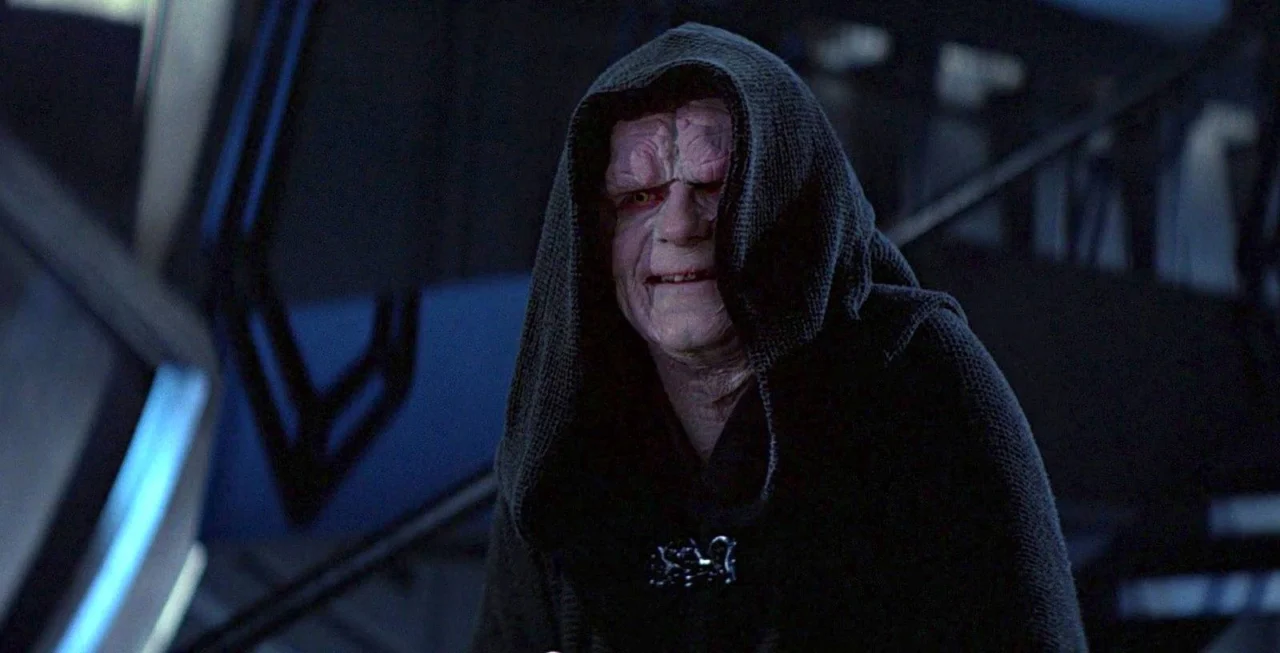
His assessment rings true. Star Wars serves as a primary victim of an online hate economy. This ecosystem encourages fan divides, targets actors and creatives, and pressures corporate entities like Disney to shy away from bold or ambitious storytelling.
Star Wars: The Rise of Hatred
Fans often repeat the joke that nobody hates a franchise more than its own supporters. While George Lucas’s original trilogy centered on Luke, Leia, and Han transformed science fiction, it also fostered a fanbase devoted strictly to that era. Any departure from Lucas’s vision was viewed as disrespect toward the source material. Interestingly, this volatility initially targeted Lucas himself.
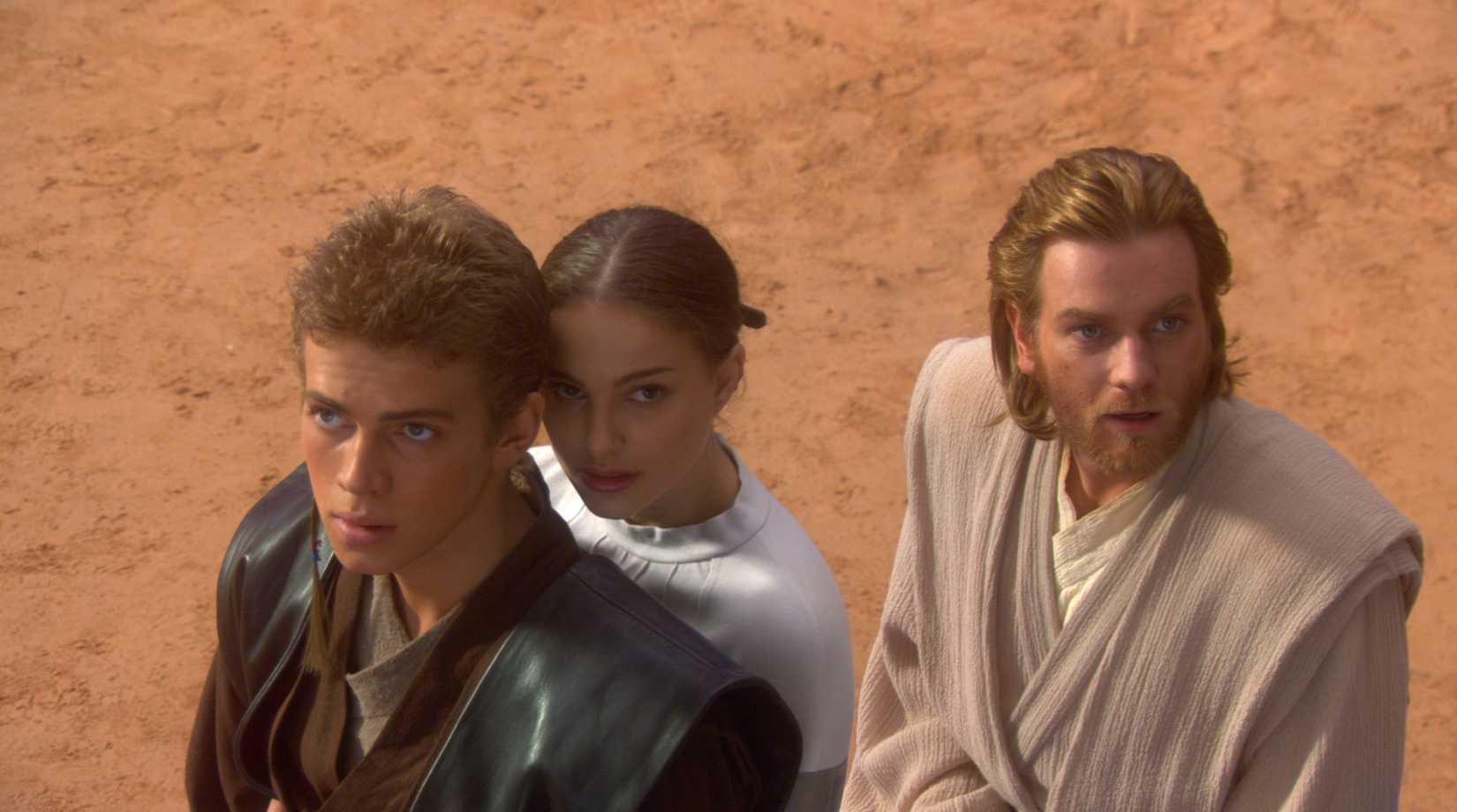
After years of anticipation for a trilogy detailing Darth Vader’s origin, the prequel trilogy felt like a disappointment to older fans. Time has softened perceptions of those prequels, but that hindsight does not erase the toxicity and abuse directed at actors such as Ahmed Best, who played Jar Jar Binks. Hayden Christensen also faced intense hostility for his portrayal of Anakin Skywalker.
The reaction to the sequel trilogy under Disney ownership, particularly toward The Last Jedi, demonstrates that the darker elements of the fanbase have only intensified.
Star Wars hate continues to grow
A wave of hostility accompanied Disney’s Star Wars sequel trilogy. Before The Force Awakens debuted in 2015, backlash surrounded the inclusion of Finn, played by John Boyega, simply because the character was a Black stormtrooper. In a universe featuring a talking frog alien, some fans treated this casting choice as a step too far.
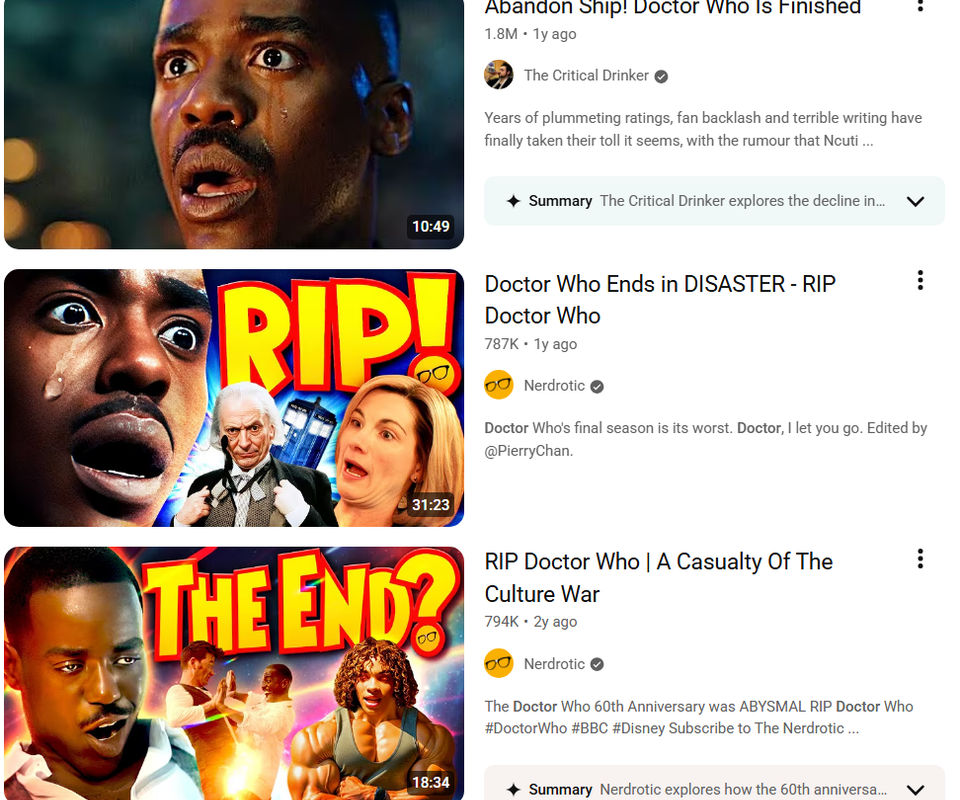
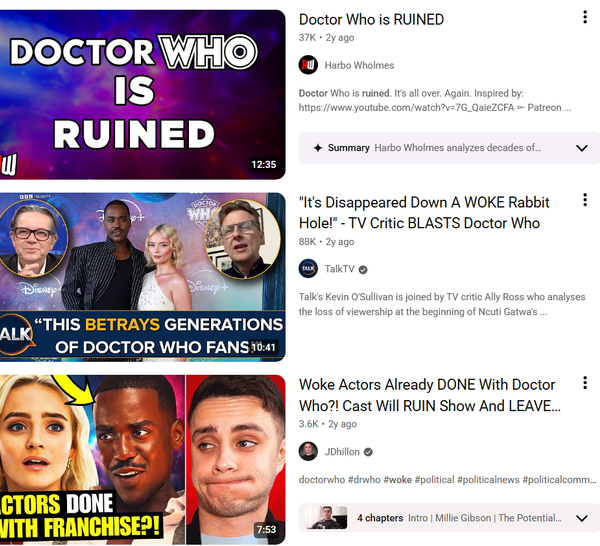
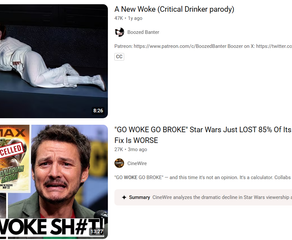
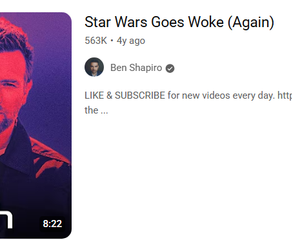
Boyega was not alone. Under the guise of concern for the franchise, hostile fans eventually drove his castmates Kelly Marie Tran and Daisy Ridley off social media.
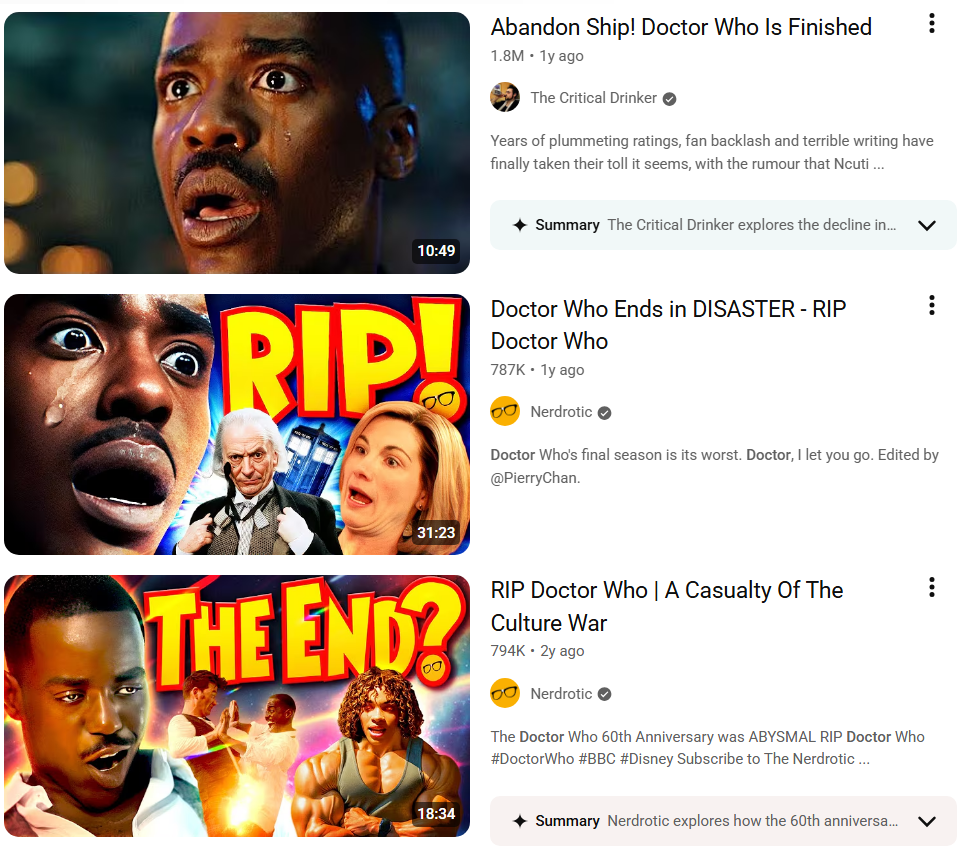
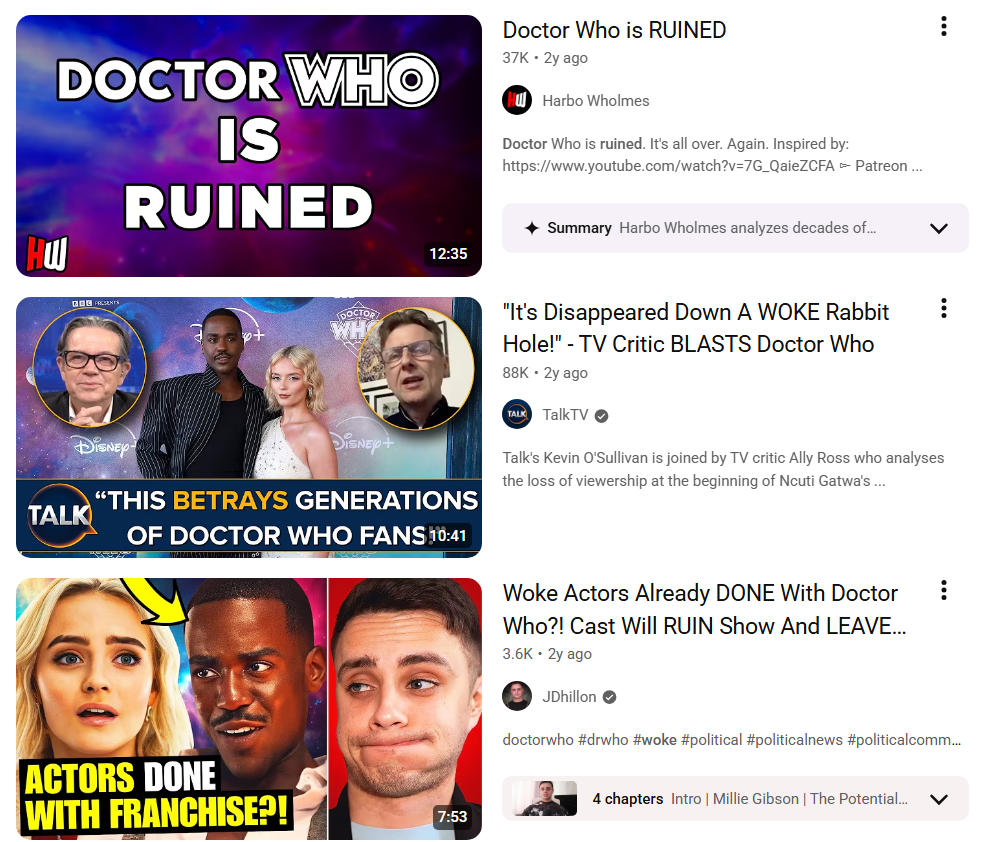
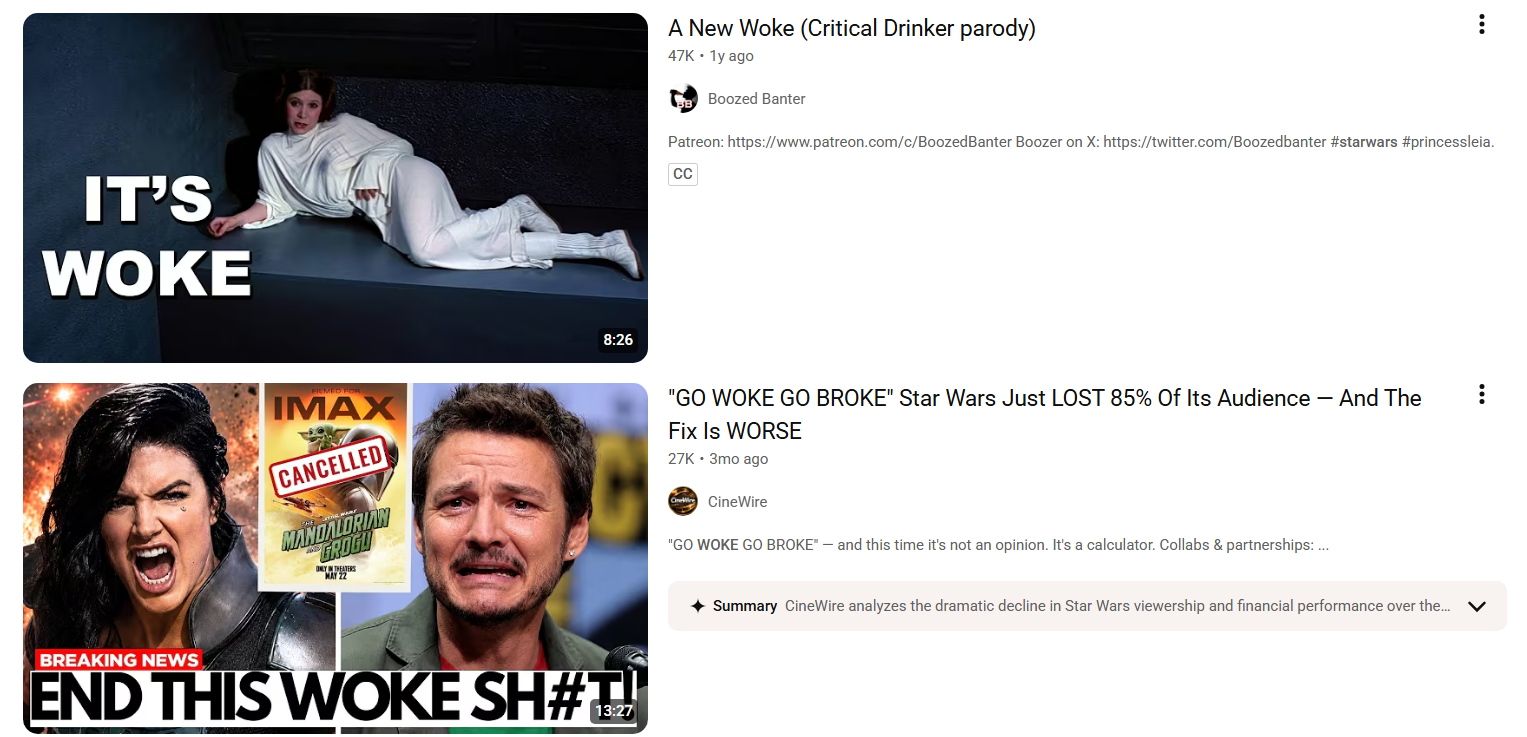
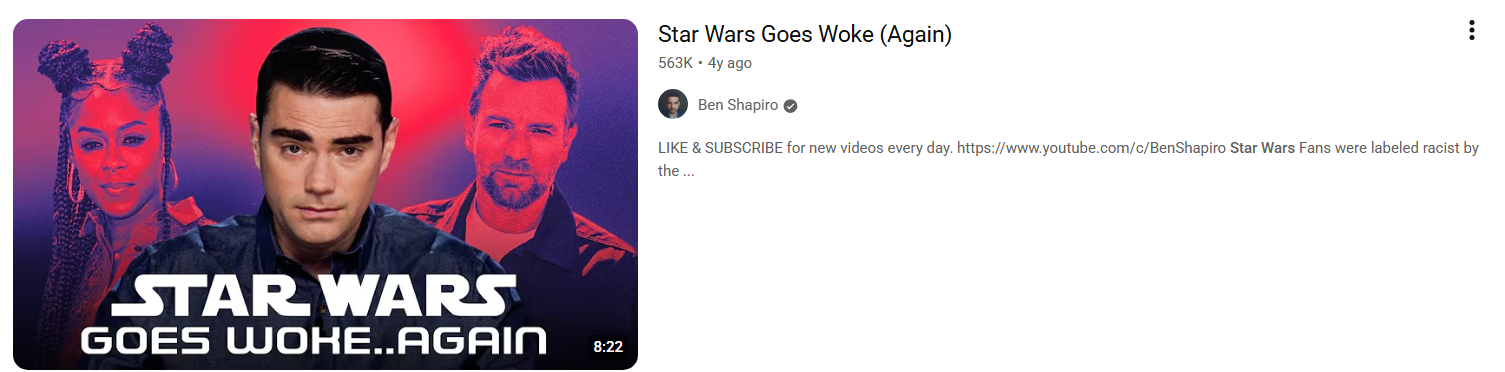
Online abuse continued to plague the franchise in later years. Ewan McGregor publicly defended his Obi-Wan Kenobi co-star Moses Ingram from racist trolls. Amandla Stenberg, star of The Acolyte, stated that she was not surprised by the show’s cancellation due to the bigotry it faced before release. Even Andor faced prejudice from viewers who argued the franchise did not require an in-depth exploration of political rebellion.
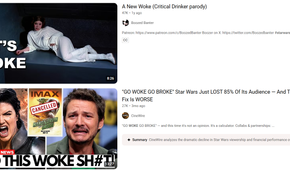
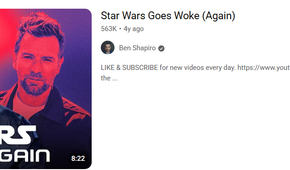
Technological advances have amplified this hostility. Generative AI has allowed fans to produce custom Star Wars media shared on YouTube. While this fan content is often rough in quality, it reinforces the narrative that this represents the true vision denied by Disney and Lucasfilm. Meanwhile, online influencers publish critical content continuously to drive clicks and profit from viewer outrage.
Prejudice is making Star Wars stale
The most damaging aspect of this fandom reaction is its influence on Lucasfilm and Disney. As seen when Disney altered course regarding how woke Doctor Who had become, studios often default to safe choices. For Doctor Who, that meant bringing back Billie Piper and David Tennant. For Star Wars, it means returning to the Skywalkers.
Andor represented a major creative leap by depicting the early days of the Rebel Alliance without relying on nostalgia. The Acolyte similarly explored an uncharted era, The High Republic, while examining the Jedi as a military force and exploring the nature of the Force.
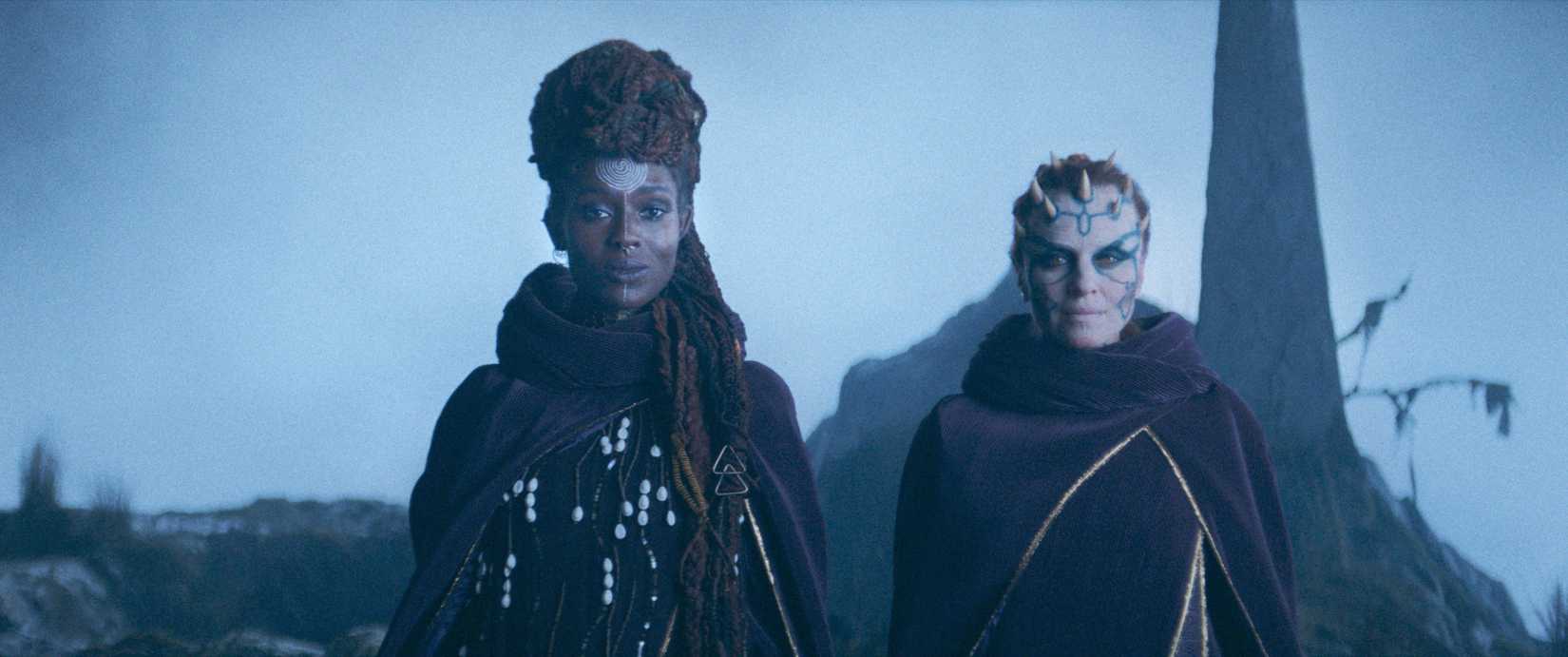
While fans treated The Acolyte harshly, both projects demonstrated what happens when Star Wars embraces creativity. George Lucas himself is an innovator who values adaptation and fresh perspectives, which explains why he expressed reservations about The Force Awakens.
Valid criticism of Star Wars is acceptable, but it differs fundamentally from bigotry. Studio leadership frequently responds to the latter with fear and caution. If Disney and Lucasfilm allow narrow-mindedness to dictate the direction of Star Wars, they risk abandoning the original spirit of the franchise entirely.
Source: Polygon
Related articles
 Boxed Games Become a Problem for Collectors as Issues Reach PS5
 Gears of War: E-Day Reportedly Planned as Start of a New Trilogy, Rumors Say
 Shenmue III Enhanced Edition Delayed to Improve Graphics and Add New Features
 Ridley Scott Finds Screenwriter for New Film That May Continue the Prometheus and Alien: Covenant Story
 Zendaya to Be Promoted for Best Lead Actress Oscar for Third Dune Film
 Crimson Desert Charting the Unknown Expansion Will Add Sea Monsters and Ship Boarding, Details Revealed
 Ticket Presales Suggest Dune: Part Three Will Lose Heavily to Avengers: Doomsday at the Box Office
 DC Horror Film Clayface Earns Unusually High CinemaScore