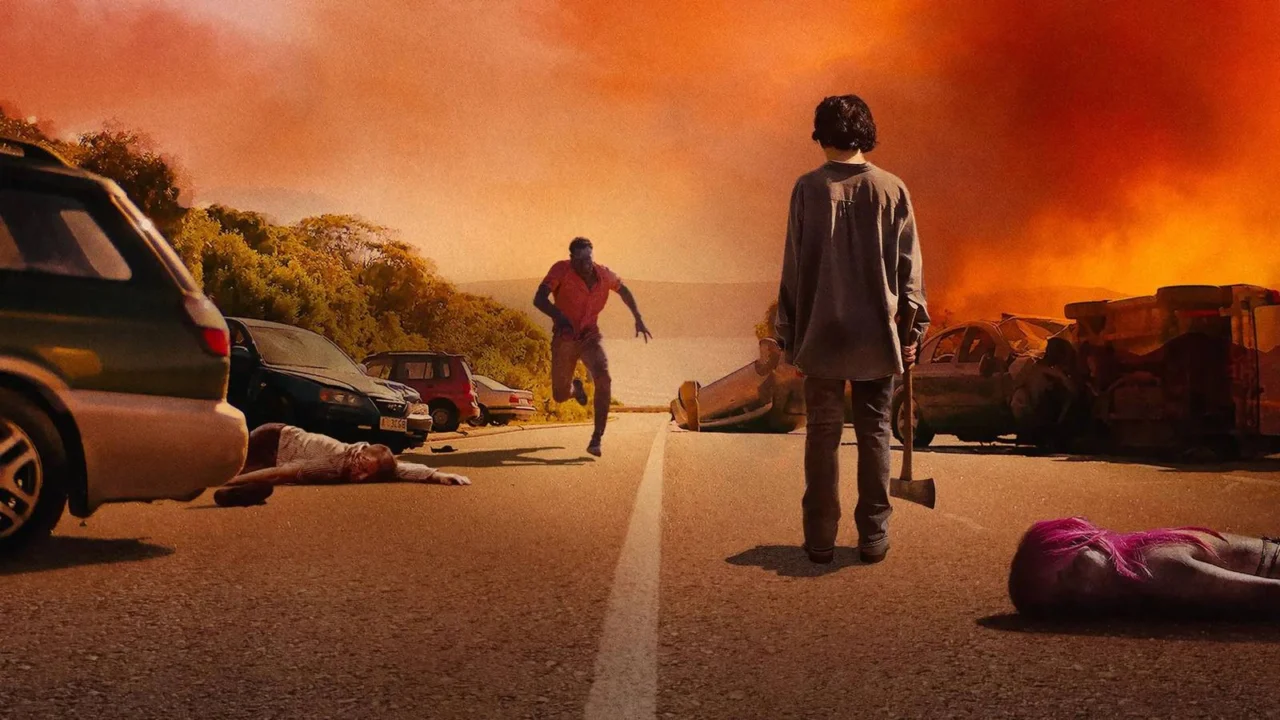
Daisy Ridley’s New Zombie Movie Is the Perfect Holdover Until 28 Years Later
The cinematic landscape of January is no longer the barren wasteland it once was. The start of 2026, for instance, marks the arrival of the highly anticipated 28 Years Later sequel, followed by a fresh Sam Raimi thriller starring Rachel McAdams. Yet, when the calendar places the first Friday of the year so early, the box office still feels a bit sparse. It is fitting, then, that one of the season’s first major entries is We Bury the Dead—a somber horror-drama that feels like a stripped-back, unplugged rendition of a high-concept zombie sociological thriller.
In many ways, We Bury the Dead presents one of the most composed depictions of a walking-dead outbreak since The Dead Don’t Die, though it grounds itself in deep melancholy rather than irony. After a botched military experiment triggers an EMP blast off the Tasmanian coast, the island’s entire population is instantly extinguished. Among the half-million casualties is Mitch (Matt Whelan). His wife, Ava (Daisy Ridley), joins a massive recovery effort to process the staggering number of remains, secretly clinging to the hope that she might find Mitch in a reanimated state.
The existence of the undead is treated with a startling lack of fanfare. During Ava’s orientation, volunteers are clinically advised not to panic if they encounter “moving” bodies; military units will neutralize them “humanely,” and they are framed as a minor logistical nuisance rather than a threat. This matter-of-fact approach is intended to dissuade families from searching for their lost loved ones, but Ava is undeterred. Teaming up with the more pragmatic Riley (Mark Coles Smith), she bypasses military cordons to journey deeper into the heart of the disaster.
As they move south, writer-director Zak Hilditch leans into mystery rather than adrenaline-fueled action. While the film doesn’t abandon horror entirely, it builds dread through subtle placements—undead figures appearing silently in the far background or lingering on the edges of the frame. Hilditch’s use of sweeping overhead shots emphasizes the chilling desolation of the landscape. One particularly effective, visceral detail is the sound design: the zombies, seemingly unaware of their own physical fragility, gnash their teeth with such force that they audibly crunch like dry cereal.
We Bury the Dead eschews the frantic pacing often associated with modern genre staples like 28 Days Later. Here, the monsters aren’t a stampeding horde; they are lethargic and aimless. The living characters often seem to have a firmer grasp on the situation than the monsters themselves, who lack the predatory instincts found in more traditional iterations of the genre.
However, this doesn’t offer Ava any comfort. She is told the reanimated are mere flukes to be corrected, and the encounters she has suggest a foggy, fading consciousness at best. As the journey continues, glimpses of latent aggression begin to surface, signaling the inevitable breakdown of order. Ava pushes forward regardless, haunted by the idea that these corpses are driven by “unfinished business”—a concept usually reserved for ghosts, giving the film a uniquely ethereal quality.
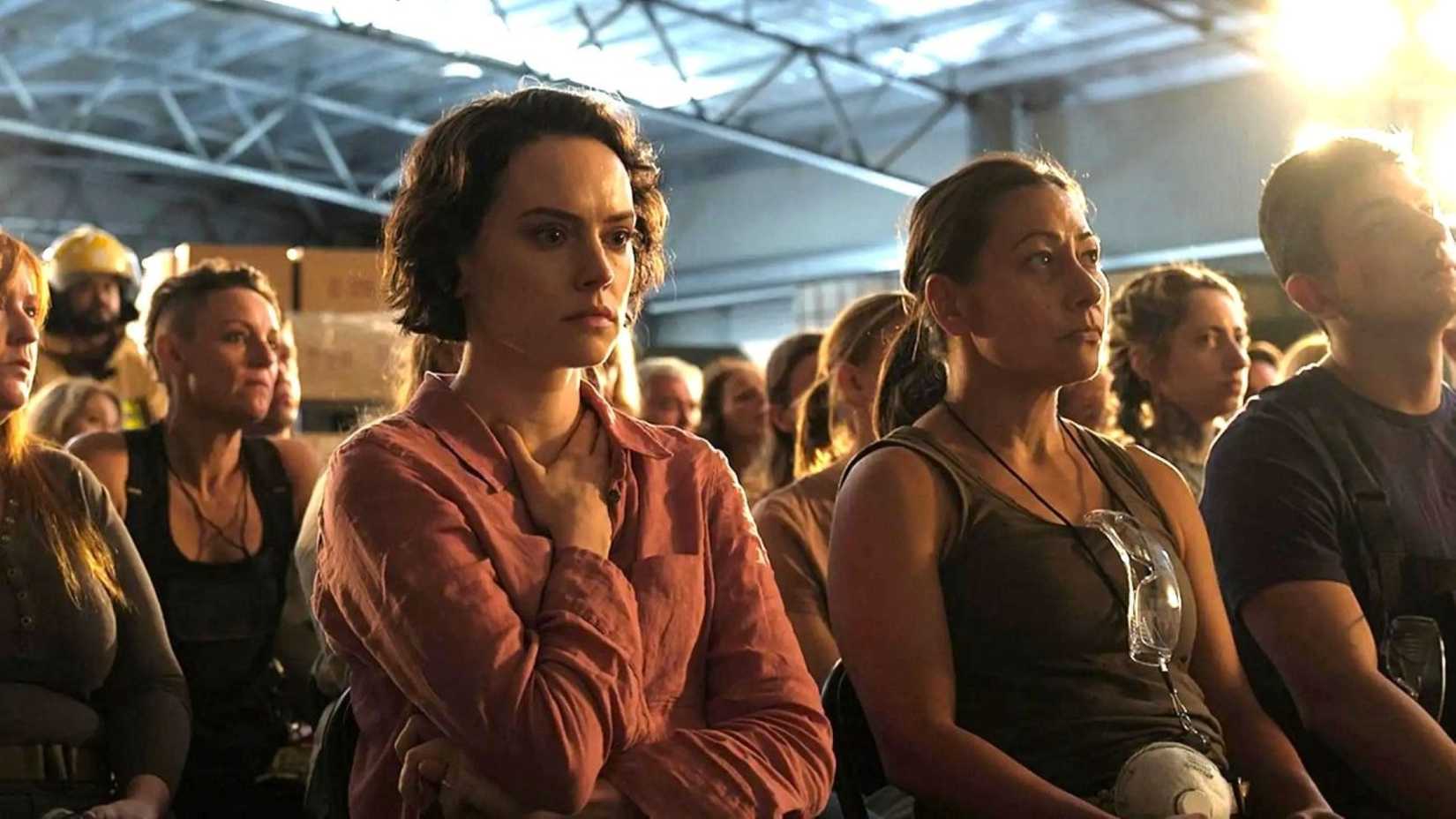
Through Ava’s perspective, Hilditch explores the underlying motivations of the zombie genre. He shares the confidence of filmmakers like Danny Boyle, believing that these stories can support a high degree of quiet, introspective drama. While We Bury the Dead lacks the aggressive stylization of Boyle’s work, it benefits from authentic location shooting, precise compositions, and a remarkably grounded performance from Ridley. Having established herself as a beacon of resilience in Star Wars and Young Woman and the Sea, Ridley here portrays a resolve that is both stubborn and deeply fragile.
The film’s resolution may leave some viewers wanting more, as it concludes with a suddenness that mirrors 28 Years Later, yet without the immediate promise of a sequel to expand on its more surreal elements. It also features a thematic beat reminiscent of an earlier sequence in Boyle’s recent film. Nevertheless, there is a distinct charm in its small-scale focus. Rather than attempting to map out a global apocalypse, Hilditch hones in on the personal wreckage of a localized disaster, examining what it means to search for humanity in the midst of overwhelming loss.
Source: Polygon
Related articles
 Rebel Wolves showcases optimization for The Blood of Dawnwalker in Unreal Engine 5
 GTA VI Leaks Proven True After Rockstar Games Confirms Inside Source
 Resonance: A Plague Tale Legacy Trailer Features Critical Acclaim
 New Star Trek Movie Described as Crimson Tide Meeting Training Day
 Reviewers Praise Marvel Tōkon: Fighting Souls Despite Flaws in New Trailer
 Everything Konami Showed At Its 2026 Press Start Showcase
 Everything Shown At The September 2026 State Of Play Japan
 Everything Announced At The September 2026 PlayStation State Of Play