
Crimson Desert’s Update Improves Much, But Fails to Address the Game’s Real Problem
A month has passed since the release of Crimson Desert, and it has been a grueling period—not just for me, having logged over a hundred hours, but surely for the team at Pearl Abyss as well. They have pushed out a steady stream of patches and refinements to address the game’s initial state. Returning to the updated landscapes of Pywel, I harbored a flicker of hope that these revisions might remedy my early disappointment; to an extent, they have.
The pre-launch version of Crimson Desert was plagued by friction: non-existent storage, restricted inventory, and a glaring lack of fast-travel waypoints in hubs like Howling Hill. Thankfully, recent updates have smoothed over these irritants. Gone is the repetitive button-mashing for sprinting, the finicky precision required for basic tasks like lumbering, and the disastrous automatic consumption of keys. Decades from now, I’ll tell the next generation of gamers that they haven’t truly known “suffering” until they experienced Crimson Desert during its inaugural month.
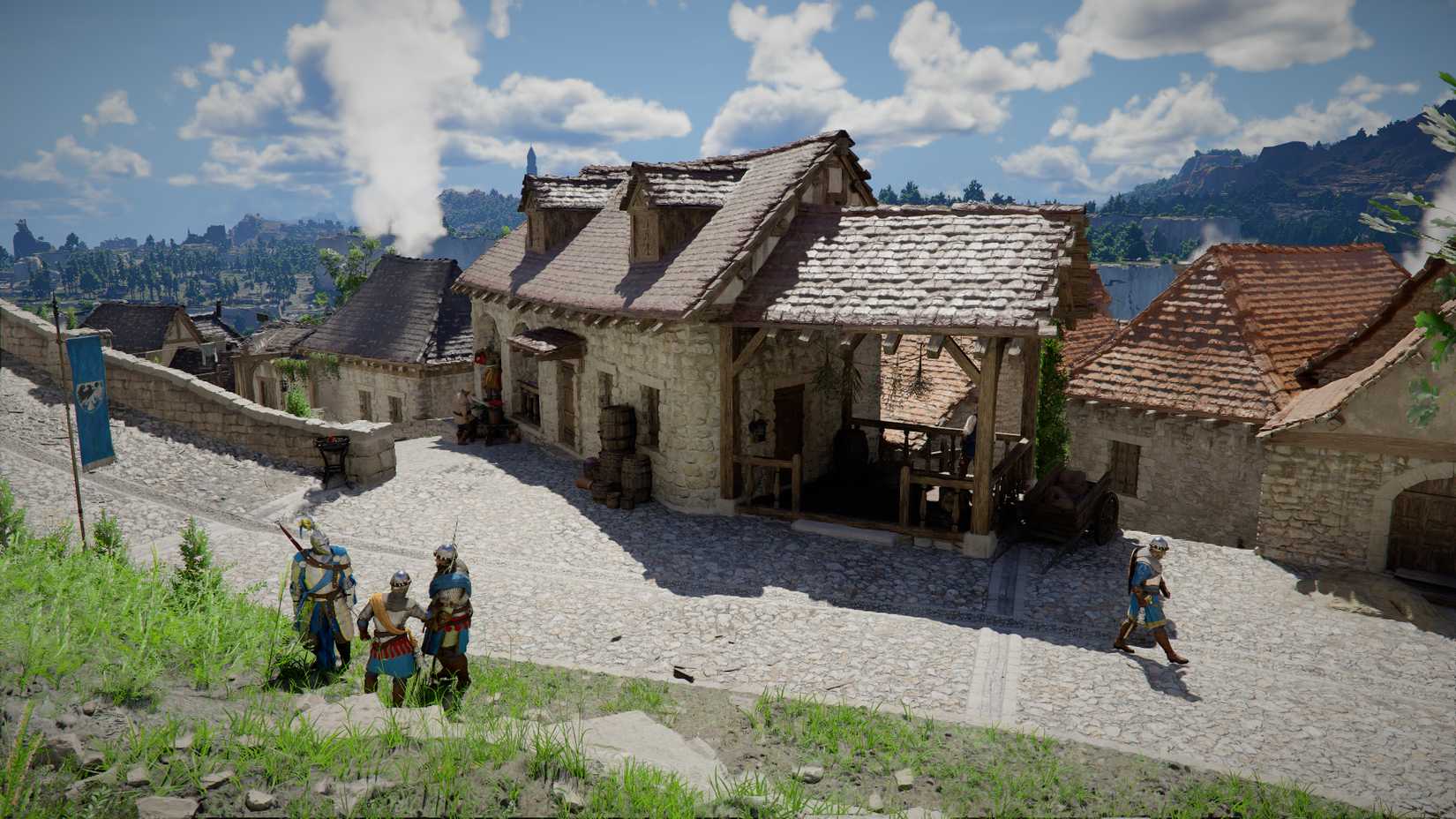 Image: Pearl Abyss via Polygon
My favorite adjustment arrived in update 1.01.00: criminal actions now only impact your reputation if witnessed by an NPC. It’s a welcome nod to logic that makes playing the villain far more immersive. Other highlights include faster refinement tokens that cut down on tedious grinding, a more forgiving archery mini-game, and the welcome removal of those unsettling, AI-generated monstrosities that once haunted the castle walls.
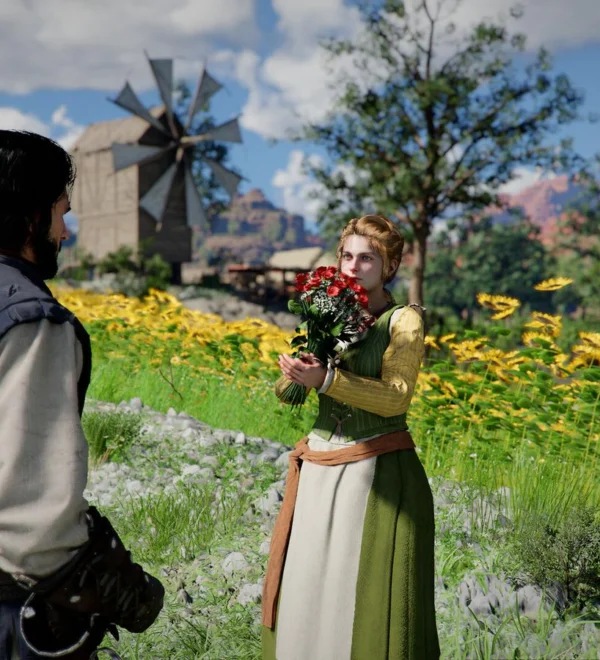
As I navigated Pywel, I attempted to engage with every faction quest in Hernand. The most memorable was—regrettably—an escort mission at Vellua Fishing Village. Watching my NPC charge loiter aimlessly while I waited for half a mile of terrain ignited a profound, visceral hatred for escort quests. Even when I finally managed to hoist the character onto my horse, it felt more like a chore than a triumph.
 Image: Pearl Abyss via Polygon
Bugs are temporary, but design is forever. The fundamental issue isn’t that these quests are glitchy; it’s that they are profoundly uninspired. They follow a sterile template: walk here, fetch that, defeat a familiar enemy, repeat. No patch can inject a compelling narrative or meaningful character connection into such a hollow framework.
I’ve reached the conclusion that the game’s questing system is a lost cause, though I did find some solace in the puzzle design—at least until the repetition set in. Environmental puzzles quickly become predictable, and platforming sections are often easily cheesed, stripping away any sense of accomplishment.
 Image: Pearl Abyss via Polygon
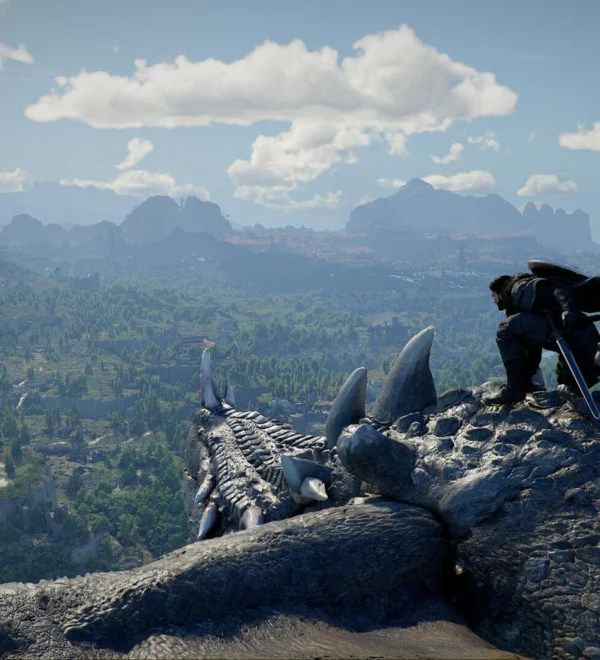
Exploration suffers from a similar malaise. While the addition of mounts and reduced stamina costs for flight make traversing Pywel less of a chore, the world lacks a compelling reason to explore. The vistas are grand, yet the content is desolate. Aside from the occasional point of interest, the world is filled with repetitive towns that offer nothing unique.
I continue to use the camp solely as a glorified storage locker. Whether it’s the lack of housing customization or the superficial nature of faction liberation, there is no depth to be found beneath the surface. Assisting a faction is a line item on a to-do list, not a story-altering event.
 Image: Pearl Abyss via Polygon
The sole area of meaningful growth lies in boss encounters. Combat feels more tactical and less focused on resource-hoarding. However, the true highlight remains the emergent gameplay, like using “Nature’s Grasp” to launch objects at enemies—a level of interactive chaos I wish were integrated into the core of the experience rather than relegated to specific fights.
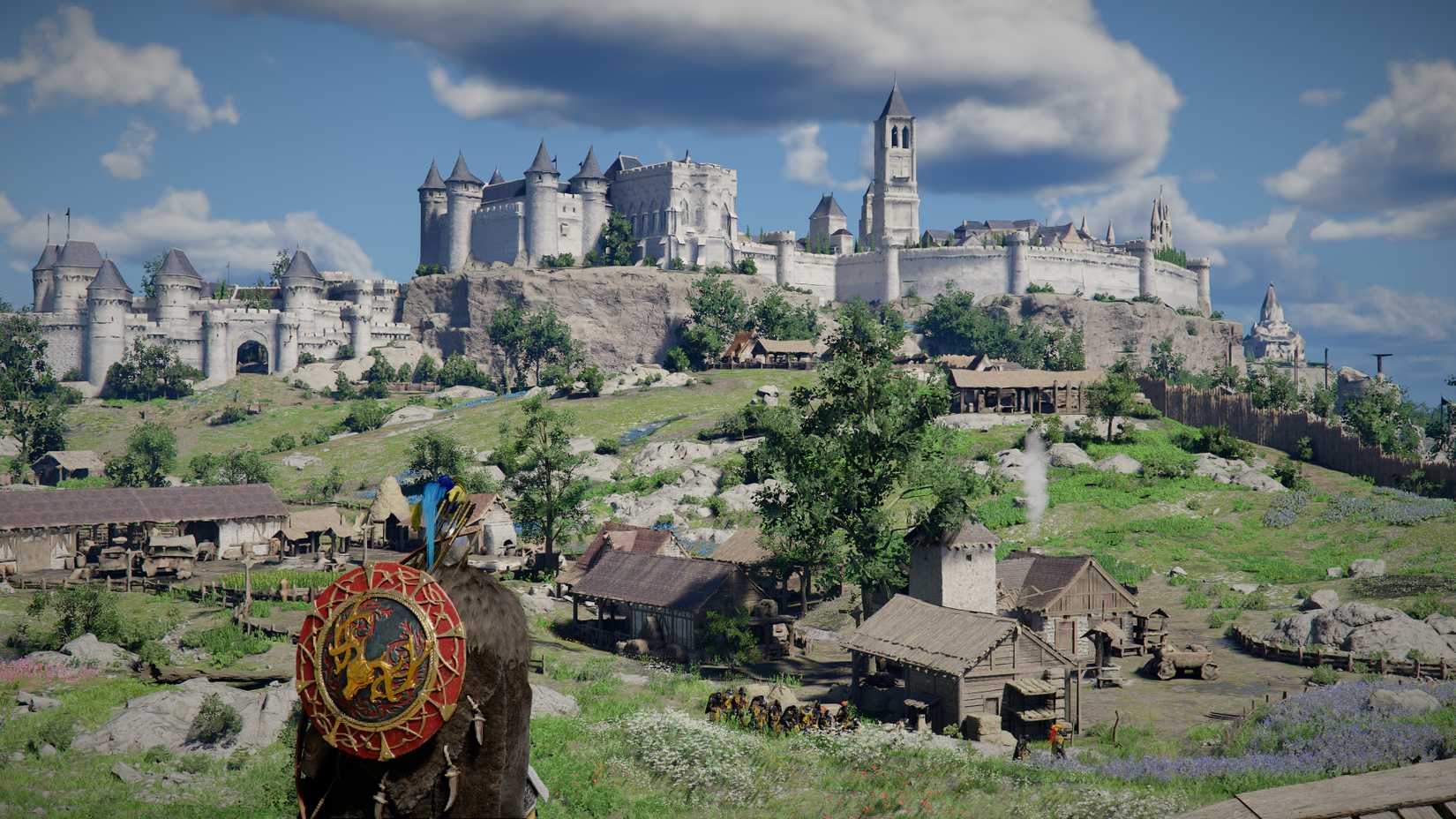 Image: Pearl Abyss via Polygon
Ultimately, my optimism for Crimson Desert has faded. While I appreciate the developer’s commitment to refining the technical experience, they cannot patch away the hollowness of the world-building. I would far prefer a game with rough edges and genuine ambition over this polished, yet fundamentally bland, amalgamation of open-world tropes.
Source: Polygon
Related articles
 Crimson Desert Nominated for Golden Joystick Awards 2026
 Crimson Desert: Charting the Unknown Release Date Update
 Crimson Desert: Patch 2.03.02 Fixes Progression Issues
 Why Crimson Desert Does Not Use Unreal Engine 5
 Crimson Desert Expansion Release Canceled in Multiple Regions
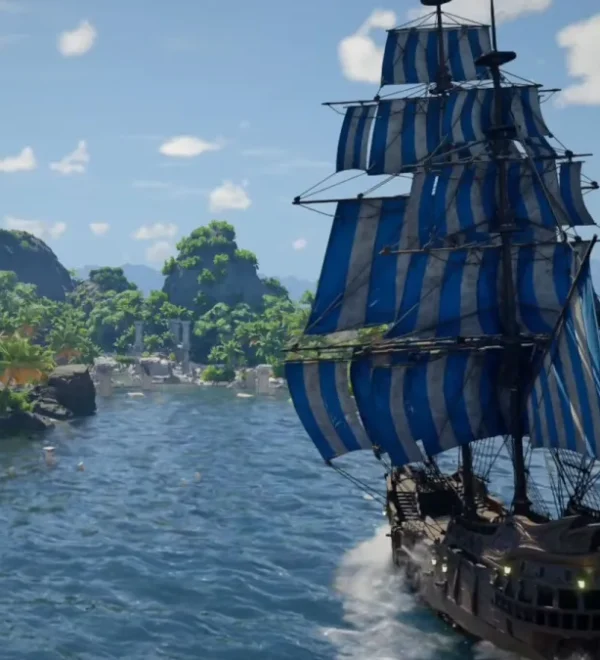 Crimson Desert: Charting The Unknown DLC Introduces Underwater Diving, Naval Combat, And More Next Month
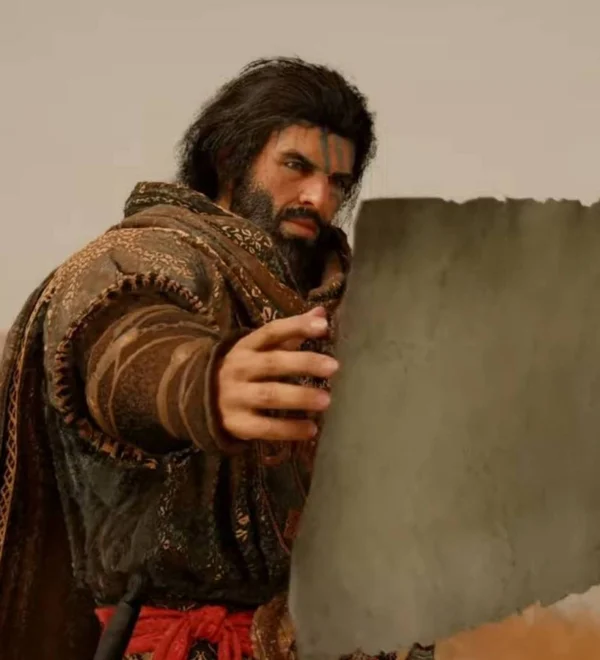 First Trailer for ‘Crimson Desert’ DLC Takes the RPG to Unexpected New Places
 Crimson Desert Patch 2.00.01 Fixes Frame Rate Drops and Launch Issues