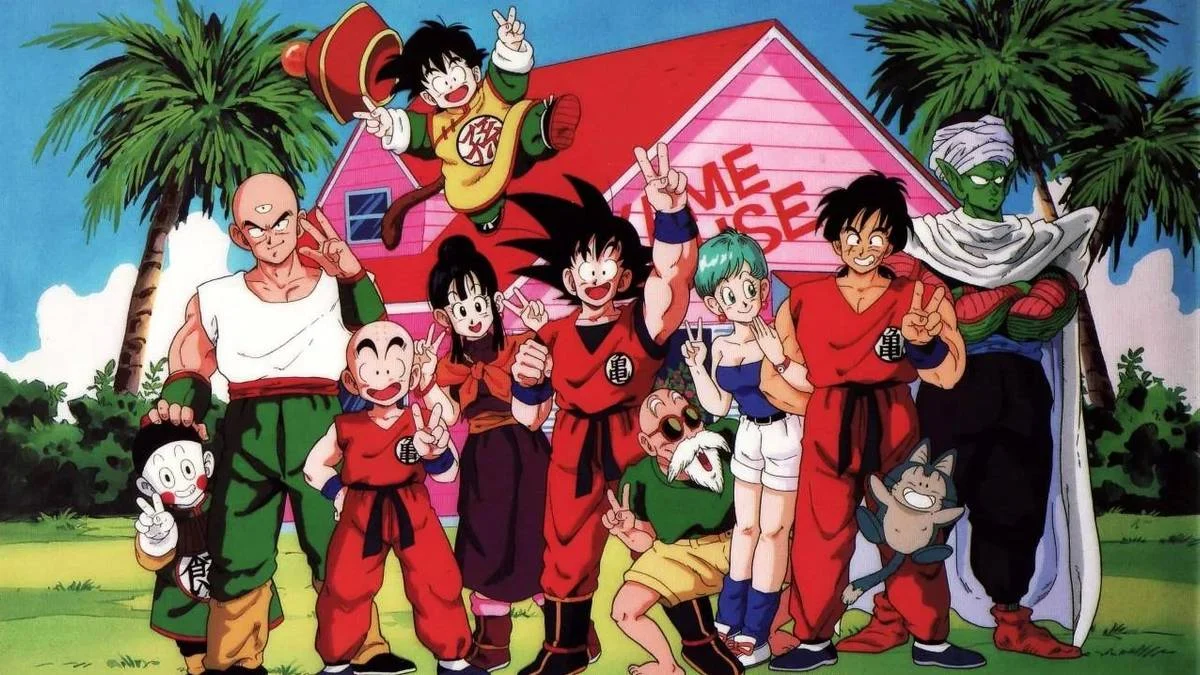
Christopher Sabat Shares the True Story of How He Joined Dragon Ball

Quick Navigation
“Thank you for calling GameStop. This is Chris speaking. How can I help you?”
That unexpected greeting came from Christopher Sabat, the prolific voice talent, as he opened our recent interview. While he was clearly joking, the playfulness felt fitting for a man who has shaped the childhoods of millions.
Sabat is a titan of the industry, having voiced an incredible roster within the Dragon Ball universe. While he is the voice of Piccolo, Shenron, Yamcha, and Nappa, he is inextricably linked to the Prince of all Saiyans, Vegeta. Beyond his microphone work, Sabat served as a voice director, helping to architect the 1999 Western adaptation of Akira Toriyama’s masterpiece—a series that would eventually explode into a $10.7 billion global phenomenon and spark the anime revolution in the United States.
Remarkably, Sabat wasn’t a fan when he first joined the production. In fact, he hadn’t even watched the show. To celebrate the 40th anniversary of the legendary anime, we spoke with Sabat about his accidental entry into the world of Super Saiyans and his eventual appreciation for the series’ humble beginnings.
The Genesis of Sabat’s Journey with the Franchise
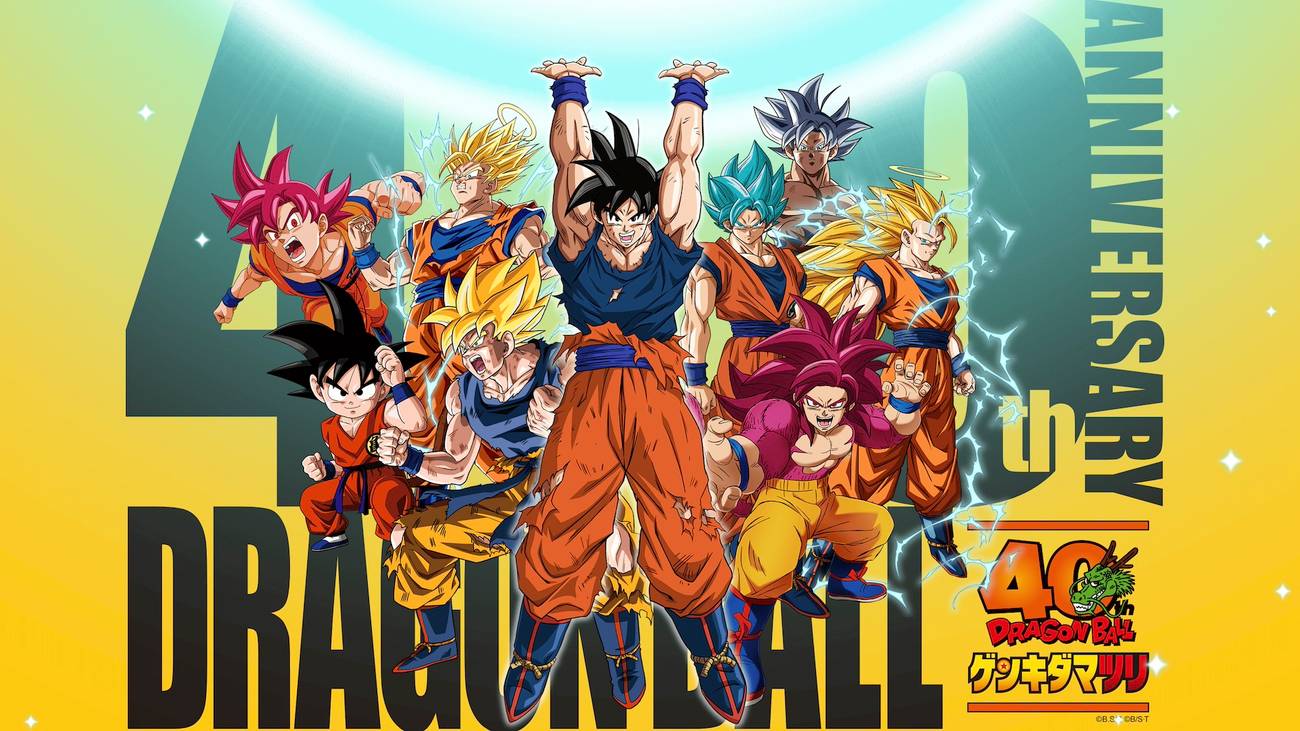
Image: Toei Animation
“I was essentially hired off the street after an audition in a Fort Worth bank building,” Sabat recalls. It was a chance encounter with Carly Hunter, an artist at Funimation at the time, that changed everything. She encouraged him to try out for “this thing” because of his knack for comedic voices.
At the time, Sabat was a college student focused on his music career. His first role wasn’t even Vegeta; he was originally cast as Yamcha for the VHS release of Sleeping Princess in Devil’s Castle. This project was a litmus test for Funimation to see if they could move production from Canada to the United States.
Within a month, the studio offered him a full-time position. “My initial training involved the incredibly glamorous task of hitting ‘record’ and ‘play’ on a mixer. I was so exhausted I’d fall asleep at the desk,” Sabat laughs. Eventually, his primary responsibility became finding American voice actors who could mimic the established performances of the previous Canadian cast from The Ocean Group.
What Set the Original North American Dub Apart
Image: Toei Animation
The path of *Dragon Ball* in America was far from linear. After an early attempt at the original series failed to gain traction, Funimation pivoted to the high-octane Dragon Ball Z. This decision meant that, like many fans, Sabat experienced the story out of order. “For me, it was Z first, followed by movies and games, and finally, the original Dragon Ball,” he explains.
During the late 90s, the creative mandate was less about precision and more about engagement. Sabat notes that they weren’t strictly beholden to the Japanese scripts; the goal was simply to “make a good show.” This resulted in a very different sonic experience, including the synth-heavy score by Bruce Faulconer, which remains a point of nostalgia for many fans.
“We filled the silence,” Sabat says, comparing the older dub to the more faithful Dragon Ball Z Kai. “The original English scripts were wall-to-wall dialogue. If there was a quiet moment in the Japanese version, we usually scripted a line to keep the energy up.”
Working in 1999 also meant working in a vacuum. Without Wikipedia or fan forums, the team had few resources. “The internet was in its infancy. We didn’t have a database of lore to consult,” Sabat says, explaining why even the most iconic lines didn’t feel momentous at the time of recording.
Working Backward: From Z to the Original Series
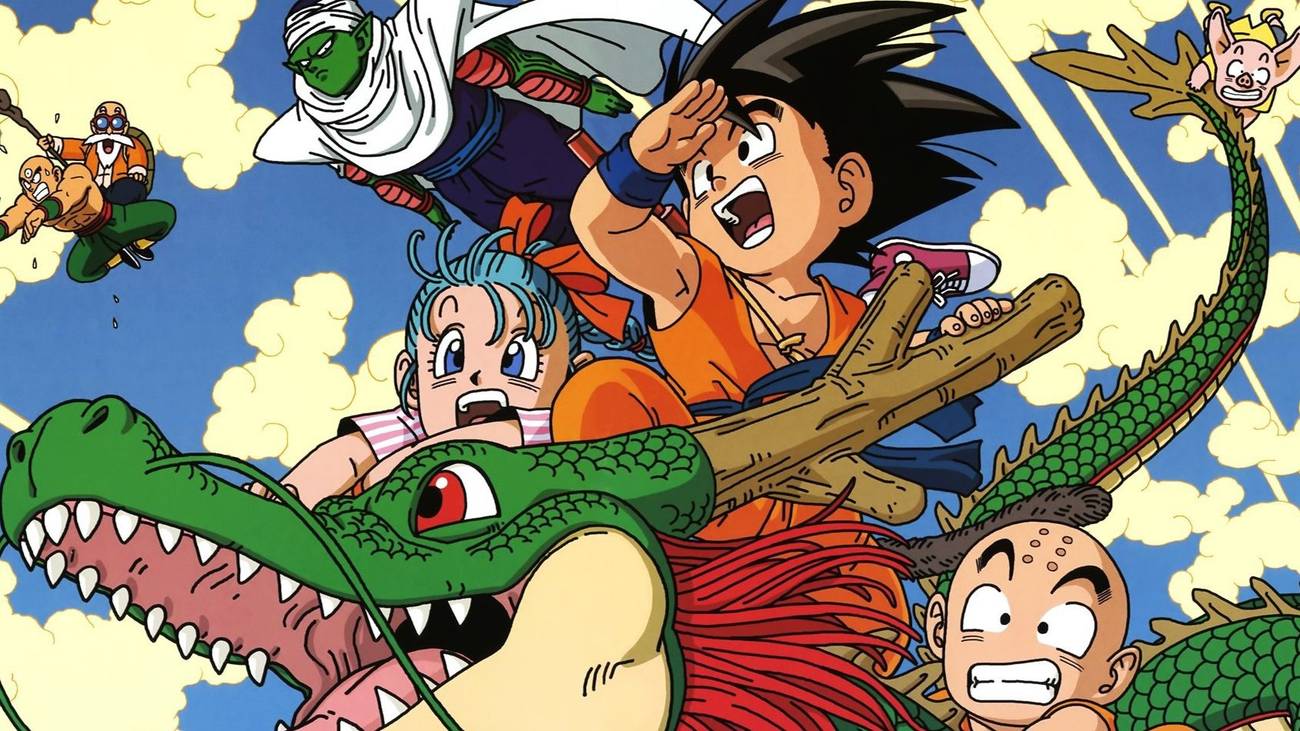
Image: Toei Animation
While the world knows Dragon Ball for its universe-shaking battles, the original 1986 series was a whimsical, comedic adventure. For Sabat, who had spent years in the high-stakes world of *Z*, seeing the origins of the characters was a “shock to the system.”
“Mike McFarland directed the original series, and he did a phenomenal job,” Sabat notes. “But the tonal shift was jarring. *Dragon Ball* eventually evolved into a battle-focused shonen, but its roots were much more lighthearted.”
Watching the prequel actually filled in the blanks for his work on Dragon Ball Z. He began to see Toriyama’s true genius—not just in the combat, but in the silliness. “Toriyama’s work is at its best when it’s funny,” Sabat argues. “The fun, goofy moments often outshine the epic battles.”
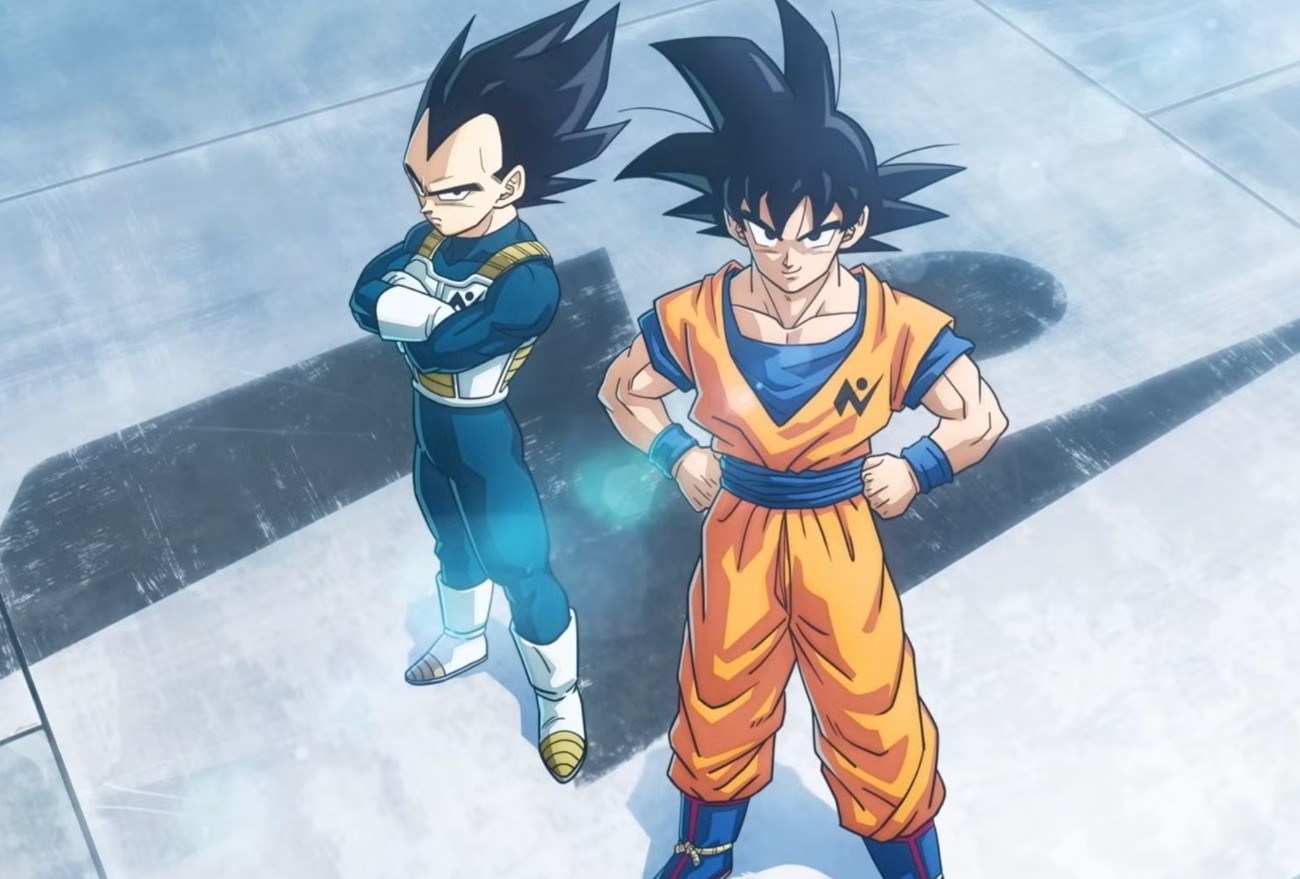
Image: Toei Animation
This spirit of playfulness returned with Dragon Ball Daima, the final project Toriyama worked on before his passing. While some fans clamored for more gritty action, Sabat reminds us that the heart of the franchise has always been about joy and outrageous fun. With the recent announcement of Dragon Ball Super: The Galactic Patrol, the legacy continues to expand, but its core remains the same.
“At the end of the day, Dragon Ball was just a collection of silly, joyful moments,” Sabat concludes. “Interspersed with a little bit of fighting, of course.”
Source: Polygon
Related articles
 Takopi’s Original Sin Compilation Film Gets New Trailer Ahead of November 27 Japan Release
 Cyberpunk: Edgerunners 2 Creators Release Two Music Albums
 Pricing Expert Criticizes Hollow Knight: Silksong for Being Priced Too Low
 Gears of War: E-Day Hotfix Fixes Crashes and Campaign Bugs but Not Smoke Grenade Exploit
 NDP Leader Avi Lewis Criticizes EA Over BioWare Closure, Calls for Federal Support for Employee Buyout
 Trailer for Canceled Mass Effect 5 Leaks Online, Bloomberg’s Jason Schreier Says It Is Real
 Capcom Had to Improve RE Engine for Onimusha: Way of the Sword’s New Enemy Dismemberment System
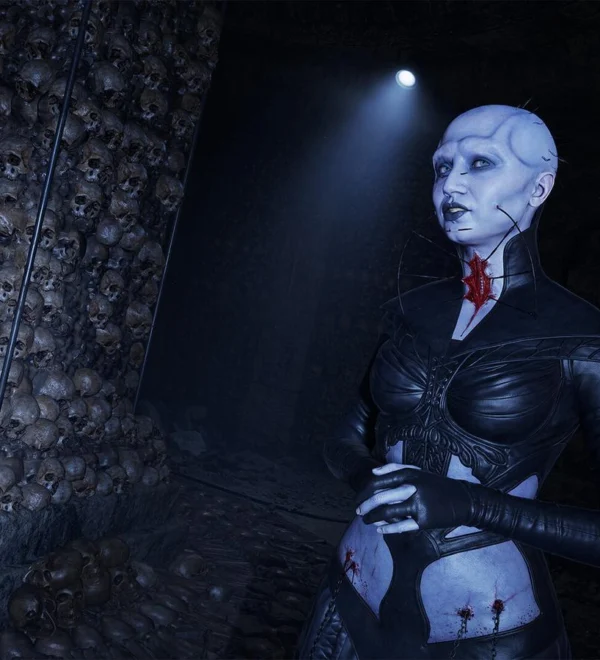 Saber Interactive Head Calls AA Games Like Hellraiser: Revival the Future of the Industry