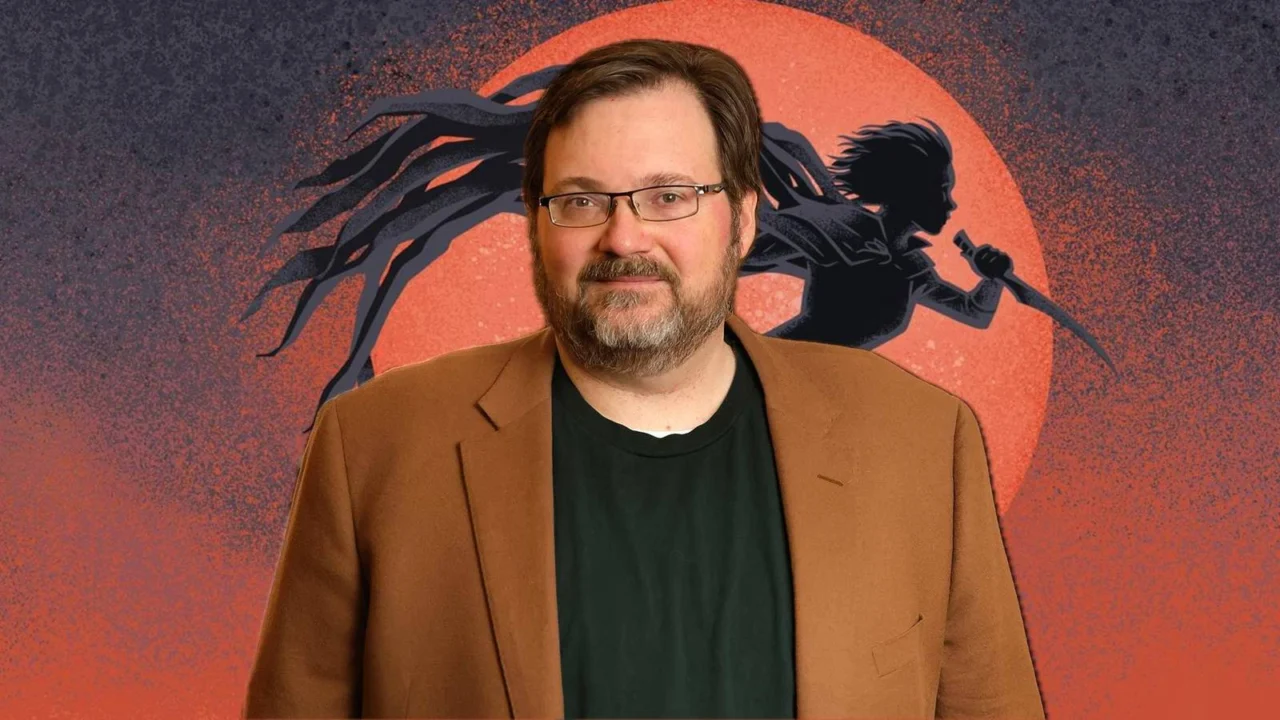
Brandon Sanderson Shares Theory on Fourth Wing Success
Where does one of fantasy’s most prolific authors see the book industry headed 20 years from now? Brandon Sanderson — author of the Mistborn Saga and Stormlight Archive — sat down with fellow writer Joe Abercrombie in July for a lengthy conversation about everything from industry trends to Sanderson’s ongoing work adapting several of his works. One of the final questions posed by a fan asked specifically about the future of the industry. Sanderson offered a surprising theory about 20-year nostalgia cycles that helps explain why the Empyrean romantasy series, which began with the release of Fourth Wing in 2023, has exploded in popularity.
“Fourth Wing with the 20-year dragon nostalgia cycle is another one I feel like we should have seen [coming],” he said. “Because the early 2000s are when Eragon and How to Train Your Dragon came out right at that 20-year nostalgia cycle for those millennials who had grown up with those. Now, here’s a mature book about fantasy dragon riders for them.”
The 20-year nostalgia cycle
Since its 2023 debut, Fourth Wing has spent months on bestseller lists, sparked a publishing frenzy around romantasy, and turned Rebecca Yarros into one of the biggest names in fantasy fiction. In May, Amazon’s Prime Video ordered a live-action TV series adaptation. Fourth Wing follows 20-year-old Violet Sorrengail, a bookish young woman forced into an elite military academy where aspiring dragon riders compete in deadly trials to bond with dragons, survive brutal training, and prepare for war. It is also unabashedly smutty at times.
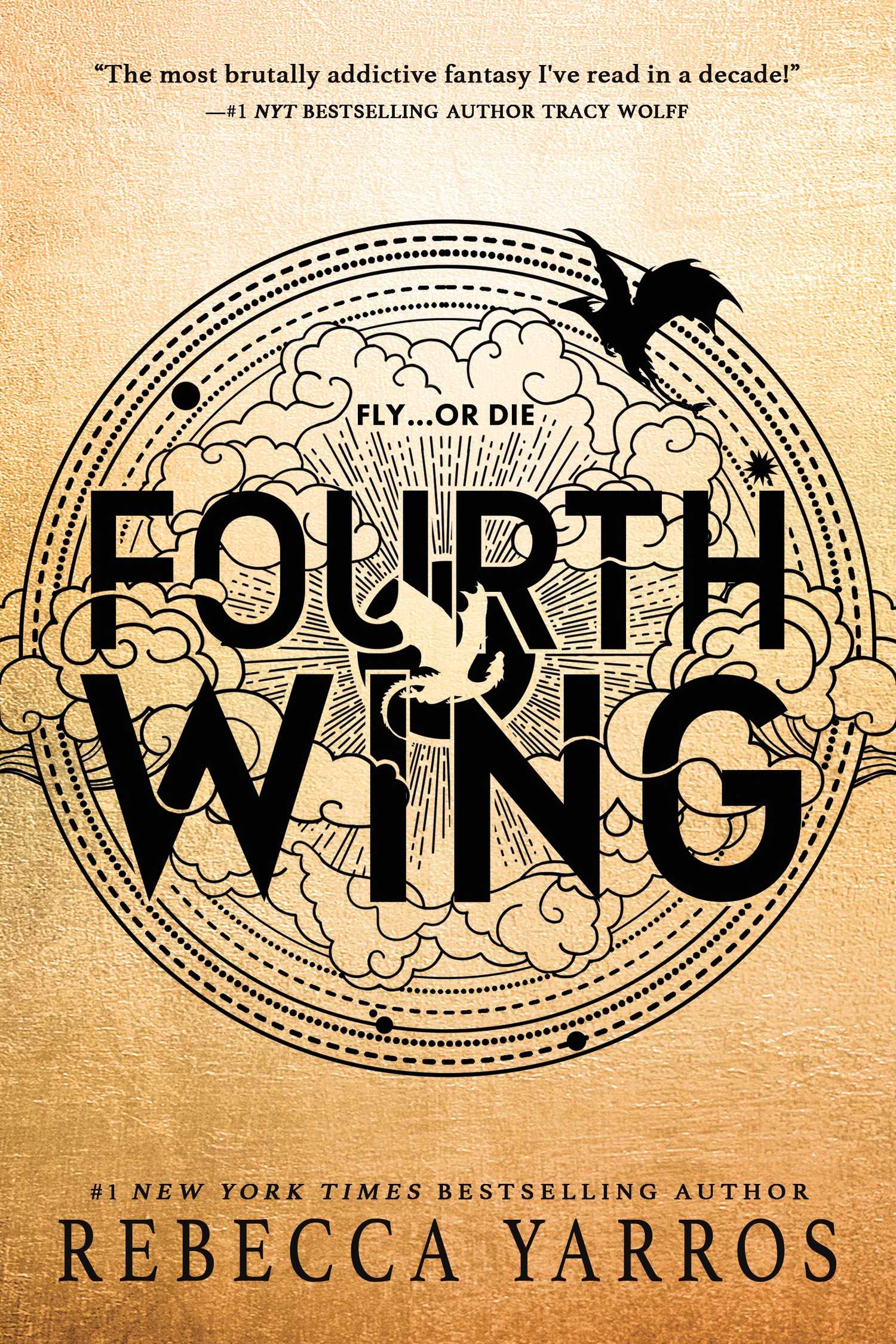
Millennials were born between 1981 and 1996, so the oldest of them were 22 when Christopher Paolini’s Eragon hit wide distribution in 2003, and the youngest were only seven years old. The first How to Train Your Dragon movie was released seven years later when millennials were between 14 and 29 — the ideal age range for an audience watching an animated movie with surprisingly mature themes. Dragon-focused fantasy stories were popular two decades ago, and now they are back in vogue.
Sanderson believes these trends are not random. Looking back, he even argued that his 2023 novel Tress of the Emerald Sea arrived just ahead of the cozy fantasy boom, suggesting publishing tastes do not simply change — they cycle. In a similar fashion, his Mistborn: The Final Empire from 2006 combined fantasy with a heist-focused plot and was released right around the same time that Scott Lynch’s The Lies of Locke Lamora came out. Almost 20 years to the day, Random House Worlds published The Feywild Job by C.L. Polk, an official Dungeons & Dragons novel that focuses on a heist with cozy romantasy elements woven in. Sanderson’s theory sounds more legitimate the longer you interrogate it.
Sanderson also sees these cycles play out as specific franchises re-emerge. “We’ve just got a new Hunger Games,” Sanderson also pointed out. “That’s the 20-year nostalgia cycle on The Hunger Games.” The first book was released in 2008. Suzanne Collins went on to publish two prequels in 2020 and 2025. The film adaptation of Sunrise on the Reaping is due out later this year. In the same vein, How to Train Your Dragon got a live-action feature film recently. Eragon also has a live-action series in development with Disney Plus. The cycle begins anew.
Publishing trends are notoriously difficult to predict, but Sanderson argues they are not as random as they seem. The biggest fantasy hit of the next decade may not come from inventing something entirely new, but from reimagining a story readers loved in the 2010s.
Source: Polygon
Related articles
 Market Analysts Surprised by CD Projekt RED Report Showing New Revenue Source
 Cancelled The Last of Us Part II multiplayer gameplay shown in PC mod
 38-Year-Old Classic Action RPG Receives Steam Remake
 2008 LEGO Batman Set Appreciates Significantly in Value
 Valve Veteran Expresses Doubt Over GTA VI Online Transition Success
 Hacker Bypasses Denuvo in Five Games Within 24 Hours
 New Warcraft III Fan Campaign Explores Sylvanas Windrunner’s Story After The Frozen Throne
 Indie Rope-Jumping Roguelike Developers Criticized Over Sexualization