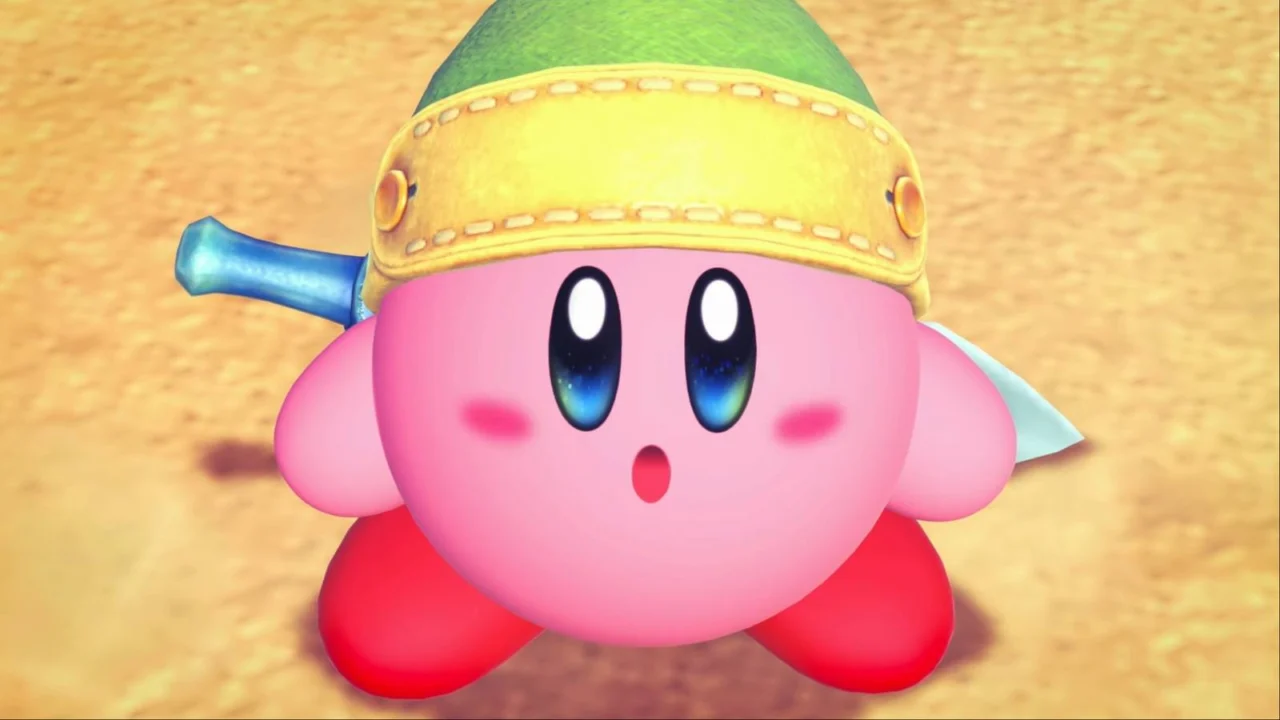
Blame the Switch 2 for Nintendo’s Boring September Direct
A Nintendo Direct is rarely just a marketing broadcast; it functions as a genuine cultural touchstone for the gaming community. These presentations serve as communal gatherings where enthusiasts celebrate the extraordinary, the whimsical, and the delightfully eccentric announcements that define Nintendo’s unique identity. Even the underwhelming reveals—particularly the underwhelming reveals—spark lively discourse. This raises a pressing question: why did the September Nintendo Direct feel so profoundly uninspired? The answer lies in an unexpected consequence: Nintendo finally possesses a console robust enough to handle the exact same multiplatform libraries as a PlayStation or Xbox.
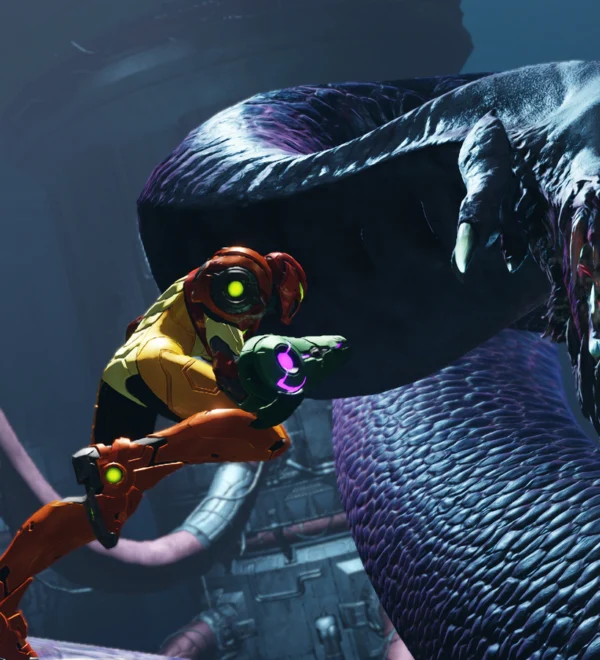
The 45-minute presentation offered a comprehensive roadmap for the Switch and Switch 2 releases slated for the autumn, alongside an early glimpse into the 2027 release calendar. The broadcast packed in wall-to-wall trailers, highlighted by breathtaking first looks at the newly unveiled Metroid Ravenous and Kirby and the World Beyond. Yet, outside of these marquee headliners and a handful of appreciated downloadable content previews, the lineup lacked genuine surprises.
Every major announcement from the September Nintendo Direct
Complete with every trailer released
The vast majority of the stream was consumed by third-party publishers confirming that previously launched or announced titles are finally making their way to the Switch 2. This tone was established immediately; instead of opening with a marquee first-party surprise, Nintendo kicked off the showcase with Monster Hunter Wilds. From there, viewers were treated to Kingdom Come: Deliverance 2, Persona 4 Revival, and even a port of the seven-year-old Resident Evil 2 remake, accompanied by its direct sequels. Consequently, the broadcast ultimately mirrored a glorified Partner Direct—the traditionally lower-profile showcases dedicated to third-party software—with only a few proprietary Nintendo updates sprinkled throughout.
Gamers should anticipate this shift becoming the new normal. Right from the inception of the Switch 2 hardware cycle, Nintendo signaled that courting third-party support is a primary objective. From a business perspective, this strategy is entirely pragmatic for a corporation that historically struggled to secure third-party partnerships while its technical capabilities lagged behind the processing power of competing platforms. Now equipped with advanced hardware capable of running modern releases, Nintendo is opening the floodgates to ensure loyal fans can experience acclaimed titles they missed over the years. Naturally, this means upcoming showcases will inevitably rely more heavily on major ports rather than entirely novel concepts or eccentric experiments.
This approach is not entirely unprecedented. Throughout the original Switch era, Nintendo frequently drew gentle teasing for populating its broadcasts with ports of Wii U titles. Fans humorously tracked which beloved game would finally escape “Wii U prison” during each subsequent presentation. That phenomenon is now scaling up dramatically, with Nintendo framing releases like Fatal Fury: City of the Wolves as headline systems sellers for the Switch 2 demographic. As more development studios master the architecture and coordinate simultaneous multiplatform releases, future Nintendo Directs may soon become virtually indistinguishable from Sony’s State of Play broadcasts, save for a handful of protected exclusives.
Get Polygon’s Wishlister newsletter
A weekly cheat sheet to what you’ll eventually love to play. No buying, no
commitment — just saving for later.
Free. Unsubscribe anytime.
Complaining about this progression admittedly feels a bit trivial. Entertaining as they are, Nintendo Directs function fundamentally as sterile marketing exercises designed to communicate upcoming software availability. They exist to inform players precisely what is arriving on Nintendo hardware in the near future. While seasoned enthusiasts who have long since exhausted titles like Resident Evil 2 may find these announcements underwhelming, the news is transformative for gamers whose ecosystem has historically been restricted to Nintendo consoles. The eventual arrival of Elden Ring on the Switch 2, for instance, represents a massive milestone for a dedicated player base, even if it arrives years after the game’s initial cultural phenomenon.
Nevertheless, a lingering sense of nostalgia remains. Nintendo’s historical choice to maintain technical divergence from its competitors forced developers to innovate creatively when crafting software for their ecosystems. The original Switch largely phased out the experimental era of bespoke handheld experiences, yielding fewer idiosyncratic gems like Ghost Trick: Phantom Detective. The Switch 2 threatens to accelerate that homogenization further. It is difficult to envision developers engineering inventive alternatives like Monster Hunter Rise—which brilliantly circumvented the original Switch’s inability to run Monster Hunter World—now that Capcom can deploy Monster Hunter Wilds directly onto the new hardware.
Fortunately, certain creators still champion that inventive ethos. The recent release Orbitals feels meticulously built around the unique utility of the Switch 2’s GameChat capabilities, much like FromSoftware’s The Duskbloods (which was notably absent following its rigorous late-summer network test). Meanwhile, Bloober Team delivered arguably the most compelling concept of the recent showcase with Onyx: The Dark Grip, an atmospheric horror experience engineered exclusively for portable play.
Hopefully, more studios will continue upholding that torch for originality even as industry giants like Capcom and Square Enix settle into a reality where a Nintendo console effectively functions as a portable PlayStation. Until then, many will continue cherishing the memories of an era when a Nintendo ecosystem offered a dedicated sanctuary for unexpected gameplay innovation.
Source: Polygon
Related articles
 EA Sports FC 27 Platinum Trophy Reportedly Requires Paid Purchases
 Ubisoft Joins Xbox Initiative to Convert Physical Game Copies to Digital
 Nintendo is quietly assembling a killer 2027 lineup
 When does Marvel Rivals Season 10 release in your time zone?
 Bloober Team Announces Onyx: The Dark Grip for Nintendo Switch 2
 Steven Spielberg Sci-Fi Thriller Disclosure Day Sets Peacock Streaming Release Date
 A Bunch Of Steam Achievements May Have Leaked For Games Like Persona 6, Kingdom Hearts 4, And More
 Remedy Releases PC System Requirements for Control Resonant