Avatar: Seven Havens Creators Reveal Inspiration Behind Devastated New World
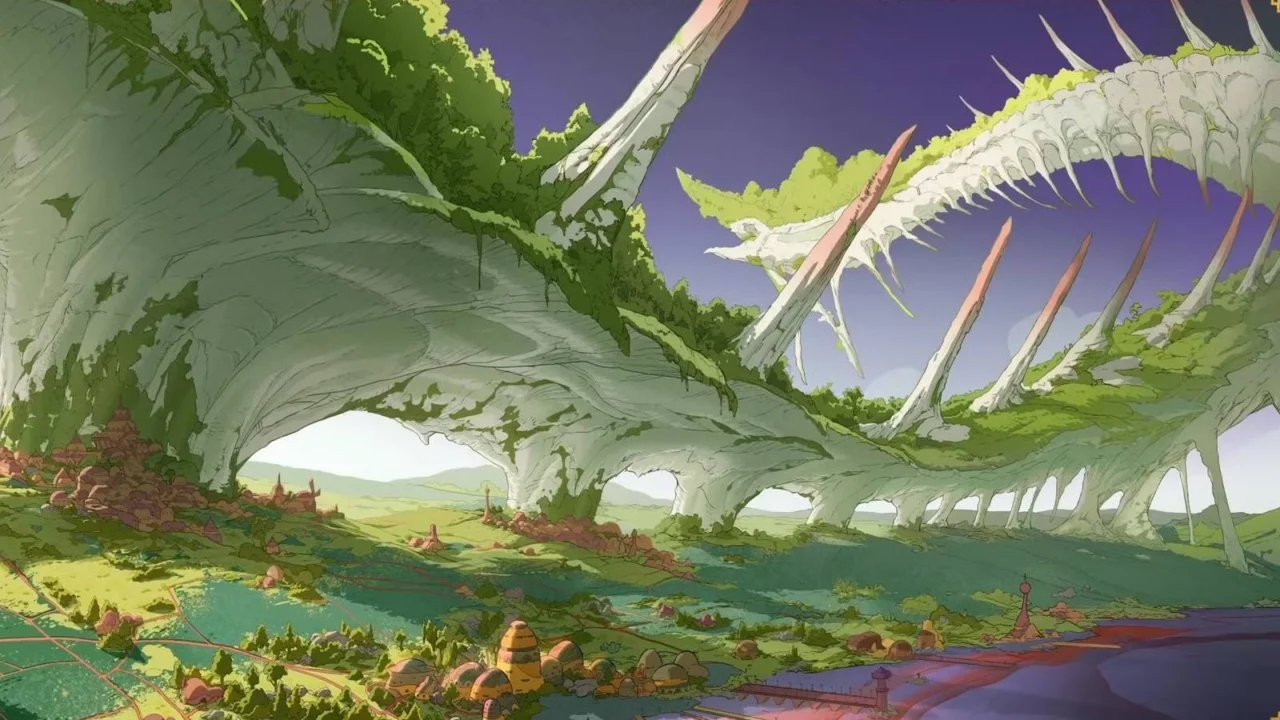
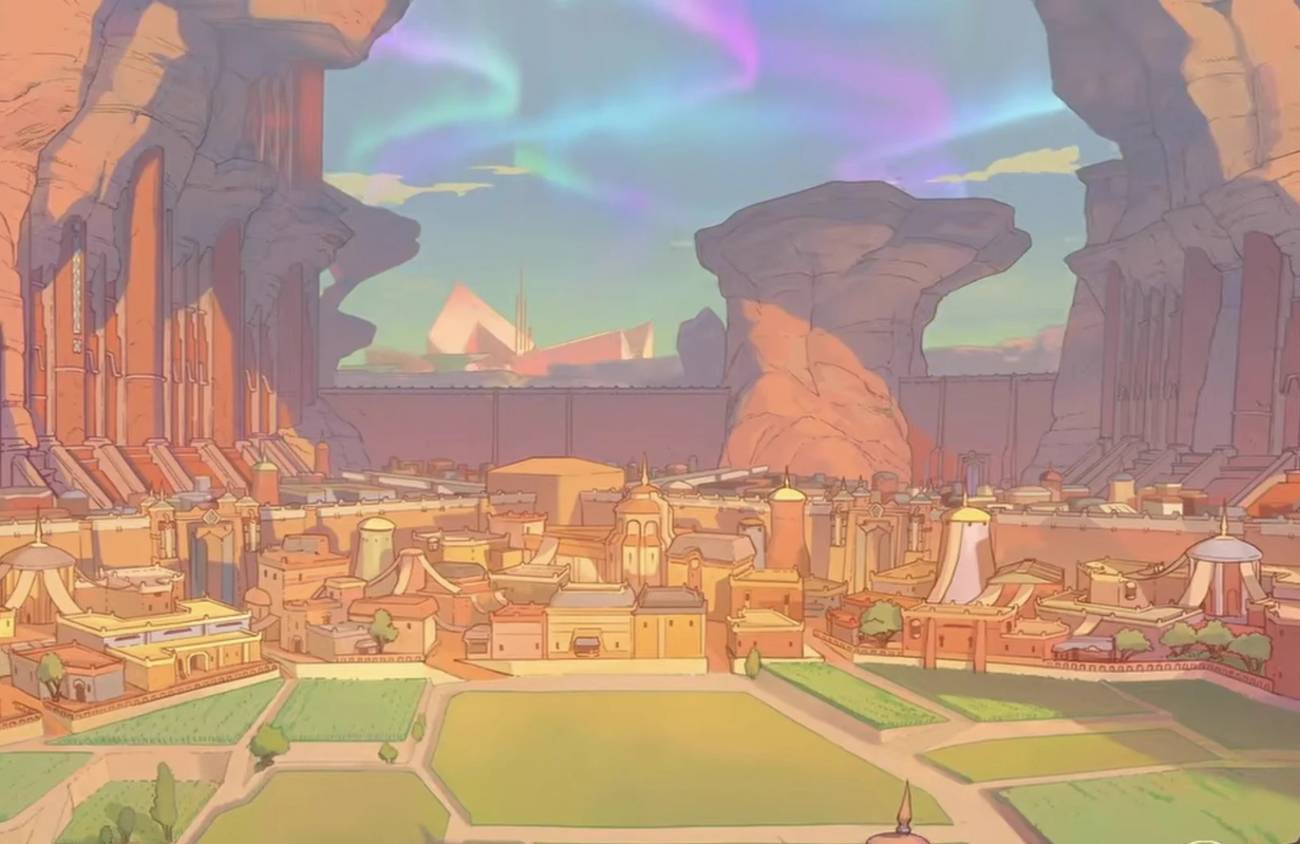
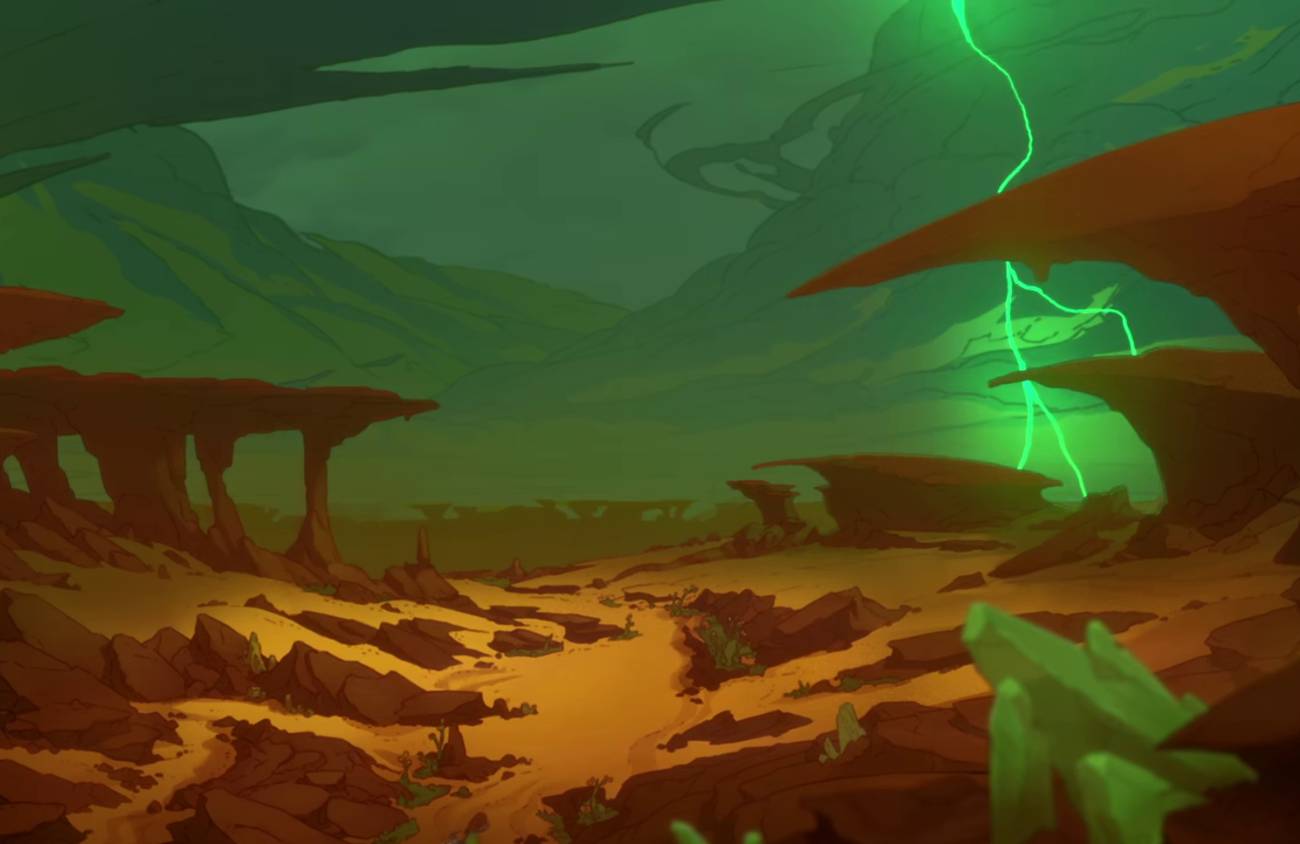
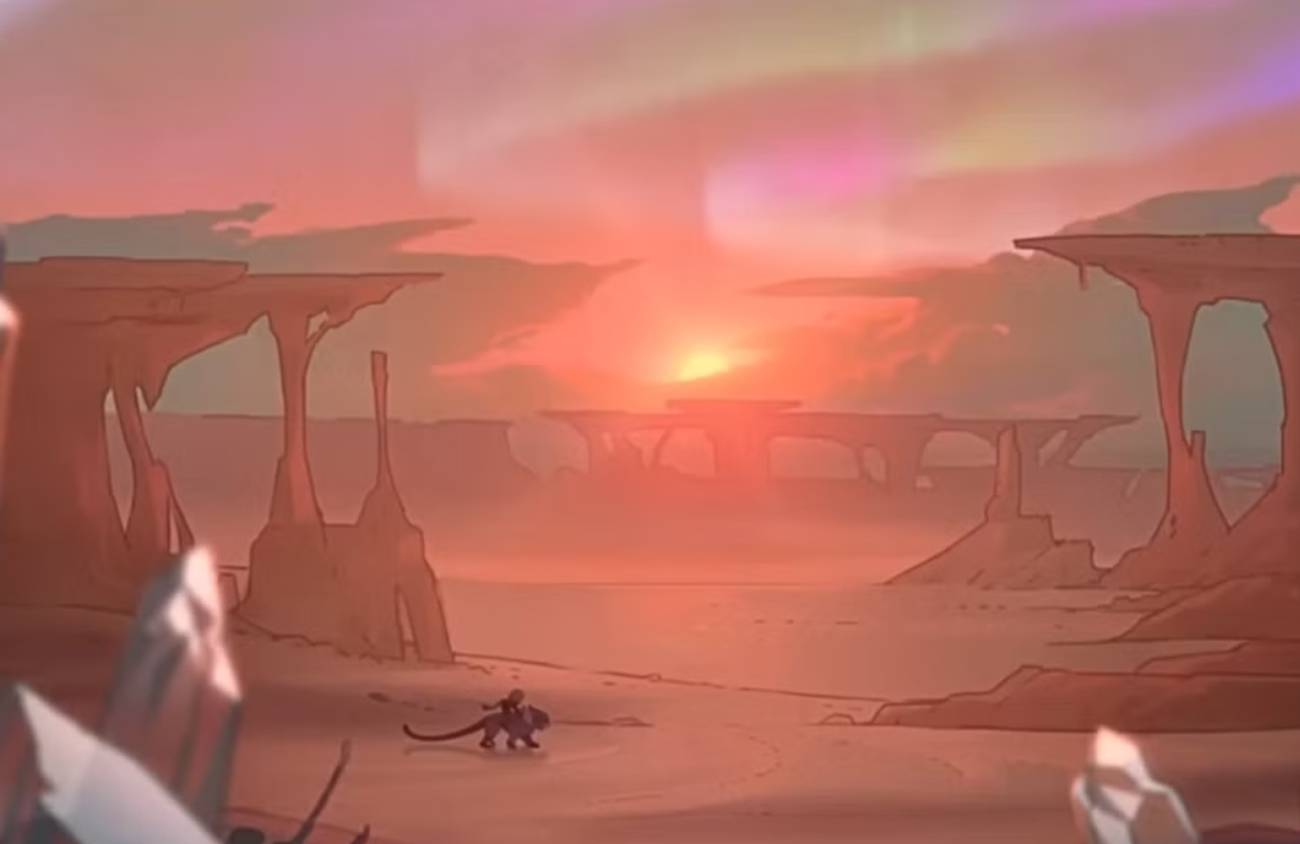
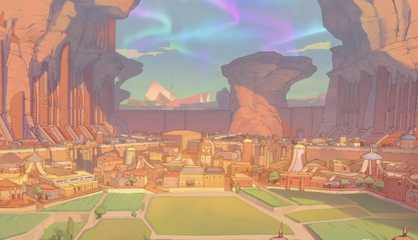
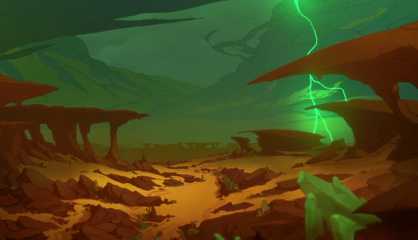
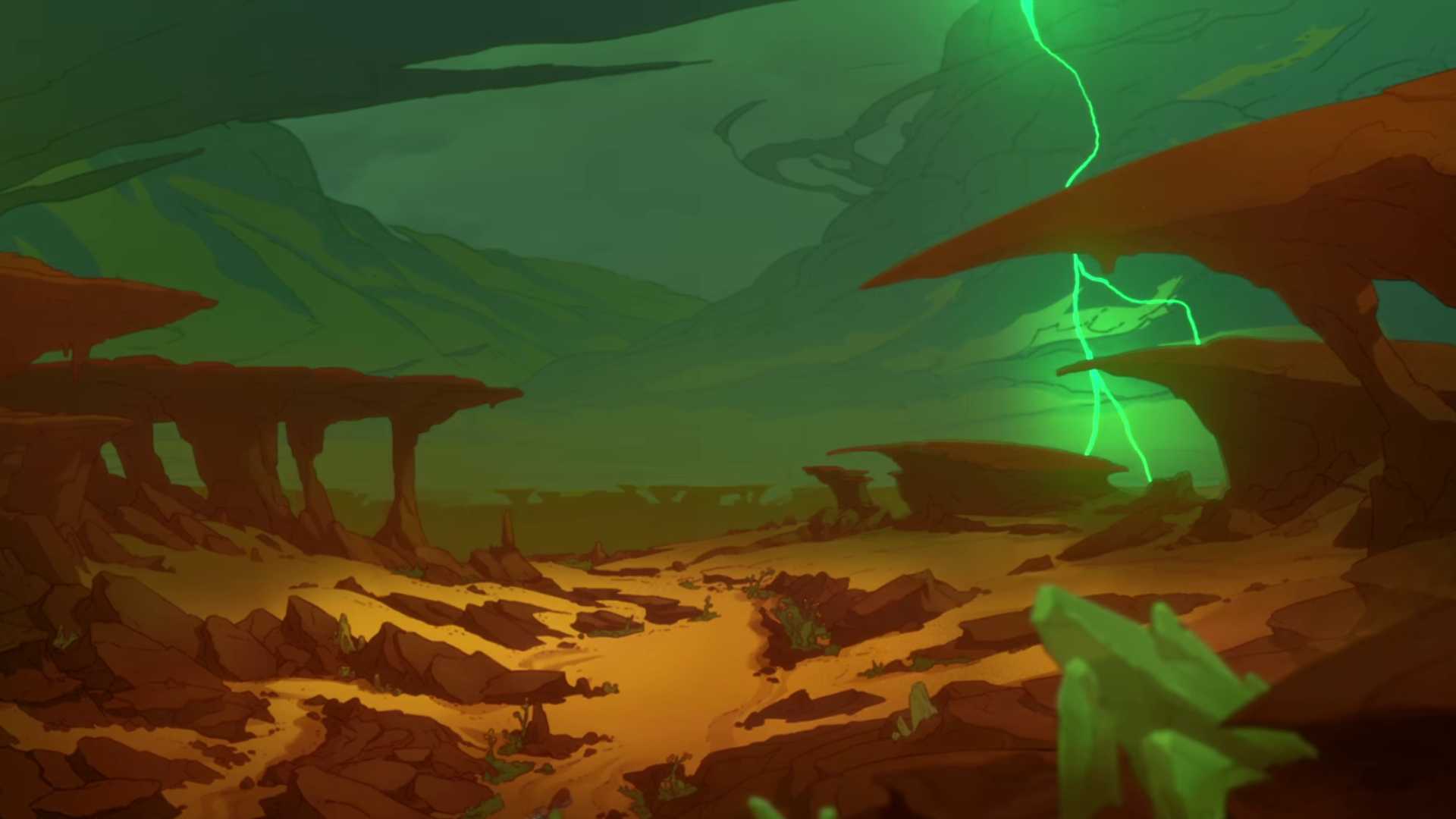
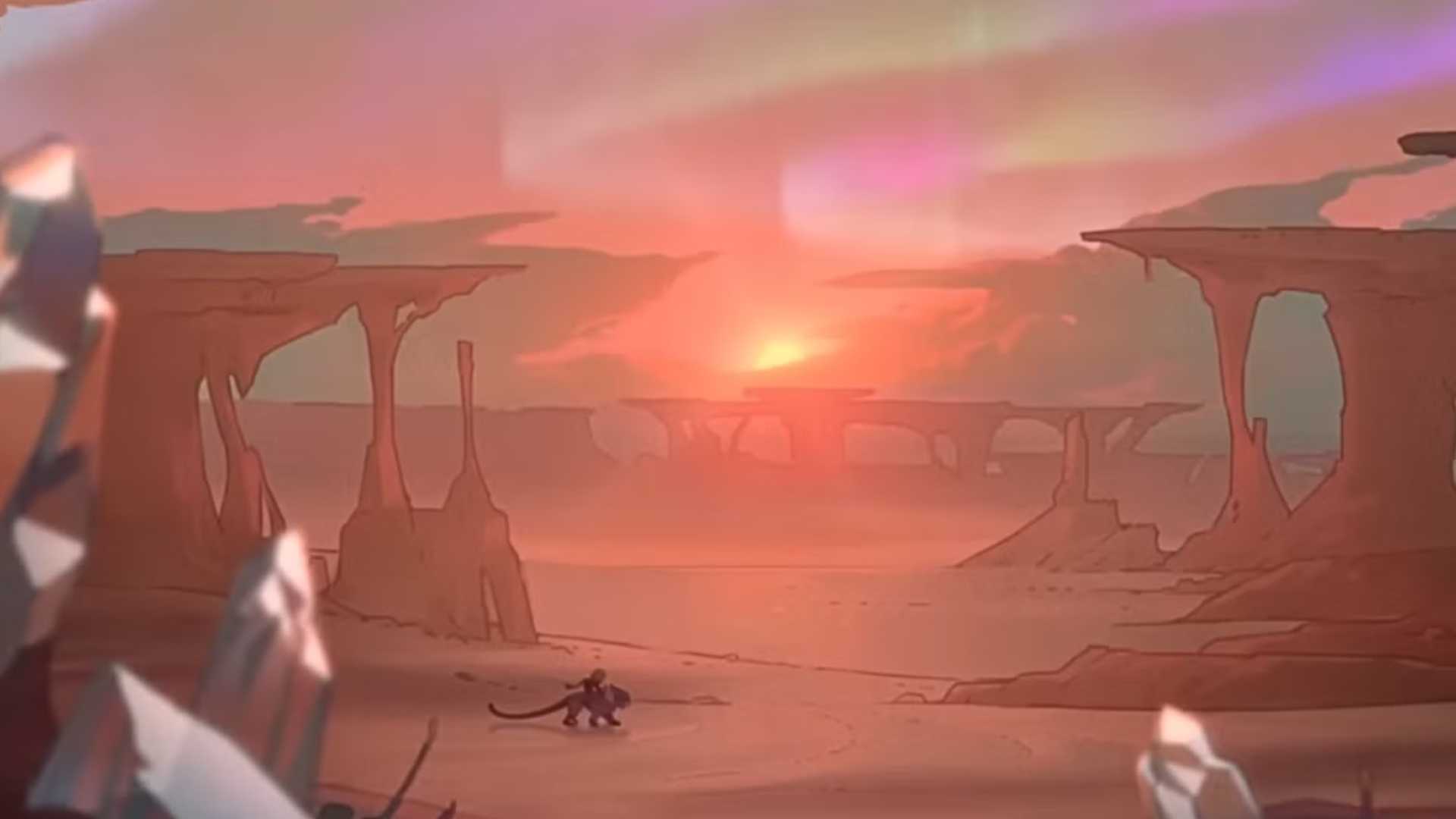
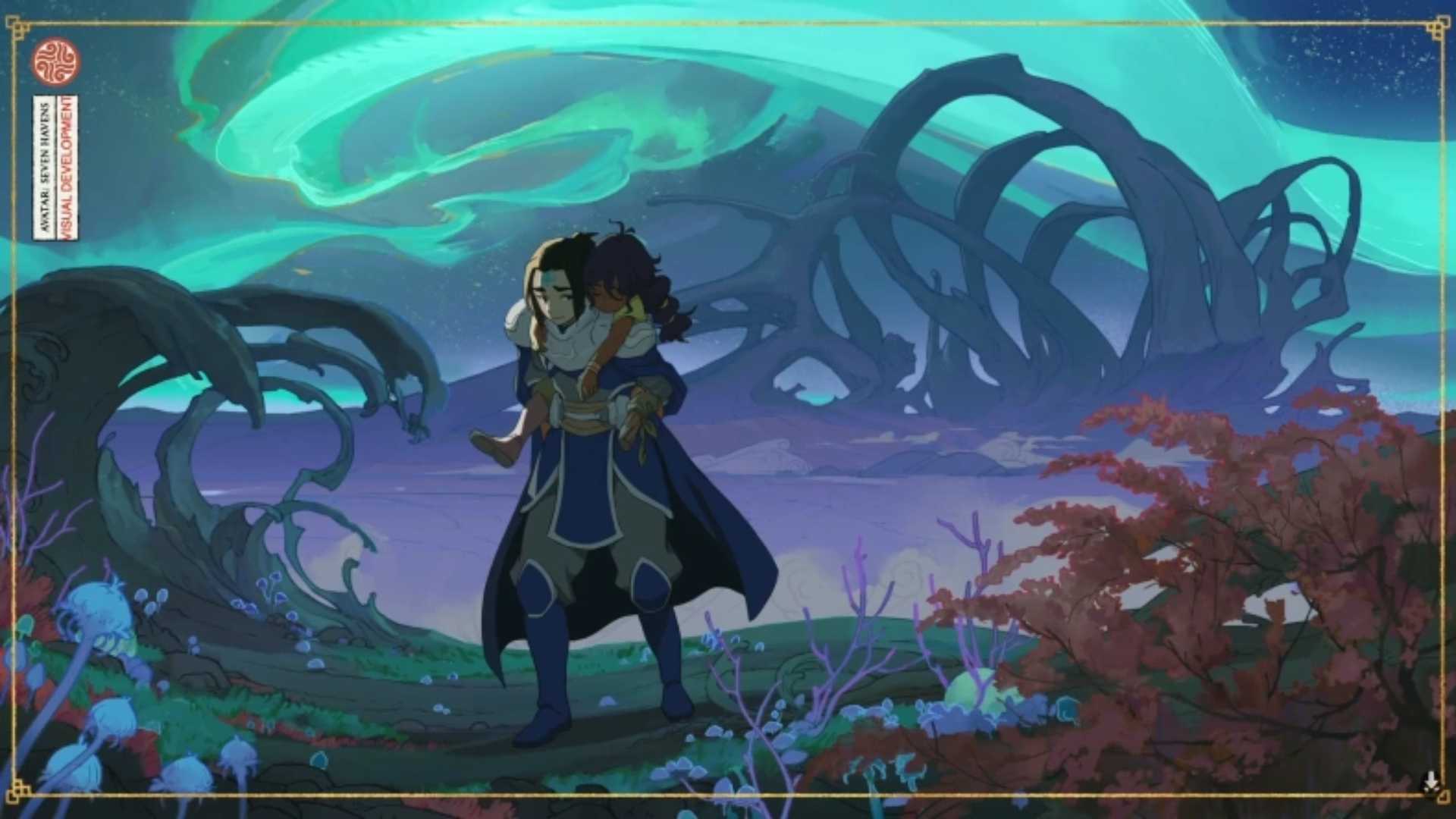
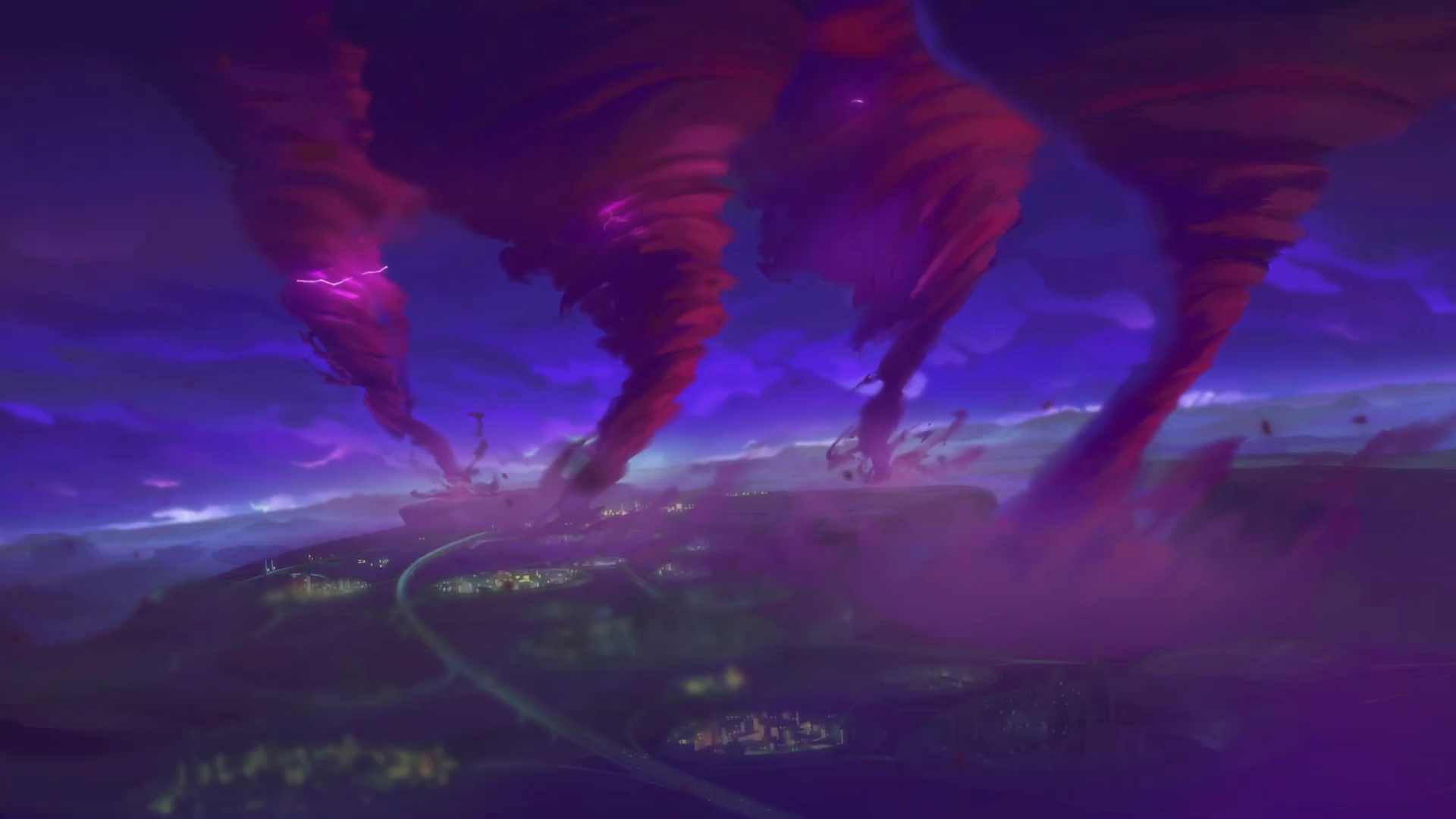
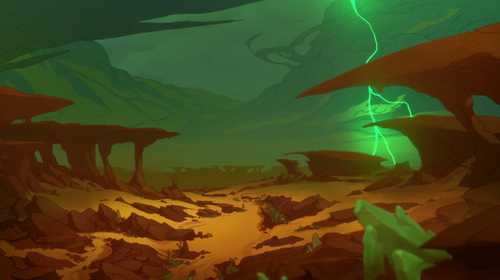
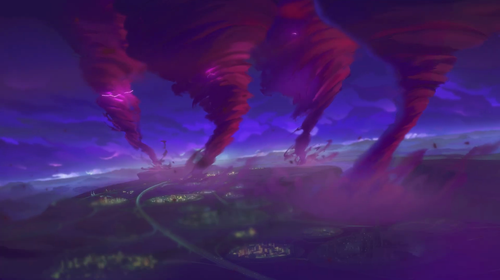
Avatar: Seven Havens gives the world of bending a dramatic new look. The series leaves behind the visual style of The Last Airbender and The Legend of Korra. In its place are post-apocalyptic alien landscapes of craggy orange mountains, sprawling deserts and ominous green storms. Ancient structures that no one can identify jut out of the barren wasteland and hint at a history far older than the people now struggling to survive there. The environments have a haunting beauty. They look more like the pages of an illustrated sci-fi epic than the ruins of a traditional fantasy kingdom.
Moebius and the language of alien worlds
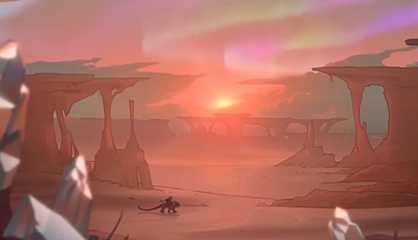
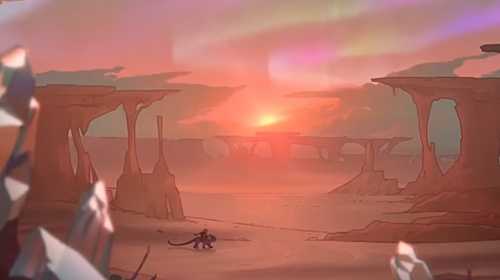
One of the clearest influences is the French comic artist Jean Giraud, better known as Moebius. Avatar creator Bryan Konietzko cited him as an inspiration for the new series on stage at New York Comic Con 2026. Moebius helped establish a visual language for alien worlds that feel desolate and full of fascinating cultures at the same time. He did it through Arzach and other works, particularly his contributions to the sci-fi anthology magazine Métal Hurlant. He often anchored a frame with a solitary figure against a colossal landscape and let strange architecture and terrain tell the story without heavy exposition.
That approach seems central to Seven Havens. The wilderness is more than an obstacle for Pavi and Nisha. It stands as a monument to a deep, lost history that predates them.
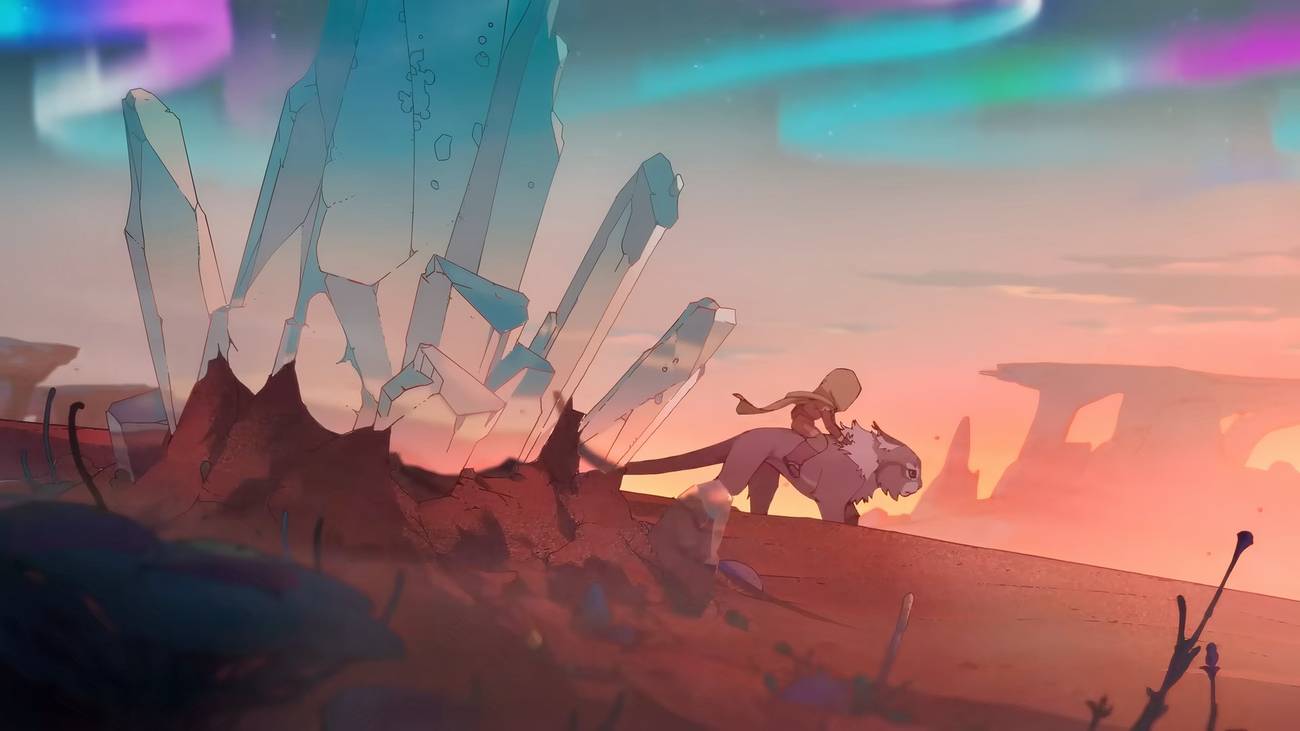
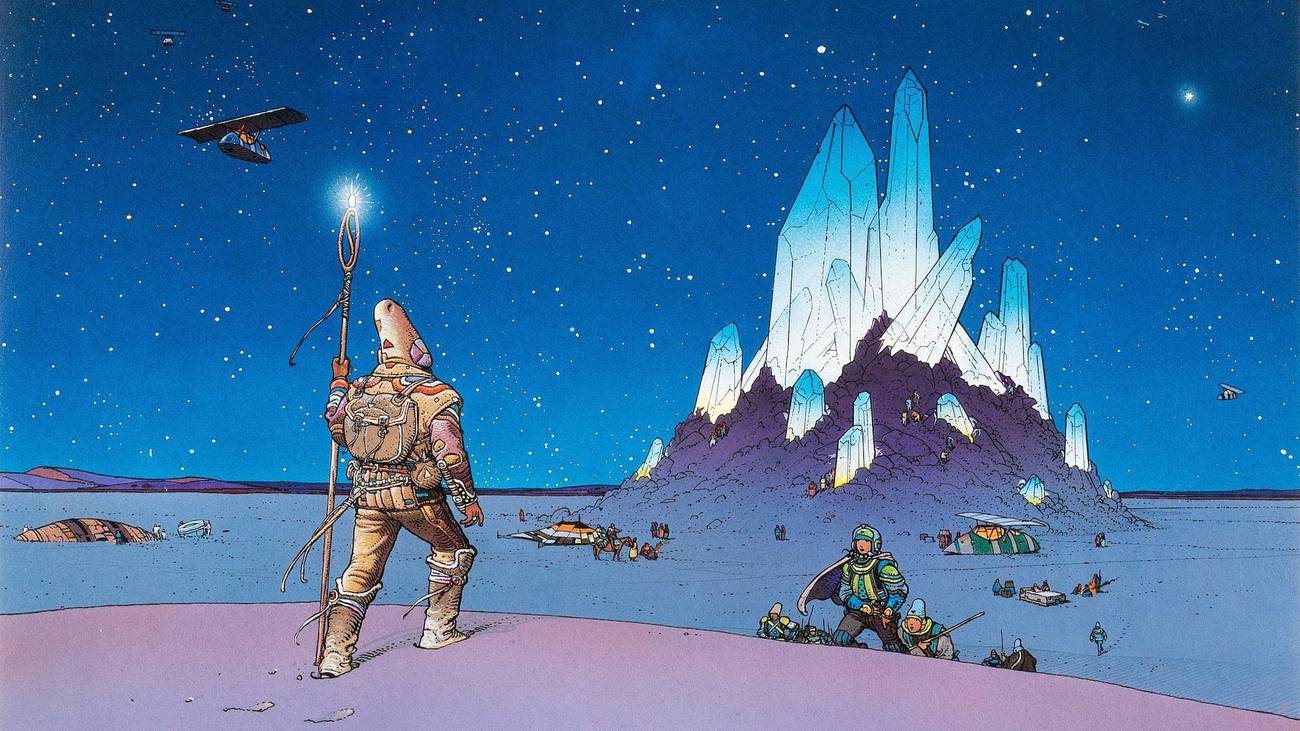
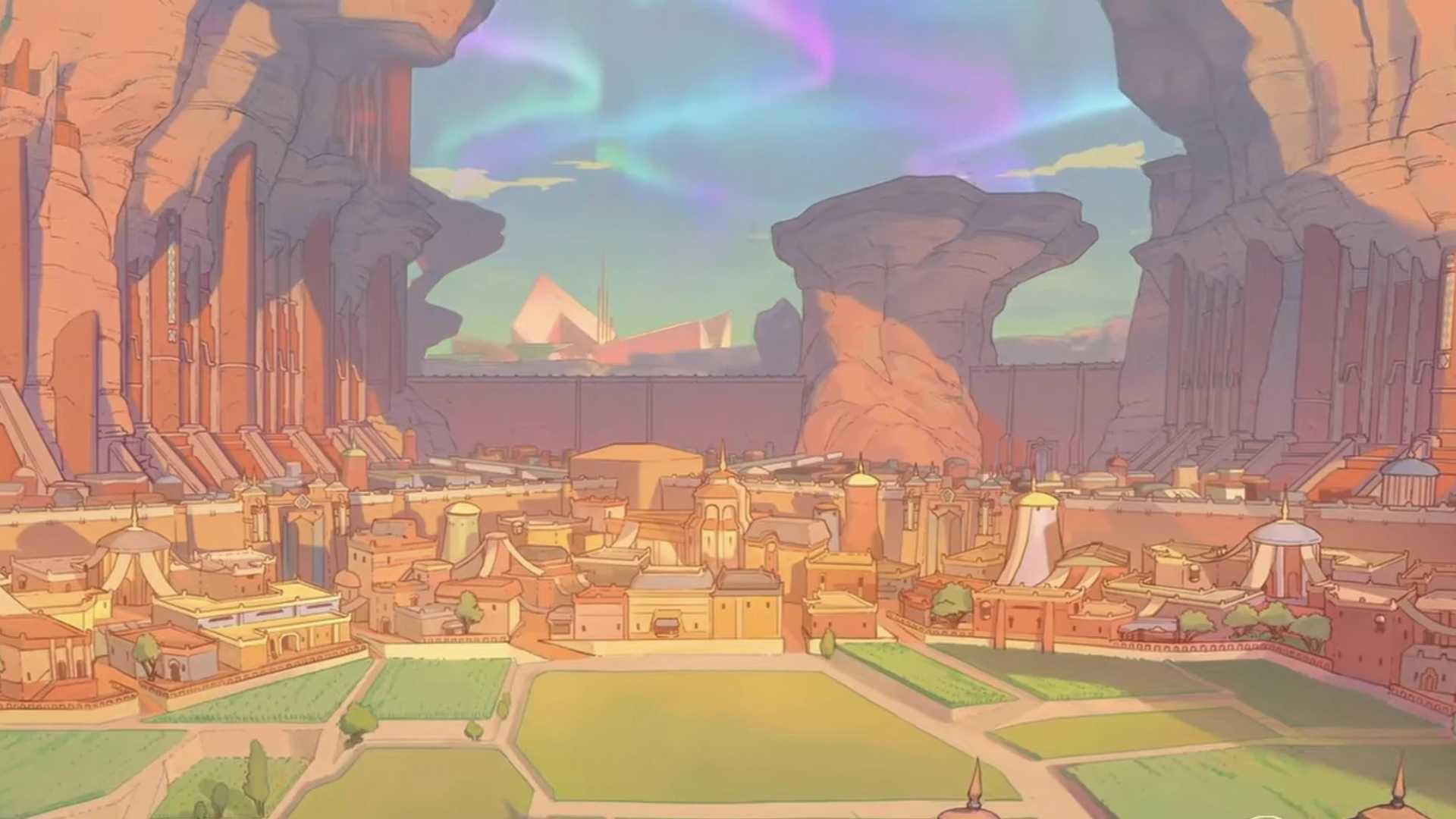
Moebius built his look on crisp, precise line art and flat color gradients, a technique that makes impossibly alien worlds feel tactile yet dreamlike. His landscapes lean on fine hatching, sheer scale and bizarre geometric geology. Sharp sandstone arches, carved monolithic ruins and endless pastel horizons dwarf his subjects. Seven Havens uses much of the same visual grammar, most clearly in its presentation of Ellora and the Harshlands that surround it. The show favors clean linework and high-contrast palette shifts over painterly backgrounds. Its wide shots show Ellora’s walled structures rising abruptly near sun-scorched canyons. Barren wastelands and green-hued storm clouds surround these settlements, and the empty space makes the world feel ancient, mysterious and eerily quiet.
Miyazaki and Nausicaä
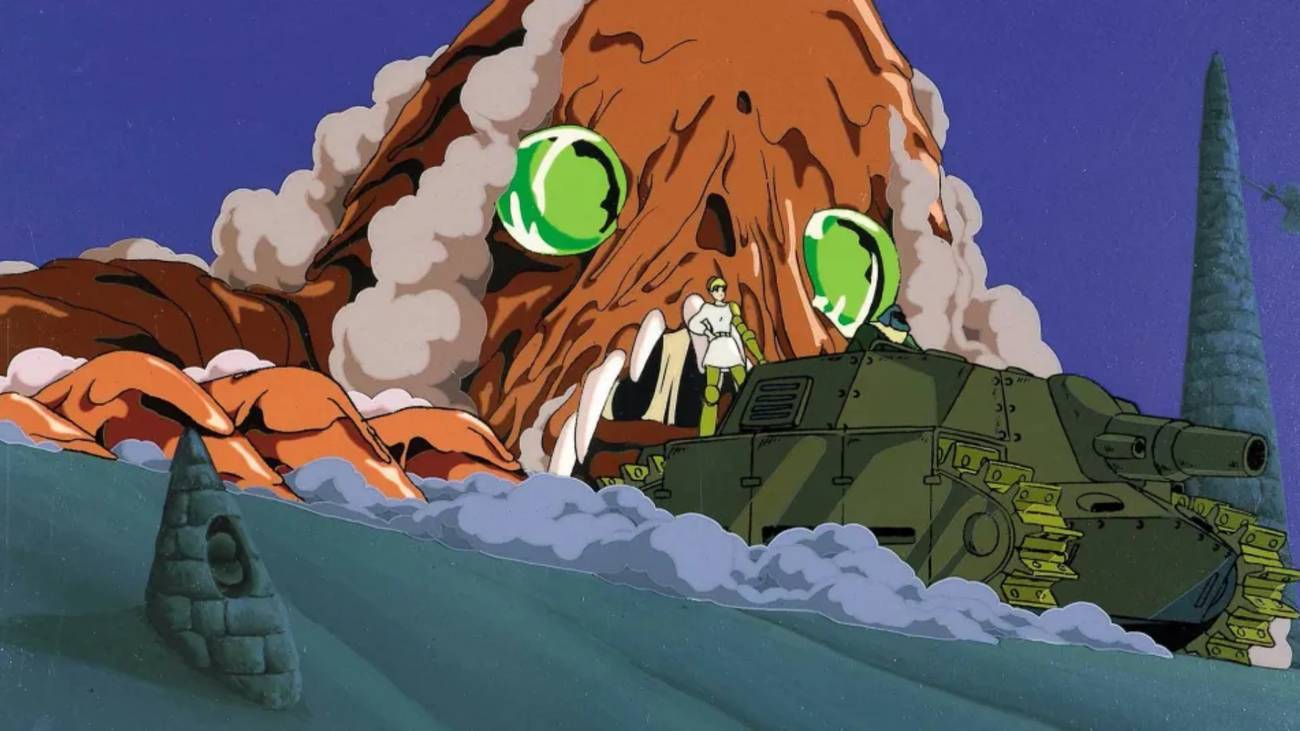
Moebius was not the only influence. Co-creator Ethan Spaulding named Hayao Miyazaki’s Nausicaä of the Valley of the Wind as another pillar during the NYCC panel. Humanity in that story clings to survival among the remnants of a fallen civilization, surrounded by uncanny ecosystems that are as breathtaking as they are menacing. Its landscapes invite awe rather than only signaling danger, and that quality defines the look of Seven Havens. Moebius and Miyazaki also admired each other, and Miyazaki often cited Arzach as a major inspiration for his own work.
The connection to Nausicaä of the Valley of the Wind may go beyond scenery. Miyazaki’s film is set in a dying world choked by a toxic fungal forest. Its pacifist heroine discovers that humanity’s survival depends on understanding and coexisting with nature’s destructive forces rather than fighting them.
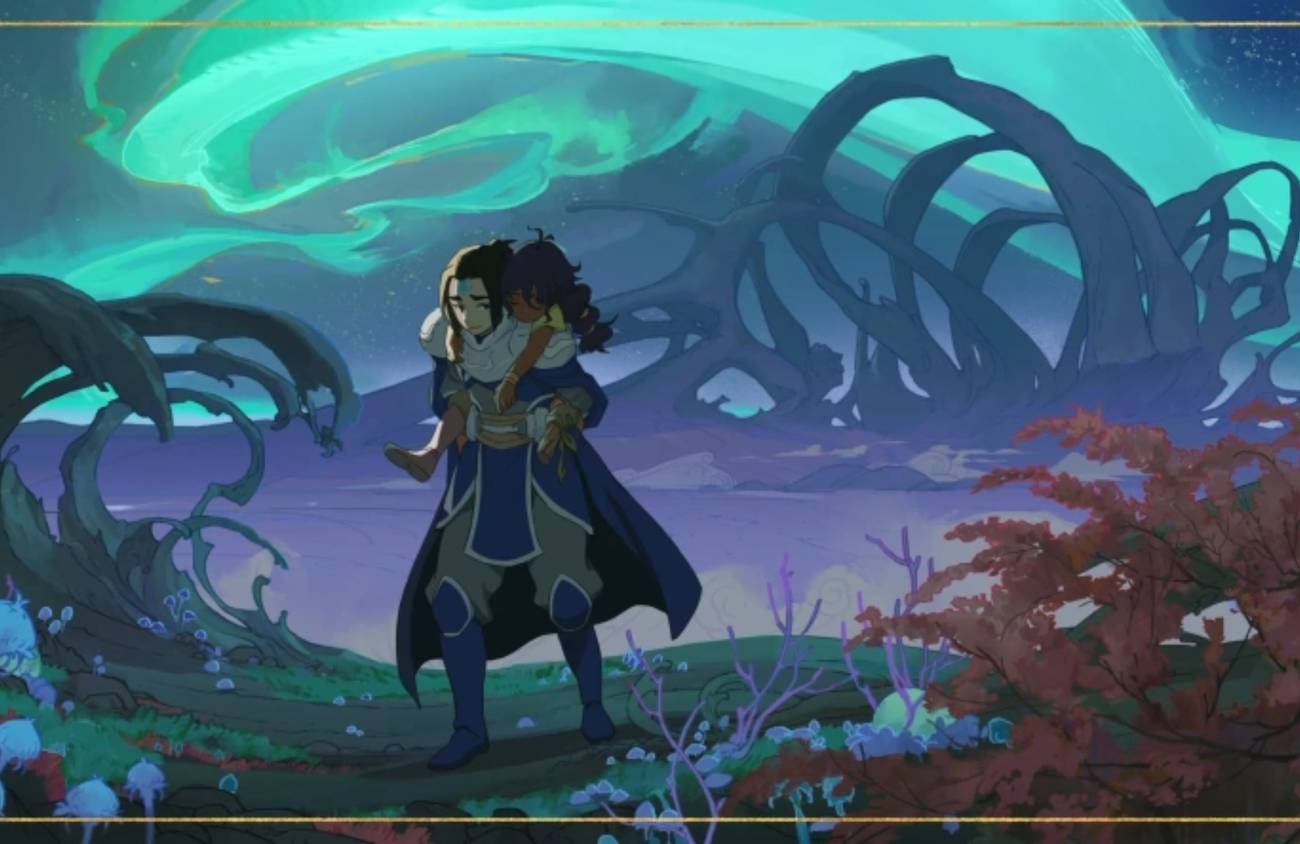
Against that premise, Seven Havens presents an inverse of Korra’s legacy. Korra fought to establish balance. Centuries after her era, the world remembers her not as a savior but as the catalyst of its ruin. Into this hostile climate step Pavi and Nisha, twin Avatars who stand in for two of Nausicaä’s impulses. Pavi carries her gentle empathy and her instinct to heal a scarred world. Nisha carries her fierce drive to defend humanity from immediate threats. Nausicaä acted as a single bridge between a wounded planet and a desperate population. Pavi and Nisha must move through a world that rejects their role. The mystery in Seven Havens may be less about what destroyed the planet than about whether the Avatars can restore trust between humanity and a world that sees them as its destroyer.
The 1970s anime connection
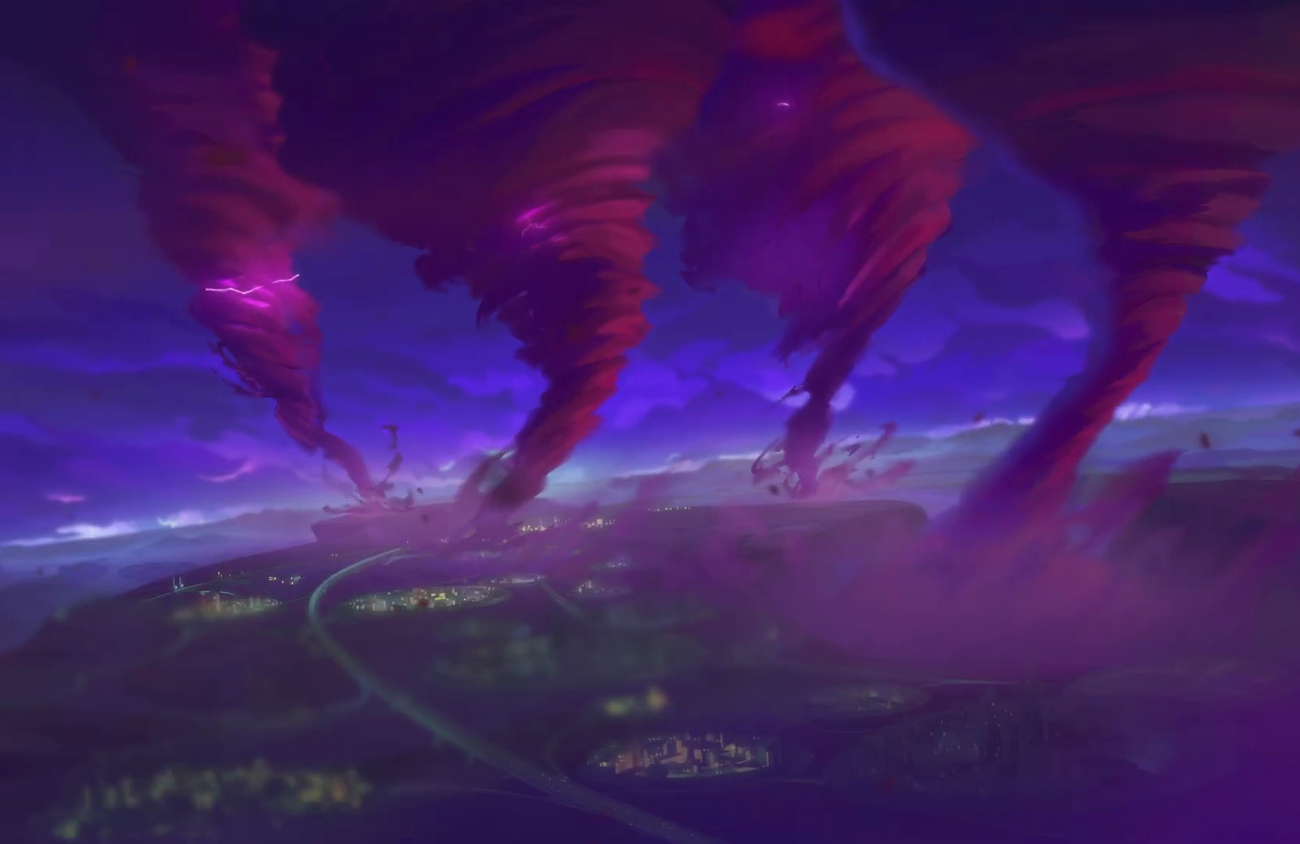
Nausicaä was part of a broader shift in Japanese animation through the 1970s and into the following decade. As science-fiction anime grew more ambitious, creators began imagining worlds that reached beyond their protagonists’ immediate adventures. Space operas, dystopian futures and post-apocalyptic landscapes opened up new room for worldbuilding. Backgrounds became more than static scenery. They could evoke melancholy, suggest the remains of lost civilizations or make human survival feel precarious against the scale of the world. By the time Miyazaki made Nausicaä of the Valley of the Wind in 1984, this appetite for ambitious speculative worlds had found one of its most lasting expressions.
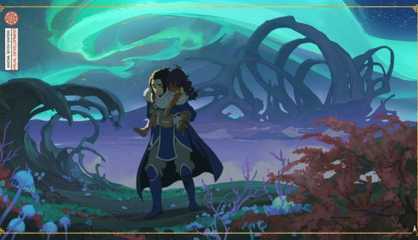
Asked what other content influenced Seven Havens, producer Ethan Spaulding pointed to that era.
“Just in general, 1970s anime and the worldbuilding that they have; fantasy elements that were bigger in this version of Avatar than the other two,” Spaulding said to Polygon at NYCC. “I think that would encompass all of it, yeah, that’s the melting pot that we were using just for the art direction.”
Spaulding did not name any specific anime. Plenty of landmark series came out of that decade, though. Leiji Matsumoto’s adventures include Space Pirate Captain Harlock, Galaxy Express 999 and Space Battleship Yamato, which the writer counts as a personal favorite. Miyazaki’s own Future Boy Conan belongs to the same period. These stories imagined worlds that stretched past their heroes’ horizons. They used ruined landscapes, decaying monolithic relics and layered histories, so viewers could piece the larger world together from fragments. Instead of treating fantasy as a collection of elemental powers and magical creatures, they made their environments active participants in the story. Seven Havens appears to follow a similar approach, giving its universe a sense of scale and lingering mystery that seems to outlast the main narrative.
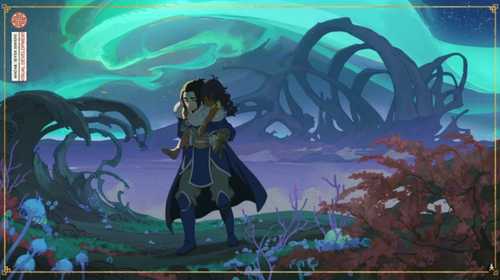
The influences also include Hiroshi Yoshida’s elegant woodblock prints. Together they point to a series that frames its ruined world as a place full of possibility. By pulling these threads together, Seven Havens makes exploring the familiar world of Avatar feel fresh again.
Source: Polygon
Related articles
 Former Marathon Director Discusses Internal Disagreements at Bungie During Game’s Development
 Microsoft Urges Owners of Unused Xbox Series X|S Consoles to Trade Them In Amid Rising Prices
 Critical Role’s The Mighty Nein Characters Team Up in New Sequel Excerpt
 Black Ops and Black Ops 2 Developer Demands Activision Share Re-Release Revenue With Original Game Creators
 Dark Soulslike Mortal Shell II Gets Halloween Rotten Autumn Update With Alternate Soundtrack
 Nintendo Switch Sports Resort Reviews Show the Series Won’t Be Taking Home Any Awards
 PlayStation Founder Gets Why Gamers Want Physical Media to Survive
 Report: Xbox Not Abandoning Physical Games as Microsoft Seeks Solution for Next Generation