
A Knight of the Seven Kingdoms: The Best Direction for Game of Thrones
The monumental scale of Game of Thrones was always central to its magnetic pull. This was a narrative of staggering ambition, weaving together disparate kingdoms and a massive ensemble of characters into a grand tapestry. HBO’s adaptation of George R.R. Martin’s work felt truly consequential, as the world’s fate eventually narrowed down to a singular, apocalyptic conflict.
However, that vastness—and its subsequent expansion in House of the Dragon—could occasionally feel taxing. The sheer breadth of the lore often squeezed the screen time available for individual character development, leading to narrative arcs that felt truncated, most notably during the divisive and hurried final season. Since that conclusion, the franchise has existed in a state of flux, with numerous spin-offs being announced only to be scrapped, reimagined, or lost in the shadows of prolonged development.
Beyond House of the Dragon, the franchise’s most promising evolution arrives in the form of A Knight of the Seven Kingdoms. This six-episode debut season feels like a breath of fresh air, prioritizing a more intimate, self-contained narrative. It stands as a faithful adaptation of Martin’s existing prose, avoiding the pitfalls of new writers trying to replicate his distinct voice. By focusing on a singular location over a brief period, the stakes become deeply personal rather than world-altering. It trades earth-shattering wars for human connection and nuanced character studies, all while retaining the core themes of power and justice that define Westeros.
The series serves as a dedicated adaptation of The Hedge Knight, a 1998 novella written for the Legends anthology. Set roughly a century prior to the events of Game of Thrones, the story follows Dunk (Peter Claffey), a humble former squire who seeks to prove his worth in a jousting tournament following the passing of his mentor. His journey intertwines with Egg (Dexter Sol Ansell), a spirited and enigmatic young boy who becomes his squire, sparking a partnership that leads them into unforeseen danger.
The brilliance of A Knight of the Seven Kingdoms lies in its ability to translate the gritty, lived-in realism of Westeros into a focused underdog story. Dunk’s status as a “hedge knight” is central to the drama; while he technically holds a title of honor, he lacks the lands, wealth, or patronage of the high-born. He possesses little more than his armor, his horses, and his integrity. This precarious social standing creates a palpable sense of tension—every decision could mean the difference between earning his place or descending into obscurity and hunger.
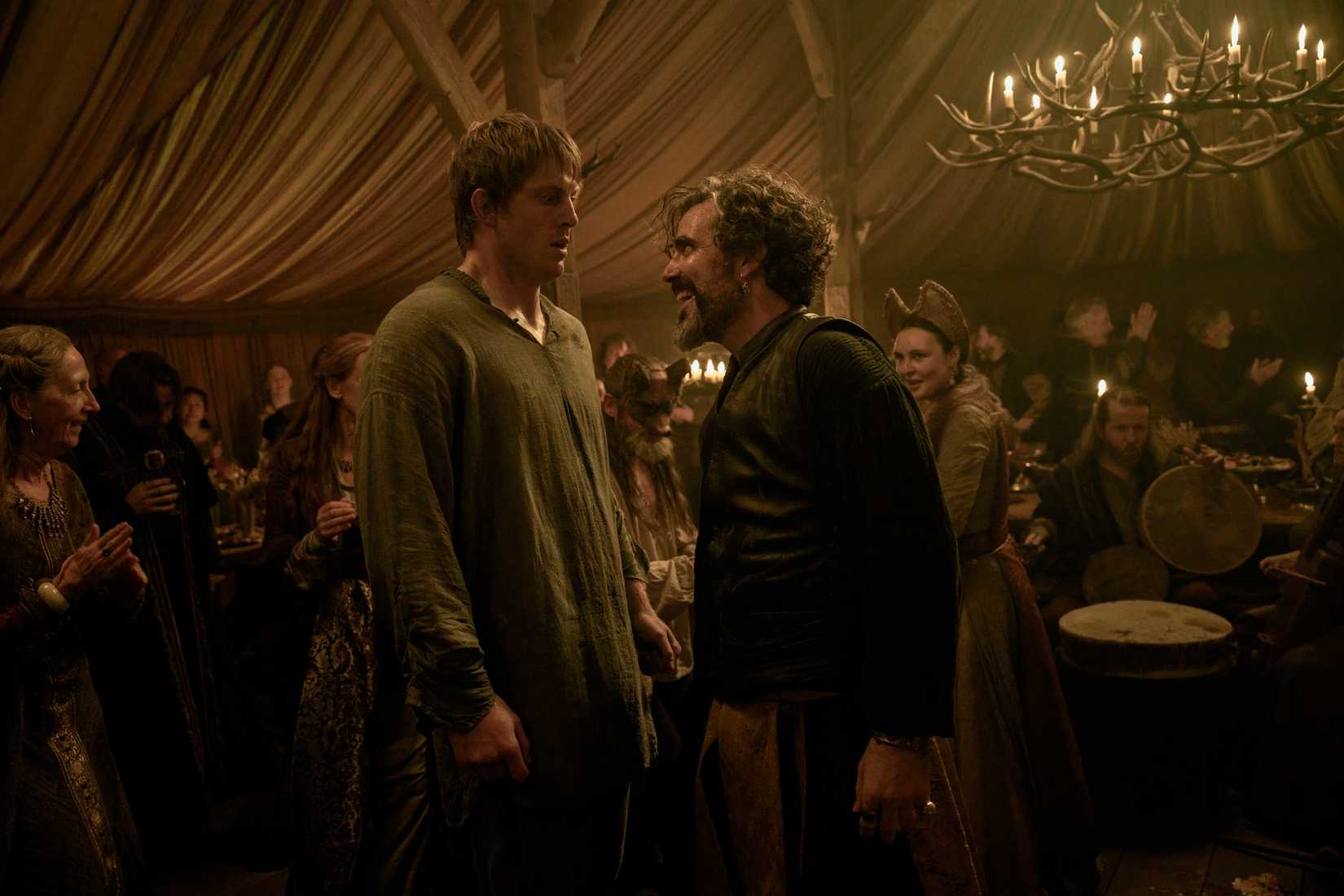
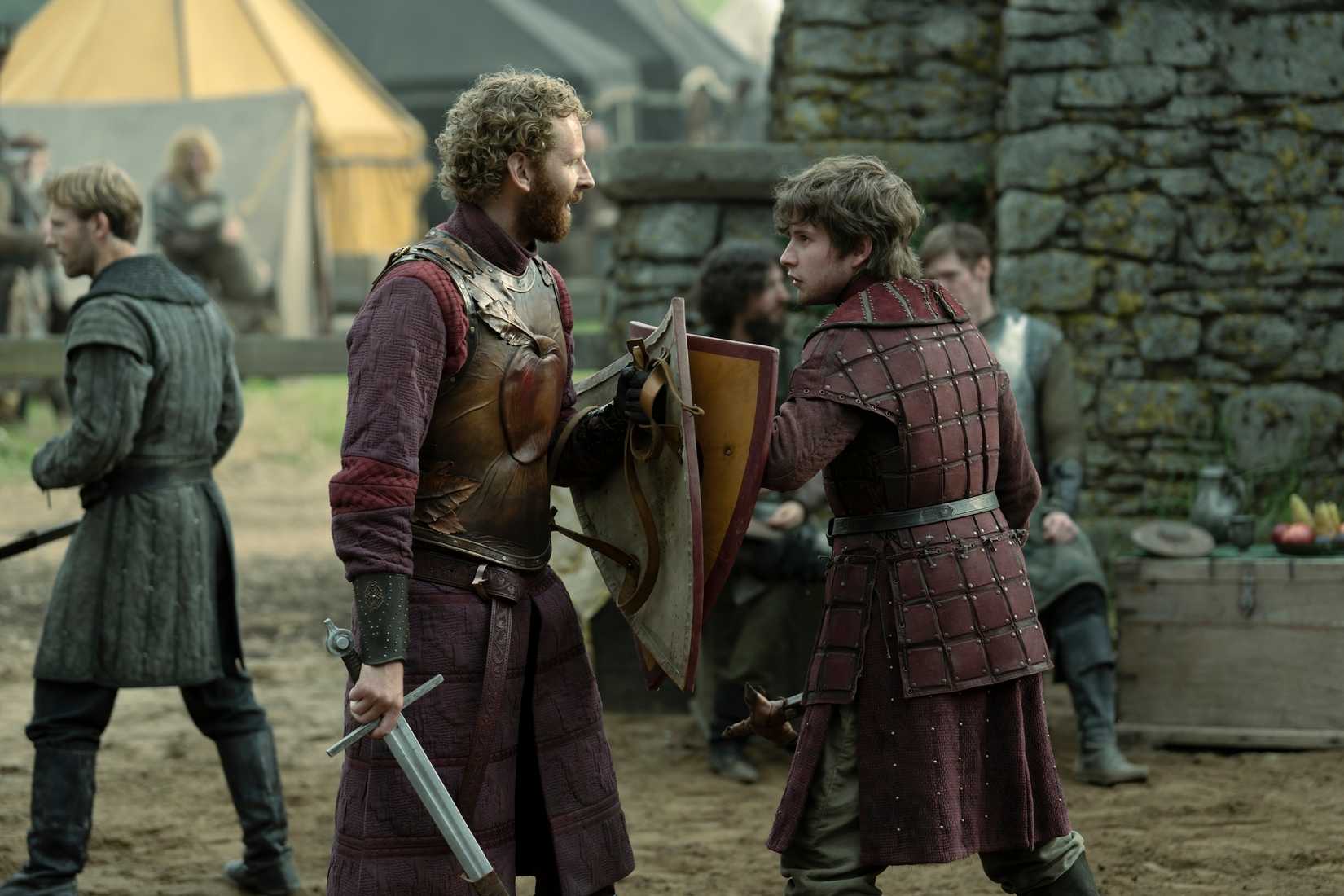
This struggle is amplified by the presence of legendary houses like Targaryen and Baratheon. We encounter vibrant, high-impact figures such as the boisterous Ser Lyonel “The Laughing Storm” Baratheon (Daniel Ings) and the chillingly arrogant Prince Aerion “Brightflame” Targaryen (Finn Bennett). As a man of simple origins, Dunk navigating this world of privilege and ego is compelling; he is often a victim of his own modesty and naivety, yet his moral compass remains steadfast.
Dunk is a refreshing protagonist for this universe. His inherent decency and hard-won pride offer a contrast to the cynical machinations of the broader series. While he shares some of Jon Snow’s bewildered sense of duty, Dunk feels more grounded and accessible. His blossoming bond with Egg—part mentor, part surrogate father—provides a warm emotional core that the franchise often lacks, reminding us that its best moments frequently stem from unlikely alliances.
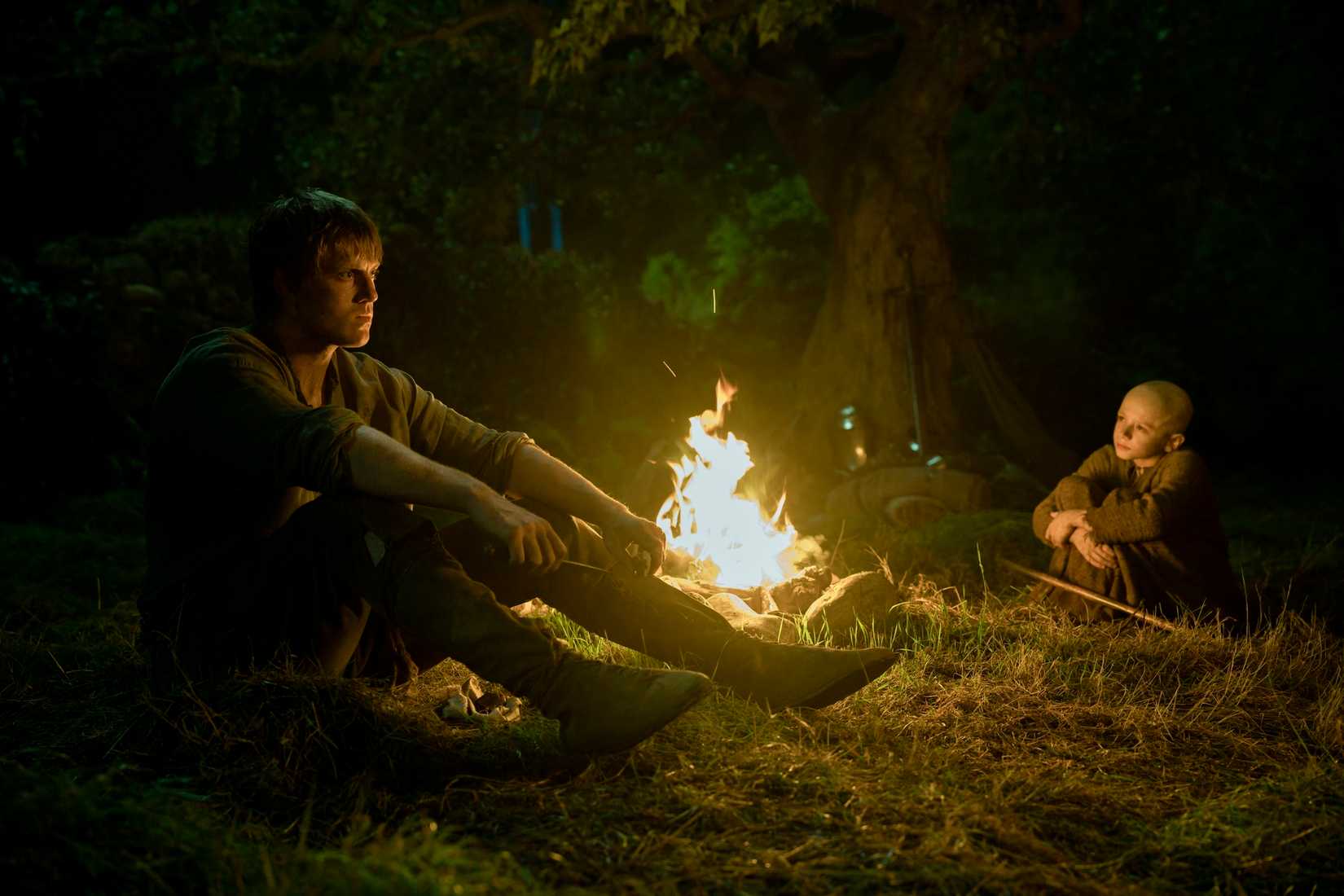
Writer and showrunner Ira Parker infuses the series with a raw, earthy humor. Whether it’s Dunk’s relatable nerves or Egg’s playful teasing, these moments of levity make the world feel authentic without sacrificing its stakes. The comedy is often unrefined, focusing on the indignities of travel and the petty cruelties of minor officials, yet it serves a purpose: it highlights the resilience of human spirit in a setting that is often indifferent or actively hostile.
Audiences who exclusively crave the high-fantasy spectacle of dragons and dark sorcery might find this entry a bit understated. Furthermore, the show moves away from the franchise’s history of graphic sexual violence and systemic misogyny. This season is predominantly a masculine study, exploring the different ways men wield—and abuse—power. By stripping away these more controversial tropes, the series manages to forge a clearer, more focused path forward.
Ultimately, A Knight of the Seven Kingdoms is a successful recalibration of the Game of Thrones brand. It honors the rich world-building of its predecessors while delivering a story that is more accessible and emotionally resonant. With a second season already confirmed, and more of Martin’s novellas available for adaptation, this series suggests that the future of Westeros might not lie in bigger wars, but in more personal, human stories.
A Knight of the Seven Kingdoms premieres on HBO Max on January 18, with weekly episodes airing through February 22.
Source: Polygon
Related articles
 Zoopunk Developers Promise Spectacular Combat and Unusual World
 Captain Tsubasa 2 Released and Receives Higher Ratings Than Predecessor
 Rockstar Completely Overhauls GTA 6 Vehicles as New Details Emerge
 PlayStation Fans Urged to Boycott Turning On PS5
 Pre-orders for Warhammer: Necromunda Goliath and Escher Fighter Boxes Open September 5
 Jaws Returns to Netflix in September 2026
 VeryCool Reveals The King of Fighters XIV Blue Mary Figure
 Disney Cancels Live-Action Gargoyles Reboot