
8 Years Later, New TMNT Book Explores the Mystery of the Two Secret Turtle Siblings

This week, one of the most polarizing entries in the Teenage Mutant Ninja Turtles franchise enjoys a resurgence with the release of IDW Publishing’s The Art of Rise of the Teenage Mutant Ninja Turtles. Authored by superfan Colin Stein, this 300-page volume documents the evolution of the series that aired from 2018 to 2020, as well as its 2022 Netflix feature film conclusion. Most intriguing, however, are the insights into scrapped narratives—including lost episode drafts and plans for two additional turtle siblings that were only ever hinted at during the show’s run.
Helmed by animation veterans Andy Suriano and Ant Ward, Rise of the Teenage Mutant Ninja Turtles launched on Nickelodeon in 2018. Following the success of their 2012 series, Nickelodeon sought to pivot toward a fresh aesthetic. While the 2012 iteration was lauded for its faithful yet inventive take on the lore, Rise opted for a radical reimagining of the core characters, creating a distinct divide within the fanbase that persists to this day.
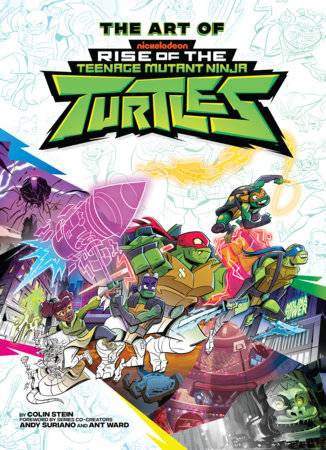
Among the most striking departures was the decision to demote Leonardo from his traditional leadership role, replacing him with a brawnier, albeit impulsive, Raphael. Leonardo was re-envisioned as a witty, comedic underdog, with the narrative intent of him eventually maturing into the leader fans recognized—a growth arc that was largely sidelined by the show’s premature cancellation, though it was eventually realized in the Netflix film.
The series also overhauled the rogues’ gallery, introducing Baron Draxum as the primary antagonist—a member of the ancient Yōkai race—to replace the classic Shredder. This shift fundamentally altered the Turtles’ origin story: they were lab-grown from the DNA of a martial arts star named Lou Jitsu. While the audience saw four turtles, the season one finale dropped a massive hint: a mutation chamber containing six pods, not four.

Suriano confirms in the new art book that six siblings were indeed part of the initial plan. “There was indeed a no-nonsense eldest brother out there,” Suriano notes, suggesting he would have served as a major catalyst for changing the group’s internal dynamics.
As for their sister, the show introduced an enigmatic, masked assistant to the spider-like villain Big Mama. Suriano explains that the reveal would have established her as the sixth turtle, raised by Big Mama rather than the nurturing Splinter. While this reveal never made it to the screen, a 2024 IDW comic commemorating the franchise’s 40th anniversary featured a brief, time-travel-induced sequence where the assistant unmasks, confirming her turtle identity.
Despite the “Frida” moniker often applied to her by the fan community, staff confirmed she was not intended to be a proxy for other characters like Venus de Milo or Jennika. Whether we will ever see the full story of these “lost” siblings remains to be seen; Suriano has hinted that a comic book continuation is under discussion, urging fans to petition IDW if they want to see these long-forgotten concepts finally brought to light.
Source: Polygon
Related articles
 DOOM Composer Discusses Conditions for His Return
 PlayStation Store Price Increases Raise Global Concerns Among Gamers
 Arc Raiders ‘When Everything Falls’ Quest Walkthrough
 Sony Announces All-Black PS5 Console for November Release
 Kenshi Yonezu Sets New Record as Chainsaw Man Jane Doe Music Video Hits 100 Million Views
 ARC Raiders Sees Surge in Steam Popularity
 Games Workshop Unveils New Skeleton Horsemen Miniature Set for Warhammer: The Old World
 Crystal Lake Is a Surprisingly Good Friday the 13th Prequel Series