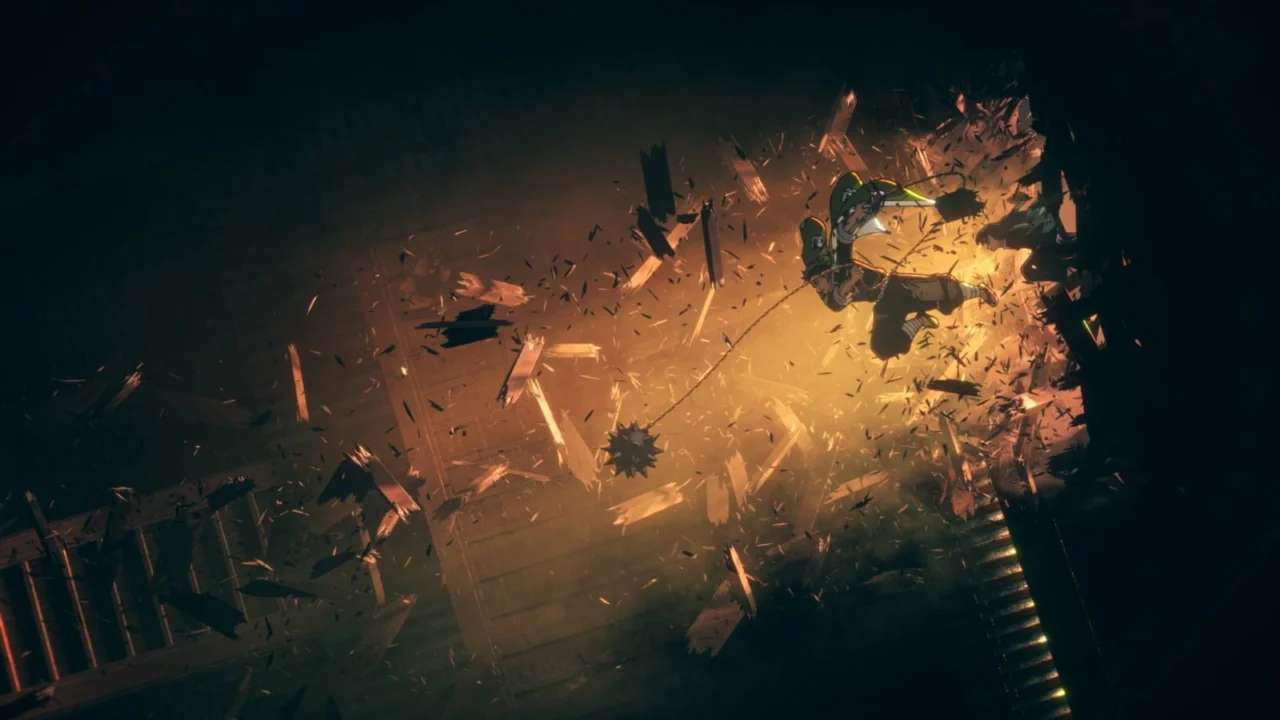
2025’s Defining Movie Trend Could Transform Hollywood Forever

The cinematic landscape of 2025 marked a definitive turning point for global entertainment. When Demon Slayer: Infinity Castle outperformed Superman at the box office, and the Chainsaw Man Movie — Reze Arc generated more domestic fervor than a Bruce Springsteen tour, the industry took notice. This was the year anime shed its “niche” label to become a dominant force, rivaling the biggest superhero franchises in the world. To understand the implications of this shift, Polygon consulted with three prominent voice actors to discuss how this theatrical explosion is redefining the medium.
For an industry often plagued by prolonged production gaps and strenuous animator schedules, pivoting toward high-budget theatrical releases offers a potential solution. Beyond economics, it elevates anime into a prestigious art form and fosters a unique sense of shared experience.
“It represents the pinnacle of community engagement for the anime fandom,” Justin Briner, the English voice of My Hero Academia’s Deku, tells Polygon. “The sheer volume of people these films draw to theaters is remarkable. A decade ago, the idea of an anime film commanding a mainstream theatrical run was almost unthinkable, but today, it’s an event.”

Clifford Chapin, known for his work in My Hero Academia and Attack on Titan, echoes this sentiment regarding the power of the big screen.
“It transforms the viewing into a collective milestone,” Chapin explains. “When you’re in a theater and a pivotal moment unfolds, the electricity of the crowd is palpable. That shared adrenaline is something you simply cannot replicate while watching alone on a couch.”
While the Marvel Cinematic Universe faces growing pains, anime has become a vital lifeline for the theatrical business. However, this shift isn’t without controversy. As studios move “canon” story arcs—plot points essential to the main narrative—from free or subscription TV to paid cinema seats, some fans feel squeezed.
“The transition to making canon material exclusive to film is a fascinating, if divisive, evolution,” Chapin notes. “It’s a polarizing strategy.”
The primary point of contention is accessibility. The journey from a theatrical premiere to a streaming platform can be long and legally complex.
“Licensing for film operates on a different rhythm,” Chapin clarifies. “It can delay a project’s availability on streaming services, making it harder for the general audience to stay current with the overarching plot.”

The distribution strategies vary wildly. Chainsaw Man: Reze Arc moved to digital storefronts within two months of its October debut. Conversely, Demon Slayer: Infinity Castle remains a theatrical exclusive. Crunchyroll executive Mitchel Berger has explicitly stated that the cinema will be the “sole venue” for the film throughout 2025.
While the previous Mugen Train film was eventually integrated back into the TV series, Infinity Castle is being positioned as a standalone cinematic trilogy, with the sequel not expected until 2027. This strategy may frustrate home viewers, but the financial logic is undeniable: Infinity Castle has already amassed over $700 million globally.
Despite these staggering figures, Chapin doesn’t believe every series will follow suit. “I think we’ll see a case-by-case approach,” he says. “Not every property can sustain a global theatrical release, so there isn’t a one-size-fits-all rule just yet.”
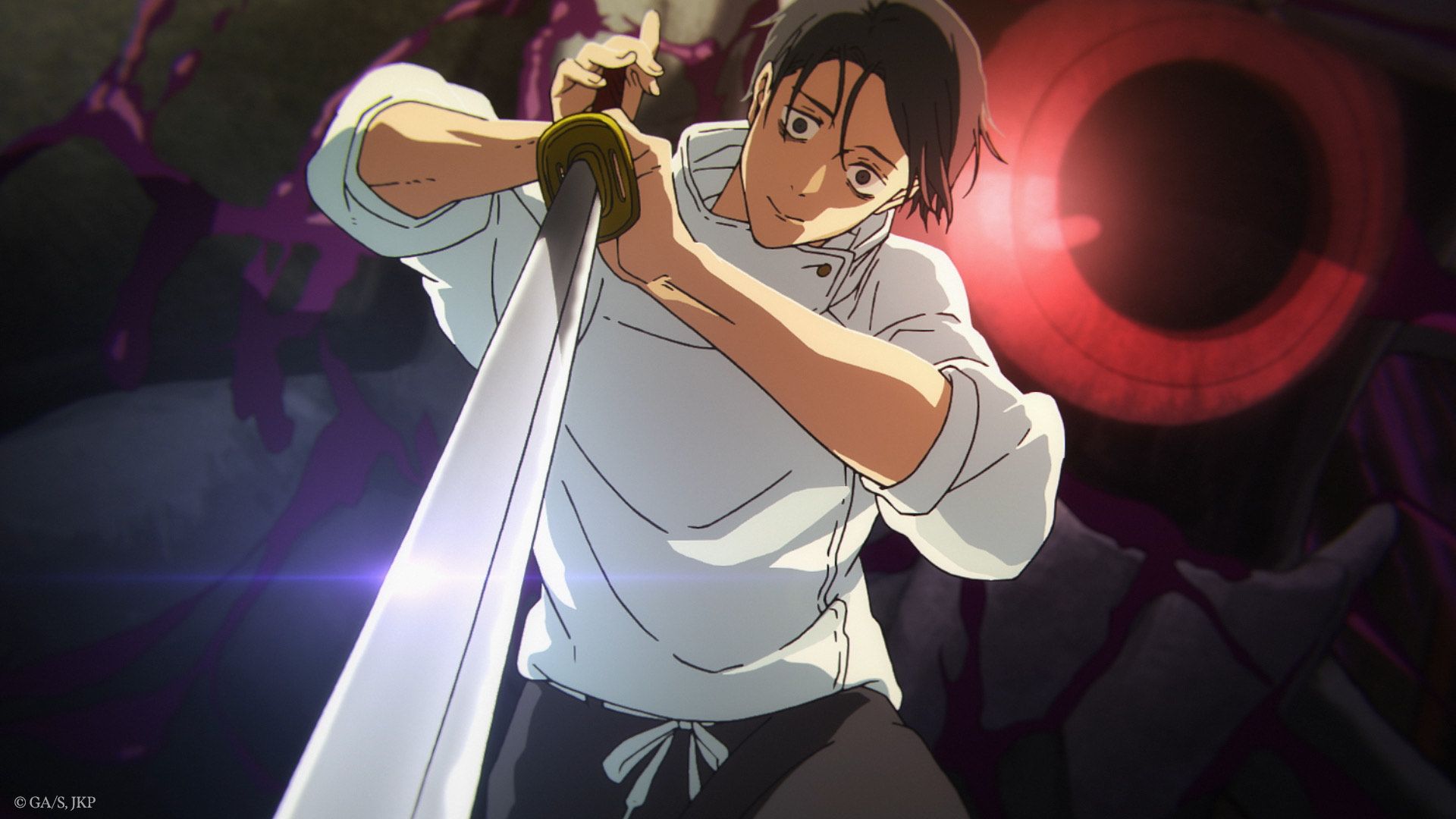
The benefits, however, extend beyond the box office. This theatrical push has forced mainstream awards bodies to pay attention. Demon Slayer: Infinity Castle earned a Golden Globe nomination for Best Animated Feature, standing alongside heavy hitters like Disney’s Zootopia 2.
Justin Cook, a veteran of the industry with credits ranging from Dragon Ball to Fullmetal Alchemist, views this as a long-overdue validation. “Anime is finally receiving the domestic recognition it deserves,” Cook says. “It’s a tribute to the passion of the fans and the incredible storytelling inherent in this medium.”
The explosive success of anime in 2025 represents a new era in global media. By proving it can compete with Hollywood’s most established brands and draw massive, diverse audiences, the medium has cemented its future. As production houses look ahead, the mandate is clear: audiences are hungry for authentic, bold adaptations, and they are more than willing to buy a ticket to see them.
Source: Polygon
Related articles
 Ghost of Yotei Reportedly Preparing Large DLC with New Story and Most Wanted Mode
 Square Enix Announces Final Fantasy VII Remake Collector’s Edition Including Three Games and Large Figure
 How Onimusha: Way Of The Sword’s Easy Mode Expertly Teaches Parrying To Those Who Hate Parrying
 Cosplayer portrays Lady Dimitrescu from Resident Evil Village
 Square Enix Confirms New Kingdom Hearts 4 Showing This Month
 Japan’s Biggest Farming Sim of 2026 Is Finally Coming to the US
 Rockstar Details New Activities and Depth in GTA VI
 Capcom Well Optimized Onimusha for Switch 2