
11 Essential White Cards Every Magic: The Gathering Player Should Know
For many players, White has historically been the most misjudged color in Magic: The Gathering. On the surface, its identity appears straightforward: sprawling token swarms, steady life-gain, exile-based removal, and a rigid fixation on righteous order. Yet, beneath that polished veneer of noble devotion lies an intense undercurrent of unwavering dogmatism. When its relentless drive for total structure reaches its breaking point, White unleashes some of the most punishing and oppressive spells the game has ever seen—mechanics capable of resetting the entire board in a single breath or severely penalizing opponents merely for daring to cast a spell.
Shaped largely by principal designer Mark Rosewater’s philosophy of achieving peace through absolute uniformity, White demands that individual ambition submit to universal law. Timeless staples like Swords to Plowshares, Wrath of God, and Balance harness this unyielding pursuit of equity, leveling entire battlefields or taxing every single action to enforce complete compliance.
Of course, labeling a spell as “quintessentially white” does not automatically make it the most powerful card in the color’s expansive arsenal. Some of these selections are vintage relics from the game’s earliest days, while others highlight how White’s design philosophy has adapted and matured over time. Presented in no particular order, here are 11 exceptional cards that perfectly define White’s identity in Magic.
11
Solitude
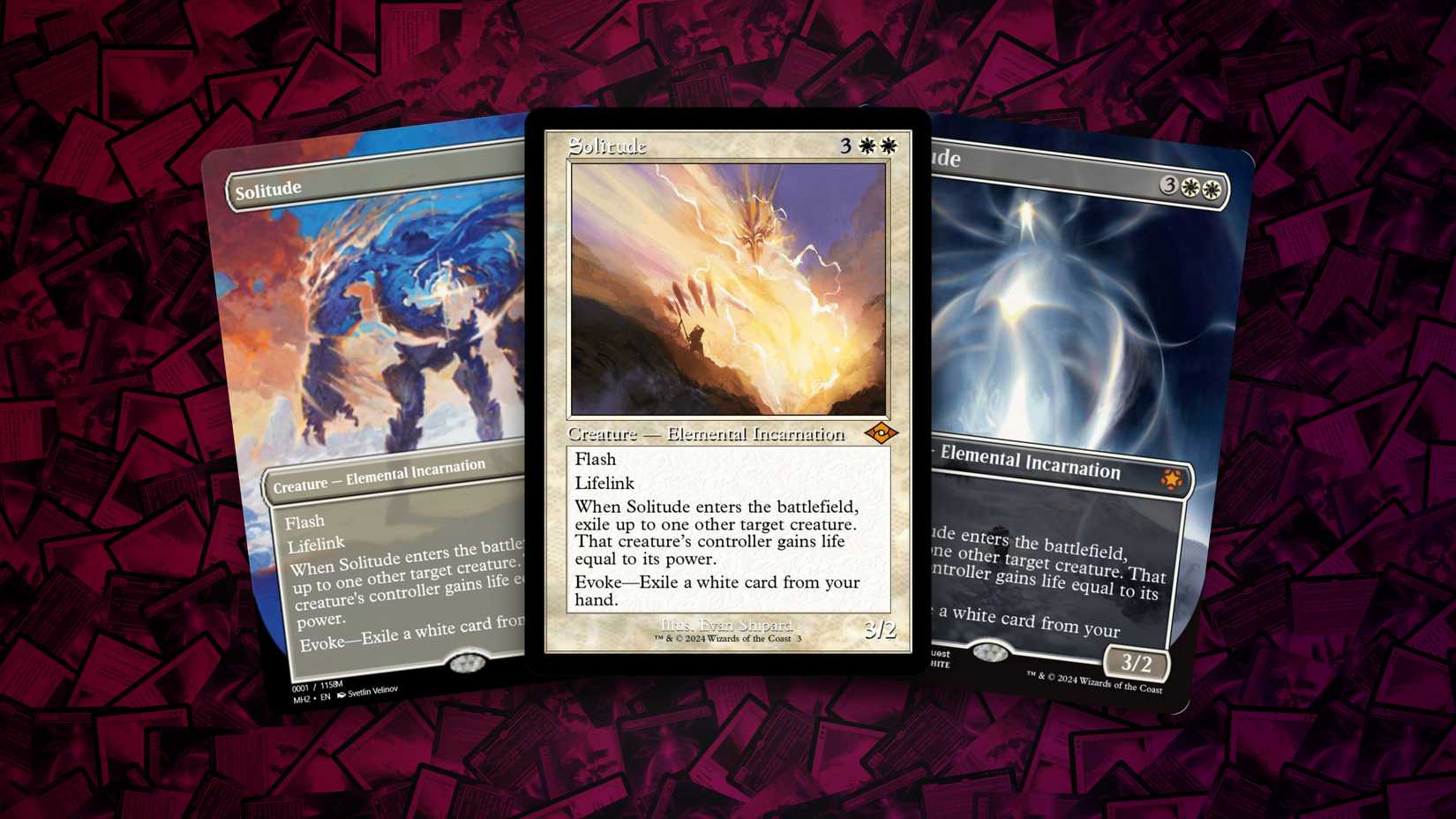 Image: Wizards of the Coast
Solitude represents the ultimate fusion of a classic White removal effect with modern game design. Fundamentally, it serves as an exile-on-entry effect for opposing creatures, compensating the controller with life equal to the banished target’s power. However, thanks to its evoke keyword, this five-mana elemental can be cast for free simply by exiling a White card from your hand. Suddenly, White gains the ability to instantly neutralize a major threat out of nowhere, entirely bypassing the need to hold up mana.
This kind of incredible versatility cements Solitude as a vital milestone in the evolution of White’s removal tools. While it functions essentially as a creature-based Swords to Plowshares, the answer itself leaves behind a lingering physical presence complete with flash and lifelink. Rather than breaking away from White’s core identity, Solitude demonstrates how wonderfully adaptable the color has become over the decades.
10
Balance
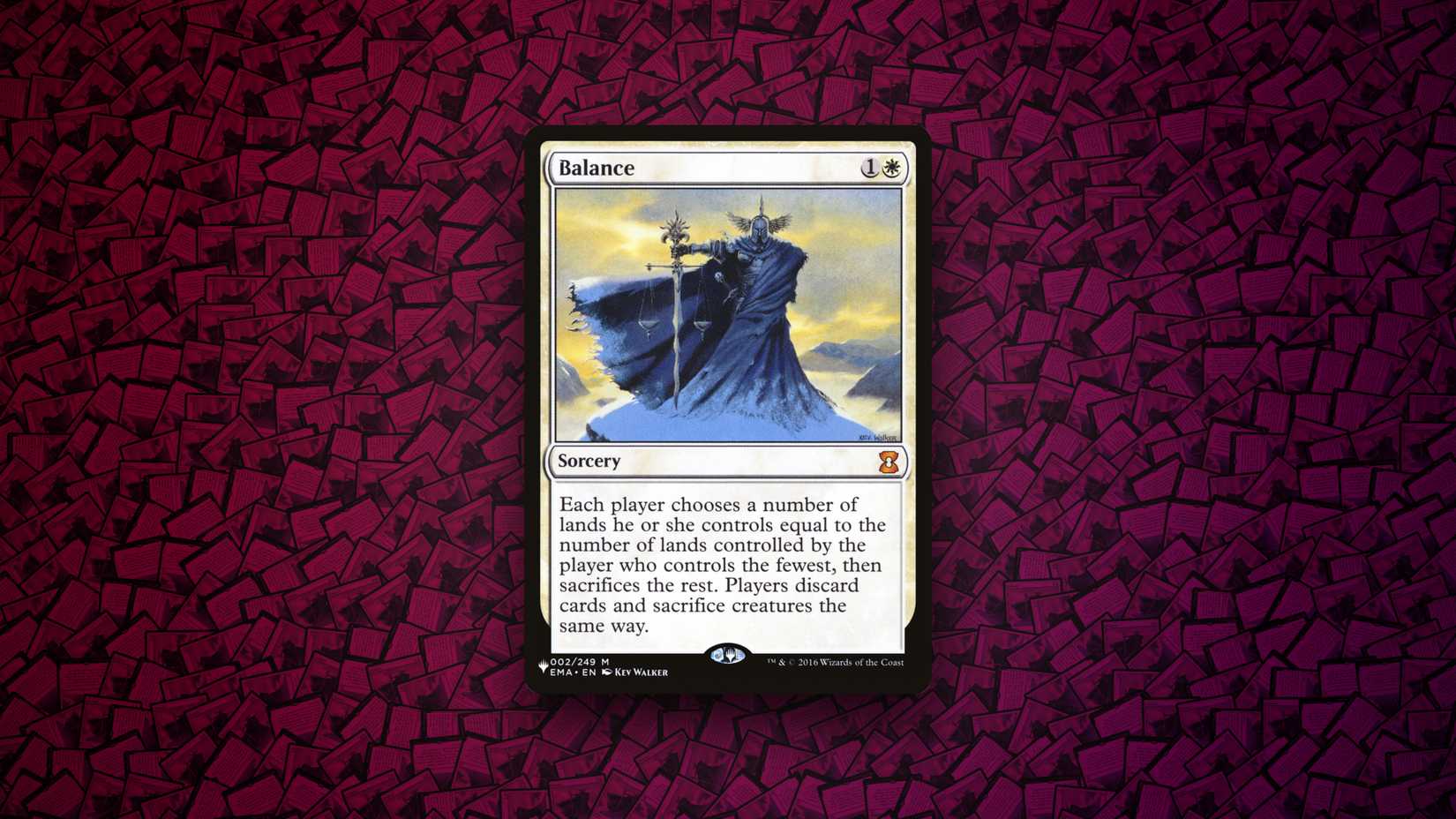 Image: Wizards of the Coast
Balance might just be the most hazardous manifestation of White’s philosophical doctrine ever printed. The underlying concept is deceptively straightforward: if any participant holds an advantage in resources, creatures, or lands, the spell forces a strict return to equilibrium. In actual gameplay, however, this noble ideal transforms into an absolute nightmare the moment a clever deckbuilder deliberately optimizes their strategy to weaponize that symmetry.
This unwavering devotion to fairness is precisely why the card remains so deeply rooted in White’s mechanical blueprint. While other colors gain leverage by accumulating wealth or breaking fundamental rules, White insists that everyone operate from a shared baseline. Balance executes this mandate with ruthless, bureaucratic efficiency, forcing every player down to the exact counts of whoever controls the fewest assets. The true terror of the card lies in how easily this quest for equality turns predatory—allowing a player to empty their hand, sacrifice their own lands, and utterly cripple an opponent while technically keeping both sides on equal footing. It comes as no surprise that the card is banned in formats like Legacy and Commander.
9
Ghostly Prison
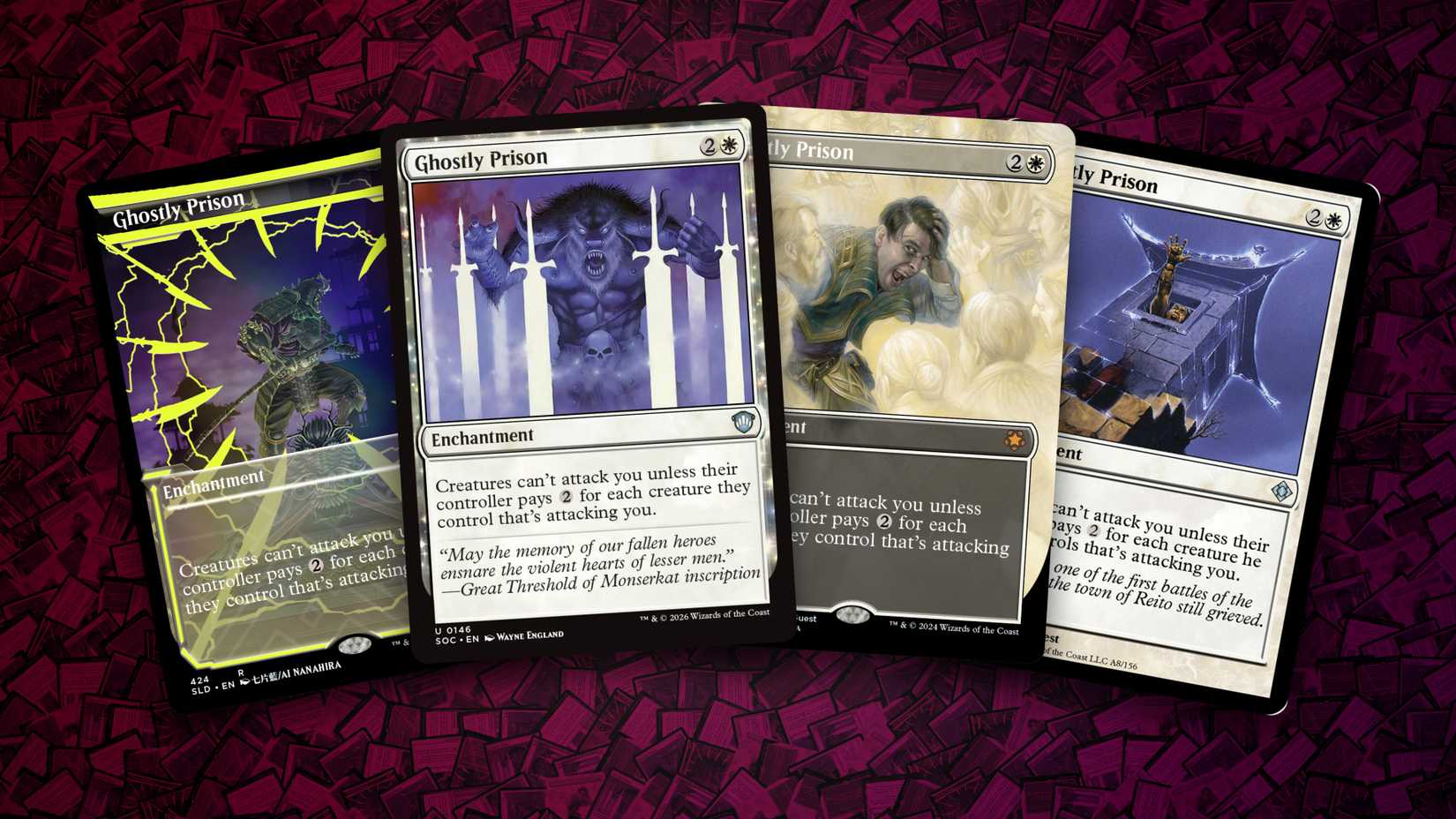 Image: Wizards of the Coast
Ghostly Prison stands as one of White’s finest defensive innovations, establishing a secure barrier through a modest three-mana enchantment that effectively communicates a simple message: every offensive maneuver carries a toll. The enchantment requires controllers to pay two mana for every individual creature they send your way. While it doesn’t explicitly forbid opponents from attacking, it completely alters the arithmetic of the match, turning a terrifying horde of attackers into a logistical nightmare. Crucially, it fractures the stalemate of crowded board states, leaving an adversary’s massive army bottlenecked by economic constraints while your own forces march forward unimpeded.
This design encapsulates White’s taxation strategy in its purest form. Rather than directly destroying enemy threats or countering incoming spells, you simply charge a fee for your opponents to execute their game plans. Consequently, Ghostly Prison has become a cornerstone of White’s defensive architecture, especially within Commander. It makes adversaries rethink their combat steps without ever taking away their fundamental freedom to attack—a dynamic that feels undeniably White.
8
Teferi’s Protection
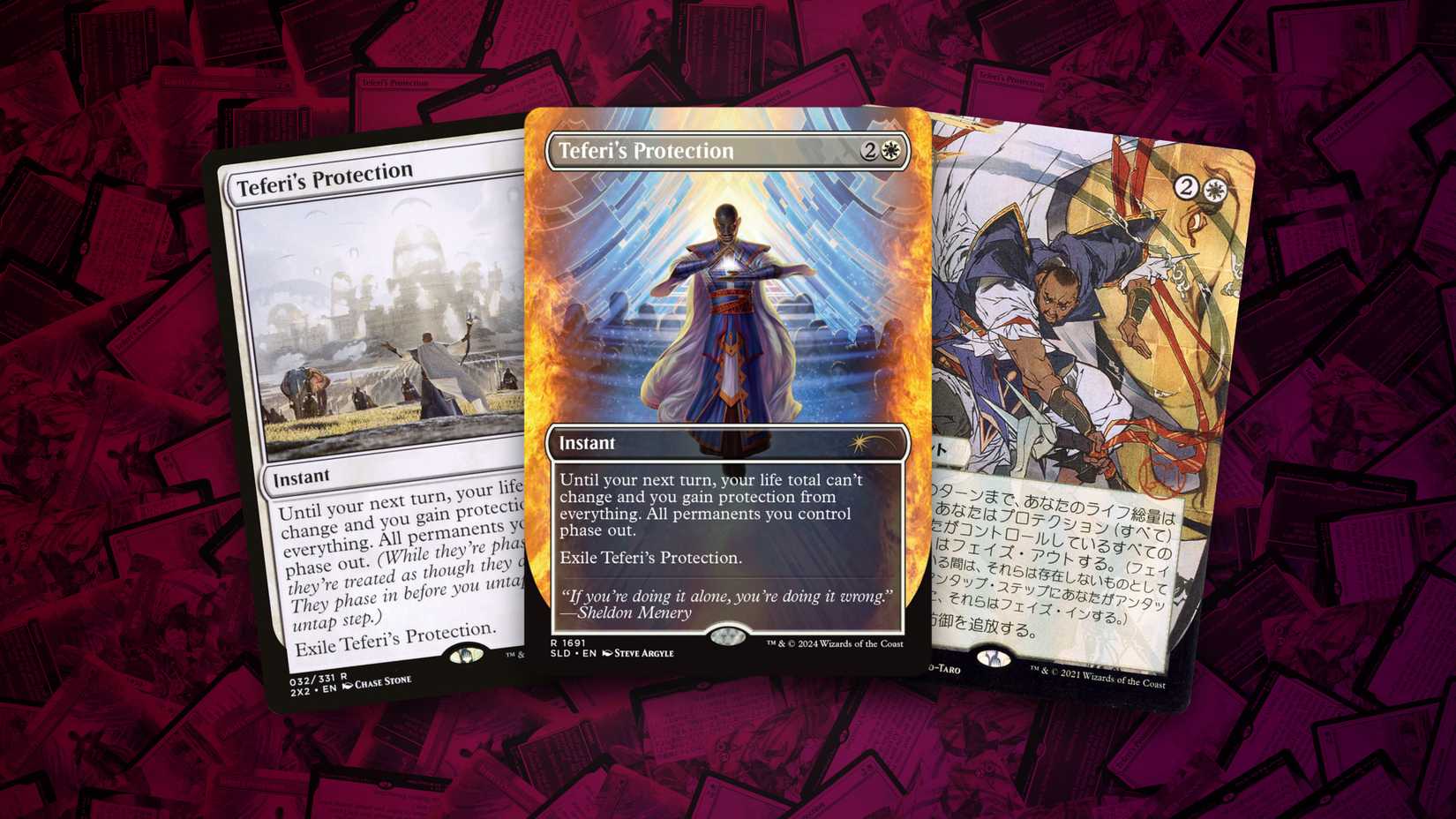 Image: Wizards of the Coast
If older White spells resemble stern magistrates enforcing order, Teferi’s Protection feels like the color discovering a foolproof emergency hatch. For three mana at instant speed, it phases out both you and every permanent you control, granting absolute immunity until your next turn. It is the type of card that instantly evaporates a rival’s meticulously crafted victory, leaving them staring blankly at a vacant battlefield.
Teferi’s Protection also highlights an important facet of contemporary White design. While protection has always been central to the color’s identity, this spell takes that concept to a theatrical extreme. Instead of helplessly watching your board crumble beneath a devastating sweeper or a lethal swing, your entire setup neatly sidesteps the catastrophe, returning completely unscathed on your turn as if nothing happened. It leaves adversaries grappling with the profound frustration of watching their entire strategy fizzle out against three open mana. It lacks subtlety, but few plays match the quiet thrill of turning what should have been a guaranteed defeat into an utterly wasted turn.
7
Armageddon
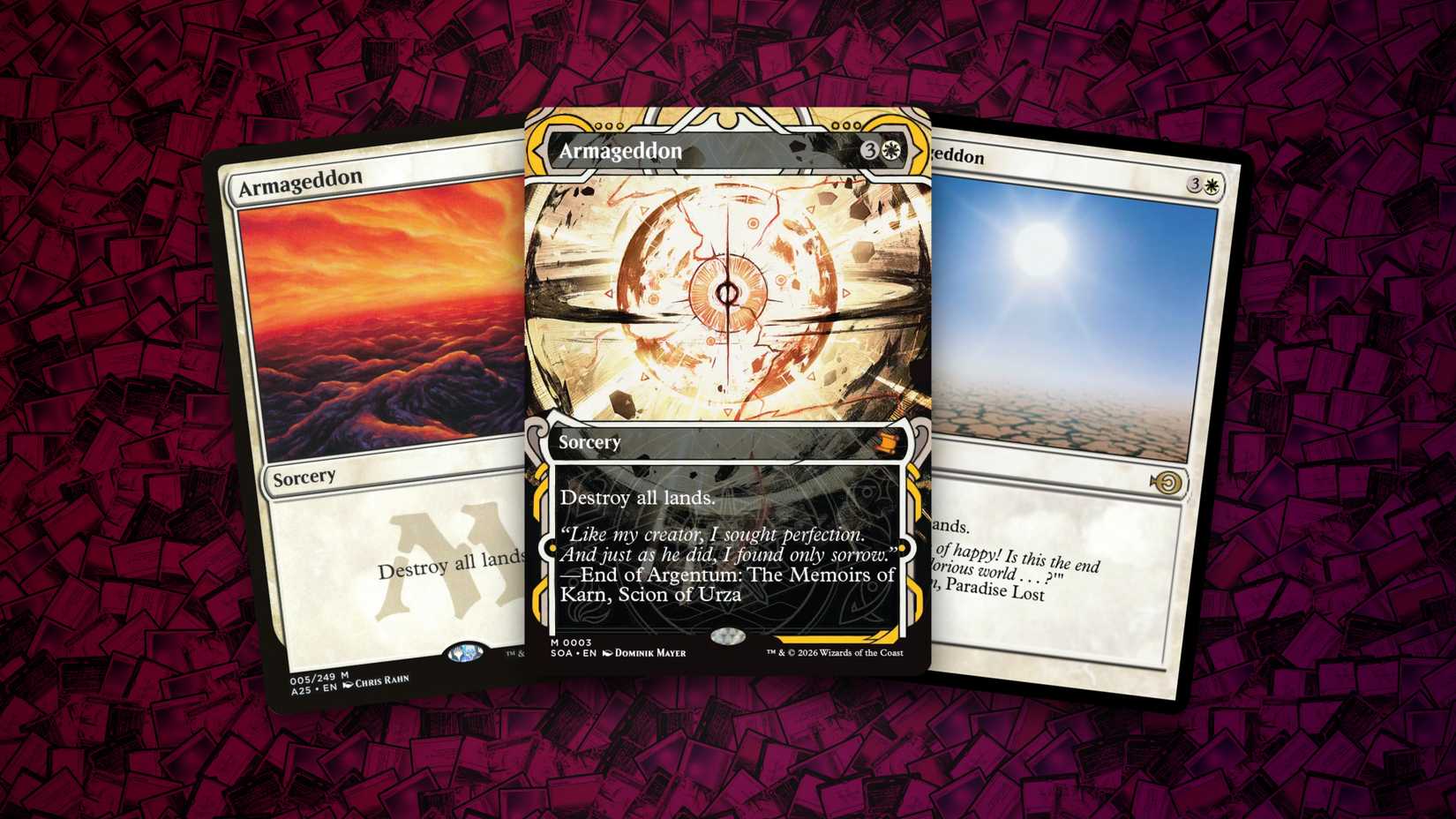 Image: Wizards of the Coast
Few spells showcase how White’s obsession with structure can verge on the terrifying quite like Armageddon. Obliterating every land on the battlefield is an aggressively radical solution to resource management, which explains why the card remains such an iconic piece of Magic lore. White insists that everyone adhere to the same rules, even when those rules involve stripping away the very foundation required to play the game.
Dating all the way back to Alpha, Armageddon was famously paired with Wrath of God in early-era Magic as a premier method for locking down a match. The crucial distinction is that Armageddon wipes the slate clean, requiring you to trust that your strategy is better equipped to recover than your opponents’. It is undeniably ruthless—particularly when cast after you’ve already established a commanding board presence. Yet, as a historical monument to early-school White philosophy, expressing order through total, indiscriminate enforcement, it remains peerless.
6
Silence
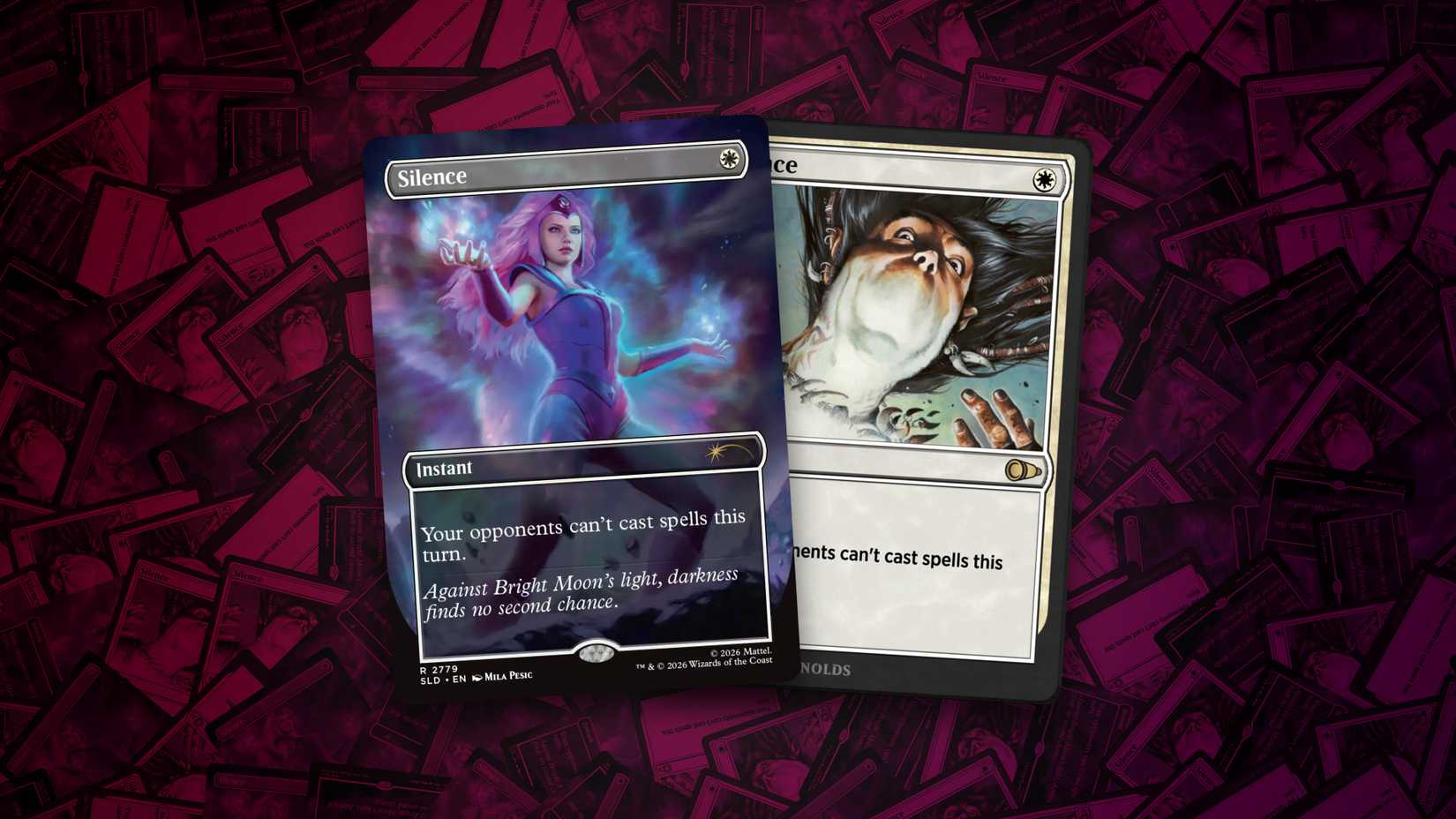 Image: Wizards of the Coast
Silence is one of those deceptively minimalist White spells that grows more intimidating the longer you ponder it. For a single White mana, the card bars your opponent from casting any spells for the remainder of the turn. That is the entirety of its text—it doesn’t destroy creatures or remove permanents. It simply halts your opponent’s momentum entirely, whether deployed on your own turn to secure a combo or during theirs to shut down a sudden counter-offensive.
Silence is quintessentially White because it champions control through administrative order rather than brute destruction. It can interrupt a complex sequence, shield your own board progression, or leave rivals stranded with a hand full of unplayable cards. While its physical footprint on the stack is tiny, its psychological weight is immense. Few actions feel more definitively White than establishing the parameters of engagement and quietly reminding your opponent that breaking them is not an option.
5
Esper Sentinel
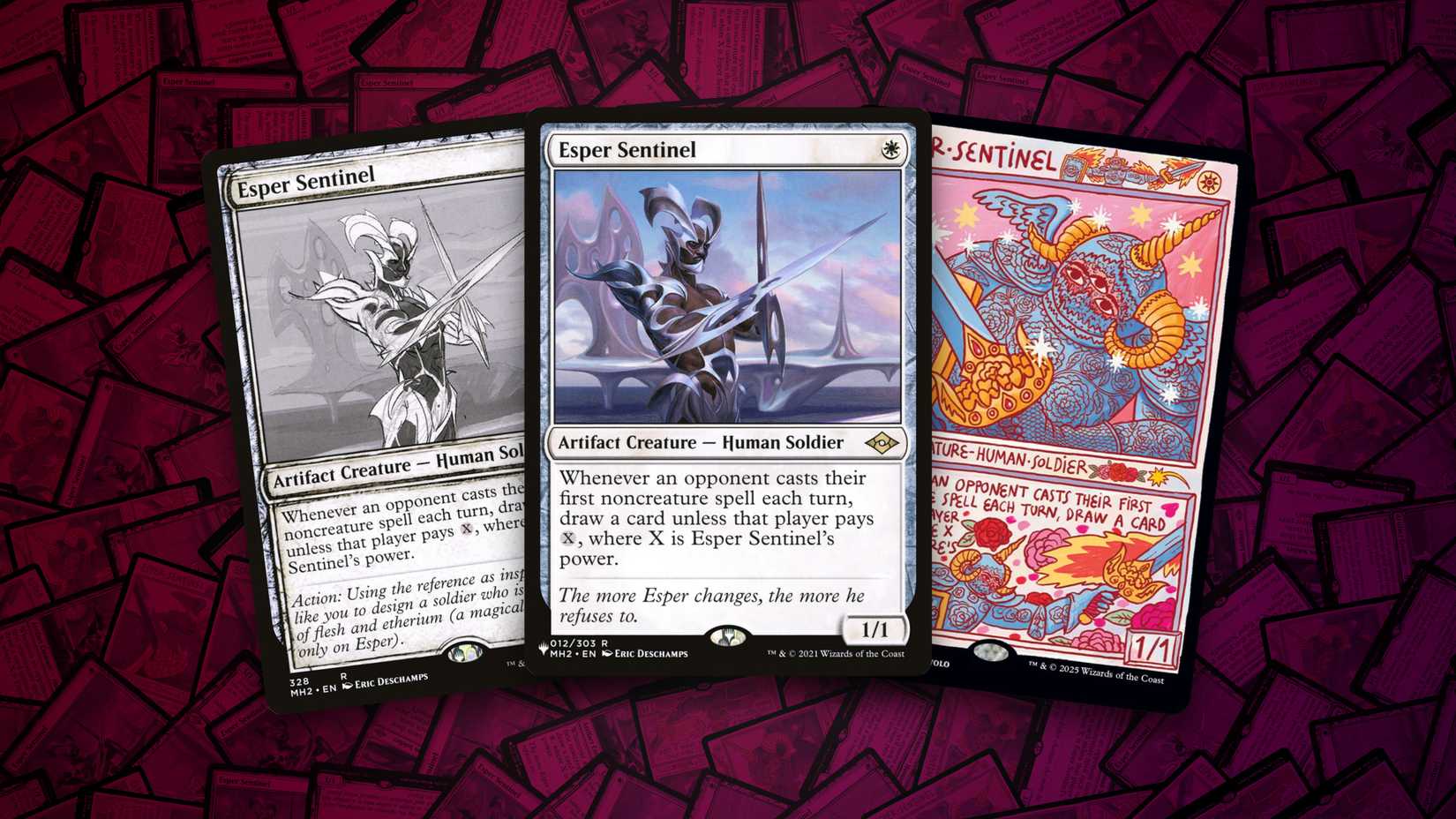 Image: Wizards of the Coast
There was a time when Esper Sentinel would have seemed like an unprecedentedly efficient White card. Historically, White has struggled with direct card draw, choosing instead to generate advantages through permanent synergy and resource stewardship. Modern development philosophy bridged that gap by introducing a one-mana artifact creature that levies a mandatory tax on the first noncreature spell an opponent casts each turn. It captures the essence of White through a contemporary lens, translating the color’s core tenets into a subtle yet devastatingly effective package.
White rarely hands out unconditional card draw without a fee, preferring to make adversaries pay for every scrap of momentum they attempt to build. Esper Sentinel weaponizes that exact ethos from turn one, turning routine plays into immediate card advantage for its controller. It exemplifies the sleek evolution of modern White design, packing utility and a demanding tax onto a humble one-mana body. While it lacks the historical prestige of legacy cornerstones like Swords to Plowshares or Armageddon, few cards match the lean, punishing efficiency of contemporary White spells quite as well.
4
Enlightened Tutor
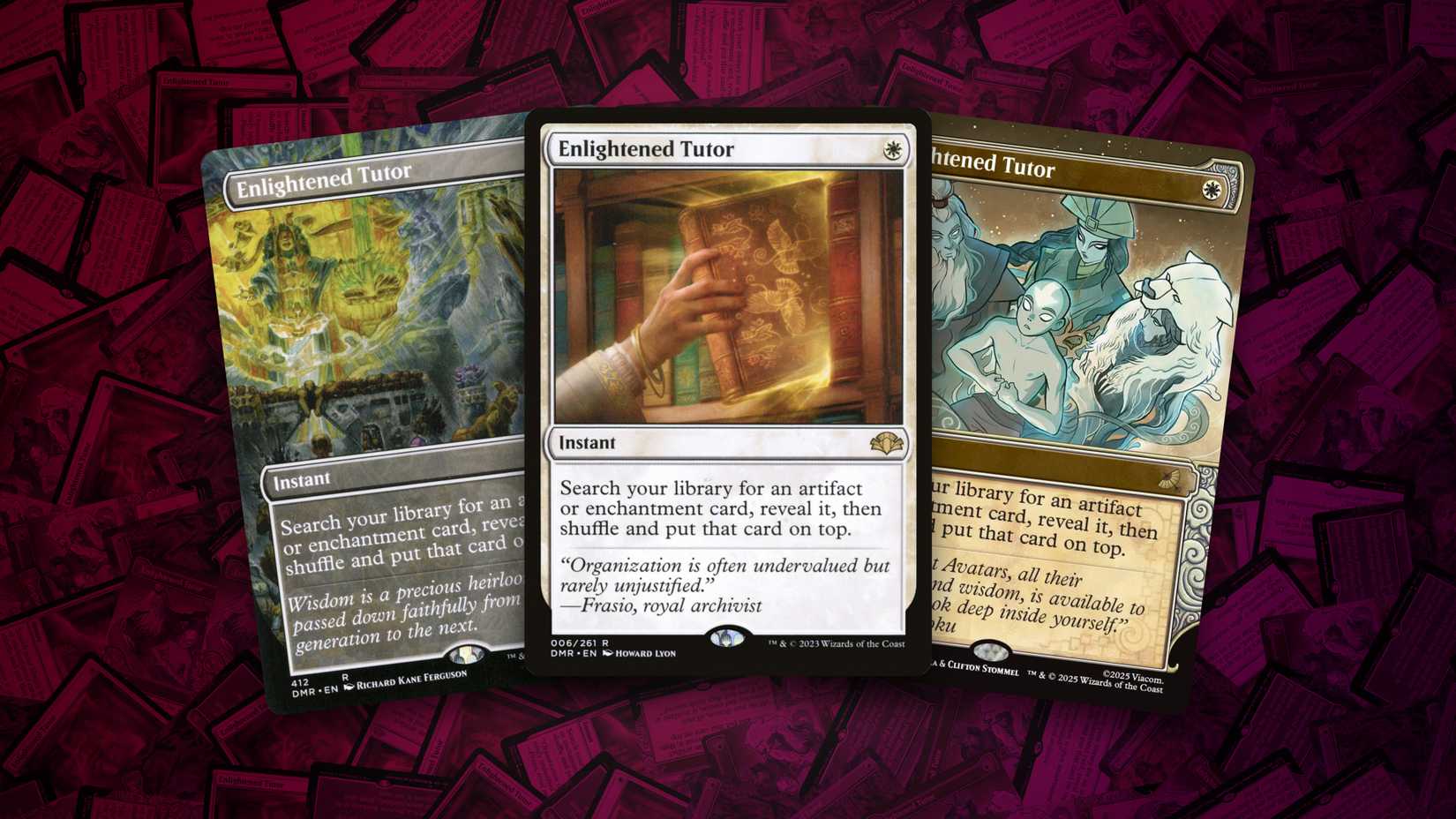 Image: Wizards of the Coast
Enlightened Tutor embodies White’s obsession with meticulous preparation. For a single mana, it bypasses the random nature of standard card draws in favor of precise curation, allowing you to search your library for a specific artifact or enchantment. It lacks the sweeping flexibility of Black tutors like Vampiric or Demonic, but that strict limitation is precisely what grounds the instant in White’s mechanical identity.
This is a color that prizes calculated forethought over raw power. Since its introduction in Mirage, the spell has anchored competitive tournament lists and Commander decks alike, effortlessly fetching everything from oppressive enchantments to game-winning pieces of equipment. There is no brute force or flashy stack manipulation involved; you simply analyze the board state, retrieve the exact tool required, and methodically execute your plan. (Personally, it serves as an indispensable utility piece in my Elesh Norn, Mother of Machines artifact build).
3
Archangel Elspeth
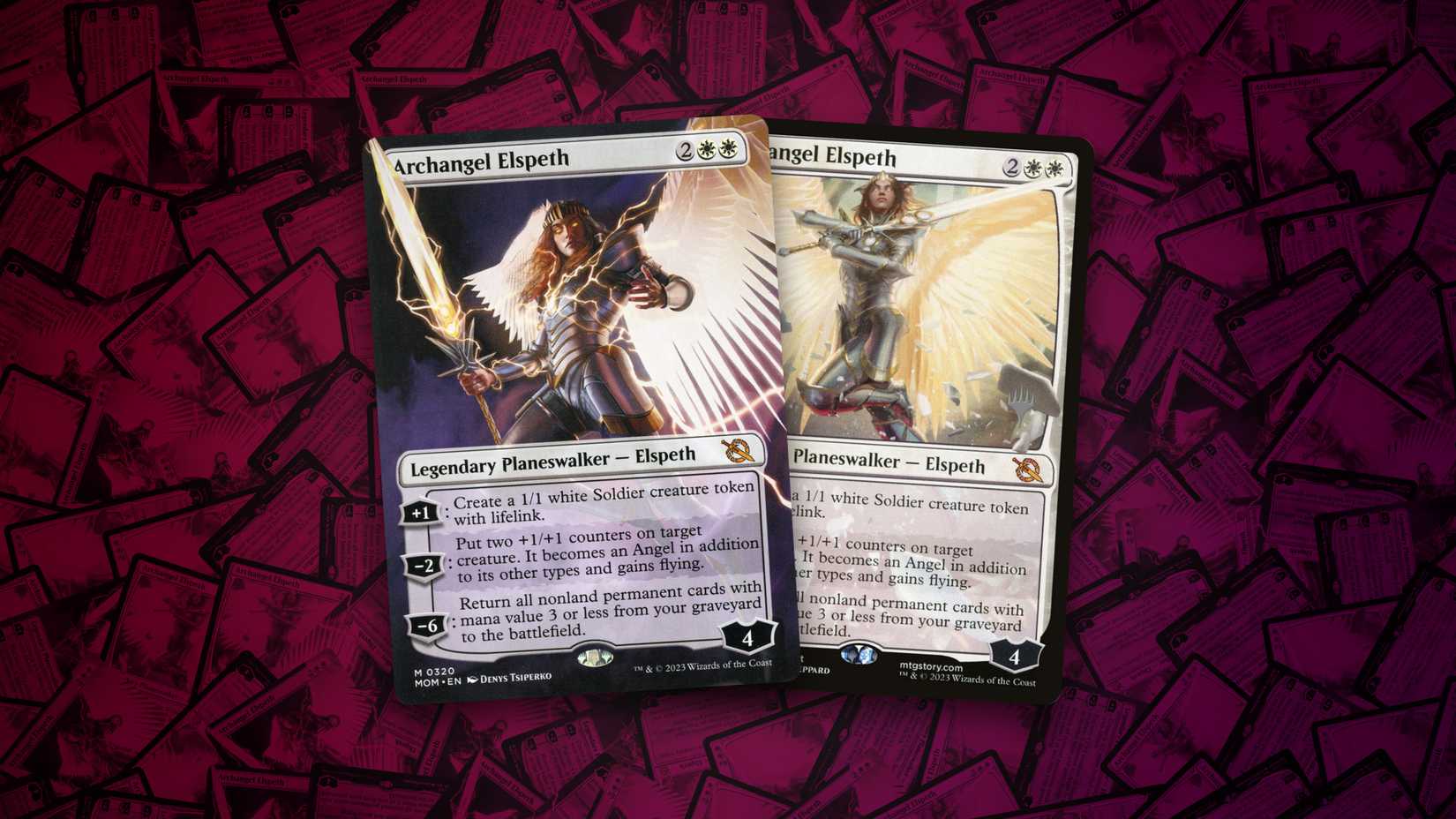 Image: Wizards of the Coast
If Elspeth stands out as the planeswalker most synonymous with White, then Archangel Elspeth functions as the character’s philosophy distilled into a single permanent. Her abilities read like a greatest-hits compilation for the color: assemble an army, buff your followers, grant them evasion, and eventually elevate one into a serious threat. There is zero subtlety to her kit, which forms a major part of her appeal.
Elspeth has always championed White at its most inspirational, depicting a mindset that believes a well-drilled army, steadfast faith, and reliable weaponry can overcome any monstrosity across the table. Archangel Elspeth also demonstrates how White planeswalkers have matured beyond simply generating minor incremental value. She can build a battlefield presence from scratch and transform a collection of humble tokens into a legitimate endgame win condition. If Serra Angel represents the classic archetype of White, Archangel Elspeth is that same foundational ideal refined through decades of power evolution.
2
Mother of Runes
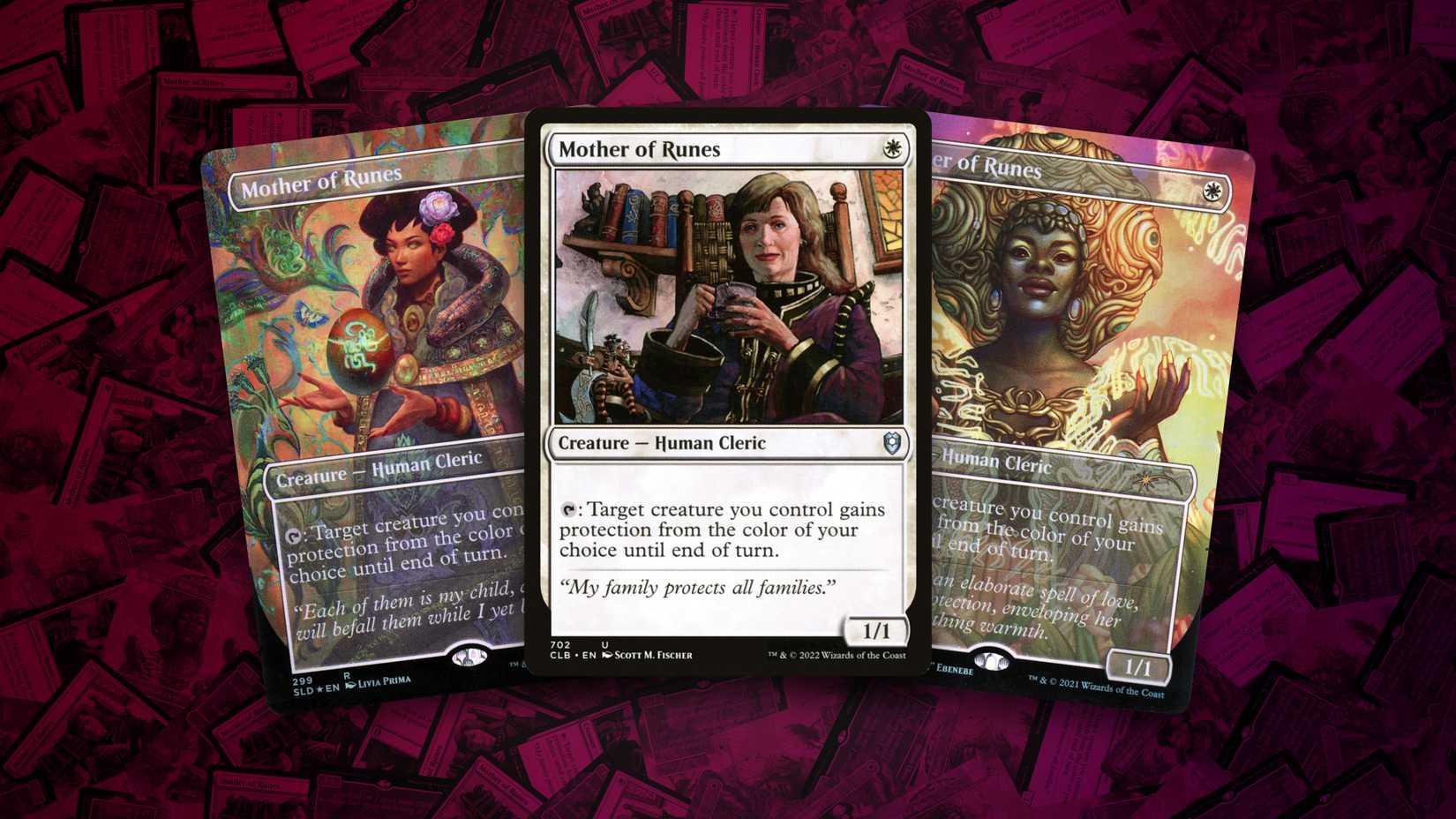 Image: Wizards of the Coast
Mother of Runes is a one-mana creature that appears almost comically harmless until you face it down across the table. A 1/1 Human Cleric doesn’t inherently strike fear into opponents, yet Mom of Runes transforms your entire board state into a defensive fortress. Tapping her grants another target creature protection from a color of your choice until the end of the turn.
In a split second, a lethal removal spell fizzles out, an insurmountable blocker is bypassed, and a carefully orchestrated combat phase completely unravels. The brilliance of the card stems not merely from its protective ward, but from its flawless expression of White’s mechanical identity. The color has always excelled at elevating seemingly minor bodies into formidable assets through tight synergy and tactical discipline. Mother of Runes functions as a perpetual sentinel, standing firmly between your most valuable pieces and whatever malicious schemes your opponent has cooked up. She may never swing for the final blow herself, but her quiet, looming presence ensures that the rest of your army survives long enough to close out the game.
Source: Polygon
Related articles
 Micron Warns of RAM Shortage and High Prices Through 2028
 The Witcher 3 Reaches Record Player Count as Game Director Promises Surprises
 Sony Replaces Hunt: Showdown 1896 with Low-Rated Game for PS Plus in Japan
 Cosplayer portrays Yennefer from The Witcher 3
 Gears of War: E-Day Features Dynamic City Destruction Throughout Campaign
 SAGA Barcelona Game Fest names 29 publishers for its October 9–11 programme
 Blizzard Opens Preorders for World of Warcraft Alexstrasza Statue
 Path of Exile Creator Doubts Diablo V Will Release in 2029