Why The Magicians Is the Ultimate Fantasy Series for Adults
I think far too much about the first chapter of Harry Potter and the Half-Blood Prince, in which the outgoing and incoming Ministers of Magic meet the British prime minister at 10 Downing Street. A bridge has collapsed, and one of the PM’s junior ministers has started quacking like a duck. The wizards explain that these and other disasters are connected to the return of the evil Lord Voldemort.
“But you’re wizards! You can do magic!” the prime minister says. Surely they can sort out anything. Cornelius Fudge, the outgoing Minister of Magic, answers with a strained smile: “The trouble is, the other side can do magic too.”
As Muggles, we tend to imagine magic as a cure-all. That’s a big part of why stories about magic enchant us so: if a wave of a wand and a few words can change reality, surely they can banish whatever makes us unhappy. Traditional fairy tales usually make that wish tangible. A pumpkin becomes a carriage. A mermaid becomes a lady. A spell transforms a life.
But the best adult fairy tales keep the wonder while asking complicated questions about what happens after the wish comes true.

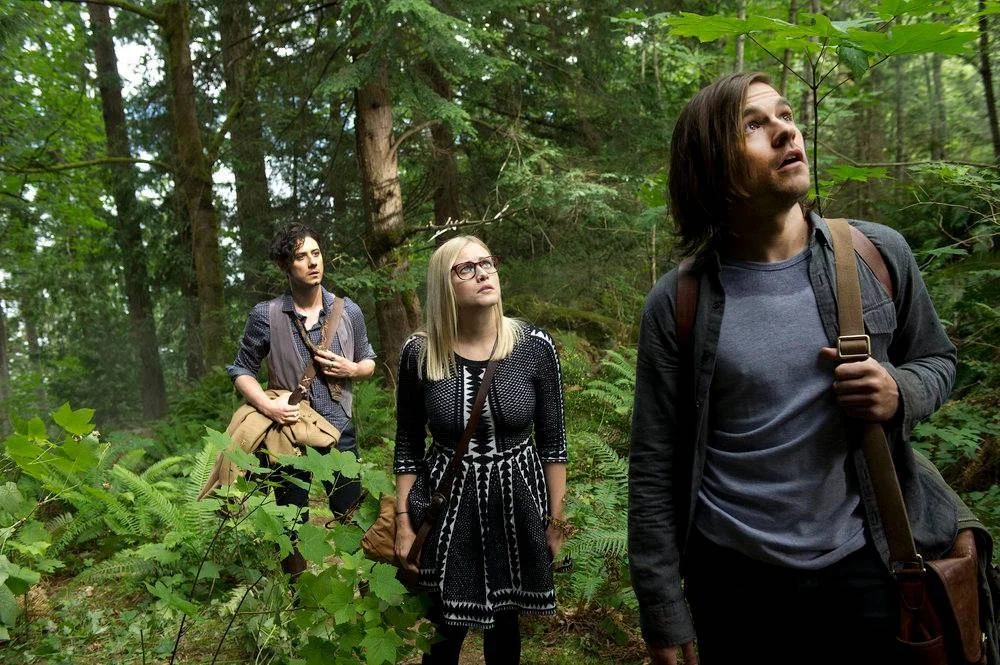
The Magicians, Lev Grossman’s book series and its Syfy adaptation, understands the limits of that fantasy. It imagines what might happen if the magical school and storybook kingdom Quentin Coldwater dreamed about were real. Then it makes Jason Ralph’s character live with the fact that magic cannot solve every problem. It cannot make the world safe, and it cannot cure the people he loves.
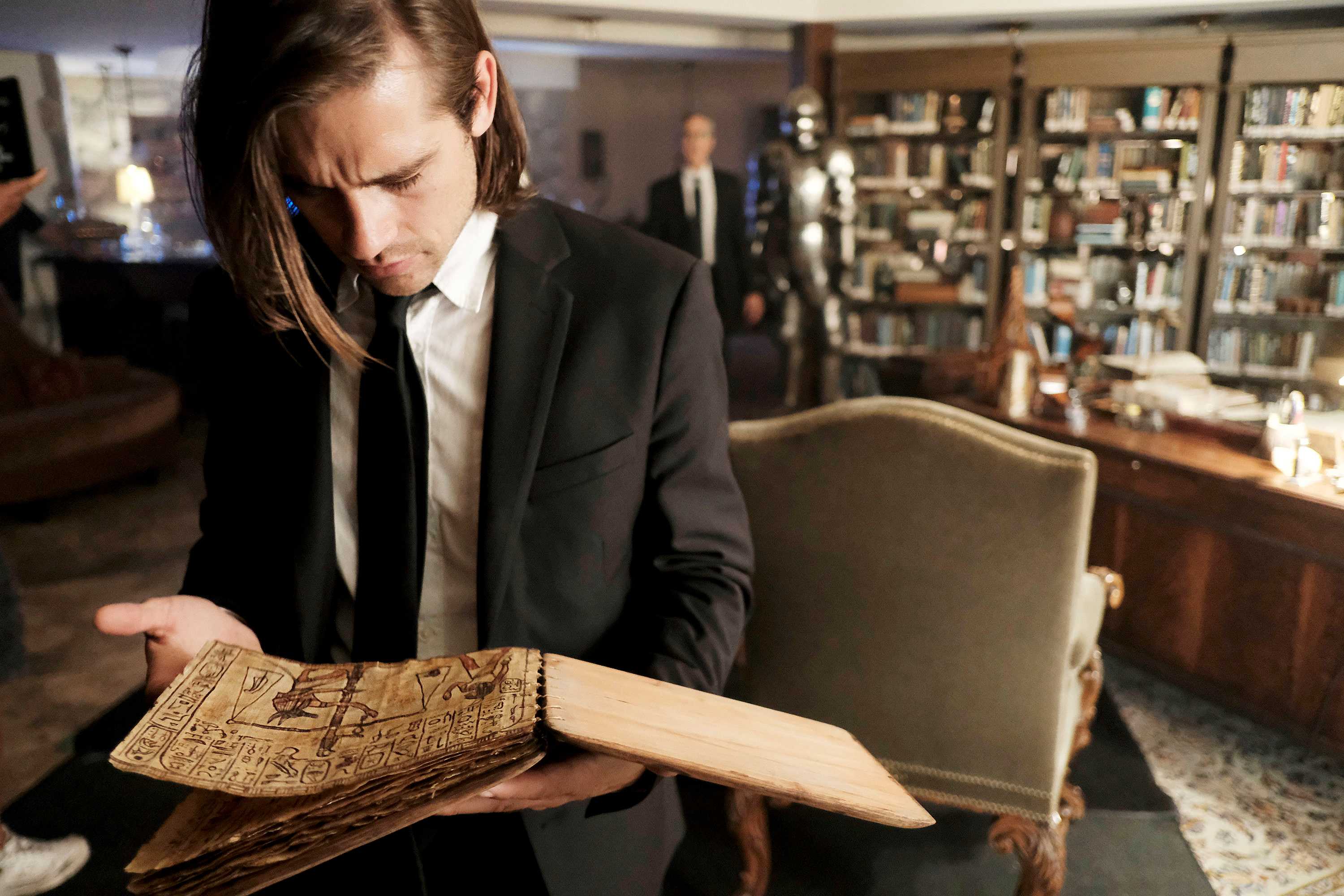
The elevator pitch for The Magicians is as simple as Kingdom Hearts: a collision between Harry Potter and The Chronicles of Narnia, twisted into a mature fairy tale where Hogwarts is an elitist magical grad school and Narnia is a sinister mess called Fillory. When we first meet Quentin, he checks out of a mental health clinic after being treated for severe depression. He cannot quite let go of his fascination with the Fillory and Further series, in which the Chatwin children are whisked off to Fillory for adventures. Despite being a brilliant philosophy major at Columbia University in New York City, Quentin finds adulthood boring and unfulfilling. He is obsessed with magic and has to settle for sleight-of-hand tricks with coins or cards. Everything changes when he is lured into the entrance exam for Brakebills and gets in.
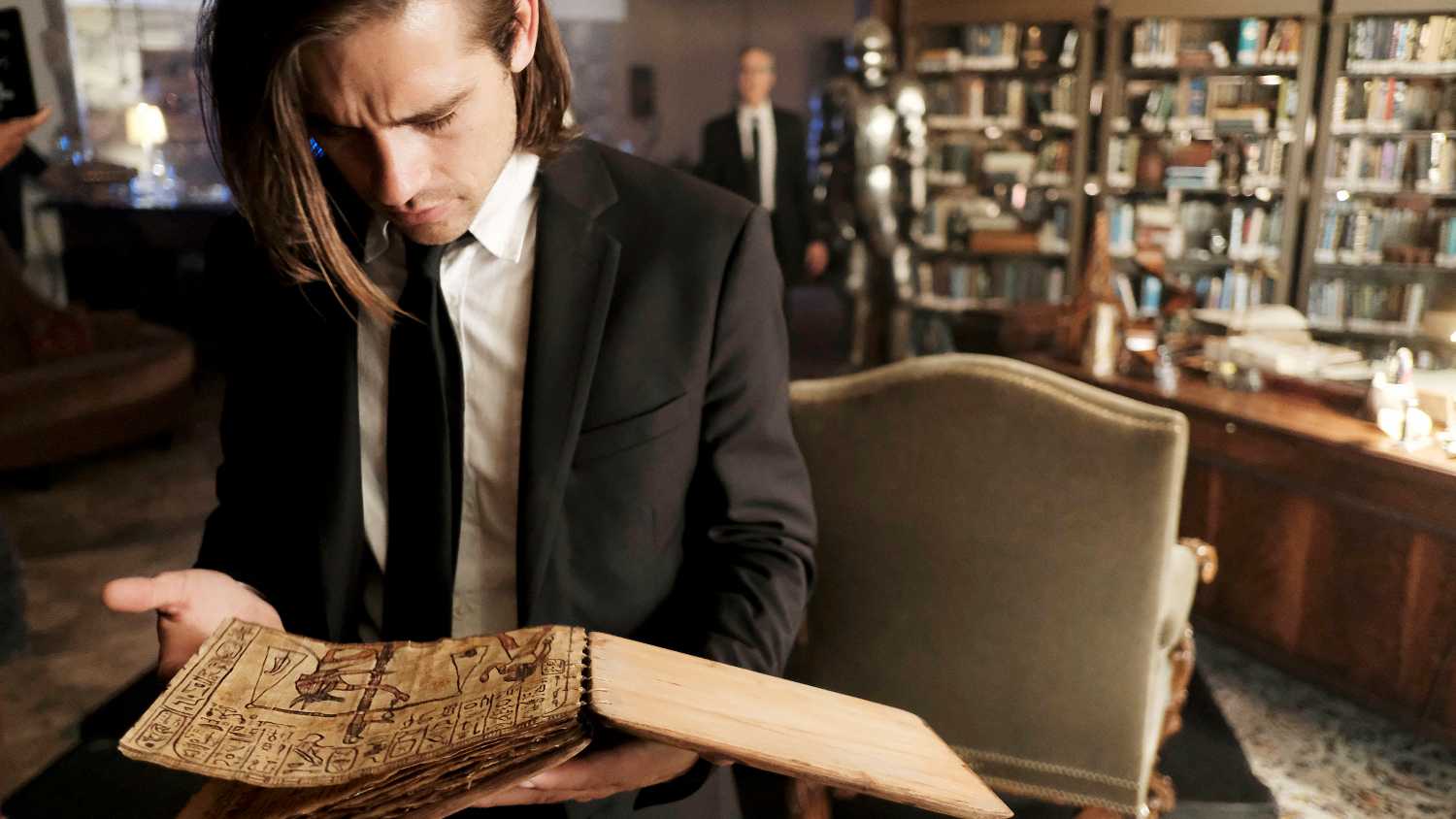
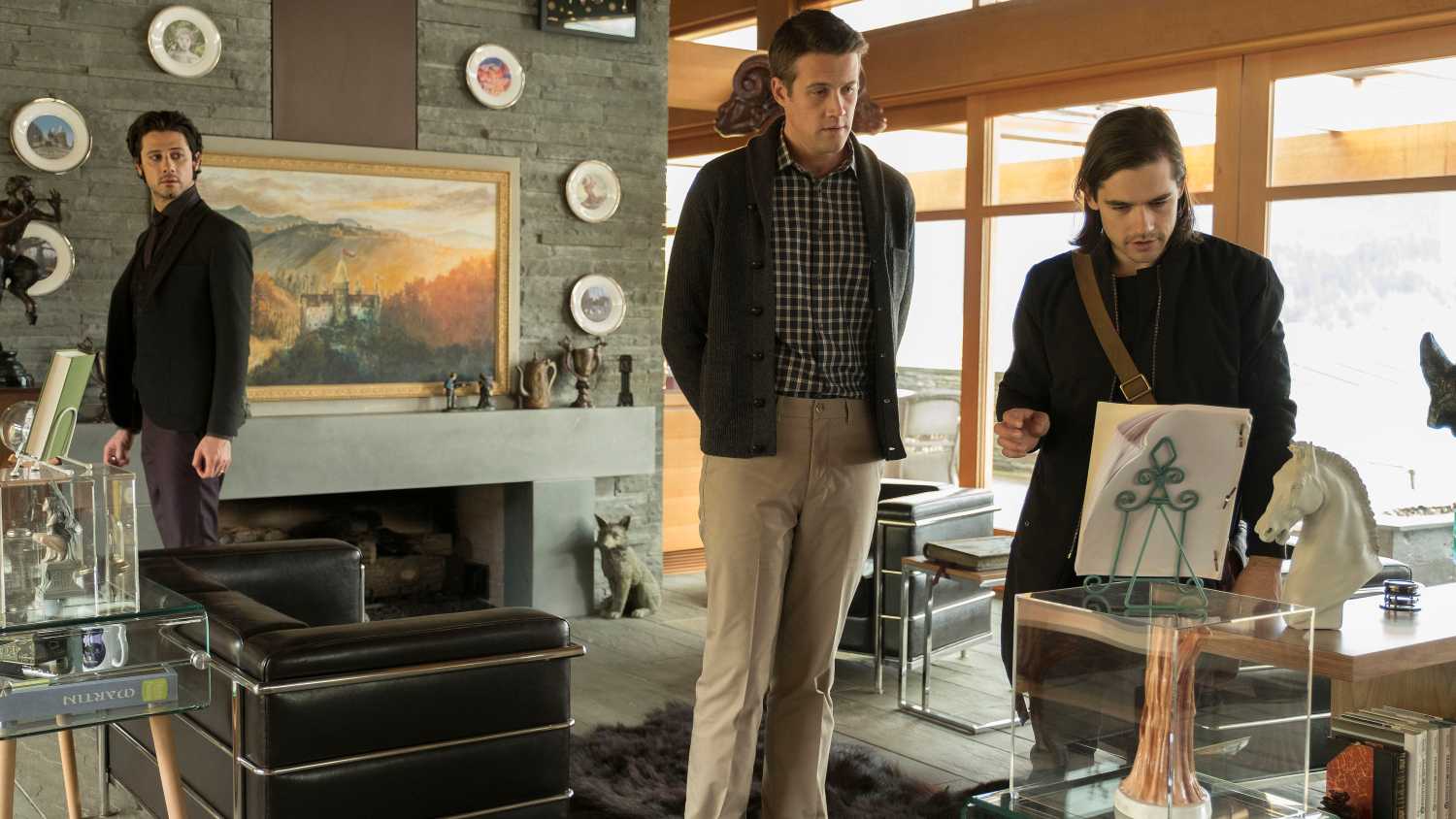
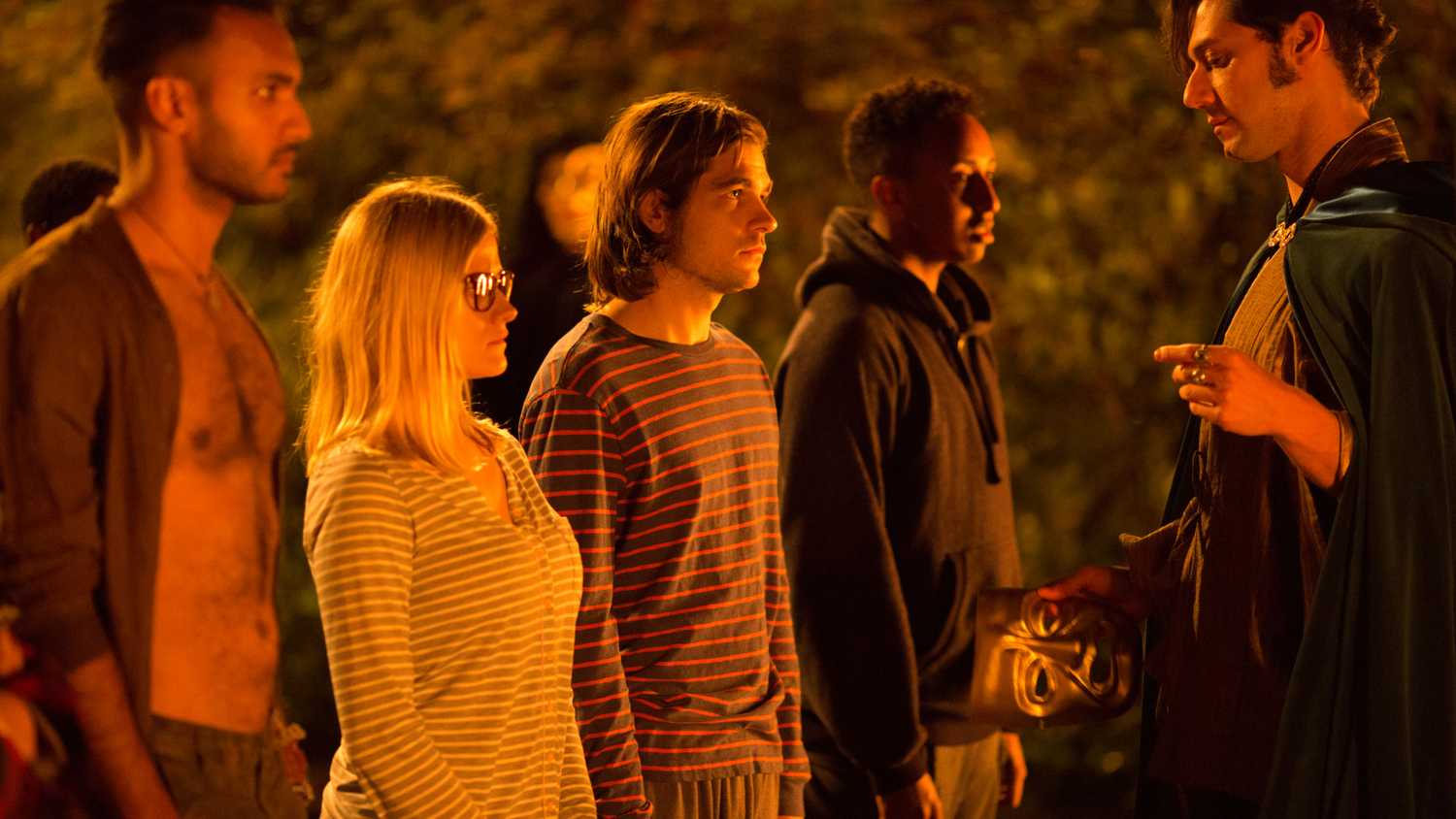
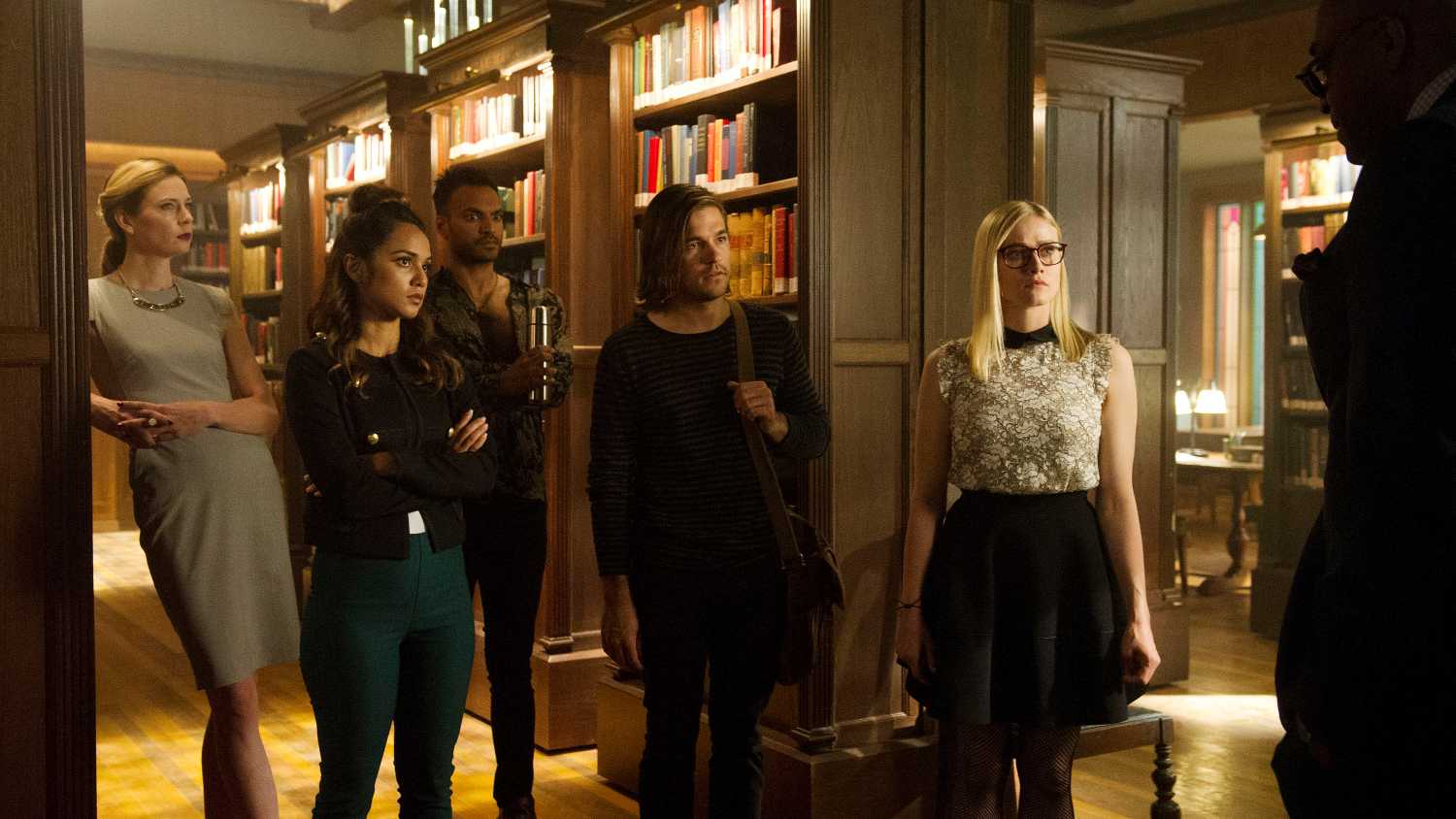
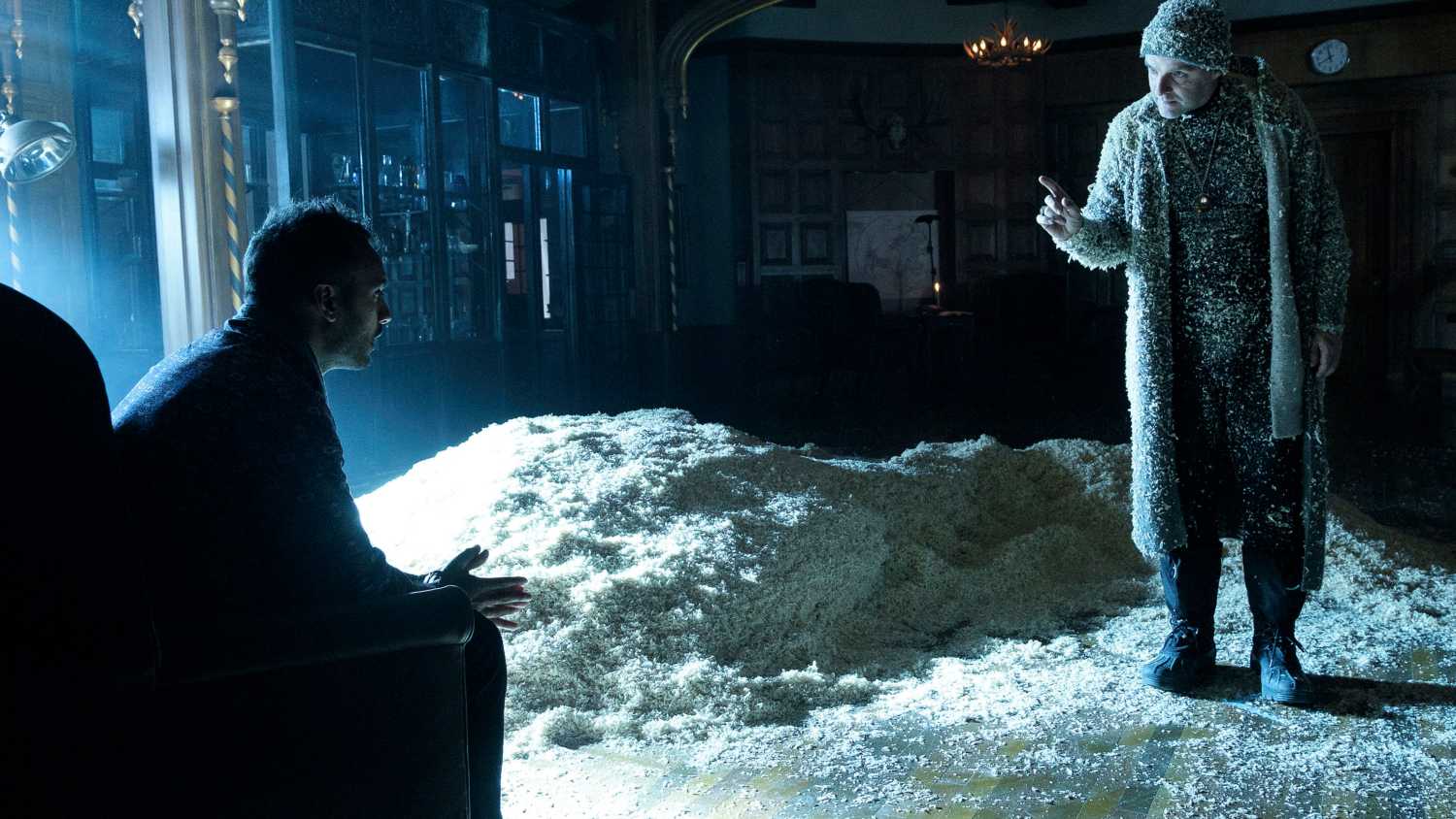

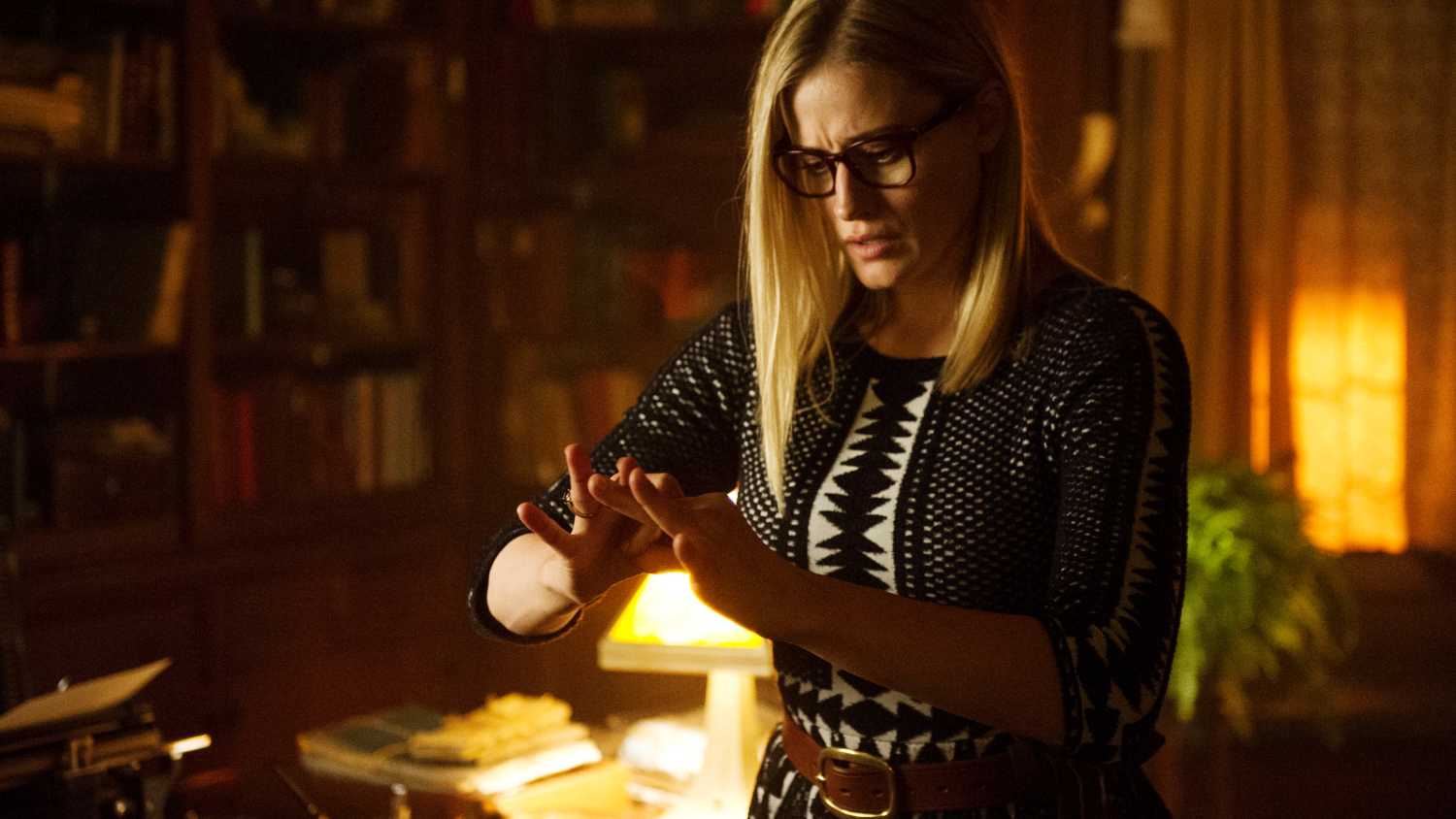
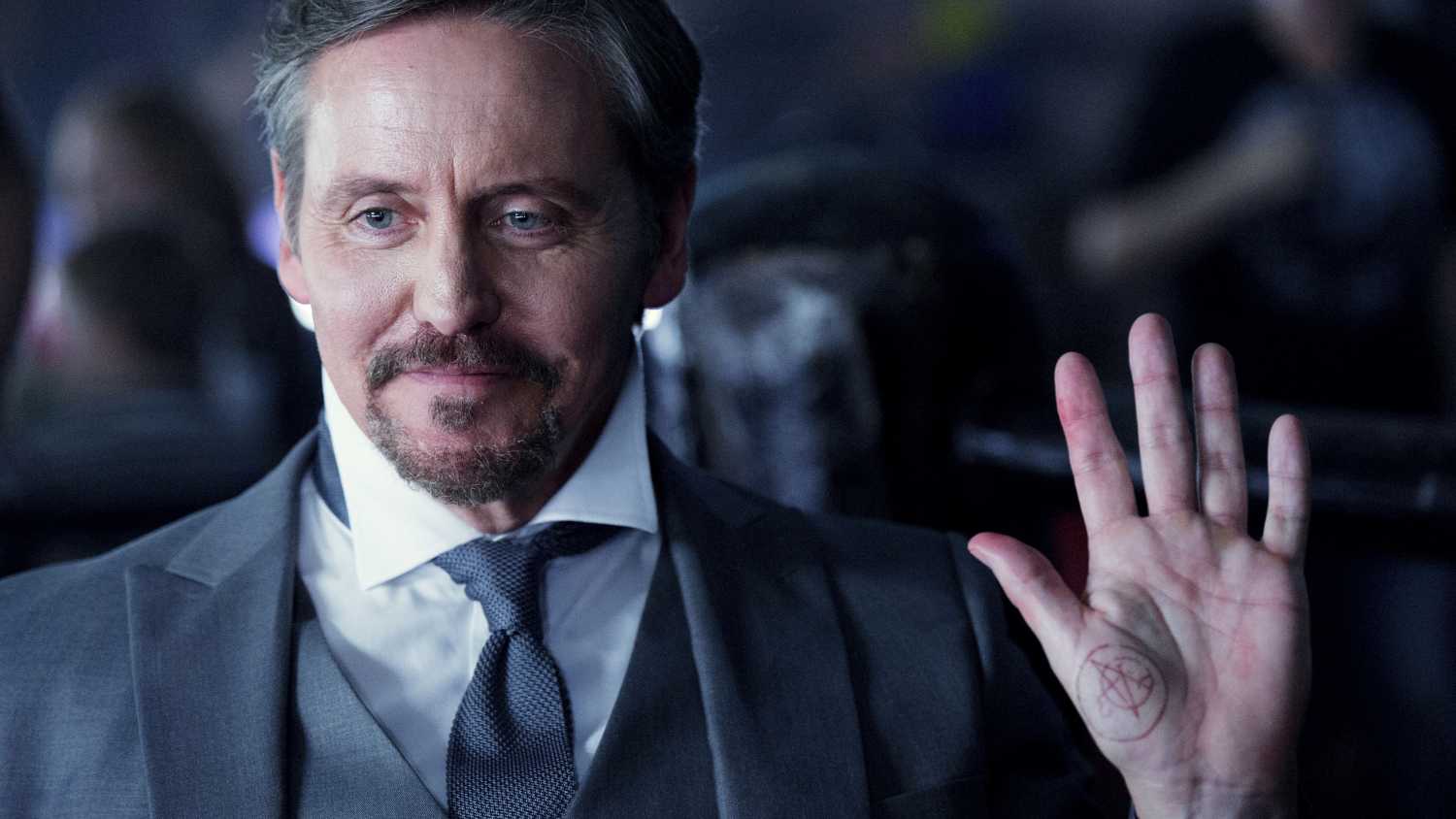
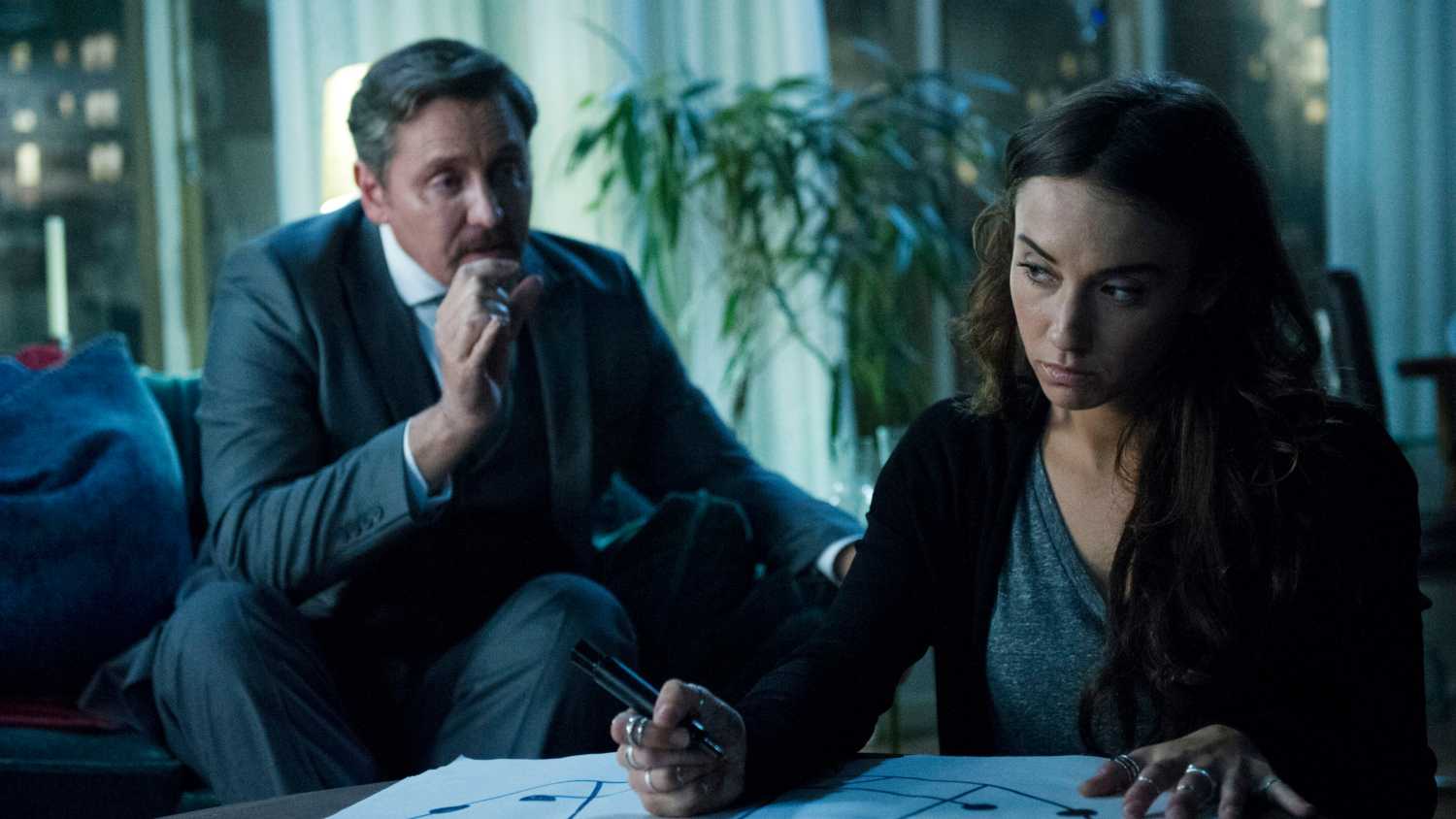
The premiere of the series unfolds Grossman’s saga at a breakneck pace, establishing a multilayered mystery involving time travel and Fillory with the magical school of Brakebills as the backdrop and Quentin as the focal point. The ensemble cast is full of complex adults in their 20s. At Brakebills, students memorize ancient languages and runes, then master intricate hand gestures to cast spells. The show’s finger tutting gives magic a physical grammar: each movement has a purpose, and the students’ bodies become part of the work. That makes magic feel scholarly and demanding, a craft that takes practice. It also makes every spell more satisfying to watch.

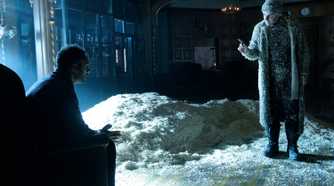

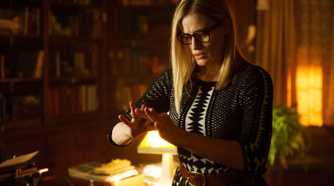
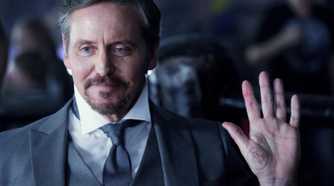

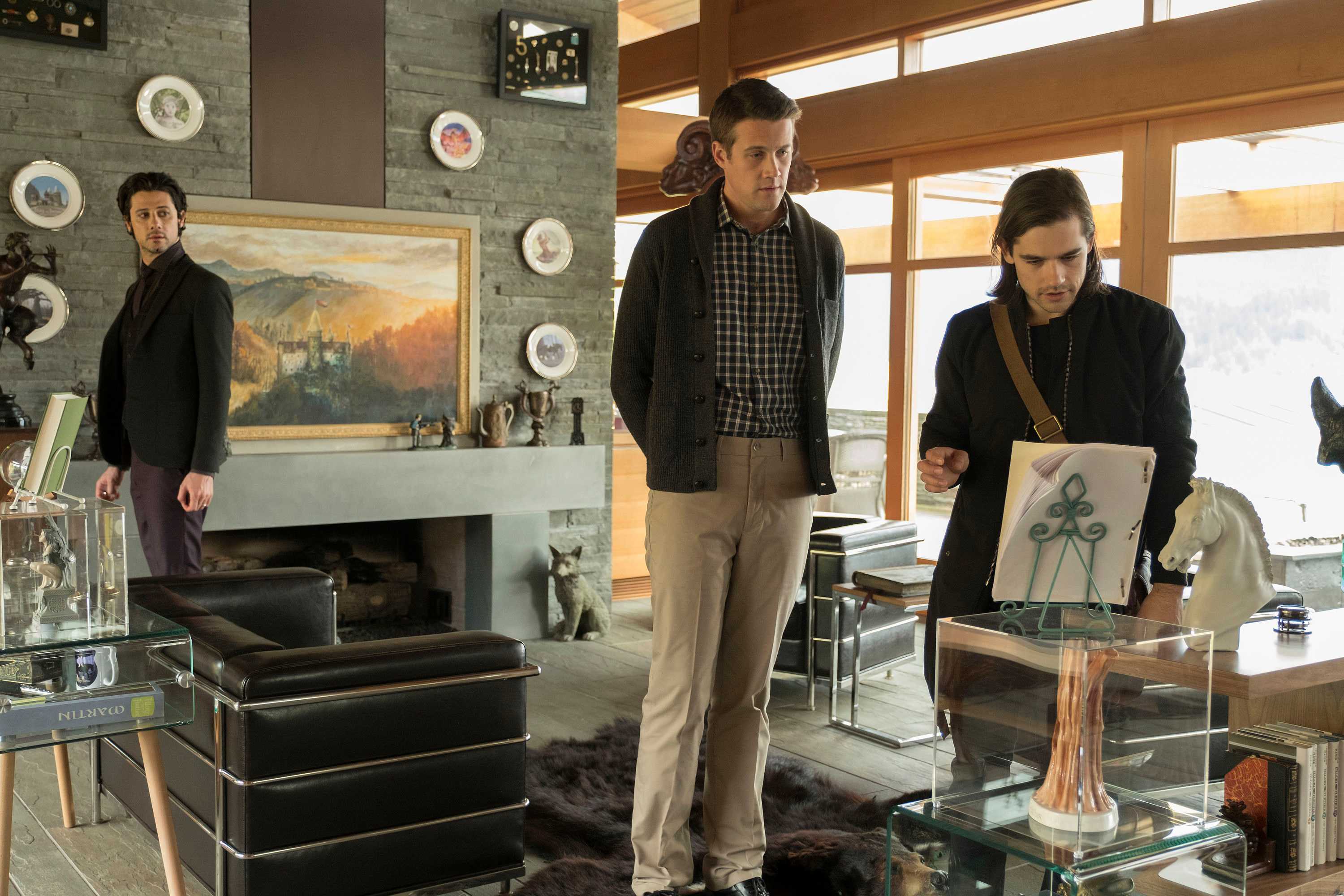
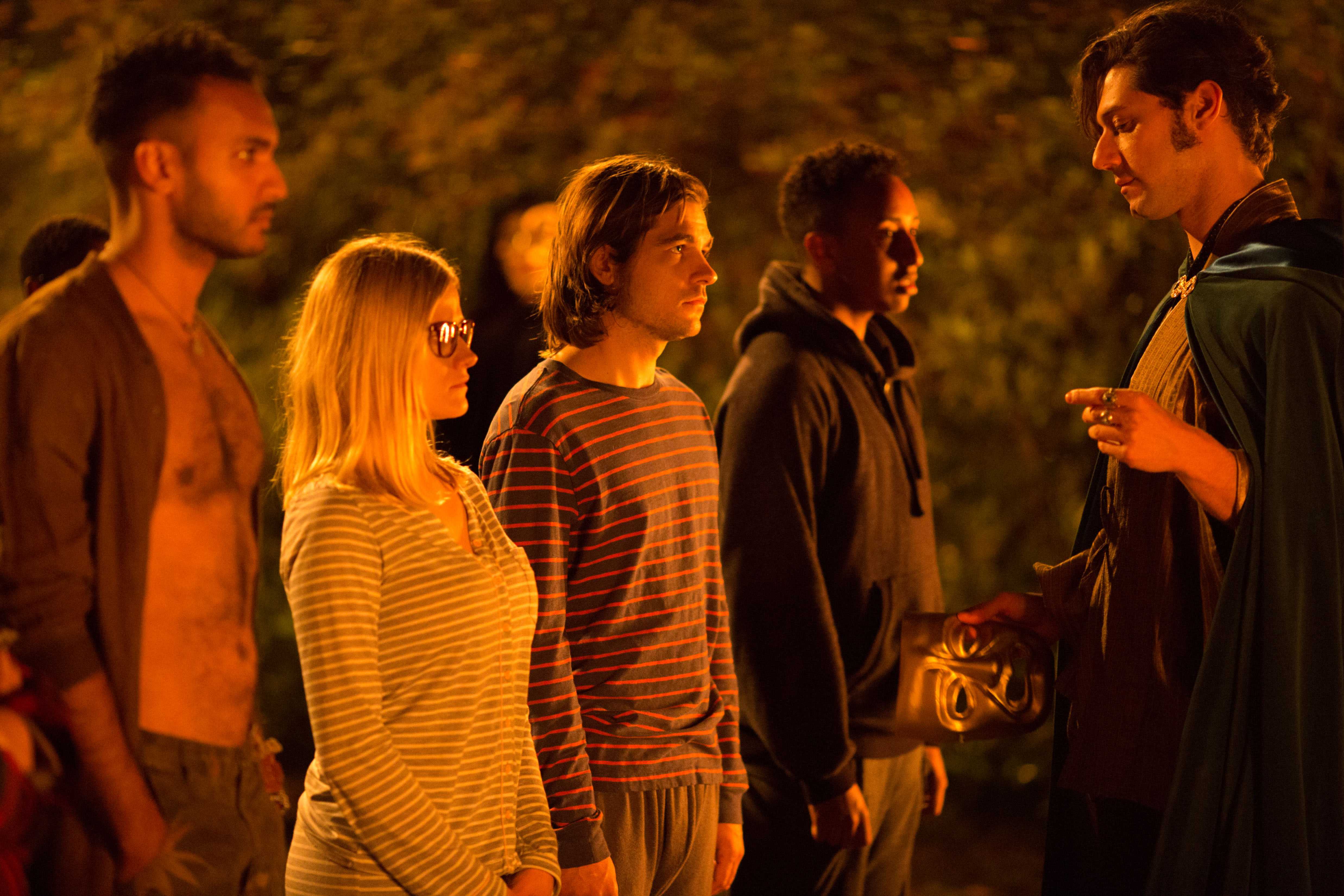
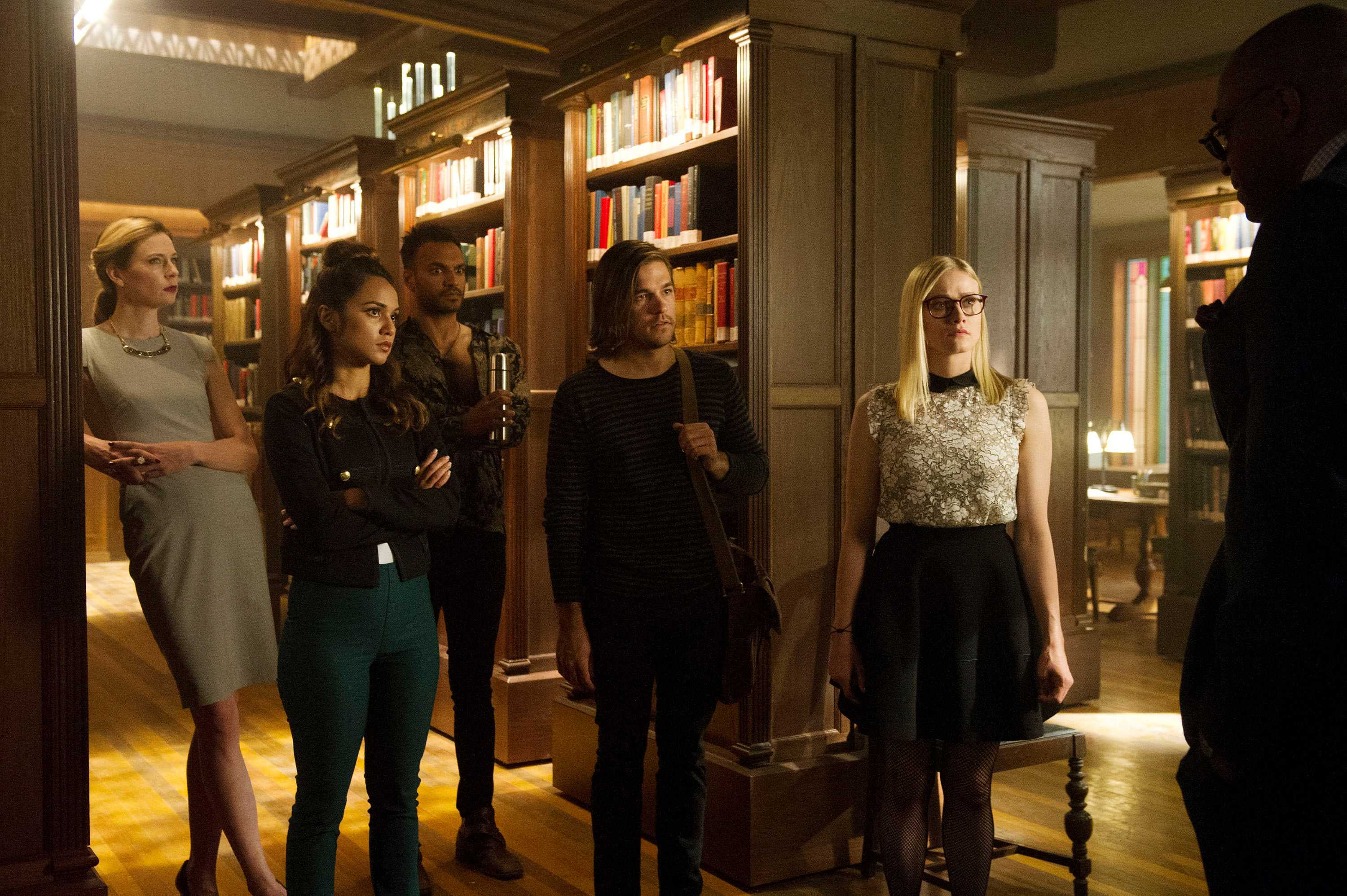
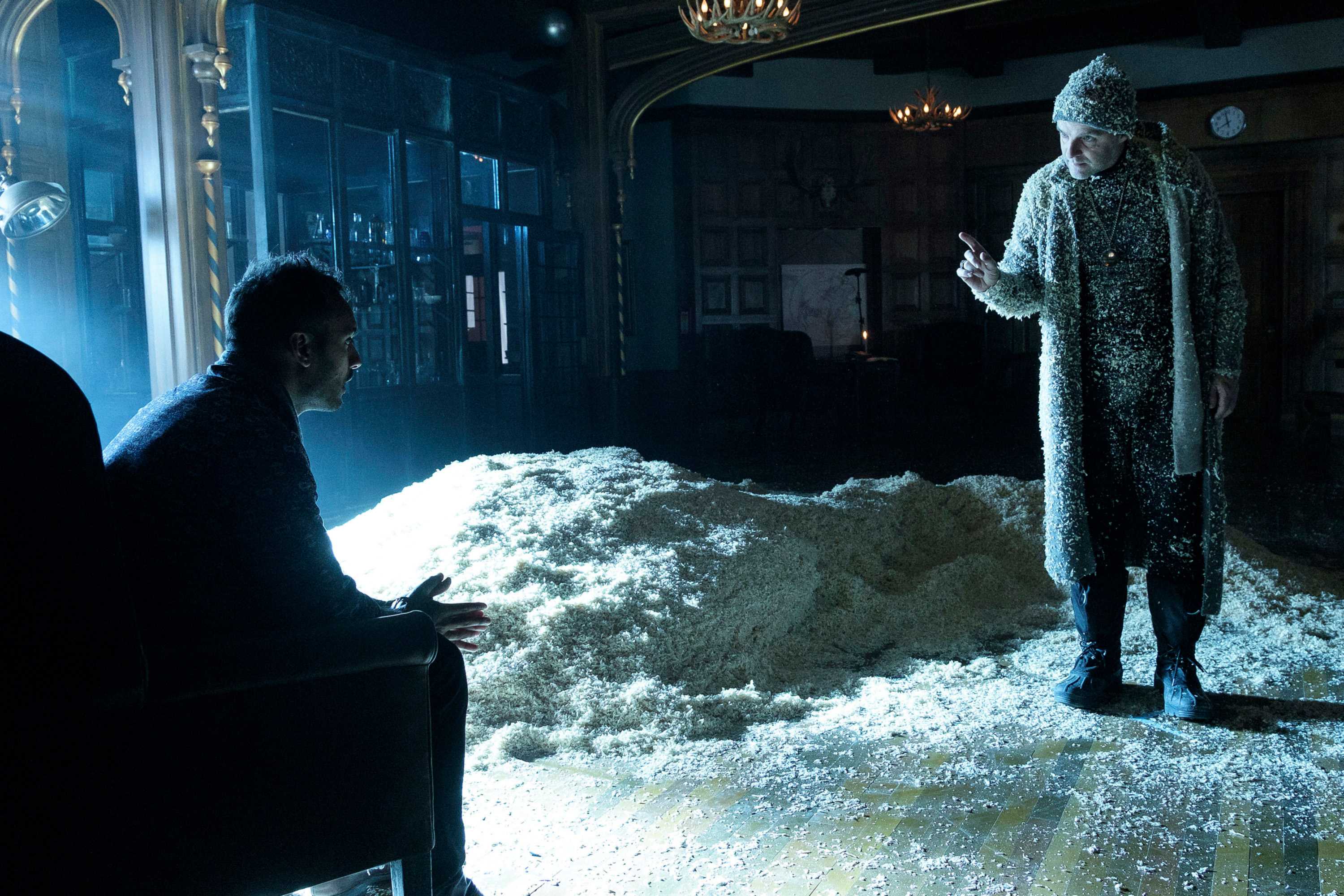

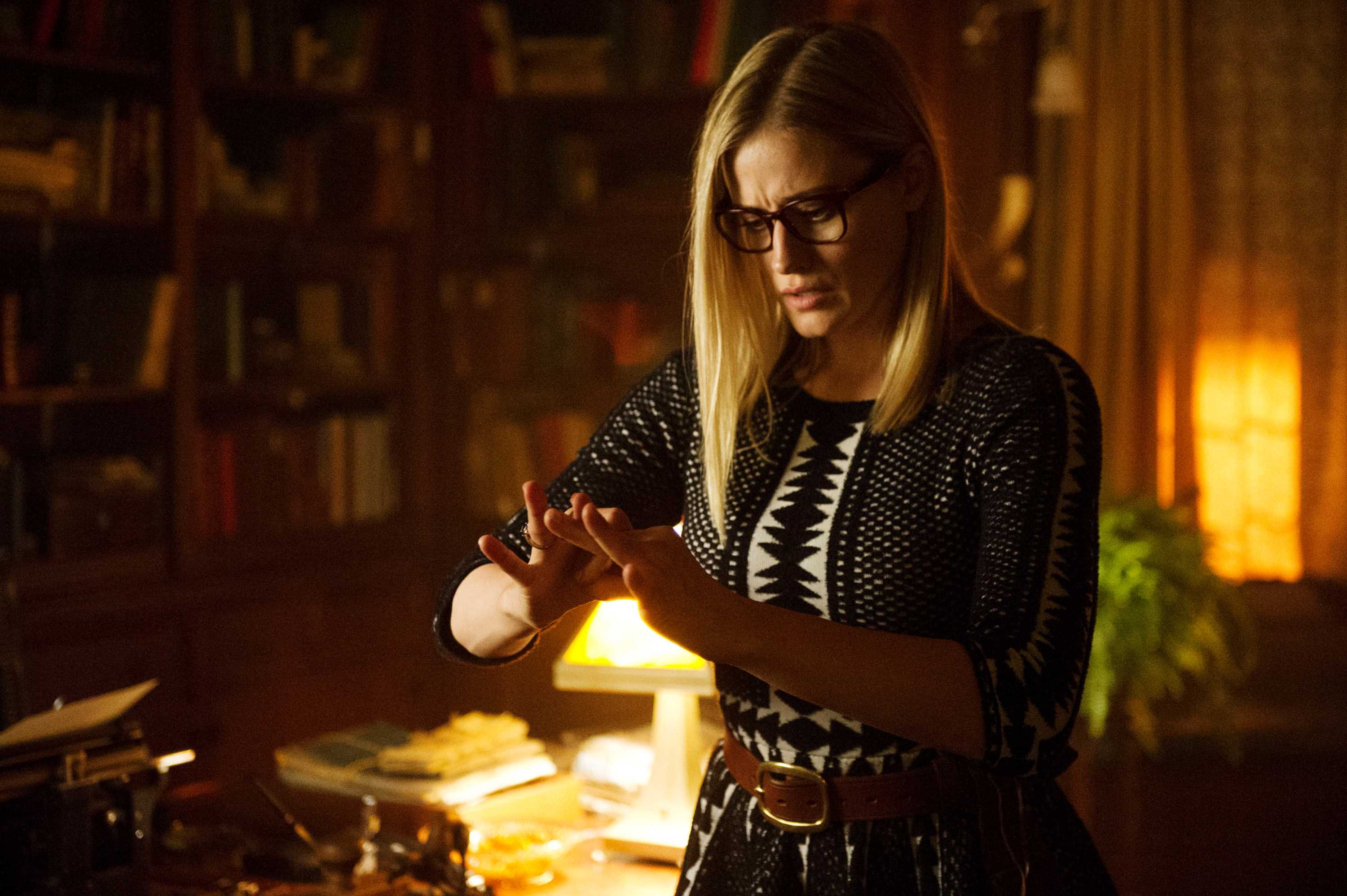
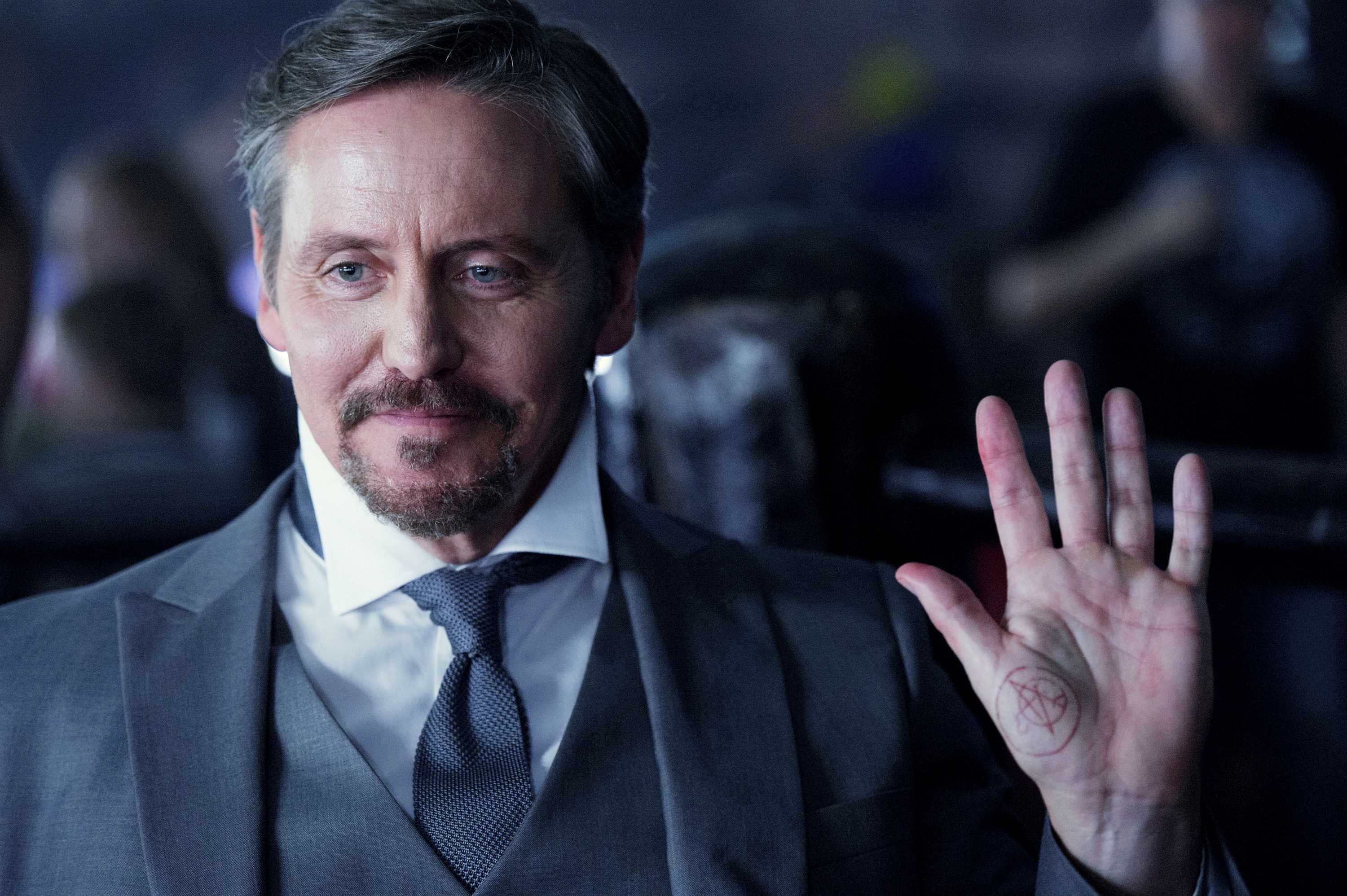
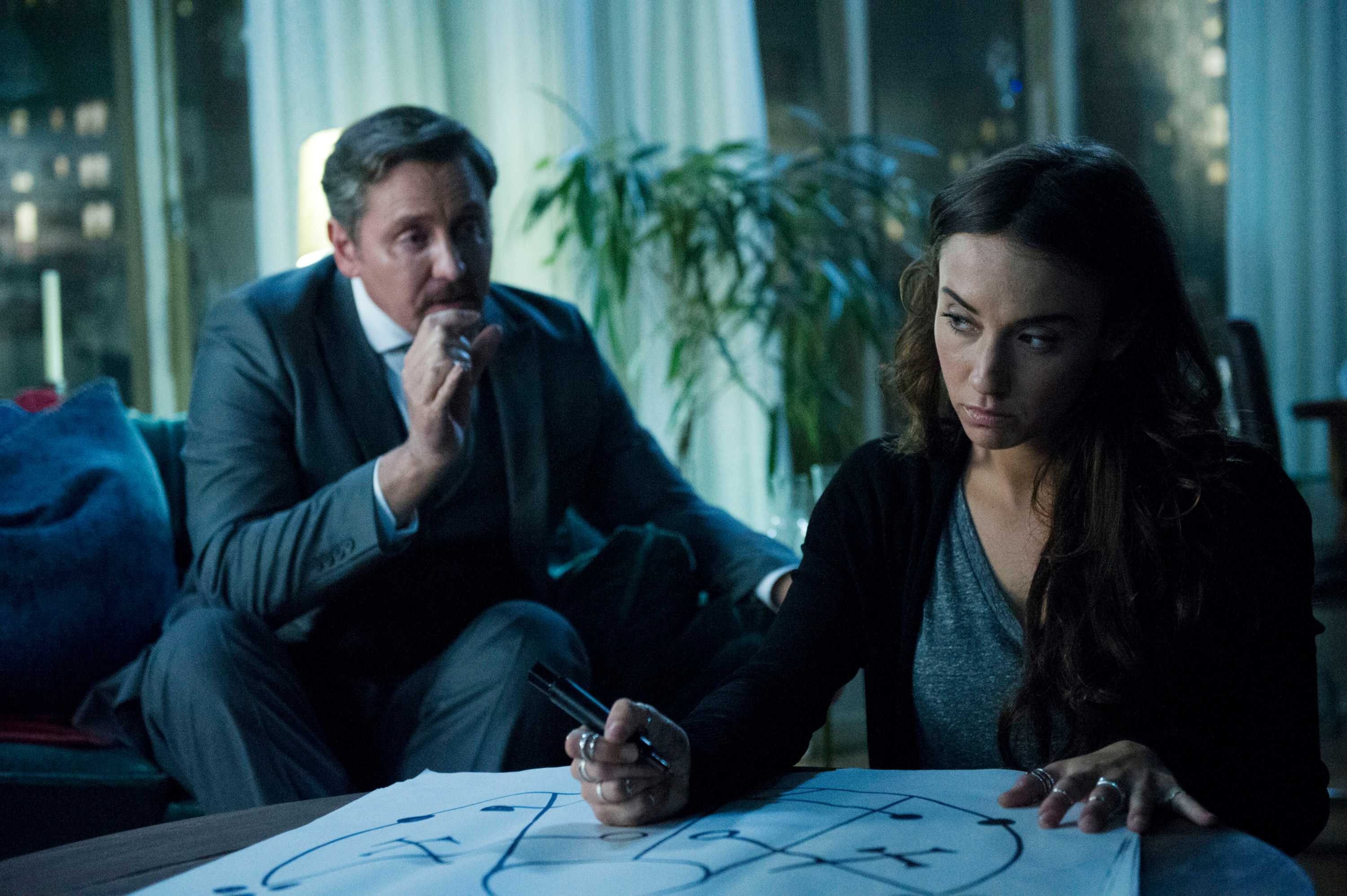
Between all the life-or-death stakes and levitating sex scenes, The Magicians also finds time to be silly. During season 1, an entire class of students turns into geese and flies to Antarctica for specialized training. Across 65 episodes in five seasons, there are a handful of musical episodes. The Magicians strikes a compelling mixture of procedural and serialized storytelling, and each season has a neatly self-contained story arc. Season 1 introduces a Big Bad in the form of an entity called The Beast who has 12 fingers and a swarm of moths obscuring his face. Most episodes feature a magical mystery of the week approach, including a new lesson, a MacGuffin to find, an emerging threat, or a personal problem that needs resolving.


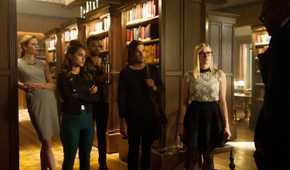
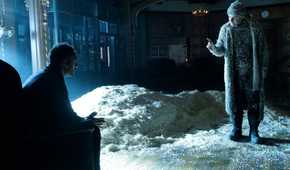

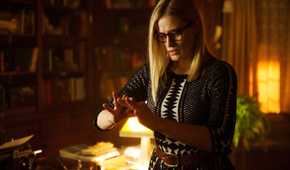
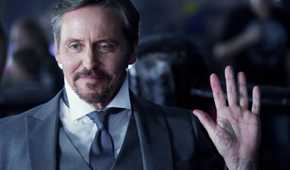

The banter between the show’s characters makes even the strangest detours feel like an adventure shared among friends. Sometimes that is literally just a party.
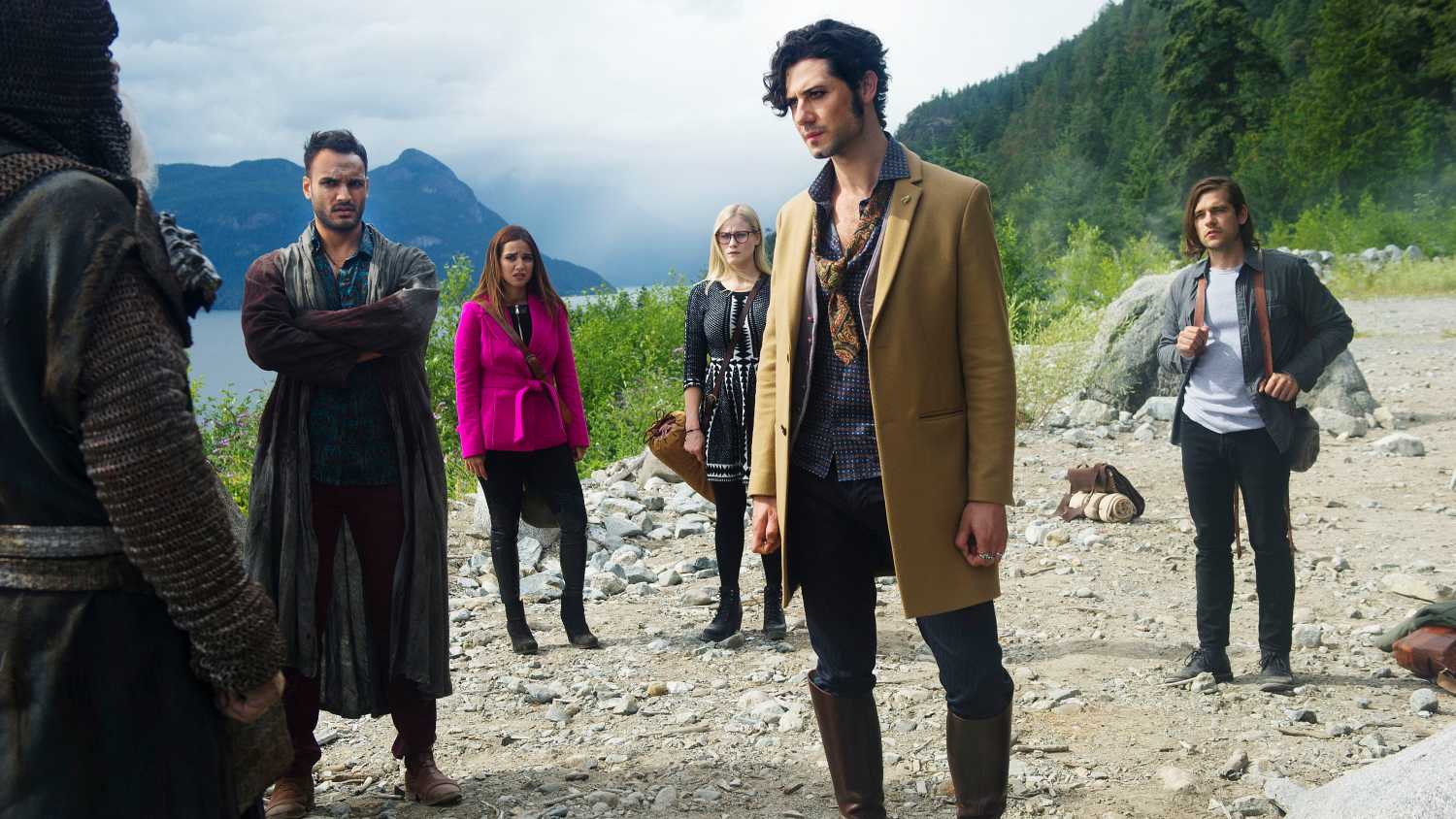
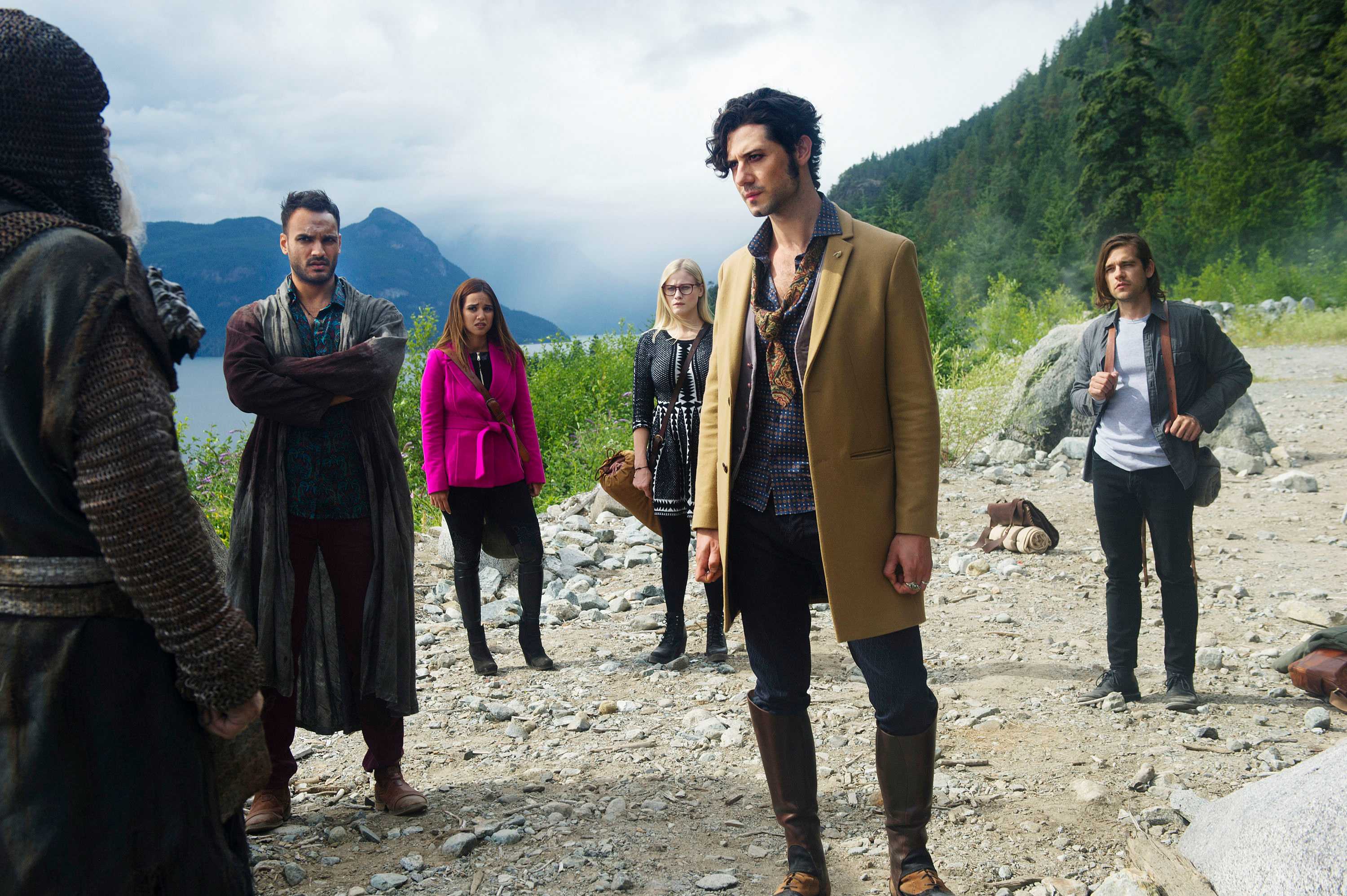
Quentin and the edgy Penny, played by Arjun Gupta, start out at odds. Quentin and Alice, played by Olivia Taylor Dudley, are the awkward brainiacs who inevitably fall in love. Margo, played by Summer Bishil, antagonizes almost everyone except her best friend Eliot, played by Hale Appleman. All of these boundaries gradually break down. Friends hook up. Together, this group bickers their way through the real world, the magical school of Brakebills, the mystical world of Fillory, and all manner of dark realities, alternate timelines, and the occasional subliminal space. Along the way, magic is not just presented as a tool that can do almost anything. It is a baffling new experience that gives people something to explore together, and rather than erase trauma, it recontextualizes it. At times, that trauma is made worse.
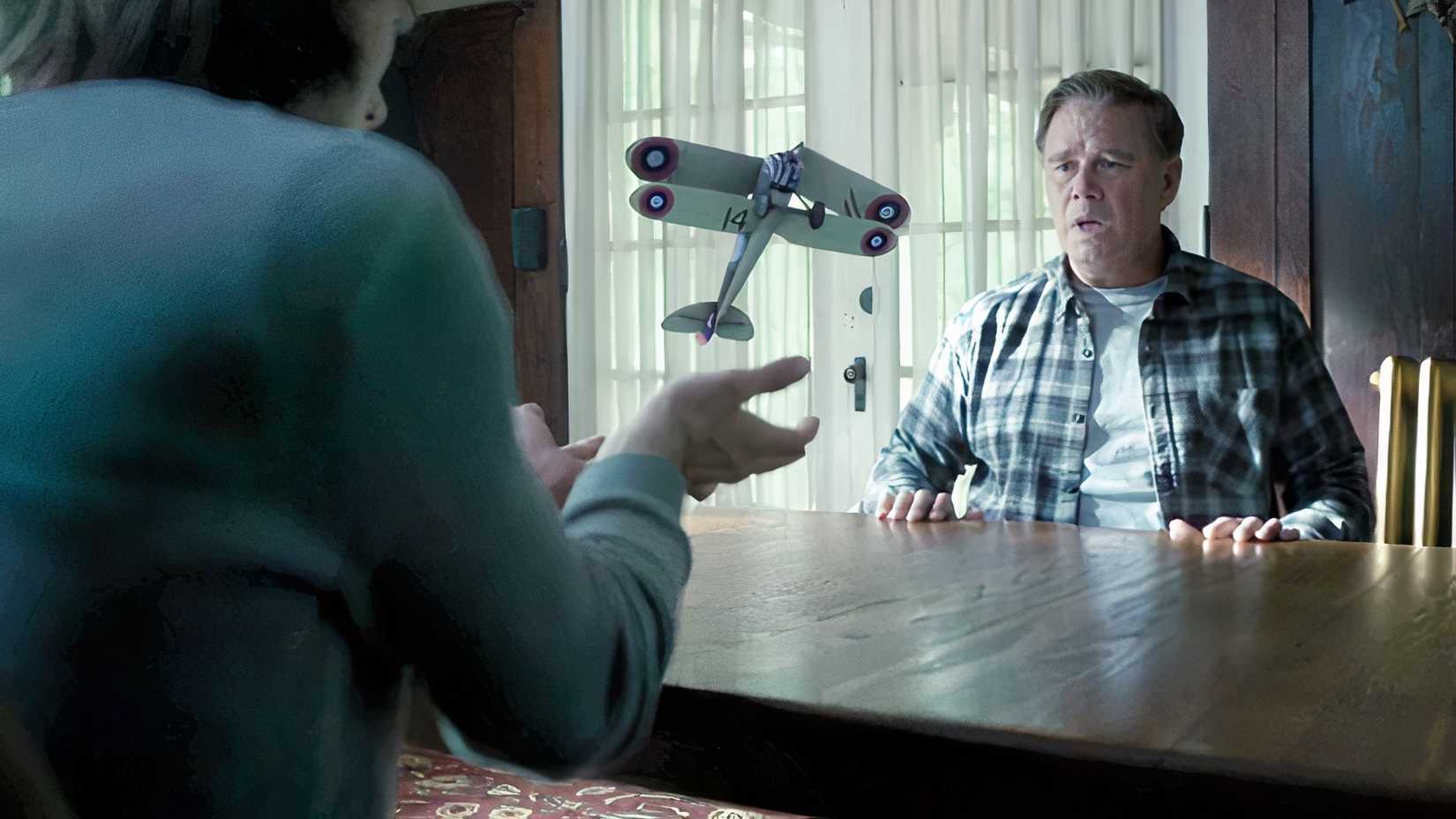
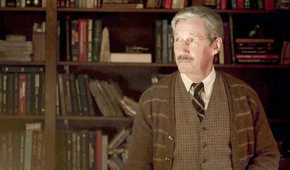
The show’s fifth episode, “Mendings, Major and Minor,” drags us back into the real world in a serious way. Quentin returns home after learning that his father has brain cancer. He is studying magic, and no matter how close Quentin is to the top of his class, there is nothing he can do about his dad’s prognosis. Instead of hiding the secret of magic’s existence, Quentin tells his father the truth. His father had treated Quentin’s obsession with Fillory as an embarrassing nerd phase that lasted too long. Now Quentin can finally share an enormous part of his life that validates his lifelong obsession. Quentin gets a kind of closure, and his father feels a sense of pride in his son.
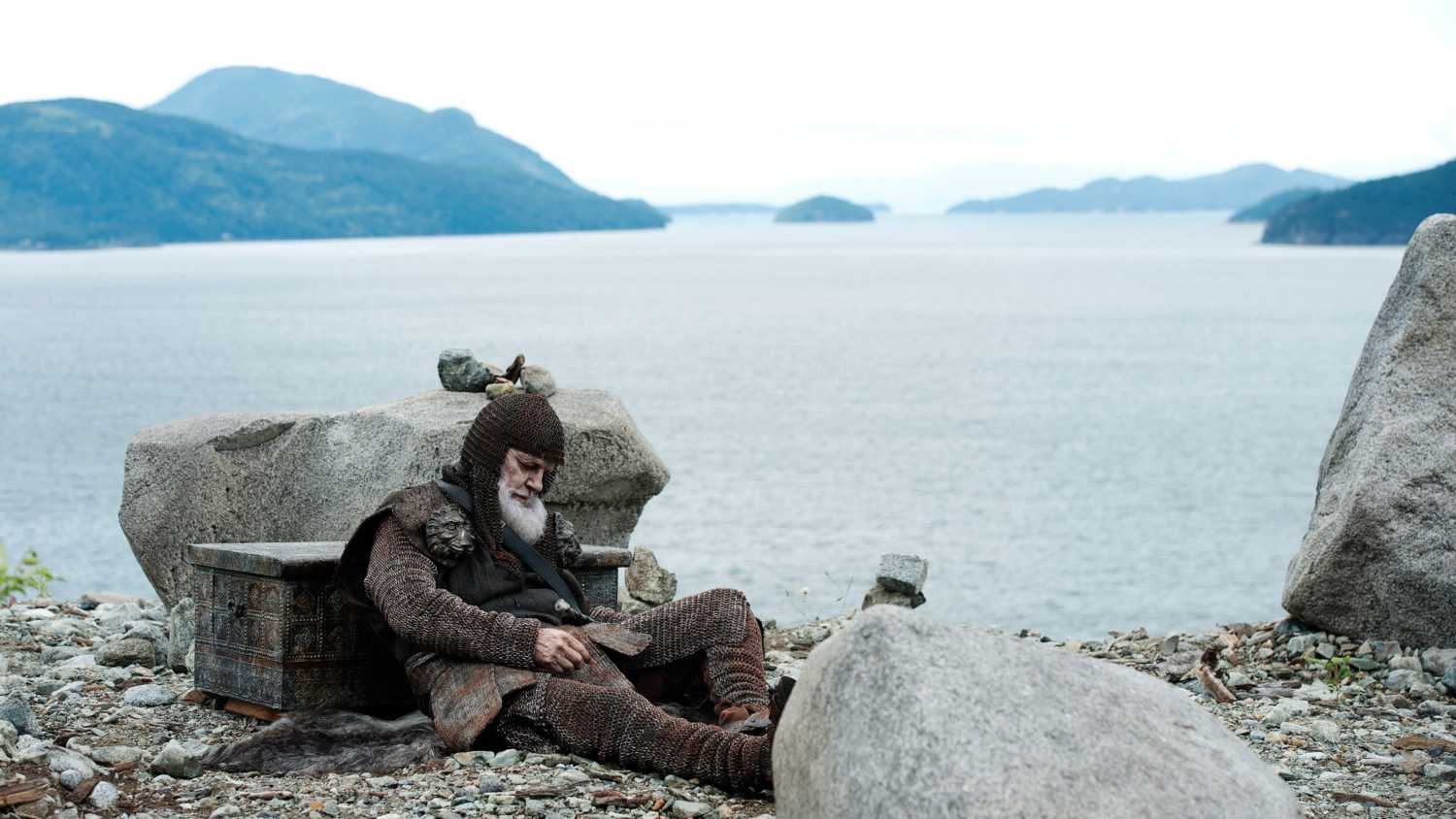
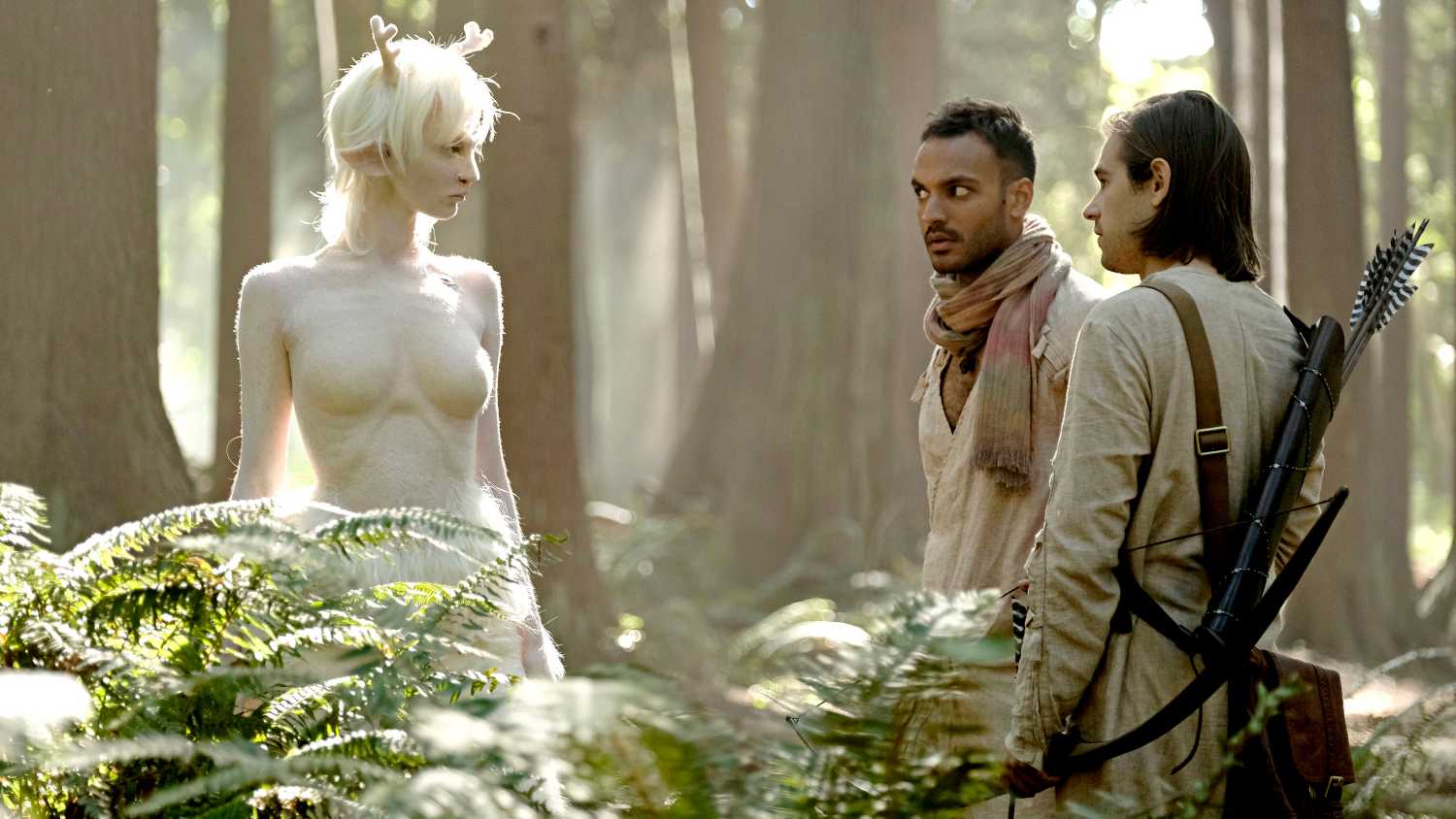
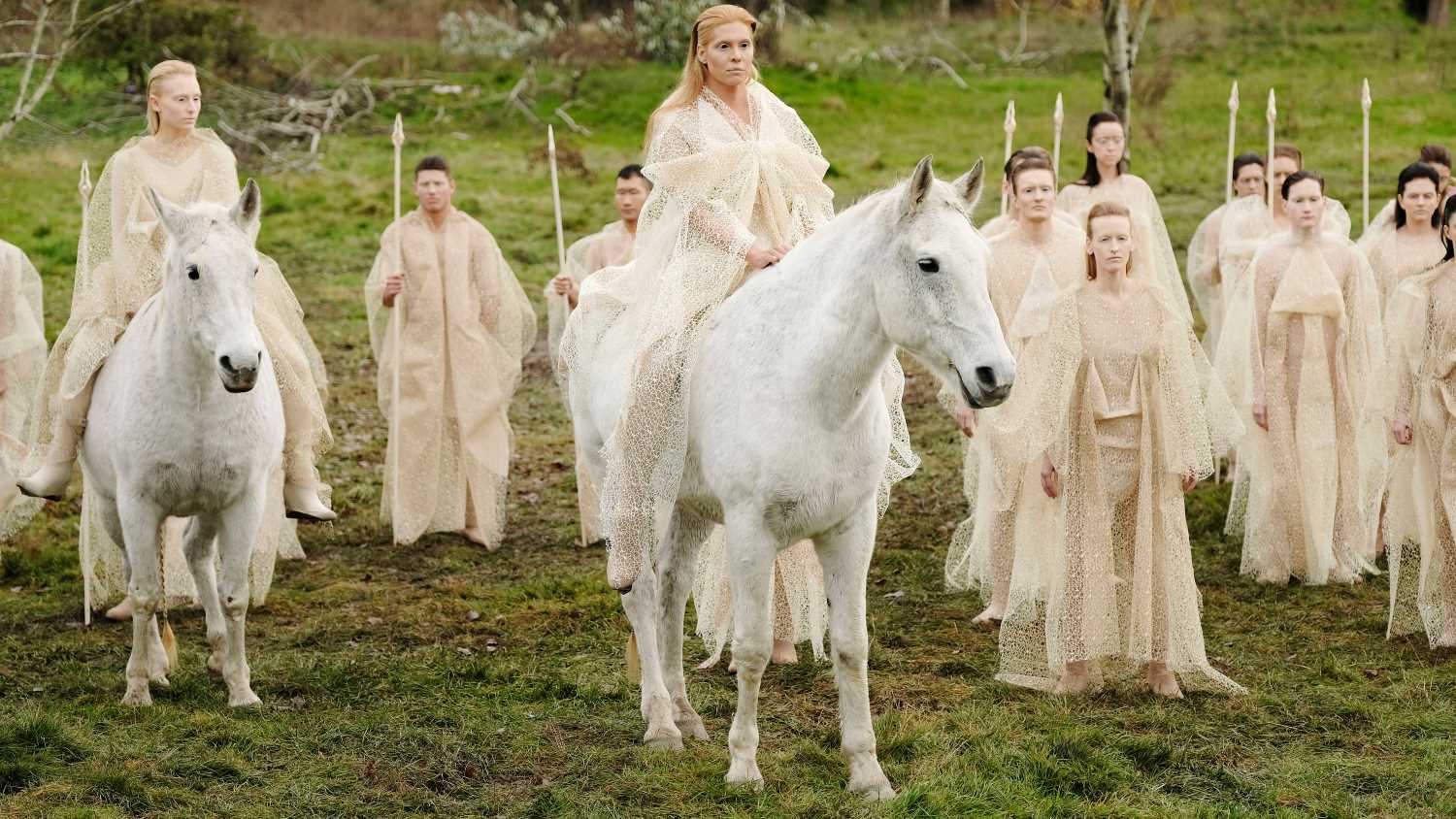
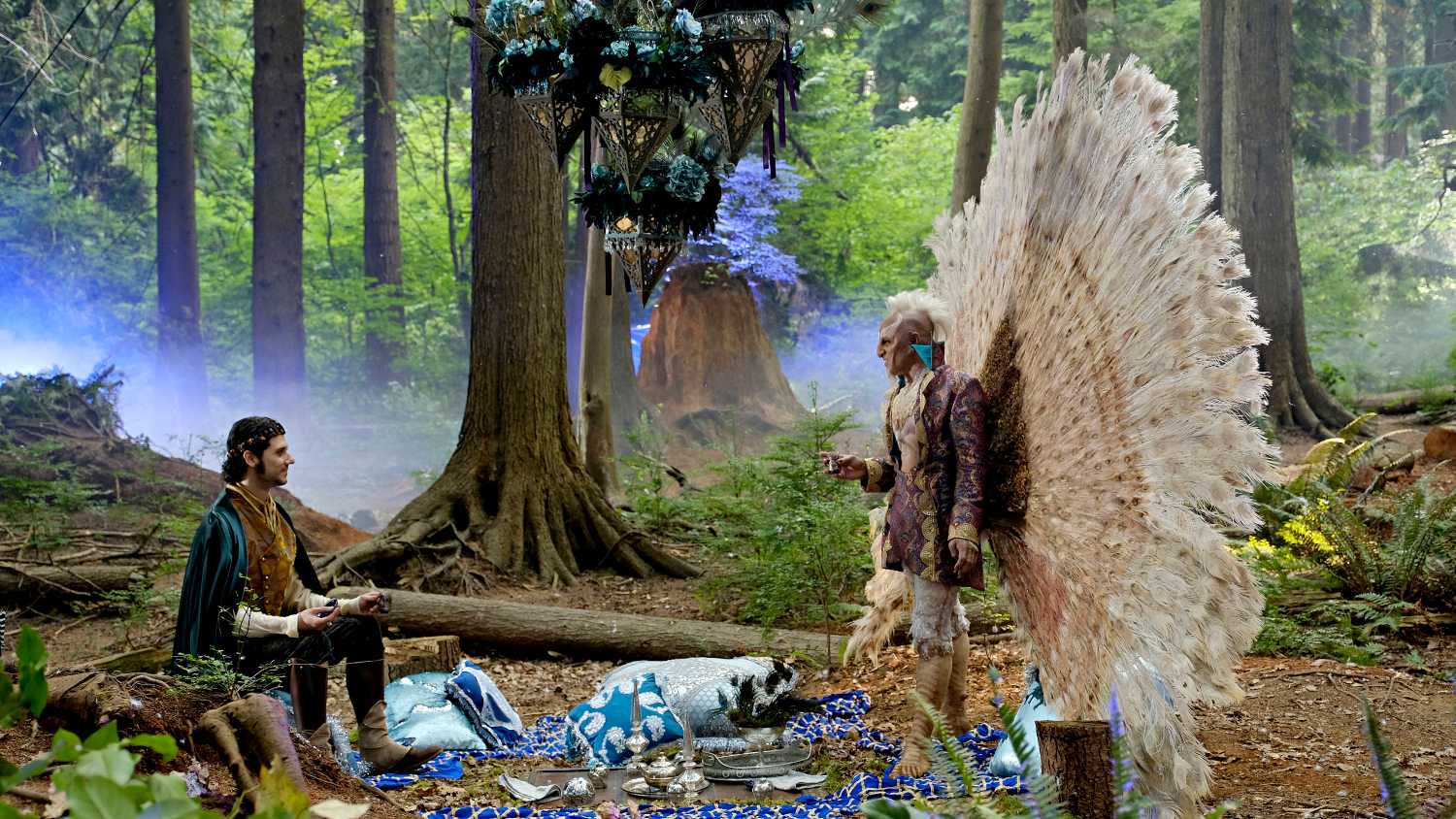
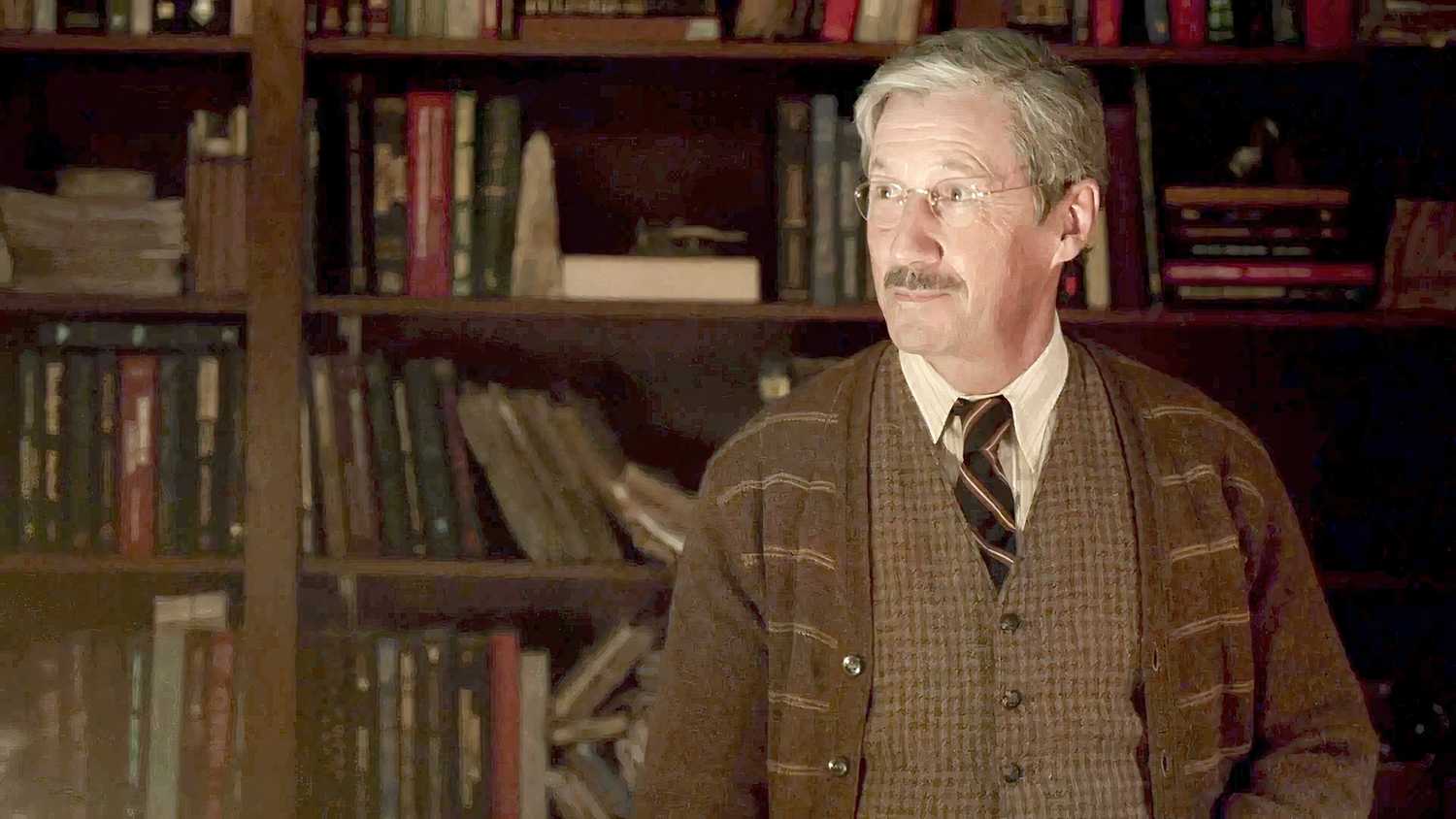
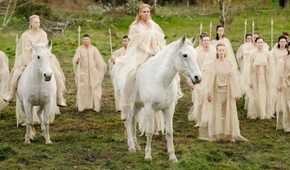
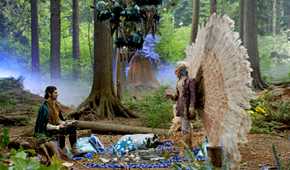
That is one of the many reasons why The Magicians feels like an adult fairy tale. It does not say that Quentin was ever foolish to love Fillory, or that he should have outgrown his fascination with stories. His encyclopedic knowledge of the books is often useful, helping him and his friends navigate the real place. Penny gets a special suite of powers allowing him to read minds and teleport. Alice is the brightest student and most adept magic user. Margo and Eliot are the wizened upperclassmen. Quentin’s specialty is being the nerd. The show understands the joy of wanting to step into a fantasy world. It also knows that living in one means encountering its history, its power struggles, and its monsters.



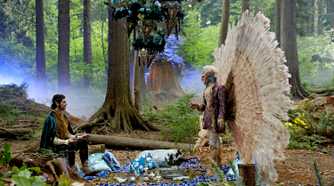
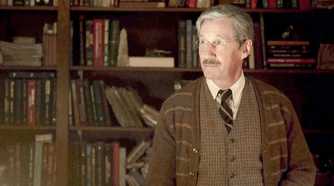
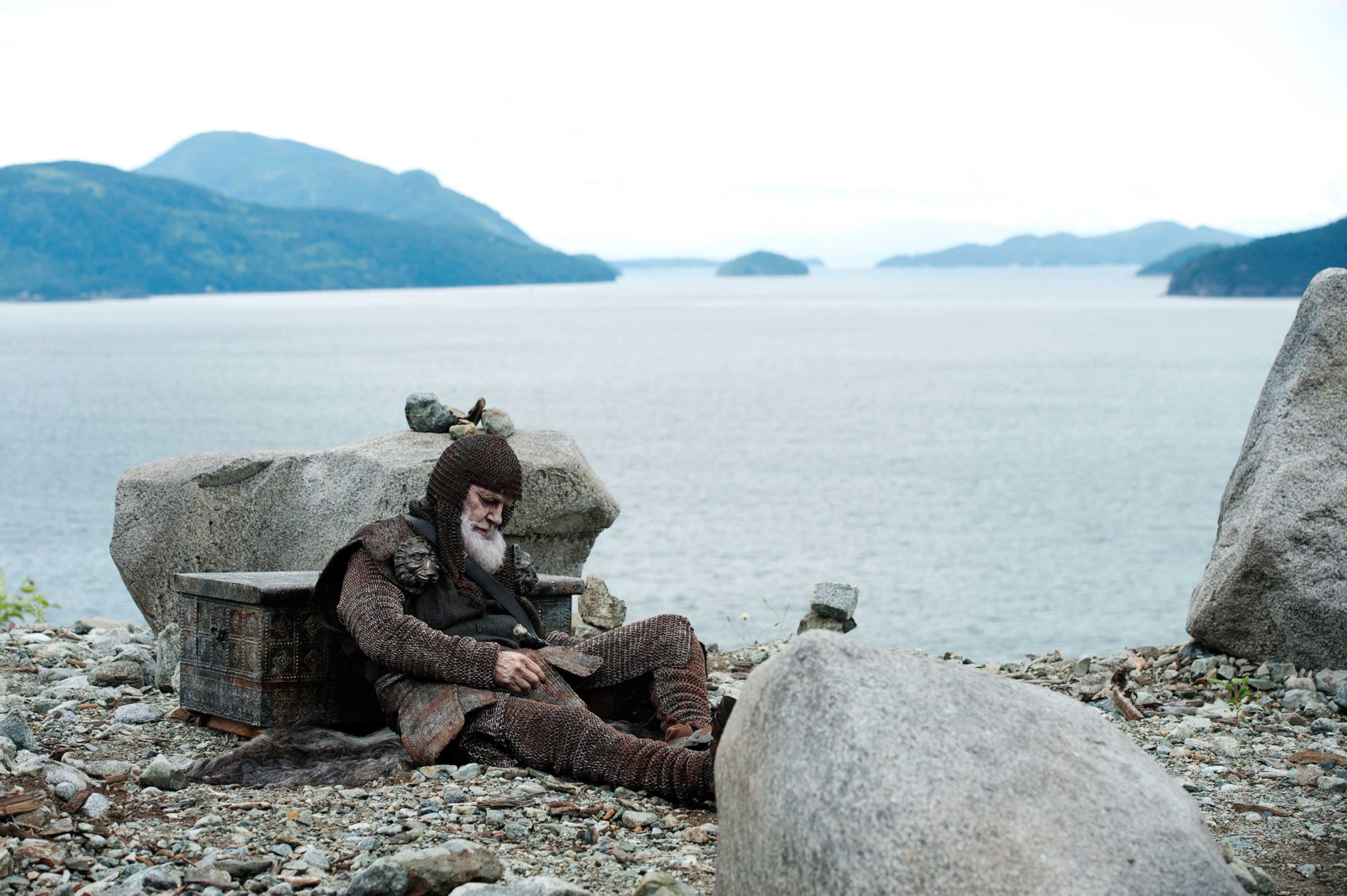
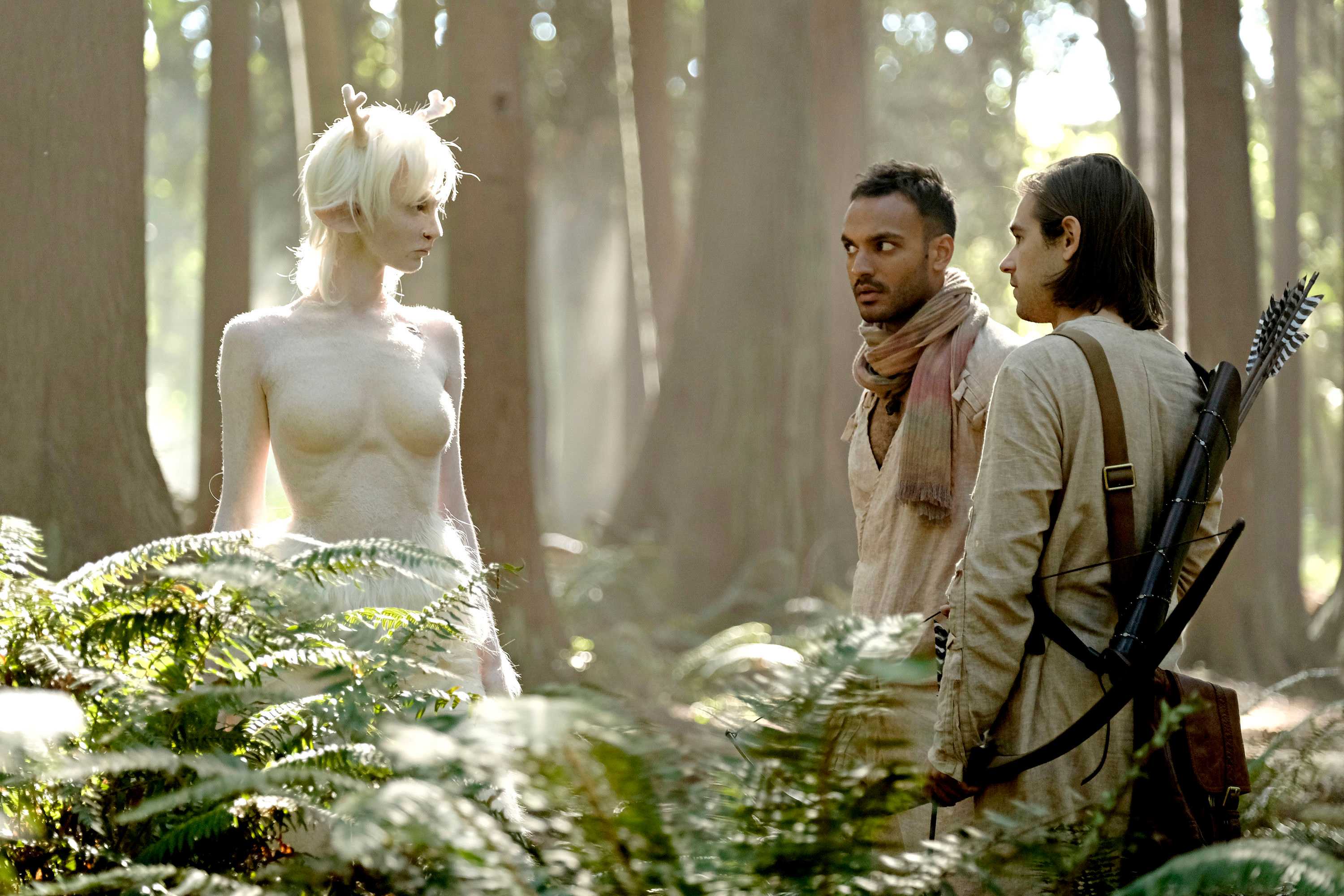
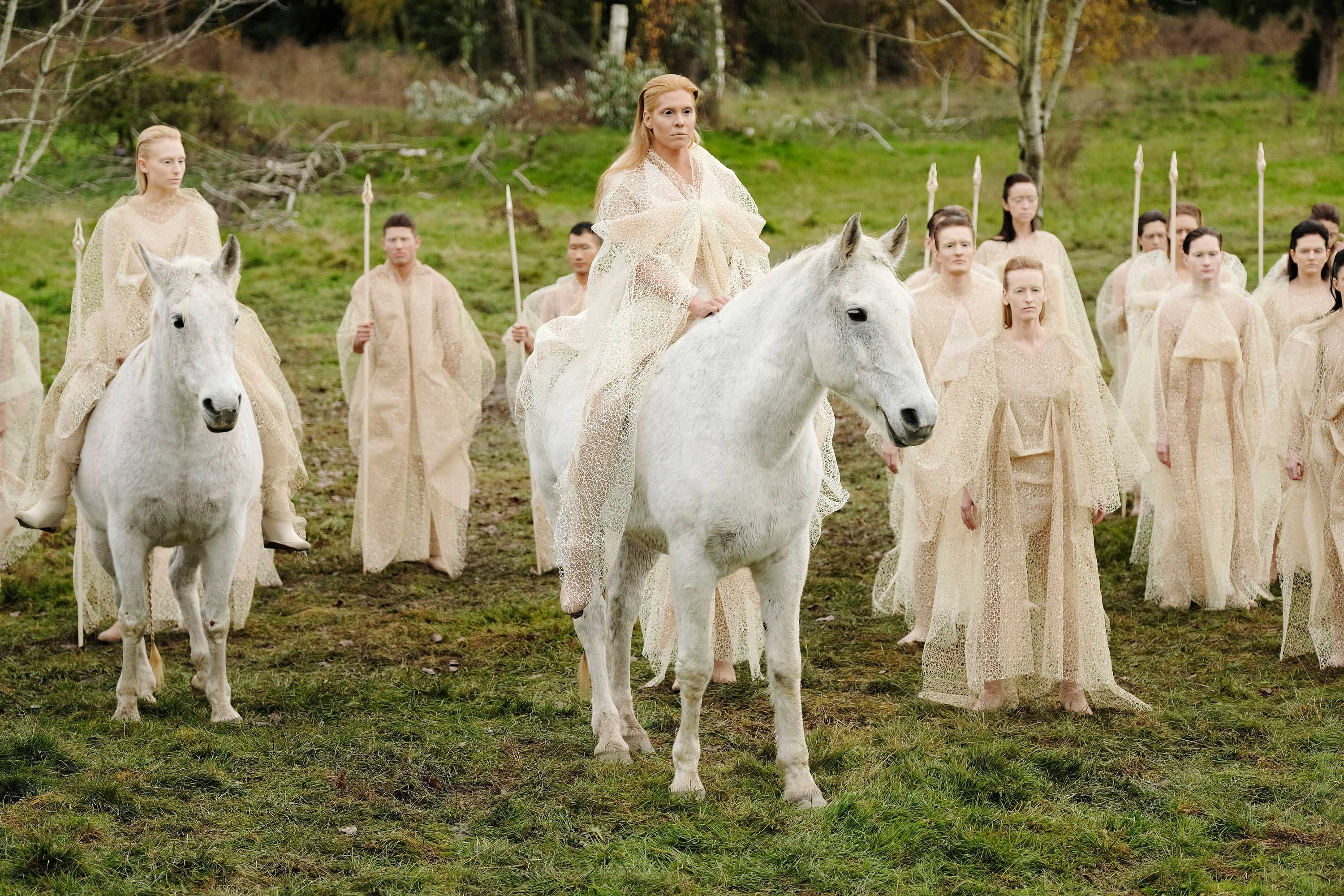
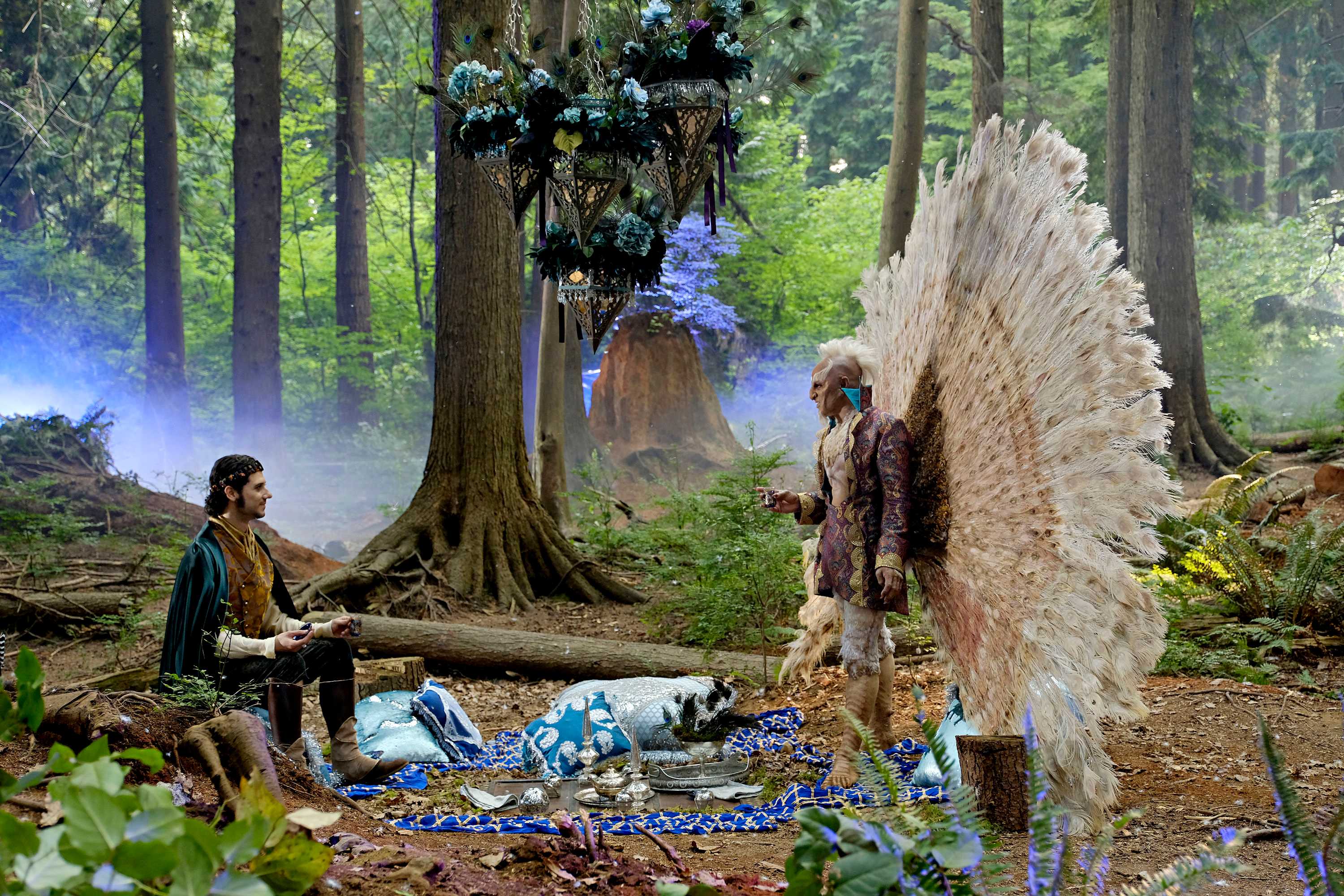
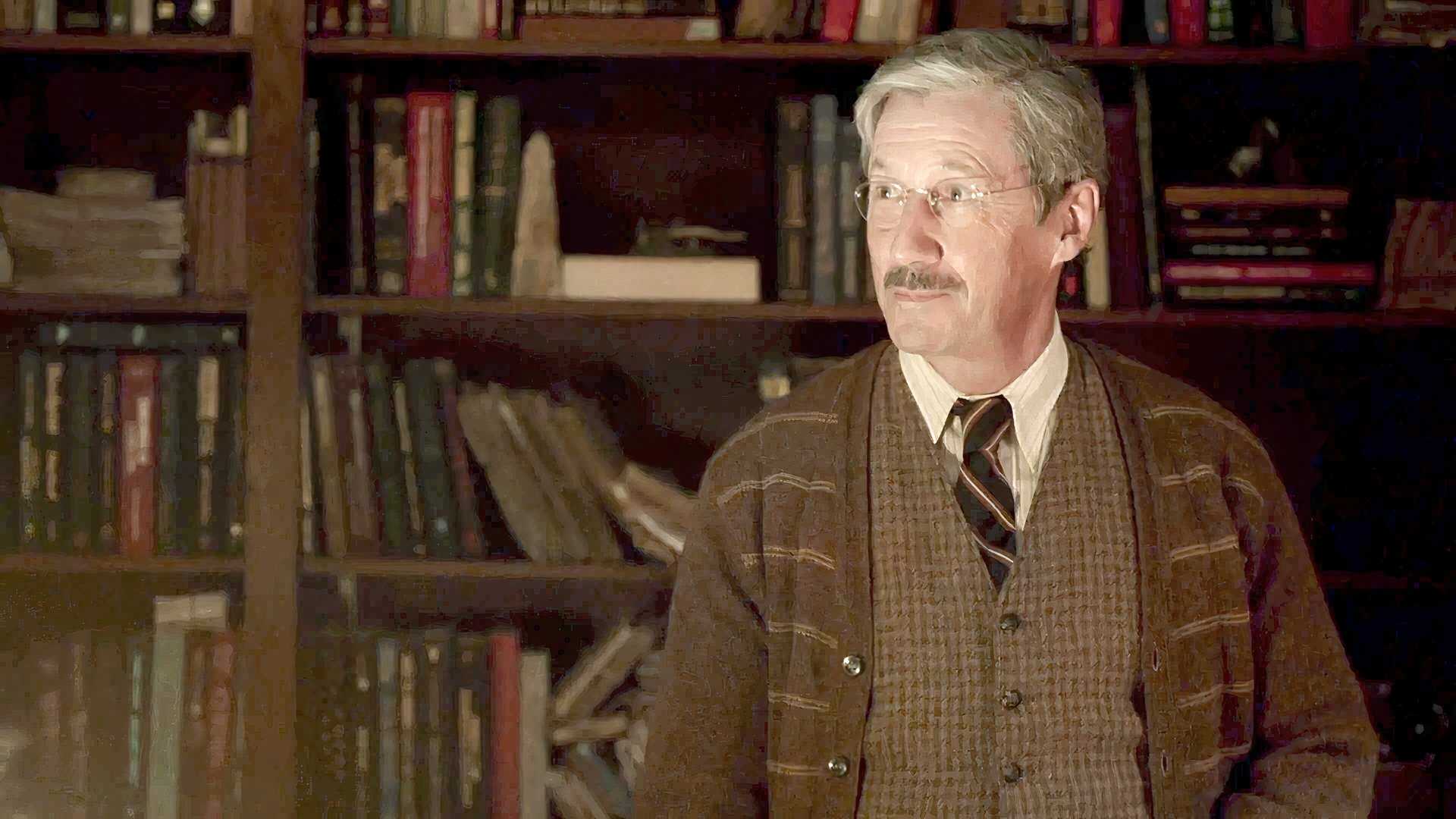
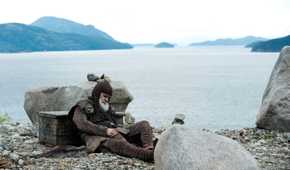
In one of the series’ darker subplots, the C.S. Lewis analog Christopher Plover, the author who wrote Fillory and Further, is revealed to have sexually abused Martin Chatwin, one of the children whose actual adventures inspired the books. This abuse led Martin to become obsessed with power to the extent that he mutated his own body to become The Beast. Quentin had long identified with the Chatwin children, wishing he could be one of them and go on their adventures. This reveal turns that wish inside out: the fictional boy he admired became a real-life monster. In one of the alternate timelines, Quentin himself becomes The Beast, suggesting how close wonder and the hunger for control sit beside each other.


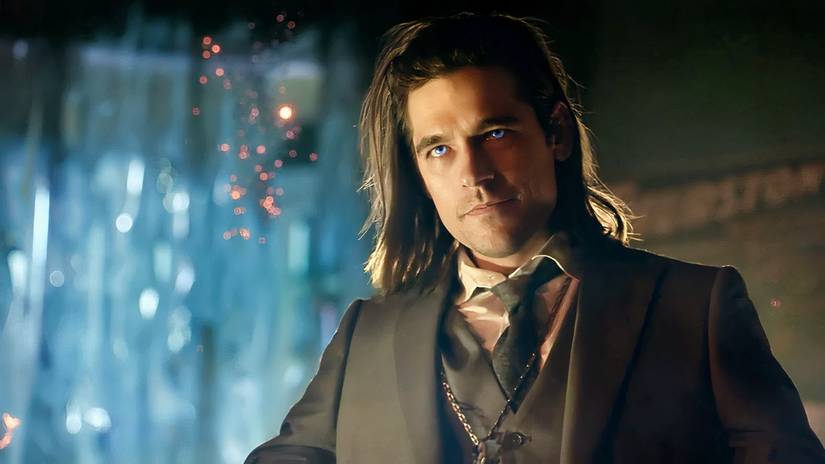
Throughout The Magicians, there is a sense of never meeting your heroes and never stepping foot in the magical world you dreamt of since childhood. The reality is often darker than anything anyone could have dreamt up. It is easy to imagine a timeline in which Quentin succumbs to the darkness plaguing his adult life, but it is only by forging the unbreakable bonds of friendship that he purges that darkness along with his loneliness. In that way, despite all the mature themes at play, The Magicians is a classic fairy tale about joy, light, love, and the friends we make along the way.
Source: Polygon
Related articles
 Valheim Developer Says Early Access Release Was Due to Lack of Funds
 Witchbrook Set for Release in 2027 Alongside New Trailer
 Gameplay Teaser Released for Cyberpunk 2077 Multiplayer Mod Featuring RP Servers
 Five Stephen King Books That Are Better Than Their Adaptations
 Bandai Namco Suffers Data Breach Affecting Hundreds of Thousands of Players
 Fans Port Nearly 200 Console Exclusives to PC, Including Bloodborne and God of War 3
 Discord to Allow Search Engines to Index Public Messages
 New DLC Released for The Long Dark