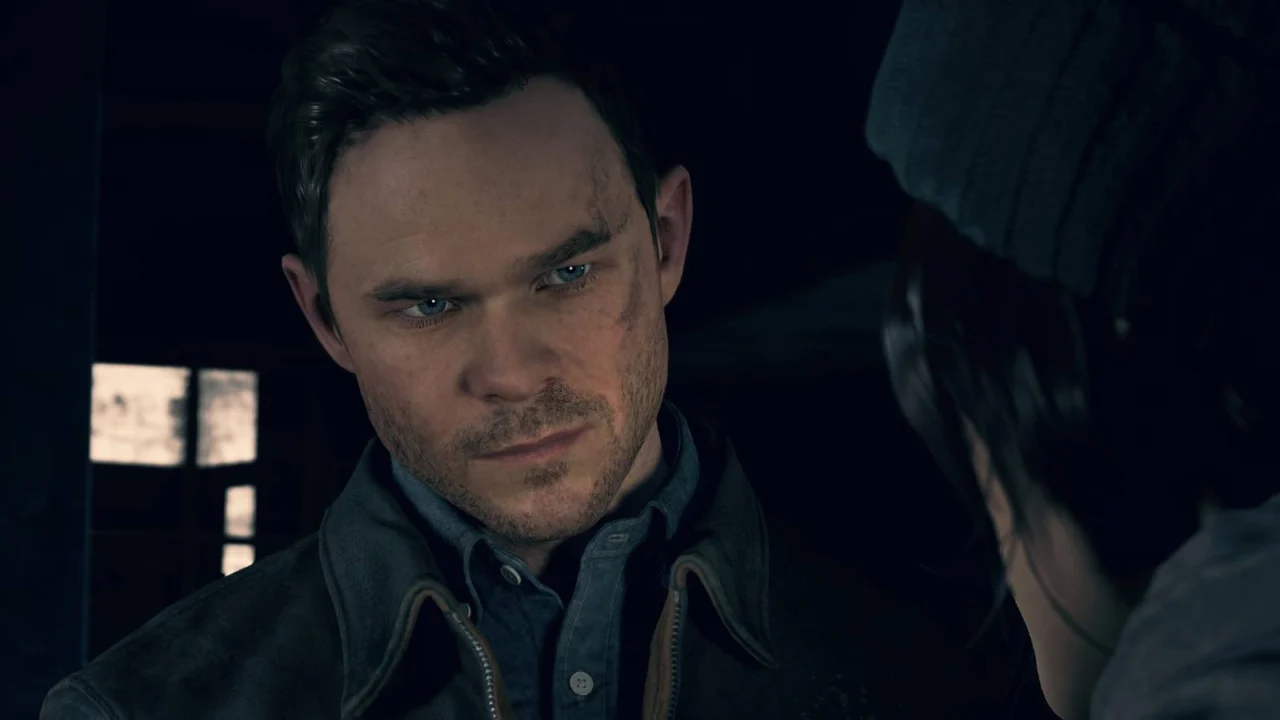
The Forgotten 2016 Sci-Fi Game from the Makers of Control That Could Have Changed Everything
The past decade has been nothing short of transformative for Remedy Entertainment. Following the massive success of 2019’s Control and the critical acclaim heaped upon 2023’s Alan Wake 2, the studio has solidified its place in gaming history. However, looking back, it is clear that their most daring and visionary project arrived much earlier: the frequently overlooked cult classic, Quantum Break.
Debuting ten years ago this month for PC and Xbox One, Quantum Break was a bold, genre-bending experiment that blurred the lines between high-fidelity gaming and premium television. The core premise was simple yet ambitious: the game alternated between fast-paced, third-person shooter mechanics and live-action cinematic episodes. After completing each act, players stepped into the shoes of the story’s primary antagonist to make a pivotal choice, directly influencing the plot and the subsequent live-action episode.
It was a massive swing that often pushed the boundaries of the hardware available in 2016. While the visual leap between gameplay and live-action occasionally felt jarring, the project was anchored by a phenomenal ensemble cast. Shawn Ashmore starred as the beleaguered Jack Joyce, alongside Dominic Monaghan as his brother, Will. Aidan Gillen delivered a sinister turn as the corporate antagonist Paul Serene, while the late, legendary Lance Reddick provided a masterclass in performance as the enigmatic CEO Martin Hatch.
The branching narrative offered staggering depth; a single tactical decision—such as choosing between lethal force or cold manipulation to silence witnesses—could ripple through the entire story, leading to complex, labyrinthine outcomes that few games before or since have managed to replicate.
Beyond its narrative experimentation, Quantum Break succeeded because it was a genuinely polished action game. Remedy leaned heavily into its time-bending premise, providing players with a toolkit of reality-warping abilities. You could summon localized time-stasis bubbles to trap enemies, dash through frozen moments to outmaneuver threats, or deploy time grenades that turned standard firefights into chaotic, beautiful ballets of destruction.
Despite its mechanical prowess, the game received a somewhat lukewarm reception, currently holding a 77 on Metacritic. Critics praised the technical achievement and the ambition of the multimedia format but questioned whether the two halves of the experience successfully fused into a perfect whole. It served as a fascinating proof-of-concept, even if it didn’t quite reach the status of a masterpiece.
Why has there been no follow-up? While Microsoft reported that the title performed well commercially, the shifting landscape of publishing rights and the massive costs associated with producing such a high-stakes, hybrid project kept a sequel at bay. Quantum Break was, in many ways, ahead of its time, anticipating the industry’s shift toward massive file sizes and cinematic integration. As we look back, it remains a testament to Remedy’s fearless creativity—a unique AAA experiment that, while imperfect, deserves to be remembered as a pioneering milestone.
Source: Polygon
Related articles
 Dr. Stone Creators Announce Continuation After Final Season
 Charlie Cox Mocked Mike Colter Over The Defenders Leak
 Grant Gustin Expresses Interest in Returning to the Flash Role
 10 Years Later, Naruto Mobile Fighting Game to Launch Outside China
 Fan-Made Command & Conquer Mod Generals Evolution to Receive Story Campaign
 The 5 Best Games to Play if You Loved Fire Emblem: Fortune’s Weave
 Avengers Doomsday to Feature Exclusive Magic: The Gathering Doctor Doom Card
 ‘GTA 6’ Leaker Threatens to Release Full Game Early by Posting Nude Lucia Video