The 10 Best Counterspells in Magic: The Gathering, Ranked
Few sensations in Magic: The Gathering match the satisfaction of untapping your blue mana sources, passing the turn with a full grip, and leaving your opponent guessing just how many answers you are holding. Counterspells extend far beyond blue’s signature aesthetic: they serve as the ultimate psychological deterrent, forcing your adversary to view every single play as a high-stakes gamble.
Over three decades of continuous game design, counterspells have transformed from basic two-mana universal answers into format-policing safeguards, boundary-pushing color anomalies, and zero-mana emergency brakes.
Differentiating casual favorites from the absolute apex of competitive power requires evaluating pure mana efficiency, card advantage, and format-shaping dominance across Legacy, Vintage, Modern, and Commander. Ranging from game-altering tempo swings to zero-cost disruption that keeps entire tournament scenes balanced, these are the 10 greatest counterspells in Magic history, ordered.
10
Stifle
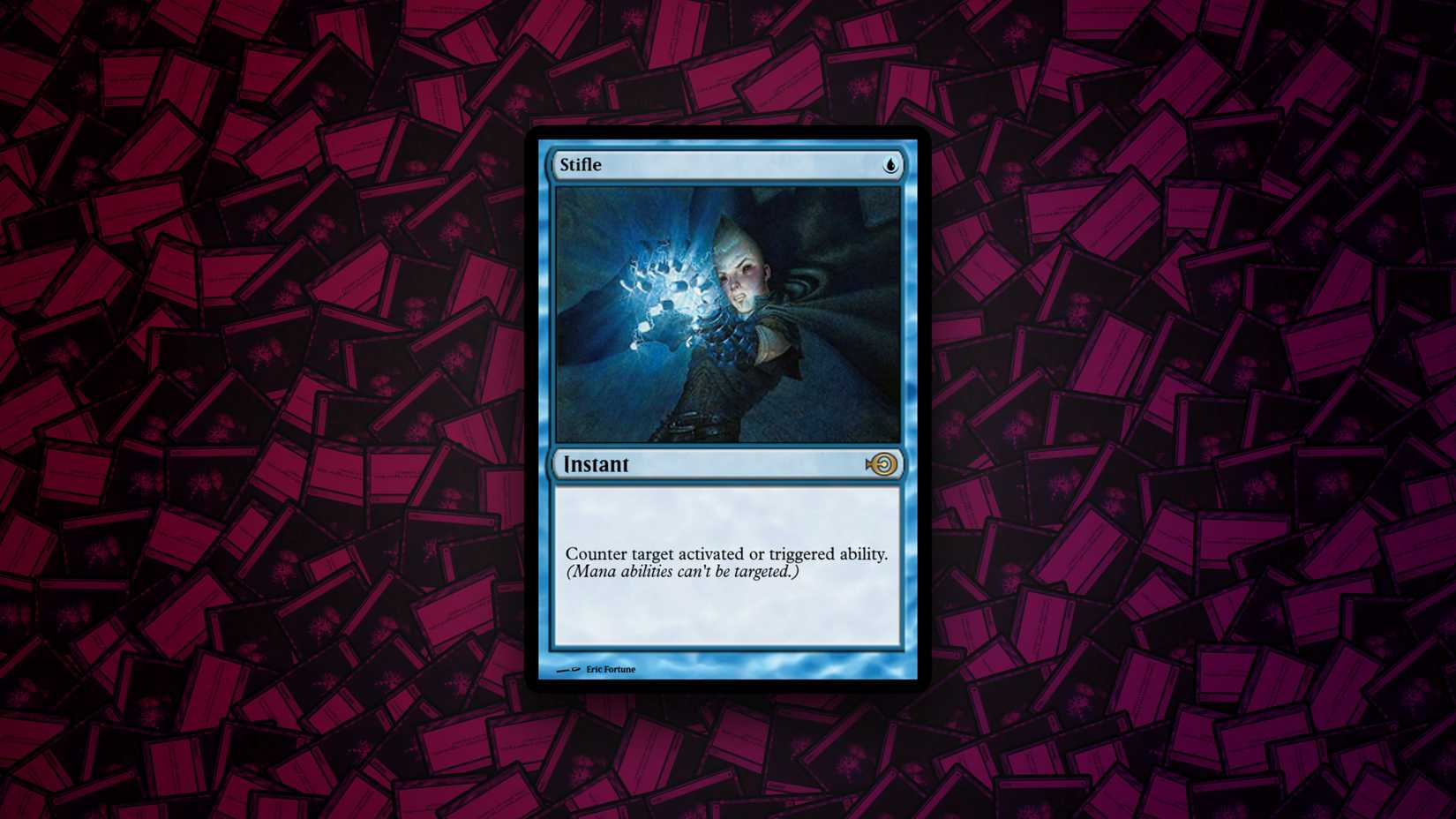 Image: Wizards of the Coast
While it does not technically intercept a spell on the stack, Stifle remains a premier high-impact tool capable of fundamentally altering a turn or deciding a match. For a single blue mana, it neutralizes target triggered or activated abilities, excluding mana abilities. Aside from disrupting standard setups by targeting Polluted Delta or Scalding Tarn, Stifle operates as an ultimate counter to game-winning win conditions. When a Thassa’s Oracle trigger goes on the stack to seal victory, or a lethal Grapeshot storm trigger threatens your life total, conventional permission spells fall short. Stifle intervenes precisely where the rules engine breaks, proving that shutting down an ability is often the most reliable path to survival.
9
Red Elemental Blast / Pyroblast
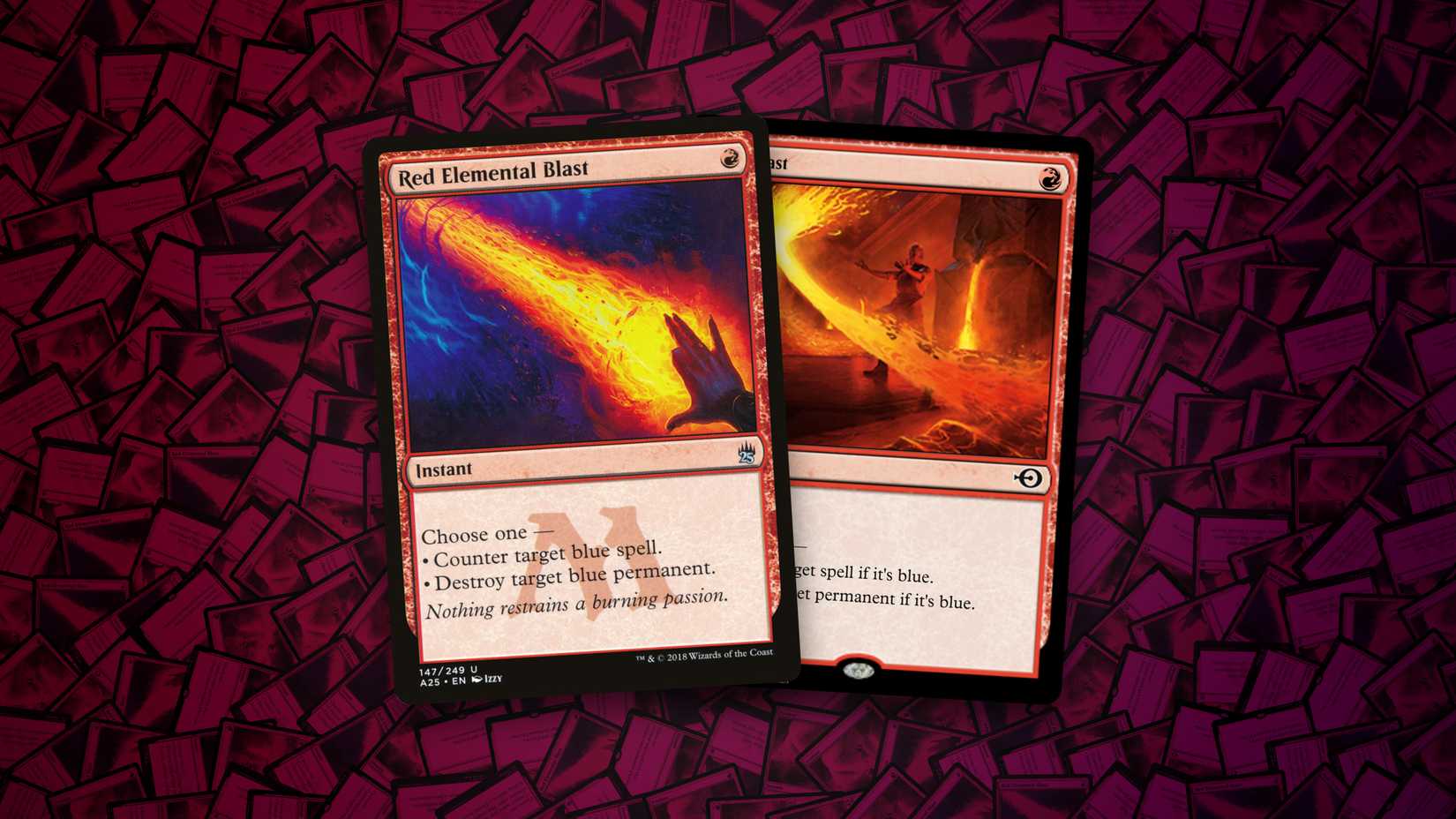 Image: Wizards of the Coast
Magic is fundamentally structured around the color pie, a strict set of design boundaries establishing what each hue can accomplish. Red represents raw passion and aggressive momentum, whereas blue maintains near-exclusive domain over stack interaction. Originating in the game’s earliest expansions, some of the most striking color-pie infractions ever conceived include Red Elemental Blast and Pyroblast. For the minimal cost of one red mana, both cards grant players the ability to either counter a blue spell or destroy a blue permanent.
Within formats like Legacy, Vintage, and Commander, where blue reigns as the undisputed and ubiquitous powerhouse, these one-mana answers are essential defensive assets. Both options enable aggressive red strategies to force key spells past enemy countermagic or immediately dismantle resolved threats like Rhystic Study. They stand as red’s ultimate rebuke to blue dominance, delivering hyper-efficient solutions that redefine how players navigate the stack.
8
Mindbreak Trap
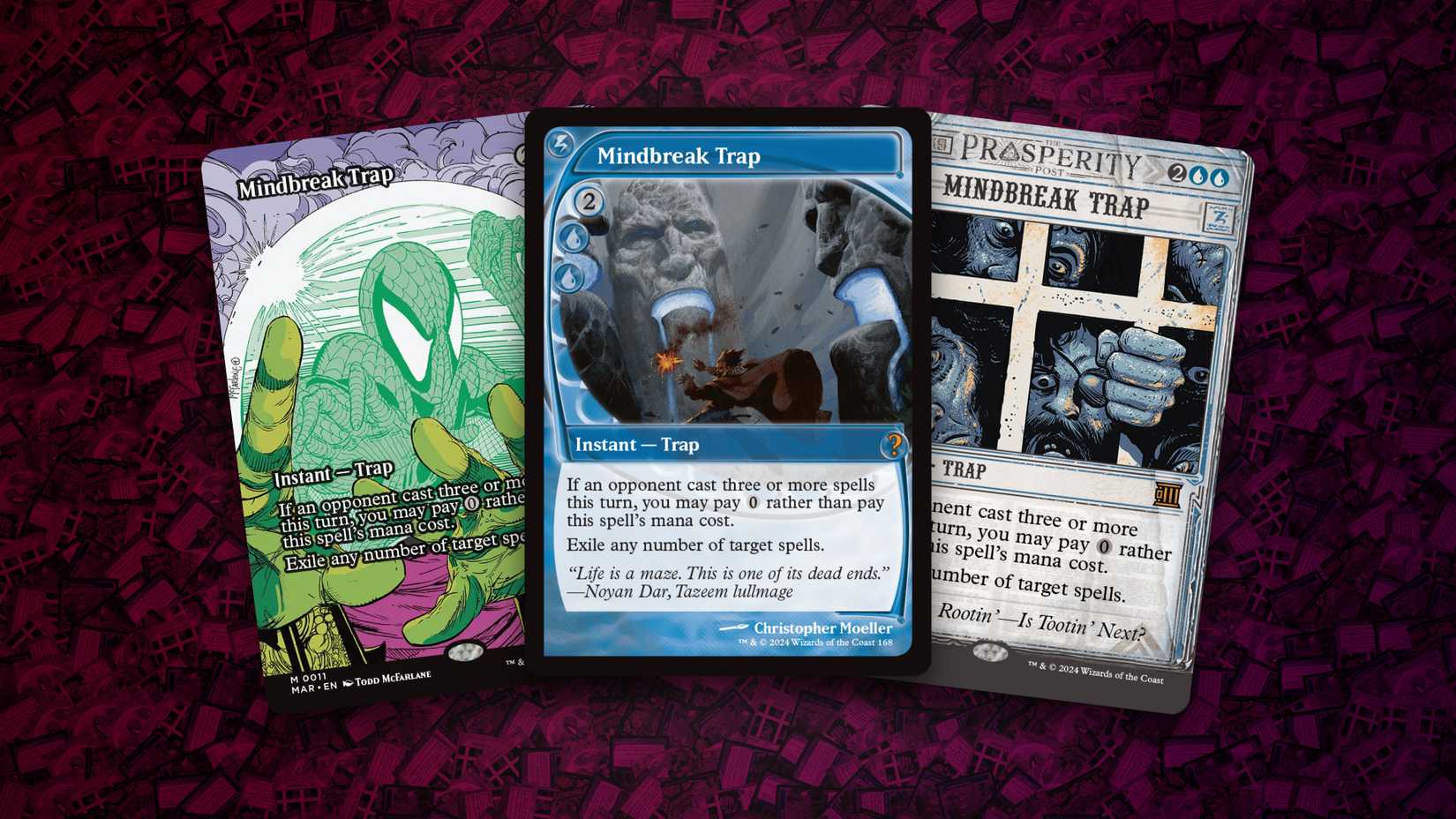 Image: Wizards of the Coast
Competitive Magic occasionally reaches extremes where conventional permission offers zero protection. When an opponent deploys an uncounterable win condition or unleashes a Storm chain generating twenty copies of Grapeshot, a standard Counterspell becomes entirely obsolete. Enter Mindbreak Trap. The genius of this Zendikar classic rests in its unique phrasing: it bypasses the act of “countering” entirely. Instead, it exiles target spells directly from the stack, neatly overriding uncounterable clauses while clearing away cluttered storm triggers in a single move.
Better yet, if an adversary has cast at least three spells during the turn—an effortless threshold for combo decks attempting to secure a win—Mindbreak Trap can be deployed completely free of charge. It serves as the ultimate zero-mana emergency brake when a match threatens to spiral out of control.
7
Pact of Negation
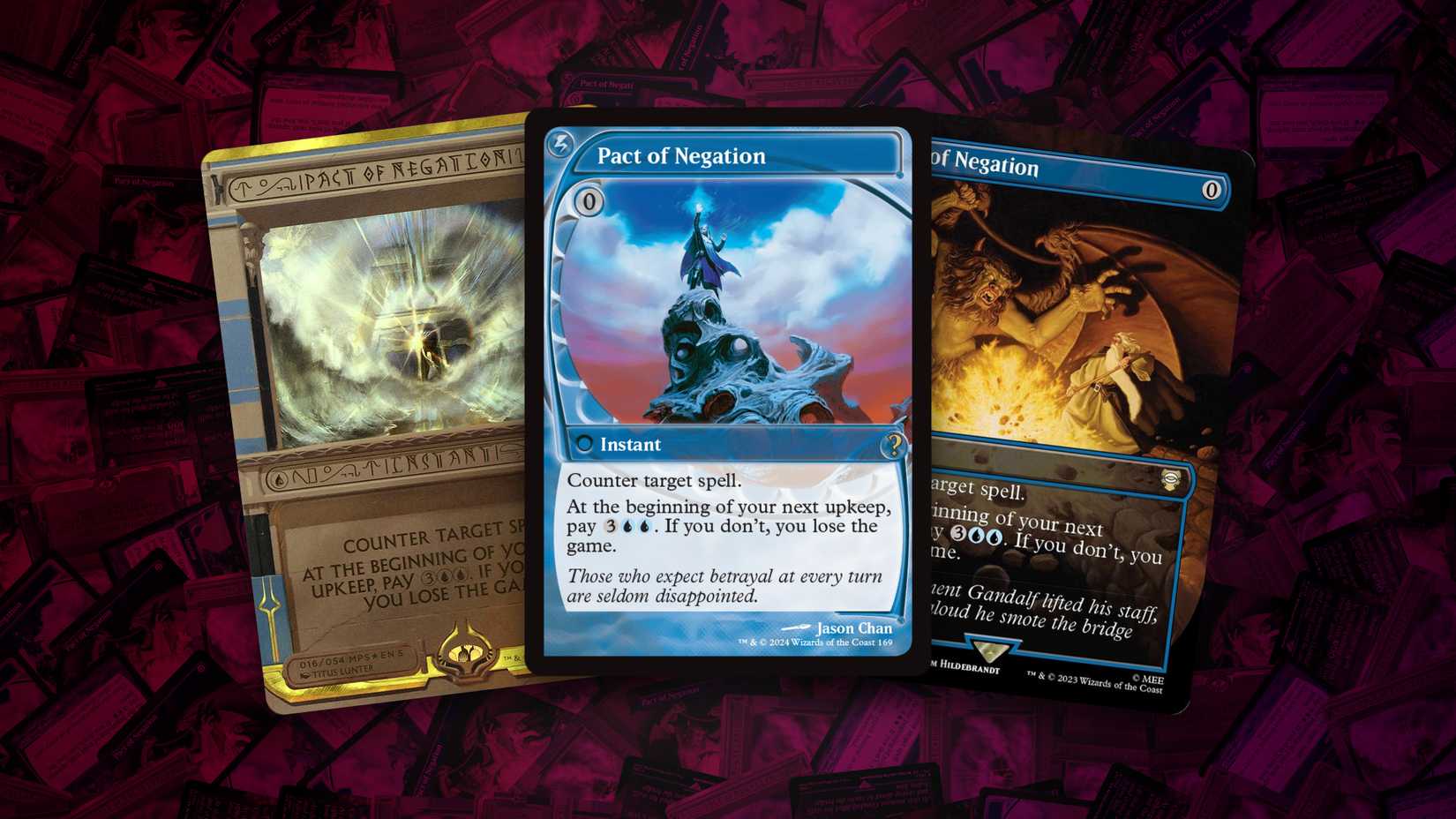 Image: Wizards of the Coast
Deferring the cost of a spell always carries inherent risks, but resilient combo practitioners know that future turns become irrelevant if the game concludes right now. Pact of Negation introduces a classic Faustian bargain, permitting you to counter any spell for zero upfront mana at the steep cost of paying five mana during your next upkeep or instantly forfeiting the match.
While this represents an unmanageable liability for slow control archetypes, lightning-fast combo builds like Ad Nauseam or Underworld Breach view it as the cleanest defensive tool ever printed. It empowers these decks to tap completely out, pouring every available resource into their victory condition while remaining fully insulated against interruption. The delayed payment trigger is purely academic; by the time the bill arrives, the opponent has already lost.
6
Force of Negation
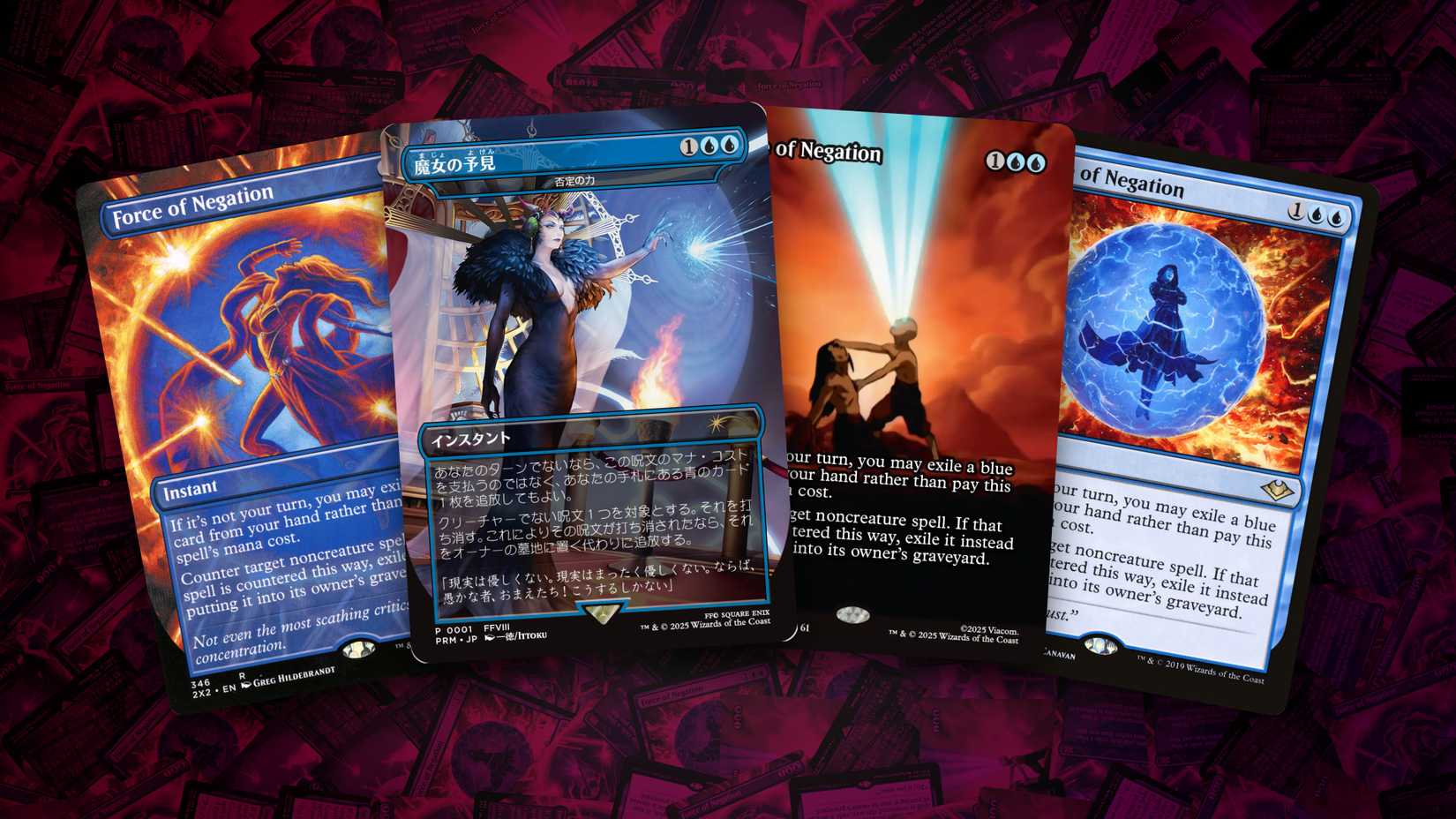 Image: Wizards of the Coast
Upon the release of Modern Horizons in 2019, Wizards of the Coast confronted the delicate challenge of introducing a zero-mana counterspell to prevent runaway combo decks from claiming turn-two victories, without reintroducing the original Force of Will and establishing a control-dominated format. The answer arrived as Force of Negation, a masterclass in balance that successfully protects competitive health. By enabling players to exile a blue card from their hand to cast it for free exclusively during an opponent’s turn, it functions purely as a reactive safety valve.
Importantly, Force of Negation exiles the spell it intercepts, effectively disabling graveyard-focused strategies and halting recursive engine loops. It immediately cemented itself as a cornerstone of competitive play, curbing overly aggressive tactics while encouraging thoughtful sequencing when advancing your own game plan on your turn.
5
Flusterstorm
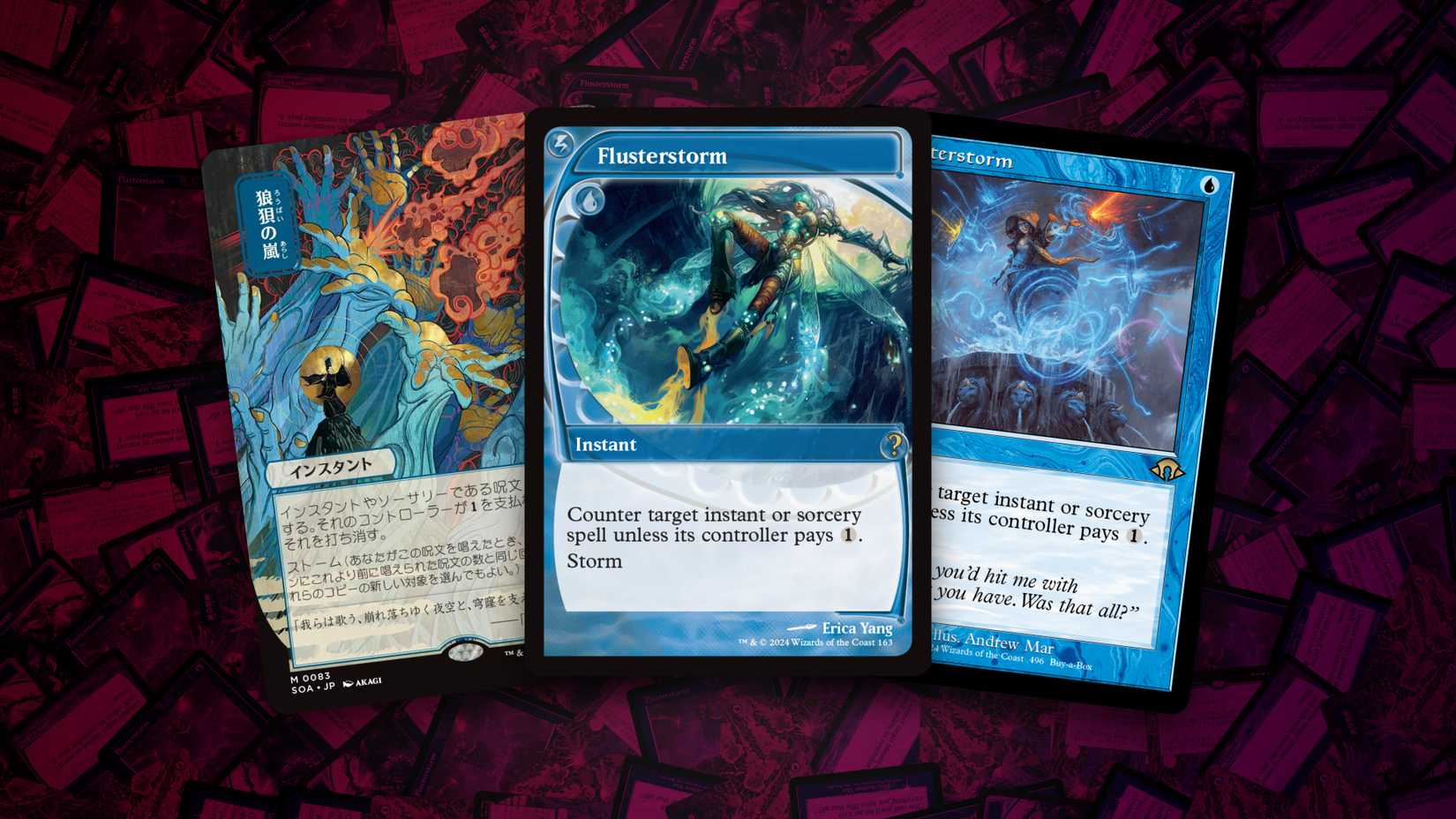 Image: Wizards of the Coast
Counterspell battles represent the most tense exchanges in eternal formats. The stack quickly transforms into an intricate tower of instant-speed interaction as players fight fiercely over a single decisive spell. Amidst such complex standoffs, Flusterstorm stands unrivaled. At first glance, it appears to be a straightforward one-mana conditional counter for instants or sorceries, but because it incorporates the Storm ability, Flusterstorm automatically generates a duplicate copy on the stack for every preceding spell cast that turn.
If an opponent tries to force a win through rituals, tutors, and final pieces, your single Flusterstorm abruptly spawns four or five distinct triggers. It becomes mathematically impossible for an adversary to cover the one-mana tax for every copy, establishing it as an airtight, nearly impervious finisher during chaotic stack wars.
4
Fierce Guardianship
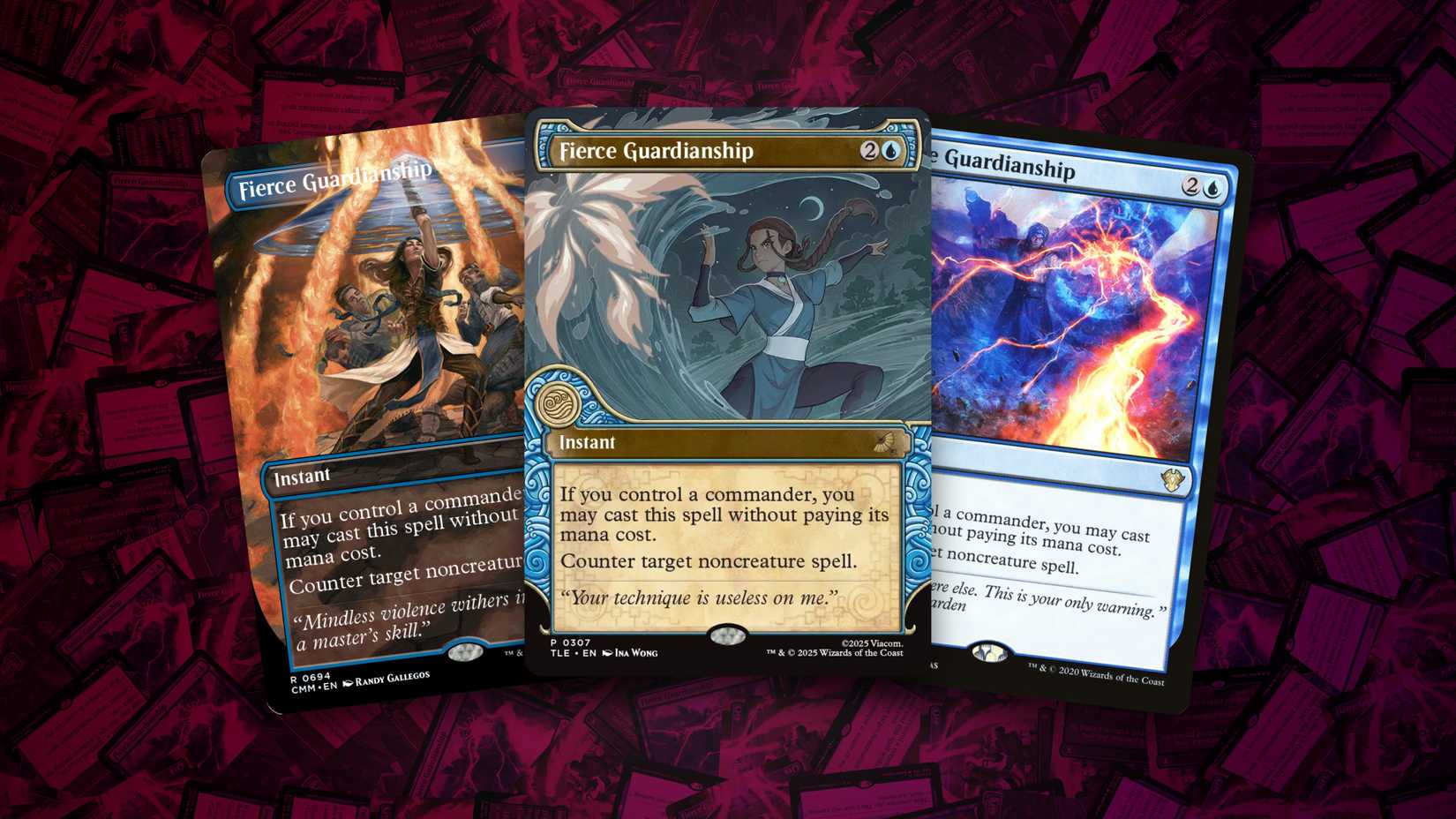 Image: Wizards of the Coast
Commander approaches card evaluation through a vastly different lens than traditional competitive Magic. Given that you always begin with a legendary creature stationed in the command zone, synergy with that centerpiece heavily determines a card’s playability. In 2020, Wizards of the Coast unveiled a cycle that permanently disrupted those metrics, with Fierce Guardianship serving as a prime example. While its standard three-mana cost may seem steep for a counterspell, controlling your Commander allows you to cast it entirely for free, countering any noncreature spell.
Within a multiplayer ecosystem defined by explosive mana rocks, game-winning enchantments, and devastating board wipes, holding up a free hard-counter without leaving lands tapped delivers an overwhelming tactical advantage. Fierce Guardianship eliminates the perpetual dilemma of choosing between developing your board presence and keeping interaction ready. Whether you are running an aggressive creature-heavy strategy or a measured control shell, it rightfully claims a spot in nearly every blue deck as the uncontested ruler of multiplayer interaction.
3
Mental Misstep
 Image: Wizards of the Coast
Card advantage and mana efficiency form the twin pillars of competitive Magic, yet Mental Misstep strained both principles to such an extreme degree that it was swiftly banned across virtually every major format. Similar to other targeted intervention spells, it counters spells with a mana value of one. The devastating twist lies in its Phyrexian mana cost, allowing players to cast it by paying two life rather than tapping an Island.
Across Legacy, Modern, and cEDH, entire games revolve around hyper-efficient one-mana plays, whether that means a Delver of Secrets, a vital Brainstorm, or a match-defining Sol Ring. Mental Misstep permitted any deck, regardless of its color alignment, to run a zero-mana interaction piece targeting the format’s most crucial spells. It warped deckbuilding so profoundly that it remains restricted in Vintage, standing as a permanent reminder of the hazards inherent to unconditionally free interaction.
2
Mana Drain
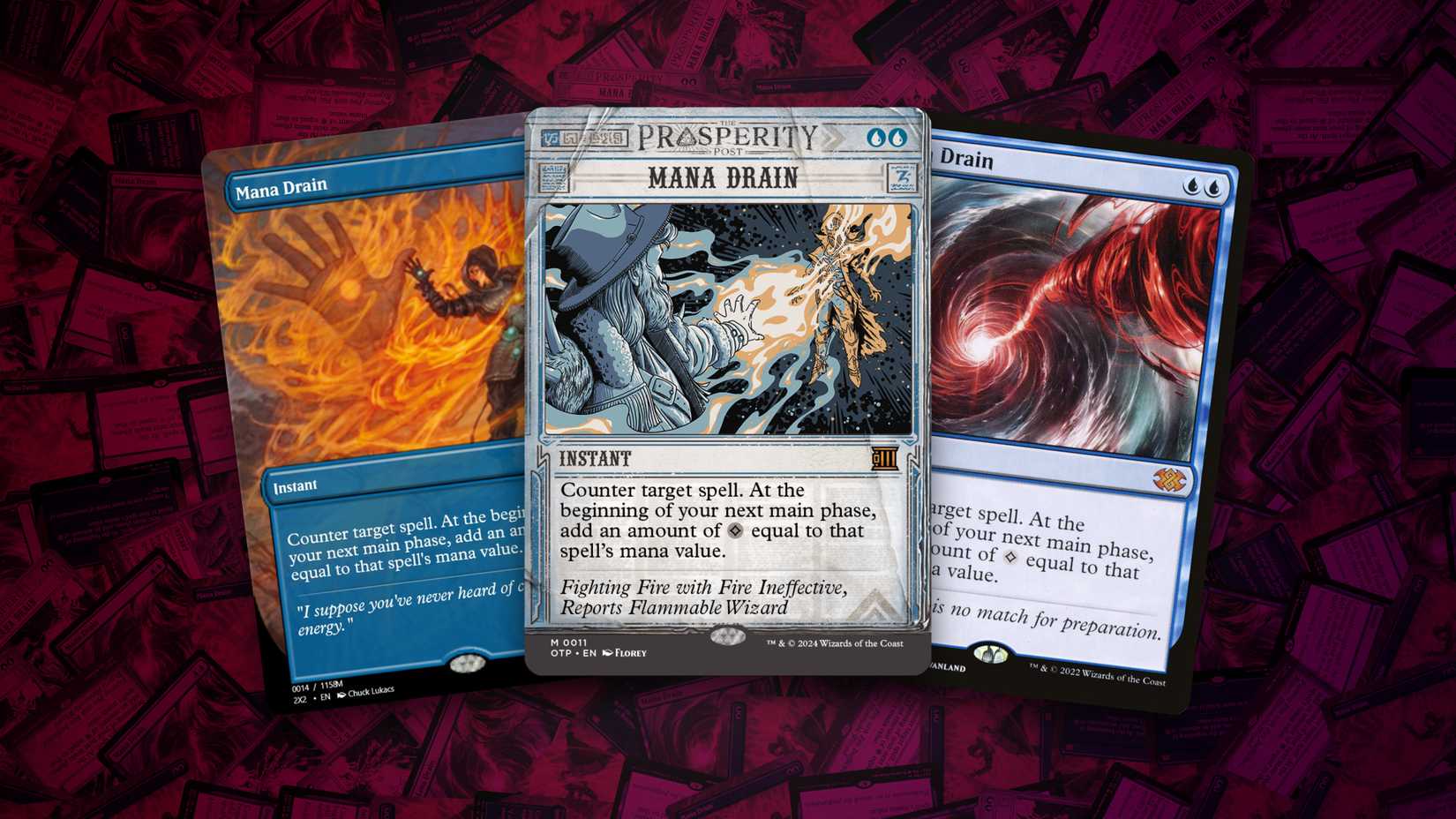 Image: Wizards of the Coast
For over ten years, Counterspell reigned as the unquestioned gold standard for two-mana interaction. Then Legends arrived in 1994, introducing a card so exceptionally powerful it permanently shifted the direction of game design. For that exact same cost of two blue mana, Mana Drain cleanly counters any spell on the stack. However, its secondary effect—generating colorless mana equal to the neutralized spell’s mana value during your next main phase—is where it completely alters the dynamic.
Trading a two-mana counter to stop an opponent’s costly commander, only to untap with a massive influx of free mana to deploy your own game-ending threat right away, creates a devastating tempo swing. Its ability to simultaneously shut down opposing plays while accelerating your own development keeps it permanently banned in Legacy and revered as a multiplayer powerhouse.
1
Force of Will
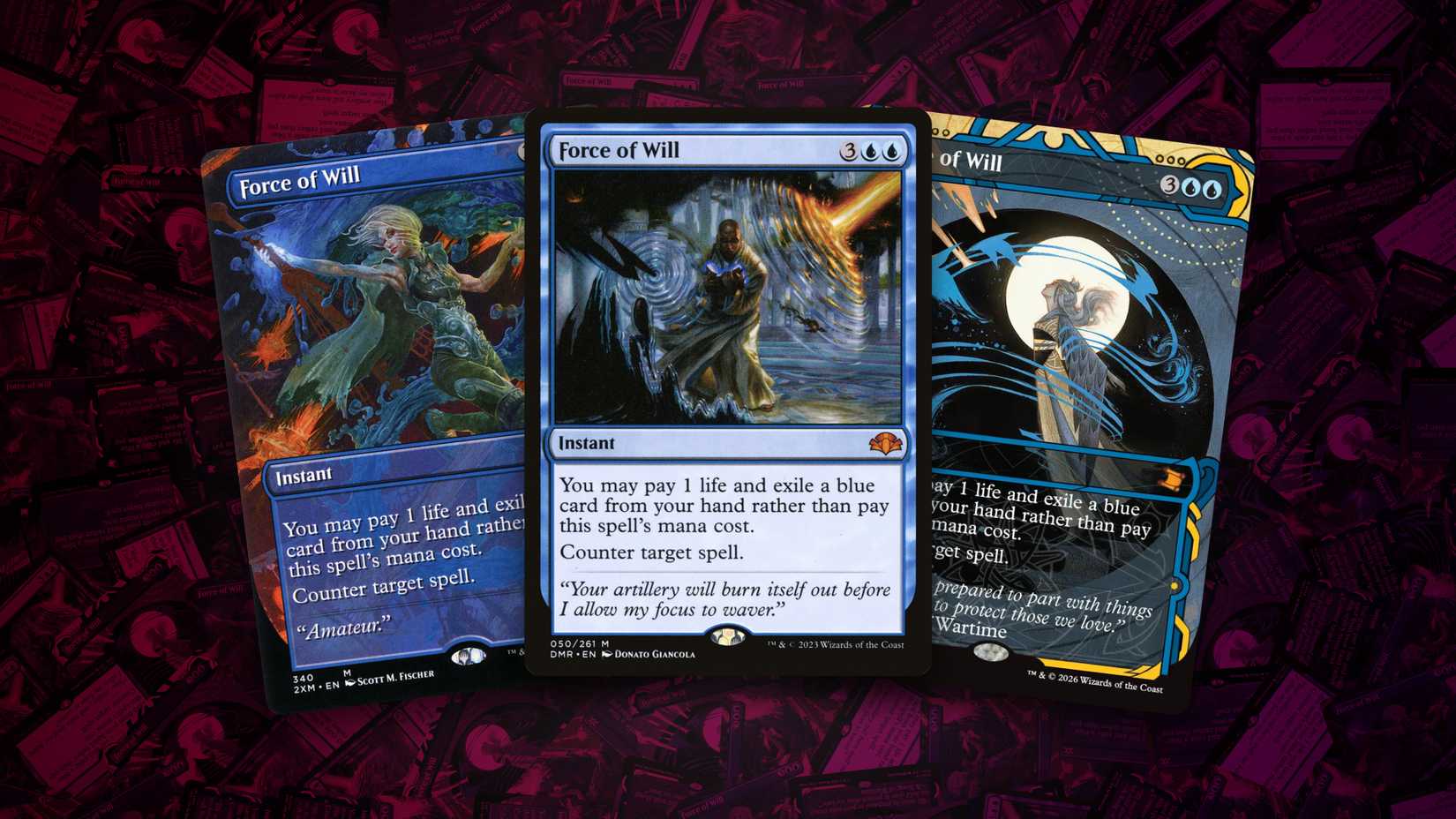 Image: Wizards of the Coast
When playing against a Legacy or Vintage specialist, an unspoken rule governs the match: as long as they hold a single blue card in hand and have life remaining, you are never truly secure. Force of Will remains the single most vital piece of interaction in the history of Magic: The Gathering. Originally introduced in Alliances as an experimental alternative-cost spell, this five-mana instant evolved into the foundational safety net upholding the entire format.
In competitive environments where lightning-fast combo decks can routinely secure turn-one victories, Force of Will stands as the sole barrier preventing competitive Magic from devolving into a coin toss. The inherent card disadvantage of exiling an extra blue card becomes entirely negligible when it represents the literal threshold between an engaging interactive match and an instantaneous defeat. It remains the undisputed king of all counterspells.
Source: Polygon
Related articles
 Grant Gustin Expresses Interest in Returning to the Flash Role
 10 Years Later, Naruto Mobile Fighting Game to Launch Outside China
 Fan-Made Command & Conquer Mod Generals Evolution to Receive Story Campaign
 Avengers Doomsday to Feature Exclusive Magic: The Gathering Doctor Doom Card
 ‘GTA 6’ Leaker Threatens to Release Full Game Early by Posting Nude Lucia Video
 GTA 6 Leaker Threatens To Release Full Game Build Before November Launch
 Rockstar Sends Gift to GTA VI Buyer Following Polite Request, Facing Criticism From Other Players
 Modder Restores Cut Assassin’s Creed Black Flag Resynced Scene Connecting Franchise Games