Square Enix’s Forgotten Loot-Shooter Was Years Ahead of Its Time
Many of the most talked-about multiplayer shooters of 2026 share a familiar DNA. In titles like Arc Raiders and Marathon, you and a small squad deploy from a secure sanctuary into dangerous zones, decimate enemy forces, scavenge valuable gear, and retreat to base. Designed around an addictive gameplay loop that continually pulls players back, these projects have achieved massive commercial success. Yet, this modern formula owes a profound debt to a frequently misunderstood loot-shooter from 2021: Outriders.
Developed by People Can Fly and published by Square Enix on April 1, 2021 (no joke), Outriders wasn’t technically an extraction shooter, but it struck many of the same chords. You and up to two companions would leave a central hub city, plunge into hostile territories to eliminate waves of adversaries, hoard loot, and return to safety to analyze your spoils and refine your builds for the next run. While the stakes were fundamentally different and PvP was absent, the core psychological reward loop scratched the exact same itch as today’s heavy-hitters.
On the surface, Outriders presented itself as a narrative-driven adventure. Set in the 22nd century, the plot followed humanity fleeing a dying Earth for a star system situated roughly 12 light-years away (at least according to dedicated fans who crunched the numbers). Upon attempting to colonize a new exoplanet, settlers discovered an indigenous ecosystem fiercely hostile to human presence—alongside the sudden awakening of reality-bending space powers. Traditional sci-fi tropes such as cryosleep, planetary anomalies, and civil conflict set the stage for an epic solo journey. But speaking as someone who played it exhaustively at launch, Outriders was rather underwhelming as a single-player experience.
However, when played alongside friends, it was nothing short of phenomenal.
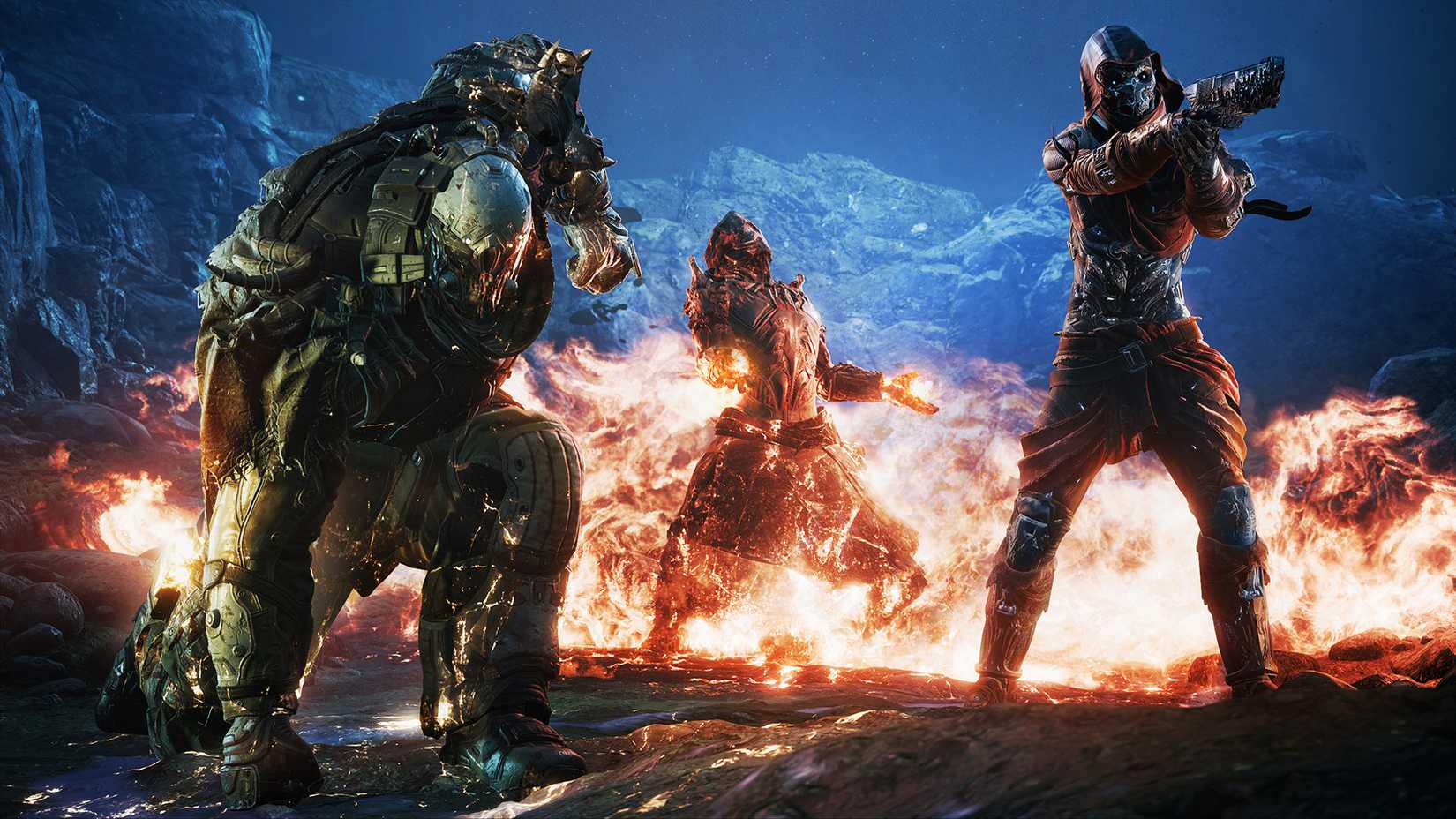 Image: People Can Fly/Square Enix
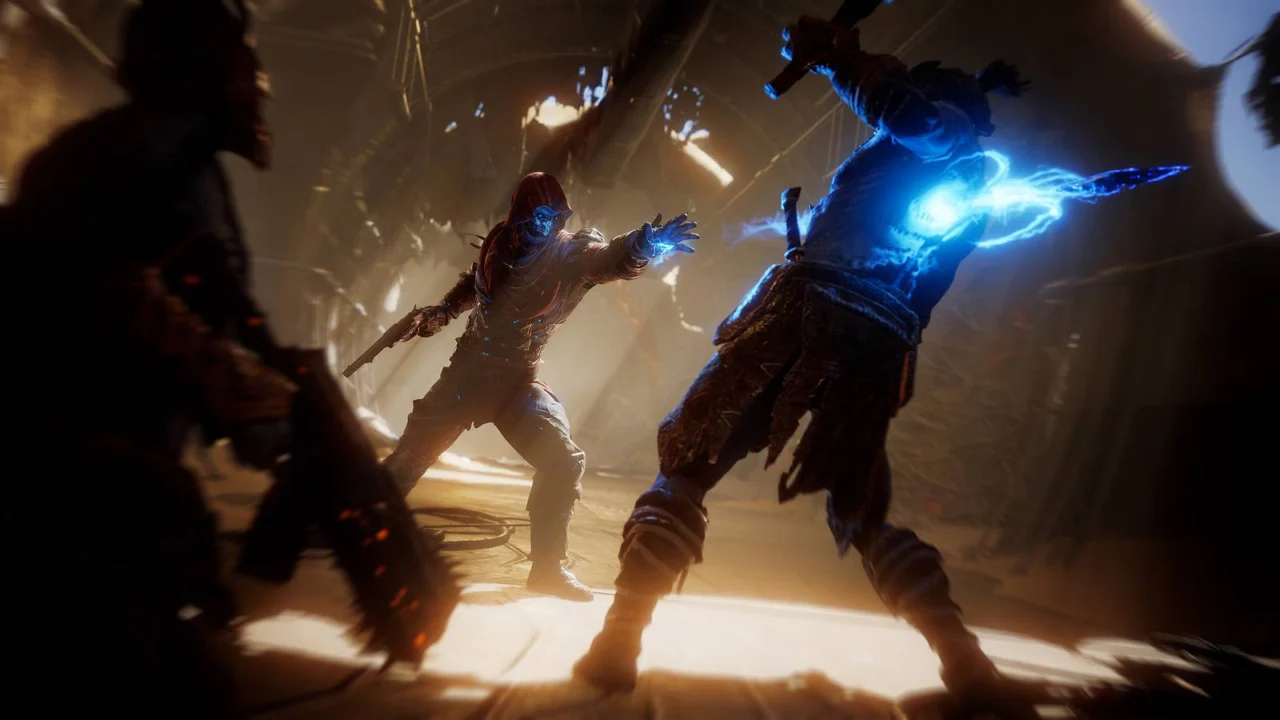
The distinct character classes served as the game’s primary allure. Upon creation, players could choose from four archetypes: the Trickster, capable of generating localized zones of Matrix-inspired bullet time; the Technomancer, utilizing high-tech tactical gear such as turrets and proximity mines; the Devastator, acting as an immovable tank anchored by stone armor; and the Pyromancer, wielding devastating fire magic.
Early on, solo players could brute-force their way through enemy mobs with relative ease regardless of class. Later chapters, however, presented punishing difficulty spikes unless tackled cooperatively. Effective team composition became paramount. Devastators absorbed incoming onslaughts while Tricksters maneuvered rapidly to flank targets. Pyromancers incinerated massive crowds, naturally funneling surviving foes directly into a Technomancer’s lethal traps. (Naturally, the gunplay itself felt exceptional, honoring People Can Fly’s pedigree in crafting definitive 2010s action shooters like Bulletstorm and Gears of War: Judgment.)

Free sign-up
Get Polygon’s Wishlister newsletter
A weekly cheat sheet to what you’ll eventually love to play. No buying, no commitment — just saving for later.
Sign up free
Free. Unsubscribe anytime.
Outriders also set itself apart through an innovative progression architecture built around “World Tiers” that scaled alongside your character. Before launching any mission, players could manually select any previously unlocked tier; elevating the challenge introduced fiercer combatants paired with superior rewards. Instead of a standard easy-medium-hard spectrum, the game featured an astounding 15 distinct difficulty gradients. To this day, few shooters offer such granular control over operational challenge. Furthermore, the game streamlined quality-of-life inconveniences typical of the genre, allowing players to configure automatic pickup filters for specific item rarities, sparing them the tedium of manually sorting through countless common drops.
 Image: People Can Fly/Square Enix
Upon release, Outriders endured a turbulent rollout plagued by server instability, balancing discrepancies, and the technical hurdles common to modern online titles. Eventually, People Can Fly stabilized the experience—even acknowledging the early chaos via a self-deprecating in-game emote. Bolstered by a day-one launch on Xbox Game Pass, the title attracted over 3 million players within its first month, prompting Square Enix to declare that the property was “on track to become the company’s next major franchise.”
Ultimately, that ambition fell short. According to SteamDB analytics, the 2022 expansion, Worldslayer, failed to draw a significant wave of new players or entice lapsed veterans back to the fold. Across 2024 and 2025, People Can Fly implemented multiple rounds of layoffs and shelved two internal developments, one of which was reportedly a fully realized sequel to Outriders.
While an official follow-up remains unlikely, Outriders happily avoids complete obscurity. Unlike the tragic fate that consigns so many defunct multiplayer titles to permanent offline status, its servers remain operational.
Related articles
 SEGA Casts Charlie Cox in New Game Despite Initial Preference for American Actor
 Unused Ending Detail Revealed for The Last of Us Part II
 Unboxing Video Released for Unofficial Resident Evil Requiem Leon S. Kennedy Figure Set by Por.Toys
 Five Calvin and Hobbes Comic Strips About Hating School
 Gears of War: E-Day Appears to Disappoint Microsoft on Steam
 Steven Spielberg Sci-Fi Thriller Disclosure Day Streaming on Peacock in October 2026
 Sony to Bring Back Ape Escape Franchise with New Developers
 Game Developer Explains Why Physical Discs Are Doomed