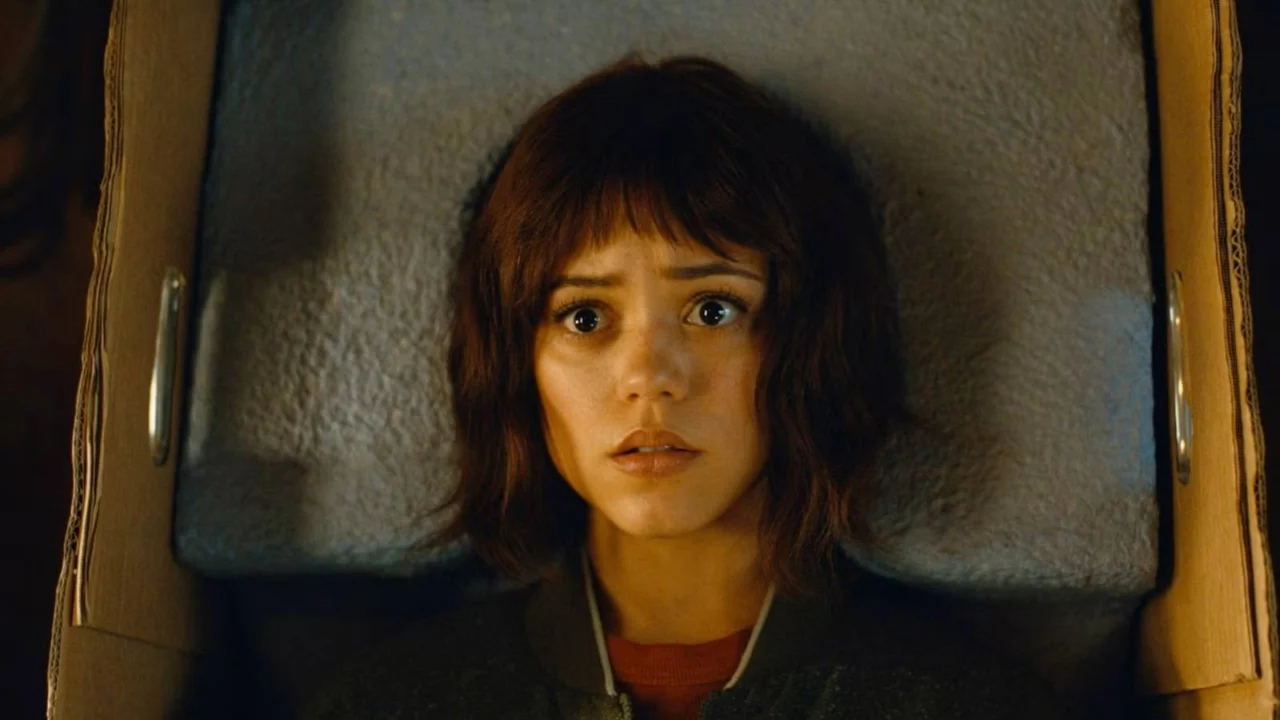
Review: Jenna Ortega’s Sci-Fi Film Klara and the Sun Undercuts Its AI Drama With Humor
Klara and the Sun review: Taika Waititi’s humor keeps getting in the way
For better or worse, Taika Waititi leads with his humor. He can find a laugh in kids dancing amid tragedy or in the comedic skills of the God of Thunder.
Maybe that says something about a more jaded world, or maybe it says something about a less capable film. Either way, I kept wishing for restraint during Klara and the Sun. I wanted the film to skip the obvious joke and the odd face-off between actors. A dramatic scene about a robot’s devotion to humanity would land better if we could sit with it without a giggle break. No such luck.
The film has plenty of drama and heartbreak. Almost every moment is cut with a juvenile joke that tells us it’s not that serious, even though its own subject matter suggests it should be. I left the theater teary-eyed and annoyed, moved by a film that never stopped getting in its own way.
Waiting to be chosen
The film is based on the novel by Nobel Prize winner Kazuo Ishiguro. It follows Klara (Jenna Ortega), an Artificial Friend, or AF. The story takes place in a near-future dystopia. The world is polluted and overpopulated, kids undergo medical procedures to become smarter, and humans have built AI robots to keep them company.
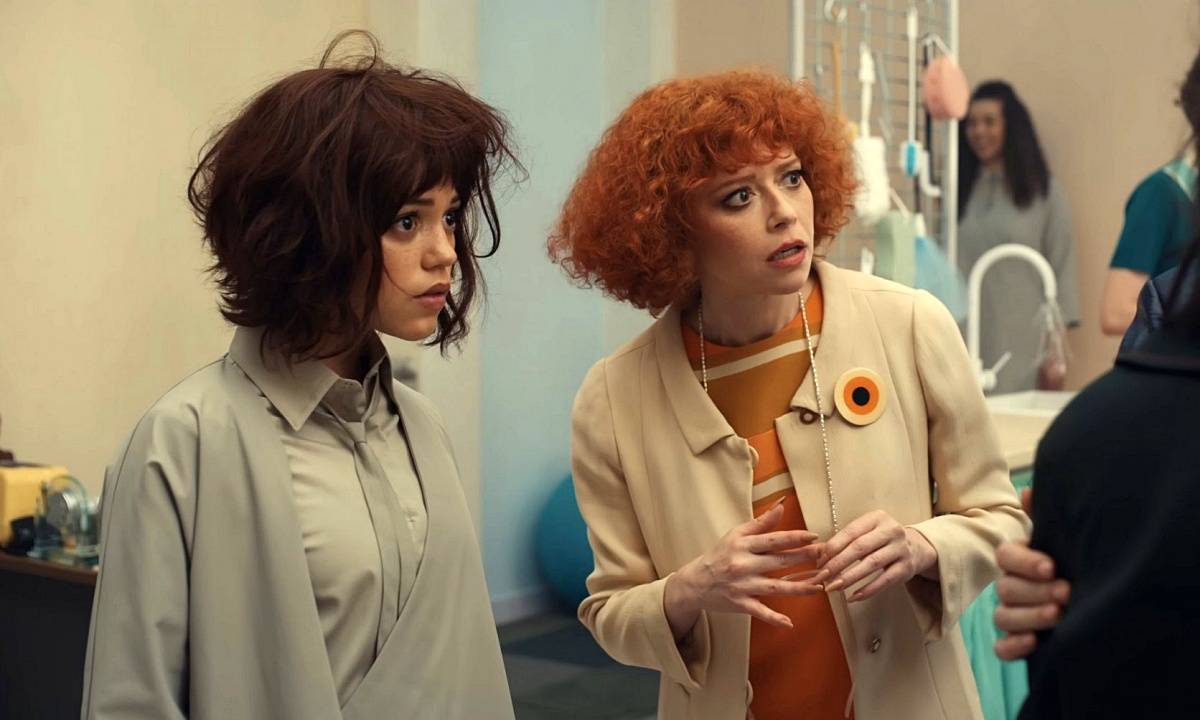
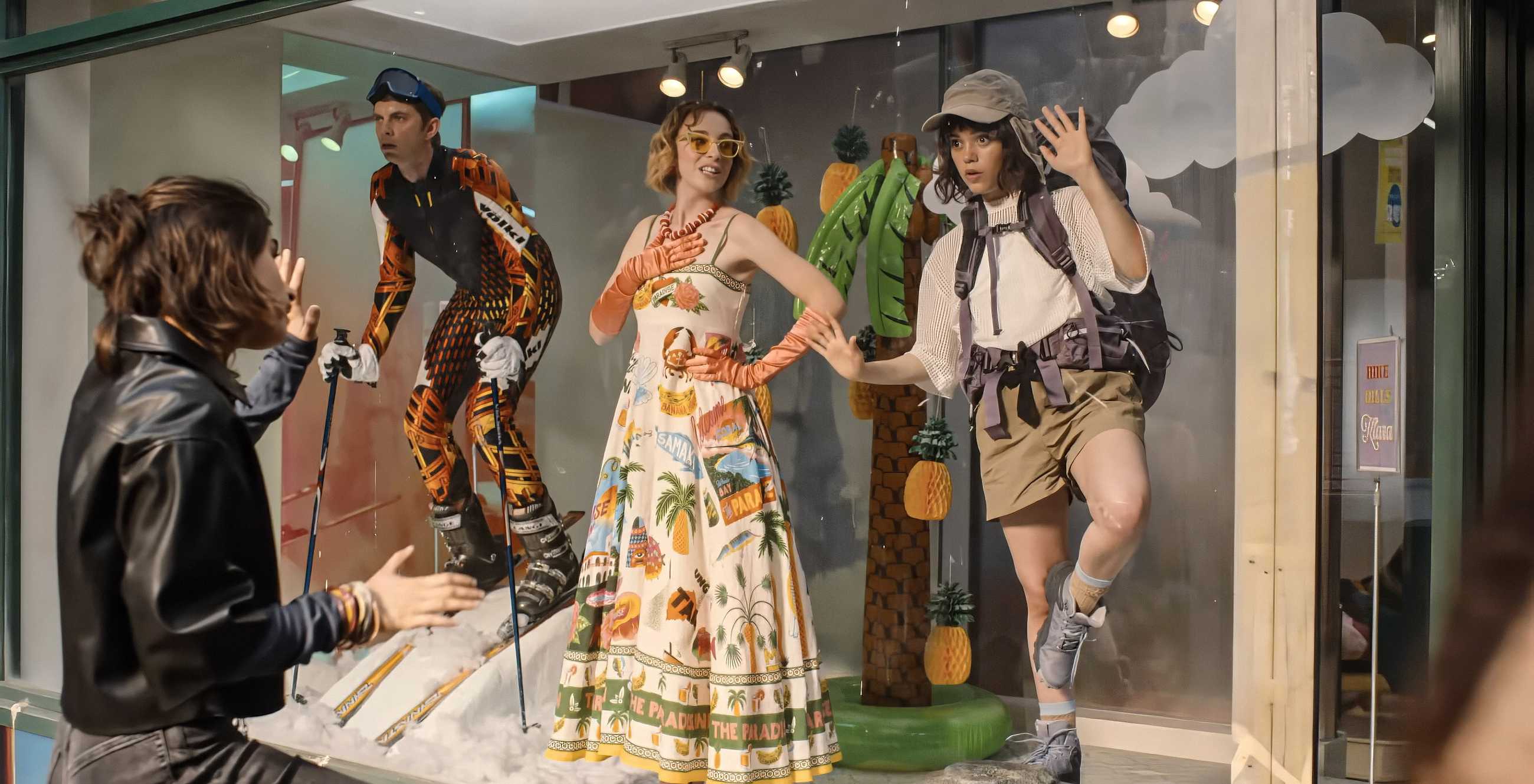
Klara lives in a bot shop with the shopkeeper (Natasha Lyonne) and other AFs, who all wait anxiously for someone to buy them. The bots recharge in the sun and spend their days modeling in the shop window to entice buyers. They pretend to shop or ski, like living mannequins with an innocent view of the world. If a bot is bought, it avoids the worst fate it can imagine: being scrapped for parts and retooled into the next generation of tech. Their dream is to fulfill their purpose of companionship and then retire to the Yard, where obsolete robots can relax and be happy.
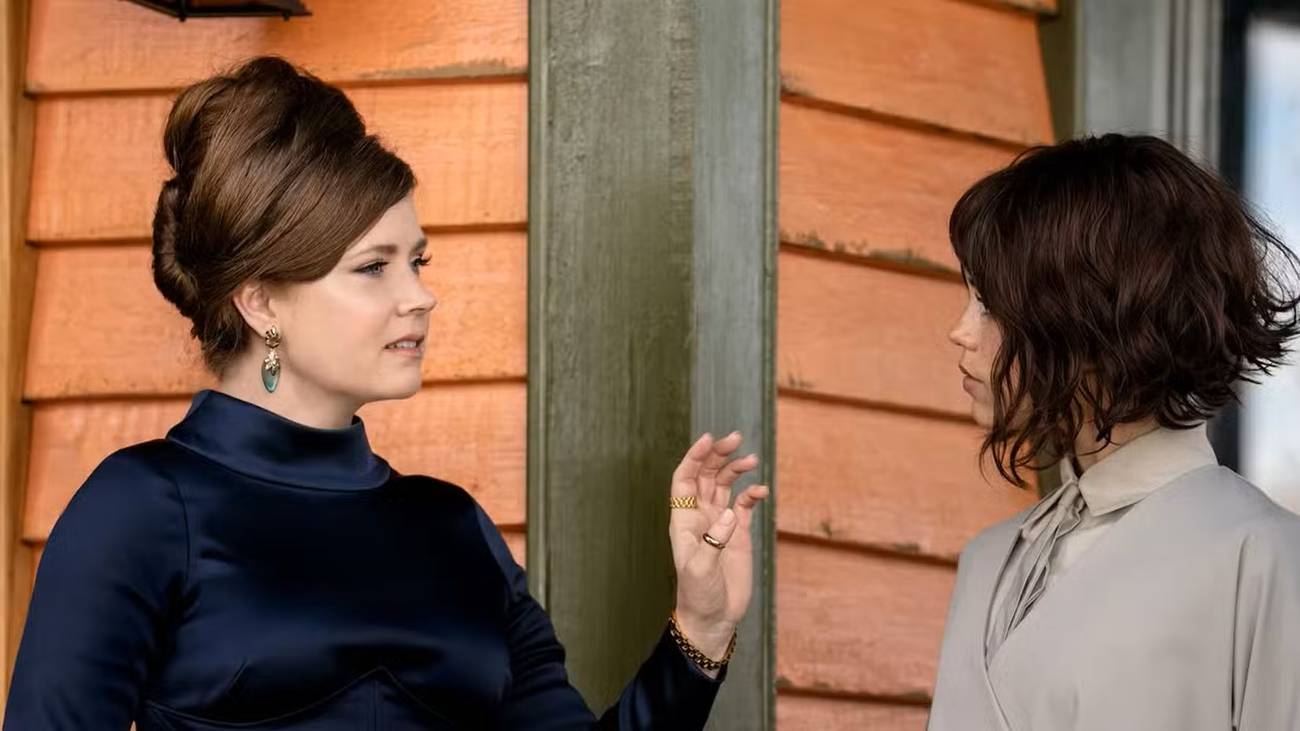
One day, Josie (Mia Tharia) spots Klara in the window and is charmed. The two look at each other and click. Josie takes Klara home, even though her mother, Chrissie (Amy Adams), was hoping for a newer model that could do more tasks.
From there, the film becomes a coming-of-age story. Klara adapts to her new home, a remote farmhouse in a striking yellow field of wheat. She tries to make a good impression on Chrissie and on Melania (Rachel House), the housekeeper. Both periodically threaten to put Klara back in her box and return her to the shop.
Laugh, cry, repeat
It’s a compelling story, especially for viewers drawn to non-human characters who work as blank canvases for our feelings, like Pinocchio or David from Spielberg’s A.I. Klara could have been a memorable entry in that canon. She has the makings of one. She’s a little off. She’s observant and cheery, but she also stands on one leg like a flamingo when she’s distracted. She’s riddled with glitches that knock her out and leave her rebooting whenever she enters new surroundings or gets too stressed. In those moments the camera takes over her point of view. Her eyesight turns grid-like and fractured, zooming in and out as she tries to take everything in. It’s one of the movie’s most inspired flourishes.
The role is a nice change of pace for Ortega. It lets her step out of the Wednesday register we’ve grown so used to. Klara is a great mimic who can echo other voices, like Chrissie’s and Josie’s, and Ortega captures their mannerisms and expressions. But she can’t work miracles. The script saddles her with unfunny jokes and a childishness that grows exhausting very quickly.
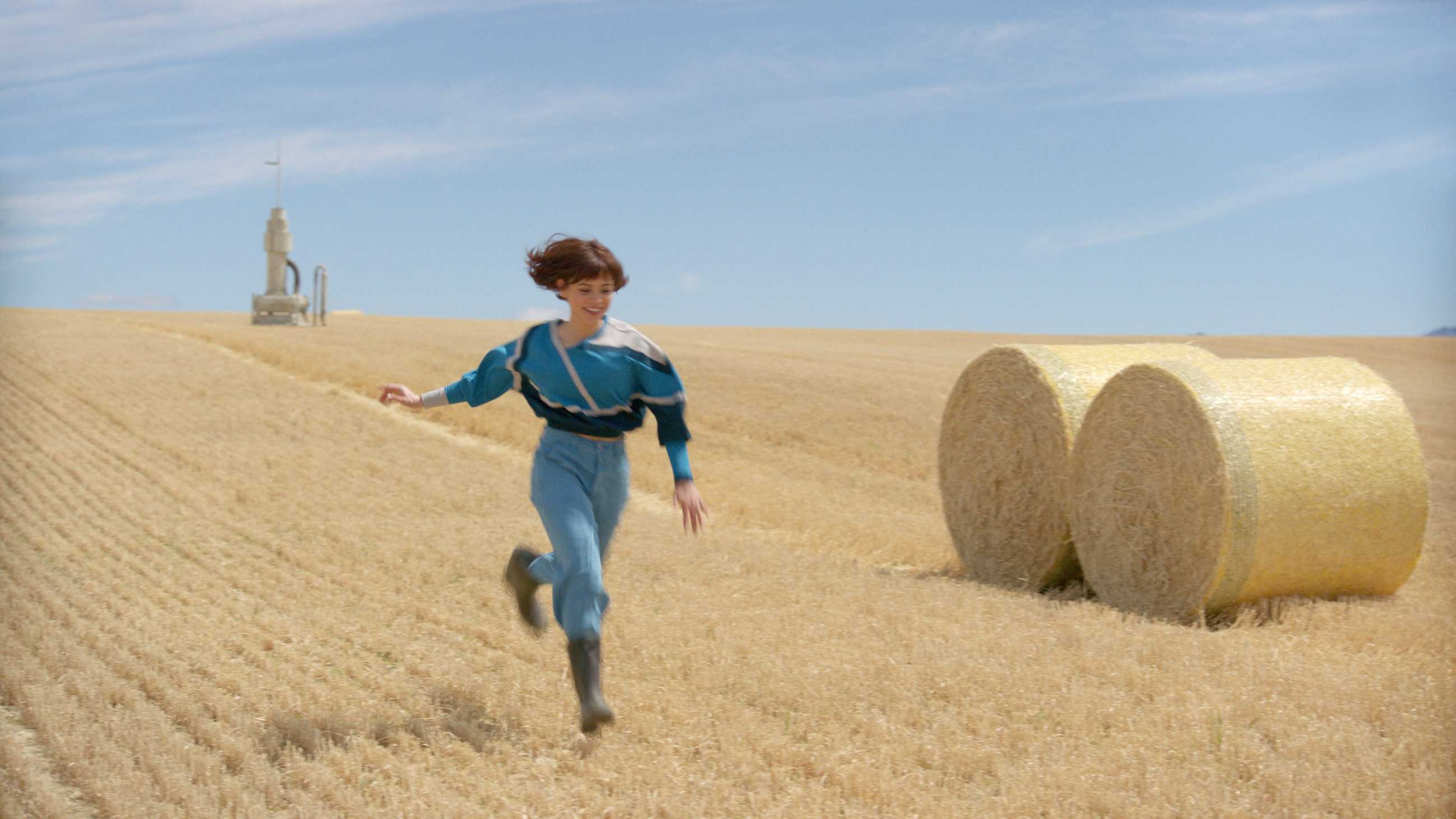
The jokes cause the film’s biggest problem, the tonal jumps. Klara and the Sun doesn’t have the most egregious use of Waititi’s specific brand of comedy. There’s no goofy Hitler as an imaginary best friend here. But it might be his most uninspired. When Klara arrives at the farmhouse, our main concern seems to be her inability to use the stairs. A few moments later, we’re in the middle of a saccharine family drama about mortality. The scenes can be moving, and the jokes land at times, but the film as a whole finds no rhythm.
A dystopia where AIs are subservient and kids can get medical procedures to become smarter is thought-provoking material, but the script doesn’t mine it. It has another joke to get to. Its exploration of Klara stops at her quirkiness. She becomes a Manic Pixie Dream Robot who teaches the humans valuable lessons about empathy, grief, and living in the moment. Surely, in 2026, we have more thoughtful things to say about AI and human connection than clichés and a robot who can’t use the stairs.
Klara and the Sun is now playing in theaters.
Source: Polygon
Related articles
 GTA VI Release Could Cost the Economy $1 Billion, Analyst Estimates
 Hacker Breaks PS5 Firmware to Run GTA VI, Sony Releases System Update Soon After
 Insider Reports “Euphoria” Star Jacob Elordi Has Been Cast as James Bond
 God of War Creators Considered a Different Name for Kratos, but Pizza Jokes Derailed the Plan
 Shrek 2 Remastered System Requirements Call for RTX 50 GPU, Players Mock Specs
 A Mass Effect 5 Trailer Featuring Liara Seems to Have Leaked After BioWare’s Shutdown
 Fan-Made Port Brings The Legend of Zelda: Link’s Awakening Remake to Android
 Genshin Impact 7.2 Update Presentation Will Air at Unusual Time, Teaser Says