Return to Silent Hill Misinterprets This Fan-Favorite Character

When the news broke that Christophe Gans would be helming a cinematic adaptation of Silent Hill 2, I held onto a sliver of hope. Gans was the architect behind the 2006 Silent Hill—widely considered the high-water mark for the franchise’s film efforts—and I assumed twenty years of reflection would steer his new project, Return to Silent Hill, away from total disaster.
However, after walking out of a preview screening last week, my optimism had curdled into pure indignation. It wasn’t just a letdown; it was an incomprehensible narrative mess. In one single shot of a headstone, Gans manages to dismantle the core identities of three pivotal characters. While it’s difficult to say who was slighted most, the treatment of the tragic, fan-favorite Angela Orosco (portrayed by Hannah Elizabeth Anderson) feels particularly egregious.
[Warning: The following contains significant spoilers for Return to Silent Hill.]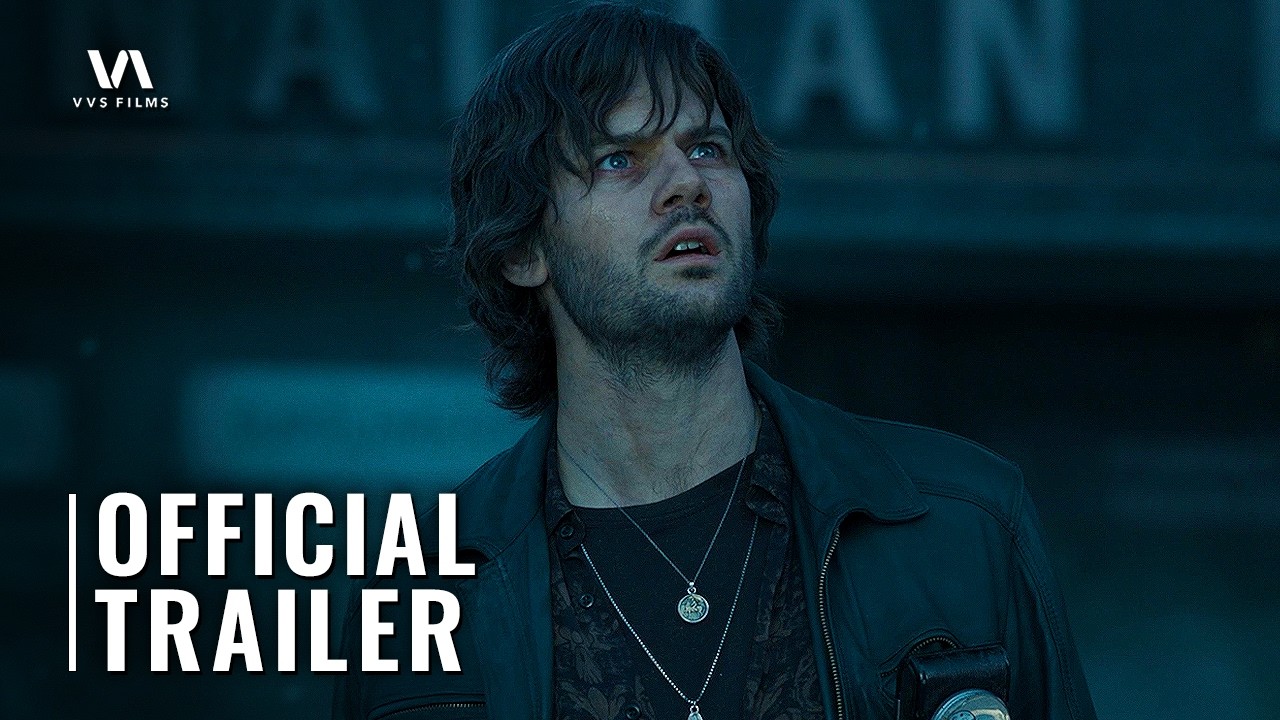
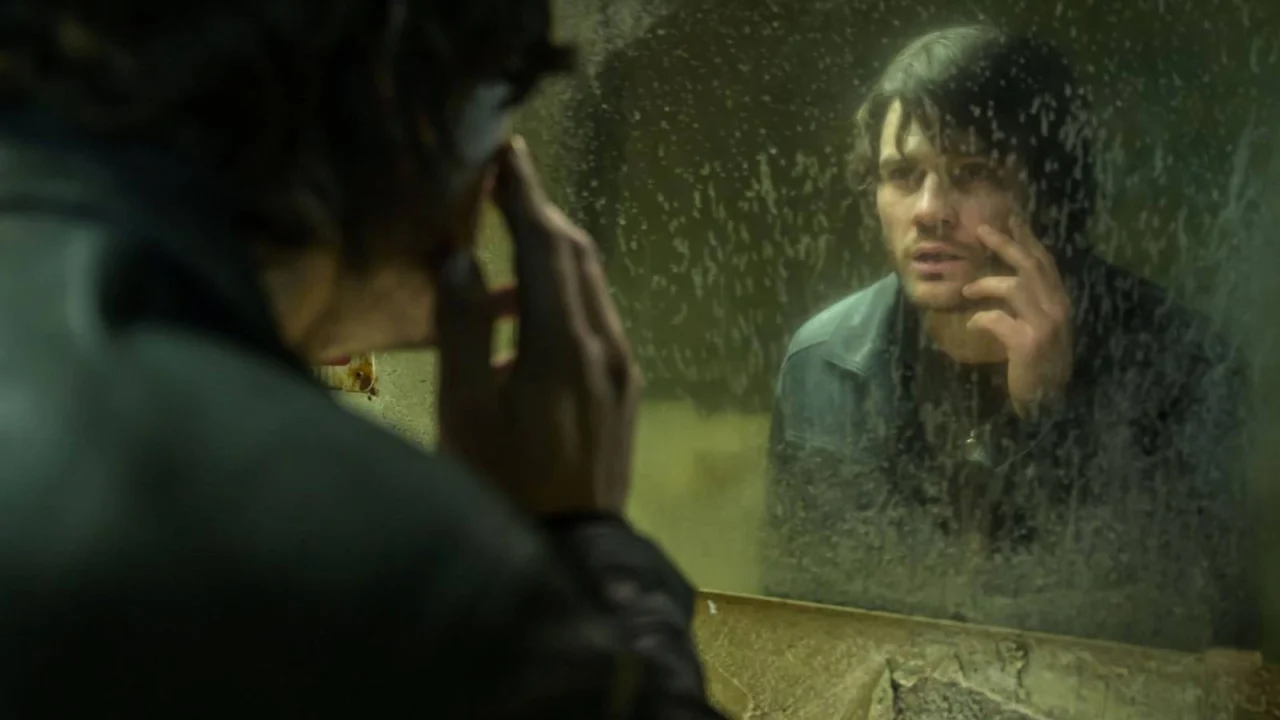
The alterations to the Silent Hill 2 cast begin with small, questionable flourishes. Rather than an ordinary everyman, protagonist James Sunderland (Jeremy Irvine) is reimagined as a moody, bohemian artist who wears rings, paints disturbing self-portraits of himself as Pyramid Head, and smokes marijuana in his Mustang. Furthermore, his link to the titular town is shifted: rather than a place of shared memories with his late wife, Mary is portrayed as a local resident whom James met by chance at a roadside stop as she attempted to flee.
You might notice Hannah Elizabeth Anderson’s name appearing frequently; that is because—for reasons that defy narrative logic—Gans cast her in a triple role. She plays Mary (James’ girlfriend here, rather than wife), Maria (the seductive manifestation of James’ internal turmoil), and Angela.

Angela is a cornerstone of the Silent Hill lore, even gracing the original American box art. In the film, she is trapped in the fog alongside James, Maria, Eddie (Pearse Egan), and young Laura (Evie Templeton). While the movie retains her harrowing history of familial abuse, it strips her of her agency. In the source material, James confronts the Abstract Daddy—a manifestation of her trauma—and while James weakens it, Angela is the one who delivers the final blow. In Gans’ film, the monster is a literal human-mattress hybrid that simply absorbs Angela before bursting into flames, a sequence that feels both bizarre and profoundly tone-deaf.
That marks the end of her involvement. There is no haunting staircase monologue, no reclaiming of her power. She is just gone.

I didn’t think my disappointment could deepen, but the film’s climax proved me wrong. Near the end, James finds Mary’s grave, which lists her full name as: Mary Angela Laura Crane.
Yes, you read that correctly. Mary, Maria, Angela, and Laura are all revealed to be the same person. This nonsensical twist attempts to justify a new subplot where Mary was the victim of a local cult ritual, but it only serves to erase the individual tragedies of these women. By merging them into one, the film makes Eddie’s presence entirely confusing—if the others are just fragments of Mary, what is he? He is relegated to a footnote in a story that no longer seems to have room for him.

The rest of the experience feels like a frantic narrative speedrun. We see a flashback of James killing Mary, but unlike the game, he does so at her explicit request, nullifying his status as a sinner seeking atonement. Gans attempts a brief nod to the “In Water” ending, but ruins it with a final twist: James is suddenly transported back to the day they met, where he simply drives Mary away from town. The end.
The “all-in-one” revelation is clearly intended to be a shocking climax, but it fails because it lacks internal logic. Plot twists only work when the foundation for them has been carefully laid. With a runtime of just 106 minutes, there was no room for such drastic, unnecessary changes. Gans may be a fan of the aesthetic, but after seeing this, I am convinced he fundamentally misunderstands the heart of the story.
While Bloober Team’s recent remake proved that fidelity to the original plot is the key to success, Gans decided to rewrite a masterpiece. The resulting film isn’t just incoherent—it’s an insult to the source material.
Source: Polygon
Related articles
 Astrolabe Games, Developer of F.I.S.T., Gives Staff Day Off for Phantom Blade Zero Launch
 Actress Believed to Voice Lucia in GTA VI Goes Live on Stream, Gets Flooded With Questions About Rockstar Game
 The Expanse: Osiris Reborn Developers and Shepard Voice Actors Back Fan Campaign to Save Mass Effect
 Sony Patents Technology That Could Warn PS6 Players of Danger With Vibration
 Xbox Set to Get Nearly 40 New Games in Coming Days, Including Some Unexpected Releases
 Eric Bauza, Voice of Bugs Bunny and Daffy Duck, Dies at 46
 Popular YouTuber Reportedly Breaks Rockstar Agreement Over GTA VI Access
 Japanese Gamers Buy New Releases in Large Numbers as Newcomers Take Entire Sales Podium