Reanimal developers share the game’s original title and why it was changed
Reanimal, the latest foray into atmospheric dread from the visionaries at Tarsier Studios, is a masterclass in visual storytelling. Yet, beneath its shroud of misty hamlets, murky channels, and grotesque monstrosities lies a complex web of design hurdles—none more demanding than its innovative, ever-shifting cinematography.
To uncover the mechanics behind this cinematic nightmare, I spoke with Tarsier Studios’ co-founder Andreas Johnsson and narrative director David Mervik. Our conversation delved deep into the creative evolution that transformed an abstract concept into the visceral reality of Reanimal.
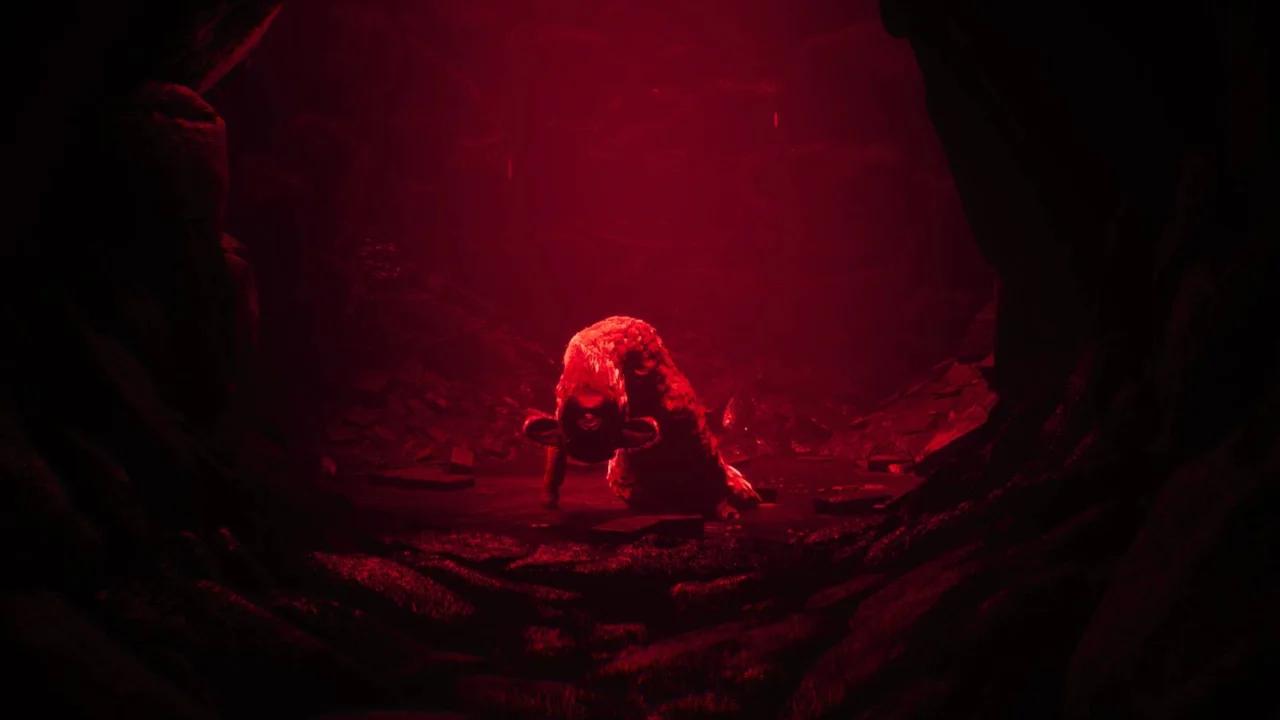
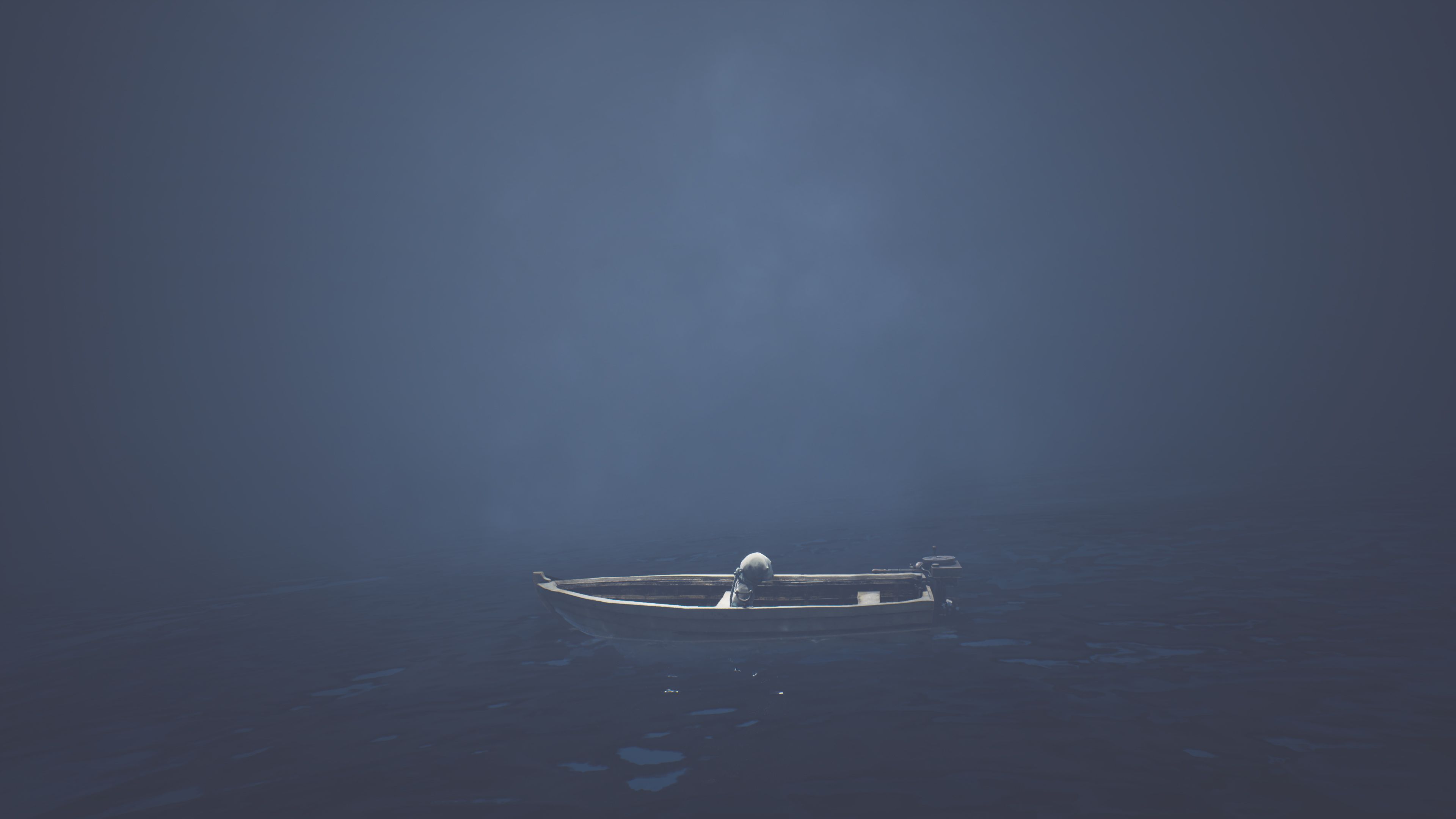
At its heart, Reanimal follows a pair of orphans navigating a treacherous journey by boat. It is a grim exploration of violence and resilience, centered on a courageous brother and sister risking everything to reclaim their lost companions. While the world is teeming with fauna—both living and macabrely revived—the title is intended to evoke a specific texture rather than just a literal description. As the developers noted, “Orphans in a Boat” simply didn’t capture the soul of the project.
“Our initial instinct was to simply call it Animal,” Mervik revealed. “We were drawn to the linguistic layers of that word. It can be a slur, a mark of impurity, or conversely, a symbol of untouched innocence. Animals can be cherished or desecrated, and those shifting states of being resonated deeply with the themes we wanted to probe.”
The pivot to Reanimal was partly pragmatic; a generic title like Animal would have been buried in search engine algorithms. However, the new name added fresh thematic weight. “It weaves together the concepts of reanimation, the ‘anima’ or soul, and the primal nature of the beasts within,” Mervik explained.
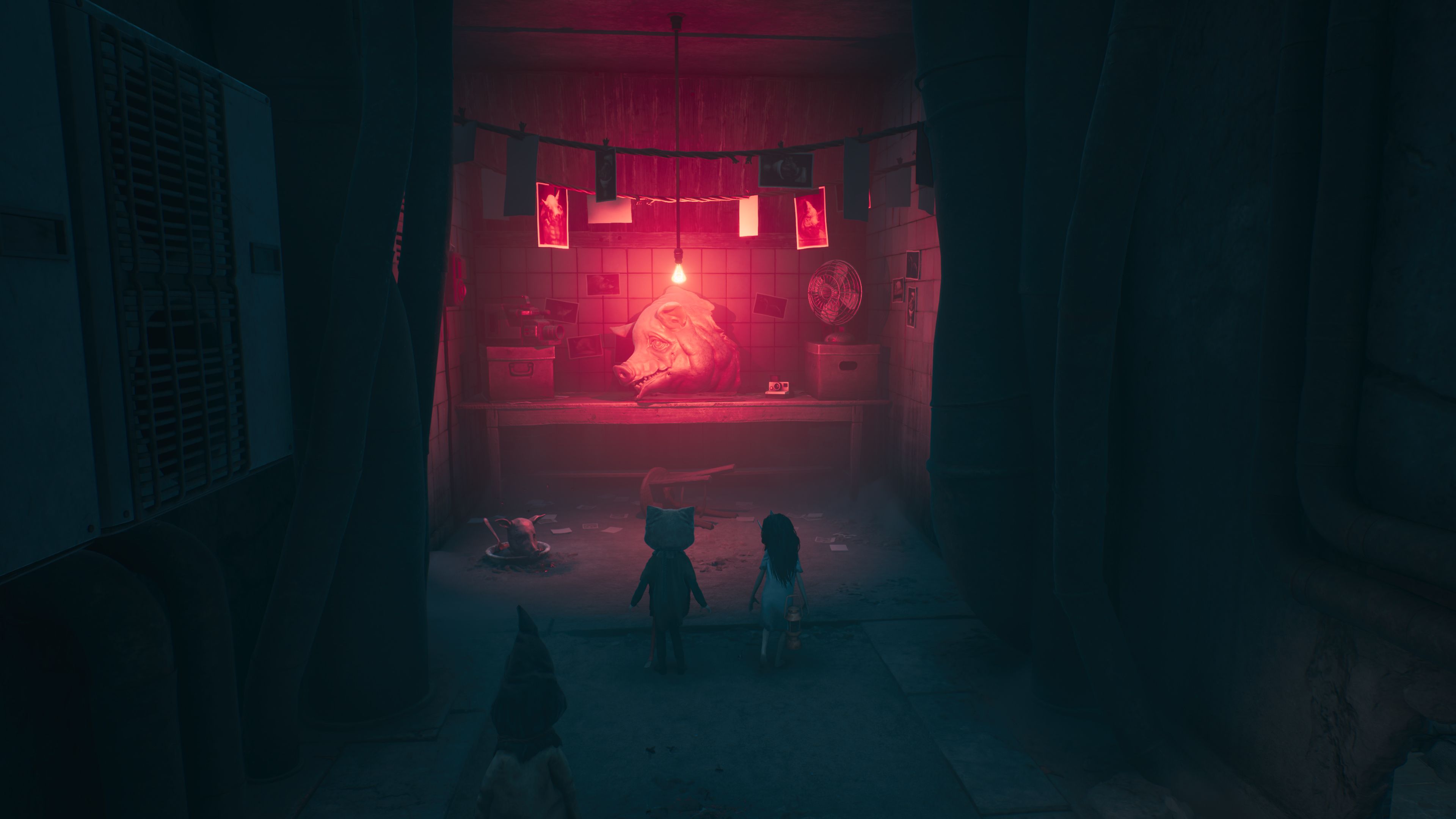
Narratively, Reanimal maintains the studio’s signature ambiguity, inviting players to piece together the fractured world. Mervik prefers a story that lingers in the mind long after the credits roll. “I want the audience to ruminate on the experience. While I expect theories to coalesce around certain themes, the community always manages to surprise us with their interpretations.”
While Little Nightmares relied on a wordless, minimalist framework, Reanimal introduces a more tangible plot. “I wanted to challenge our process by offering more context,” Mervik said. “There is dialogue this time around, providing specific narrative anchors while still leaving enough negative space for the player’s imagination. It’s a far more demanding way to build a world than traditional, linear exposition.”
Mervik is particularly critical of what he terms “second-screen entertainment”—content designed to be consumed passively while scrolling through a phone. “Modern storytelling often feels like it’s compensating for a distracted audience, constantly repeating plot points to ensure no one gets lost. I find that trend detrimental to the medium. We want Reanimal to demand your full attention.”
This philosophy extends to character design. Unlike the iconic yellow raincoat of Little Nightmares, which served as a bright beacon of “otherness” against a dark backdrop, the children in Reanimal are visually integrated into their surroundings.
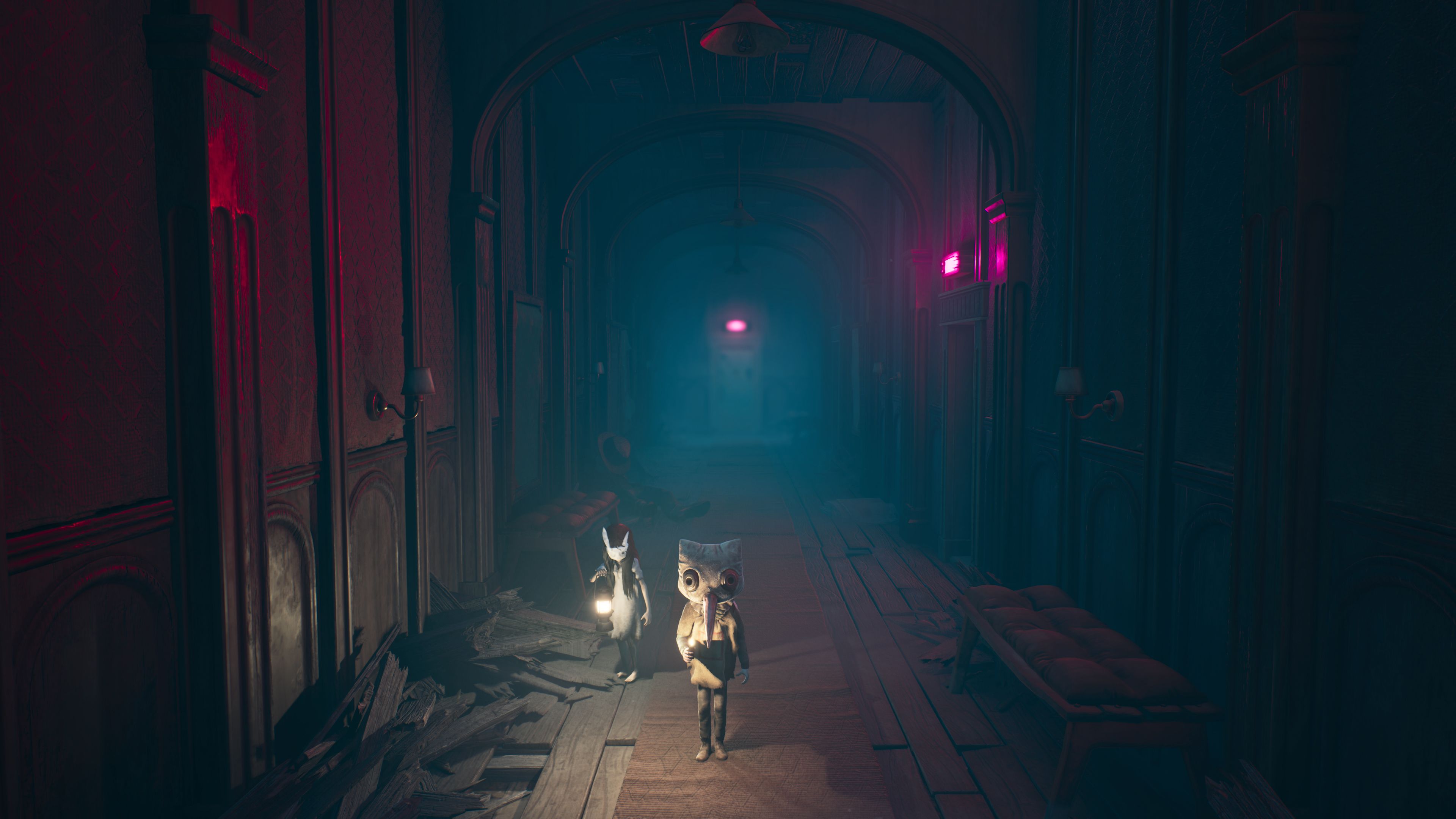
“In our previous work, the contrast emphasized that the children were intruders,” Johnsson noted. “In Reanimal, the children are a part of this world. It’s their home, even if it has been twisted into something unrecognizable. We aimed for a sense of grounded realism rather than pure dark fantasy.”
The most striking departure from Tarsier’s previous work is the dynamic camera. Moving away from the fixed side-scrolling perspective, Reanimal employs a lens that pans, tilts, and zooms to heighten the drama of each encounter.
“We craved a sense of scale,” said Johnsson. “This camera allows us to oscillate between sweeping, grandiose vistas and suffocatingly tight close-ups. It forced us to rethink our entire approach to level design.”
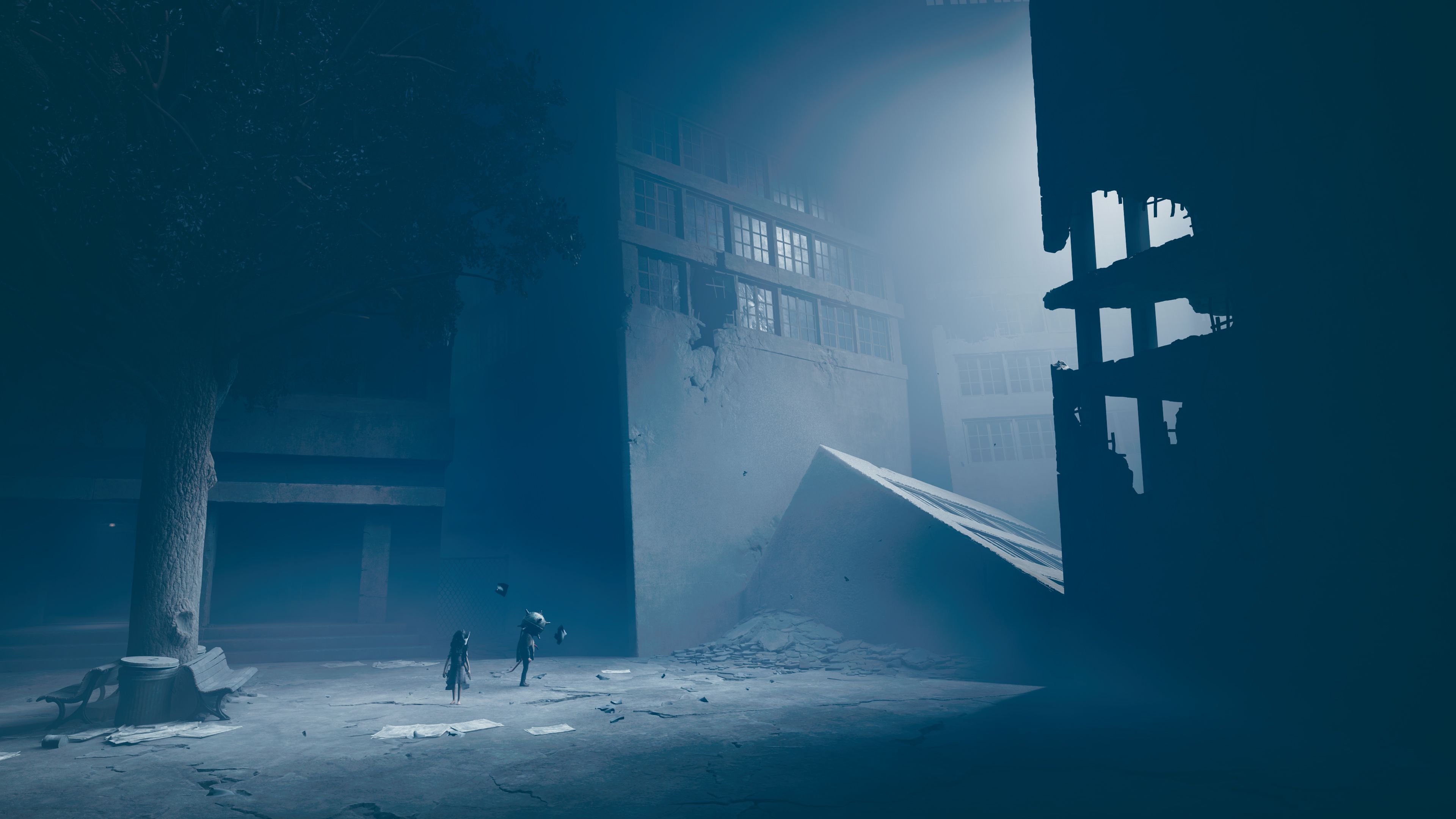
Mervik added that composition was paramount. “Each scene—a mother ascending a staircase, children huddled at a bus stop—requires a unique vantage point to land the emotional punch. The camera had to be flexible enough to serve the narrative’s needs at every turn.”
However, aesthetic flair never came at the expense of playability. “Gameplay remains the nucleus,” Mervik insisted. “A shot can look breathtaking, but if it breaks the mechanical flow, it’s useless. Balancing that with a shared-camera co-op system was particularly grueling. Split-screen would have been the easy path, but it would have shattered the tension.”
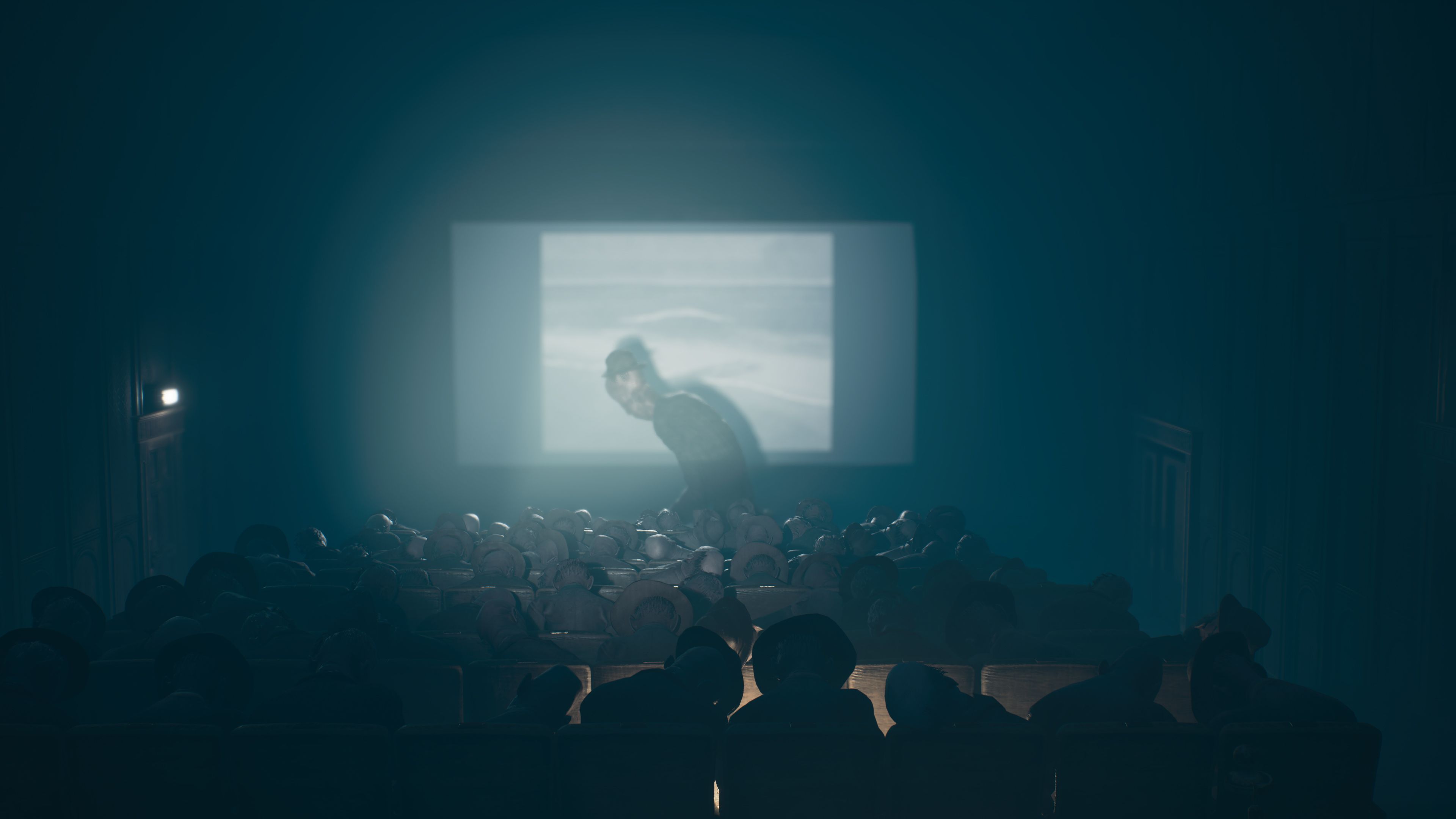
The team experimented with split-screen but found it lacking. “It felt hollow,” Johnsson admitted. “The horror evaporated. By keeping both players on a single screen, we preserve the immersion and the shared sense of claustrophobia.”
For the developers, “couch co-op” is the definitive way to experience the game. “There’s a human unpredictability that an AI can’t replicate,” Mervik said. “Sharing a scare or a moment of levity with a friend in the same room creates an entirely different atmosphere.”
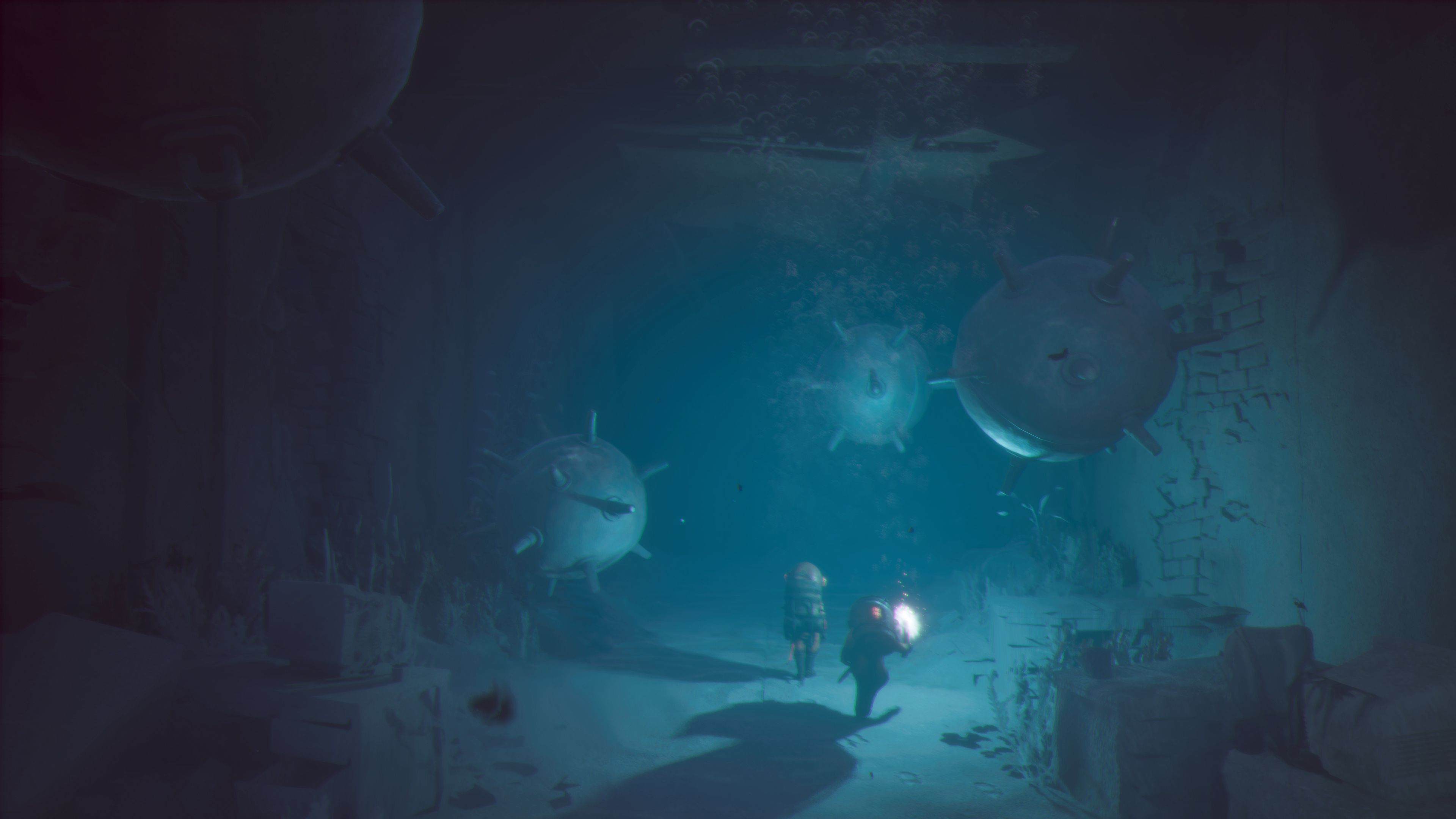
This led to the delicate task of tuning the AI companion for solo players. The goal was to ensure the computer-controlled partner was competent without overshadowing the player. “Usually, we prioritize the AI’s survival to prevent frustration,” Johnsson explained. “If the AI dies constantly, the game feels broken. But we also use it to signal danger—if your partner is struggling, it’s a sign that you need to adapt your strategy.”
Ultimately, the camera is a tool of terror. By forcing players into intimate, cramped spaces or pulling back to reveal an overwhelming threat, Reanimal promises a more visceral, violent experience than its predecessors. While co-op can sometimes dilute fear with shared laughter, the game’s oppressive direction is designed to ensure that the shadows always feel just a bit too close.
Source: Polygon
Related articles
 Final Fantasy Resonance’s Denuvo Protection Cracked Within a Day
 Tim Sweeney Again Criticizes Valve Over Steam Rules Requiring Disclosure of AI Use
 Psychological Thriller Movies You Can Stream for Free Online
 Heroes Is Now Free to Stream 20 Years After Its Premiere
 Half-Life 2 RTX Update Adds Improved Frame Generation and ARM Support
 Dead by Daylight Developers to Pull Chucky Chapter From Sale Soon as Farewell Discount Begins
 Steam Offers Free Play of Low-Poly Zombie Apocalypse Survival Game
 The Sims 4 Big Update to Fix Infinite Loading Issue and More Than 100 Bugs