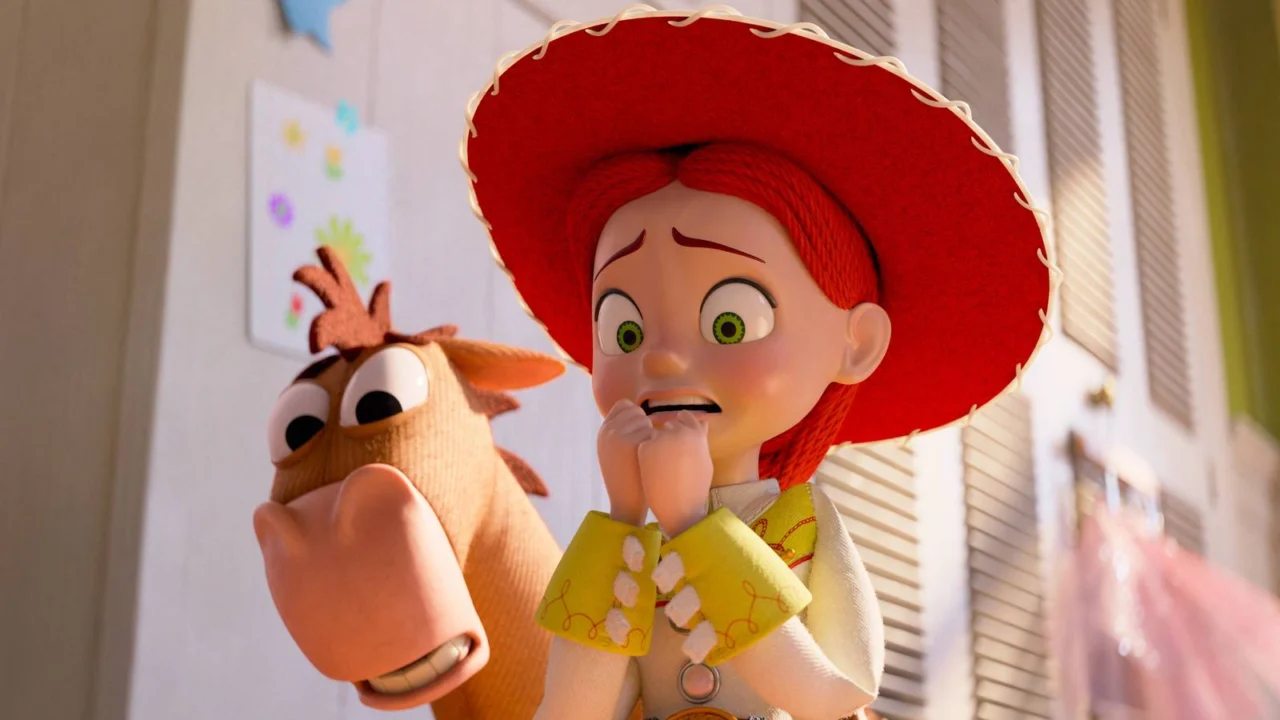
Quentin Tarantino’s brutal Pixar takedown feels more relevant than ever after Toy Story 5

Quentin Tarantino has never been one to shy away from brutal honesty when it comes to cinema. He stirred the pot last year by labeling Paul Dano the “weakest actor” for his performance in There Will Be Blood, while simultaneously scolding critics for failing to highlight the parallels between The Hunger Games and the Japanese cult classic Battle Royale. During that same candid conversation, he crowned Toy Story 3 as the second-greatest film of the 21st century, sitting just behind Ridley Scott’s Black Hawk Down. However, his high praise comes with a strict boundary.
Tarantino has steadfastly refused to engage with subsequent Toy Story entries, convinced that extending the series only dilutes what he views as a flawless trilogy. Even direct entreaties from Toy Story 5 director Andrew Stanton have failed to sway his stance.
After sitting through both Toy Story 4 and 5, I find it hard to argue with him.
[Ed. note: This article contains major spoilers for the entire Toy Story franchise.] Image: Disney
The original 1995 Toy Story was a seismic shift for animation, marking the first feature-length project crafted entirely via computer-generated imagery. While Toy Story 2 (1999) maintained the quality, Pixar’s golden age in the 2000s—fueled by hits like Finding Nemo and The Incredibles—culminated in the 2010 masterpiece Toy Story 3.
That 15-year odyssey between the first film and the third is precisely what cemented the trilogy’s legacy. It mirrored the real-life maturation of its audience. We watched Woody, initially consumed by the insecurity of being replaced, transition through the agony of abandonment in the sequel to the profound, bittersweet acceptance of Andy leaving for college. Watching Andy hand off his childhood treasures was a universal, tear-jerking metaphor for growing up.
Unfortunately, the post-Toy Story 3 era signaled a shift for Pixar toward sequels and franchise reliance. By the time Toy Story 4 arrived, the narrative had become fragmented. Introducing characters like Forky—who embodied an existential crisis as a piece of literal trash—felt like a desperate attempt to recapture the emotional weight of the predecessors, ultimately falling short by recycling plot points from earlier chapters.
 Image: Disney
Toy Story 5 attempts to grapple with the digital age—Bonnie is bullied for playing with physical toys, and digital devices are framed as a corrupting, zombifying influence. Yet, the film lacks conviction, ultimately pivoting to a muddled message that tries to have it both ways: screen time is bad, but technology is also great. It feels less like a necessary story and more like a corporate exercise in market retention.
Pixar continues to produce these films because they are guaranteed box-office juggernauts that drive merchandise sales. Stanton has even teased the possibility of two more installments. But perhaps it is time to take a page from Andy’s book: sometimes, the most mature thing you can do is let go of the things you once loved. As Tarantino suggests, it is perfectly fine to safeguard your memories and simply walk away.
Source: Polygon
Related articles
 Ubisoft Developed Zelda-Like Game Without Link Before Nintendo Canceled It
 Sony Registers Sly Cooper Trademark
 Sony Gauges Player Feedback Following PlayStation Disc Controversy
 Microsoft Canceled Three Halo Games, Insider Report Says
 The Twilight Zone Available to Stream for Free
 Ridley Scott’s Blade Runner Final Cut Streaming Free on YouTube
 Control Resonant Surpasses Past Remedy Game Sales on Steam
 Sci Fi Series Dark Matter 2015 Compared to Apple Show