
Prime Video’s New 10-Part Batman Series Ruins an Iconic DC Villain
There is a distinct, melancholic feeling that accompanies watching a legendary band long past its peak. Their modern output either feels like a tired imitation of past glories or wanders too far from the essence of their initial appeal. Yet, if you remain until the final encore, they deliver the definitive anthems you hoped for, instantly transporting you back to the exact moment you fell under their spell. Season 2 of Batman: Caped Crusader functions precisely as this kind of legacy act, with Bruce Timm attempting to recapture the golden standard of Batman: The Animated Series with only intermittent moments of triumph.
Co-created by Timm and Eric Radomski, Batman: The Animated Series remains a monumental pillar of television animation. It successfully birthed lasting DC icons such as Harley Quinn and Renee Montoya into official continuity while radically transforming one-dimensional villains like Mr. Freeze into deeply tragic archetypes. Caped Crusader, a spiritual successor helmed by Timm and James Tucker, adopts a parallel philosophy, filtering these historic figures through a gritty 1940s film noir aesthetic. While the inaugural season largely triumphed—particularly in its exploration of systemic municipal corruption and a nuanced Harvey Dent—the sophomore outing struggles to maintain that momentum. Across ten new episodes, the series attempts to reinvent various members of Batman’s rogue’s gallery alongside secondary players, though very few leave a lasting impression.
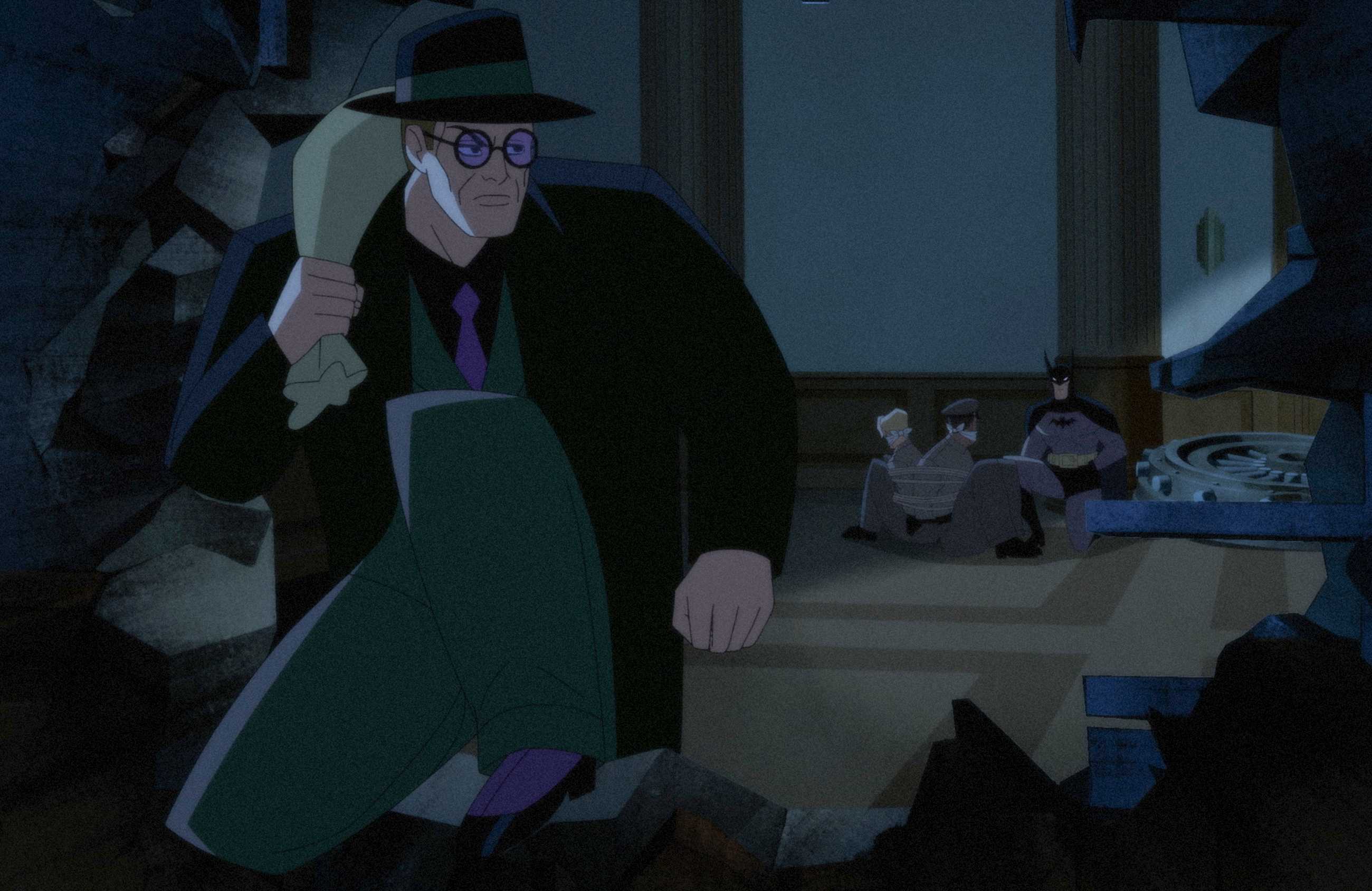
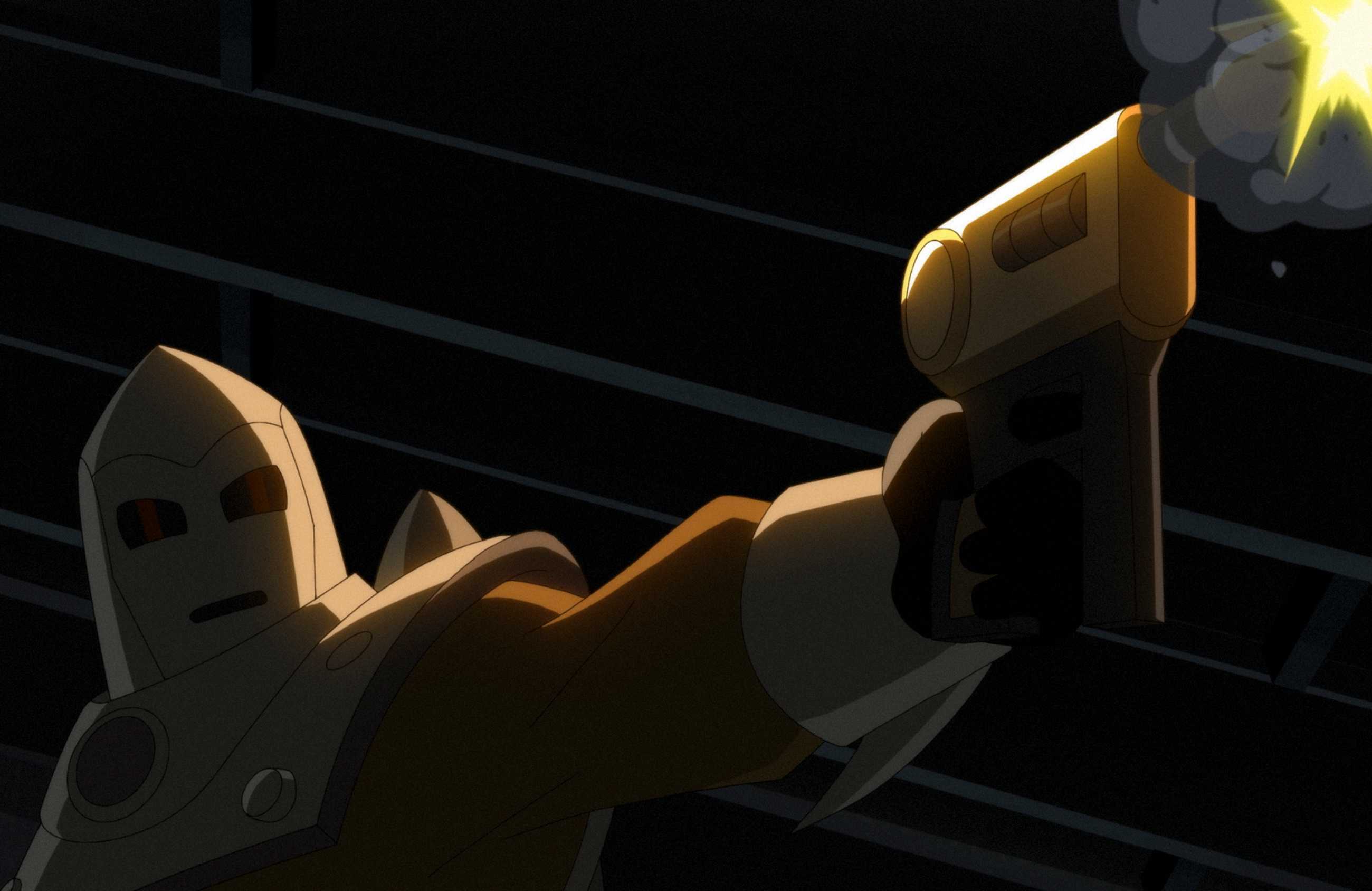
Perhaps the most glaring misstep in Caped Crusader‘s second season is the handling of Eddie Nygma (Ronan Raftery), an issue amplified by the fact that he commands more screen time than any other antagonist. Eschewing the cerebral mastermind of traditional source material—or even the Zodiac-inspired serial killer framed by Matt Reeves in The Batman—this iteration reduces the Riddler to a brutish thug. His moniker stems not from an affinity for intellectual enigmas, but rather his penchant for riddling victims with bullets via a Tommy gun. Aside from the green suit and fedora, the character is practically unrecognizable.
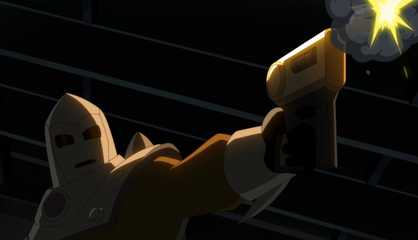
In his cinematic feature, Reeves (who serves as an executive producer here) demonstrated an extraordinary ability to strip away antiquated gimmicks from both the Riddler and the Penguin, leaving behind profoundly human figures driven by understandable motivations. Conversely, this television rendition of the Riddler possesses zero depth, inexplicably commanding an endless supply of disposable henchmen despite consistently treating their lives as worthless. The prolonged duration it takes for Batman to neutralize someone who is far from a criminal mastermind inadvertently undermines the Dark Knight’s reputation as the world’s greatest detective.
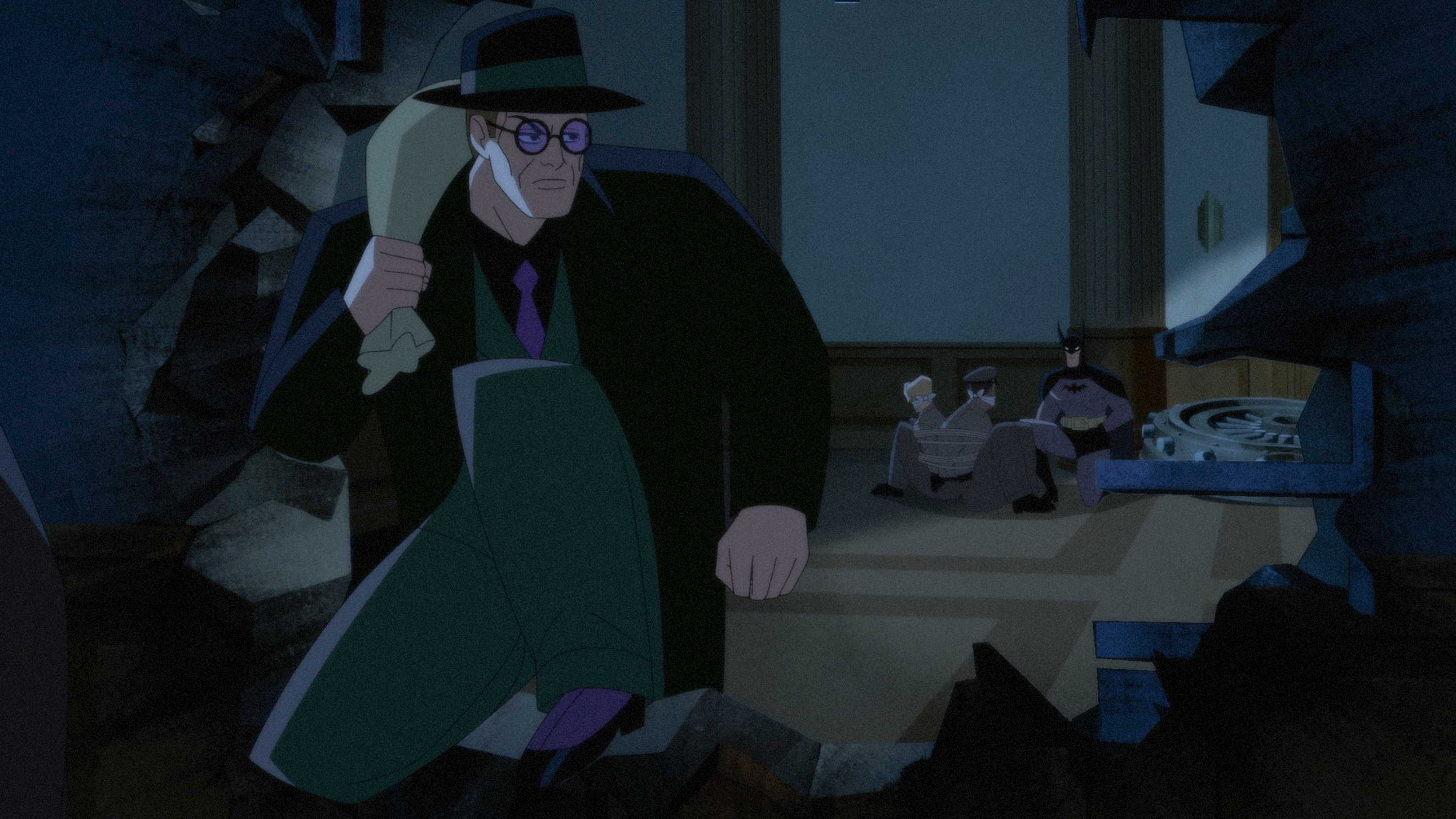
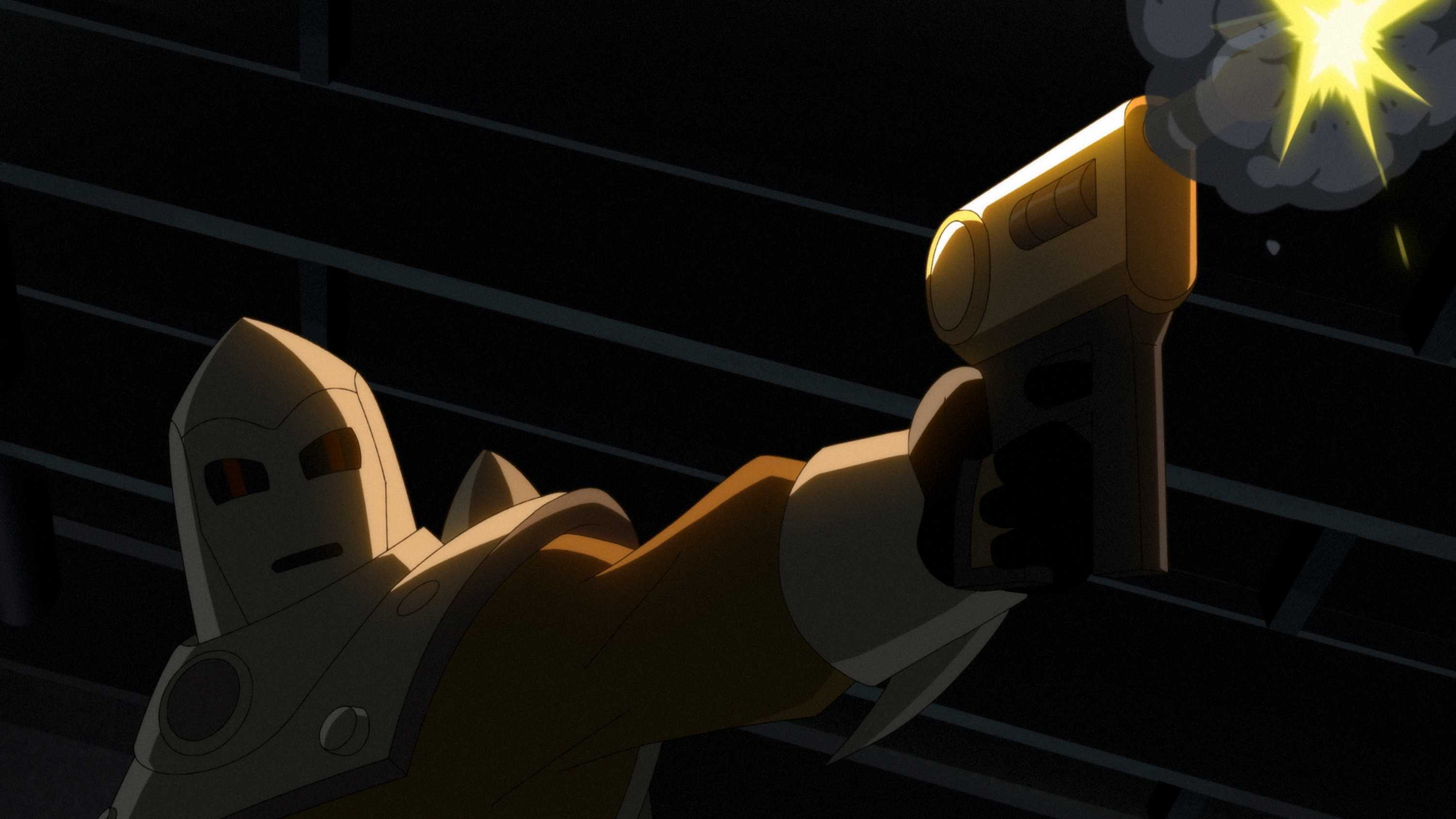
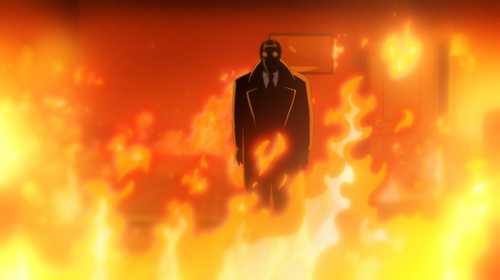
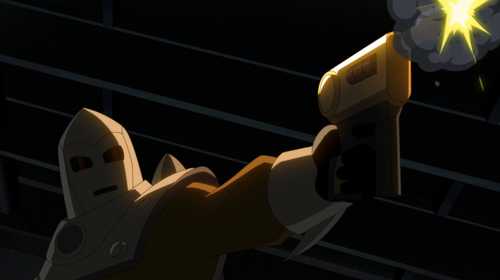
This structural flaw echoes throughout the season, regularly demoting Batman from proactive protagonist to passive observer. Occasionally, this restraint yields a potent atmosphere of inescapable doom, such as the standout chapter “The Spectral Hand,” which satisfyingly resolves the lingering corruption narrative surrounding detective Jim Corrigan (Roger Craig Smith) with a chilling ghost story. However, a surprising number of episodes unfold in ways that render Batman’s physical interventions almost redundant; rival villains frequently eliminate each other, resulting in overly convenient resolutions rather than the morally complex conclusions the stories demand.
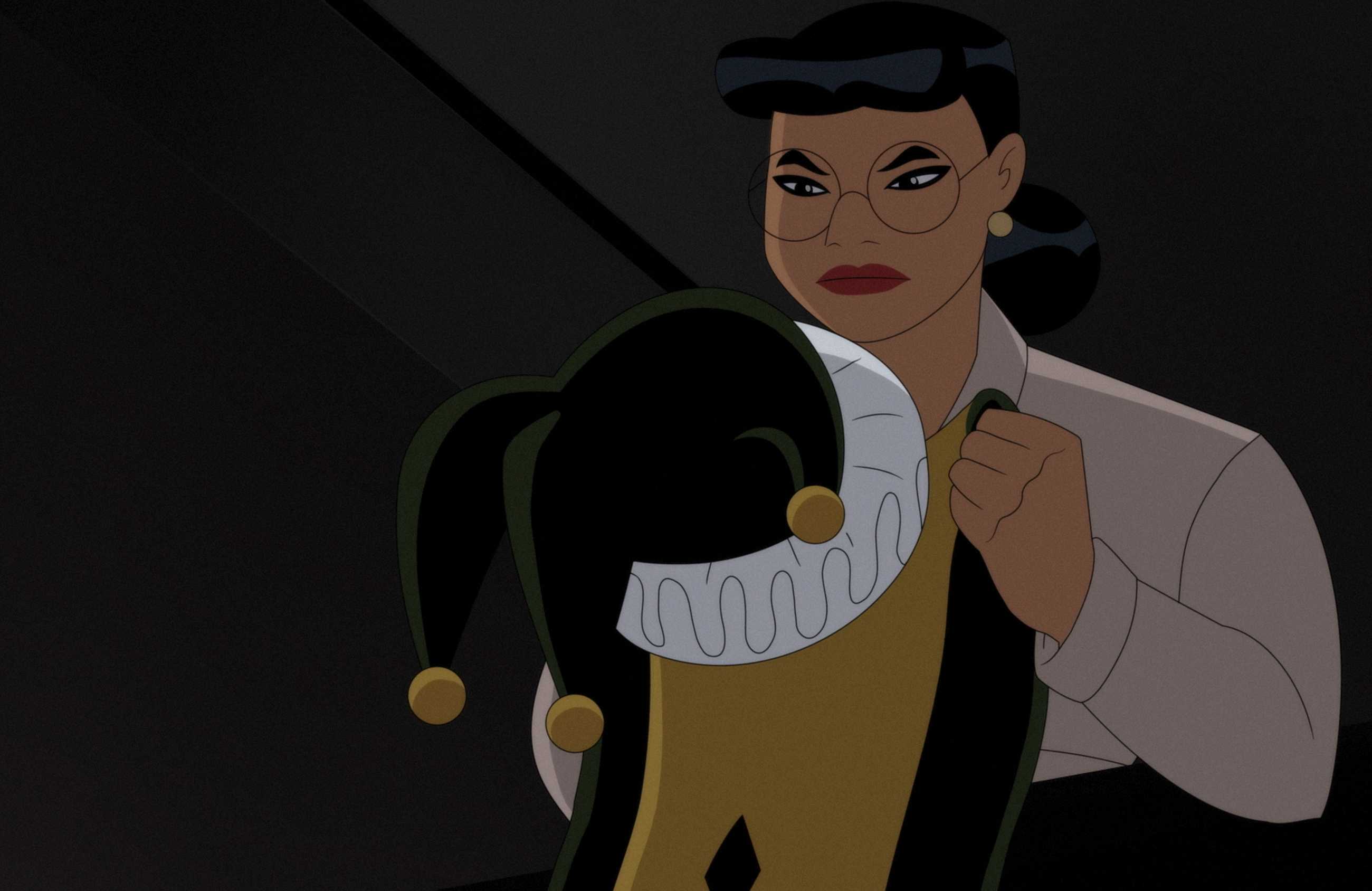
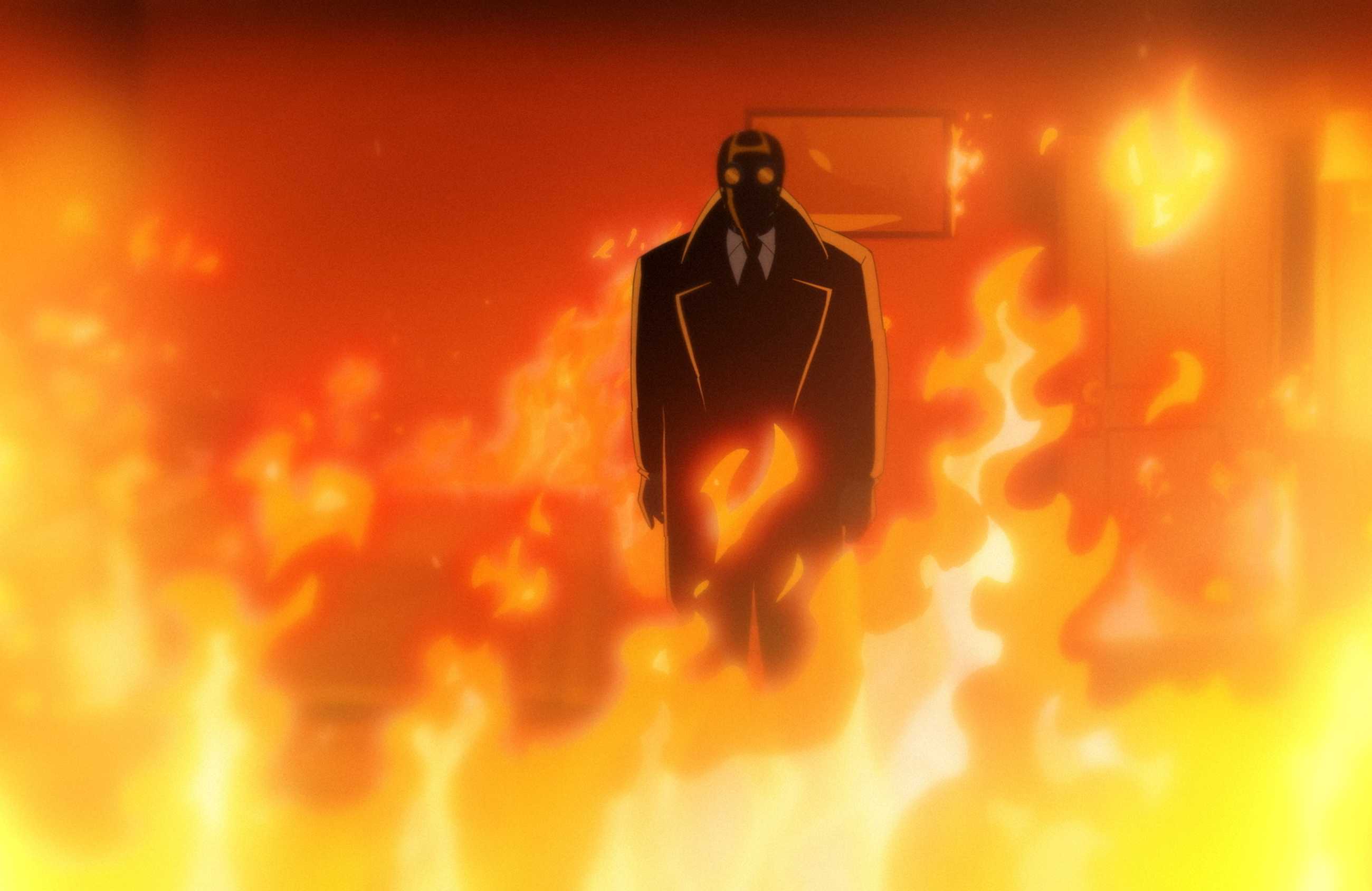
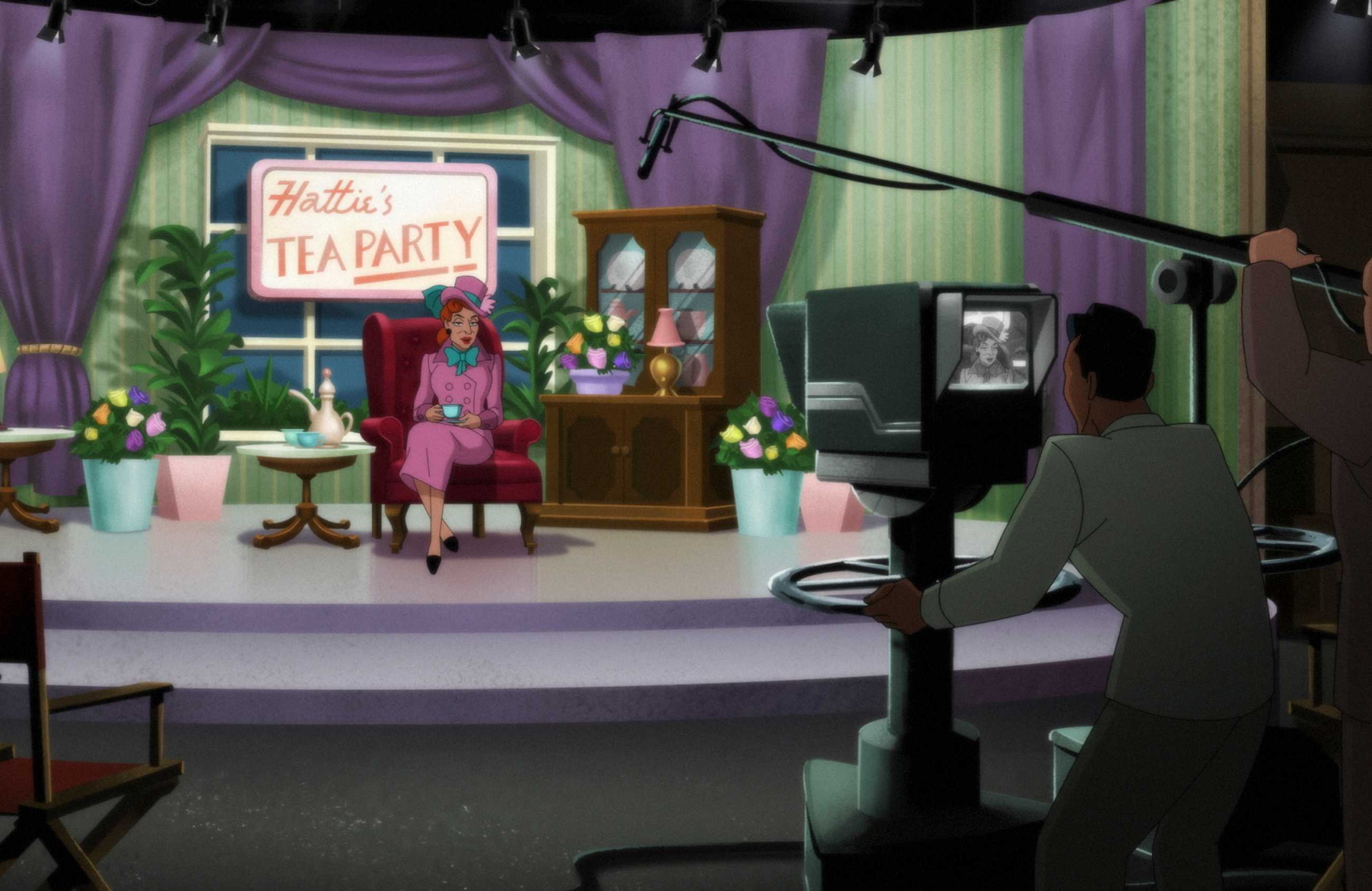
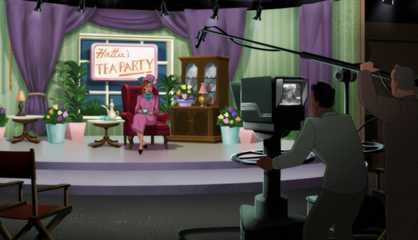
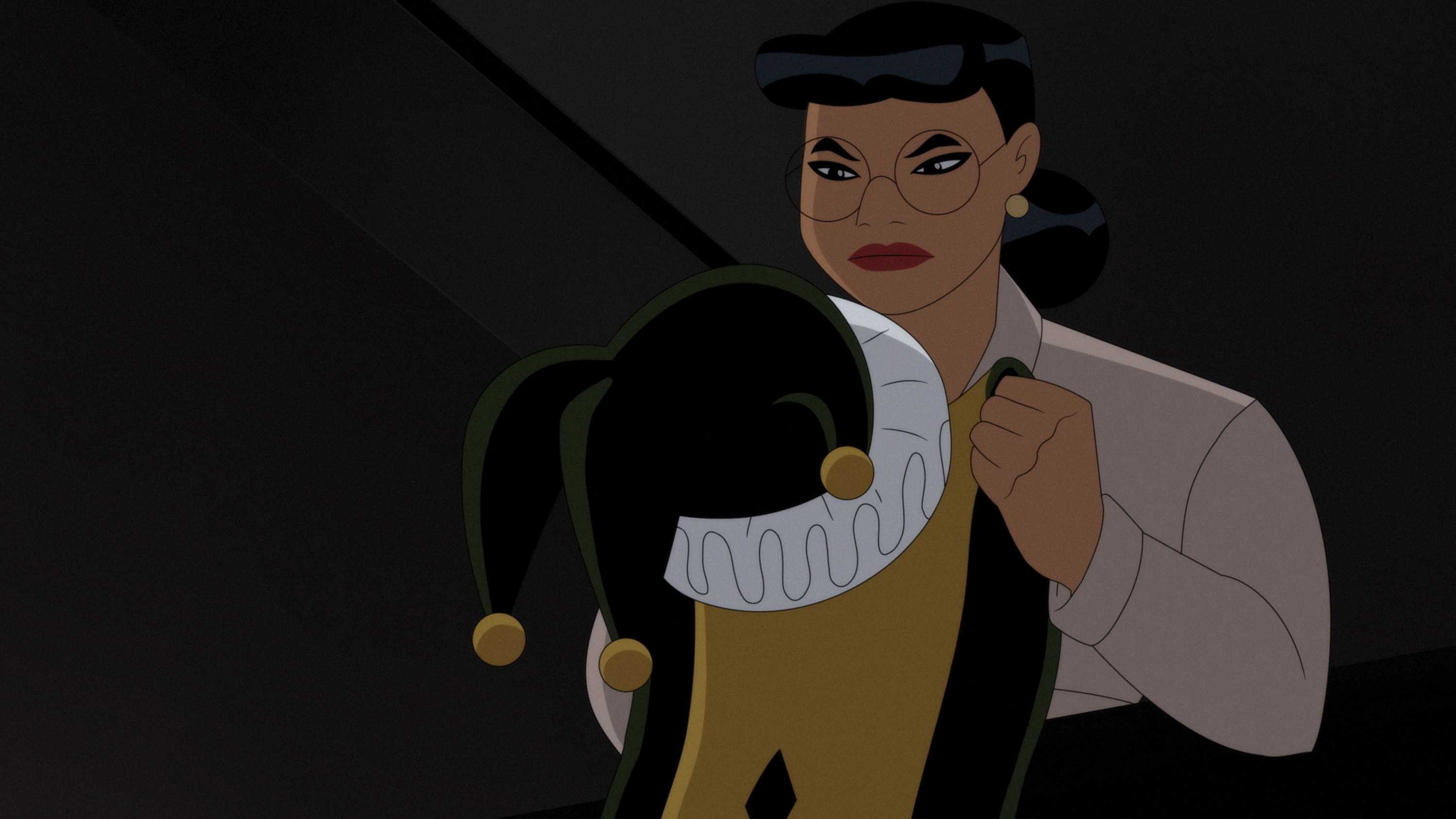
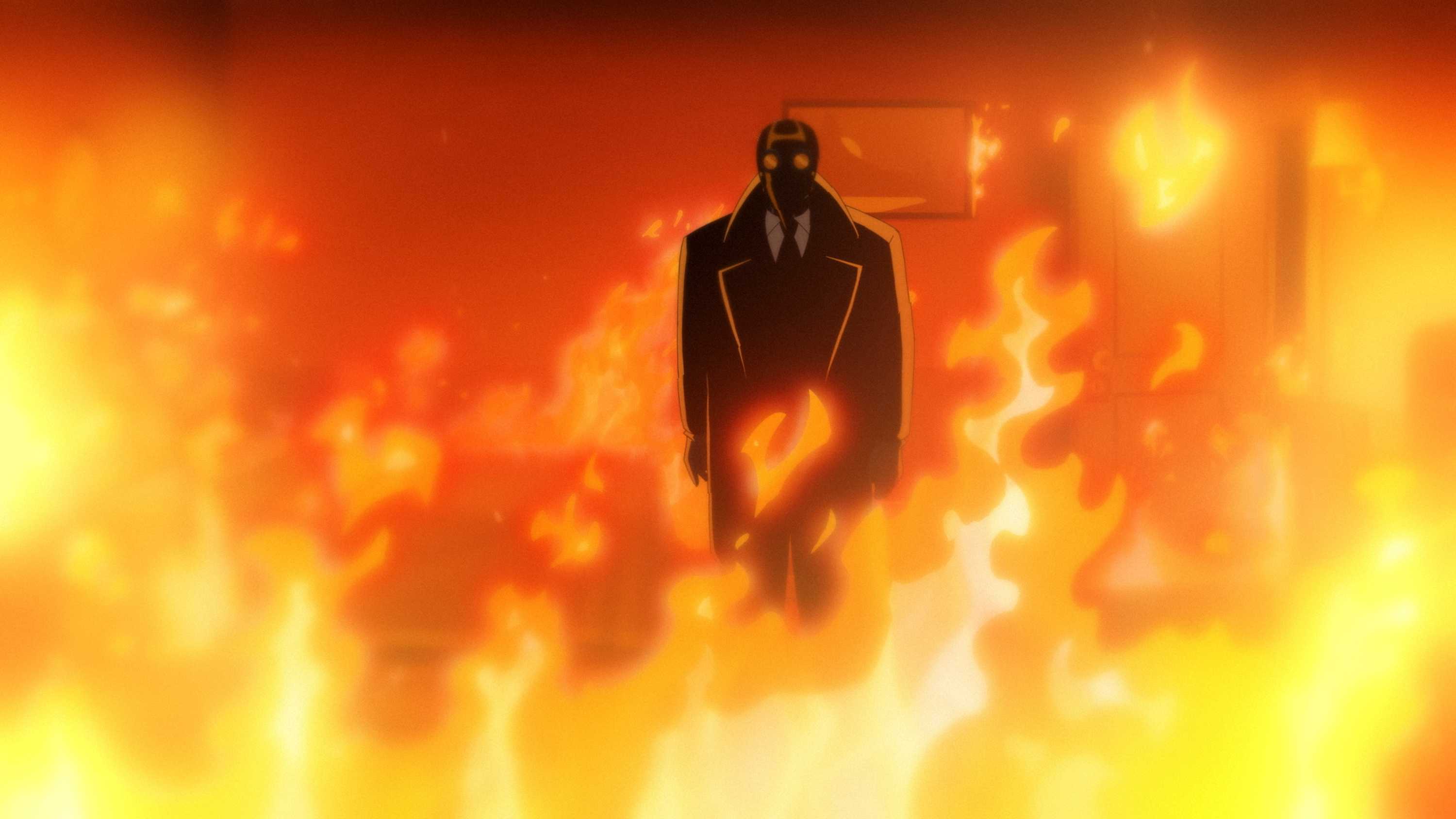
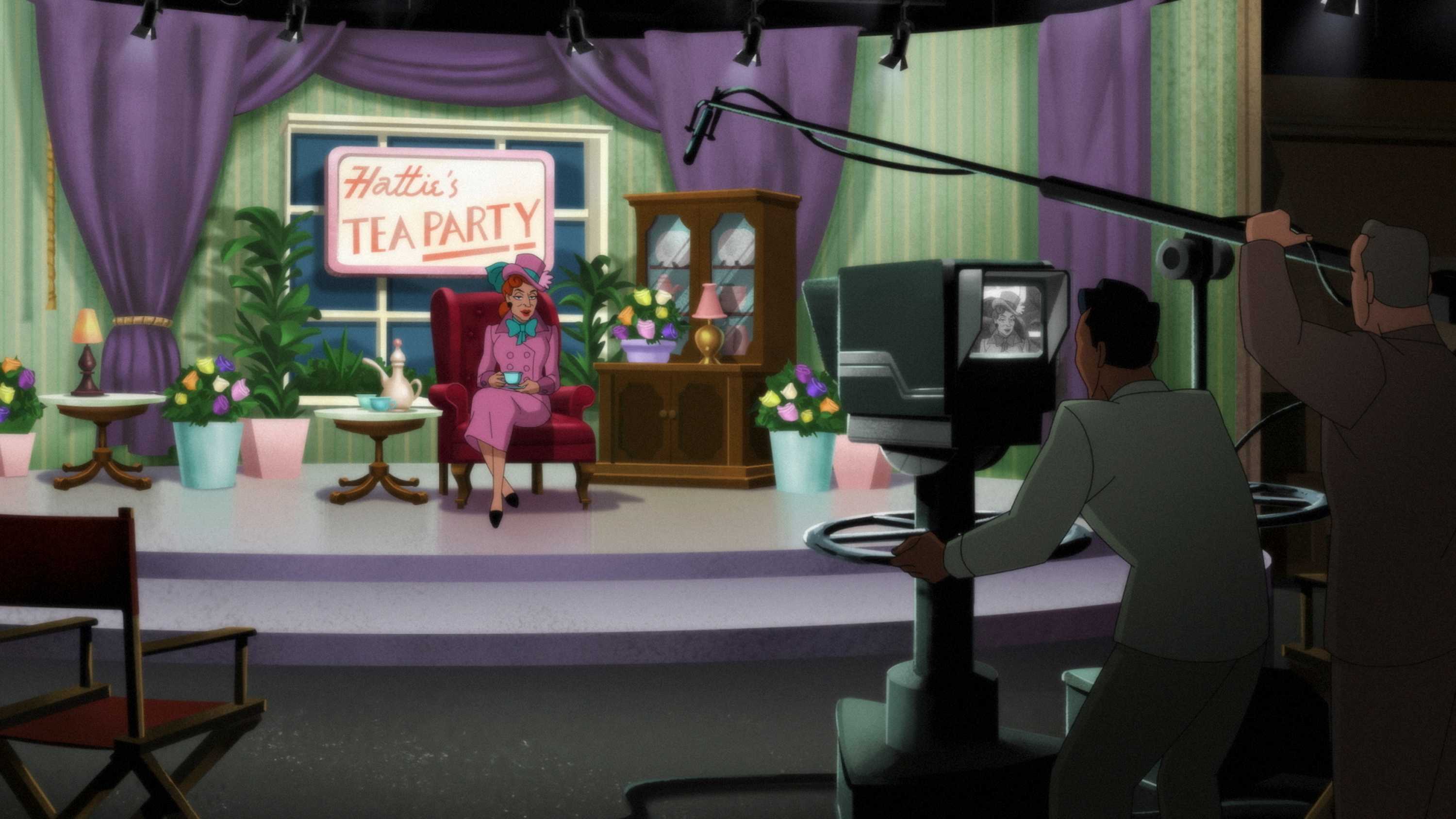
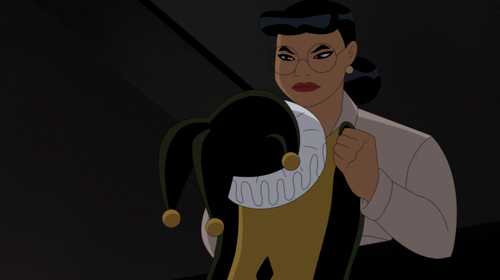
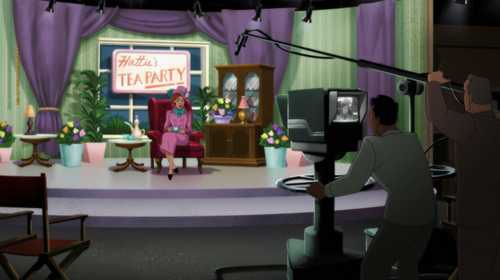
The excessive focus on Nygma inadvertently sidelines other compelling adversaries. Caped Crusader reinstates Mr. Freeze’s classic moniker, Mr. Zero, only to render him remarkably underwhelming, as if actively working to dismantle Timm’s historical accomplishments. Reimagining Hattie Tetch (Laraine Newman) as a talk-show host offers a clever spin on the Mad Hatter’s psychological domination—evoking Darkseid’s propaganda agent Glorious Godfrey—yet the narrative neglects to thoroughly explore her internal drives or the societal fallout of her broadcasts, preventing her from feeling truly dangerous. Similarly, while the Scarecrow sports a striking aesthetic inspired by Black Plague masks, he remains thinly written, functioning primarily as a narrative vehicle for the reintroduction of Harley Quinn (Jamie Chung).
Yet, amidst these storytelling stumbles, Caped Crusader occasionally achieves moments of absolute brilliance. While no performer can ever fully replace the irreplaceable Kevin Conroy, Hamish Linklater manages an exceptional duality, effortlessly transitioning between the brooding intensity of the vigilante and the superficial, polished charm of Bruce Wayne. Warner Bros. Animation excels in capturing both micro-expressions—such as Bruce’s eyes narrowing as his demeanor shifts—and high-stakes combat sequences requiring tactical ingenuity. Furthermore, the moody neo-noir atmosphere, channelizing the Dark Deco aesthetic of the 1990s classic, is exquisitely rendered through brooding Gotham skylines and meticulously crafted period details.
The unequivocal crown jewel of the season, however, is its inspired reinvention of the Dark Knight’s ultimate adversary. Voiced by Matthew Needham (of House of the Dragon fame), the Joker simmers in the periphery across early chapters through subtle narrative breadcrumbs. When he finally steps into the spotlight during the final two episodes, he proves deeply unsettling—calculating, entirely composed, and orchestrating an elaborate conspiracy that pushes both Gotham and Batman directly toward total collapse.

Constrained previously by the broadcast standards of children’s television, Batman: The Animated Series was forbidden from depicting fatalities. Caped Crusader operates without such handcuffs; while the overall body count occasionally feels elevated merely for cheap shock value, the deployment of the Joker’s signature toxin is genuinely terrifying. This iteration borrows the theatrical showmanship popularized by Mark Hamill while channeling the chaotic underworld anarchy brought to life by Heath Ledger in Christopher Nolan’s The Dark Knight. Crucially, Caped Crusader carves out a distinct identity by obsessively focusing on the villain’s single-minded fixation on being Batman’s singular, worthy equal, driving the hero past his breaking point.
Those transcendent narrative heights justify the continuation of Caped Crusader, even if its second season struggles with consistency. The evolving relationships between Batman, his fragile network of allies, and an untapped roster of classic villains hold immense potential. While the series will likely never eclipse the peerless legacy of its 1990s predecessor, Bruce Timm proves he can still strike the right creative chords. When those moments arrive, viewers can readily look past the occasional discordant note and eagerly anticipate the next movement.

All 10 episodes of Batman: Caped Crusader will be released on Prime Video on July 31.
Source: Polygon
Related articles
 A physical copy of GTA VI was shown online with references to in-game purchases and online features
 Cyberpunk 2077 Gets Fan-Made Multiplayer With RP Servers
 Sony Begins Adding PlayStation Exclusive Labels to Games as Players Cite Fan-Made PC Ports and Emulators
 Blizzard to Mark Diablo Franchise’s 30th Anniversary With ‘Legacy of Terror’ Event Featuring Diablo Clones in Diablo II: Resurrected
 Kojima Celebrates Death Stranding’s 7th Anniversary and Reveals Player Count
 World of Warcraft: Forever Sets Record for Biggest WoW Launch by Concurrent Players
 Mass Effect Fans Park Truck Outside EA Headquarters, Calling for Franchise to Be Saved
 Avatar: The Last Airbender’s “The Puppetmaster” Introduced Bloodbending 19 Years Ago