Avatar: The Last Airbender’s “The Puppetmaster” Introduced Bloodbending 19 Years Ago
For much of Avatar: The Last Airbender, waterbending seems like the most limited of the four elements for one practical reason: Waterbenders need water. Firebenders can create flames, earth is everywhere, and air is even more accessible. Katara almost always carries her water skin during her journey with Aang. A waterbender in the desert is about as useful as a badgermole cub in a swimming pool.
Partway through the show’s final season, though, that limitation leads to one of its most horrifying revelations. Water is everywhere. Accessing it can mean doing something terrible.
Nineteen years ago today, on Nov. 9, 2007, “The Puppetmaster” introduced bloodbending, a technique that lets a waterbender manipulate the water inside another person’s body. The episode also revealed that waterbenders can draw water from living things and even from the air.
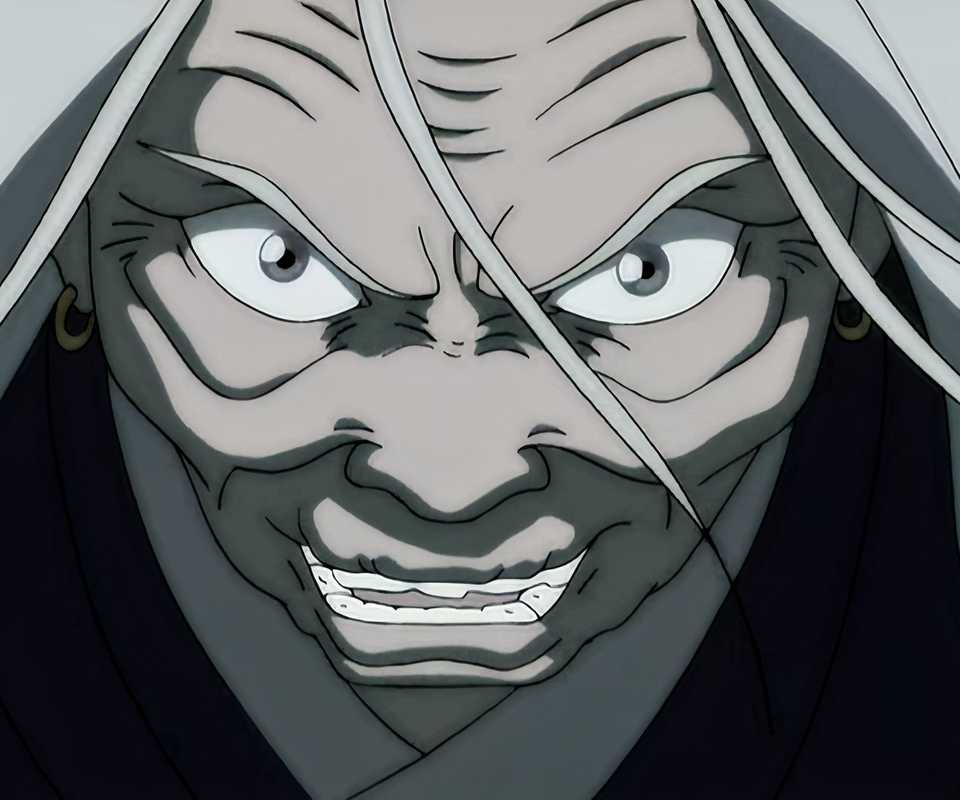
Those possibilities would later give some of The Legend of Korra’s most frightening villains their signature abilities. But “The Puppetmaster” makes its most disturbing point through Katara. She is one of Team Avatar’s most virtuous members, yet under a full moon, she is forced to learn arguably the most evil form of bending.

“The Puppetmaster” turns Avatar into a horror story
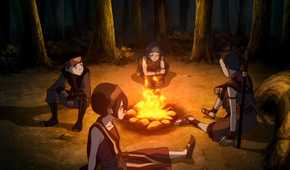
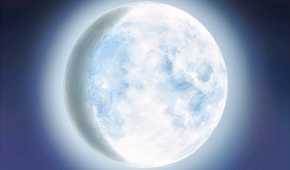
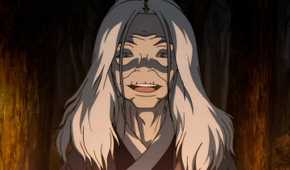
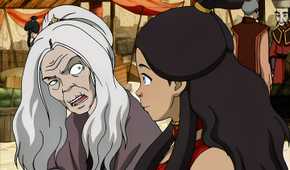
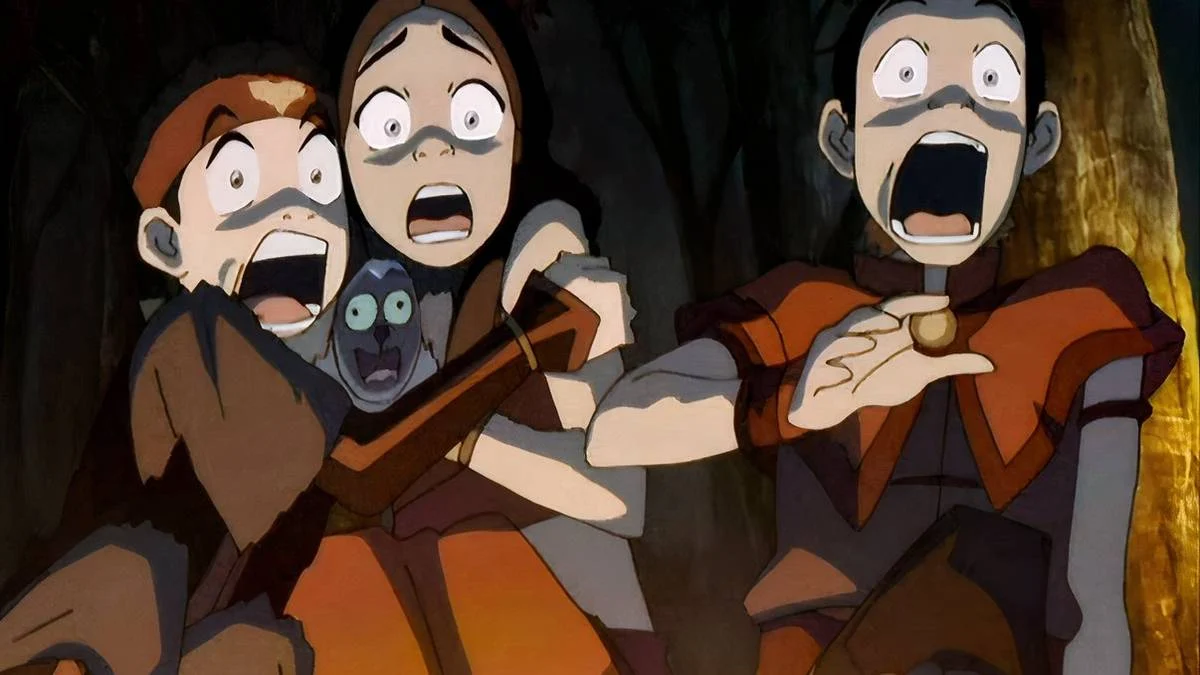
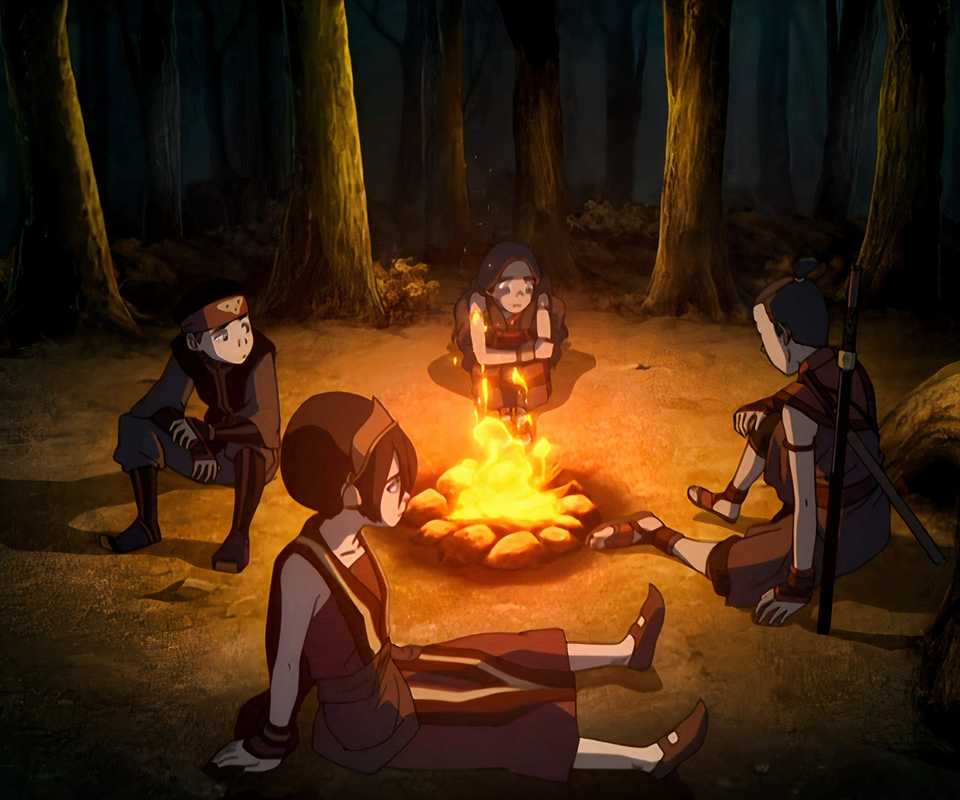
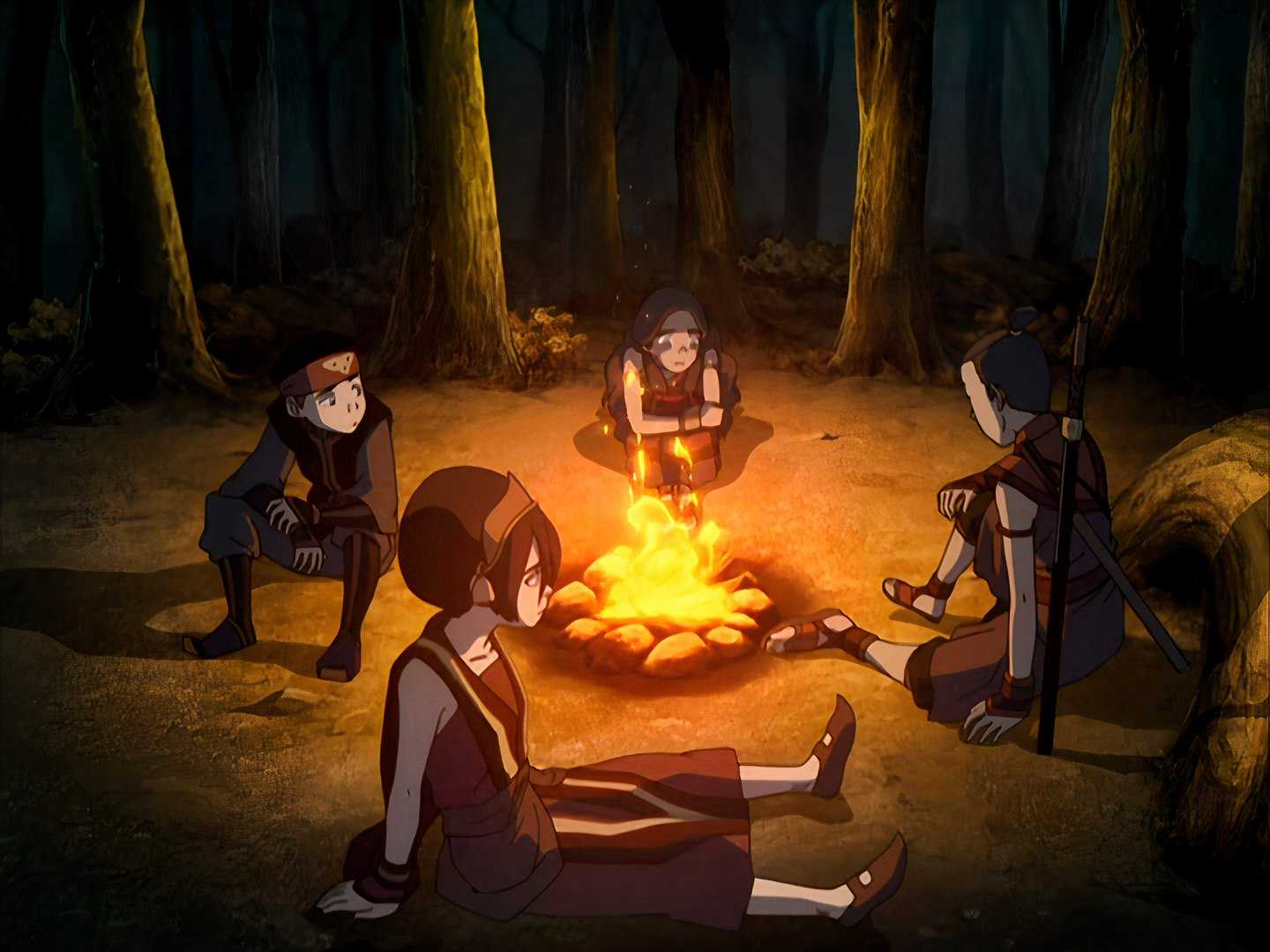
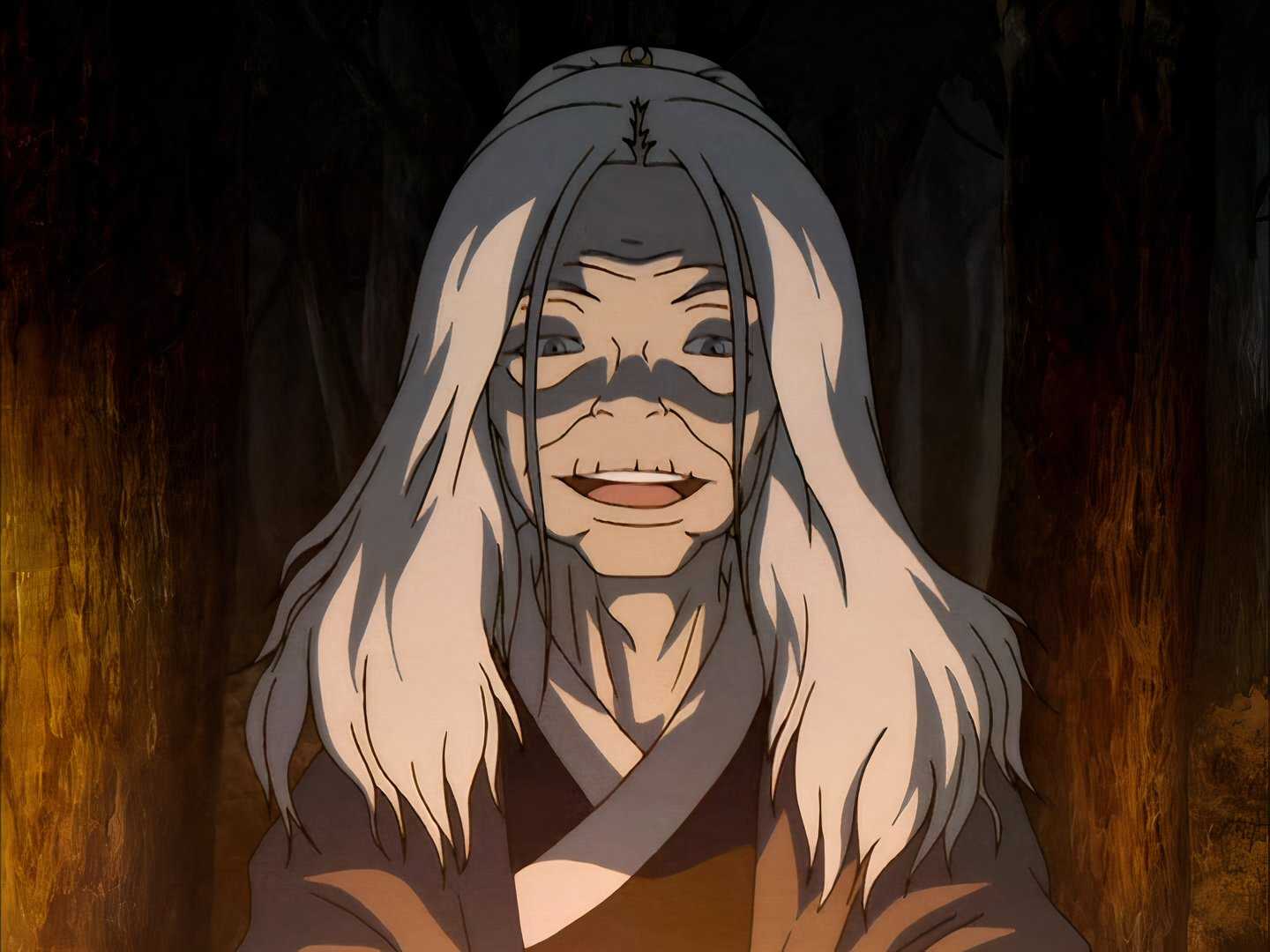
The episode opens with the gang telling scary stories around a campfire at night in the Fire Nation. An older innkeeper named Hama soon arrives and warns them that people have been disappearing during the full moon. She offers them a safe place to stay, and the plot turns into a small-town murder mystery, with Toph as the hard-nosed detective and Aang and Sokka as her hapless sidekicks.
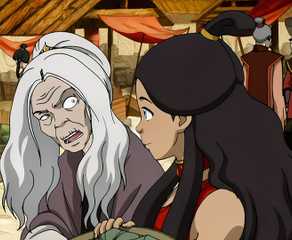
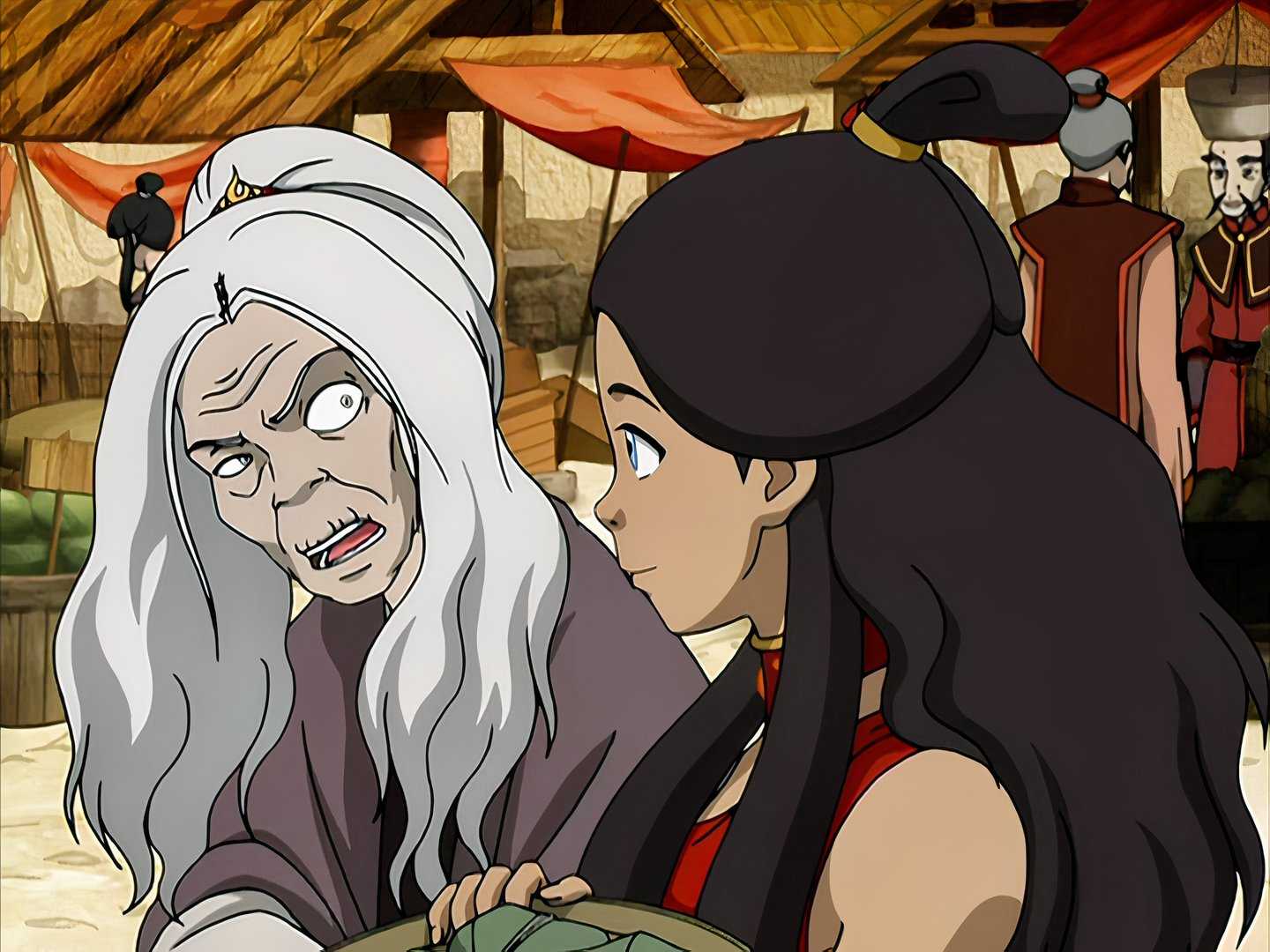
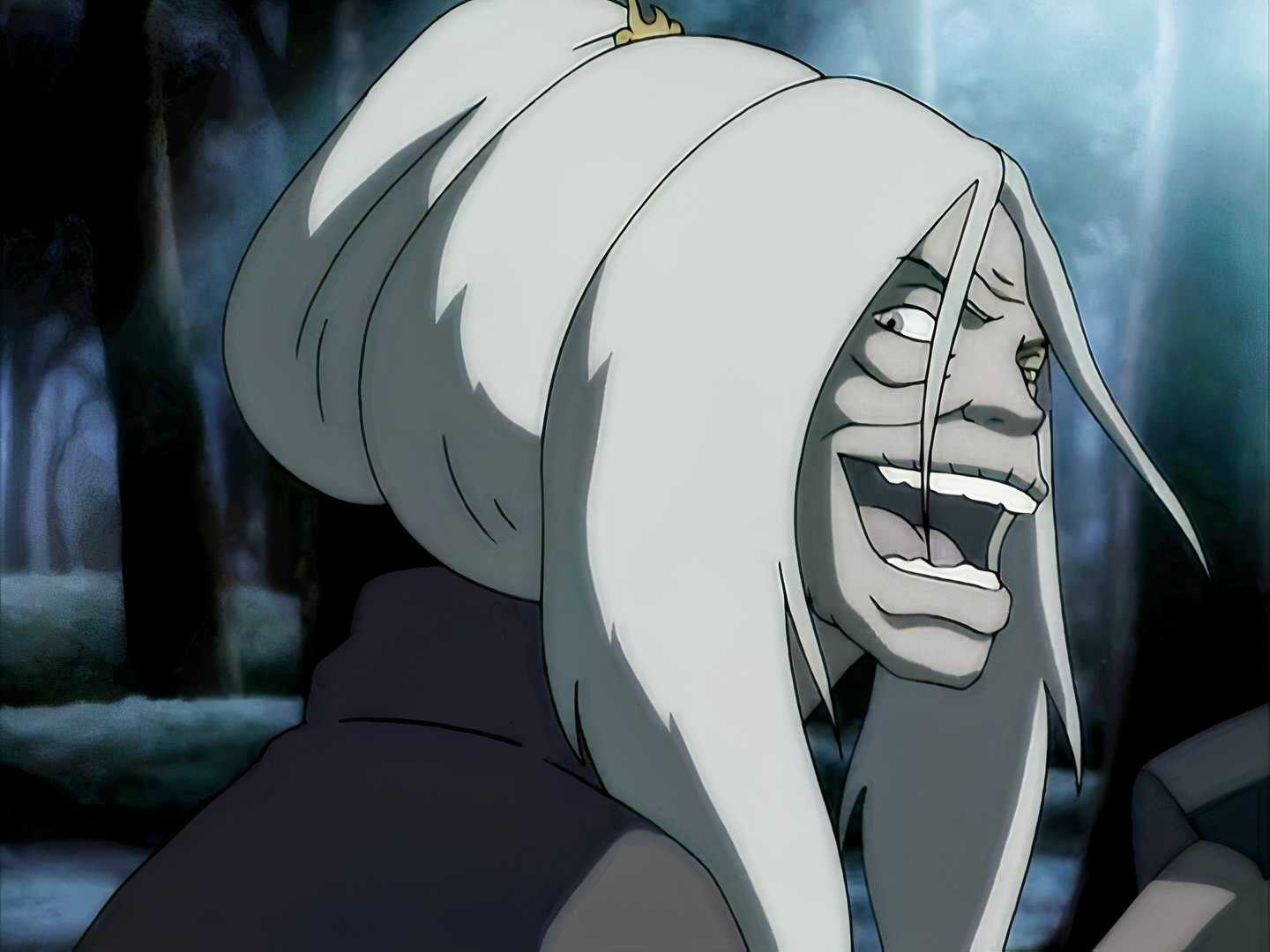
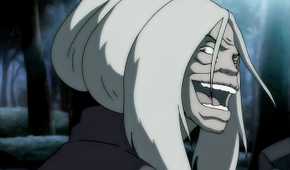
Hama seems creepy and suspicious, but she reveals that she is a waterbender from the Southern Water Tribe, just like Katara. The Fire Nation hunted and imprisoned most of the southern waterbenders, leaving Katara believing she was the only one left. Hama appears to be the mentor Katara has wanted for much of her life.
Hama teaches Katara to draw moisture from the air and extract water from plants. Her demonstration kills the fire lilies she uses. The lesson offers a practical answer to waterbenders’ most obvious problem, but it also shows how dangerous a waterbender can become when they can find water anywhere and have no qualms about where it comes from.
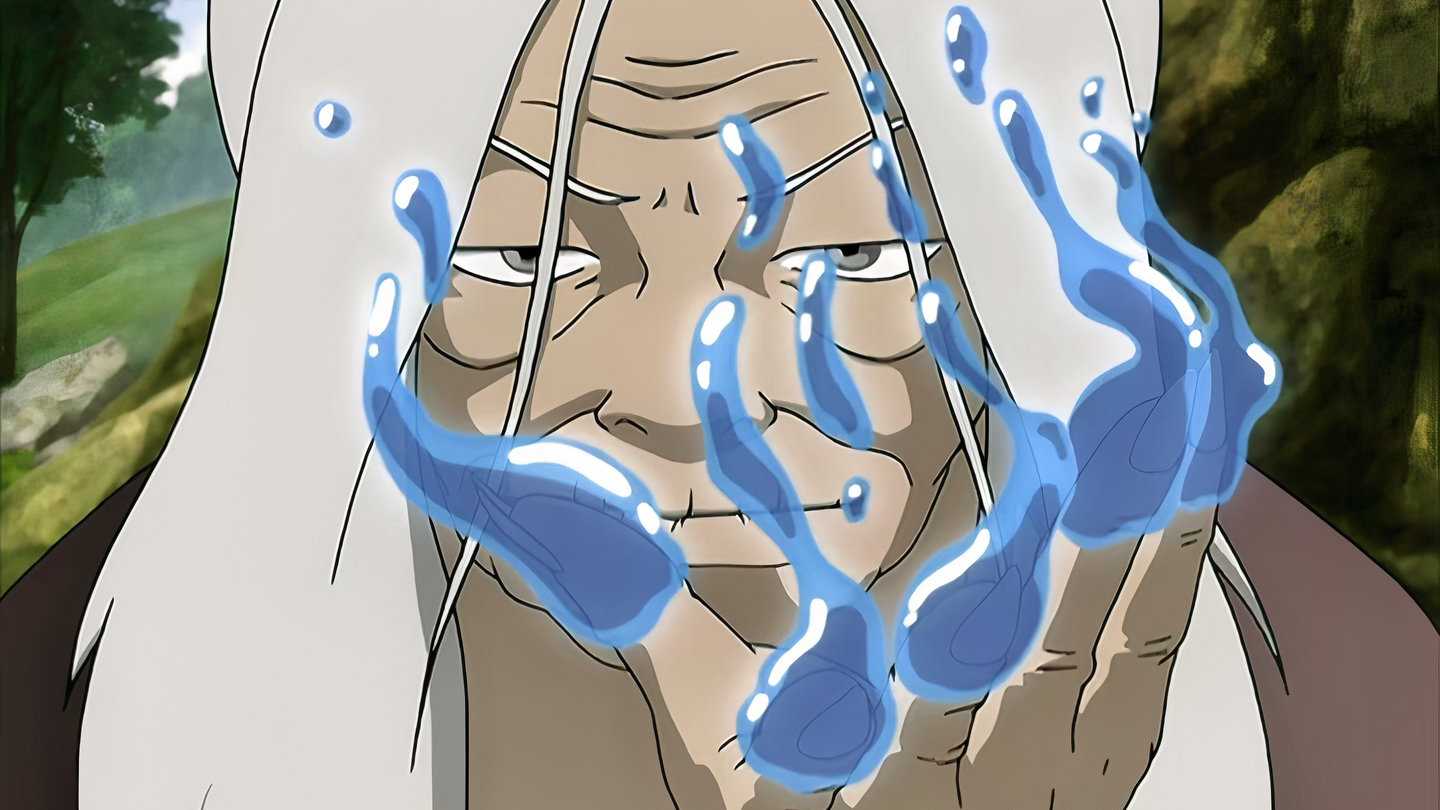
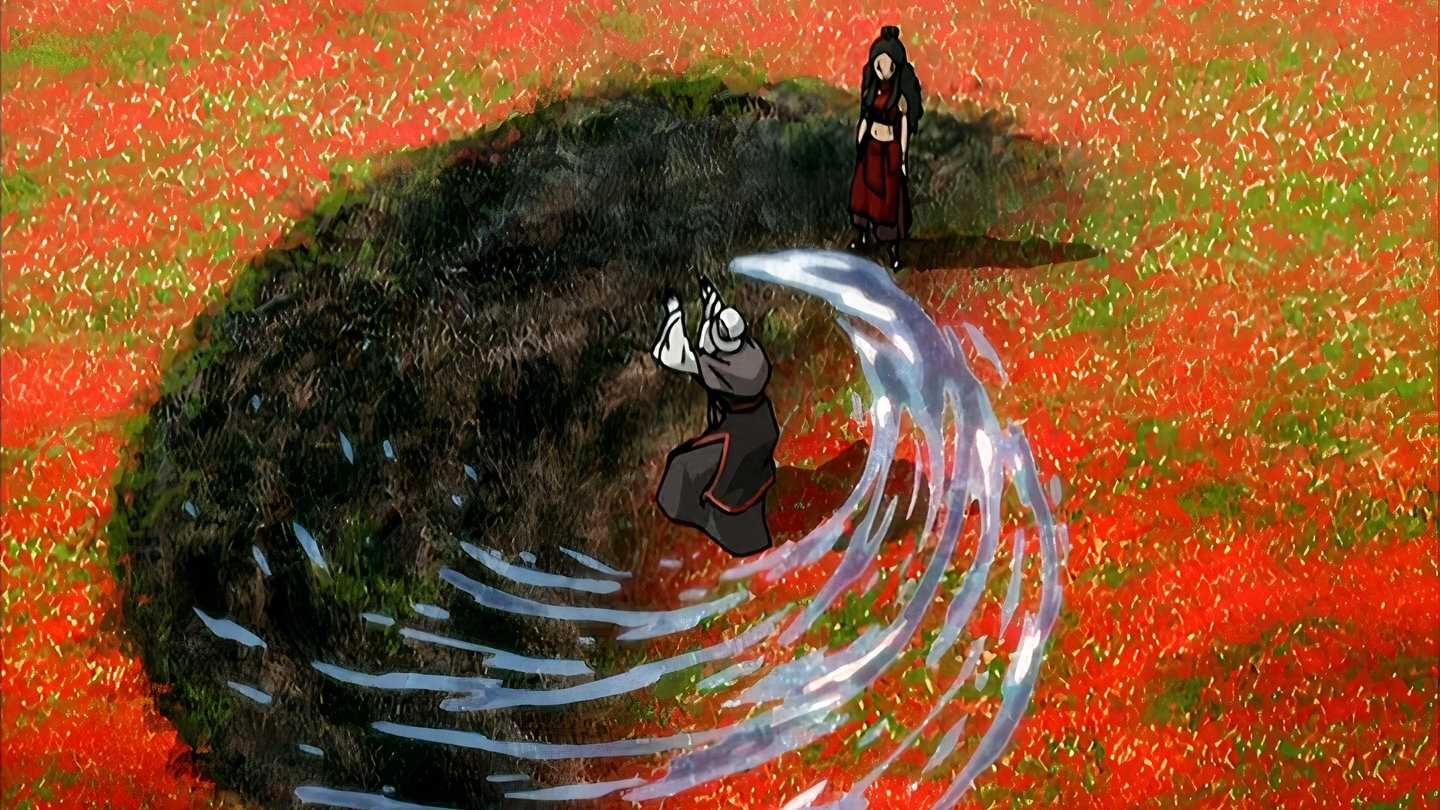
By then, Avatar had already shown that the limits of bending could be challenged. Lightning is an advanced form of firebending that few can perform. Late in Book 2, Toph escapes captivity by discovering that metal is not as separate from earth as people had assumed. These breakthroughs reward exceptional skill and a willingness to question conventional wisdom.
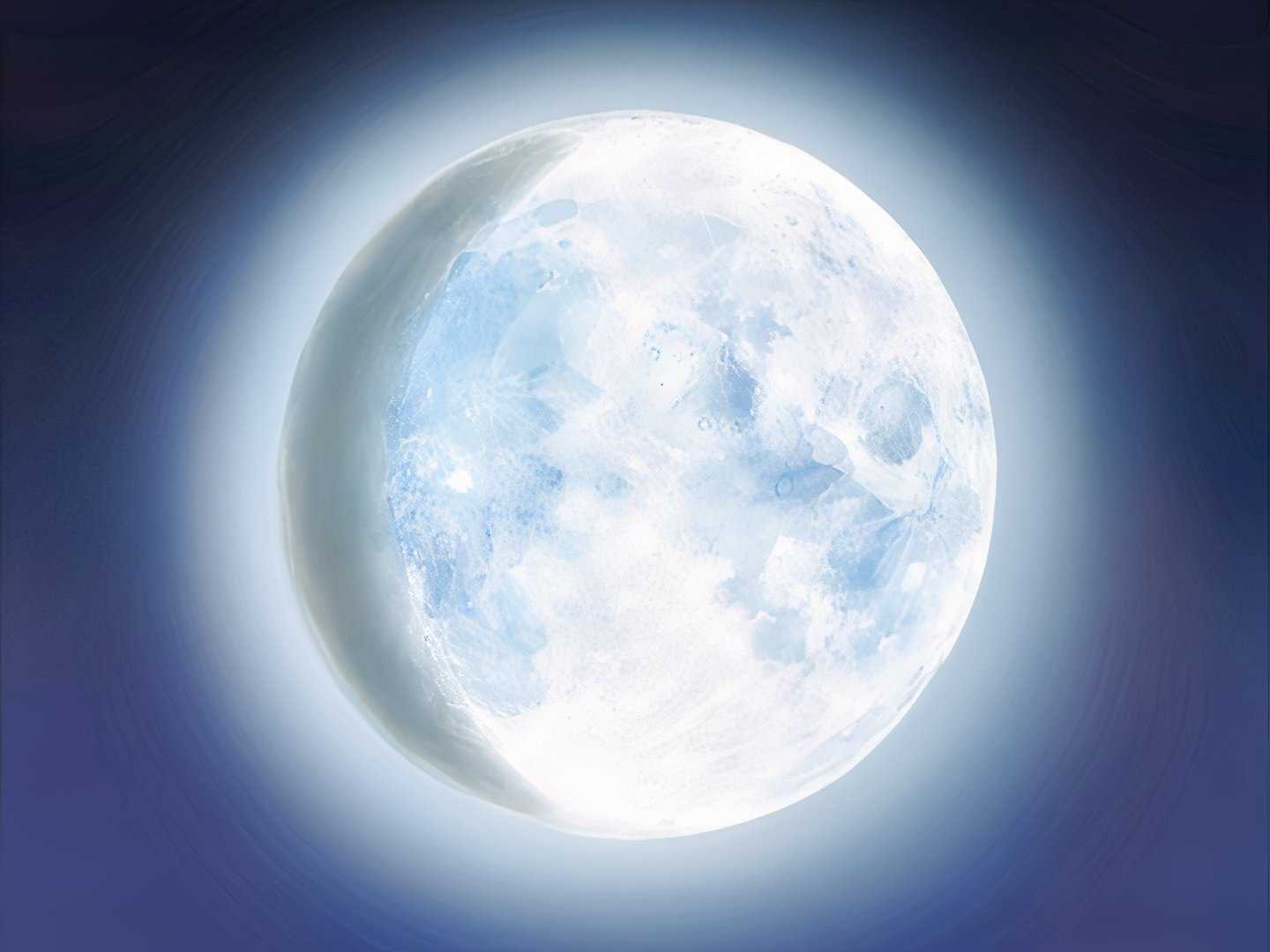
Season 1 also established that cosmic events can affect bending. Sozin’s Comet dramatically strengthens firebending once every 100 years. Like the tides, waterbending is influenced by the moon. Earth and air do not appear to receive a similar cosmic boost. Under the full moon, Hama takes the basic idea of manipulating water inside living things to its darkest extreme.
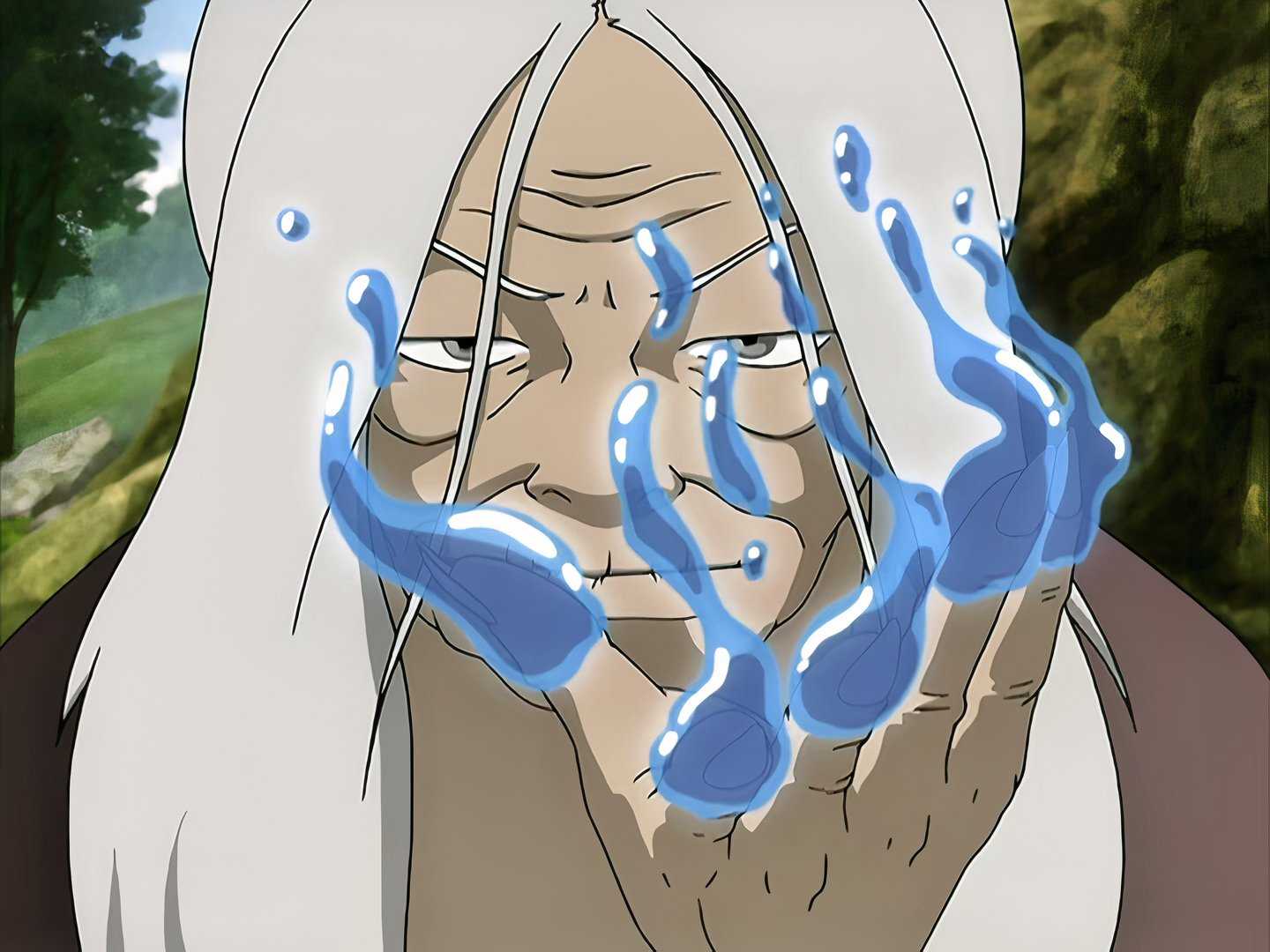
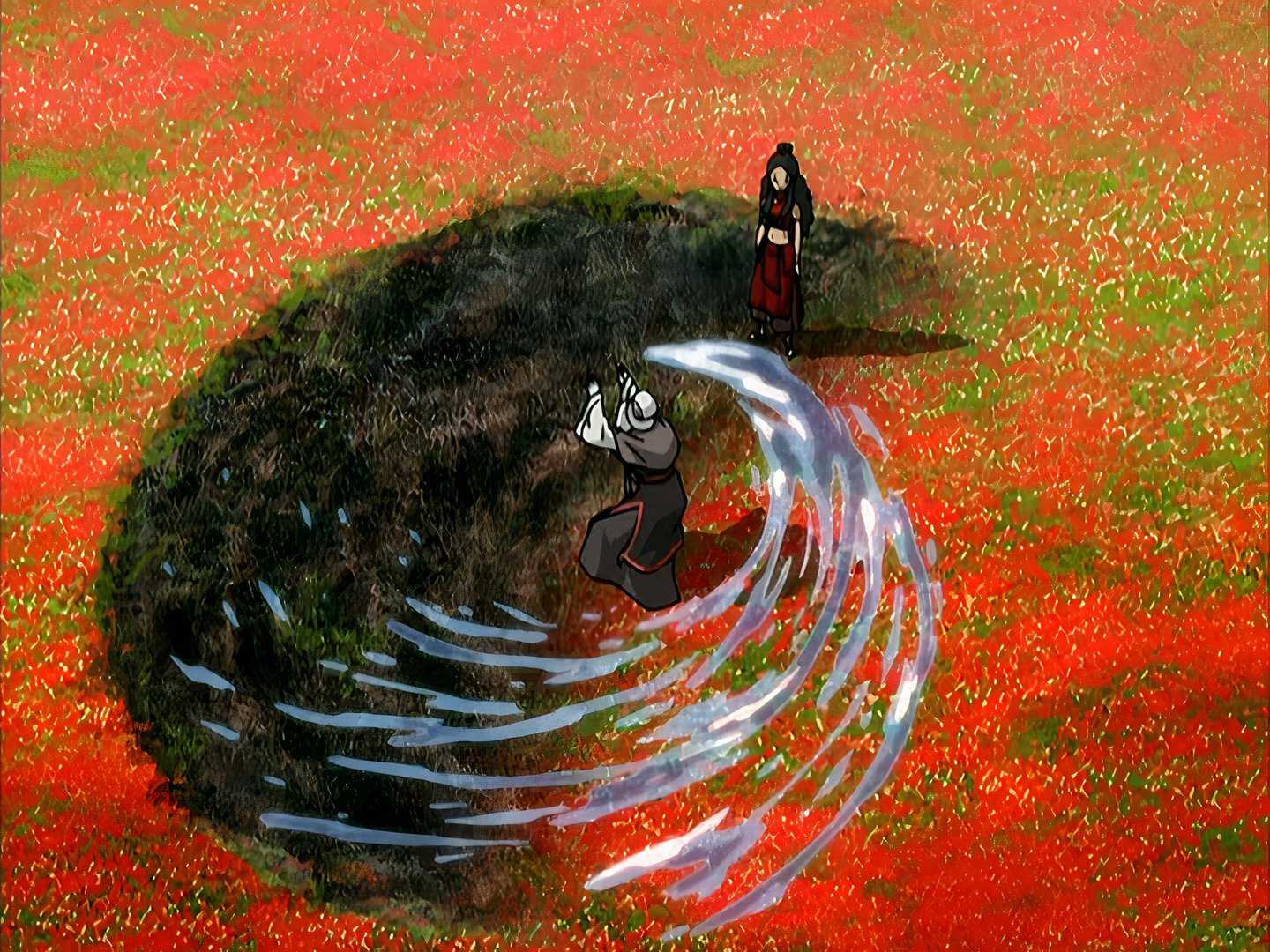
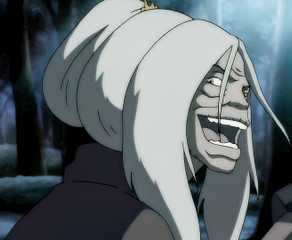
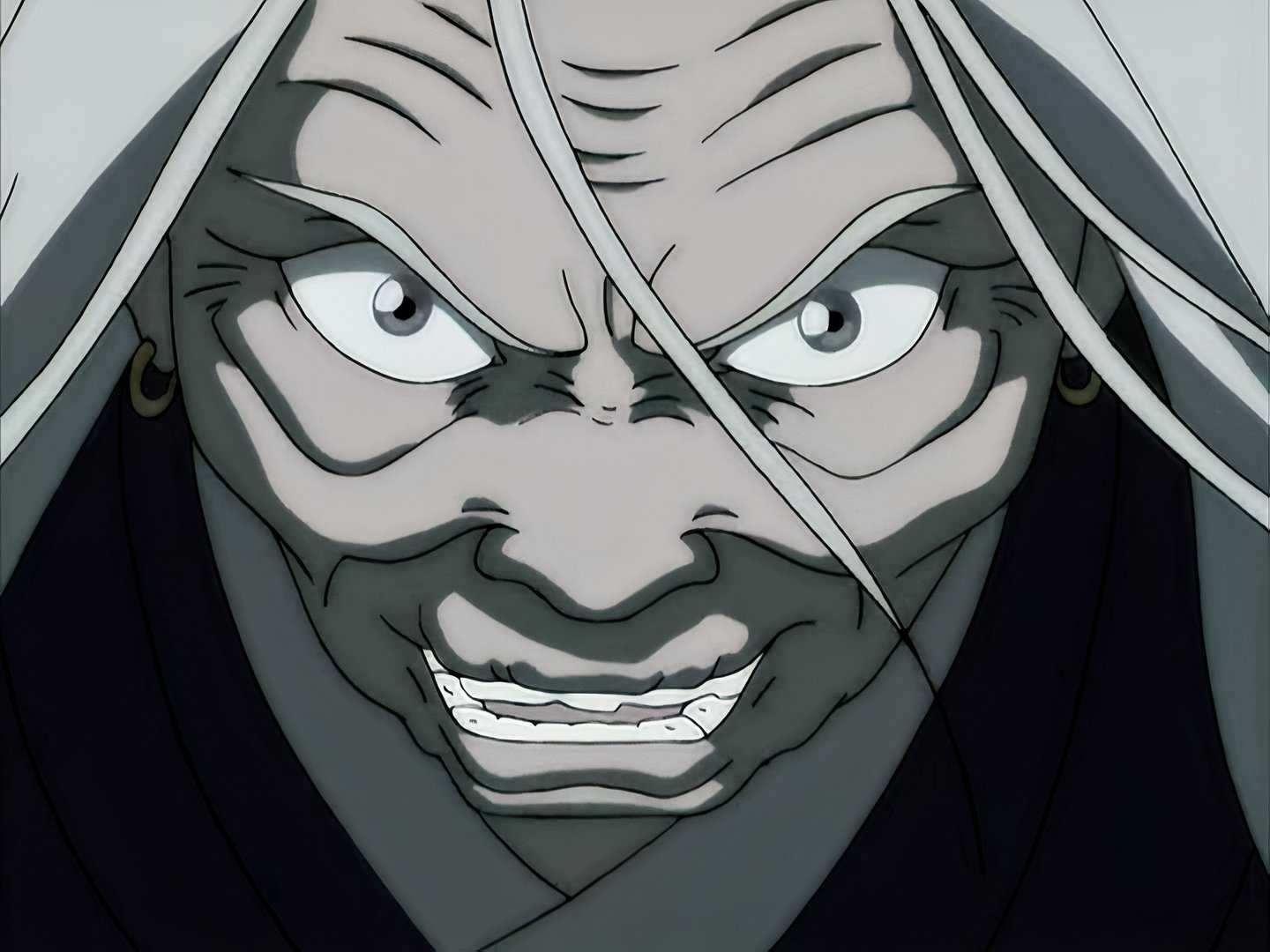
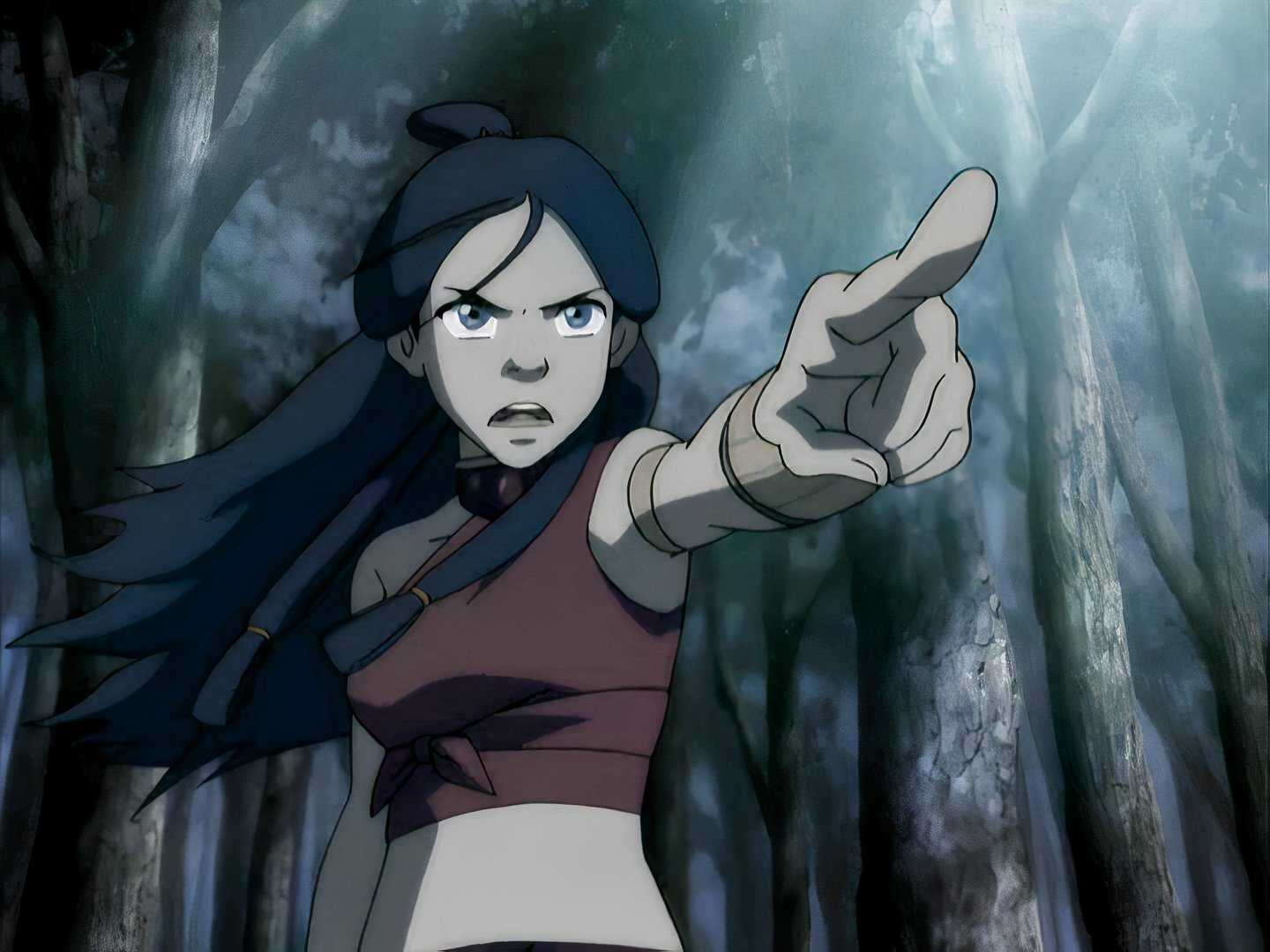
Hama reveals that the Fire Nation imprisoned her for years, leaving her with virtually no water. She eventually developed bloodbending, first practicing on rats in her cell before using the technique against her captors. Now she abducts people from the Fire Nation in revenge for years of torture. The Fire Nation nearly wiped out Water Tribe culture, and Hama believes the waterbenders have a shared responsibility to return the harm. Katara refuses to join her, setting off a fight in which both women draw water from their surroundings to keep battling.
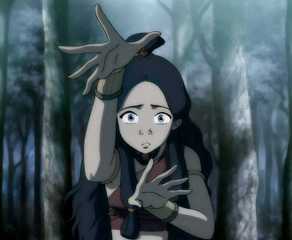
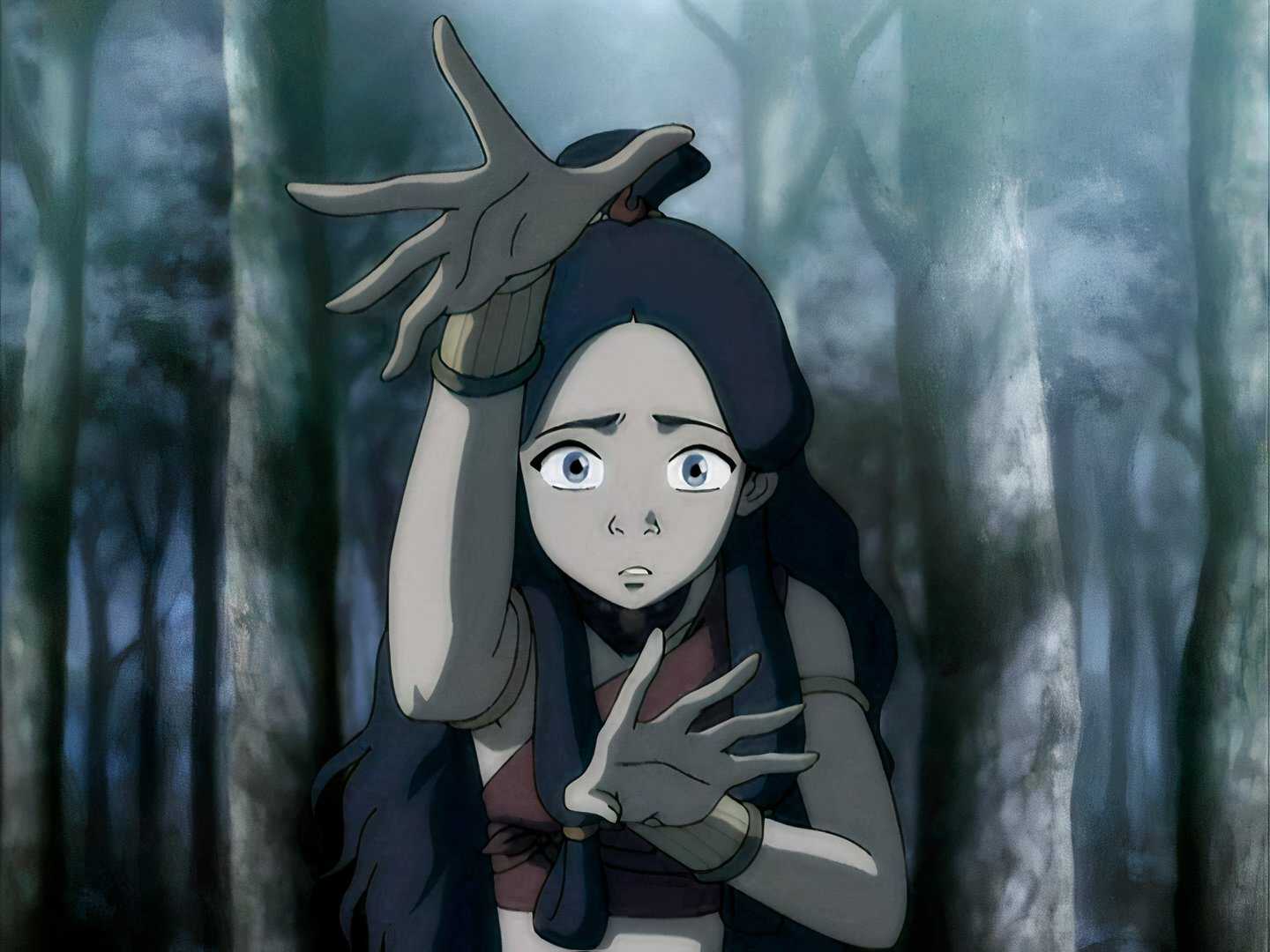
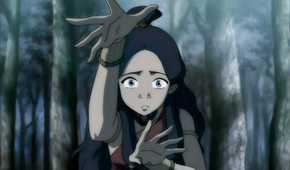
Katara resists Hama’s bloodbending, but Aang and Sokka arrive and are soon in grave danger. Desperate to save them, Katara uses bloodbending on Hama. Even with the full moon’s power, the technique demands tremendous skill. Katara’s feat establishes her as one of her generation’s greatest waterbenders, much as Toph’s discovery of metalbending established her mastery of earth.
The episode ends on a bleak note. Katara bursts into tears with regret while Hama cackles, delighted that her legacy will live on.

The Legend of Korra makes bloodbending everyone’s problem

Decades later, in the era of The Legend of Korra, advanced forms of bending are far more common. Republic City’s police force consists of master metalbenders. Firebenders generate lightning to supply the city with electricity. And one frightening crime family masters bloodbending beyond anything Hama could have imagined.
Book 1’s main villain is a masked revolutionary named Amon, who can take away a person’s bending. At first, his power seems similar to the energybending Aang uses on Ozai. The show eventually reveals that Amon is Noatak, a waterbender from the Northern Water Tribe. He and his brother inherited psychic bloodbending, which lets them control someone’s blood without a full moon or hand gestures. Noatak developed the technique further, finding a way to sever a person’s internal energy paths and remove their bending.
Near the end of the season, the story reveals that Noatak’s father, Yakone, was a deadly crime boss who hid his powers for years. After authorities sentenced him to life in prison, Yakone used bloodbending to subdue Sokka, Toph, and even Aang. In the confrontation that followed, Aang used the Avatar State to overpower Yakone and take away his bending.
Yakone later had two sons, Noatak and Tarrlok, and forced them to practice bloodbending on animals and eventually on each other. Like Hama, he treats the younger generation’s potential as a tool for revenge. As adults, Noatak takes the name Amon and leads an insurrection. Tarrlok secretly infiltrates Republic City’s leadership and eventually becomes chairman of the United Republic Council. The brothers do not work together, and Amon eventually takes Tarrlok’s bending away. Still, both use bloodbending to pursue their father’s vengeance in different ways.
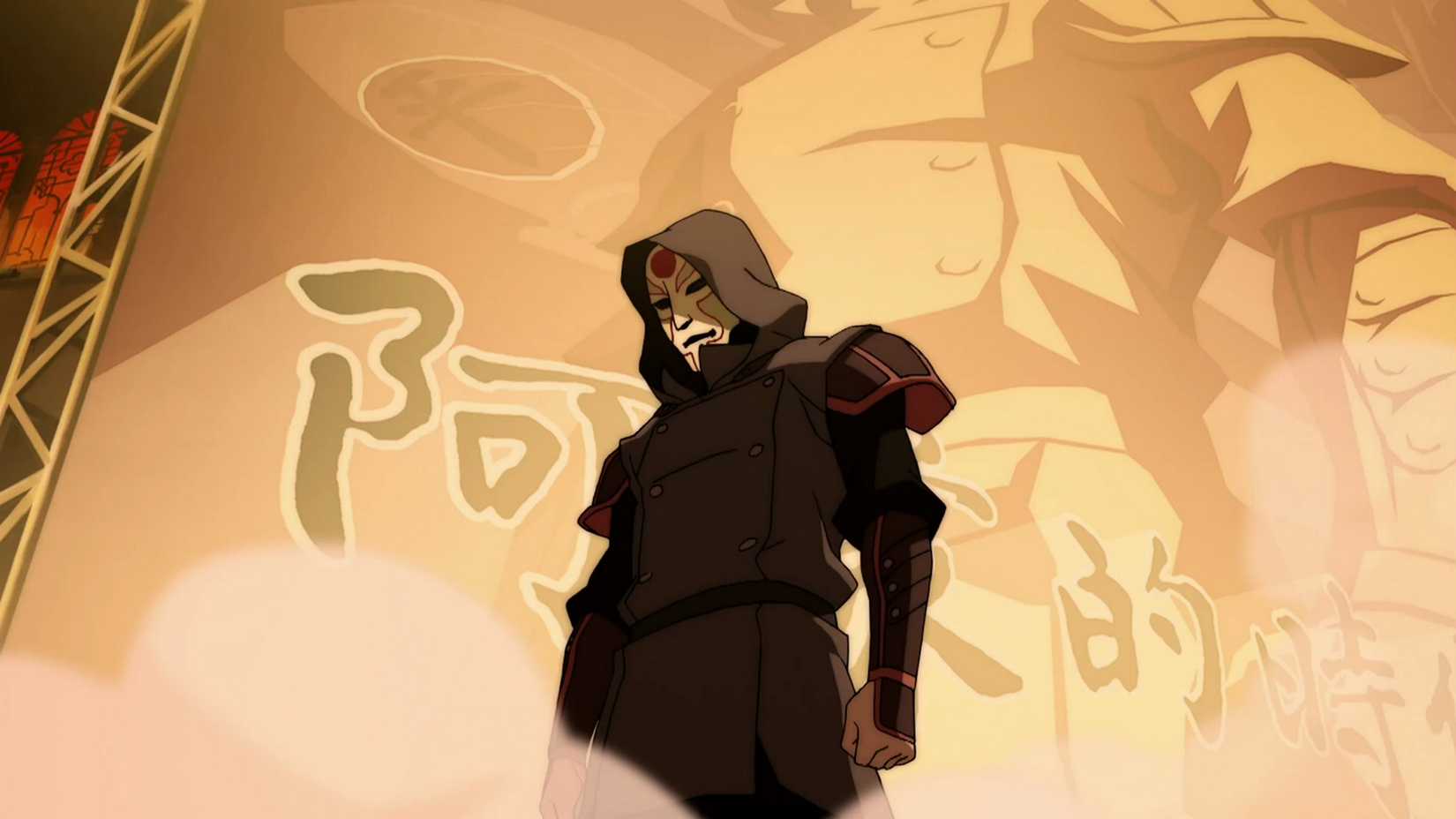
After Amon takes Korra’s water, earth, and firebending, Katara tries to restore them through healing. Decades after Hama forced bloodbending into Katara’s life, Katara faces the worst damage the technique can cause. The first season ends on a more uplifting note: Korra connects with her past selves, and Aang fully restores her bending. Even so, seeing the Avatar nearly powerless because of an obscure extension of bloodbending remains one of the series’ boldest and most frightening choices.
All of this begins with an observation by a tortured old woman: Water exists inside living things. An element usually associated with healing becomes a means of domination. Nineteen years later, Katara’s reaction still unsettles me more than the technique itself. We are used to cheering when heroes gain a new power. Bloodbending is frightening enough to make you want to cry.
Source: Polygon
Related articles
 Cyberpunk 2077 Gets Fan-Made Multiplayer With RP Servers
 Sony Begins Adding PlayStation Exclusive Labels to Games as Players Cite Fan-Made PC Ports and Emulators
 Blizzard to Mark Diablo Franchise’s 30th Anniversary With ‘Legacy of Terror’ Event Featuring Diablo Clones in Diablo II: Resurrected
 Kojima Celebrates Death Stranding’s 7th Anniversary and Reveals Player Count
 World of Warcraft: Forever Sets Record for Biggest WoW Launch by Concurrent Players
 Mass Effect Fans Park Truck Outside EA Headquarters, Calling for Franchise to Be Saved
 Modder Combines Fallout 3, Fallout: New Vegas, and Fallout 4 Into One Game With Multiplayer
 Forget a Tears of the Kingdom Sequel: Nintendo Wants to Surprise Zelda Fans