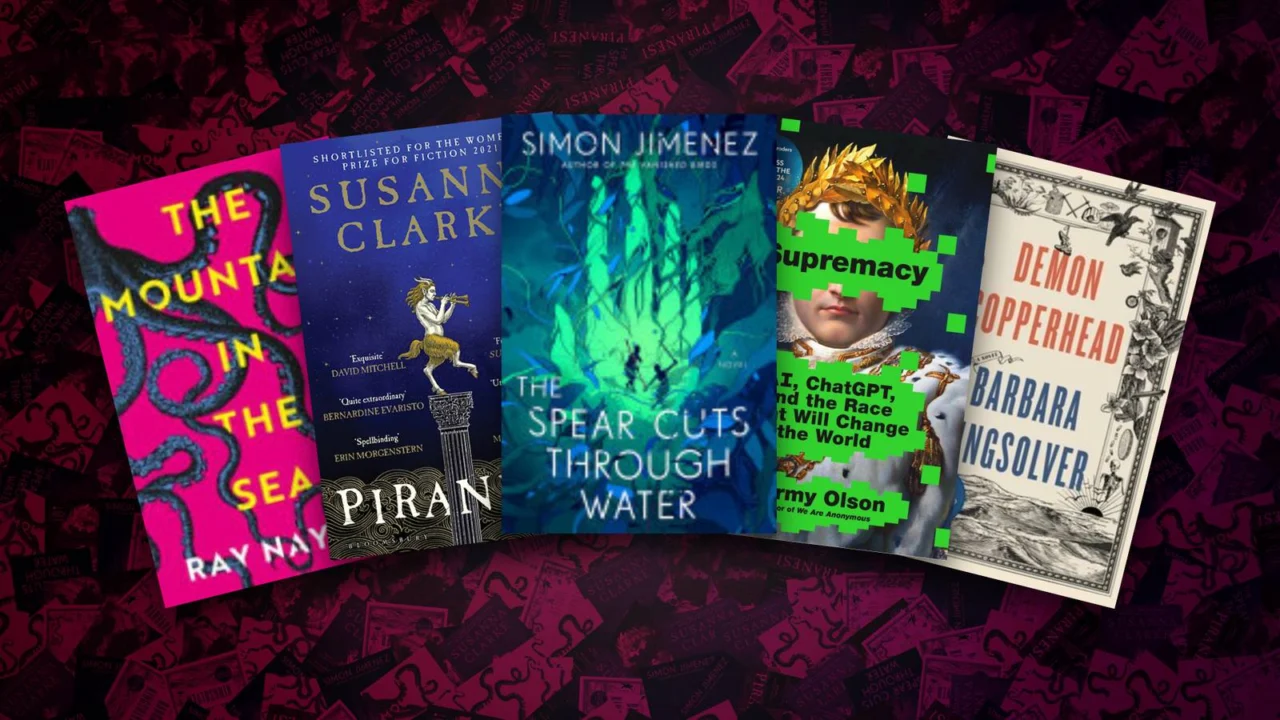
Polygon Ranks the 10 Best Books Released Since 2020
The 2020s have been exhausting, and the decade is only a little more than halfway done. A fracturing society and an increasingly surreal reality have made life feel chaotic, and the literature of the era reflects it. The last six years brought rolling global quarantines, algorithmic doomscrolling and the kind of unchecked AI acceleration that used to live in the prologue of a Ghost in the Shell story. The real world has grown smaller, meaner and more unhinged. The sprawling epics of the 2010s no longer cut it.
Narrowing the field to the 10 best books released since 2020 meant leaving some exceptional writing behind. This list favors books that take big swings and linger after the final page. They range from metaphysical horror in the trenches of World War I to sharp reimaginings of American mythology and investigative journalism that reads like a thriller.
10. Demon Copperhead, by Barbara Kingsolver (2022)
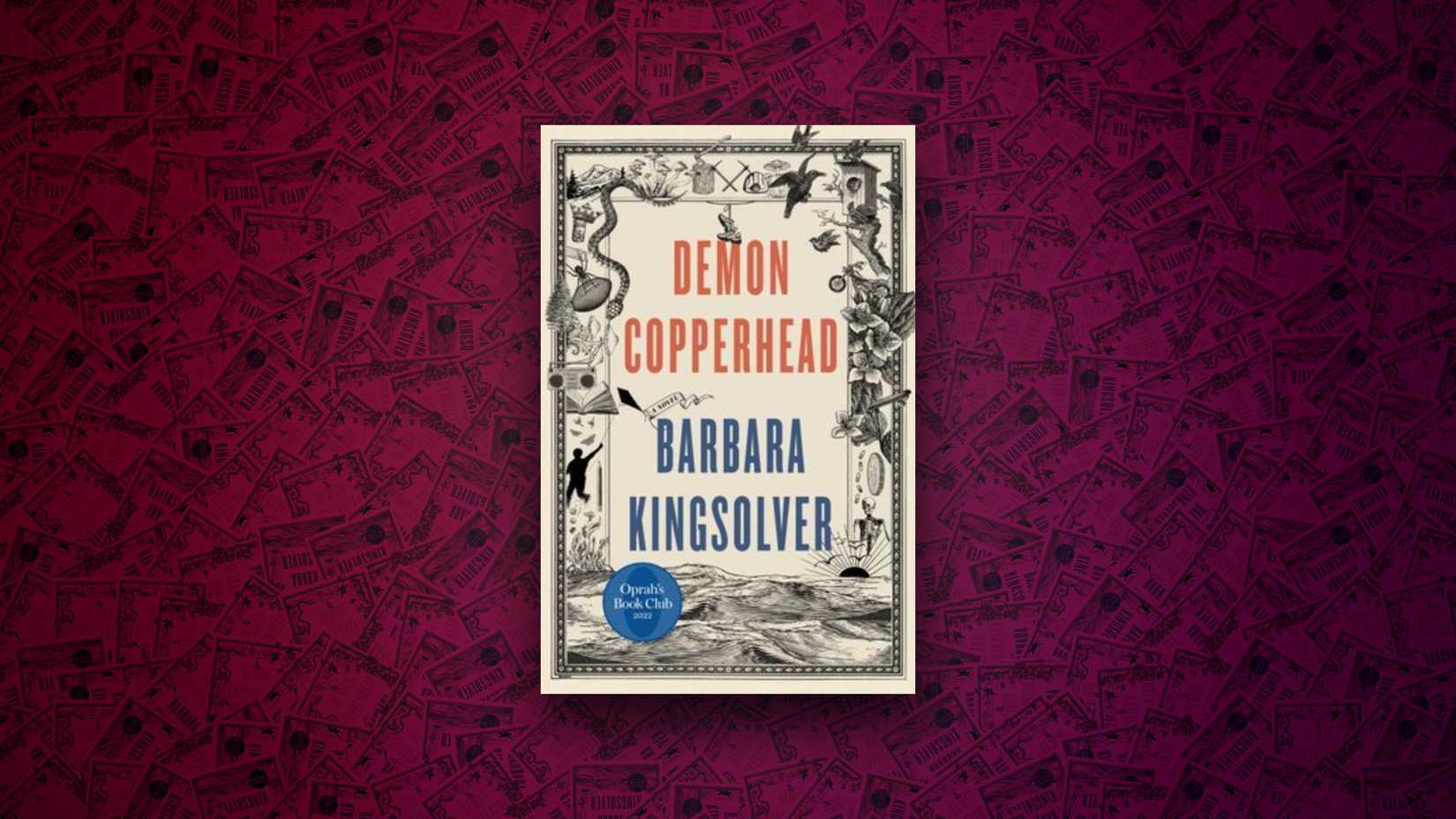
Updating Charles Dickens for the modern era usually produces cheap gimmicks. Barbara Kingsolver’s move of David Copperfield to modern-day Appalachia is a staggering achievement. Demon Copperhead drops its protagonist into the foster care system, rural poverty and ground zero of the opioid epidemic. The novel lives and dies on Demon’s voice.
Kingsolver refuses to write poverty porn. She gives Demon a sharp, observational wit that cuts through the systemic failures around him. The book is heavy and bruising, and it pairs well with Patrick Radden Keefe’s nonfiction opioid chronicle Empire of Pain, which shows the fallout of corporate greed. Despite the bleak subject matter, the narrative momentum never stalls. Demon Copperhead is a sweeping epic that justifies its own ambition and delivers one of the most resilient protagonists in recent American fiction.
9. The Wager, by David Grann (2023)
David Grann is a master at turning historical archives into page-turners, and The Wager is one of his best. The book tracks the catastrophic 1741 voyage of a British naval vessel chasing a Spanish galleon. It ends in a shipwreck off the desolate coast of Patagonia. The early chapters are a brutal maritime survival story, full of scurvy and starvation in the vein of The Terror. Then the book turns into a tense psychological thriller about mutiny and the collapse of authority.
Grann does his best work in the back half. The survivors make it back to England and present conflicting accounts of what happened on the island, each hoping to avoid the gallows. The result is a fascinating look at how history gets constructed and weaponized by the victors. The pacing is relentless. It reads like an intense survival game in which every alliance is temporary and the environment is actively trying to kill everyone.
8. The Mountain in the Sea, by Ray Nayler (2022)
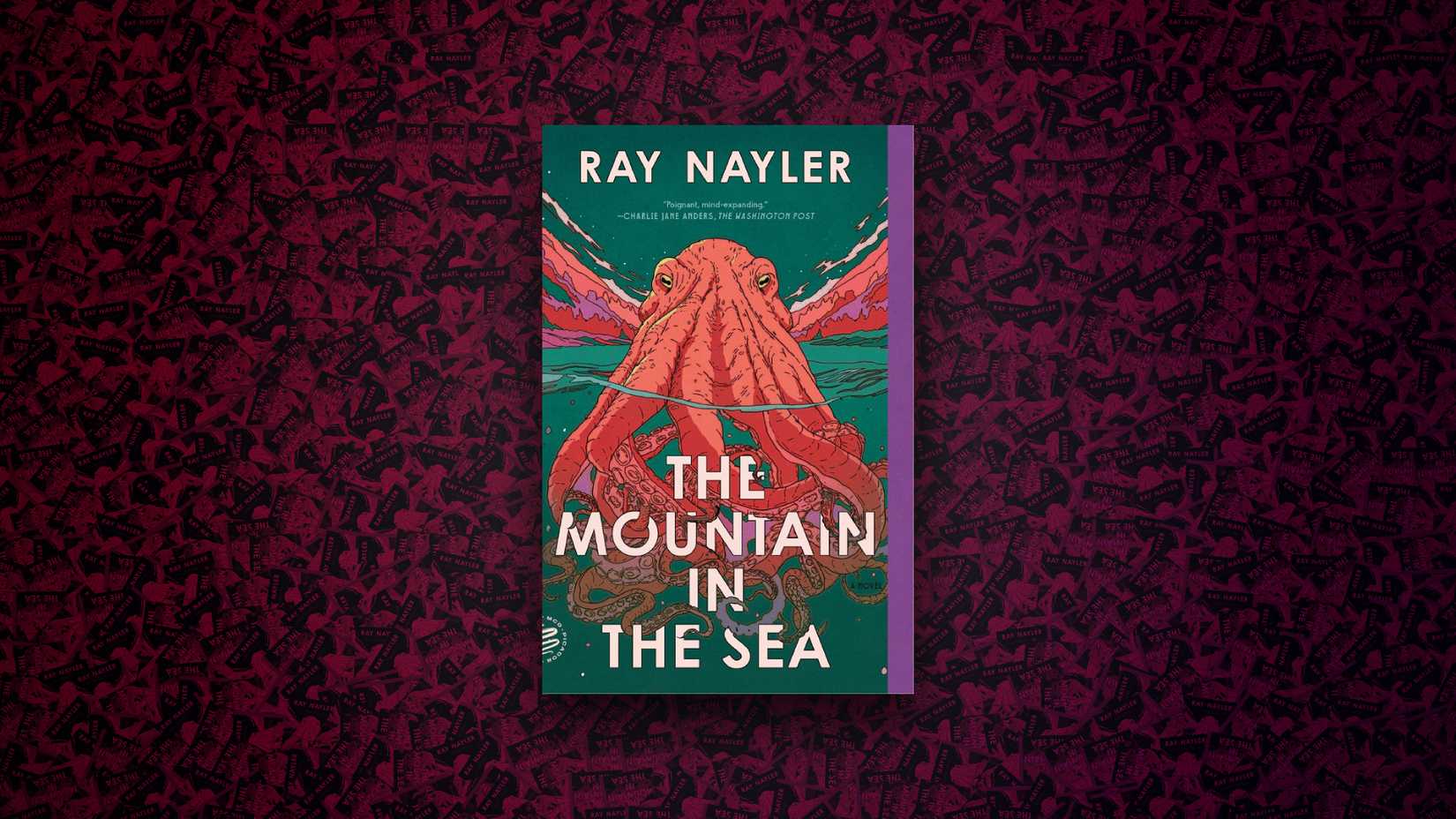
The idea that we know more about space than we do about the ocean is hyperbole. Still, Ray Nayler’s first-contact thriller taps into that mystery by ignoring the stars and focusing on the sea. A shadowy tech corporation locks down an archipelago off the coast of Vietnam. A marine biologist arrives to study a hyper-intelligent species of octopus that has developed its own language and culture.
Nayler uses that setup to build a tense narrative about the nature of consciousness. He balances the octopus research with subplots about a hacker navigating neural-interface slavery and the world’s first autonomous AI. It’s hard sci-fi that refuses to sacrifice pacing for philosophy, and it explores how corporate power will try to monetize and destroy any intelligence it can’t control. Readers who like the dense, system-driven storytelling of an Armored Core narrative or classic cyberpunk in the vein of Blade Runner will find the same analytical precision here, applied to bio-ethics and tech monopolies.
7. Tomorrow, and Tomorrow, and Tomorrow, by Gabrielle Zevin (2022)
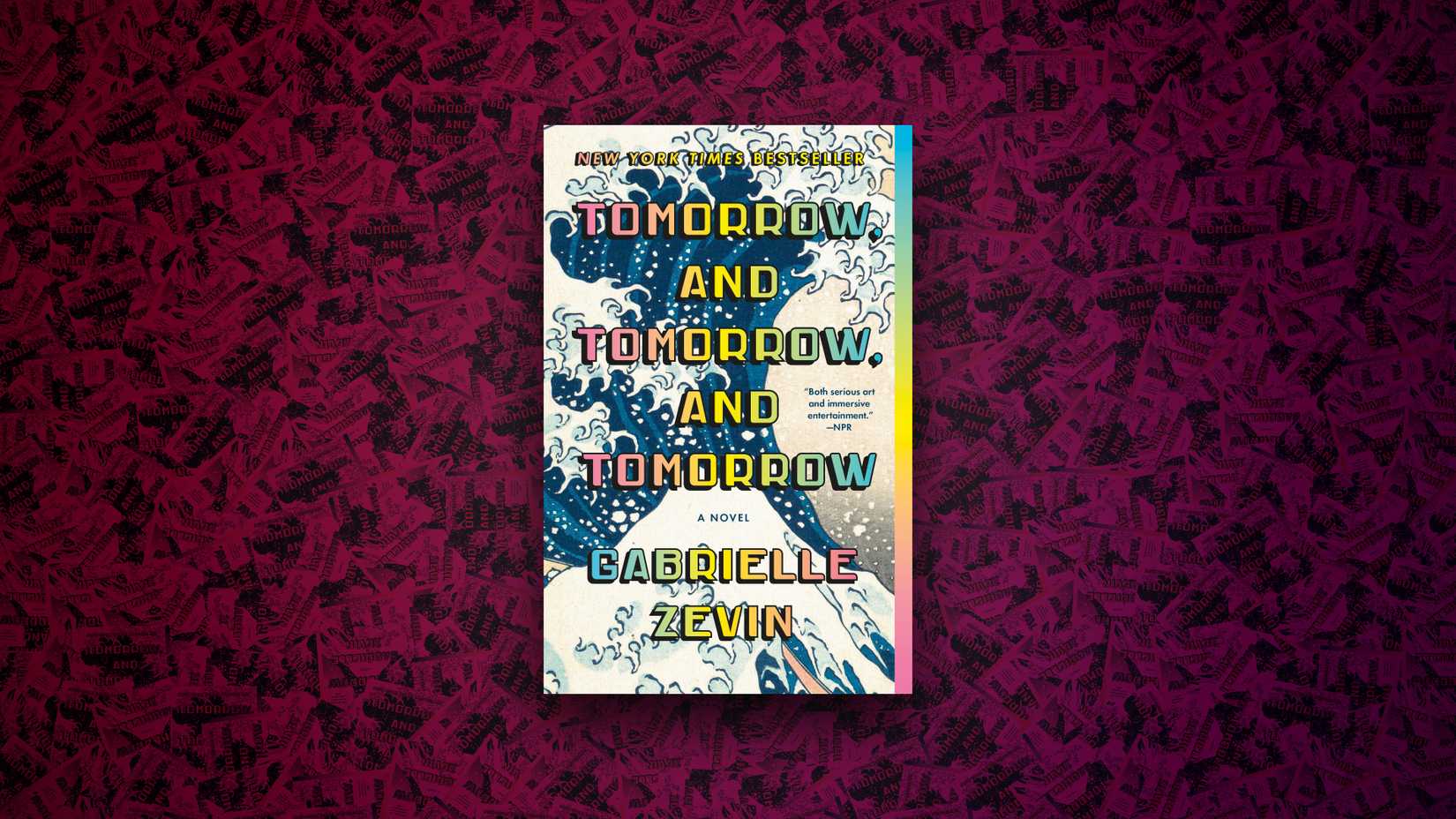
Anyone who has tracked a video game’s development cycle knows the brutal, unglamorous grind of shaping digital worlds. Gabrielle Zevin captures the romance of that collaborative process in sweeping detail. Tomorrow, and Tomorrow, and Tomorrow follows two childhood friends who create a massive indie hit in the late ’90s. It then spans decades of their fraught, codependent creative partnership.
Zevin treats game design as a profound artistic medium. She nails the engine limitations, the crunch culture, the friction of sudden industry fame and the intimacy of communicating through code and level design. The story is about ambition and shared grief, and it understands how digital spaces can become sanctuaries when the real world collapses. You don’t need to care about polygon counts or game mechanics to get wrecked by this book. If you do, the authenticity of the dev cycles makes the emotional gut-punches hit twice as hard.
6. Supremacy, by Parmy Olson (2024)
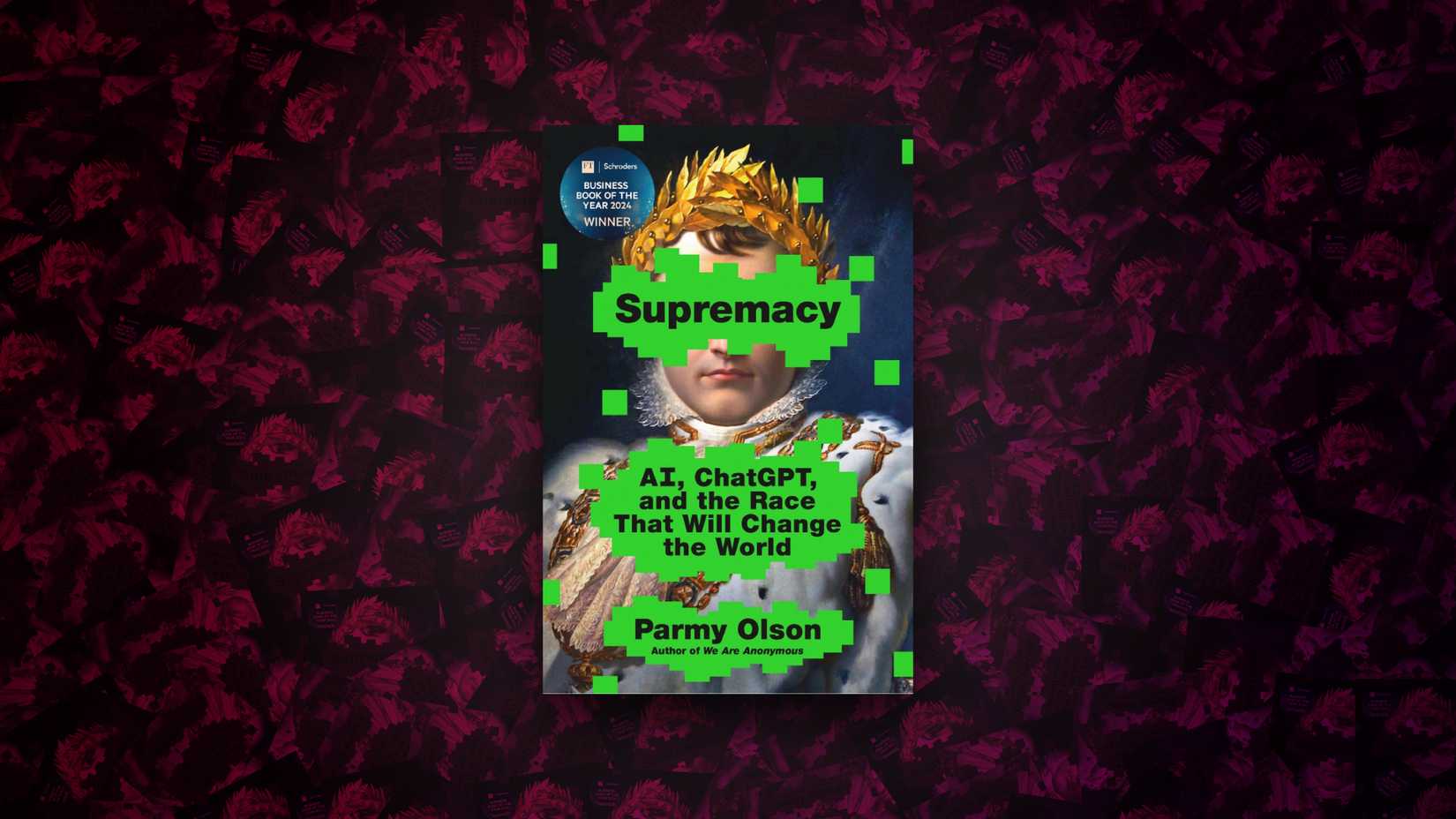
We’re living through the wildest technological land grab since the dawn of the internet. Parmy Olson captured the definitive timeline of its rise while the ink was still drying. Supremacy: AI, ChatGPT, and the Race That Will Change the World frames the race for Artificial General Intelligence between OpenAI and Google’s DeepMind as a cutthroat corporate thriller. Olson strips away the messianic Silicon Valley PR and focuses on the boardroom knife-fights over compute power, talent and ethical guardrails.
The existential stakes of AI once belonged mostly to anime like Ghost in the Shell or Serial Experiments Lain. Now they play out in real time, driven by venture capital and unchecked ego. Olson’s book is a phenomenal piece of tech journalism that never gets bogged down in code. It zeroes in on the flawed architects building systems they barely understand. Like Karen Hao’s Empire of AI and Stephen Witt’s The Thinking Machine, Supremacy is required reading for understanding the powers reshaping the digital landscape.
5. Empire of Pain, by Patrick Radden Keefe (2021)
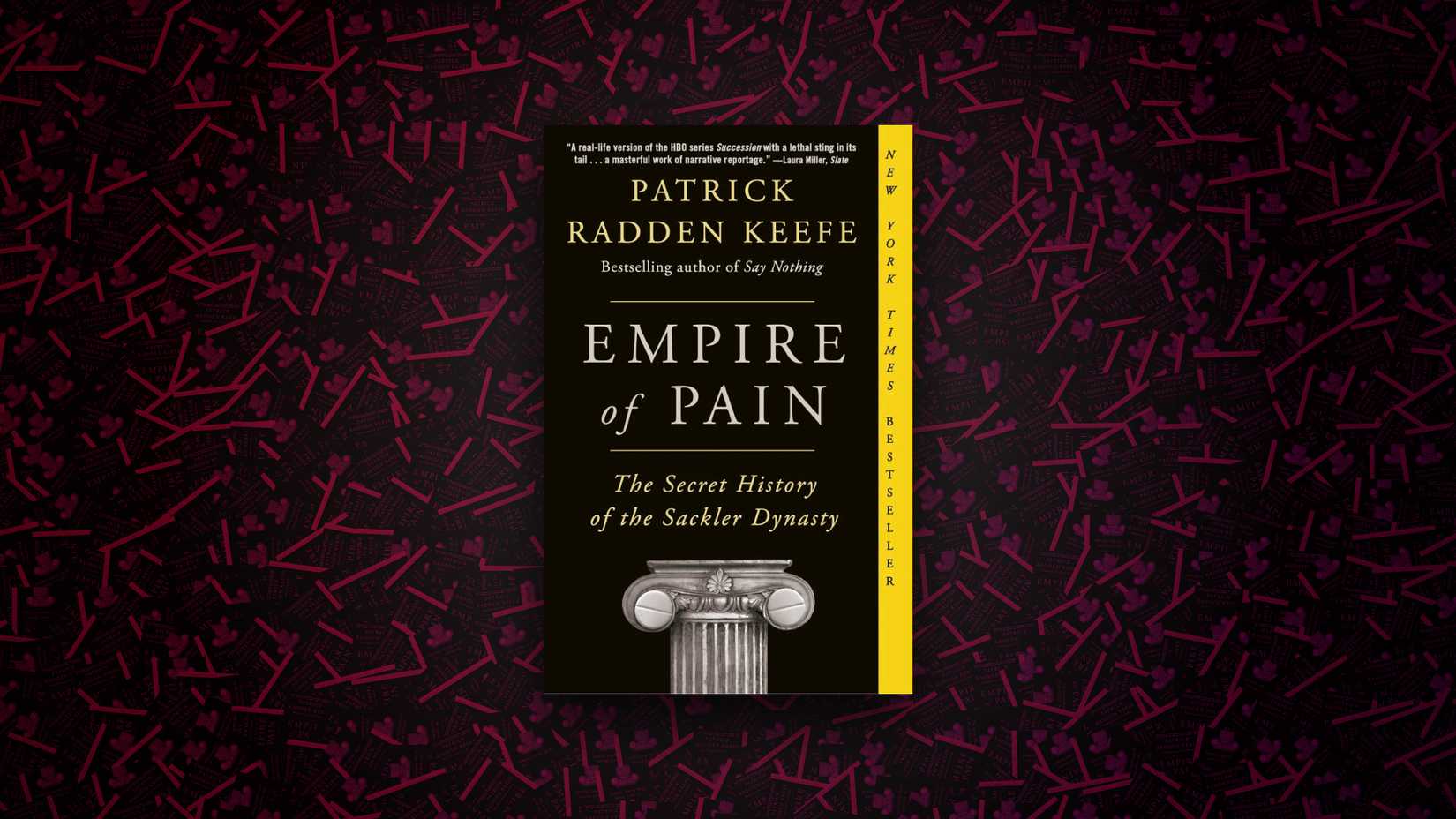
Empire of Pain takes apart the Sackler family dynasty. It traces how a fiercely secretive family engineered the OxyContin crisis and shielded itself behind museum wings and philanthropic branding. Patrick Radden Keefe lays out the corporate malfeasance, the regulatory capture at the FDA and the ruthless marketing tactics with infuriating clarity.
Keefe gives his investigative journalism the pacing and structural tension of a prestige crime drama. It reads with the momentum of a cartel thriller and shows how elite wealth buys immunity and shapes public perception. Fans of procedural breakdowns of systems, like those in The Wire or Tokyo Vice, will recognize the approach. Keefe delivers a meticulously researched indictment of modern American capitalism and the role the pharmaceutical industry plays in it.
4. Piranesi, by Susanna Clarke (2020)
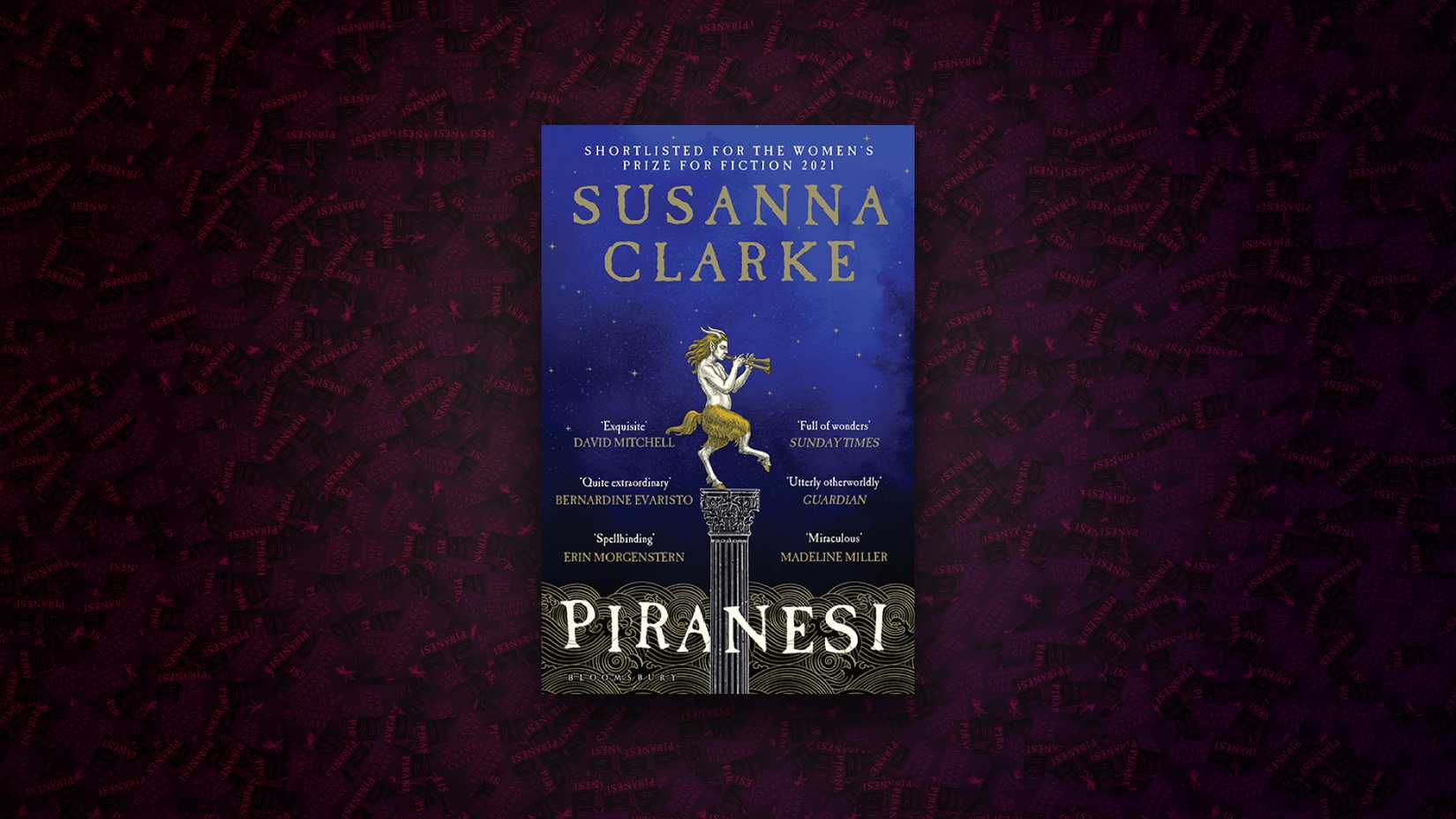
Piranesi has a quiet melancholy you rarely find outside meditative video games or slow-burn cinema. Susanna Clarke builds that atmosphere by stranding her title character in an infinite, labyrinthine House. It holds thousands of marble statues and lower halls flooded by trapped oceans. Piranesi charts the tides, catches fish and speaks to the dead, entirely content in his isolation. Then the central mystery kicks in and the outside world bleeds through, and the novel becomes a gripping thriller.
Atmosphere is the real draw. The novel leans heavily on the aesthetic concept of Ma, or finding meaning in negative space, silence and quiet reflection. It’s a masterclass in worldbuilding through limitation. Clarke traps you in an impossible environment and forces you to learn its architecture, so the eventual revelations feel as profound as they are devastating. If you like liminality, Mark Z. Danielewski’s House of Leaves or Kane Parsons’ Backrooms, Piranesi is a must-read.
3. The Spear Cuts Through Water, by Simon Jimenez (2022)
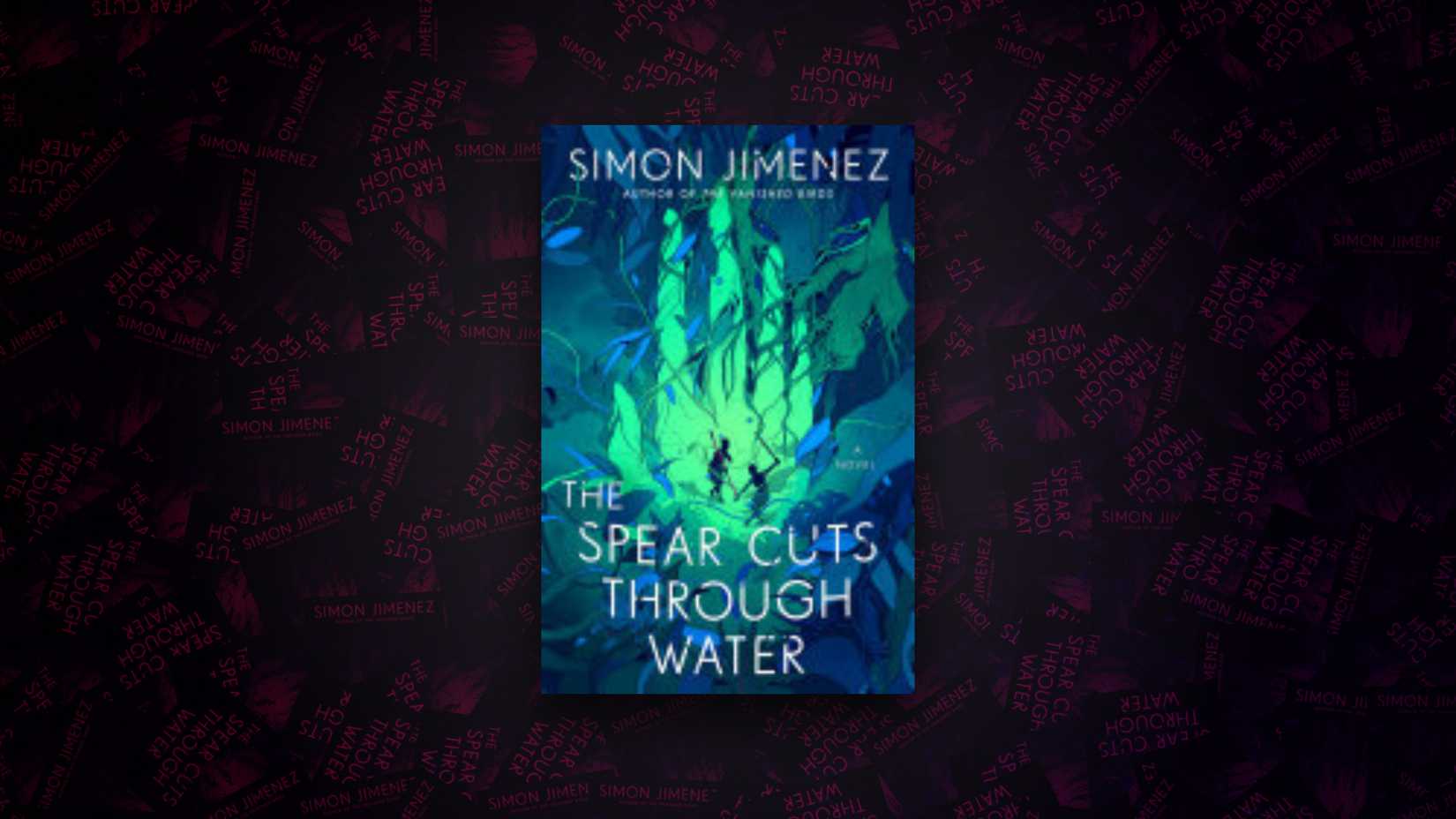
Most epic fantasy plays it safe with form, sticking to standard third-person perspective and royal bloodlines. Simon Jimenez burned that playbook down with The Spear Cuts Through Water. The story follows two warriors escorting an escaped moon goddess across a dying empire. Jimenez layers the perspective like theatrical staging and shifts between first, second and third person. A Greek chorus of ancestral ghosts supplies running commentary.
The prose has a kinetic, fluid momentum that makes the action sequences read like high-end animation storyboards. It’s an ambitious swing that reinvents the structure of mythic fantasy on the page. The book demands your full attention and rewards it with the most formally inventive genre fiction of the decade.
2. James, by Percival Everett (2024)
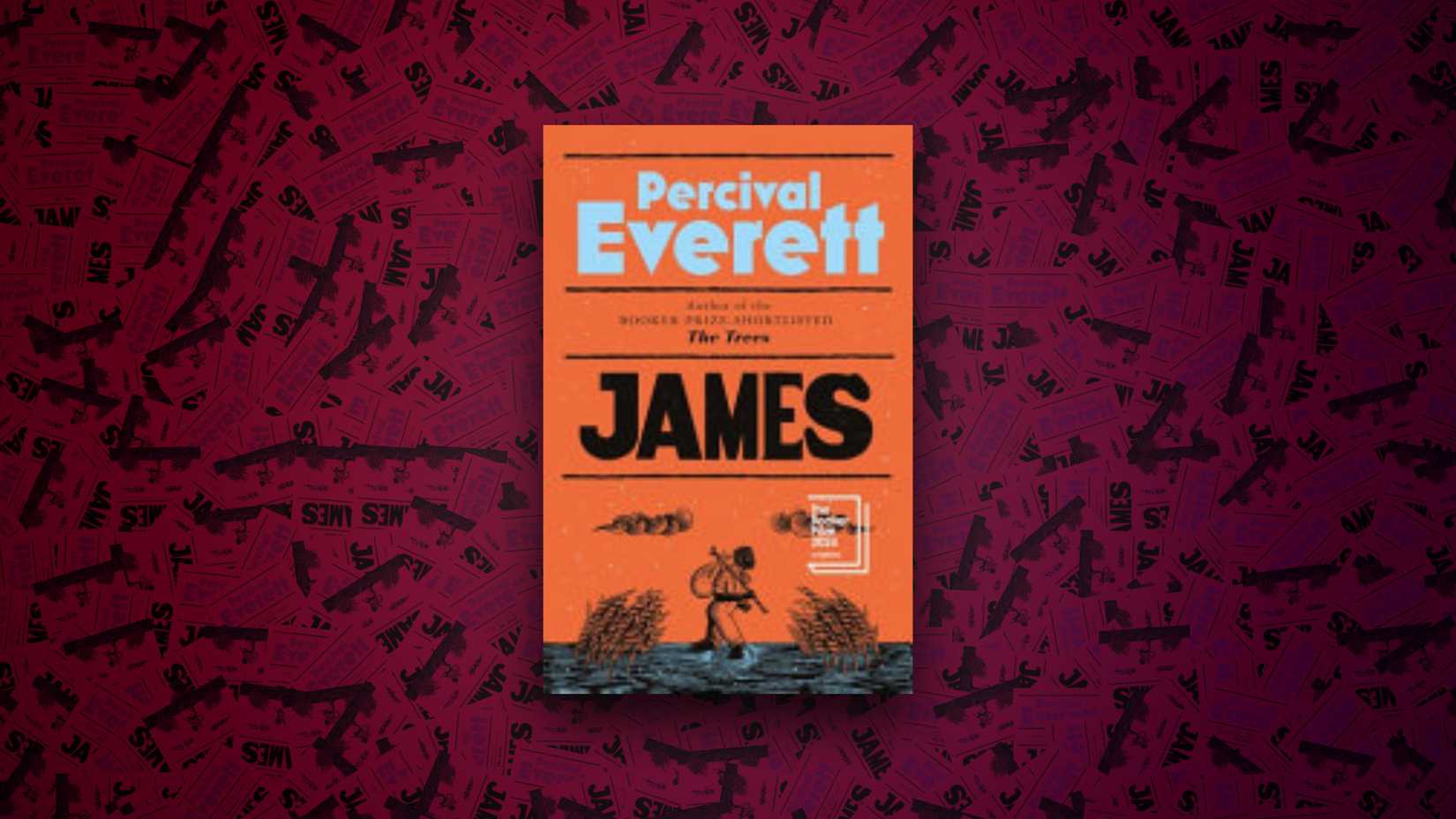
Taking a foundational text of American literature and turning it inside out is a flex, but Percival Everett makes it look effortless. James re-centers Adventures of Huckleberry Finn on Jim. It strips away the docile caricature of the 1884 text and reveals a calculating strategist who weaponizes dialect to survive. The result is a subversive masterpiece. Everett dismantles the original’s mythology by giving Jim intelligence and agency.
The enslaved characters code-switch, speaking in dialect only when white characters are listening. That narrative mechanic changes the context of Twain’s world. The book is hilarious, brutal and relentlessly smart. Reading James feels like watching a master editor take familiar footage and splice it into a different genre. Everett obliterates the margins Jim was forced into and builds a monumental character study that makes the 1884 text feel like a rough draft.
1. Angel Down, by Daniel Kraus (2025)
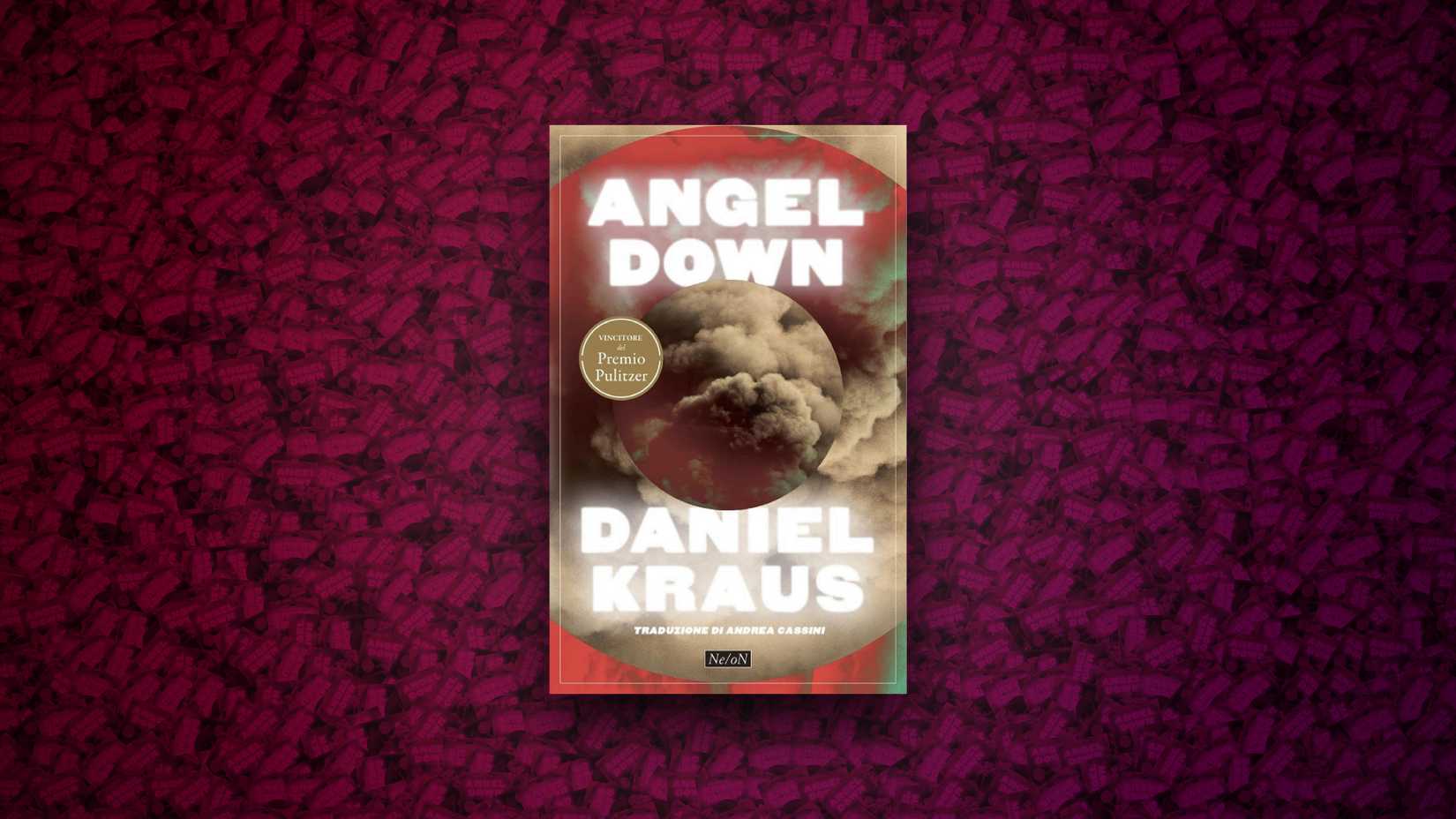
Daniel Kraus pulled off something absurd with Angel Down. It’s a metaphysical horror story set in the mud and mustard gas of the Meuse-Argonne offensive, and its bespoke structure makes it shine. Kraus writes the whole novel in a relentless, rhythmic cadence that flows like a never-ending trench chant. Five doughboys stumble onto a celestial entity that has fallen to Earth in no-man’s-land. They discover that their suicide mission was never about euthanizing a shell-shocked comrade. They have to deal with a bleeding angel that their superiors desperately want to exploit.
The horrors of industrial warfare become the foundation for a brutal meditation on divine grace. Kraus immerses the reader in a suffocating nightmare where grime, blood, feathers and mud seem to cling to every page. The atmosphere has the pressure of survival horror, and every moment carries the possibility of something worse just beyond the frame. Kraus sustains a deeply visceral dread from the first page to the last.
Source: Polygon
Related articles
 PlayStation Reportedly Moving Away From Discs While Xbox Prepares to Revive Physical Releases, Insider Claims
 Valve Veteran Explains Steam’s Popularity, Says Gabe Newell Views the Service as an MMO
 GTA VI Trailer Reportedly Contains Nod to Original GTA, Which Fans See as Hint at Lucia and Jason’s Past
 Former Overwatch Game Director Cut All Ties With the Game After Leaving Blizzard to Preserve Peace of Mind
 Order of the Sinking Star Is Selling Better Than The Witness, Jonathan Blow Explains Earnings Caveat
 The Wolf Among Us Remastered to Launch Later on One of the Platforms
 Charlie Brown Quote From 60 Years Ago Carried Over Into Peanuts Movie
 Dan Houser Says His GTA: Vice City Writing Was “Awful,” Credits Ray Liotta With Making It Sound Good