Marathon Is the Scariest Horror Game of 2026
Editor’s Note: This feature was originally published in March. We are bringing it back today to celebrate Spooky Season.
Marathon is that specific variety of game where you might be cautiously prowling through a desolate, dimly lit outpost in search of raw biomass, only for a ventilation grate to violently shatter as an automated hunter leaps out to execute you. All those high-tier weapons, precious upgrades, and carefully compiled spoils you accumulated throughout the run? Instantly vaporized. It stings profoundly. Yet, that relentless jeopardy is precisely why Marathon currently stands as the most genuinely terrifying shooter I’ve experienced in years.
Even during Marathon’s February server slam—when developer Bungie temporarily flung open the gates for a public stress test ahead of its March 5 release—I was immediately unsettled by the title screen. It features a moth gnawing away at exposed circuitry, presumably the same delicate architecture that animates the metallic Runner shells you inhabit. These atmospheric cinematics and eerie menu prompts establish a pervasive sense of dread, trapping you inside a glitching, futuristic nightmare. After all, you are tasked with investigating the baffling disappearance of 30,000 inhabitants from the New Cascada Colony on Tau Ceti IV. If an unknown force could entirely erase a civilization, what chance does my fragile robotic frame stand while scavenging for meager ammunition?
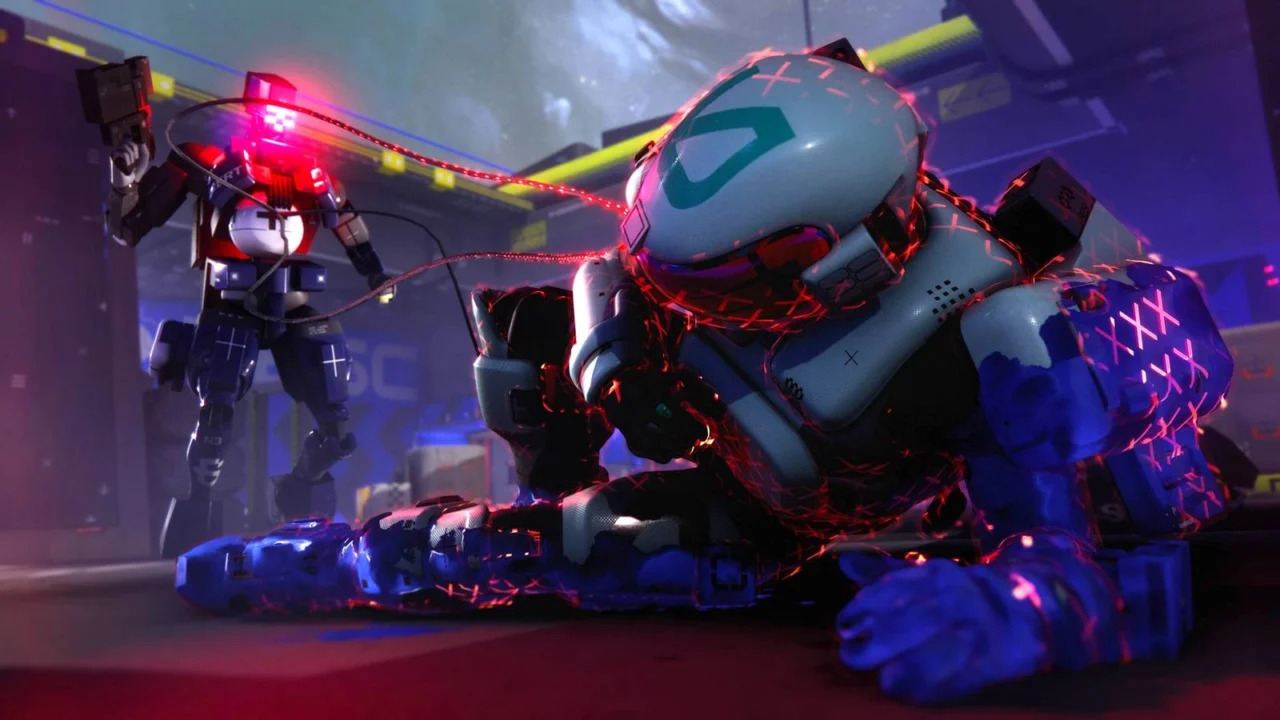
When I first squaded up with my regular Destiny companions, our primary anxieties were fixated on encountering rival human players rather than the UESC security automatons patrolling the sector. We could not have been more mistaken. In Destiny, standard operations typically involve sprinting down narrow corridors, leaning heavily on space-faring abilities to disintegrate waves of predictable adversaries. Attempting that exact hyper-aggressive strategy in Marathon led straight to catastrophe. We charged headfirst into the North Relay, neutralizing a few baseline sentries before a teammate triggered an anomalous interactive objective. We fortified our position, but within moments, we were completely overrun by a mechanized legion spearheaded by an elusive, seemingly impervious boss sporting a camouflage cape. As our systems flatlined, the machines swarmed our chassis, plunging heavy cables directly into our armor to drain our remaining vitality.
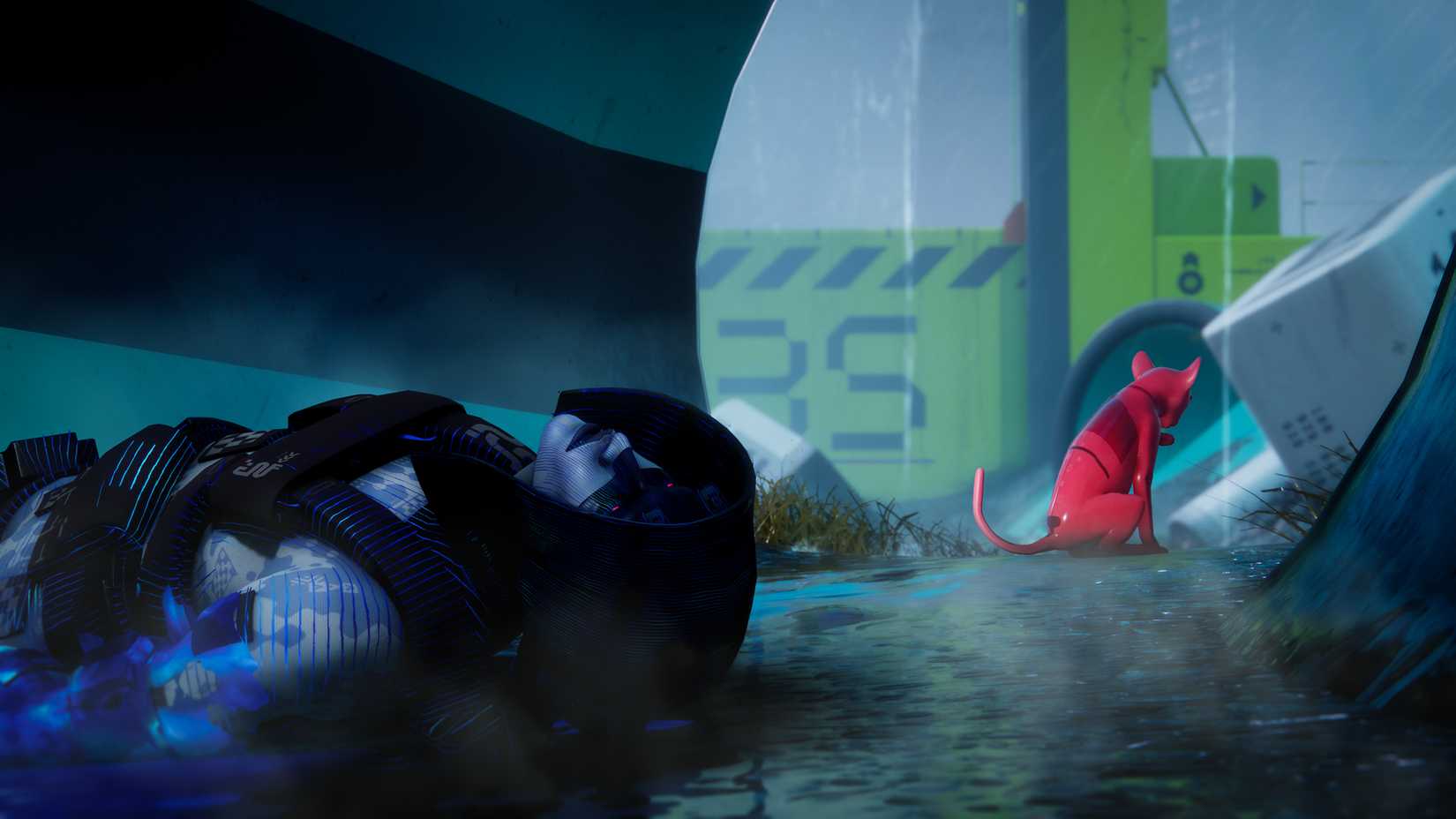
That visceral flavor of body horror hits so hard precisely because the penalties extend far beyond a simple respawn. You surrender everything you brought into the operational zone alongside every artifact scavenged along the way. The sheer gravity of those stakes borders on agonizing, mirroring the punishing design philosophy found in titles like Dark Souls or Hollow Knight—where failing to recover your lost currency before perishing a second time erases it permanently. In conventional shooters, the ultimate penalty for failure is merely invested time; Marathon, however, weaponizes its consequences to cultivate a pervasive atmosphere of acute anxiety and genuine terror.
Critics of Marathon will likely point out its uncompromising difficulty—it is relentlessly punishing by design—yet this very uncompromising nature elevates it into a masterclass of psychological tension. Earlier this week, prominent streamer Shroud characterized the gameplay as “a little too sweaty.” Meanwhile, Ninja famously abruptly rage-quit during launch day after barely surviving a handful of engagements, lamenting that the synthetic opponents posed a far greater threat than human adversaries (accompanied by a roaring declaration that “this game is ass!”). The underlying truth is that mortality arrives swiftly and without warning in Marathon. An ambush lies waiting behind nearly every blind corner, ready to deliver a fatal blade. If you possess a startle reflex anything like mine, expect to shout out loud on a regular basis.
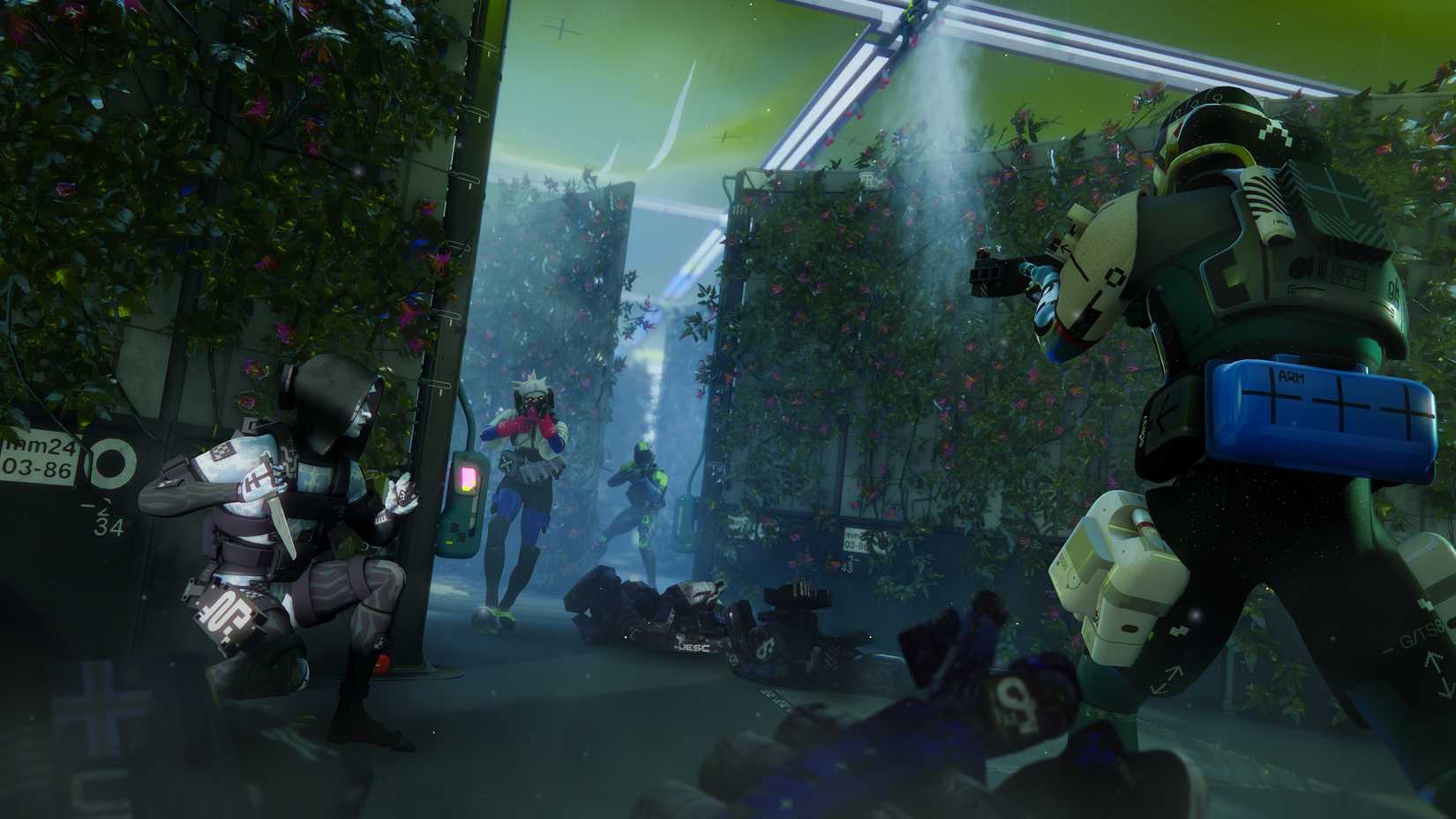
Proximity chat introduces an entirely separate psychological dimension to the chaos. Drop an opposing player, and they will alternate between pleading for mercy or unloading a torrent of profanity. One viral broadcast captured a downed operator releasing an unadulterated, blood-curdling shriek (prompting the morbid wonder of how much hard-earned gear that poor soul was carrying). This auditory feedback reframes every encounter through the stark lens of predator and prey, particularly when the final blow is delivered as a merciless stab to the chest. It creates a fascinating divergence from contemporaries like Arc Raiders, whose player base leans heavily into camaraderie and peaceful solo cooperative encounters. (Case in point: a widely circulated Marathon clip shows an operative swiftly gunned down upon entering a threshold while protesting that he was merely trying to finish objectives. “This ain’t Arc Raiders, my boy,” his executioner deadpans, drawing a hollow laugh as the fatal blade sinks in.)
Marathon hits absolute peak terror when you deploy solo as Rook, a restricted Runner framework that issues a standardized, bare-minimum loadout consisting of randomized foundational gear. While alternative classes permit coordinated trios, Rook forces you into an ongoing match entirely alone. Consequently, while everyone else is tackling an extraction shooter, your individual experience transforms into pure, unadulterated survival horror. Admittedly, Rook possesses a cloaking utility that deters UESC units alongside a self-repair protocol, but you are still wandering unaccompanied through picked-over, half-ruined structures typically littered with corpses. By the time you drop in, surviving operators are usually kitted out with high-grade armaments capable of disintegrating you in a heartbeat.
Through proximity voice channels, a lone Rook can technically forge fragile alliances with other Rooks or standard players, though it relies entirely on a perilous verbal social contract. Every single sortie I undertake as Rook leaves me trembling as I frantically scoop up whatever scraps I can find before making a desperate dash for extraction. It can occasionally feel undignified, but it represents honest survival that yields deeply satisfying progression.
Ultimately, Marathon demands calculated tactical discipline. Success is never about rushing objectives, but rather about methodically probing the boundaries of the environment with preservation in mind. You must selectively choose your engagements, or risk forfeiting everything you hold.

Free sign-up
Get Polygon’s Wishlister newsletter
A weekly cheat sheet to what you’ll eventually love to play. No buying, no commitment — just saving for later.
Free. Unsubscribe anytime.
Because pervasive dread serves as the beating heart of Marathon, securing a last-second escape delivers an incomparable rush. I recently examined a clip shared on X by creator Airwing Marine. While his unit sprints frantically toward the final evacuation vector, he gets dropped, yet harnesses his Triage Runner shell’s self-revival capability to stumble across the threshold with barely a fraction of a second to spare. My initial successful extraction mirrored that harrowing margin: downed mid-journey, forced to crawl across a metallic platform, hurl myself off the edge, and drag my shattered chassis another dozen meters toward the beacon. A UESC automaton caught up and initiated its life-siphon routine just as the tower engaged. Exactly two ticks away from total annihilation, I blasted off Tau Ceti IV—and proudly flipped off the mechanical executioner that nearly claimed my scalp.
Related articles
 Ubisoft Promotes Diversity, Equity, and Inclusion Director to Head of AI Implementation
 US Xbox Sales Hit Historic Low Amid Record Prices While PlayStation Sees Weakest Result Since 2013
 PlayStation Store Launches Players’ Choice Sale With Discounts Up to 85 Percent
 SEGA Casts Charlie Cox in New Game Despite Initial Preference for American Actor
 Unused Ending Detail Revealed for The Last of Us Part II
 Unboxing Video Released for Unofficial Resident Evil Requiem Leon S. Kennedy Figure Set by Por.Toys
 Five Calvin and Hobbes Comic Strips About Hating School
 Square Enix’s Forgotten Loot-Shooter Was Years Ahead of Its Time