
Jon Favreau explains the key differences between creating Star Wars for TV and film

Since its 2019 debut, The Mandalorian has evolved into a global cultural touchstone, largely fueled by its gritty “space-western” aesthetic and the debut of the mysterious, animatronic infant the world dubbed “Baby Yoda.” Now, following three seasons of character development, the titular bounty hunter (brought to life by Pedro Pascal and a dedicated stunt crew) and his ward, Grogu, are preparing for a grand transition to the silver screen. For creator Jon Favreau, who is also directing the upcoming feature The Mandalorian & Grogu, shifting the scale of this odyssey from streaming to cinema presents a unique set of creative and technical hurdles.
During a recent Disney press event showcasing a fresh lineup of franchise collectibles, Favreau elaborated on the necessity of “leveling up” the production for a theatrical environment. He noted that the jump to the big screen requires more than just a longer runtime; it demands a total elevation of the craft.
“In the realm of Star Wars, the technical execution must be peerless,” Favreau explained. “Our goal was to deliver a cinematic feel on television, but now we must push those boundaries for the theater. This involves utilizing IMAX aspect ratios, designing more expansive sets, and sharpening our visual effects to a higher caliber. Every element of the storytelling and production must be notched up to meet that standard.”
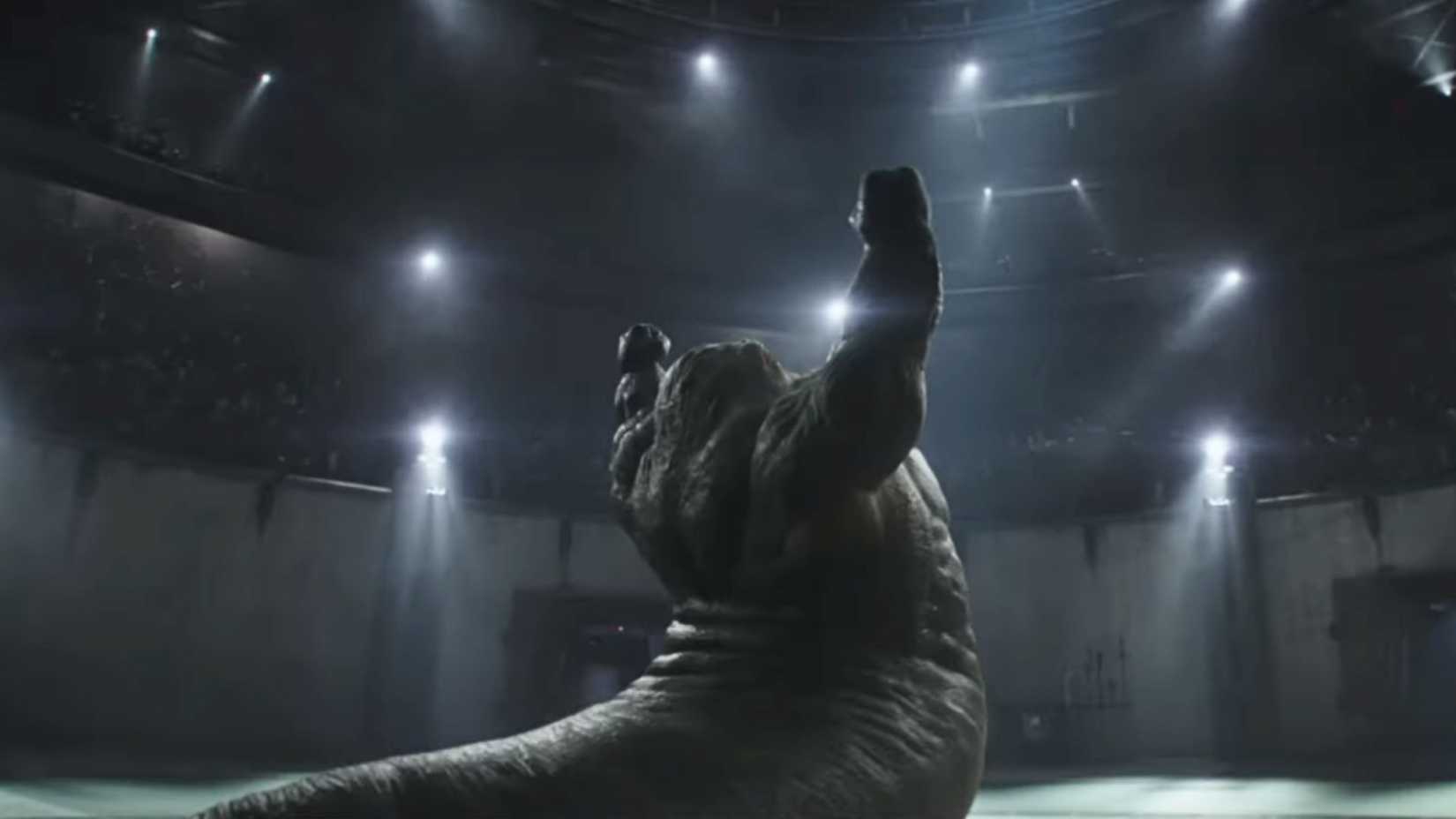
Beyond the technical specifications, Favreau emphasized that the most significant challenge is crafting a narrative immersive enough to sustain an audience’s undivided attention for a full-length feature. In an age of endless digital distractions, he views the cinema as a place for a more focused, communal experience.
“The adventure has to be grand enough to fill that massive screen,” Favreau remarked. “In a world where everything is fighting for your time, we want to create something that makes you stop. You go to the theater, you sit down, and unlike at home, you aren’t pausing the show or wandering to the fridge. The experience has to be so rewarding that you leave thinking, ‘That was worth every second—I want to see it again and bring someone with me.'”
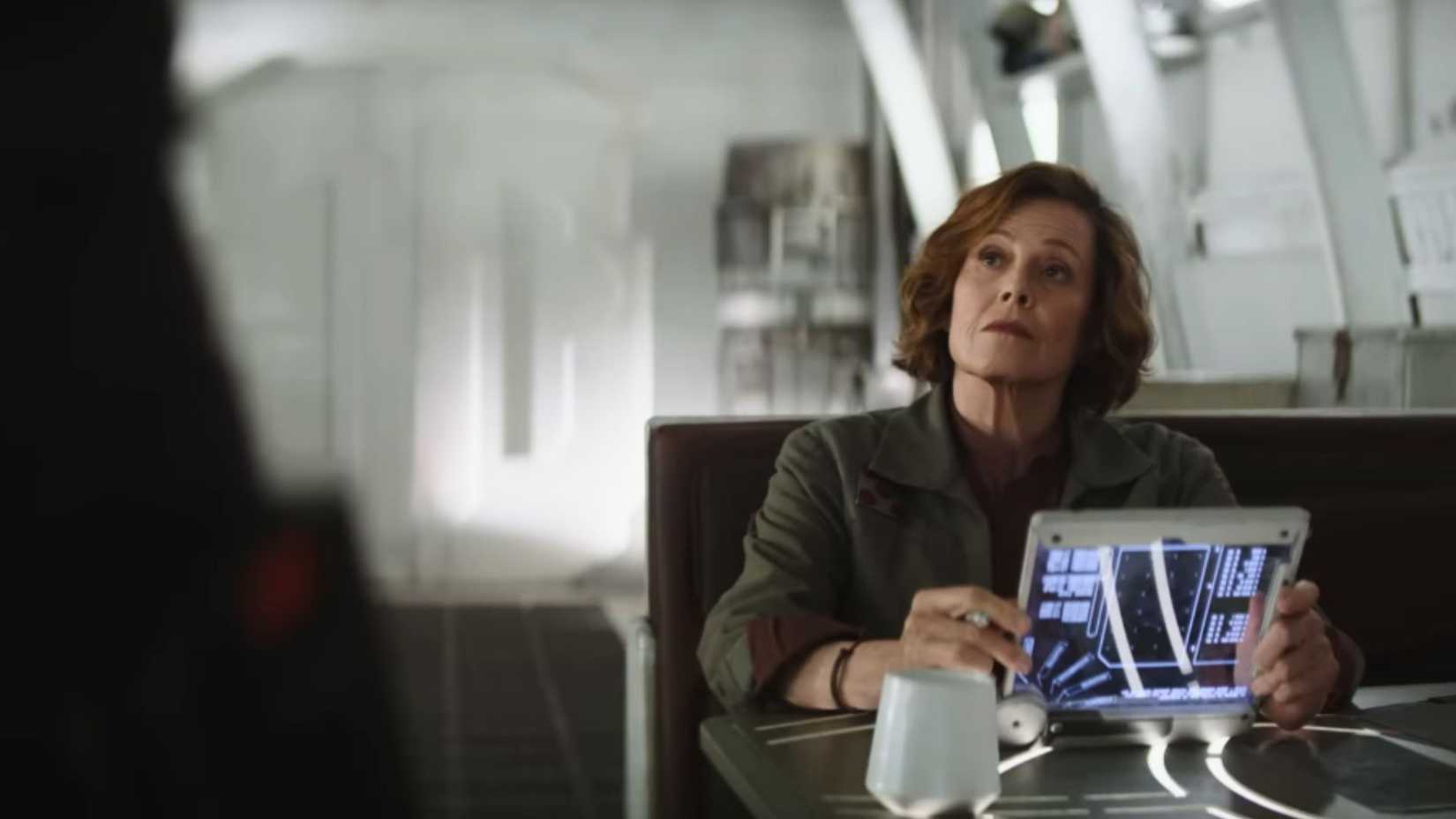
When questioned about the film’s plot, Favreau remained characteristically guarded but shared a few tantalizing details about the state of our protagonists:
“There are hints out there for the eagle-eyed fans. Din Djarin is back in a Razor Crest—the same class of ship he piloted originally. Grogu has also progressed significantly; we’ve seen his time training with Luke Skywalker, and he has matured. He now carries that Jedi influence while serving as a Mandalorian apprentice. It’s time for his ‘father’ to take him on much larger adventures. We’ll be revealing more clues to the public very soon.”
As for Favreau’s future in the galaxy far, far away, he remains tight-lipped. While he continues to work closely with Lucasfilm’s Chief Creative Officer Dave Filoni, he hinted that this film represents a major milestone in his personal journey with the franchise.
“I have spent seven years immersed in the Star Wars universe,” Favreau reflected. “Taking this story to the cinema feels like the ultimate culmination of everything we’ve built so far.”
The Mandalorian & Grogu is scheduled to arrive in theaters on May 22, 2026.
Source: Polygon
Related articles
 Final Fantasy Resonance’s Denuvo Protection Cracked Within a Day
 Tim Sweeney Again Criticizes Valve Over Steam Rules Requiring Disclosure of AI Use
 Psychological Thriller Movies You Can Stream for Free Online
 Heroes Is Now Free to Stream 20 Years After Its Premiere
 Half-Life 2 RTX Update Adds Improved Frame Generation and ARM Support
 Dead by Daylight Developers to Pull Chucky Chapter From Sale Soon as Farewell Discount Begins
 Steam Offers Free Play of Low-Poly Zombie Apocalypse Survival Game
 The Sims 4 Big Update to Fix Infinite Loading Issue and More Than 100 Bugs