

Intel, the chip big and x86 extraordinaire, is discovering its 10nm course of node shrink neither straightforward nor low cost. The previous yr has been extremely rocky for the tech firm, with reactive product launches, provide points, and the beginnings of a downward spiral that monetary establishments and a few of Intel’s largest shoppers have began to take discover of. What a distinction a single course of node makes. But will Intel be capable of bounce again?
Intel’s long-standing CEO, Brian Krzanich, is now lengthy gone, its 10nm Cannon Lake components severely delayed – or probably cancelled in desktop type – safety bugs run rampant via speculative execution, and its server enterprise exhibits cracks as the corporate’s 14nm manufacturing reaches terminal velocity effectively beneath demand. Intel critically can’t catch a break and it’s not an organization used to being within the sizzling seat, both.
Intel has lengthy thrived on being far forward of any rivals, blinkers on, and charging forward into the subsequent breakthrough. But now that it’s beneath menace, it doesn’t appear like Intel has a lot in the way in which of a coherent plan to take care of the newfound stress. It’s grow to be a reactionary firm, chopping and altering merchandise to take care of the realities of a promote it’s looking of contact with swiftly.
Take the quickly to be launched Intel Core i9 9900K and i7 9700K. Two processors that, if you happen to didn’t know any higher, seem to be your on a regular basis Intel launch on the floor. But, if you happen to pop off that IHS – which isn’t going to be straightforward now that Intel’s returned to soldering its fanatic chips – and have a look beneath, you’ll see the identical cores Intel’s been rebadging since Skylake entered the mainstream market over three years in the past.
Intel’s tick-tock launch cadence, structure change adopted by die shrink and so forth and so forth, was really working exceptionally effectively out there Intel simply owned greater than 80% of. That was quickly thrown into disarray with the process-architecture-optimisation-ad-infinitum mannequin, beginning with Broadwell, then onto Skylake, Kaby Lake, Coffee Lake, and, quickly sufficient, the Coffee Lake refresh. If all goes to plan we’ll be again to course of by the vacation season on the finish of subsequent yr.

But it’s been AMD’s Ryzen processors that cranked up the stress on Intel to kind out its launch cadence downside. Launched again in April 2017, Intel stormed forward with its 14nm Coffee Lake chips – although provide was tight from day one. Only in April was Intel’s Coffee Lake lineup accomplished, replete with chipsets and the total breadth of chips lastly in the marketplace. By that point, nevertheless, AMD was prepared for spherical two of Ryzen – seemingly additionally inheriting Intel’s outdated, level-headed method to constant and incremental product launches. AMD is on observe for an estimated 30% of the global CPU market by the tip of the yr.
If that’s not sufficient of a beating, AMD then plonked Threadripper 2 on the stage at Computex, sporting 32 cores and 64 threads in a single air-cooled bundle. Intel, with a somewhat weird response, determined to overclock a server chip live on stage, holding it an inch from combustion by an industrial chiller which sucked sufficient juice to wipe out {the electrical} grid if you happen to determined to place the kettle on for a cuppa.
AMD’s EPYC chips have additionally been taking it to Intel in arguably crucial market phase to those x86 chipmakers’ companies: the info centre. While Intel’s market dominance has been across the 99% mark for years, EPYC server chips have been making appearances throughout information centres of among the most prolific clients throughout the globe. Intel, it appears, can’t manufacture sufficient chips to fulfill demand.
Aside from the safety flaws, most of those points will be attributed to a single problematic course of: 10nm. That’s why Intel, for all its technical experience and R&D management, won’t go down and not using a struggle. Historically, it’s not that straightforward to maintain chip maker down. While the corporate and its traders may solely take a look at its backside line, the engineers that work at Intel are among the greatest round and that’s been sufficient to maintain momentum going.
Most of Intel’s points will be attributed to a single problematic course of: 10nm
Intel may appear like it’s crumbling beneath the stress proper now – evidently the corporate had long-standing roadmaps that weren’t ready for a hard node – however the firm’s earlier expertise on this pressurised place led to one of many strongest CPU microarchitectures ever conceived: Core.
The Core microarchitecture was born from the hazy days of the NetBurst microarchitecture, throughout which period AMD was royally sticking it to Intel with its Athlon chips and their built-in reminiscence controllers. But Intel, with its expansive attain and R&D funds, swiftly discovered another in an initially mobile-designated microarchitecture. And that went on to grow to be the premise for the corporate’s highly-successful product lineup for the subsequent twelve years.
And Intel’s obtained choices right now, too. The new method from the corporate, heterogeneous computing, blends CPUs, GPUs, FPGAs, and ASICs with the ‘fabric’ to sew all of it collectively – such because the EMIB discovered on Kaby Lake G chips. Intel is an organization that is aware of find out how to cowl its bases for nearly each eventuality. I say nearly, as a result of I don’t consider for a second anybody deliberate for a cockup of 10nm proportions, but it surely’s an organization with choices, cash, and, crucially, expertise.

With among the greatest engineers within the biz over at Intel, is that this decelerate then extra an indication of an even bigger concern surrounding the event of ever extra dense course of nodes, all whereas sustaining profitability? Rival foundry TSMC appears to be breezing onto 7nm and past with out concern, however GlobalFoundries, AMD’s sole foundry for the previous few years, has dropped out of the 7nm race entirely – virtually shedding AMD to TSMC within the course of. It appears 7nm too has confirmed a hard and divisive node.
What is evidently clear is that the subsequent CEO – whoever that could be after Intel’s lengthy and ongoing expertise search – has to have the ability to swivel the slow-moving behemoth away from, what many understand to be: the tip of Intel.
It’s most positively not, Intel has the smarts throughout the enterprise to get itself out of this mess. The new boss, nevertheless, must motion the corporate’s new roadmaps and comply with via on the machinations Intel undoubtedly has in retailer to fight AMD on the CPU entrance. It additionally has a contemporary battle on the horizon, taking up the may of AI-powerhouse Nvidia within the discrete graphics game with its personal 2020 GPU. But it has to tackle each firms in a much more cohesive vogue than it’s doing proper now… or else face underdog standing for the subsequent decade.
 Mahmut Orhan and Felix Raphael Release Three
 Gabry Ponte releases festival anthem Pulse React
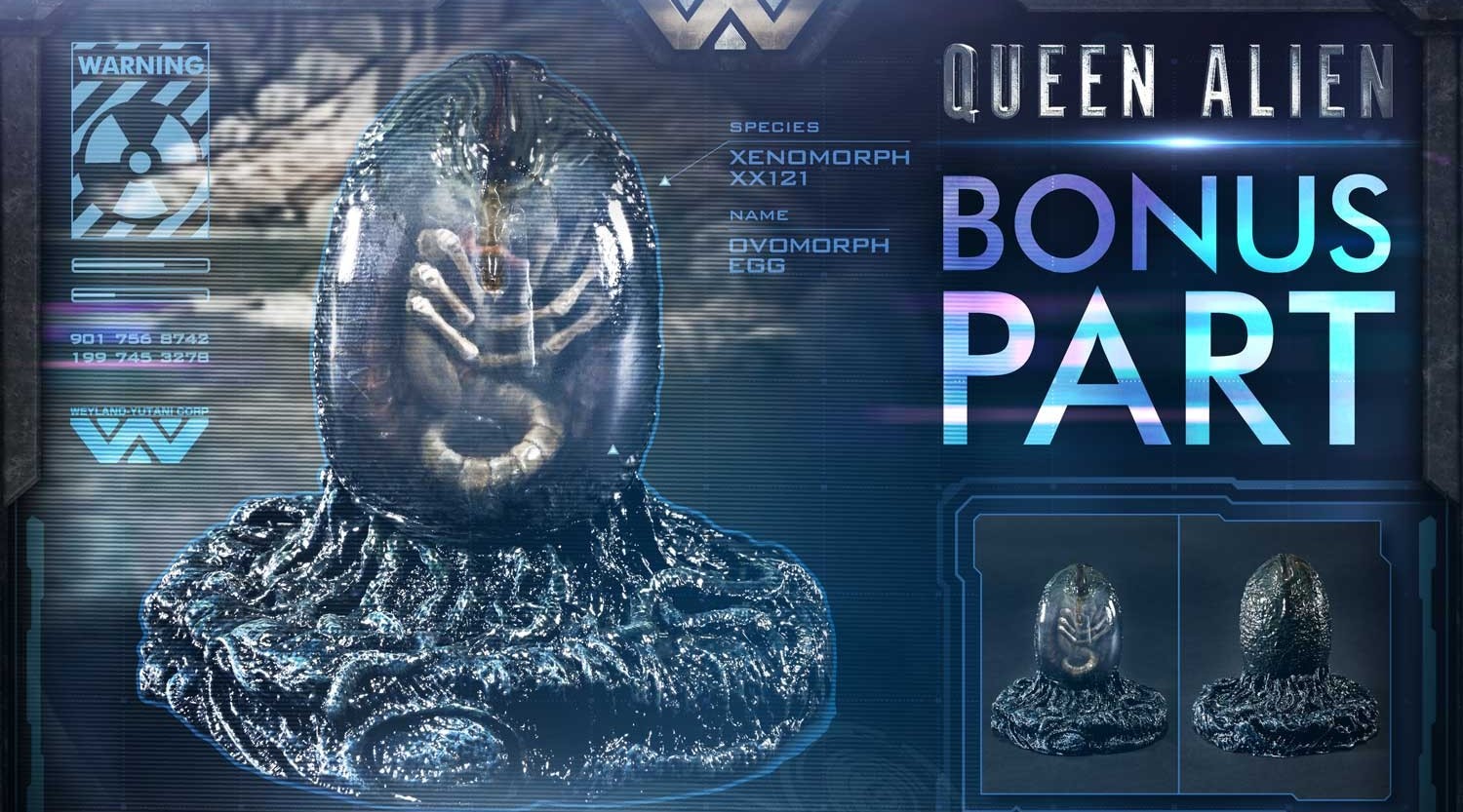 Prime 1 Studio opened preorders for an 86.8 kg Queen Alien statue
 Mosimann and Gaetan Roussel Release New Single Soon
 Michelle Yeoh receives a star on the Hollywood Walk of Fame
 Bitcoin’s Growing Role in Corporate Strategies and Market Sentiment
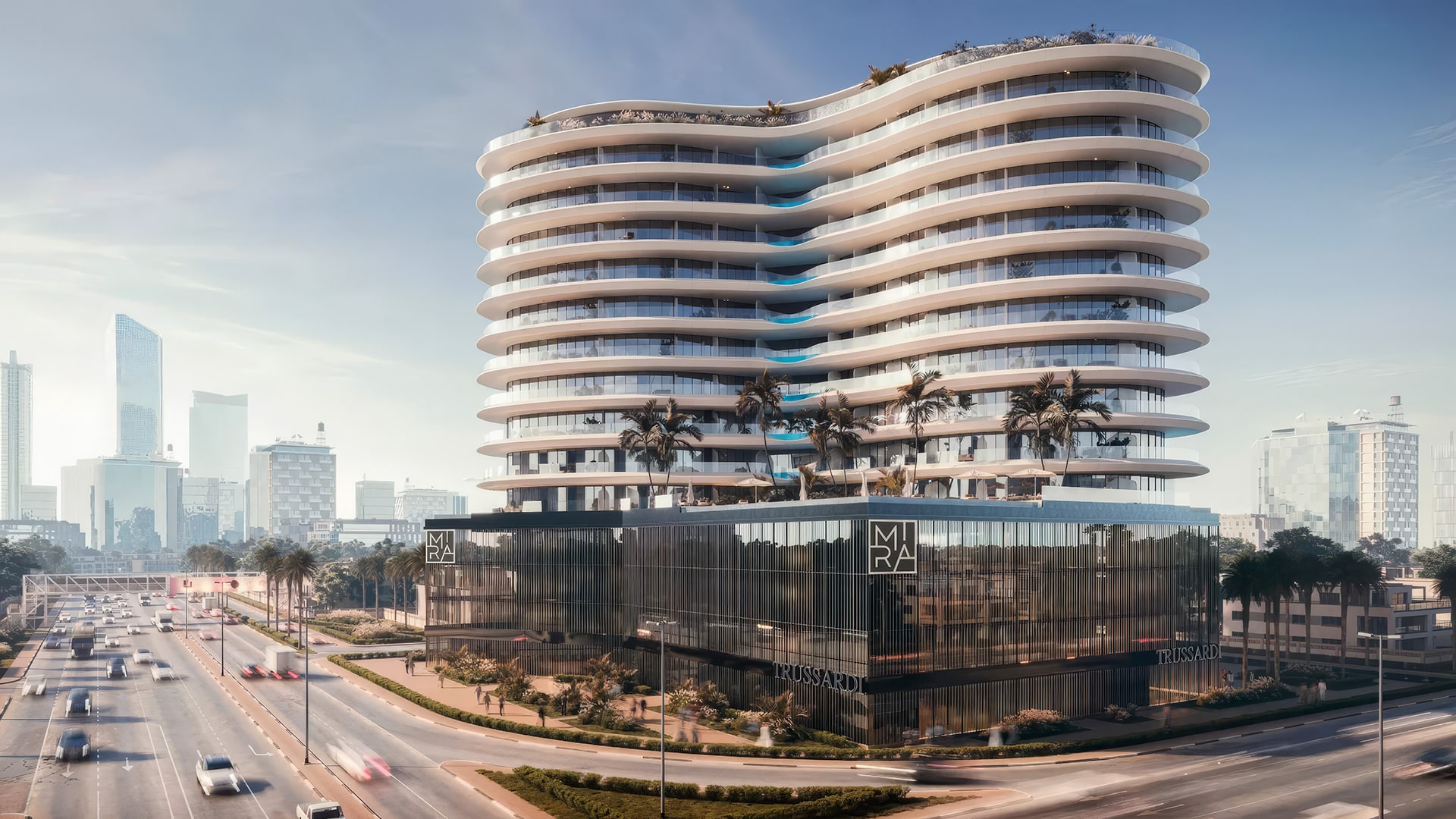 A Comprehensive Guide to Buying Property in Dubai for Investors in 2024