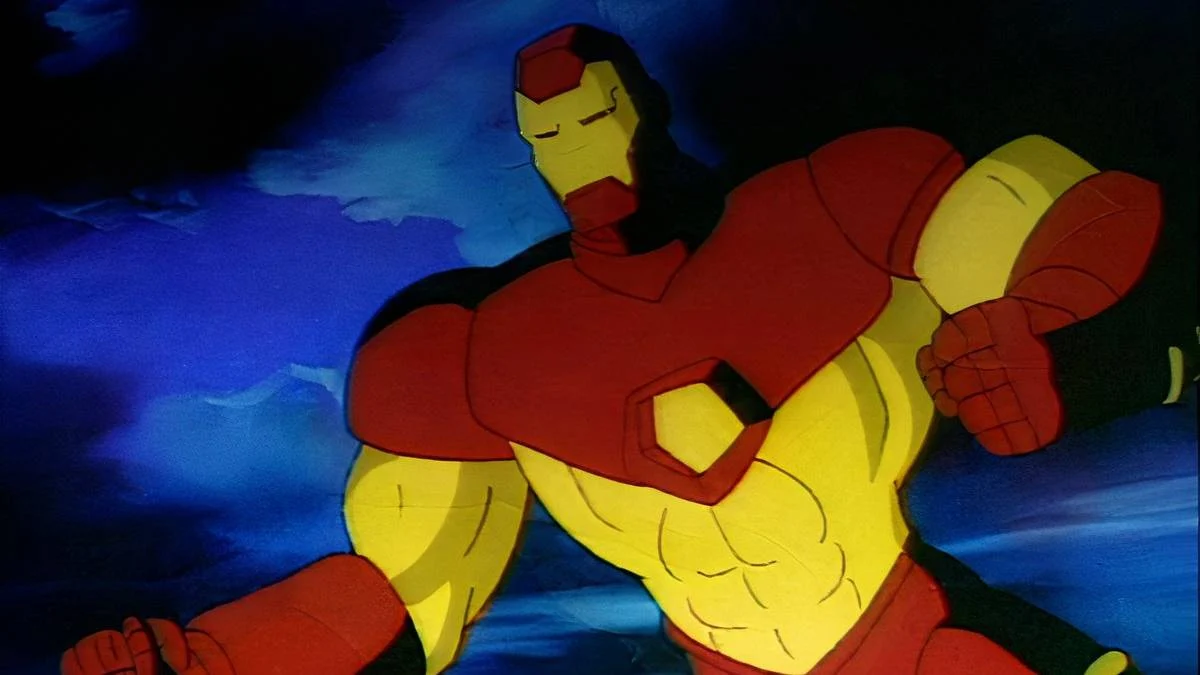
How Marvel’s Cancelled Iron Man Show Three Decades Ago Birthed the MCU
When the second season of the 1990s Iron Man animated series premiered on September 23, 1995, young viewers were met with a startling metamorphosis. Gone was the neon-soaked opening sequence that depicted Tony Stark’s assembly alongside helpful pop-up graphics identifying his rogues’ gallery. Also discarded was the progressive rock theme by Keith Emerson, which had defined the show’s initial tone with its eclectic mix of synthesizers and pipe organ.
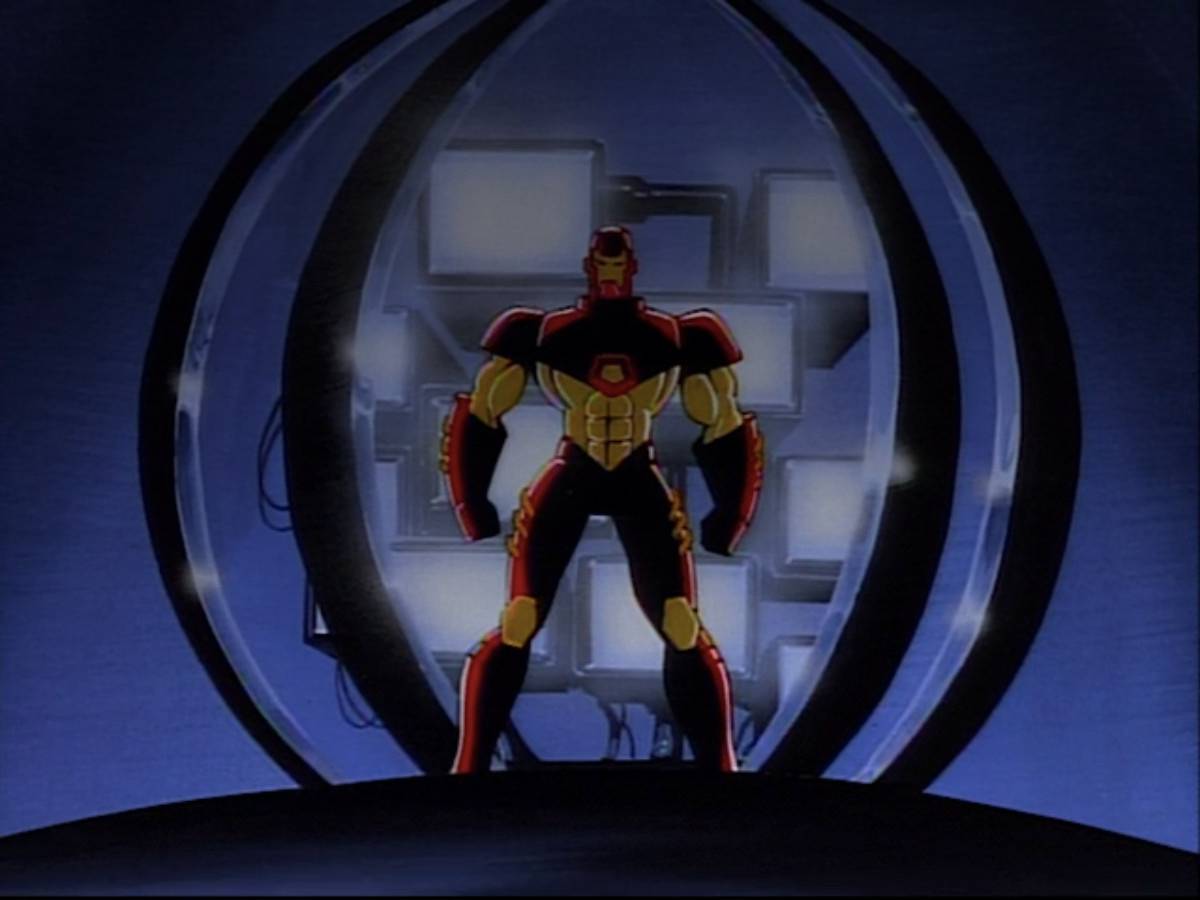
In its place was a visceral, shadows-heavy sequence featuring a shirtless Tony Stark working in the darkness of his forge. Assisted by robotic arms, Stark wields a blacksmith’s hammer against an anvil, his movements mirrored by flashes of previous armor iterations. As he pours molten metal into molds and refines the plating with intense welding, the suit pieces eventually magnetically lock onto his frame. The sequence culminates in Stark blasting through his lab ceiling into the midnight air, accompanied by a gritty, industrial score and a haunting vocal chant: “I am Iron Man.”
This aesthetic overhaul signaled a fundamental creative pivot. The series was essentially reimagined with a somber atmosphere, intricate plotting, and more nuanced character studies—adjustments meant to elevate the show to the level of the decade’s more sophisticated superhero dramas. Yet, despite the creative surge, the effort arrived too late to save the production. This revitalized version of Iron Man would last a mere 13 episodes before facing cancellation in February 1996.
In the mid-90s, the animation landscape was dominated by titans like Batman: The Animated Series and X-Men. While the former offered noir-inspired art and mature storytelling, the latter tackled complex social allegories. By comparison, the freshman season of Iron Man felt like a relic of the late 70s—an anachronistic production that lacked the depth of its contemporaries.
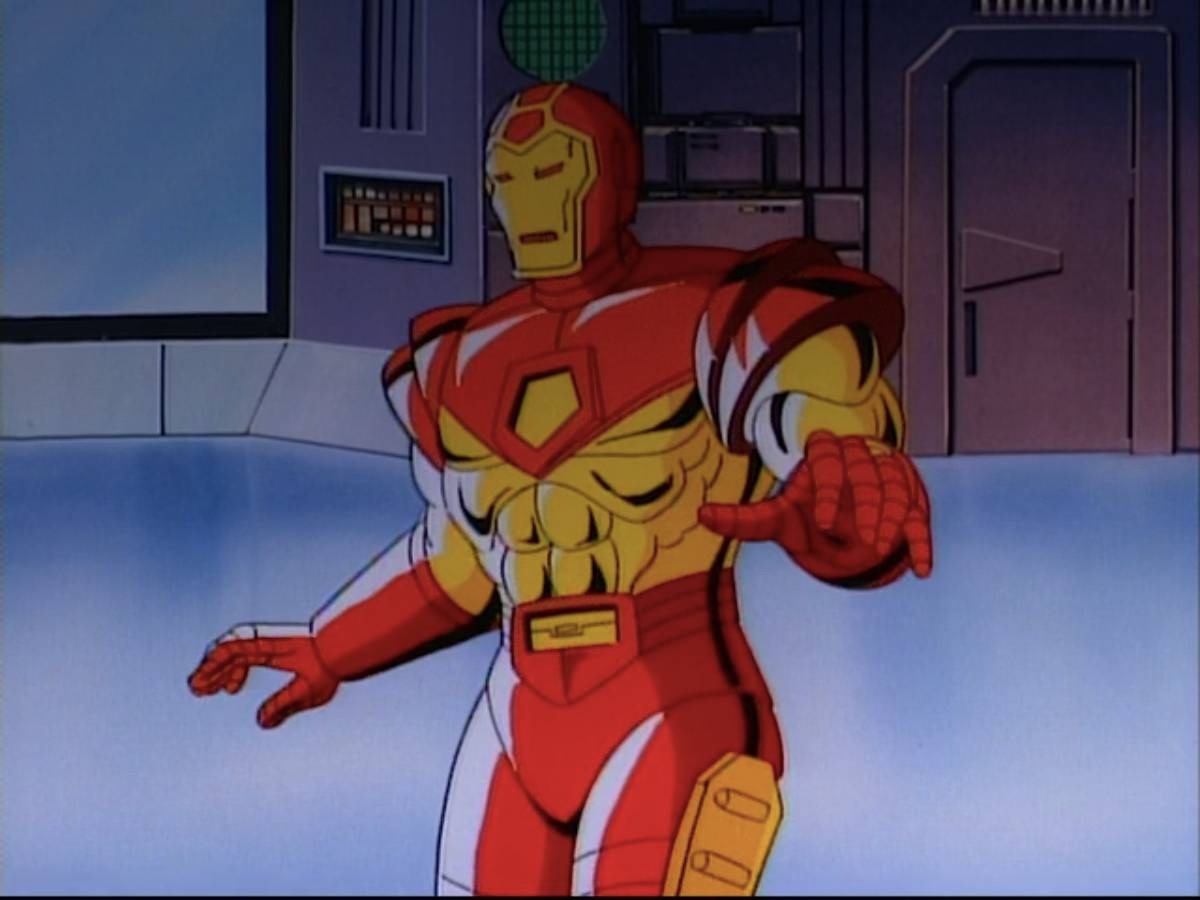
The original premise featured Iron Man leading Force Works, a team consisting of War Machine, Spider-Woman, Century, Scarlet Witch, and Hawkeye. Most plots followed a formulaic structure: the Mandarin would devise a global conquest scheme with MODOK, only for the heroes to dismantle the plan within twenty minutes. While Ron Friedman, a veteran of G.I. Joe, steered the first season, Marvel sought a fresh direction for the sequel, recruiting Tom Tataranowicz following his success with Biker Mice from Mars.
“Marvel wanted a more compelling product because the show wasn’t hitting the numbers they expected,” Tataranowicz explained during an interview with Polygon. He immediately implemented logistical and creative fixes, which included streamlining the voice cast—though Robert Hays remained the voice of Tony Stark—and tightening the production pipeline.
Tataranowicz’s primary critique was that the show felt like an extended toy commercial. “The episodes seemed desperate to feature every character possible,” he noted. His solution was drastic: in the season two opener, Stark’s teammates grow weary of his erratic behavior and abandon him, leaving only Jim Rhodes and Julia Carpenter by his side.
By isolating Stark, Tataranowicz was able to explore the billionaire’s psychological flaws. “To me, Tony was a classic narcissist,” he said. “I wanted to show him isolating himself and then gradually rebuilding his character. He evolved from an abrasive egomaniac into a man who finally understood the weight of his responsibilities.”
The supporting cast also received substantive development. Jim Rhodes dealt with a harrowing crash that left him struggling with what was effectively PTSD—a remarkably mature theme for a Saturday morning cartoon. Meanwhile, the Mandarin was stripped of his rings, relegated to brief vignettes where he searched for his lost power, a move that satisfied toy marketing requirements while building anticipation for his eventual return.
Visually, the show took cues from the sleeker designs seen in the DC Animated Universe. The armor became more streamlined, and the helmet design grew more menacing. Tataranowicz also made the controversial choice to give Tony Stark long hair, wanting to visually distinguish him from his previous incarnation. “I took some heat for the hair,” he admitted, “but I wanted him to look different, less like a 1950s lounge singer and more like a modern individual.”
While Marvel eventually relented on Stark’s hairstyle, Tataranowicz faced a bigger battle with Stan Lee. The producer wanted to reclaim the 35 seconds of screentime dedicated to Lee’s live-action introductions to allow for more animation. The comic book icon was reportedly displeased by the suggestion.
The situation became quite heated!
“Stan was adamant that his fans wanted those segments, but it was largely about SAG residuals,” Tataranowicz recalled. “I eventually convinced him that the first season’s intros made him look a bit like a salesman hawking merchandise. We compromised on a shorter, 15-second intro that was more professional and focused on the story.”
Tataranowicz had ambitious plans for a third season, including an adaptation of the seminal “Demon in a Bottle” alcoholism arc. However, the viewership numbers hadn’t recovered from the lackluster first season. Audiences had seemingly moved on before they realized the show had actually improved.
“We had a positive critical reception, but we couldn’t overcome the stigma of the first year,” Tataranowicz said. “The next thing I knew, I was reassigned to The Hulk.”
I eventually crossed paths with Jon Favreau.
Iron Man faded from the screen for over a decade until Jon Favreau and Robert Downey Jr. redefined the character in 2008. Interestingly, Tataranowicz believes his season left a mark on the cinematic behemoth. According to the producer, Favreau once told him that the industrial tone of the season two opening title served as a creative spark for the live-action film’s identity. Even if the 90s cartoon didn’t capture a massive audience at the time, its DNA arguably influenced the most successful film franchise in history.
Source: Polygon
Related articles
 GTA VI Release Could Cost the Economy $1 Billion, Analyst Estimates
 Hacker Breaks PS5 Firmware to Run GTA VI, Sony Releases System Update Soon After
 Insider Reports “Euphoria” Star Jacob Elordi Has Been Cast as James Bond
 God of War Creators Considered a Different Name for Kratos, but Pizza Jokes Derailed the Plan
 Shrek 2 Remastered System Requirements Call for RTX 50 GPU, Players Mock Specs
 A Mass Effect 5 Trailer Featuring Liara Seems to Have Leaked After BioWare’s Shutdown
 Fan-Made Port Brings The Legend of Zelda: Link’s Awakening Remake to Android
 Genshin Impact 7.2 Update Presentation Will Air at Unusual Time, Teaser Says