Forget Ravenloft: The Best Horror TTRPG Turns a Party Game Into Something Terrifying
Most tabletop role-playing games lean toward heroic adventure, though plenty borrow a little horror to keep their players uneasy. Dungeons & Dragons and Pathfinder supply a steady stream of eerie monsters, gothic settings such as Ravenloft and Ustalav, and rules for characters who wield disturbing abilities. Call of Cthulhu and Delta Green treat sanity as a finite resource, eroded by contact with the unknown until characters start to unravel. Ten Candles builds dread by letting the room grow darker as the game goes on, while 13 Omens makes each roll of the dice more dangerous as the story advances.
Still, no game fuses atmosphere and mechanics quite like Dread. Released in 2006 by The Impossible Dream, this ENNIE Award-winning TTRPG from Epidiah Ravachol and Nathaniel Barmore is wonderfully straightforward. There are no dice at all. Every challenge is settled with a game of Jenga. When a character attempts something difficult, like fleeing a burning building or deciphering an ancient manuscript, the player must draw a block from the tower and carefully set it on top. As in any round of Jenga, the early pulls are easy. But the further the game goes, the more each draw threatens to send the whole structure crashing down.
Dread is designed as a one-shot, and many characters won’t make it to the end. If the tower collapses while a player is pulling a block, they fail at whatever they were attempting, and their character is out of the game. When that character was facing down an ax murderer or trying to escape a deadly trap, a collapse probably means instant death. When the stakes were subtler, the character might simply run away in terror or even switch sides and become an NPC. The tower is then rebuilt, which gives the remaining players a short breather while pulls are easy again. A truly heroic player might even topple the tower on purpose, sacrificing their own character in a dramatic final act to improve everyone else’s odds of survival.
Because the mechanics are so minimal, nearly anyone can pick up Dread in minutes. The rulebook includes several horror setups, such as a group of college students on a camping trip stalked by a werewolf, or a starship crew that runs into a hostile alien. Each scenario comes with questionnaires that help players build characters suited to the story. Instead of emphasizing stats, these questionnaires produce a list of complications that will surface during play. Players can quickly sketch a rich and deeply flawed character by defining their fears, regrets, old traumas, and tangled relationships with the rest of the group.
Image: The Impossible Dream
With no math and no intricate abilities to track, anyone who has watched a horror movie can create a character in about half an hour. Hosts are free to write their own scenarios and questionnaires, producing a wide range of bizarre horror tales shaped by their players’ imaginative answers. The questionnaires also give players a few chances to establish what their character excels at and to pick up gear that could come in handy, although the host can veto anything that doesn’t fit. When a character is supposed to be skilled at the task at hand, like a mechanic fixing an old car or an athlete diving away from falling debris, they may not need to pull from the tower at all. They can still choose to pull in pursuit of an especially impressive result, but doing so puts them at risk and makes the whole group’s situation worse from then on.
I’ve played Dread a handful of times, and it’s never been forgettable. At first, everyone is eager to work out what’s happening, putting their skills to use as they explore their surroundings or look for ways to fight back against whatever hunts them. But as the game wears on and the tower grows shakier, players hesitate before doing anything that would force a pull. They tend to run and hide rather than attempt risky actions, which makes the game feel more like an actual horror story than most TTRPGs, where players usually end up trading blows with monsters.
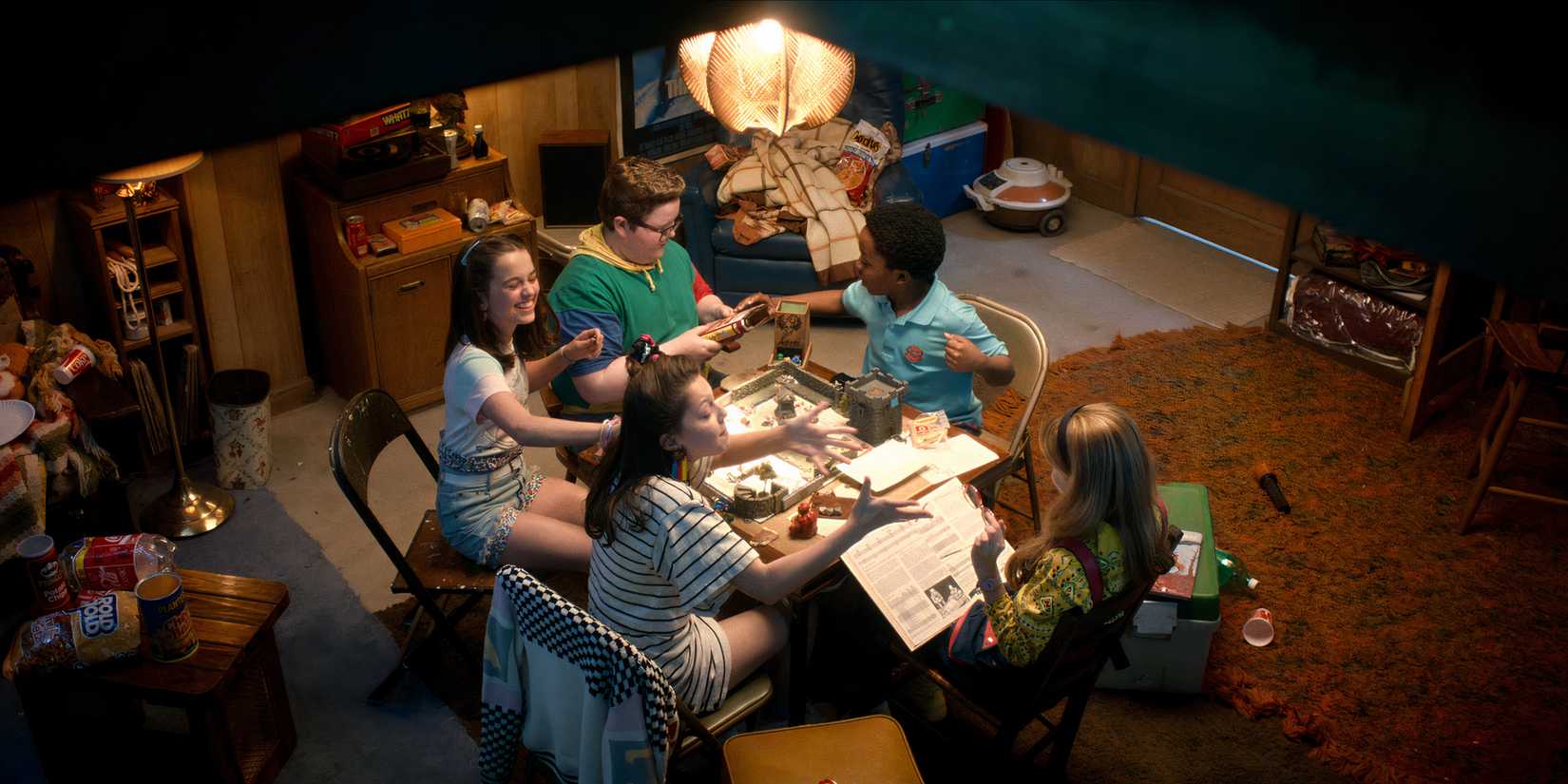
Image: Netflix
Stranger Things suggests that every D&D battle is so tense that the whole table hangs on each d20 roll, but in practice a single action rarely shifts the course of a fight. Usually a roll is settled in seconds, and the other players hardly notice because they’re busy planning their own moves. In Dread, though, every eye is fixed on the tower whenever someone is bold enough to attempt a hard pull. It’s a game that genuinely tests your nerves, since one unsteady hand can doom your character. I’ve heard cheers for a heroic sacrifice, groans when a pull didn’t quite work out, and even hysterical laughter when a player made a flawless pull and then bumped the table on the way back to their seat, knocking the tower down.
These are the cathartic moments horror exists to deliver, the tabletop version of a movie audience holding its breath and then groaning or gasping together as something awful happens on screen. The biggest TTRPGs have devised elaborate rules to unnerve their players, but none match the elegant simplicity of Dread. No die roll can match the tension of easing a block out of a wobbling tower while your friends watch in silence, wondering whether you’ll succeed or get your character killed.
Source: Polygon
Related articles
 Phantom Blade Zero Developers Aren’t Afraid of Critics, Reviews Will Appear Before Release
 Groom Moved to Tears at His Wedding Over RTX 5090 Gift
 Konami Touts 10/10 Review Scores for New Silent Hill, but Many Players Respond Coolly
 Obsession Fans Are Unhappy With Nikki Freeman’s Fortnite Skin
 Athanasia Developers Offer Alternative to Dino Crisis
 Dawn of War 4 Has the Potential to Be the Best Warhammer 40,000 Game Ever
 Sony Hints at Acquiring Rights to a Game, Possibly Expanding PlayStation Studios
 PEGI Tightens Rules, Will Give Popular Games With Loot Boxes a 16+ Rating