
Fifteen Years On, Zack Snyder’s Most Controversial Film Deserves a Re-Evaluation
While other entries in Zack Snyder’s filmography might carry more notoriety—specifically his polarizing deconstructions of DC’s biggest icons—none faced a more significant commercial rejection than Sucker Punch. This action-fantasy psychodrama remains a curious outlier: his only wide theatrical release not rooted in existing intellectual property. Its financial failure suggested that even Snyder’s most fervent supporters had their limits, marking a moment where his sprawling imagination perhaps outpaced his audience’s appetite.
The film’s thematic core—attempting to transcend systemic oppression through unconventional mental escapism—mirrors Snyder’s own career trajectory. In the fifteen years since its debut on March 25, 2011, Snyder has consistently positioned himself as a filmmaker providing “pure” visions, often claiming his work was diluted by studio meddling. In hindsight, Sucker Punch’s complex narrative structure feels less like a traditional story and more like a high-concept, galaxy-brained pitch. Paradoxically, this bizarre experimentalism makes it arguably more creatively successful than some of his more literal adaptations.
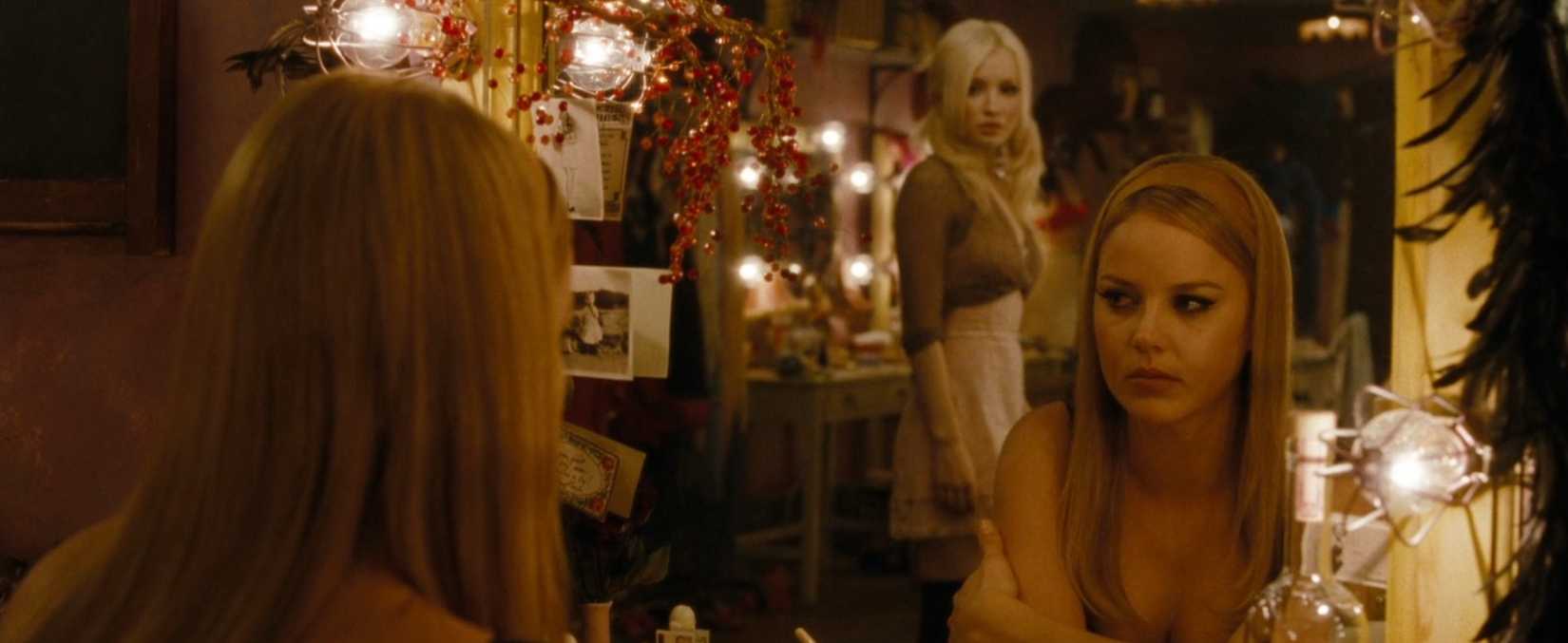
The narrative commences with Babydoll (Emily Browning), a young woman forcibly committed to a mental institution by a predatory stepfather. Facing an impending lobotomy, Babydoll retreats into a mental construct where the asylum is reimagined as a high-stakes brothel. Here, she and her fellow inmates—Sweet Pea (Abbie Cornish), Rocket (Jena Malone), Blondie (Vanessa Hudgens), and Amber (Jamie Chung)—are forced into burlesque performances. However, whenever Babydoll dances, she descends into a tertiary layer of pure fantasy: a video-game-inspired battleground where the girls fight dragons and steampunk zombies to secure the items needed for their real-world escape.
Snyder’s decision to layer three distinct realities is both audacious and confusing. It feels as though he wanted to create a film about the escapist power of movie musicals but couldn’t commit to the format, instead pivoting back to the hyper-kinetic action that defined his career. The result is a surreal hybrid, landing somewhere between the bleakness of Dancer in the Dark and the stylized action of Charlie’s Angels. While Snyder claimed the film was a subversion of the male gaze and the sexualization of women in geek culture, many critics felt he was merely indulging in the very tropes he sought to critique.
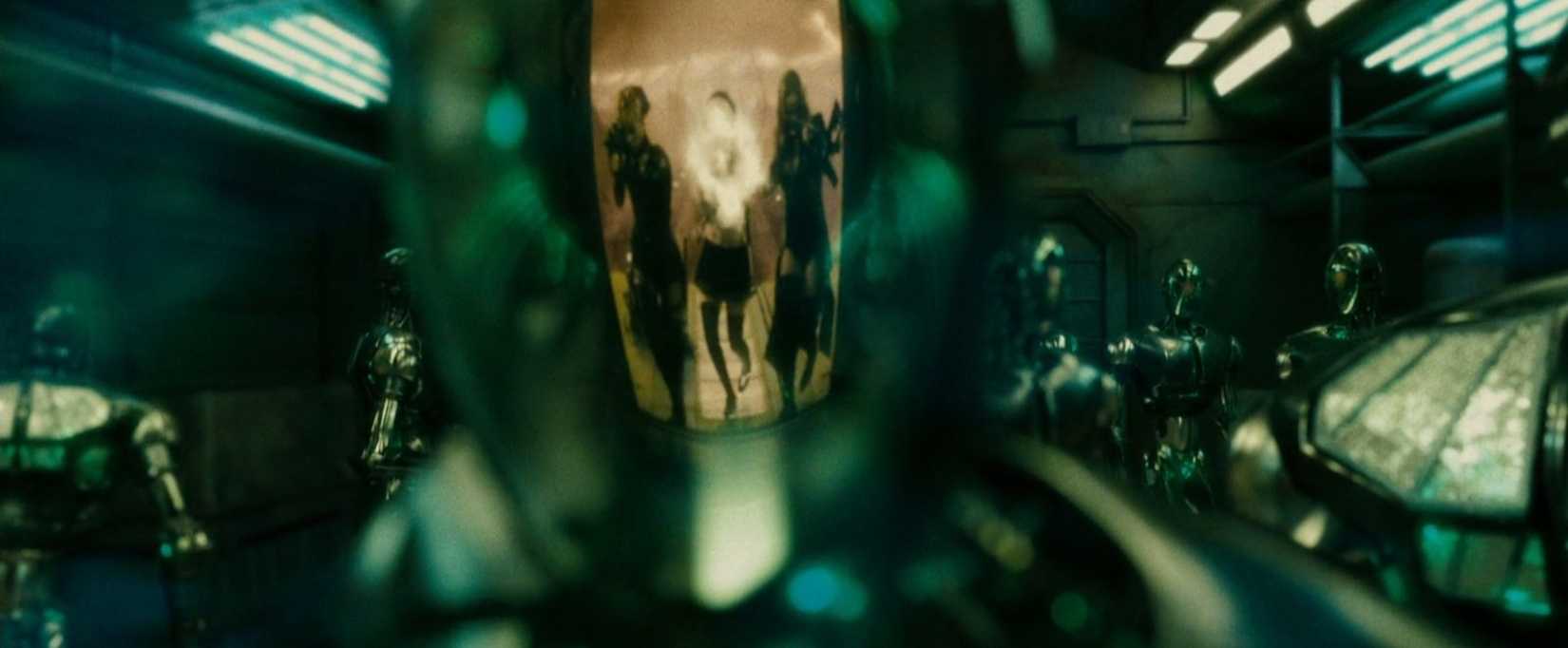
In retrospect, the outrage regarding the film’s “exploitative” nature feels somewhat overstated. By modern standards, the sexuality in the action sequences is remarkably restrained. In an era where cosplay has entered the cultural mainstream, the idea that a sailor outfit or sleeveless costume represents the pinnacle of insidious filth seems antiquated, if not slightly condescending.
Visually, the film was often dismissed as being “too much like a video game.” However, compared to the muted, muddy aesthetics of contemporary blockbusters, Sucker Punch belongs to a more vibrant lineage of live-action/animation hybrids like Speed Racer. The fantasy segments are “lyrical” rather than tense, functioning more like comic book splash pages or dreamlike music videos. They operate with a whimsical disregard for gravity, standing in stark contrast to the grounded brutality seen in 300.
The true tension of these scenes lies in the juxtaposition of the women’s physical captivity and their limitless athletic freedom within the fantasy world. These digital acrobatics eventually loop back to resemble over-the-top choreography, reinforcing the idea of dance as a tool for liberation. Yet, Snyder’s style often blurs the lines between reality and imagination so thoroughly that the stakes become murky. Even the “real” mental institution is filmed with the same exaggerated, high-contrast intensity as the fantasy worlds, making the entire experience feel like a fever dream that never quite resolves into a clear message.
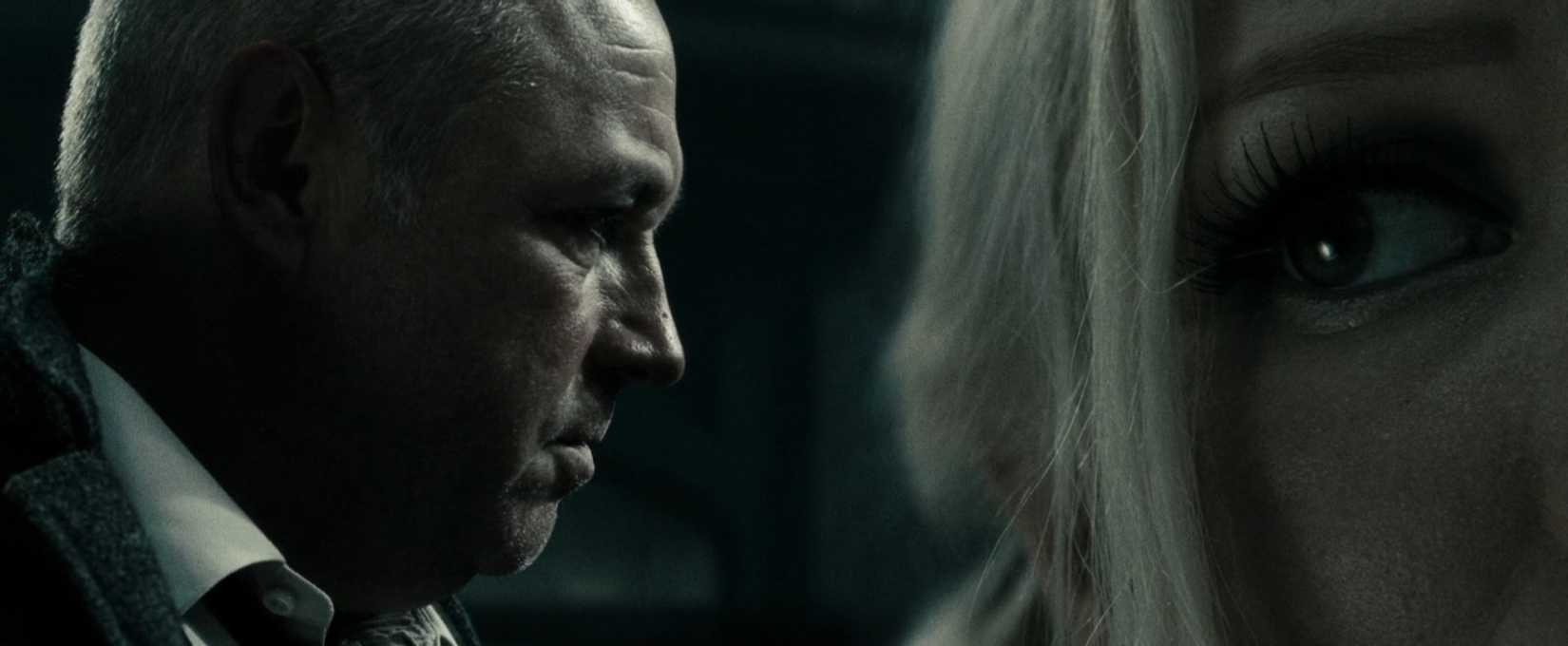
Ultimately, Sucker Punch is richer in visual and thematic ambition than many of Snyder’s more straightforward projects. It also established his penchant for the “Director’s Cut” as a speculative art form. Between the 110-minute theatrical version, the extended R-rated Blu-ray, and the mythical “true” version Snyder still discusses, there is always a feeling that his vision is just one edit away from perfection.
However, this unfinished quality actually benefits original properties like Sucker Punch and Rebel Moon more than his work with established IP. When Snyder isn’t tethered to the rigid expectations of comic book lore, his movies feel more humanly indecisive and exploratory. Sucker Punch is an earnest, if messy, investigation into why we retreat into fiction, making its struggles—both as a narrative and a piece of filmmaking—singularly fascinating.
Sucker Punch is currently available for streaming on HBO Max.
Source: Polygon
Related articles
 Ubisoft Plans to Downsize Trials Developer and Ubisoft Singapore
 How to Reach the Top of the Prison Tower in Castlevania: Dracula’s Curse
 Epic Games Claims Its Launcher Starts Faster Than Steam
 Marvel Star Confirms Absence in Doctor Doom Movie
 Blizzard Explains World of Warcraft Forever Development Approach and Community Relations
 ‘Garry’s Mod’ Creator Delivers Grim Update on Spiritual Successor: ‘It Hasn’t Been Going Well’
 Third Trailer Released for The Apothecary Diaries Anime Film
 Sony Reveals PlayStation Plus Free Games Lineup for October