
Fallout Season 2 is falling into the same trap as Westworld

When Fallout debuted on Prime Video in early 2024, it arrived under a cloud of cautious skepticism. Previous high-profile attempts to translate beloved gaming intellectual properties into prestige television—notably Halo, Resident Evil, and Knuckles—had largely struggled to find their footing. There was little precedent to suggest Bethesda’s iconic post-apocalyptic wasteland would fare any better. However, the creative pedigree behind the scenes was undeniable. With an ensemble featuring industry stalwarts like Kyle MacLachlan and Walton Goggins, alongside Ella Purnell following her standout turn in Yellowjackets, the series possessed significant gravitational pull. Most crucially, it had Jonathan Nolan.
Nolan and Lisa Joy, the visionary architects behind HBO’s Westworld, served as executive producers, with Nolan directing the inaugural three chapters to establish the show’s distinct visual and tonal language. Unsurprisingly, the first season of Fallout mirrored Westworld’s strengths: it was a meticulously crafted puzzle box driven by disparate souls converging toward a staggering revelation. Yet, that same lineage now casts a shadow. Just as Westworld eventually buckled under its own complexity, Fallout Season 2 appears to be succumbing to a similar narrative inertia.
Based on the first six episodes provided for review, the sophomore season feels hauntingly familiar in its flaws. With the central enigma of the debut season resolved, the series seems to be treading water, struggling to find a cohesive purpose for its increasingly fragmented cast.
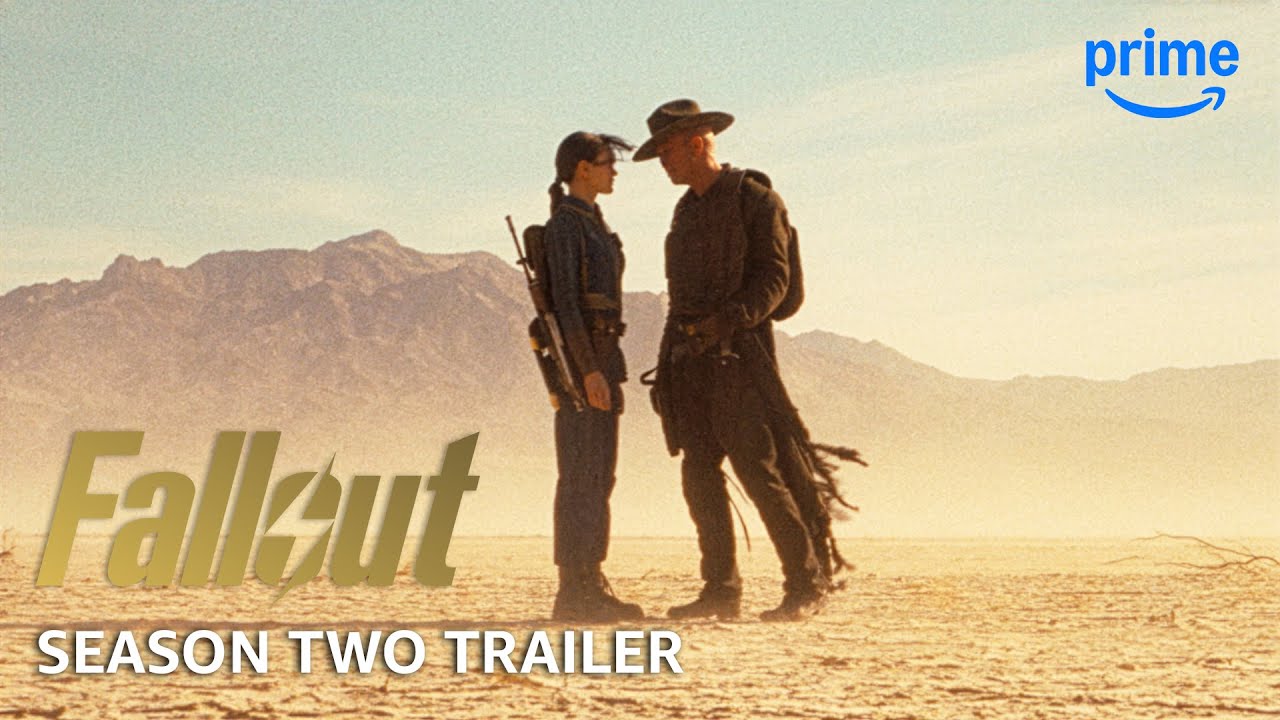
The first season concluded with several seismic shifts in the status quo. For those needing a refresher:
- The Vault-Tec Conspiracy: Hank MacLean (MacLachlan) was revealed as a pre-war Vault-Tec executive, preserved in stasis to safeguard the company’s authoritarian interests.
- Manufactured Armageddon: It was Vault-Tec, not a foreign power, that instigated the nuclear holocaust to ensure total market dominance in a subterranean future.
- Suppressed Innovation: The season’s primary objective—cold fusion—represented a chance for global restoration that Vault-Tec spent centuries burying.
- The Erasure of Shady Sands: In an act of pure corporate malice, Hank annihilated a thriving surface civilization to prevent any challenge to Vault-Tec’s planned hegemony.
While these bombshells made for a riveting finale, the resulting fallout—pun intended—has left the narrative cluttered. Without a singular mystery to anchor the proceedings, the second season feels untethered. The lack of Nolan’s directorial hand in the early episodes (though Lisa Joy takes the reins for episode six) is palpable, as the show struggles to regain its initial momentum.

The transformation of MacLachlan’s character from a benevolent patriarch to a cold-blooded antagonist was a highlight of Season 1, but his Season 2 trajectory feels disconnected from the source material’s core appeal. Furthermore, the charming rapport between Lucy (Purnell) and Maximus (Aaron Moten) has evaporated due to their physical separation. While the new alliance between Lucy and The Ghoul (Goggins) provides some much-needed levity and grit, the overall sense of urgency has been replaced by isolated subplots that fail to coalesce.
Even the high-stakes cold fusion plotline has been reduced to a backdrop for internecine squabbling within the Brotherhood of Steel. Instead of exploring the world-altering implications of limitless energy, the show bogs down in the Brotherhood’s bureaucratic and theological debates. A bright spot in this quagmire is the introduction of a new character portrayed by Kumail Nanjiani, who injects fresh energy into the militia’s stagnant dynamic.

Technically, the series remains a marvel. The retro-futuristic aesthetic—a blend of 1950s Americana and radioactive decay—is as vivid as ever. The production design and curated soundtrack of Golden Oldies continue to provide a rich, immersive atmosphere that honors the spirit of the original games. Nolan’s groundwork in establishing this world remains the show’s strongest asset.
Nevertheless, there is a looming concern that Fallout is following the Westworld trajectory: a brilliant beginning followed by a gradual slide into generic sprawl. By the time HBO pulled the plug on Westworld, its narrative had become so convoluted that even the most devoted fans had lost interest. Fallout is currently flirting with that same fate. While the final episodes of Season 2—or the already confirmed Season 3—could right the ship, Nolan is at risk of becoming known for high-concept starts that can’t quite maintain their altitude.
Fallout Season 2 arrives on December 16th at 6 p.m. ET, with subsequent episodes releasing every Wednesday.
Source: Polygon
Related articles
 Bodycam Sets New Concurrent Player Record Without Advertising
 Weta Workshop Opens Pre-Orders for Faramir Statue from The Lord of the Rings
 Until Dawn 2 Horror Game to Receive Physical Edition
 Tim Schafer Says Xbox Does Not Need Studios That Make Niche Games for Game Pass
 PlayStation Store Launches Gamescom Sale With Discounts Up to 75 Percent
 Riot Games and Hypixel Studios to Fund Technoblade Documentary
 Sony Adapts Pixel Adventure Game The Drifter Into Film
 Netflix Sets Avatar: The Last Airbender Season 3 for 2027 Release and Reveals Fire Lord Ozai