
Elementary, Acolyte: Owlcat Games Reveals New Investigation System in Warhammer 40,000: Dark Heresy
Inquisitorial agents do more than just force confessions from heretics.
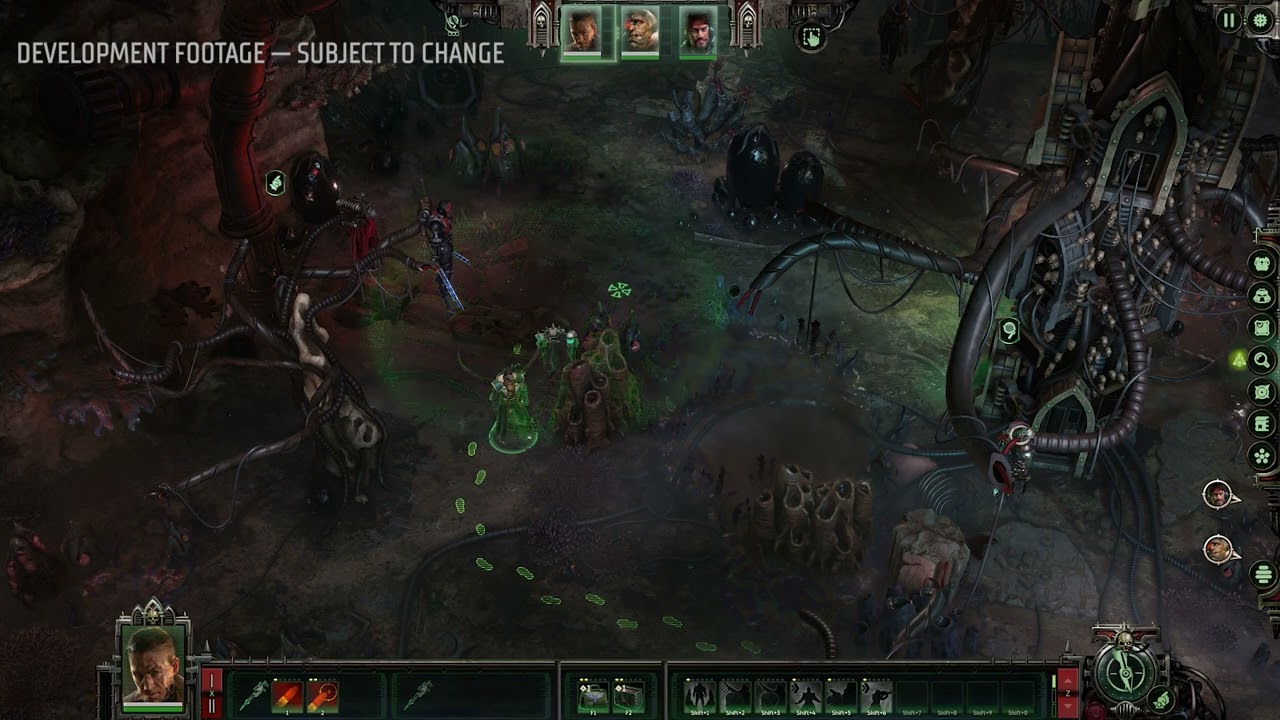
Owlcat Games has outlined the investigative mechanics in Warhammer 40,000: Dark Heresy.
In the game you play as an acolyte performing routine Inquisition duties: you receive a lead (a rumor, an odd report, a recurring name) and launch an inquiry. Each case is distinct, and the outcomes of your choices can impact anything from small communities to the entire Calixis sector.

The heart of the gameplay is collecting and examining clues — bloodstains, singed documents, unfamiliar compounds, wall sigils, and the like. Some leads are immediately apparent; others require specific skills or equipment, such as terrain analyzers, event reconstruction tools, or trace detectors. Fabricated testimony and planted evidence are common, and witnesses across the Imperium seldom offer an Inquisitor the whole truth.
Servo-skulls return as investigative aids. Multiple types are available, each with distinct functions: auspex scanning, chemical analysis, psyker detection, audio and image recording, illumination, and more.

All discoveries are logged in the “Detective Journal” — a dedicated interface where each case has its own tab for evidence, links, and conclusions. The player pieces together facts and constructs theories, while companions occasionally offer their own readings of the situation.

When an investigation concludes, the acolyte prepares a report for the Inquisitor detailing who is culpable, what evidence was uncovered, and what actions were taken. That report can be altered — accidentally or deliberately. An innocent individual may be accused due to missing evidence, personal grudges, or a desire to settle scores. Such choices carry consequences that will shape the narrative going forward.
Source: iXBT.games
Related articles
 Elden Ring Ranks Second in Japan as Another Game Takes the Top Spot
 Rumor: Deck Nine Faces Closure After Pitches for Buffy and Conan Games Failed
 Persona 4 Revival Reveals Another Character in New Atlus Teaser
 Pre-orders for Warhammer Age of Sigmar Brawlers of Behemat and Gargant Sets Open September 12
 Dark Fairy Tale The Grimm Reapress Scheduled for Release in 2027
 Nintendo Simplifies Battery Replacement in Updated Switch 2 Teardown
 Cosplayers Bring Warhammer 40,000 Junior Inquisitor and Tech-Priest to Life
 Cooperative Simulator Planted Scheduled for Fall Release