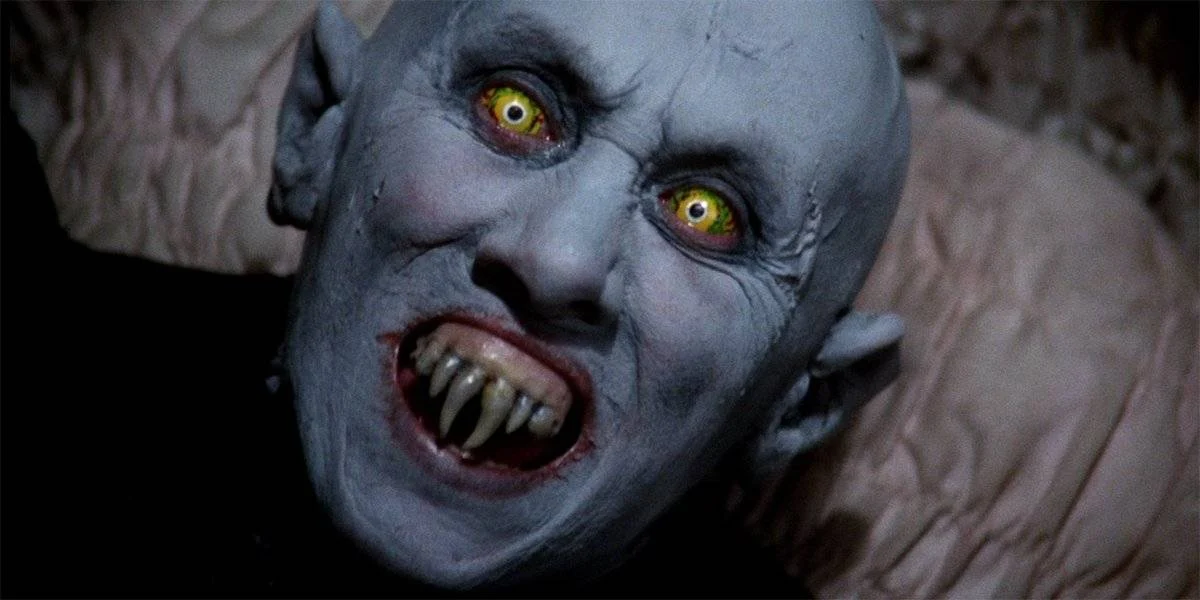
Eight Best Vampire Books Not Written by Anne Rice, Ranked by Polygon
In vampire stories, the immortal creatures of the night often trace their lineage back centuries. The authors who write them belong to a creative bloodline of their own. They took myths about blood-sucking monsters and turned them into lasting tales of horror. Sheridan Le Fanu’s 1872 novella Carmilla and Bram Stoker’s 1897 novel Dracula laid the genre’s foundations. Anne Rice, though, is the undisputed master of the modern vampire story.
Rice shifted the narrative focus from the vampire’s victims to the creatures themselves, which made the monsters more sympathetic. She wrote 13 books in The Vampire Chronicles, and they inspired multiple adaptations and a host of imitators. If you’ve already read the genre’s classics, here is a chronological list of the 8 best vampire books to read this spooky season.
I Am Legend (1954) by Richard Matheson
Bram Stoker was the first author to portray vampirism as a disease rather than a purely mythical curse. Richard Matheson built on that idea with his post-apocalyptic novel. In Francis Lawrence’s 2007 film adaptation, Will Smith fights bloodthirsty people infected with an experimental virus. The original book instead follows the sole survivor of a plague that turned most humans into vampires.
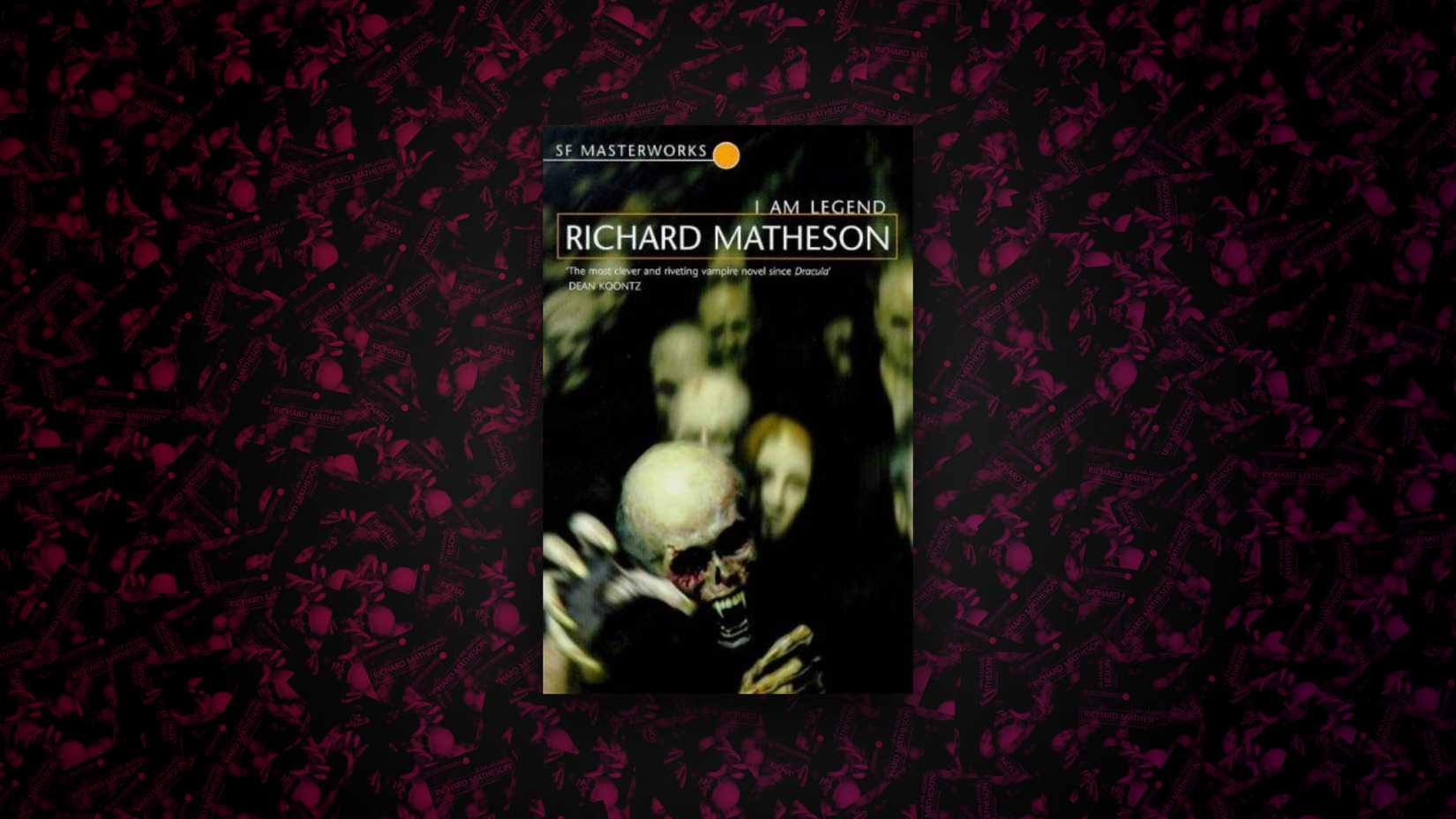
Matheson’s book is even darker than the movie. It’s a strange and powerful tale about loneliness and being left behind by a changed world. I Am Legend brought sci-fi into the vampire genre, and it also established the tropes of zombie apocalypse stories.
‘Salem’s Lot (1975) by Stephen King
A year after he published his first novel, Carrie, Stephen King wrote ‘Salem’s Lot, a book inspired by Dracula. It continues King’s focus on the horrors of Maine. Ben Mears, an author, returns to his hometown looking for inspiration for his next book. He investigates an old abandoned mansion and the death of a young boy. Then he discovers that the residents of Jerusalem’s Lot are turning into vampires.
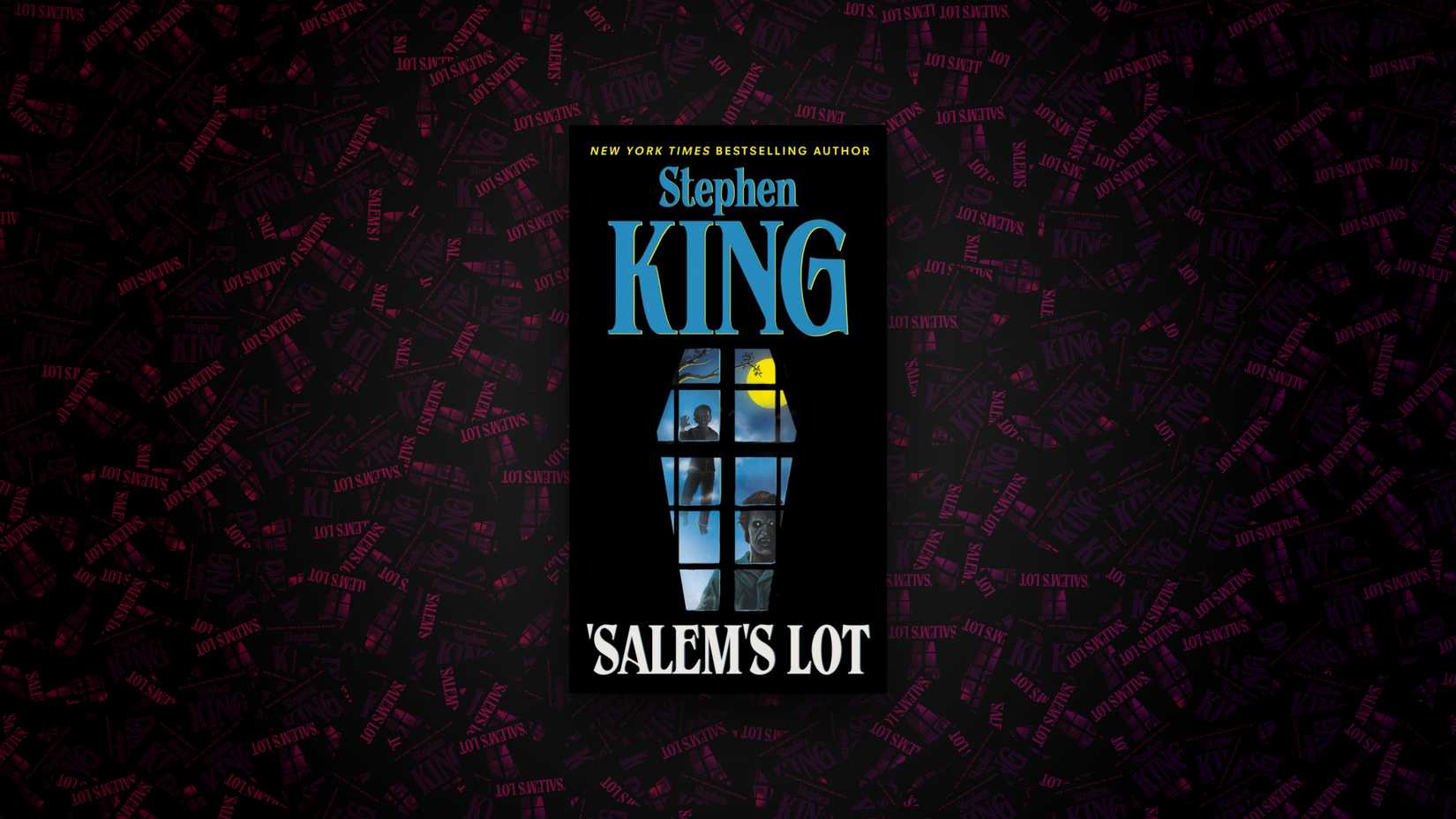
Read the book and skip Gary Dauberman’s mediocre 2024 film adaptation.
Let the Right One In (2004) by John Ajvide Lindqvist
This chilling novel is set in 1980s Stockholm. Oskar, a bullied 12-year-old boy, befriends Eli, a vampire eternally trapped in the body of a child. Let the Right One In has received two excellent adaptations: Tomas Alfredson’s moody 2008 film and Matt Reeves’ 2010 remake, Let Me In.
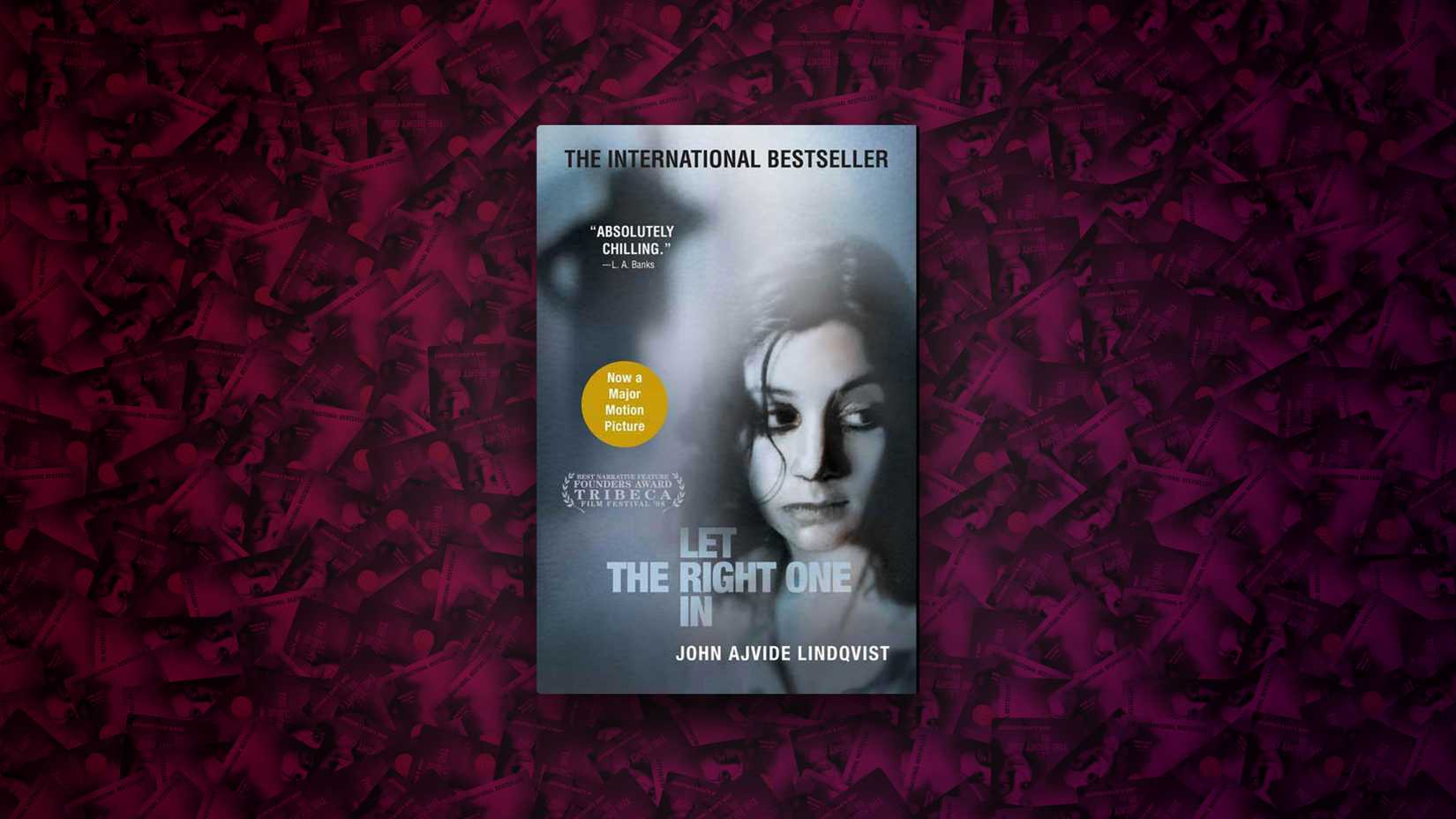
The book is still worth reading. It gives more detail on Eli’s origins and her relationship with her current adult guardian. The story centers on Oskar and Eli’s twisted dynamic, but Lindqvist also paints haunting portraits of the broken people who become Eli’s victims as they try to get by.
The Historian (2005) by Elizabeth Kostova
The Historian is a rich retelling of the Dracula story. Letters and testimonials link three generations of scholars who travel the world in search of the truth about Vlad the Impaler. The Gothic horror has an almost Lovecraftian edge. Scholars keep running into knowledge that consumes their lives and pulls them down destructive paths they can’t resist.
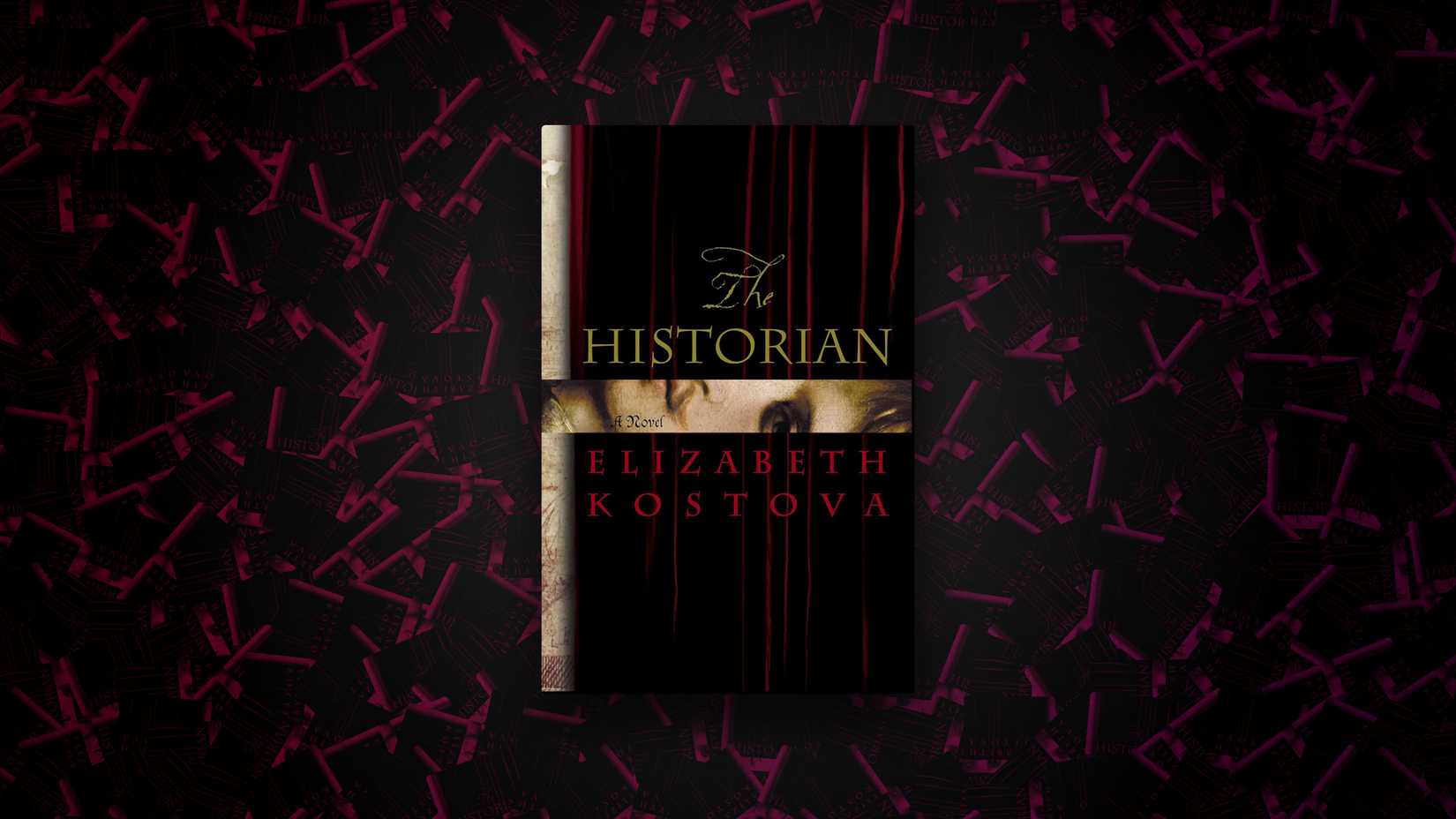
Kostova’s novel is a beautiful and fascinating story about obsession. It combines ancient history, mythology, and very personal tales of love and vengeance.
The Passage (2010) by Justin Cronin
Like I Am Legend, The Passage centers on a vampiric infection that spreads across the world. A scientist leads an expedition to study bats in Bolivia and returns home infected with a mysterious virus. The U.S. government believes it can weaponize the virus. The secret experiments have terrible consequences, and a young girl used as a test subject may be the one to save the world.
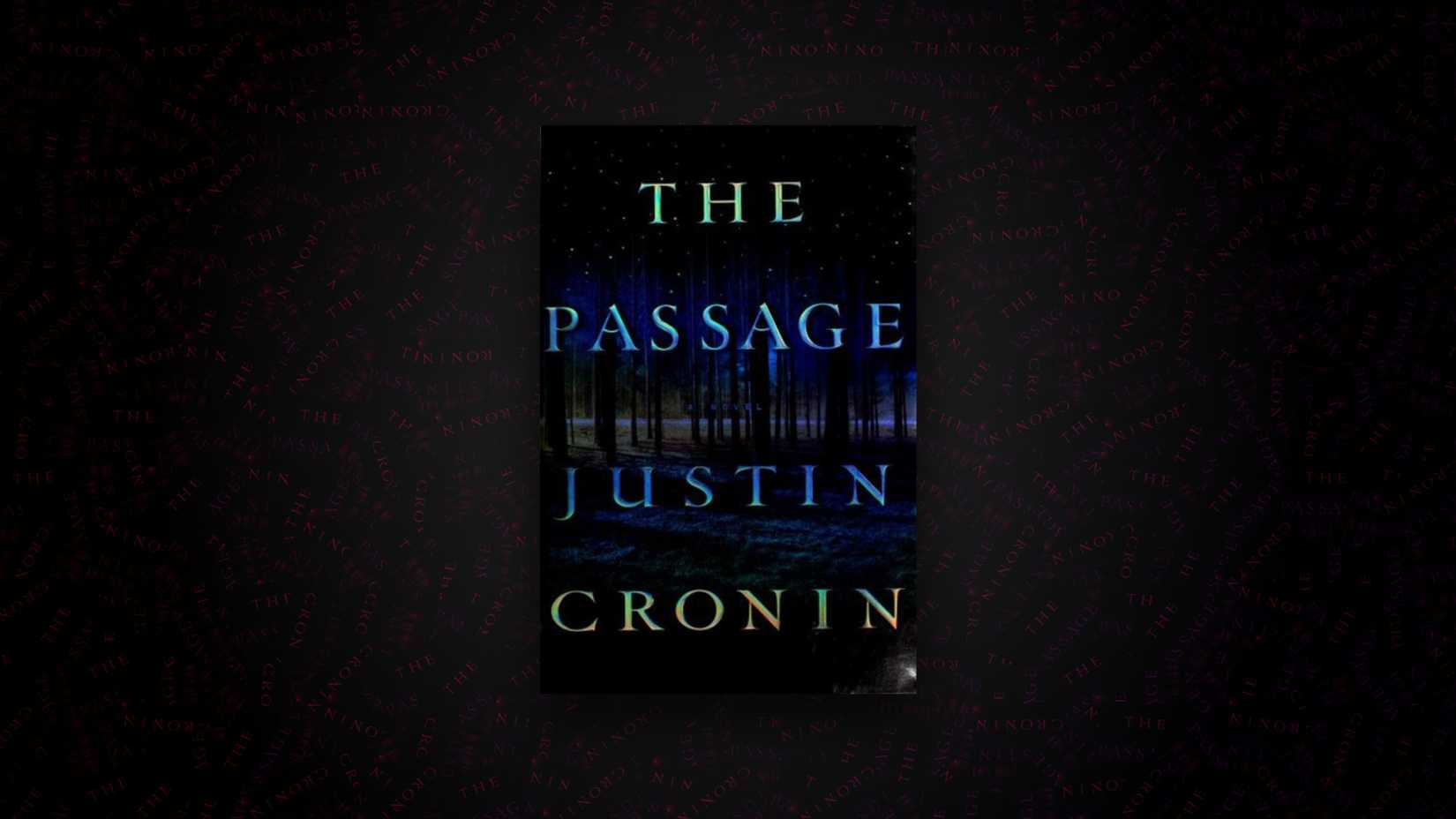
The wildly ambitious doorstopper alternates between the origins of the outbreak and a bleak future in which most of humanity has been wiped out. Cronin continued the story as a trilogy, but The Passage is the best part of the series.
The Lesser Dead (2014) by Christopher Buehlman
Anne Rice specializes in unreliable narrators, and Christopher Buehlman follows that tradition. His narrator is Joey Peacock, a vampire living in an abandoned section of the New York subway in 1978. Joey has been around for decades, yet he still looks and acts like a 14-year-old. He has grown a little bored with clubbing, feeding, and living by the rules of the city’s other vampires.
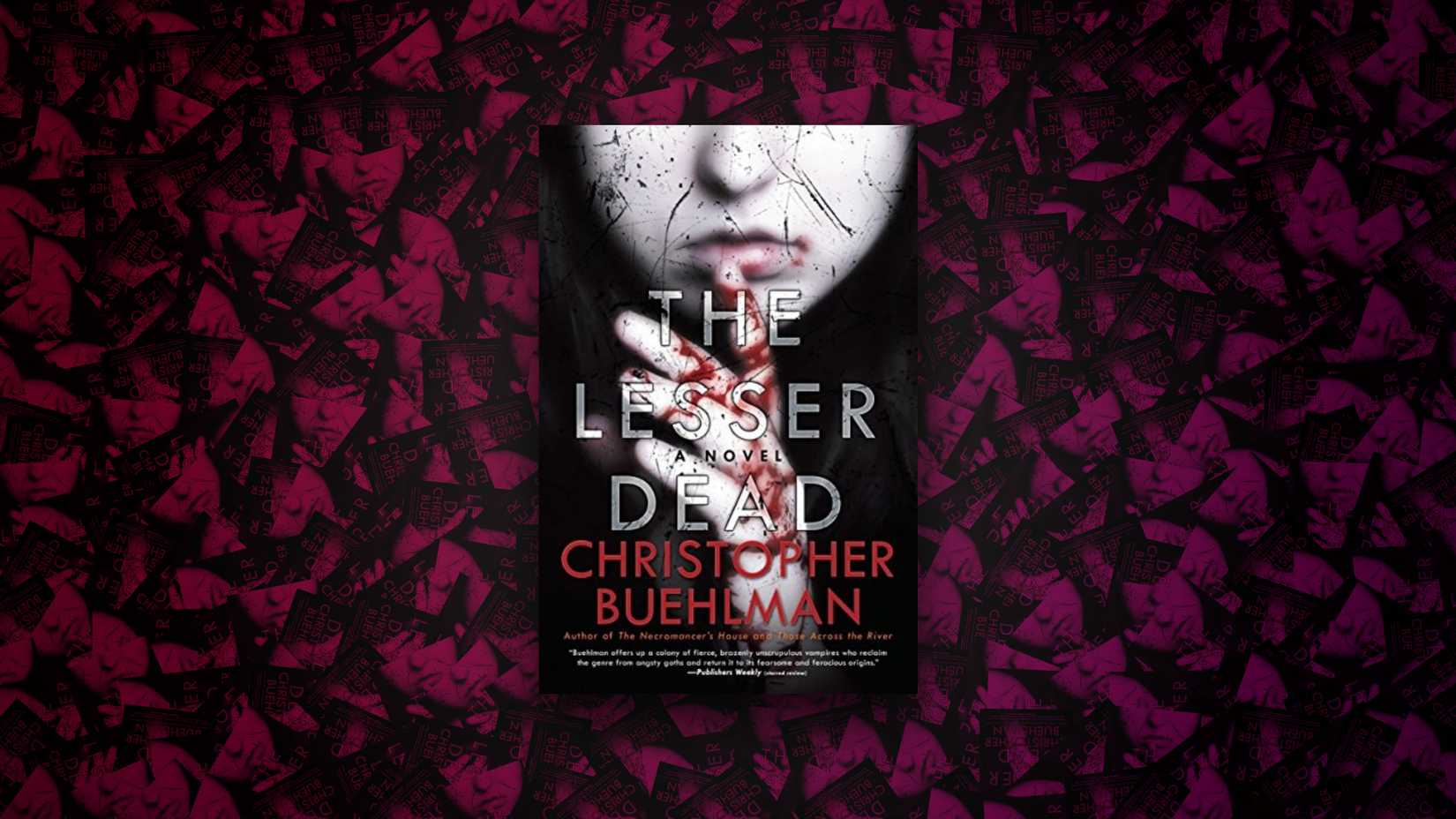
Then he sees a group of childlike vampires hunting in the subway. He tries to figure out where they come from and what they mean for his gang. Buehlman later built on his vampire mythology in The Suicide Motor Club, a dark road trip novel published in 2016.
The Southern Book Club’s Guide to Slaying Vampires (2020) by Grady Hendrix
Grady Hendrix gives vampire horror a cozy mystery spin. Patricia Campbell is a Charleston mom who escapes her caregiving duties through a true-crime book club. She becomes interested in the disappearance and deaths of several Black children, even though the police won’t help. Even her book club thinks she’s just being paranoid.
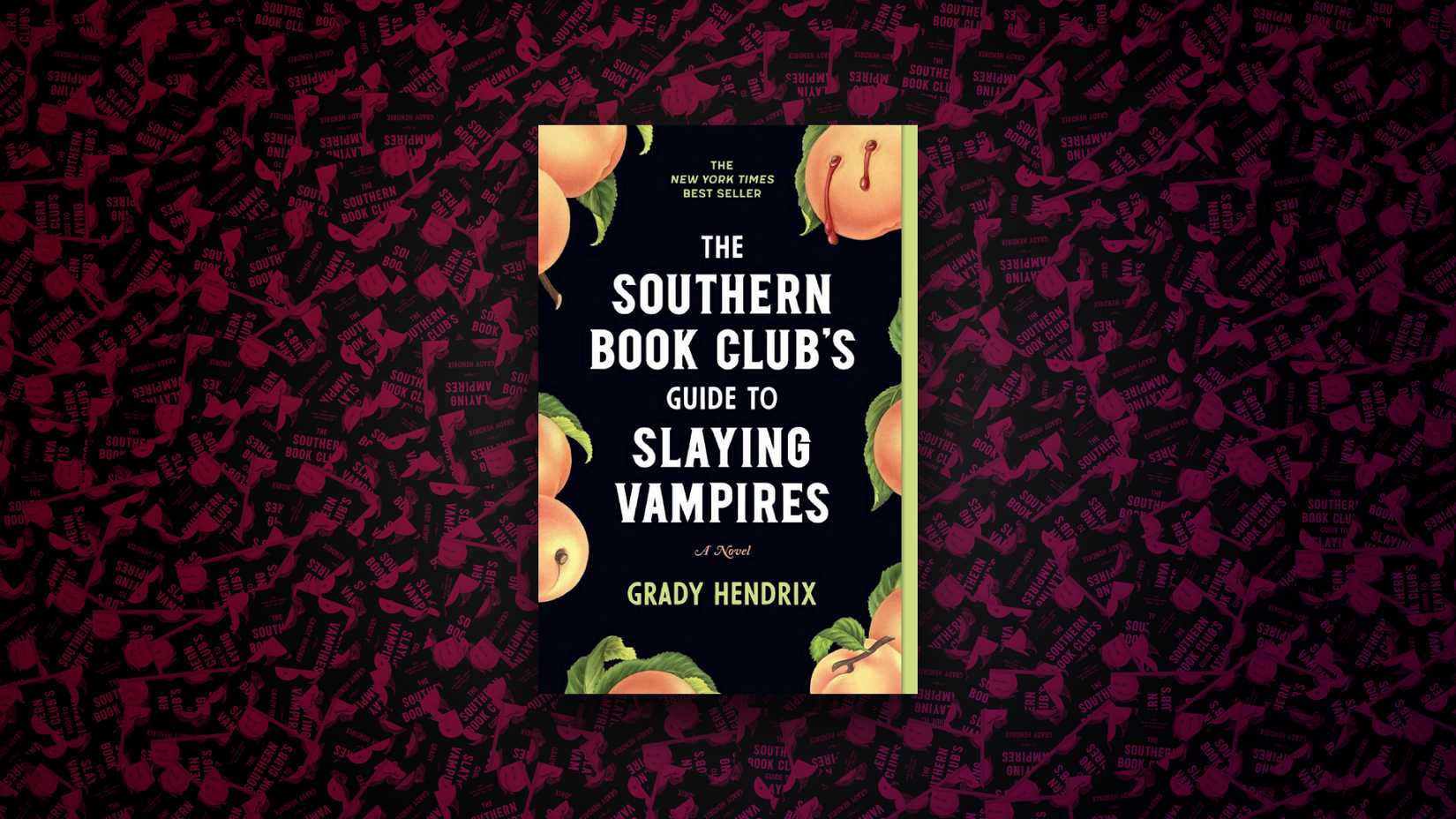
Her search for answers leads to a shocking revelation. Her seductive new neighbor is a vampire who uses the town’s racism to his advantage.
Bury Our Bones in the Midnight Soil (2025) by V. E. Schwab
Bury Our Bones in the Midnight Soil is a true spiritual successor to Interview with the Vampire. It’s a toxic love story about three lesbian vampires, told across centuries of bloodshed and betrayal. The book ranges from 16th-century Spain to 21st-century Boston. Schwab returns the genre to its roots as erotic stories about people who defy societal norms.
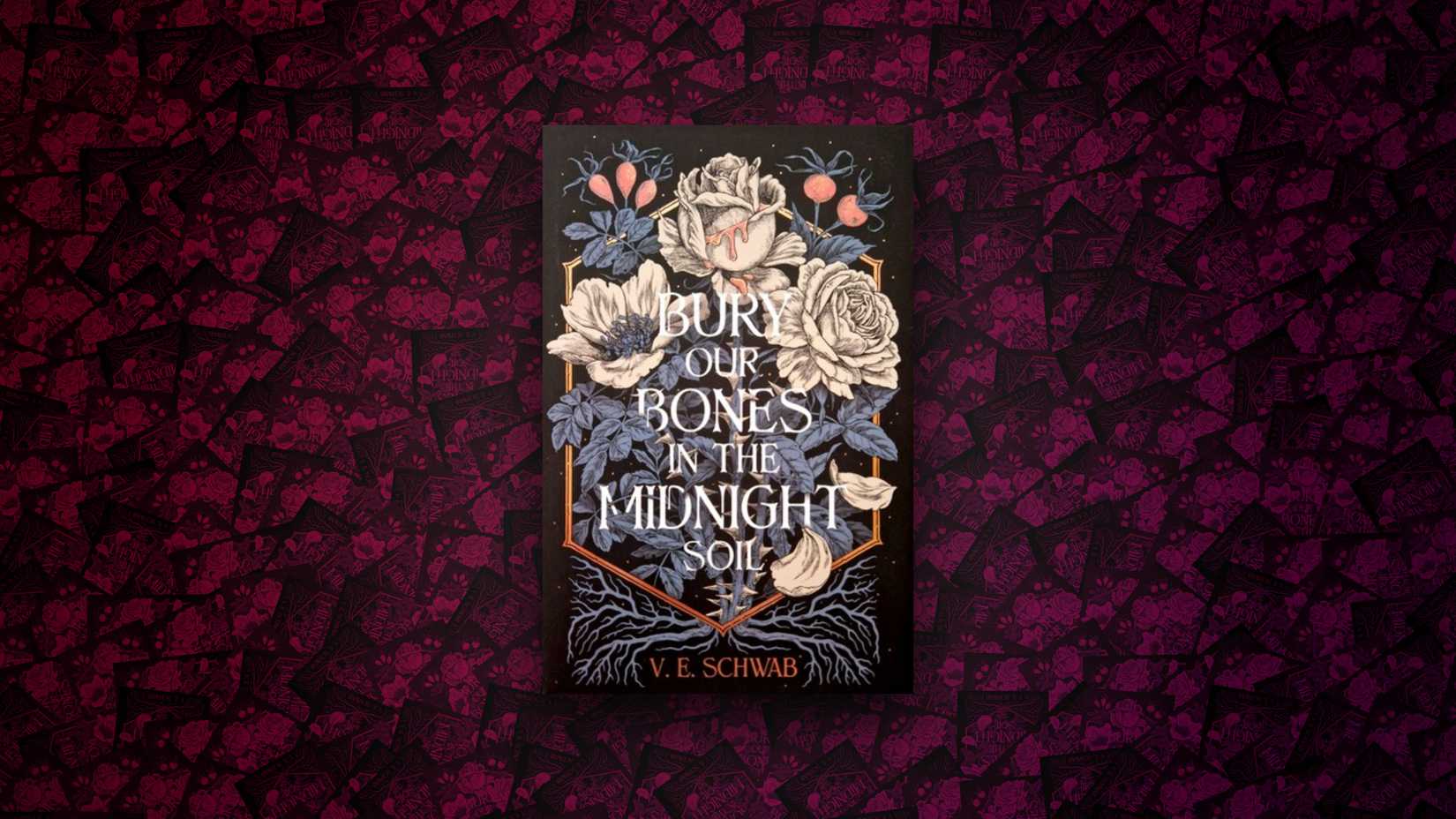
Undeath is all too seductive for women who want to escape their limited options. Schwab’s rich characters and luscious descriptions make the book a perfect read for Anne Rice fans.
Source: Polygon
Related articles
 Shrek 2 Remastered Listed in Microsoft Store With Details on Improvements and Co-Op
 Model Shows Off Lady Dimitrescu Cosplay From Resident Evil Village
 Ken Kutaragi, Known as Father of PlayStation, Says Supporting Discs Indefinitely Isn’t Economically Viable
 Netflix’s Dealies Will Be a Workplace Comedy Series From Joe Bennet
 No Rest for the Wicked Delayed to March 2027, Developers Promise Twice as Much Content
 Warhammer 40,000 Creators Show Holiday Miniature of Red Gobbo on a Squigmobile
 Steven Soderbergh Steps In to Finish Principal Photography on “The Batman Part II” as Matt Reeves Steps Away
 The Blood of Dawnwalker Patch 1.1 to Remove Regional Censorship and Add New Features