D&D Designer Explains Another Return to Ravenloft
My first question for Dungeons & Dragons principal game designer Wesley Schneider was blunt: “Why return to Ravenloft?” The decision to revisit this iconic horror setting for The Horrors Within left many fans, myself included, scratching our heads. While it’s undoubtedly a stellar sourcebook, it feels remarkably close to the heels of Van Richten’s Guide to Ravenloft, which arrived only five years ago. Furthermore, as a bit of a traditionalist, dropping a major horror expansion in the middle of summer rather than the spooky month of October feels like a missed beat.
Schneider’s response was refreshingly transparent. “D&D is a business,” he admitted. “We’re always looking for content that resonates most deeply in the current marketplace, and we develop this game through an ongoing dialogue with our players. People haven’t stopped playing Curse of Strahd; horror remains a fundamental pillar of the D&D experience.”
He emphasized that the project was born from a blend of commercial strategy and genuine passion. Ravenloft retains its status as a top-tier setting among both the community and the design studio. “Sometimes, we just get to pursue the projects we’re truly passionate about,” Schneider added.
While it’s hard to fault anyone for highlighting a fan-favorite setting, the reality remains that The Horrors Within covers familiar ground. Schneider noted that the team considered creating a sprawling adventure on par with Curse of Strahd, but the 2024 rules revision—now formally known as D&D 5.5—significantly pivoted their direction. “After finalizing the 2024 rules, we had a massive surge of creative energy regarding our art, mechanics, and design philosophy,” he explained. Leveraging that momentum to revitalize such a beloved setting felt like a natural progression.
 Image: Wizards of the Coast
Schneider acknowledged the critiques aimed at Van Richten’s and treated The Horrors Within as an opportunity for evolution rather than repetition. “We wanted to incorporate what players were asking for—not just re-releasing the old, but iterating to provide fresh ways to engage with one of our most treasured domains,” he said.
A cornerstone of this approach is the integration of “mini-adventures,” a hallmark of the 5.5 era. These bite-sized, modular encounters are designed to give Dungeon Masters immediate, playable content. “The beauty of this book is its focus on actionable, ready-to-play adventure content,” Schneider remarked. When asked how this stacks up against the juggernaut that is Curse of Strahd, he was quick to clarify their intent: instead of competing with a singular, massive campaign, they aimed to provide a toolkit for exploring the variety of Ravenloft’s domains.
For example, in the decaying realm of Dakon, the narrative is anchored by the disappearance of the lich Azalin Rex. High-level parties can delve into the frozen-in-time remains of Castle Avernus—a nod to the “Grand Conjunction” modules of the 2nd edition era that will surely delight legacy fans.
While some skeptics argue that owning Van Richten’s makes this new volume redundant, Schneider advocates for the necessity of accessibility. “We have to consider that this might be someone’s introduction to D&D,” he pointed out. “We want newcomers to have a comprehensive horror experience without feeling forced to hunt down outdated manuals.”
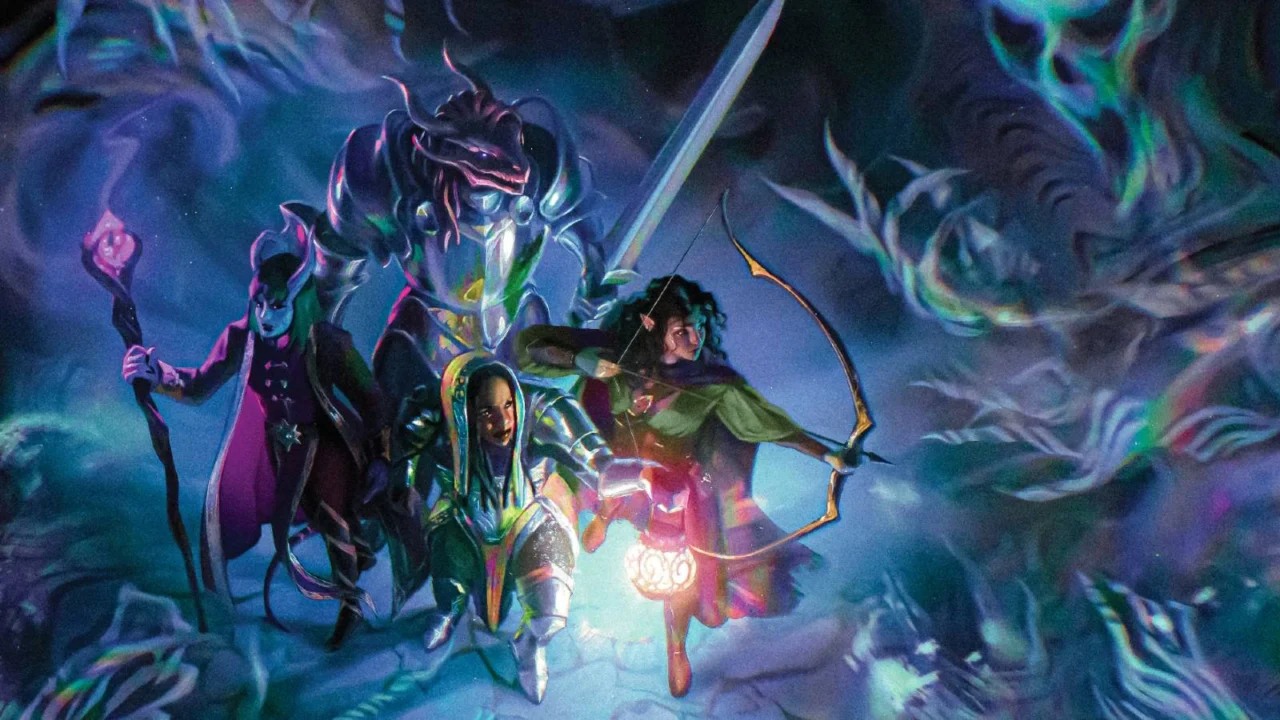
Ultimately, The Horrors Within is an invitation to play. Beyond the mechanics, the most compelling reason to pick it up is its visual identity. Art director AJ Hanneld has curated a aesthetic that feels modern and striking. “AJ moved away from the traditional, muted gothic palette,” Schneider said. “She drew inspiration from contemporary cinema, including A24 films and J-horror, utilizing lurid, haunting colors that prove horror doesn’t have to exist solely in black and white.”
 Image: Wizards of the Coast/James Fenner
This vivid, unsettling approach is exemplified by the illustration of a Hexblood witch on page 211, an image that manages to be both vibrant and deeply grotesque. With the support of art director Emi Tanji and graphic designer Trish Yocum, the book establishes a new visual standard for the franchise.
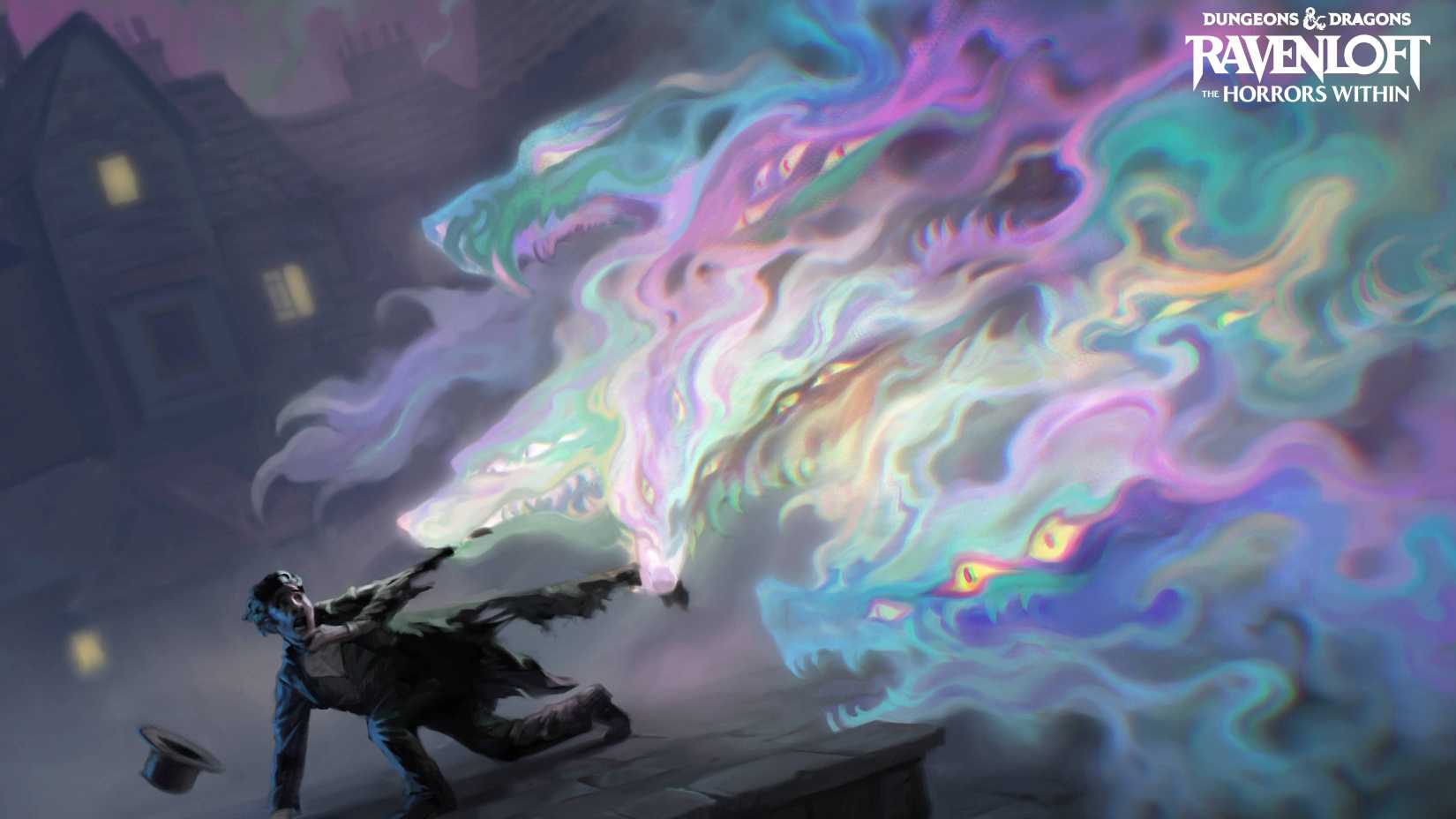 Image: Irina Nordsol/Wizards of the Coast
Ultimately, the return to Ravenloft was a calculated move that balanced player demand with creative ambition. As Schneider quipped, “D&D isn’t strictly defined as a horror game, but between us? It absolutely is.” This project serves as a reliable anchor for the new edition, leaving fans excited to see which uncharted territories the design team will explore next.
Source: Polygon
Related articles
 Former World’s Edge Studio Head Criticizes Xbox Leadership
 WARDOGS Development Head Criticizes Low Game Prices and Train Fares, Blames Rockstar Over GTA 6 Pricing Standard
 Mad King Redemption Reaches Xbox Game Pass
 New PS5 Firmware Update Reportedly Causes Sound Issues for Pulse Elite Headset
 Xbox Game Studios is developing three new games following restructuring
 Microsoft Registers Senua Trademark Following Ninja Theory Closure
 Nintendo Showcases New Map for The Legend of Zelda: Ocarina of Time
 Hot Toys Reveals Tomorrow Figurine From Death Stranding 2: On the Beach