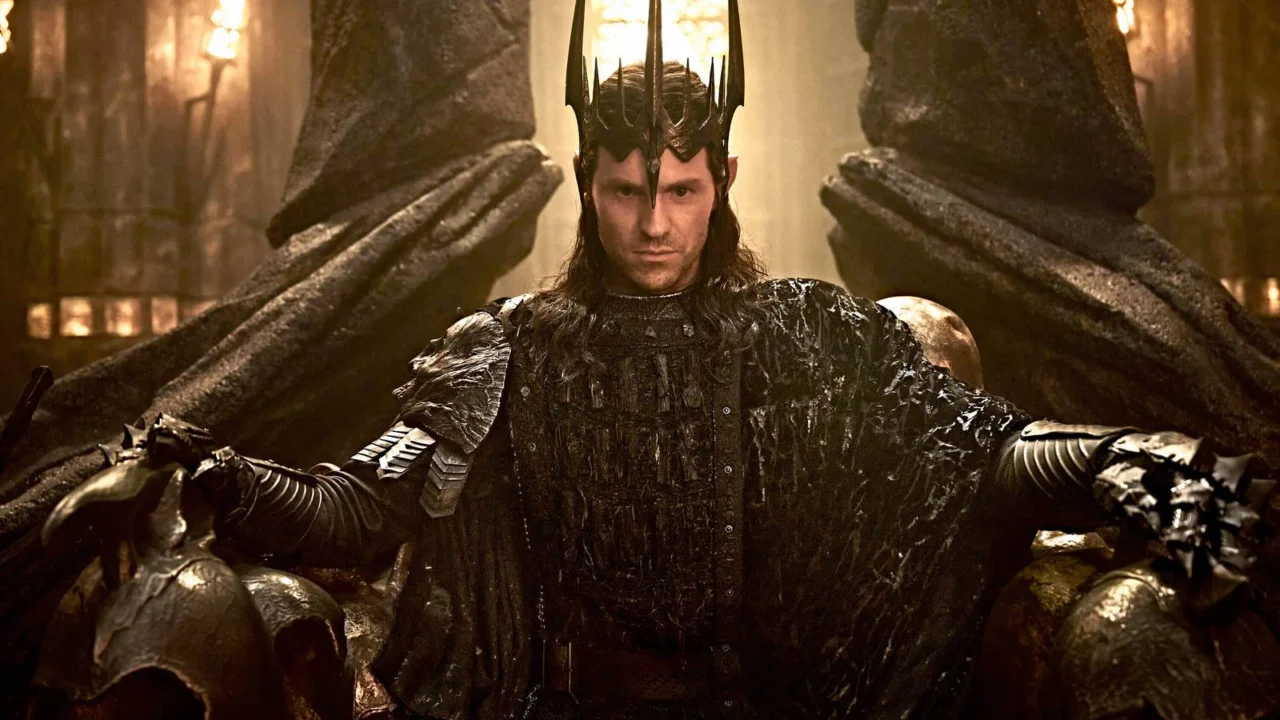
Rings of Power Season 3 Review: Series Tries Too Hard to Copy Peter Jackson’s Trilogy
The Lord of the Rings takes place in Middle-earth’s Third Age, when the realms of Men and Elves are in decline and only hints of the world’s former glory remain. Prime Video’s The Lord of the Rings: The Rings of Power is set thousands of years earlier, in J. R. R. Tolkien’s Second Age, but its spirit has more in common with that fallen time.
After two slow seasons establishing Sauron (Charlie Vickers) as Middle-earth’s Dark Lord, co-showrunners Patrick McKay and J.D. Payne use a five-year time skip as a soft reboot that shifts the focus to the One Ring. Yet the closer the story and action get to The Lord of the Rings, the more the show feels like a pale imitation of Peter Jackson’s already-perfect film trilogy.
Several scenes in Rings of Power season 3 directly echo key moments from Jackson’s films. The elves Galadriel (Morfydd Clark) and Arondir (Ismael Cruz Córdova) travel into enemy territory with an unreliable guide who dislikes elf food and turns the friends against each other, much as Gollum does with Frodo and Sam. Galadriel also hides in a hedge from a Nazgnagôl, one of the still-living precursors to the Ringwraiths, who would put Frodo and his Hobbit friends in the same position.
At one point, Galadriel invokes the power of “fellowship” as a source of hope against Sauron. The moment feels almost as heavy-handed as Elrond name-dropping The Fellowship of the Ring in Rivendell.
Prequels face the challenge of justifying their existence when the ending is already known. Last season, Rings of Power embraced that inevitability, much like the Game of Thrones prequel House of the Dragon, building a Shakespearean tragedy around the corruption of dwarf king Durin III (Peter Mullan) and elven smith Celebrimbor (Charles Edwards).
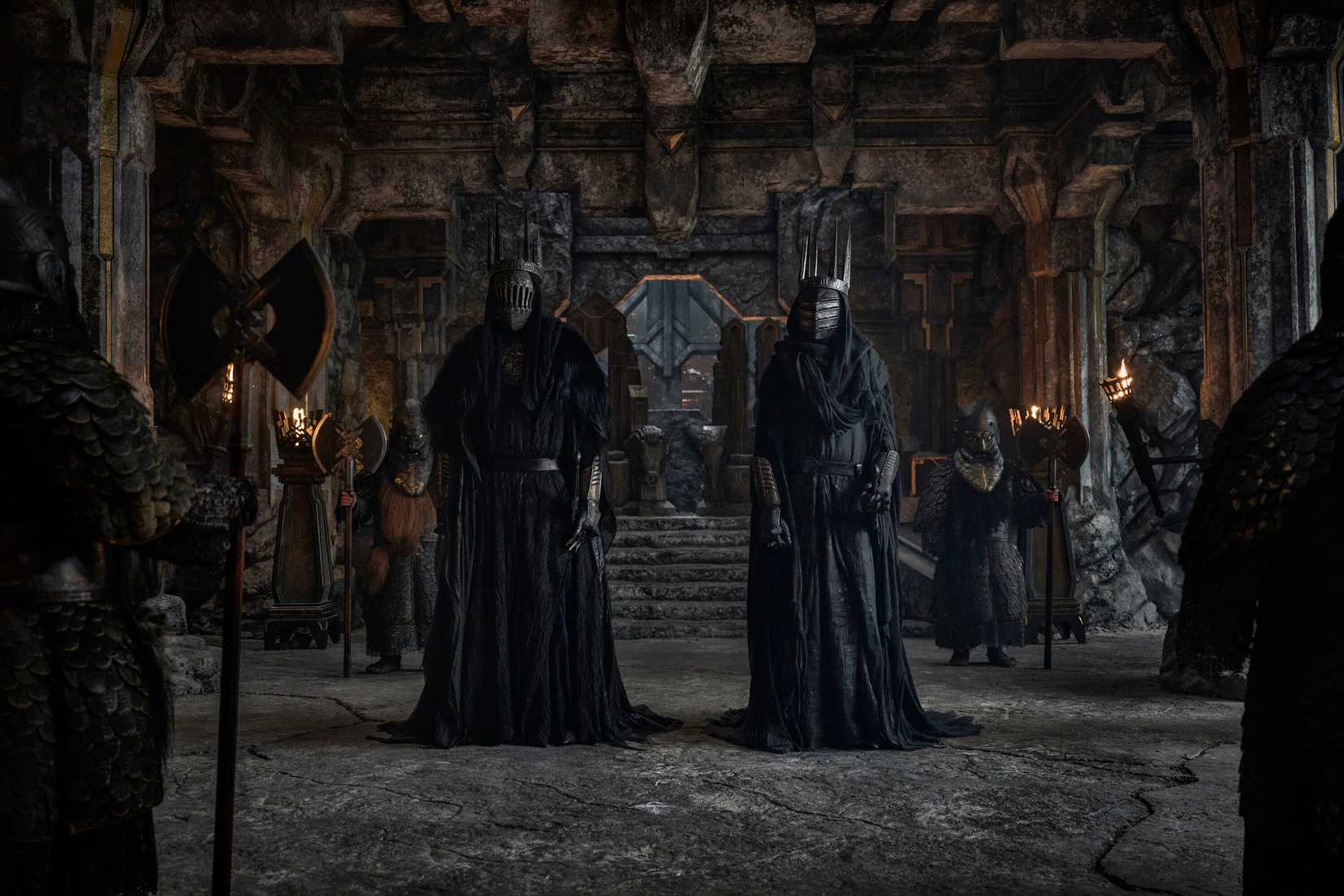
Some of that remains in season 3, as the island kingdom of Númenor and the dwarven stronghold of Khazad-dûm inch toward their dark fates. But the show also spends too much time following the approach of Solo: A Star Wars Story, offering unnecessary origins for everything from Lothlorien’s construction plans to Gandalf’s hat.
Epic moments and hollow plotlines
At times, Rings of Power matches the awe, scale and warmth of Jackson’s films. Sauron is closer than ever to dominating Middle-earth. He has begun distributing the nine rings “for mortal men” that he took from Celebrimbor at the end of season 2, and he sends out his terrifying lieutenants to strengthen his position.
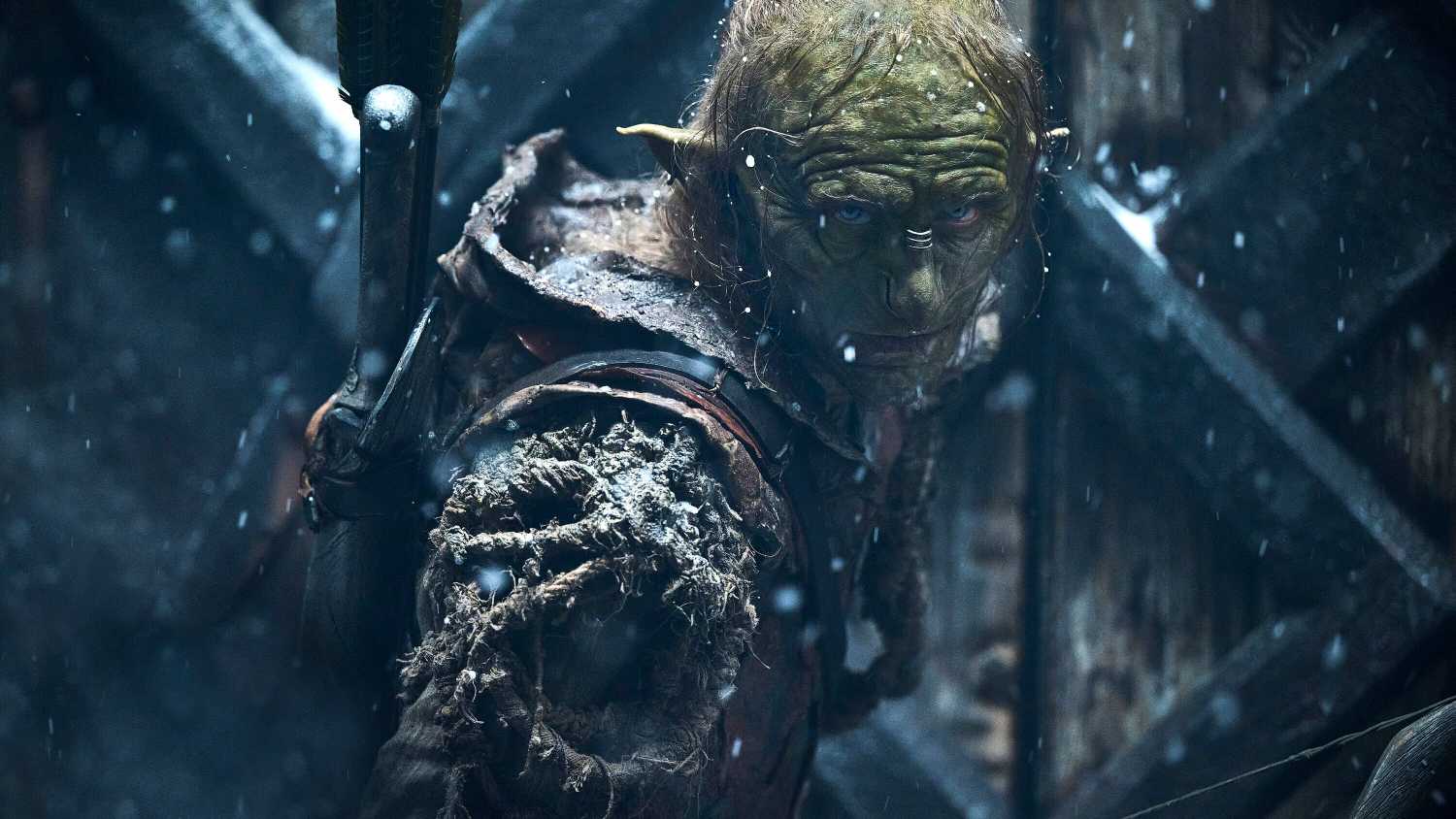
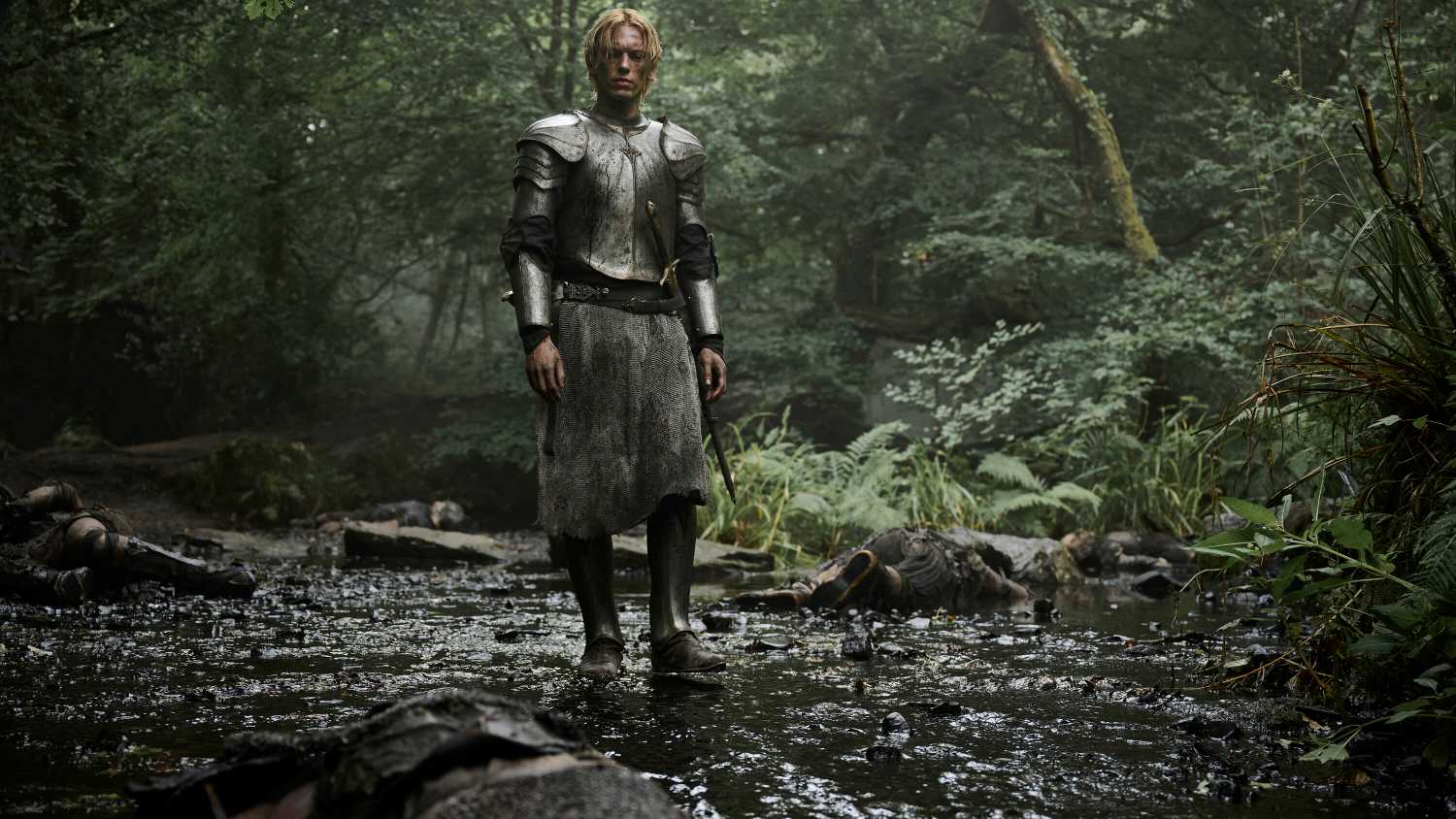
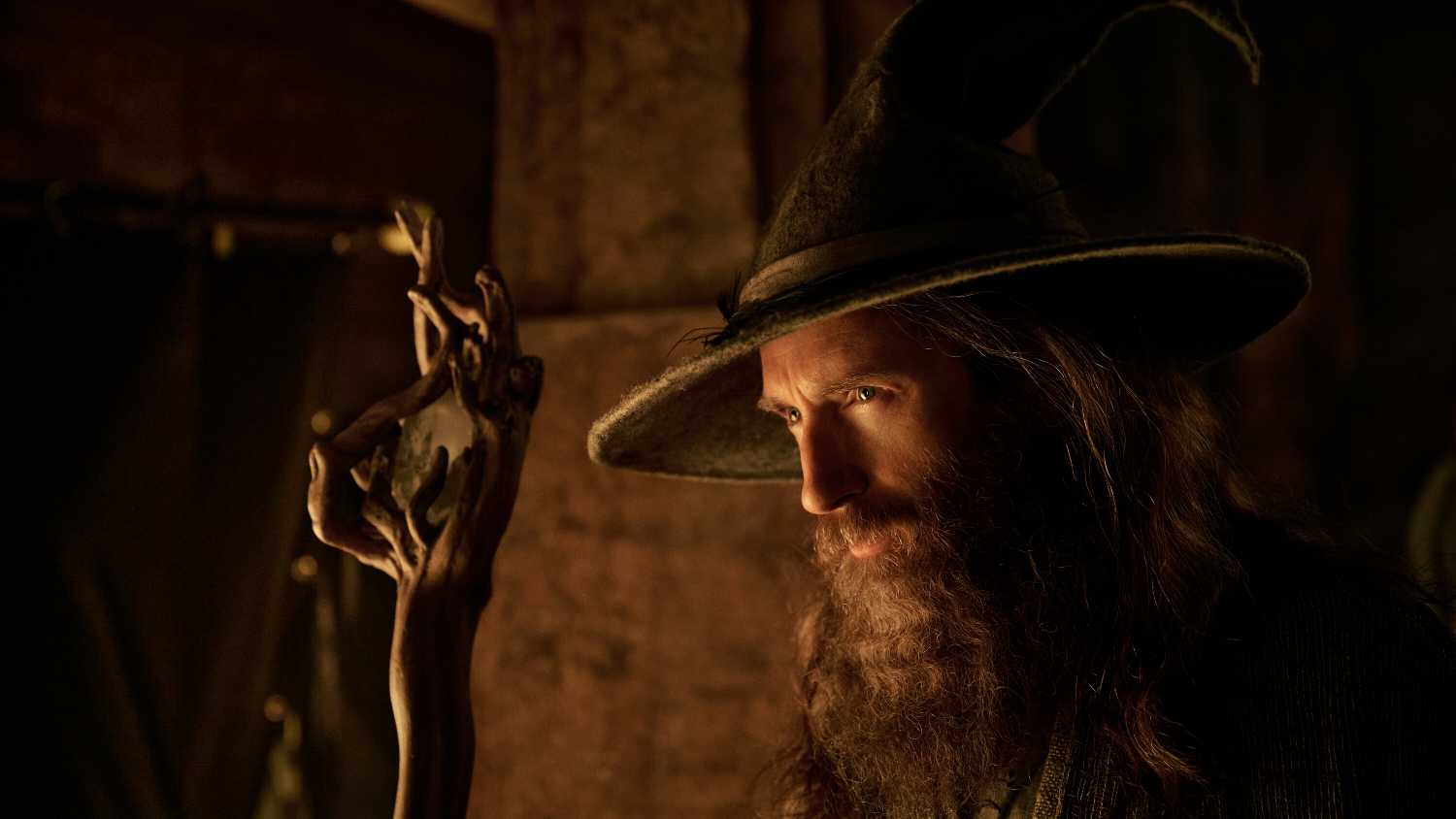
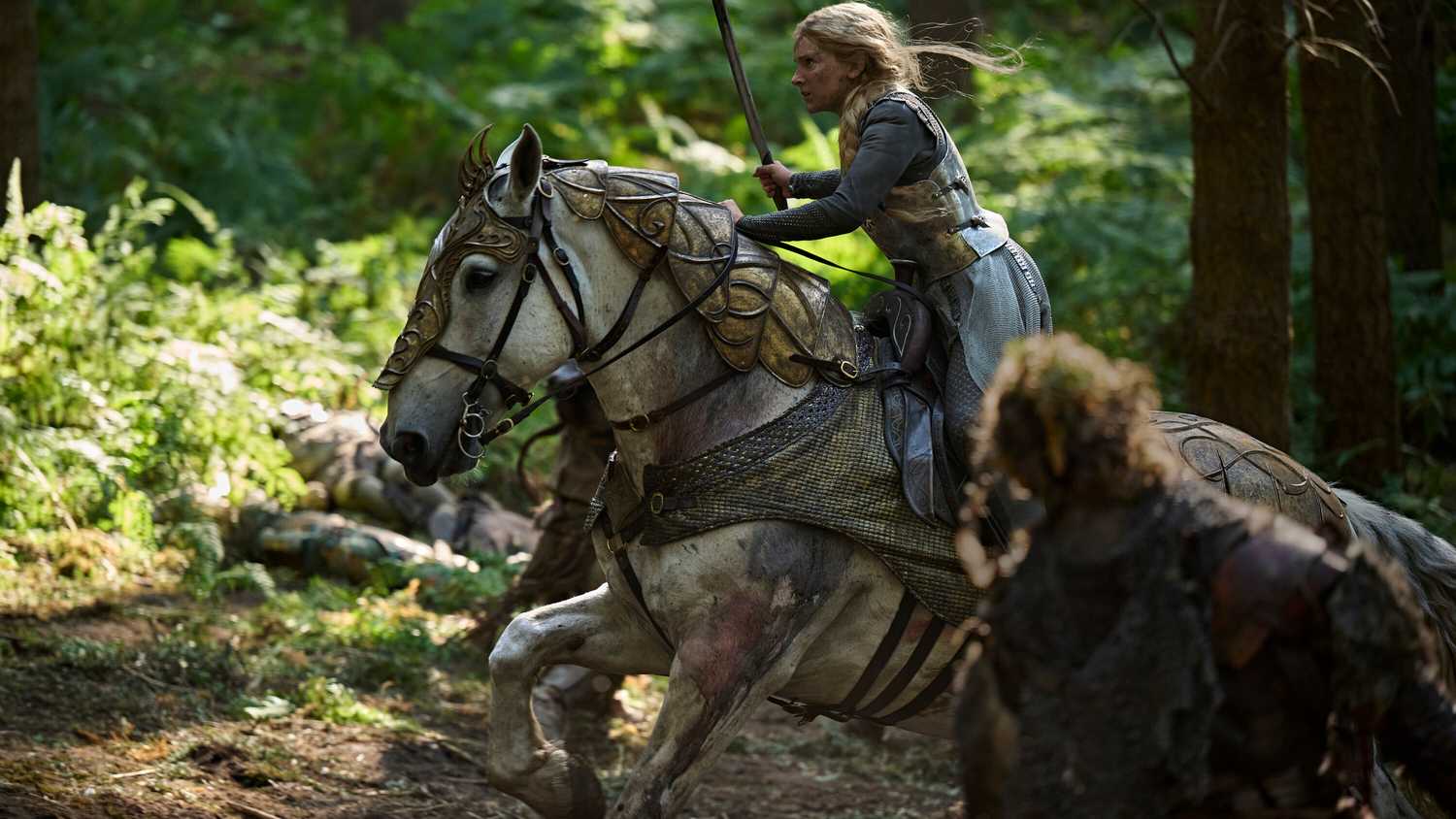
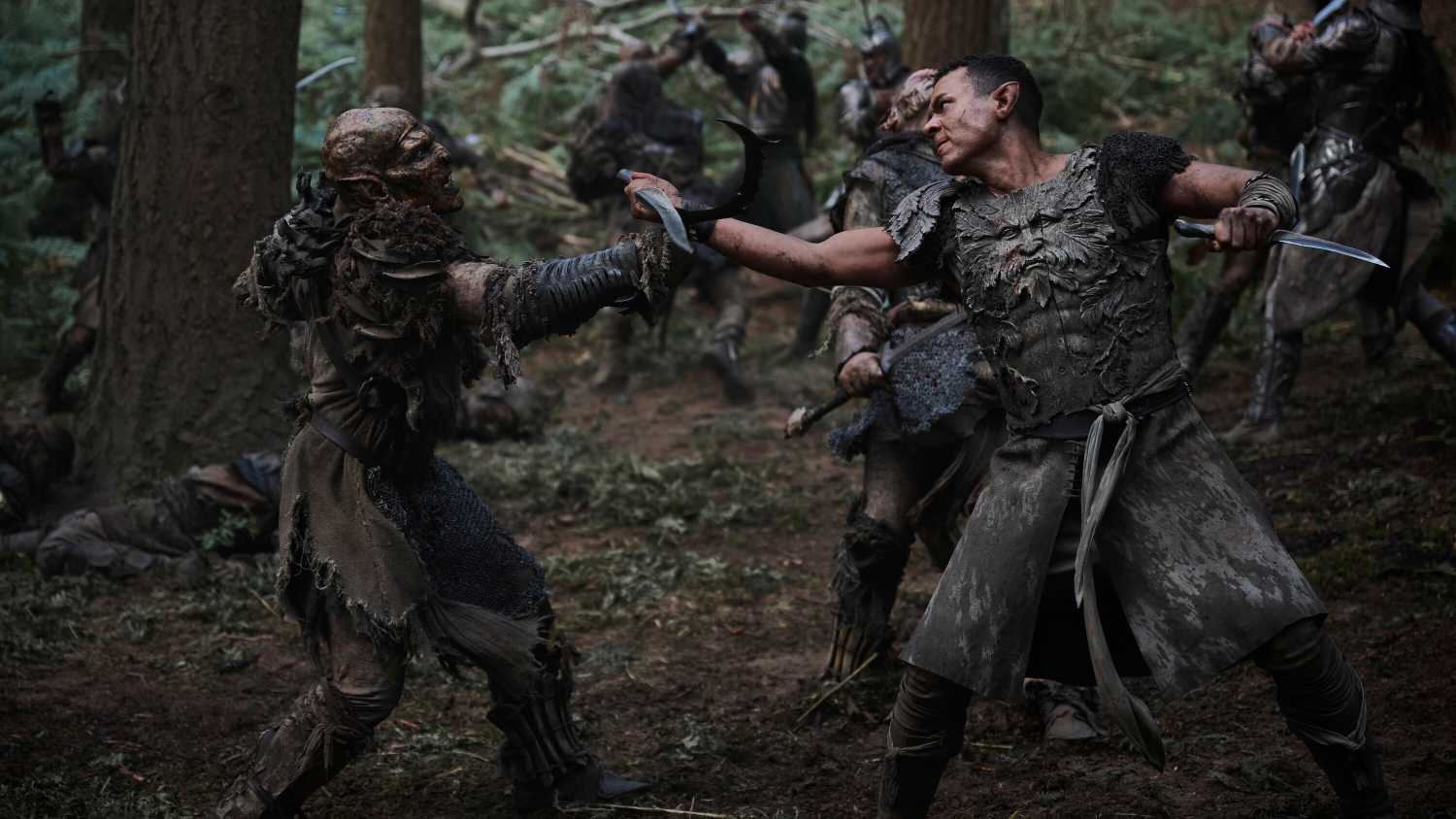
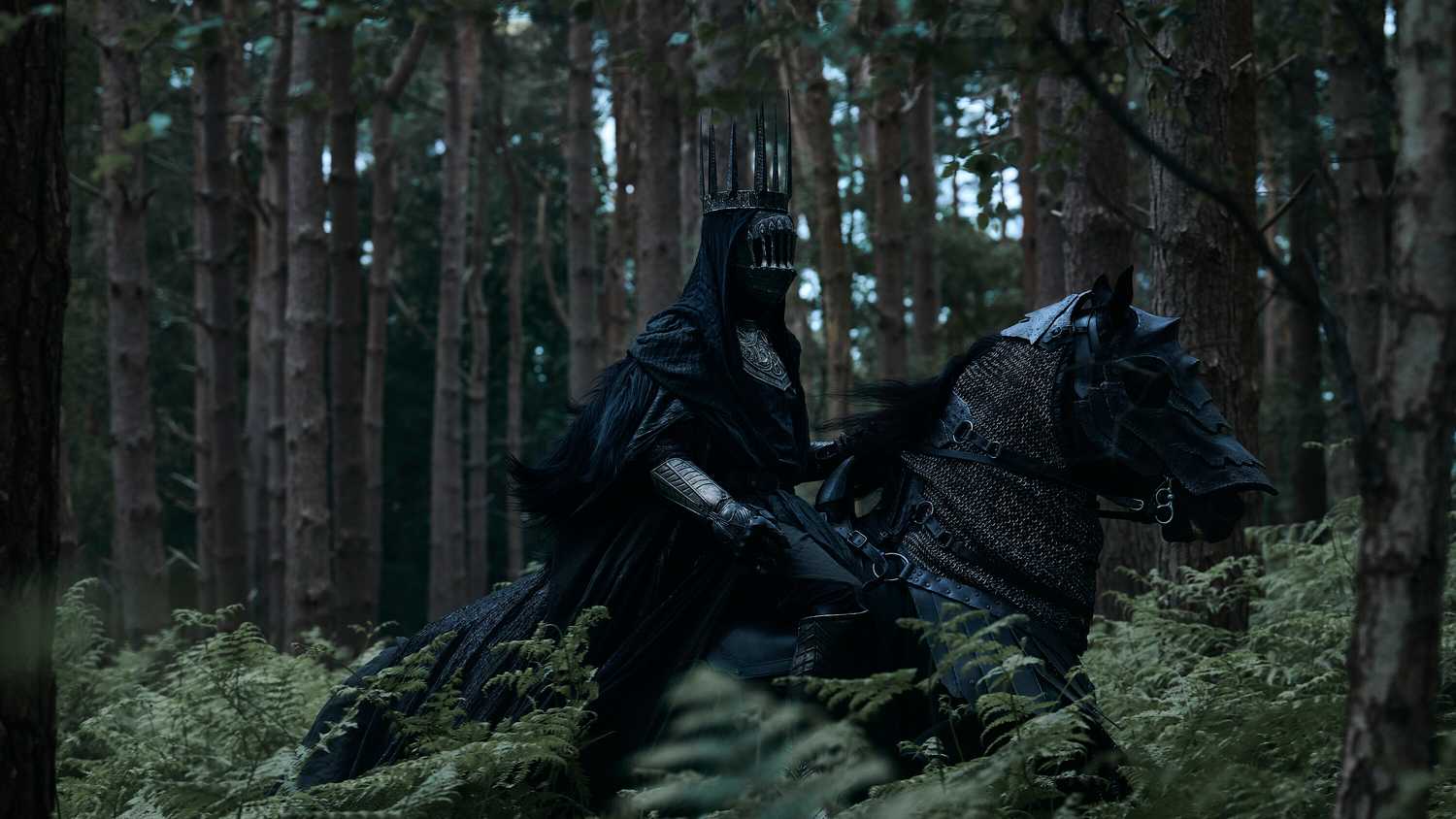
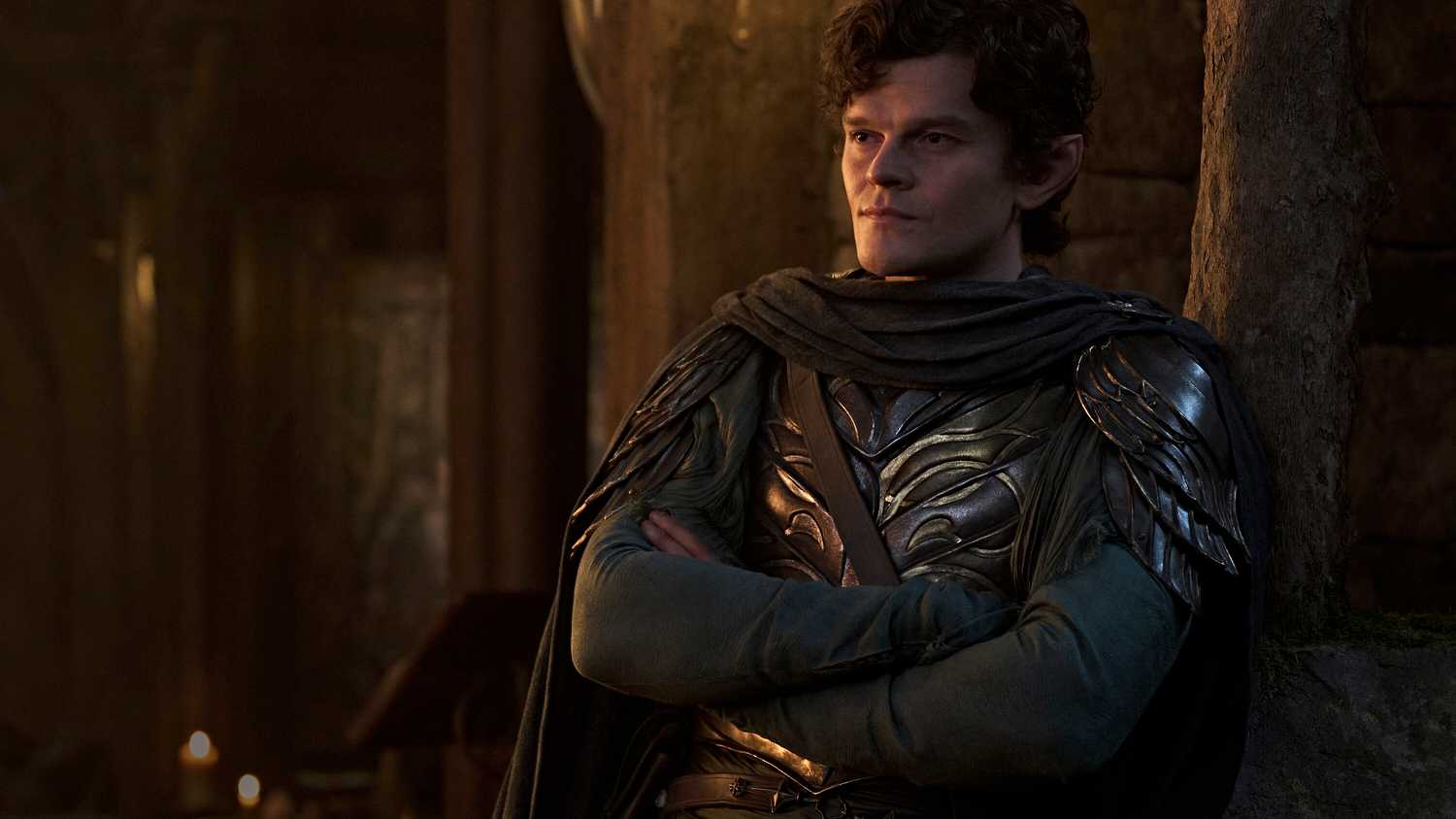
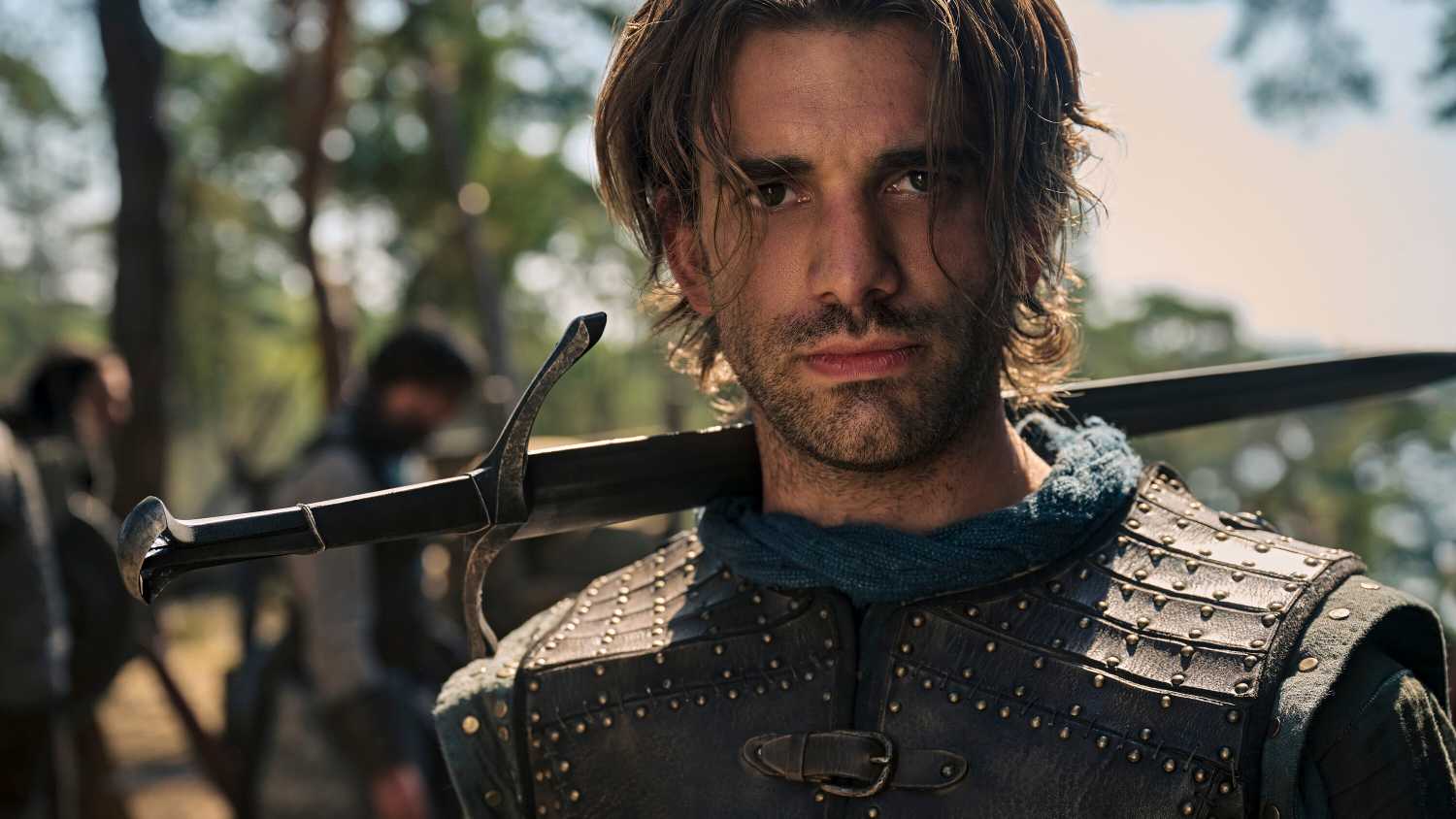
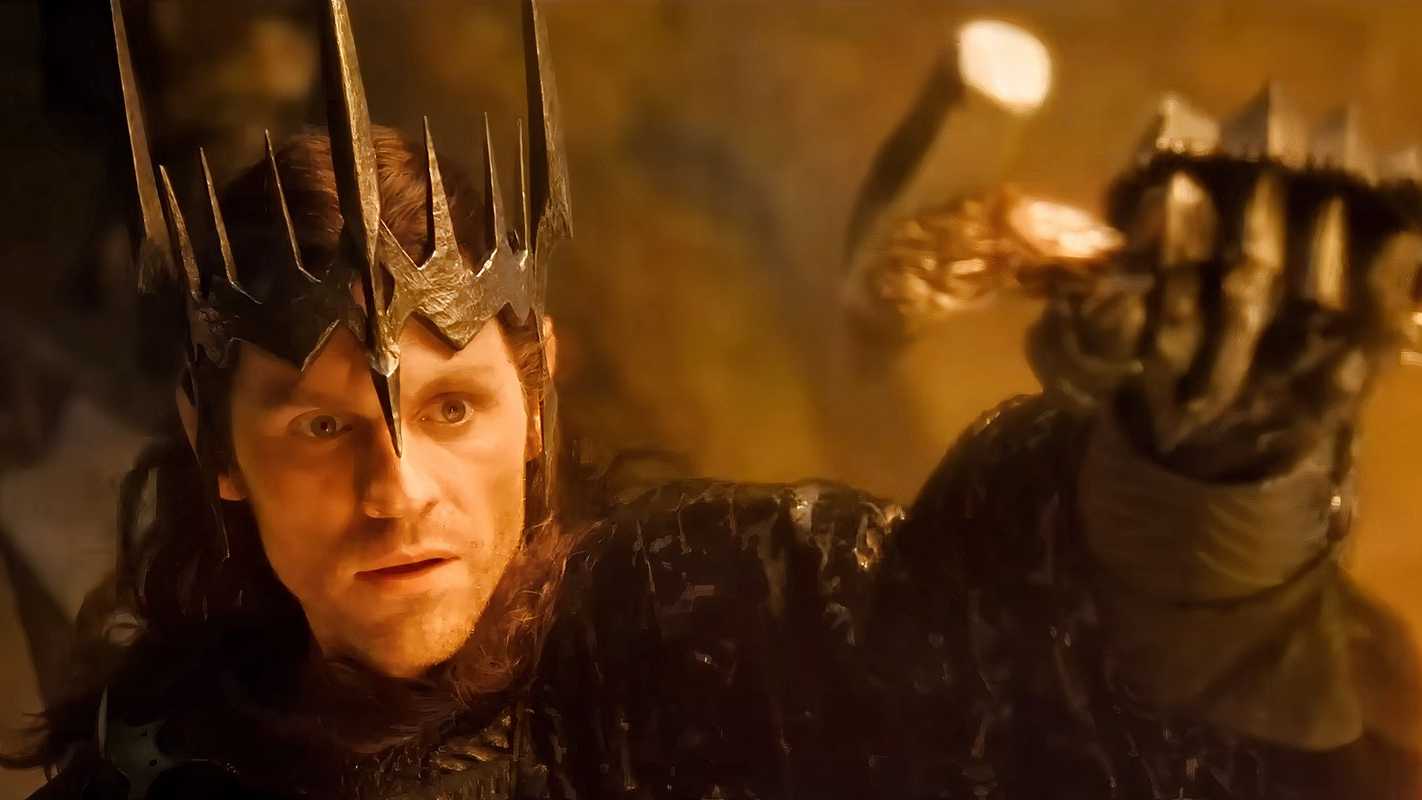
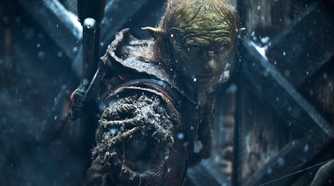
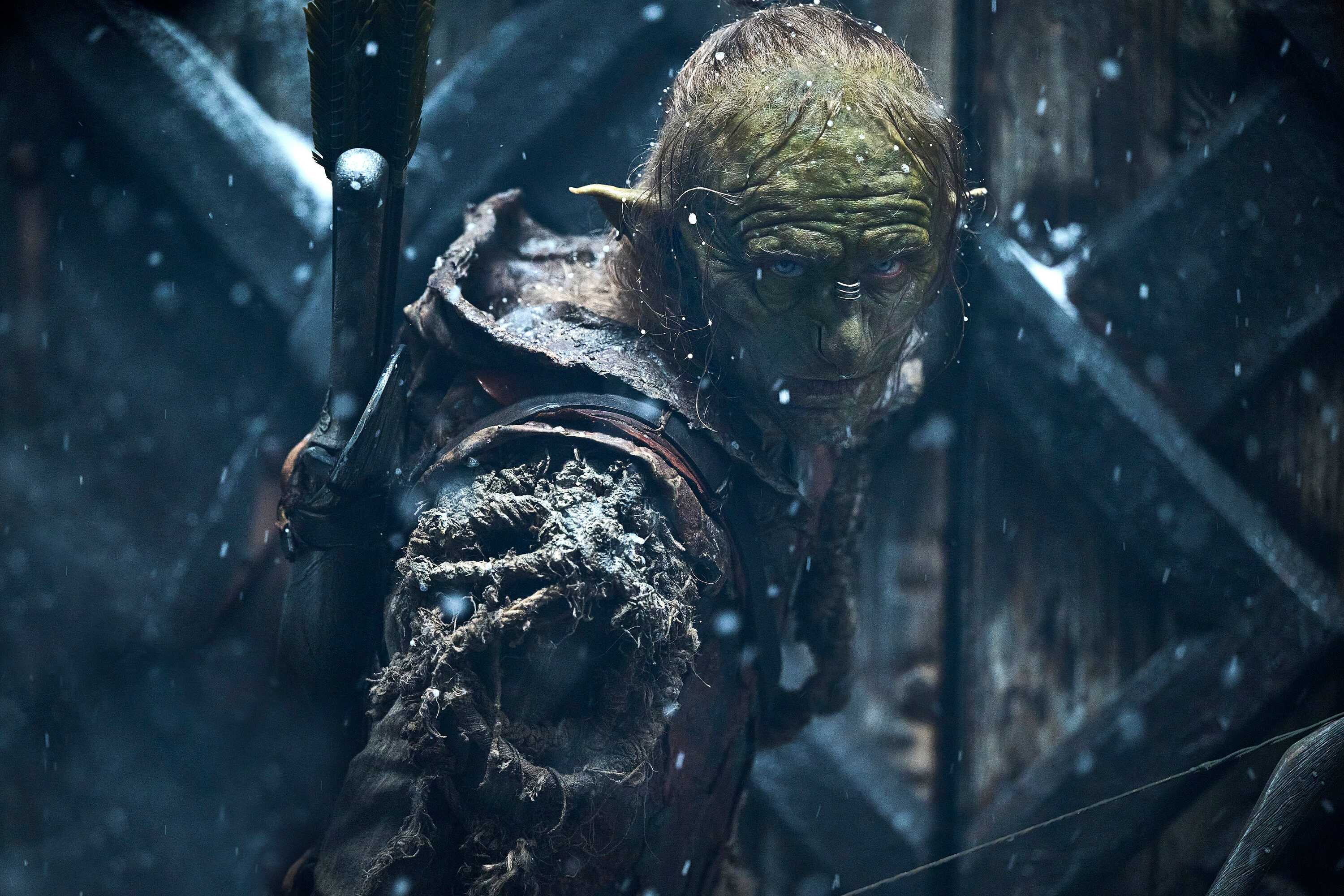
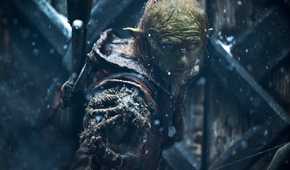
The family drama in Khazad-dûm remains a highlight. Durin IV (Owain Arthur) and Disa (Sophia Nomvete) try to protect the kingdom from the rule of Durin’s weaselly older brother Thráin (Eddie Marsan). The rogue orc Marnûkh (Adam Young) may resemble a Gollum knockoff, but he is surprisingly compelling and funny. Sauron’s conversation with the Balrog, played by an unrecognizable Simon Pegg, is one of the season’s most dramatic moments.
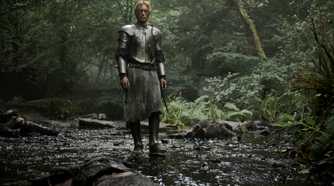
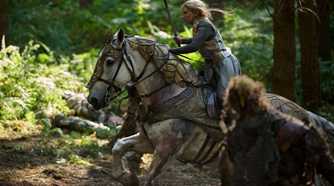
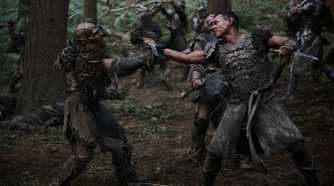
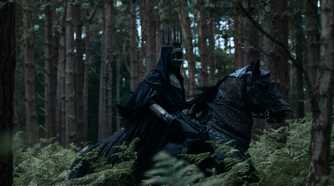
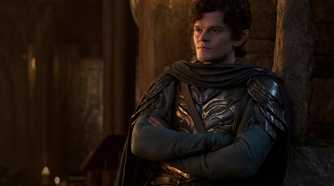
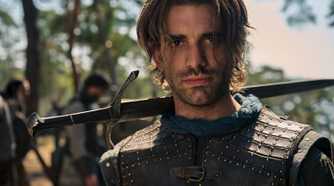
Other plotlines feel hollow, even as they develop key figures in the war against Sauron. Gandalf spent two seasons with the Harfoots, who are absent from the first seven episodes of season 3. Their absence makes the earlier time spent with them feel somewhat pointless, and the season is more dour without the proto-Hobbits’ charm and humor.
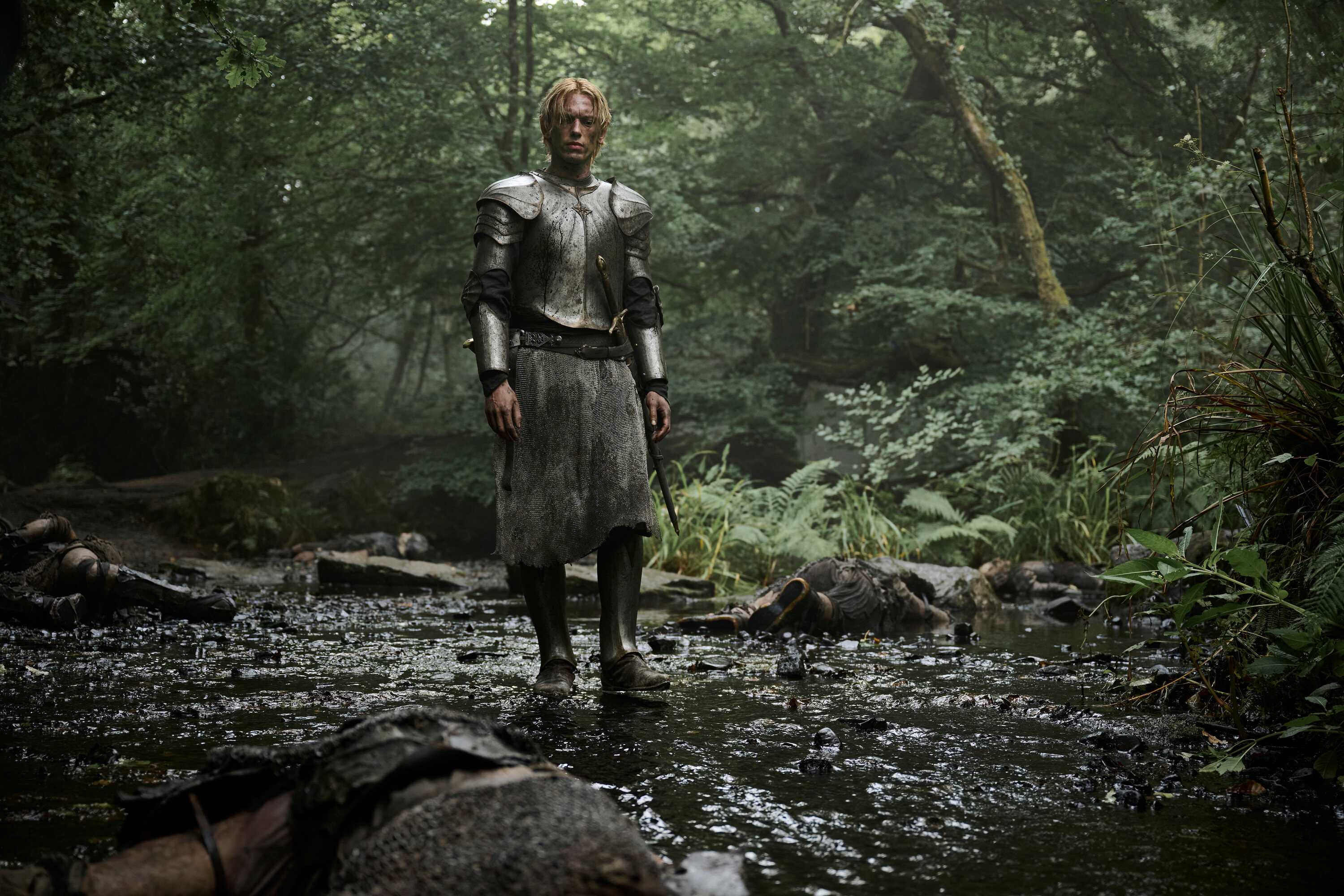
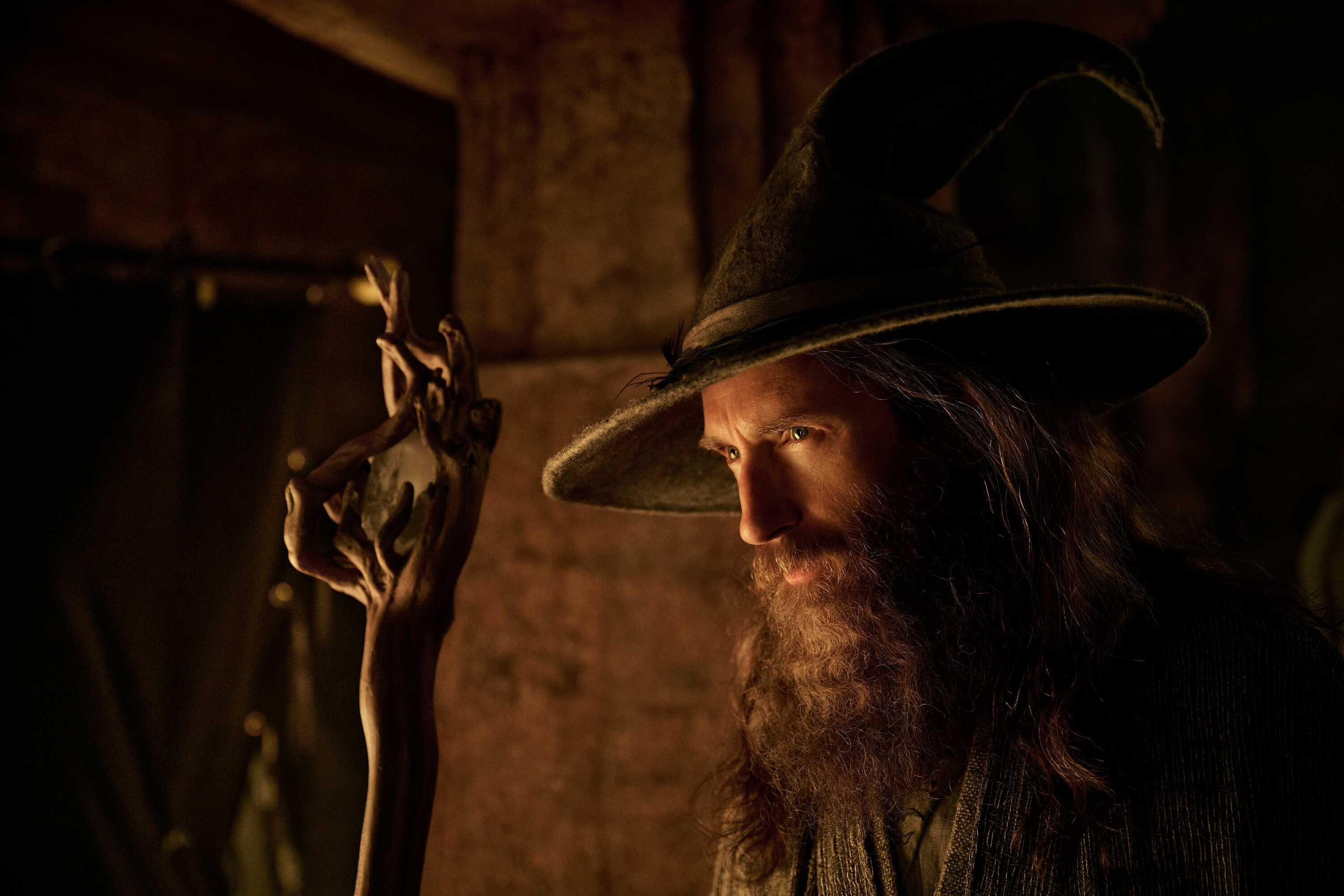
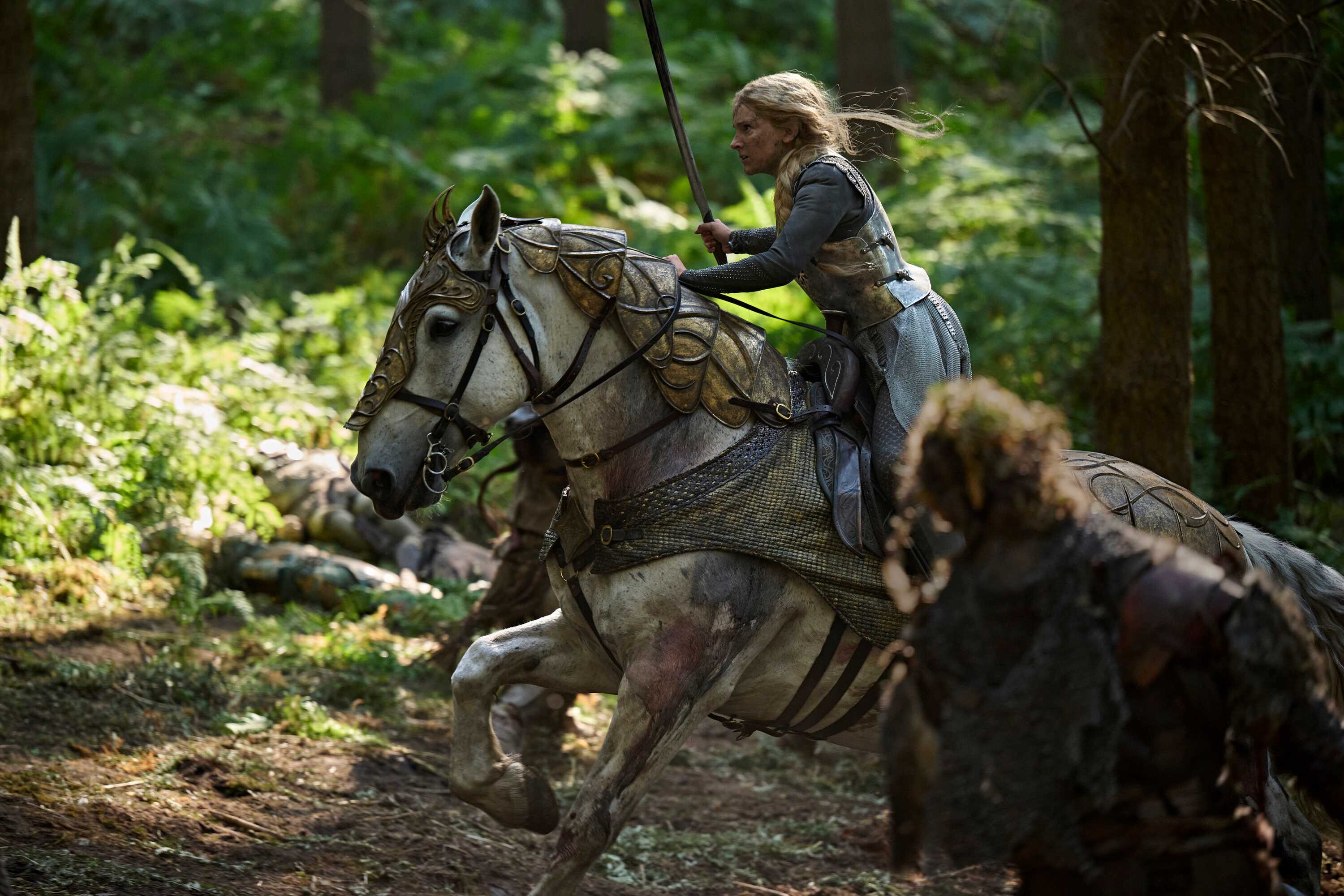
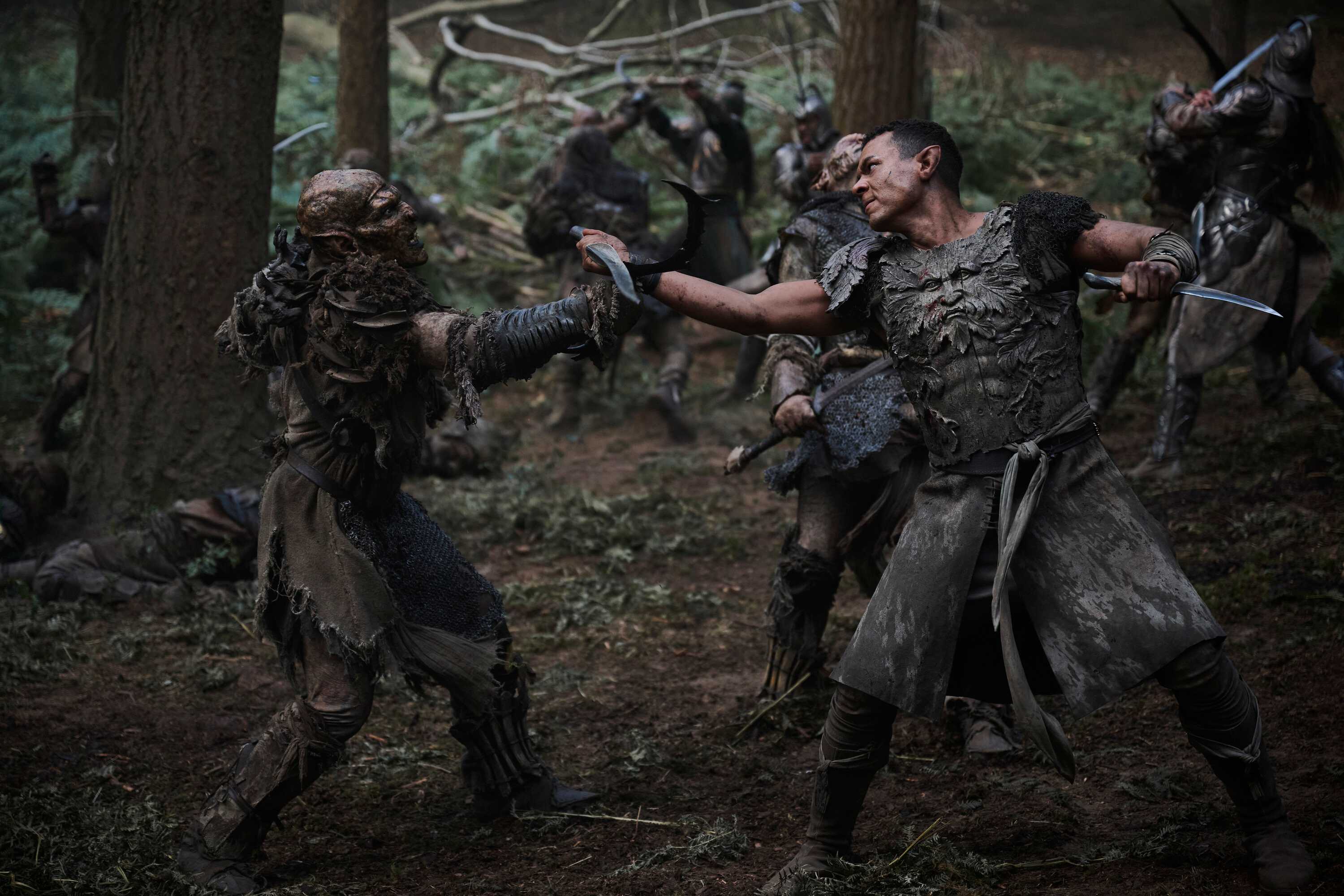
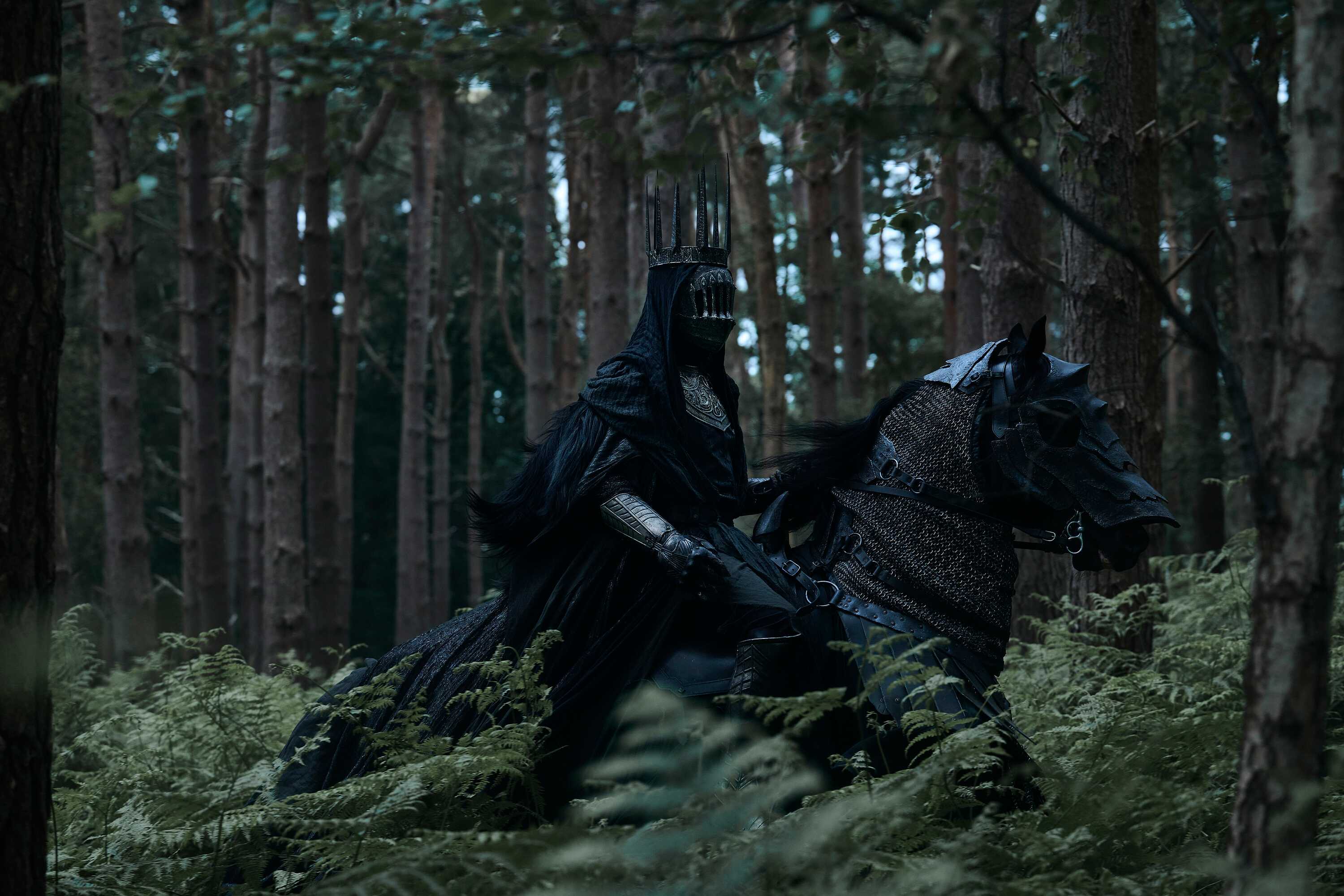
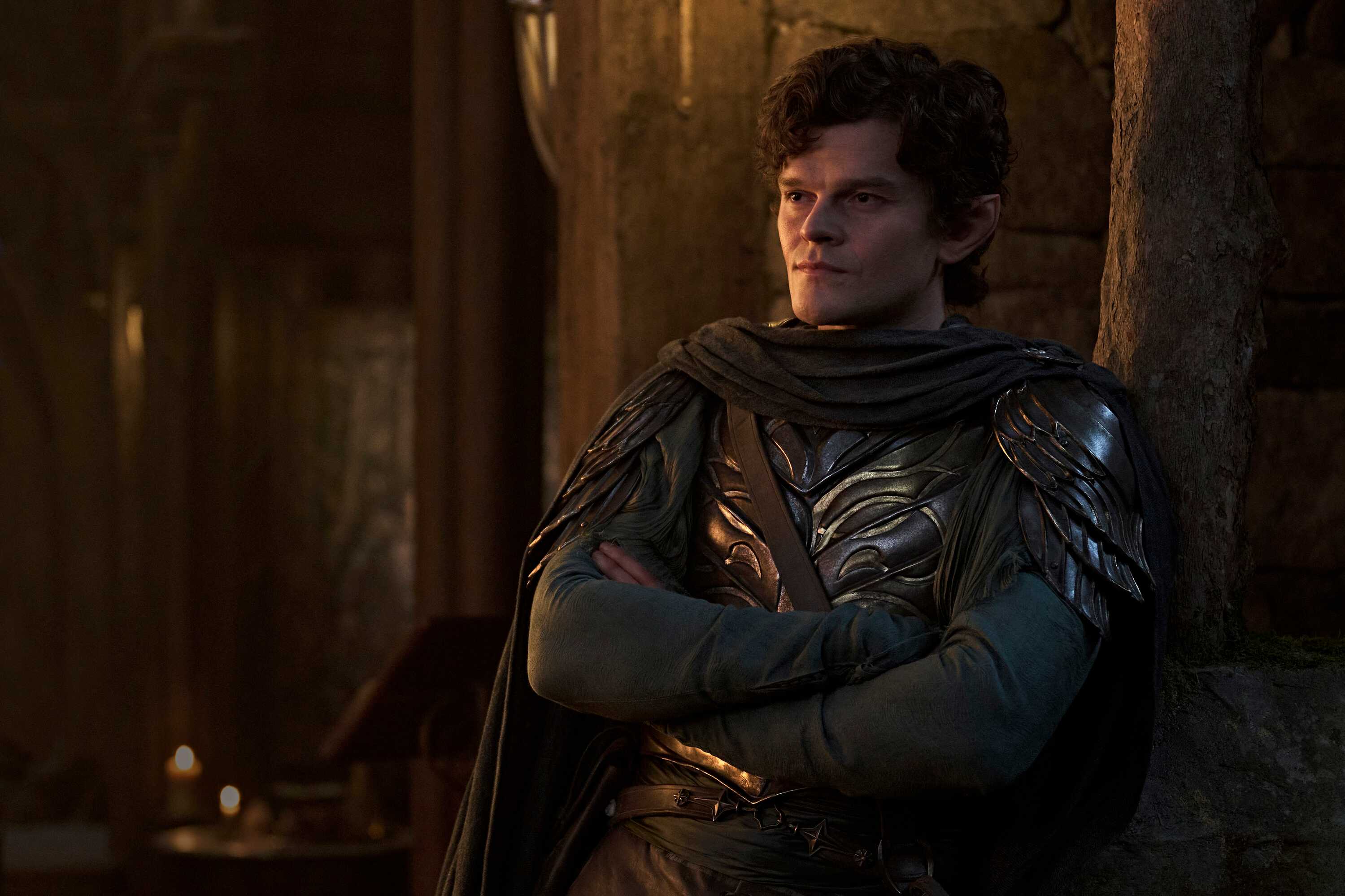
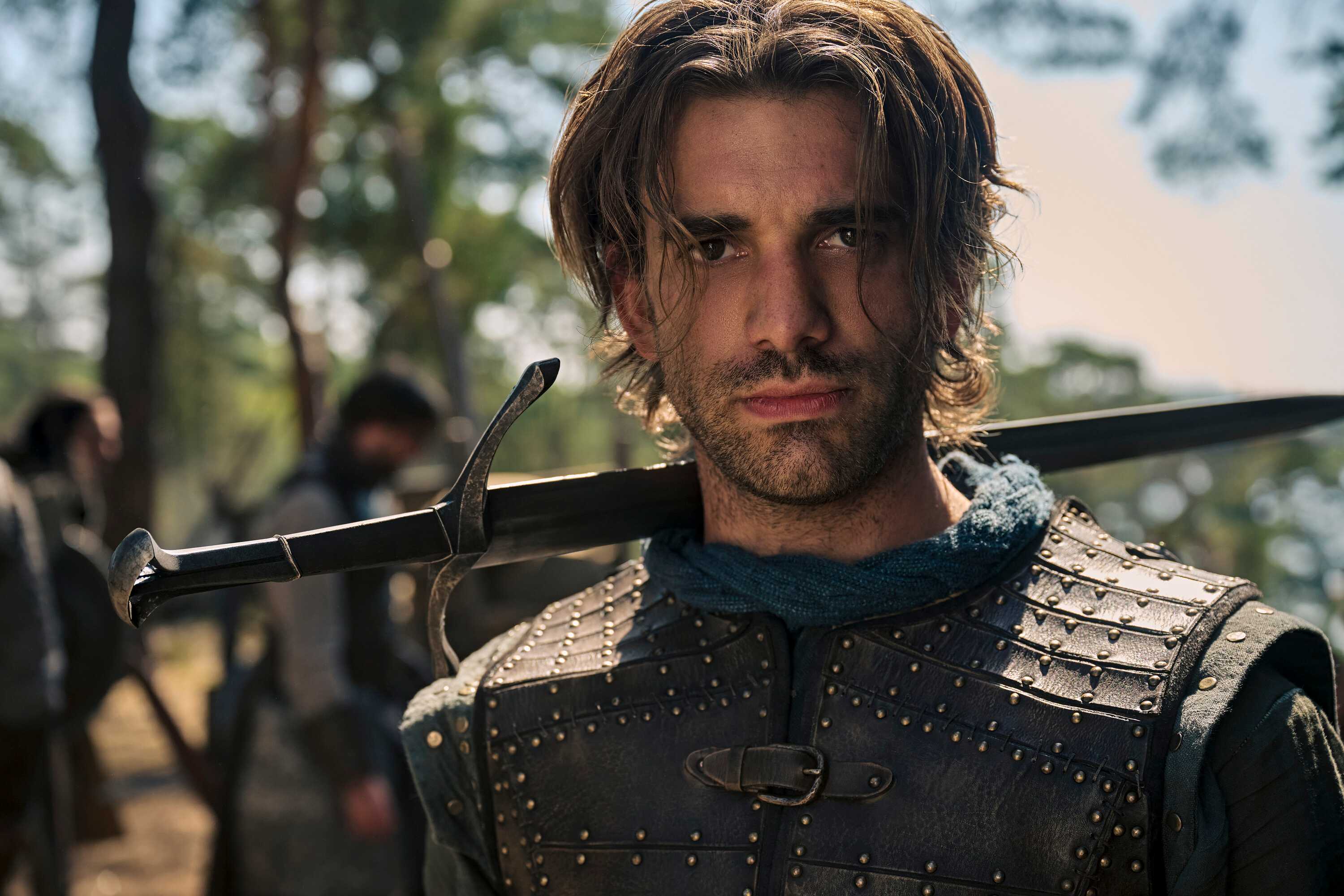
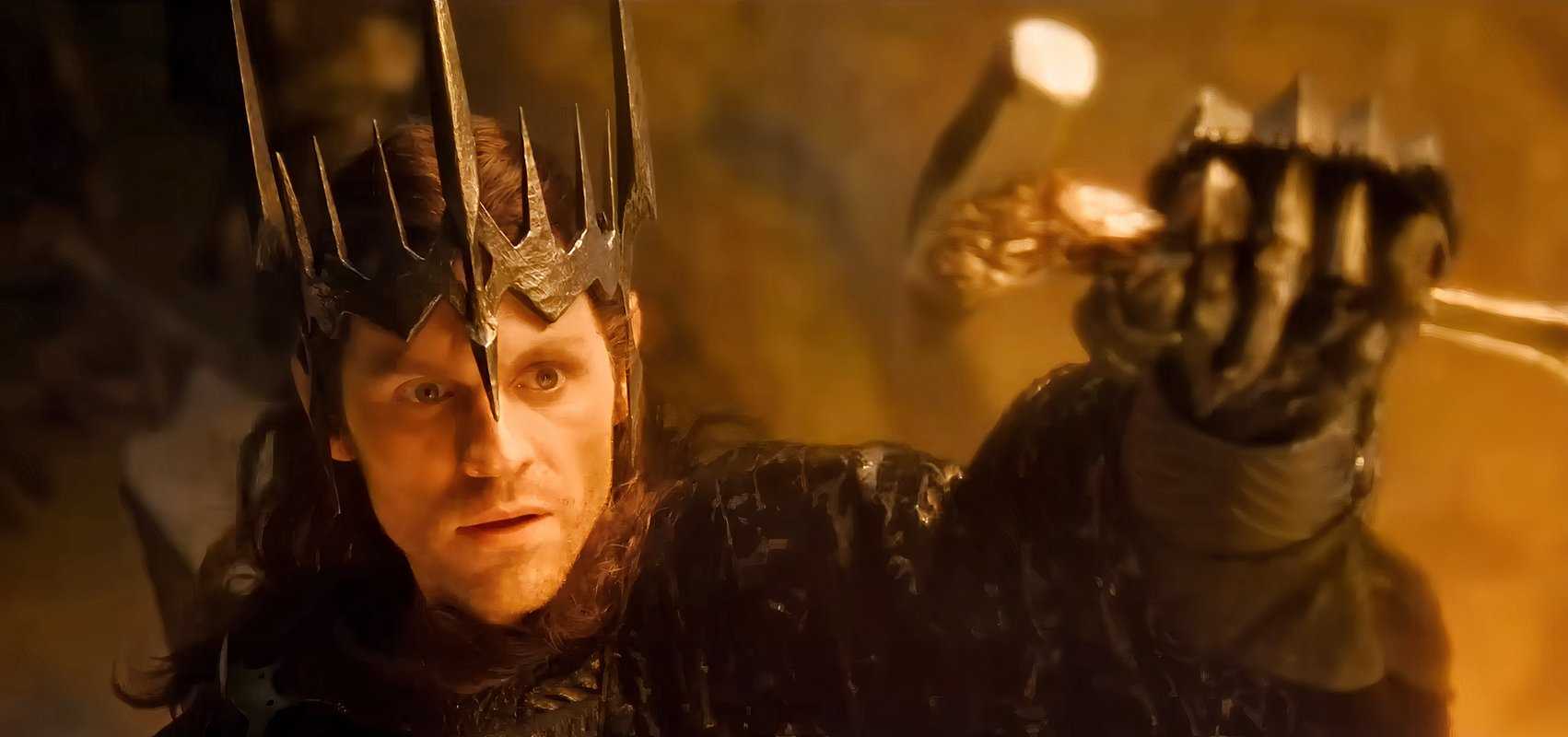
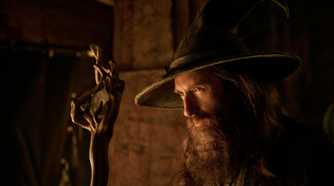
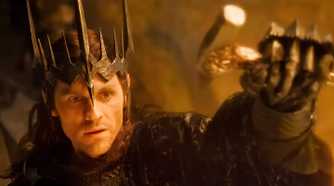
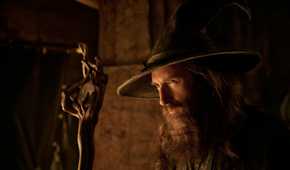
Instead, Gandalf focuses largely on the complex cosmology of Tolkien’s Istari as he tries to understand his role in the war and decide how to deal with the Dark Wizard (Ciarán Hinds). The Dark Wizard still feels like a bland imitation of Saruman.

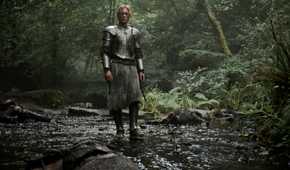
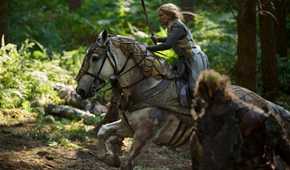
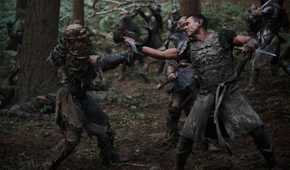
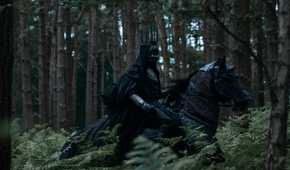
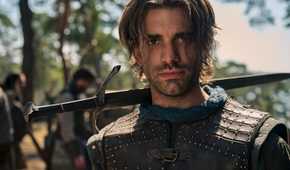
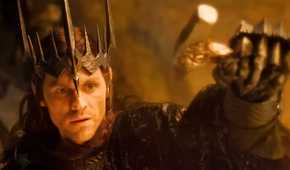
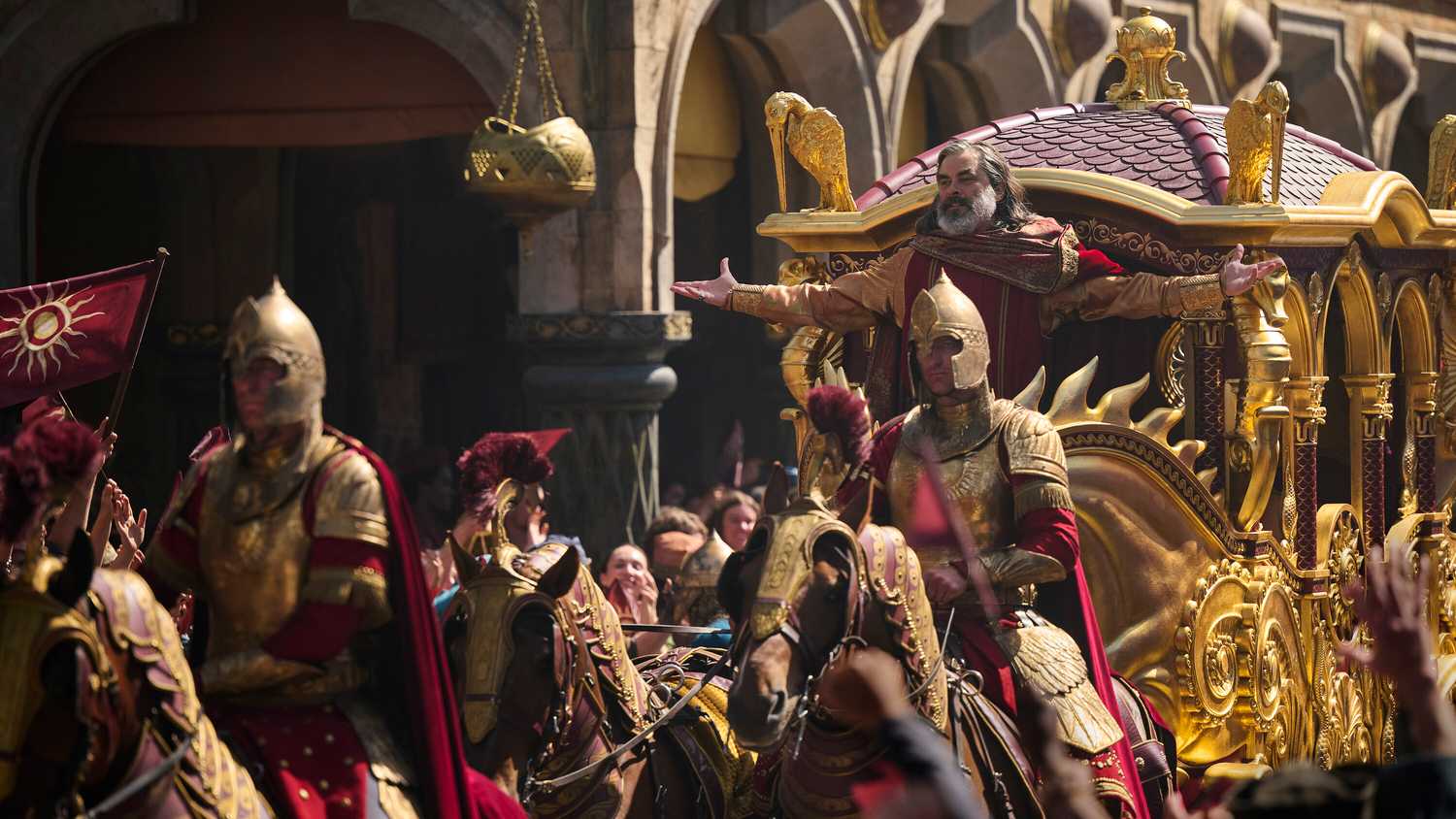
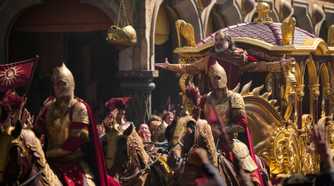
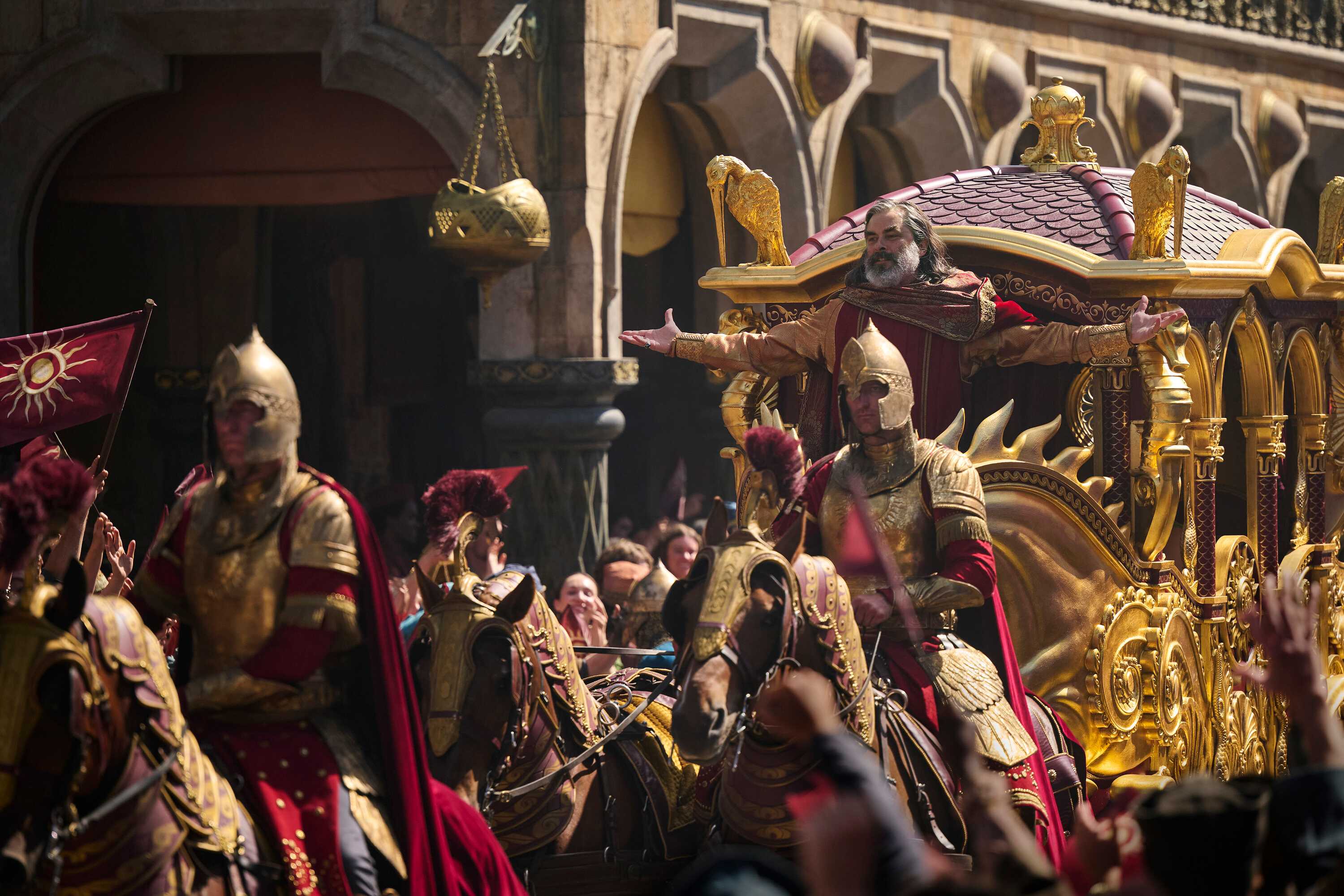
The Númenor sections remain the weakest part of the series. The costumes and sets are stunningly detailed, but the intrigue between the new king Pharazôn (Trystan Gravelle) and the deposed queen Míriel (Cynthia Addai-Robinson) remains a shallow riff on Game of Thrones.
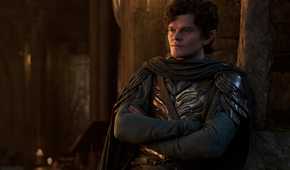
Elrond (Robert Aramayo), a master diplomat, has a strong connection to Númenor through Tolkien’s lore: the kingdom was founded by his brother. But he lacks the chemistry with anyone there that he shares with Durin. The haughty Elven High King Gil-galad (Benjamin Walker) is easy to relate to as he recognizes the importance of the trip to Númenor while wishing he were anywhere else in Middle-earth.
In The Fellowship of the Ring, Elrond laments the failings of Men, who are capable of greatness but fundamentally unreliable. Rings of Power is much the same. Accept its flaws and there are moments to love. It is unlikely to change the world as Jackson’s films did, but its fleeting glimpses of Middle-earth’s magic may be enough for viewers who want more.
The Rings of Power season 3 premieres Nov. 11 on Prime Video.
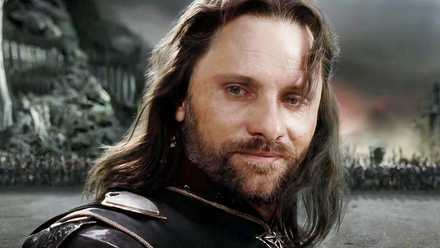
Related: Hollywood has spent 25 years chasing the wrong lessons from The Lord of the Rings.
Source: Polygon
Related articles
 Super Smash Bros. Creator Explains Why Developers Should Take a Closer Look at AI
 MagicX Shows Final Design of Pocket Dream, a Trimui Brick Pro-Style Handheld Console
 Cozy Renovation Simulator Hozy Launches Today on PS5 and Xbox Series X|S
 Ragnarok Universe to Return in Turn-Based RPG as Console Project Trailer Debuts
 Path of Exile Developers Promise Long-Term Support for the Original Game
 Hard West 2 Gets PS5 and Xbox Release Date
 Three Years for One Scene: The Rings of Power Creators Discuss Making the One Ring
 Crimson Desert Original Soundtrack Volume 2 Is Now Available