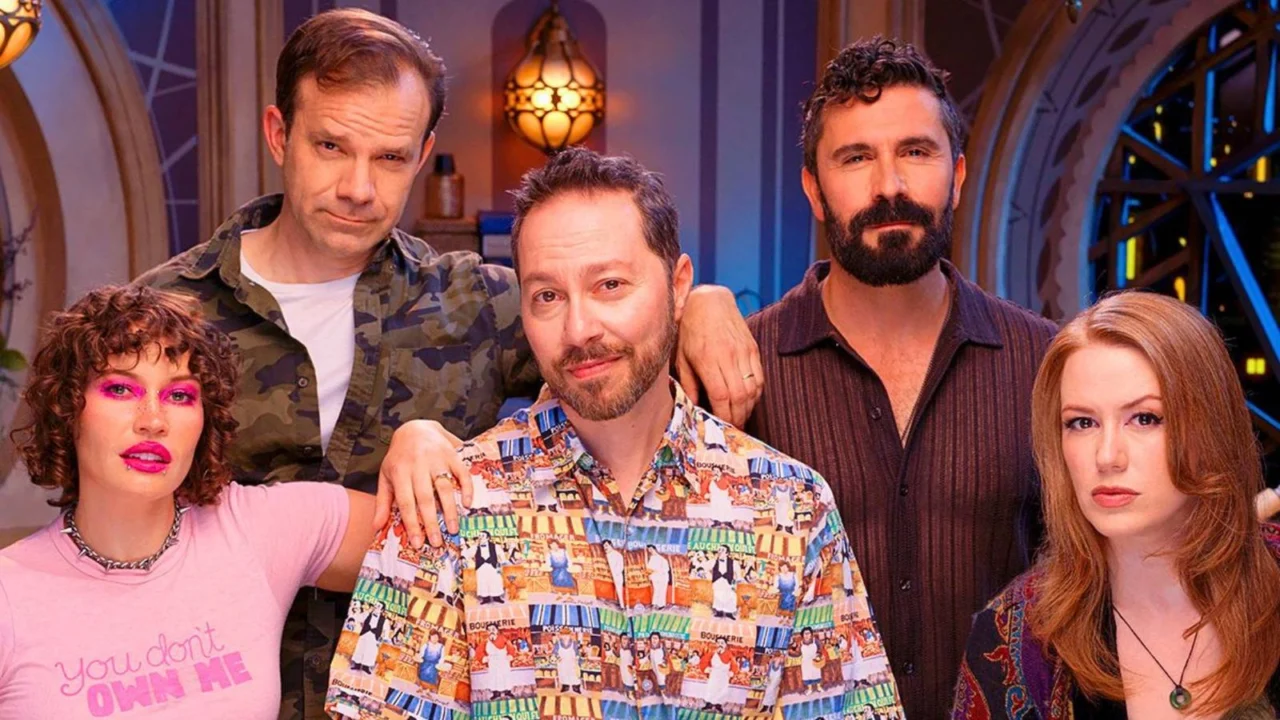
Critical Role Details Challenges Behind Campaign 4 Format Changes
Campaign 4 is different from anything Critical Role has done before. The cast is no longer exploring the familiar world of Exandria but instead the god-forsaken, asundered realm of Aramán, where magic does not work as it used to and death waits around every corner.
Beyond the setting, the Critical Role cast has also changed the way they play. The most important change is that they are using the West Marches format for Campaign 4, splitting players across three tables: Soldiers, Seekers, and Schemers. While some cross-talk happens outside sessions, players do not necessarily know what happens at the other tables or how events have affected their characters.
As Critical Role cast member and co-founder Liam O’Brien revealed in the latest episode of Tale Gate, a talk show exclusive to Critical Role’s streaming platform Beacon, this degree of uncertainty has proven challenging but fun.
Campaign 4 is the Critical Role cast’s most unique challenge yet

“This is uncharted territory, what we’re doing in Campaign 4,” O’Brien said, answering a question about the Convergence arc spanning episodes 26 to 31. “I used to know everything about every chapter, and now there are whole swaths of the story that I know nothing about.”
For example, O’Brien did not know about the romantic hook-up between his fellow players’ characters, Murray Mag’nesson (Marisha Ray) and Kattigan Vale (Robbie Daymond), until host Whitney Moore brought it up on Tale Gate.
Though it may not be the most important example, O’Brien’s comments highlight one of Campaign 4’s most challenging aspects for the cast: navigating the campaign without the full picture. In the previous three campaigns, the cast sometimes missed a key moment when they were off sick, filming other things, or attending an event. However, Campaign 4 has the cast split up by design. This largely adheres to the West Marches format, in which different groups of player characters handle different quest scenarios and later come back together to share what they learned.

Critters saw firsthand how the three tables limited the cast’s knowledge of what each other had gone through across their different arcs when the tables came together for the first episode of the Convergence arc, “Council of Heroes.” The fake resurrection of Yanessa Halovar was brand-new information for the players at the Soldiers and Seekers tables. There is also the real purpose behind Occtis Tachonis’s death, something neither the Soldiers nor Schemers knew anything about.
Again, although Critical Role cast members have acknowledged discussing Campaign 4 away from the table, talking about the campaign is very different from experiencing it in real time.

For one thing, because the split tables are designed to keep information hidden, players can make decisions without any interference from others who may have concerns about how that decision will affect their character or the story. For example, if Julian Davinos (Matthew Mercer) had been at the table at the same time as Azune Nayar (Luis Carazo) during the interaction with Harondus Einfasen about the axe Azune carried, Mercer might have inadvertently played Julian differently.
Indecisiveness was a major complaint from Critters during Campaign 3, who felt the cast often rested on their laurels rather than making a decision. In Campaign 4, however, hesitation is no longer a major problem, as players are often too focused on what is happening now to worry about what is unfolding at other tables.
While not having the full picture is challenging for the Critical Role cast, it ultimately makes Campaign 4 one of the most exciting actual-play Dungeons & Dragons campaigns I have ever seen. We do not know what is going to happen, and knowing the cast has very little idea, either, makes every decision and consequence feel monumental.
Source: Polygon
Related articles
 God of War Laufey pre-orders trail only GTA VI in sales
 Ace Combat 8 Tops Steam Chart and Sets Series Concurrent Player Record
 Free-to-Play Monster Hunter Outlanders Scheduled for Late October Mobile Release Alongside Gameplay Footage
 Filming Wraps on Season 3 of Wednesday as Netflix Releases New Photo of Jenna Ortega
 Insider Reports Sony May Revive Ape Escape Series
 Fourth Wing Author Confirms Major Fan Theory in New Book
 Marvel Releases Video Recapping Vision’s Evolution Ahead of Vision Quest Premiere
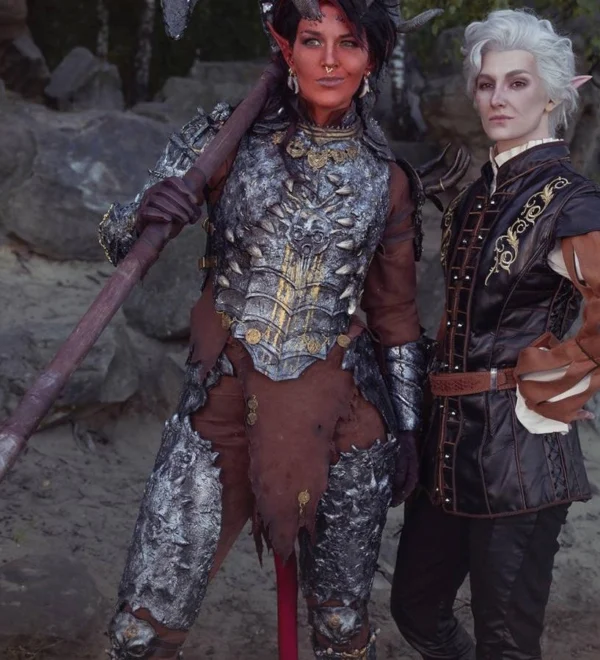 Cosplayers Bring Baldur’s Gate 3 Characters Karlach and Astarion to Life