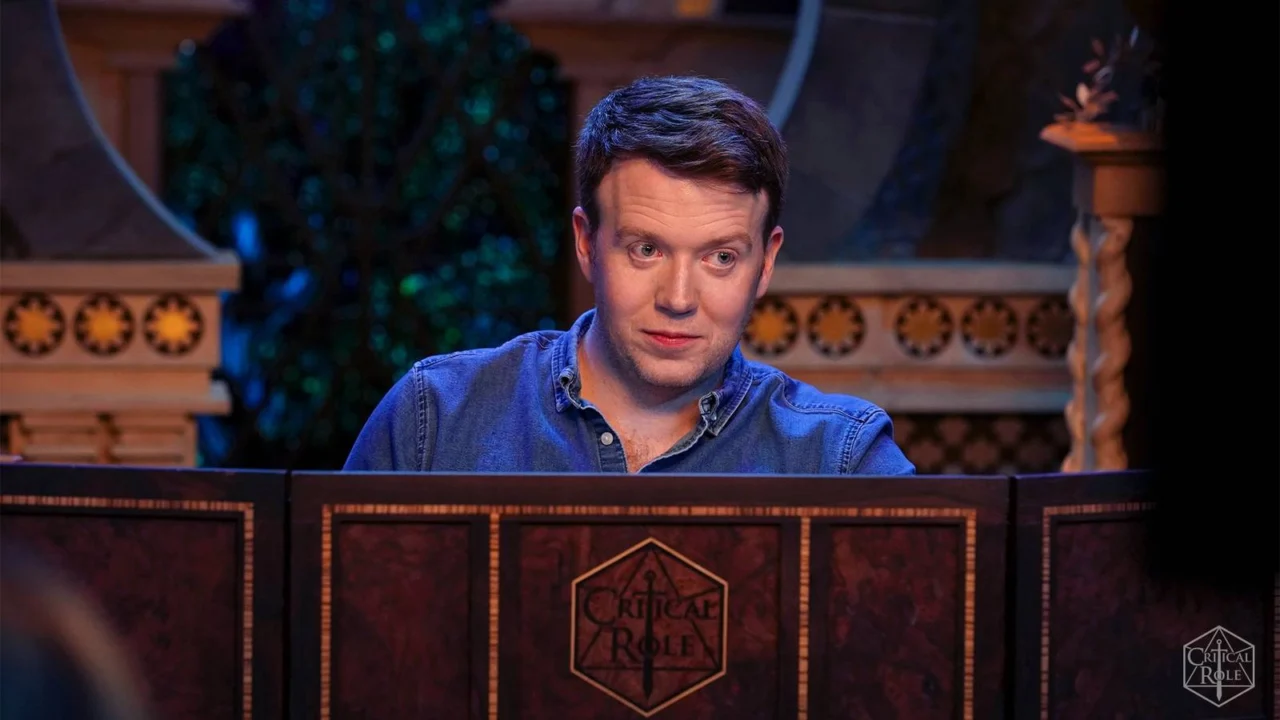
Critical Role Campaign 4 Moment Inspired by Shakespeare Story
Collaborative actual-play Dungeons & Dragons campaigns like Critical Role generate endless inspiration. Taliesin Jaffe drew inspiration for his character in Campaign 4 from Grog’s magical swords. Meanwhile, Dungeon Master Brennan Lee Mulligan took ideas for the world of Aramán from the television show The Wire.
Liam O’Brien has now brought his own spin to one of Campaign 4’s most surreal and beautiful elements: the theater.
Critical Role combines Dungeons & Dragons with Shakespeare
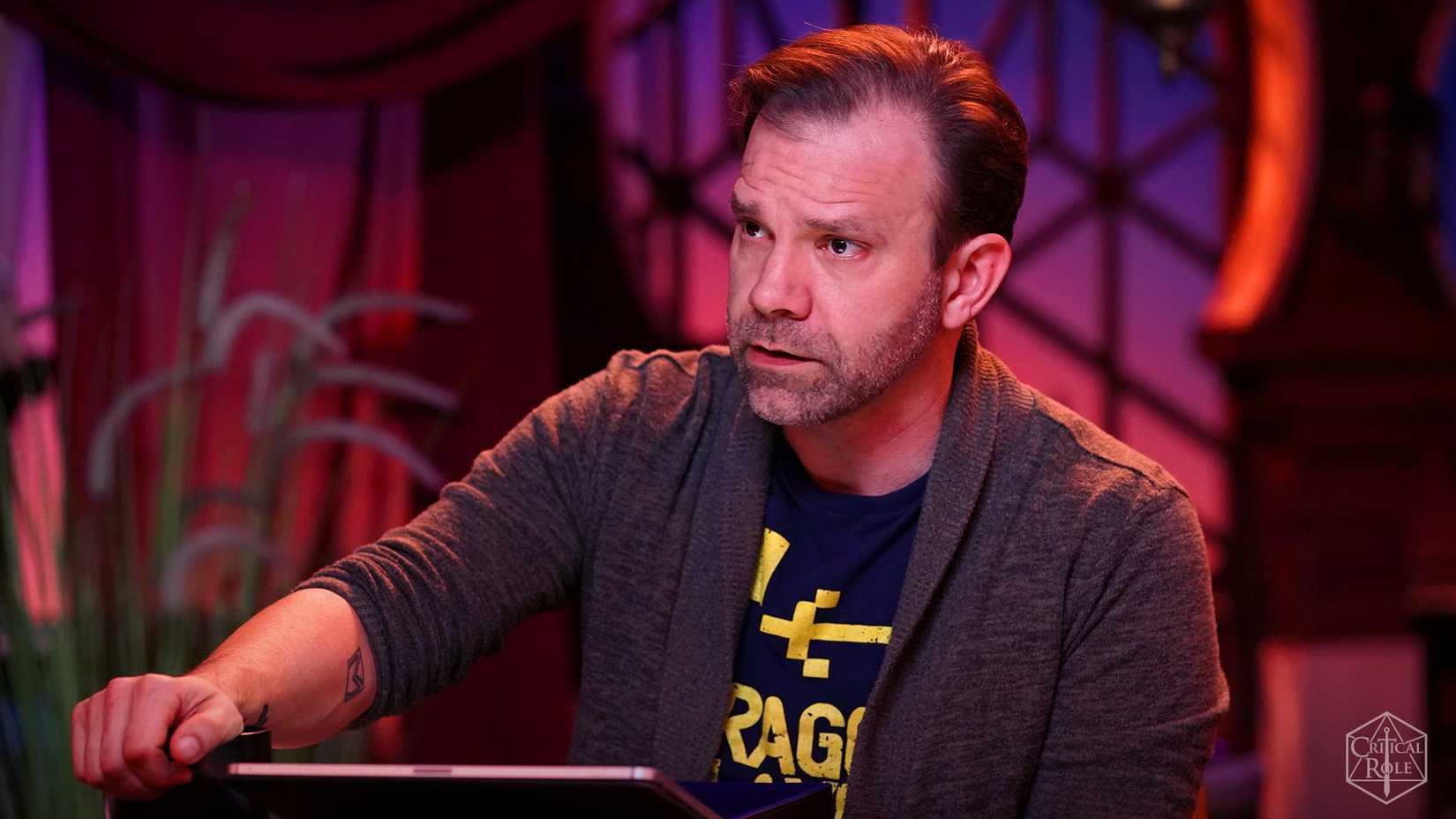
O’Brien has never hidden that his character, Halandil Fang, a bard who runs a theater company at the Hallowed Round outside Dol-Makjar, was inspired by his own love of the theater.
As revealed in the October 2026 Lore Keeper Ledger on the streaming service Beacon, O’Brien was the mastermind behind KoTher’ai. The play follows the orcish warrior Vokjan Murzat, who rallied the Rungjani people against the orc god Azgra but was ultimately betrayed by those he trusted. This theatrical production has become a key piece in the story told by Campaign 4 as heroes and villains converge around the event with different goals.
O’Brien chose to follow a historical figure from the world of Aramán, taking cues from William Shakespeare. Shakespeare often wrote stories about historical figures like Julius Caesar and Henry the Fifth. He wrote Julius Caesar in 1599, drawing mostly on Plutarch’s Parallel Lives. The link between Caesar’s death in 44 BC and the tale of the orc hero is clear. Although Caesar was not a rebel like Vokjan, he brought about deep changes in the power structure of Rome that some deemed a punishable offense.

Vokjan suffers the same fate as Caesar. A trusted friend confronts the priests of Azgra, betrays and kills Vokjan, and causes the other rebels to panic and turn on one another. Caesar was killed by Brutus, who was viewed almost as an adoptive son.
In Critical Role, the tale of rebellion and the tragedy befalling Vokjan and the Rungjani people serve as a call to take up arms against modern oppressors, the Sundered Houses. Because the play focuses on historical events and the fall of the Shapers is viewed as a societal good, villains cannot openly object to the KoTher’ai. Instead, they try to censor and manipulate it.
O’Brien wanted to merge ancient Greek theater with the Elizabethan tradition by mixing chants, dances, a chorus, and soliloquies. This is an ambitious goal for a game of D&D. O’Brien focused on Shakespeare’s use of history to entertain and teach lessons about present times. The playwright captured human joy and turmoil with elegance, keeping his work relevant 400 years later in creative spaces like a tabletop roleplaying game.
Source: Polygon
Related articles
 Valheim Developer Says Early Access Release Was Due to Lack of Funds
 Witchbrook Set for Release in 2027 Alongside New Trailer
 Why The Magicians Is the Ultimate Fantasy Series for Adults
 Gameplay Teaser Released for Cyberpunk 2077 Multiplayer Mod Featuring RP Servers
 Five Stephen King Books That Are Better Than Their Adaptations
 Bandai Namco Suffers Data Breach Affecting Hundreds of Thousands of Players
 Fans Port Nearly 200 Console Exclusives to PC, Including Bloodborne and God of War 3
 Discord to Allow Search Engines to Index Public Messages