
Buffy the Vampire Slayer Would Benefit From Being Two Seasons Shorter
It is difficult to overstate the influence of Buffy the Vampire Slayer. The television show ran from 1997 to 2003. It was never a ratings giant, but it won over critics and quickly developed a fanatical following. Fans can credit or blame Buffy for TV Tropes, a significant fraction of urban fantasy as a genre, a surprising amount of modern media-discussion slang such as the term big bad, and the Marvel Cinematic Universe. Buffy Summers belongs on the short list if anyone builds a Mount Rushmore for Western pop culture.
Ever since its initial run, Buffy has thrived in the hot take economy. Early on, the series was the subject of involved academic studies, with journals like Slayage continuing to this day. Later, creator Joss Whedon experienced a public fall from grace in 2020. This led to multiple critical reevaluations of the show, especially regarding Xander.
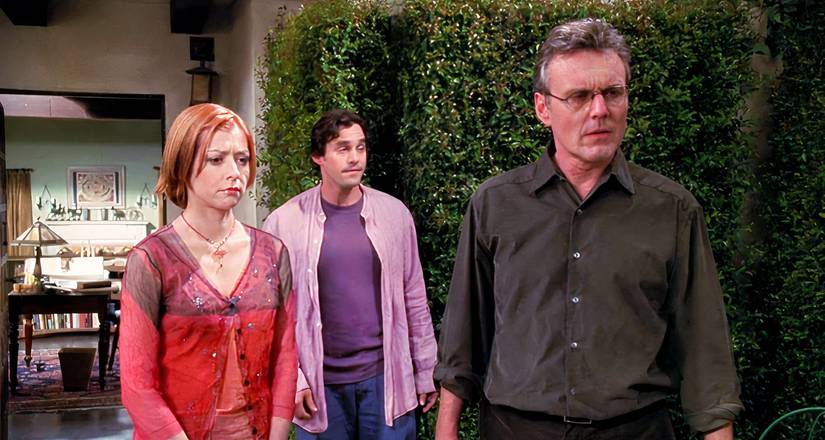
No one has ever had a lukewarm reaction to Buffy. Even die-hard fans usually have a couple of pocket rants about it, whether they focus on actual criticism of how the Willow and Tara relationship was handled or random online shipper wars.
I am no exception to this rule. Certain episodes of Buffy feel personally foundational, and phrases from the scripts remain in my vocabulary to this day, such as the line about subtext rapidly becoming text. At the same time, multiple story arcs in the show could easily disappear. What has consistently surprised me over the years is just how hot one of my takes actually is. Buffy should have wrapped entirely with Season 5.
Making shows of trading blows
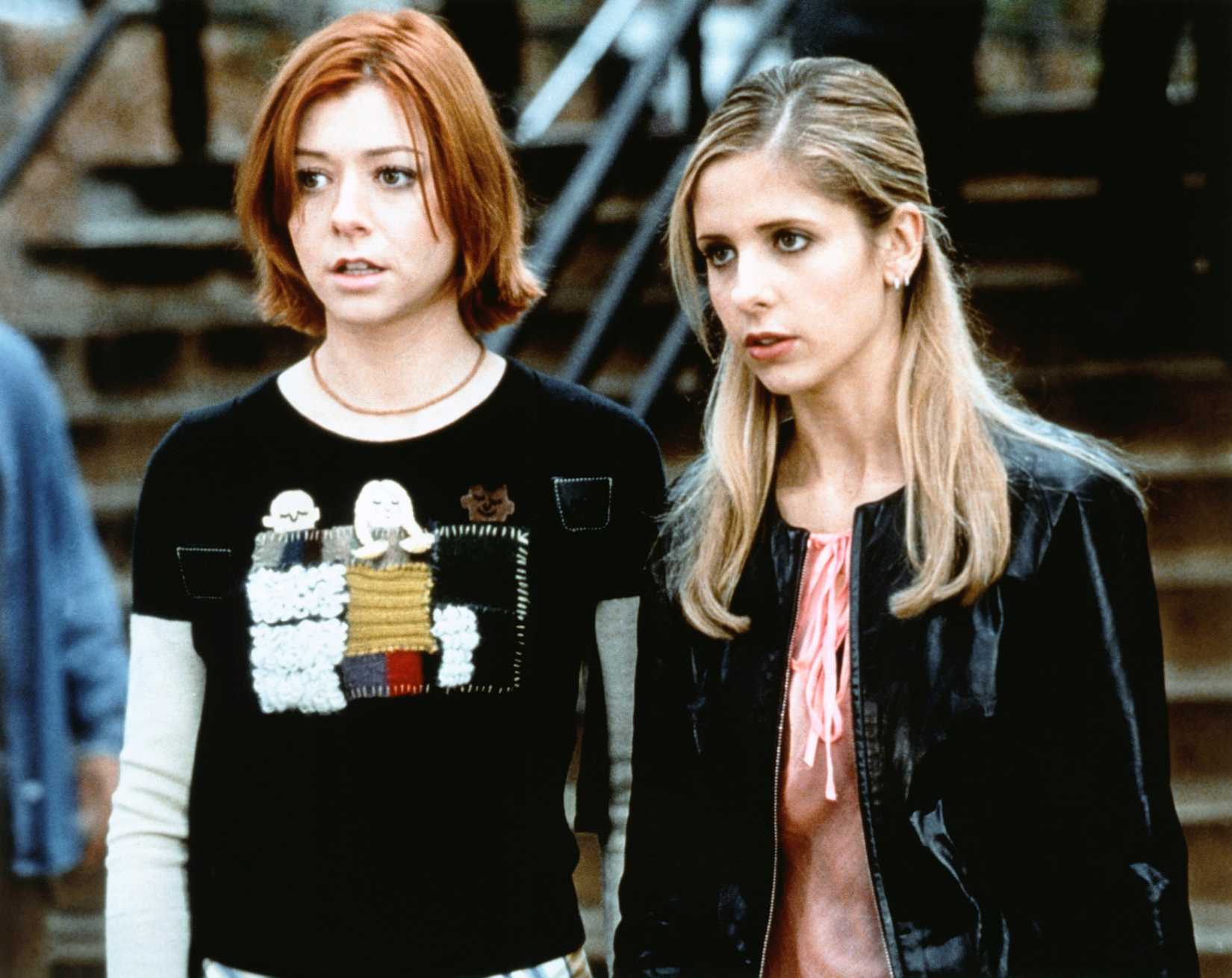
For those coming in late, Buffy switched networks and showrunners between seasons 5 and 6. Whedon went on hiatus from Buffy to create 2002’s Firefly, so he promoted long-time producer Marti Noxon to take his place.
Noxon’s version of Buffy is a distinctly bleaker and more explicit ride compared to everything that came before. Buffy herself, played by Sarah Michelle Gellar, spends much of the season depressed and making poor decisions. Those choices include a series of dead-end day jobs, money troubles, an infamous affair with Spike played by James Marsters, and the single most destructive sex scene in television history.
None of this is intended to lay any actual accusations at Noxon’s door. Part of why people argue with me about this point is because Season 6 still has defenders. The Spuffy relationship is surprisingly popular, despite or possibly because it is so toxic for both characters, and some fans enjoy the darker overall tone.

Most crucially, as Joanna Robinson pointed out in Vanity Fair, one element of Buffy Season 6 aged better than almost everything else in the show. The ultimate villains of the season turn out to be three misogynistic nerds who are angry that Buffy is the protagonist and they are not.
When Season 6 originally aired, the Trio felt like a big step down from the typical Buffy big bads of ancient demons and hostile gods. In retrospect, however, they are the least metaphorical antagonists in the entire rogues’ gallery. If Season 6 had aired in the age of social media, quite a few slacktivist culture warriors would be upset at seeing themselves portrayed so accurately onscreen. If someone rebooted Buffy to take place in 2026, the Trio would be so busy angry-posting on social networks that they would never accomplish anything.

All of those perfectly valid defenses aside, Season 6 still leaves me cold. The relationship between Buffy and Spike does nothing for me, and many episodes are simply depressing. The highlight is inarguably the musical episode titled Once More With Feeling, but even that ends on such a profound down note that it ruined any chance I had to enjoy the rest of the season.
Following the cancellation of Firefly, Whedon returned to Buffy for Season 7. Right when the story started to build up momentum, however, Gellar decided to leave the show.
Whether it was intended or not, early Season 7 felt like a deck-clearing and rebuilding exercise in advance of a truly epic Season 8. With Gellar on the way out, Buffy switched gears to compress the writers’ remaining plans into just 14 episodes. Some of that approach works and some of it fails, but there is simply not enough room or time for the story Season 7 tries to tell.
As a result, whenever I run into someone who has never seen Buffy, my advice is not to marathon through the entire run. Season 1 is uneven enough that viewers are fine watching only the first and last episodes, although Nightmares features some of the most memorable scares in the whole show. Seasons 2 and 3 are required viewing, and Season 4 contains what might be the single best episode of the series in Hush. Anyone who has made it that far and still wants more has the green light to watch Season 5.
I cannot honestly recommend Season 6, and Season 7 is a mess. Viewers are better off ending their Buffy the Vampire Slayer binge with Season 5, which sends off the series as one of television’s best and most influential cult shows, and simply pretending that seasons 6 and 7 never happened.
Source: Polygon
Related articles
 Kiborg Receives Free Body Split Update Featuring Female Morgan Lee
 Call of Duty: Modern Warfare 4 Xbox Player Count 32 Percent Lower Than Black Ops 7
 AI fixes decade-old Unreal Engine bugs to Epic Games acclaim
 10 Free Browser Games That Are Actually Fun to Play
 Analysis Details Performance and Graphics Tricks in Phantom Blade Zero
 10 Essential NES Games Still Missing From Switch Online
 Russian Developers Release Platformer Gennady Inspired by Earthworm Jim
 When does the Fortnite Chapter 7 mini-season start?