British Columbia: Building Canada with Western Roots
Bringing American Truck Simulator to Canada represents far more than just extending highways and mapping new towns. As our development teams craft British Columbia—our inaugural Canadian expansion—extensive work is happening behind the curtain to ensure the region feels both authentic and distinctly immersive.
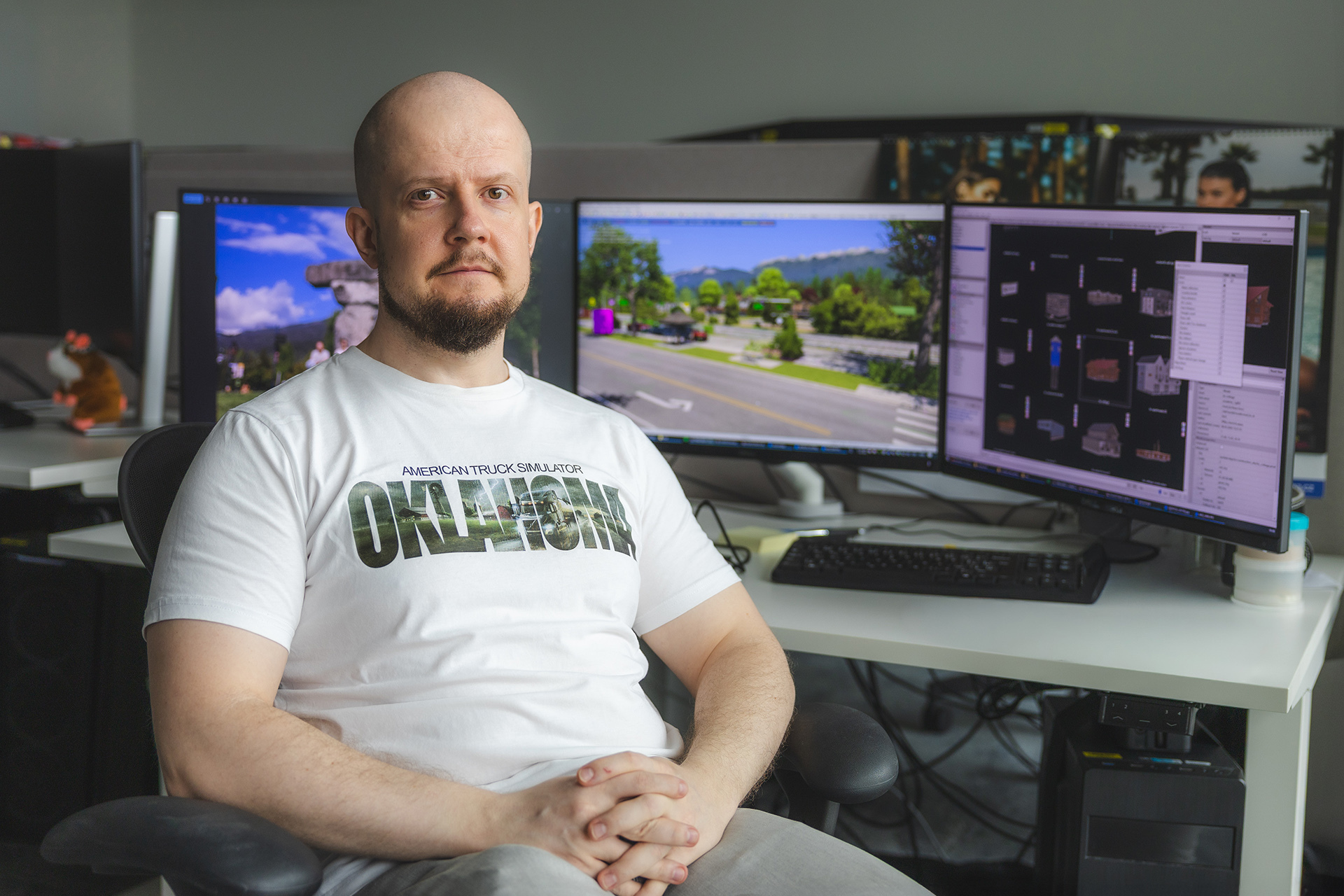
Creating a believable Canadian atmosphere demands meticulous attention to regional architecture, roadside infrastructure, and environmental nuance. To gain insight into this creative endeavor, we interviewed Wety, a dedicated Map Designer for the British Columbia DLC, who oversees the coordination of the generic assets essential to bringing this province to life.
Could you introduce yourself to our readers and tell us a little about your role on the British Columbia DLC?
“Hi! I’m Wety, a Map Designer on Davido’s team, and I’ve been with the studio for five years. I joined SCS as a junior designer with no prior industry background, but I’ve been a lifelong gamer—ever since I was a child playing DooM on a 486 PC. While my primary focus is building parts of the map, many of us take on specialized roles like handling vegetation or road intersections. My current focus is on ‘generic assets,’ which involves identifying, planning, and coordinating the environmental elements used throughout the DLC.”
For players who may not be familiar with the term, what exactly are generic assets?
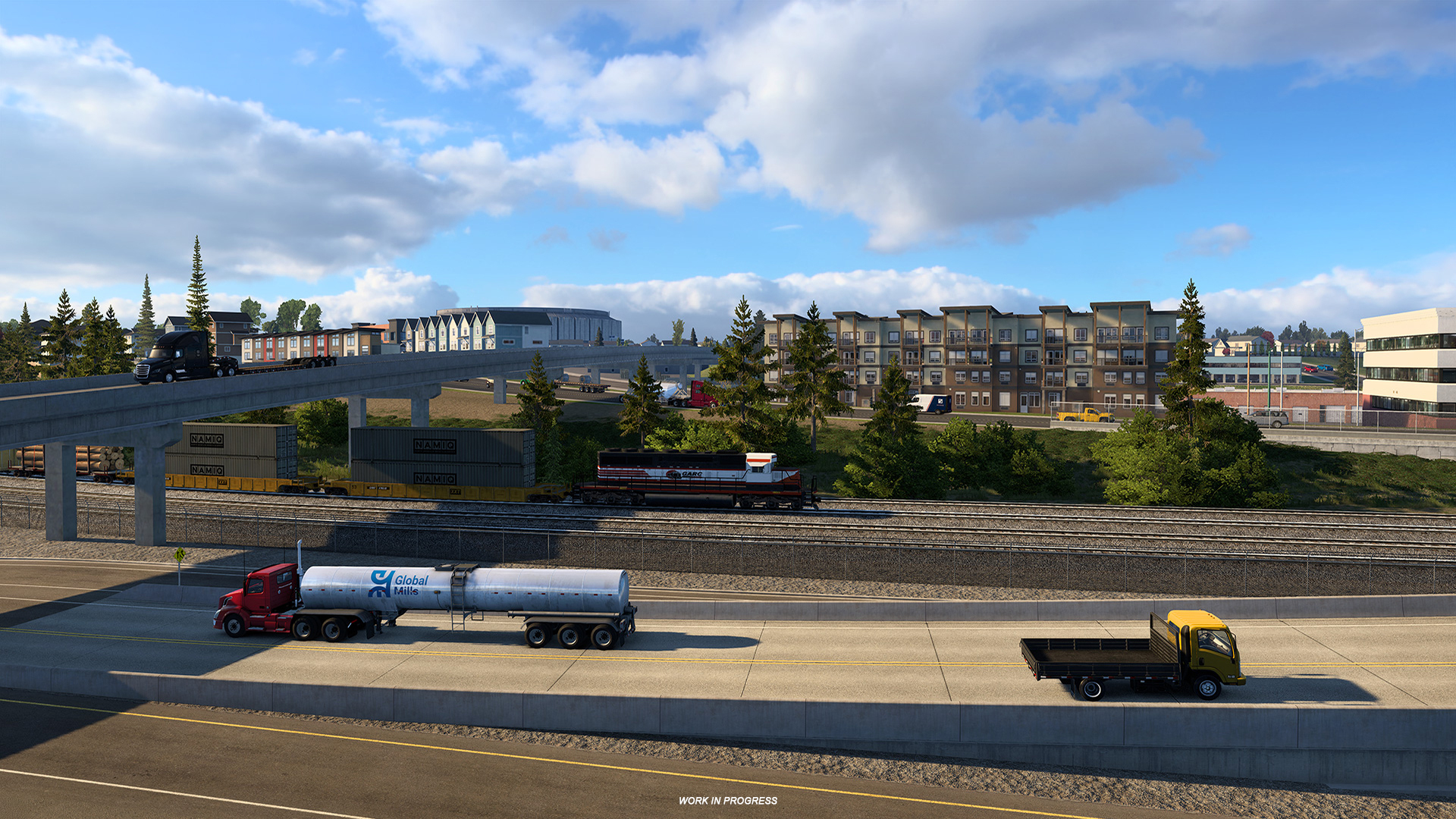
“In game development, assets are the building blocks of the virtual world—everything from roads and trees to sound effects and vehicle models. Generic assets are reusable elements like homes, small retail shops, power lines, and waste receptacles. They are fundamental to maintaining a realistic world without ballooning development time. If every single item were entirely unique, constructing a map of this scale would be practically impossible.”
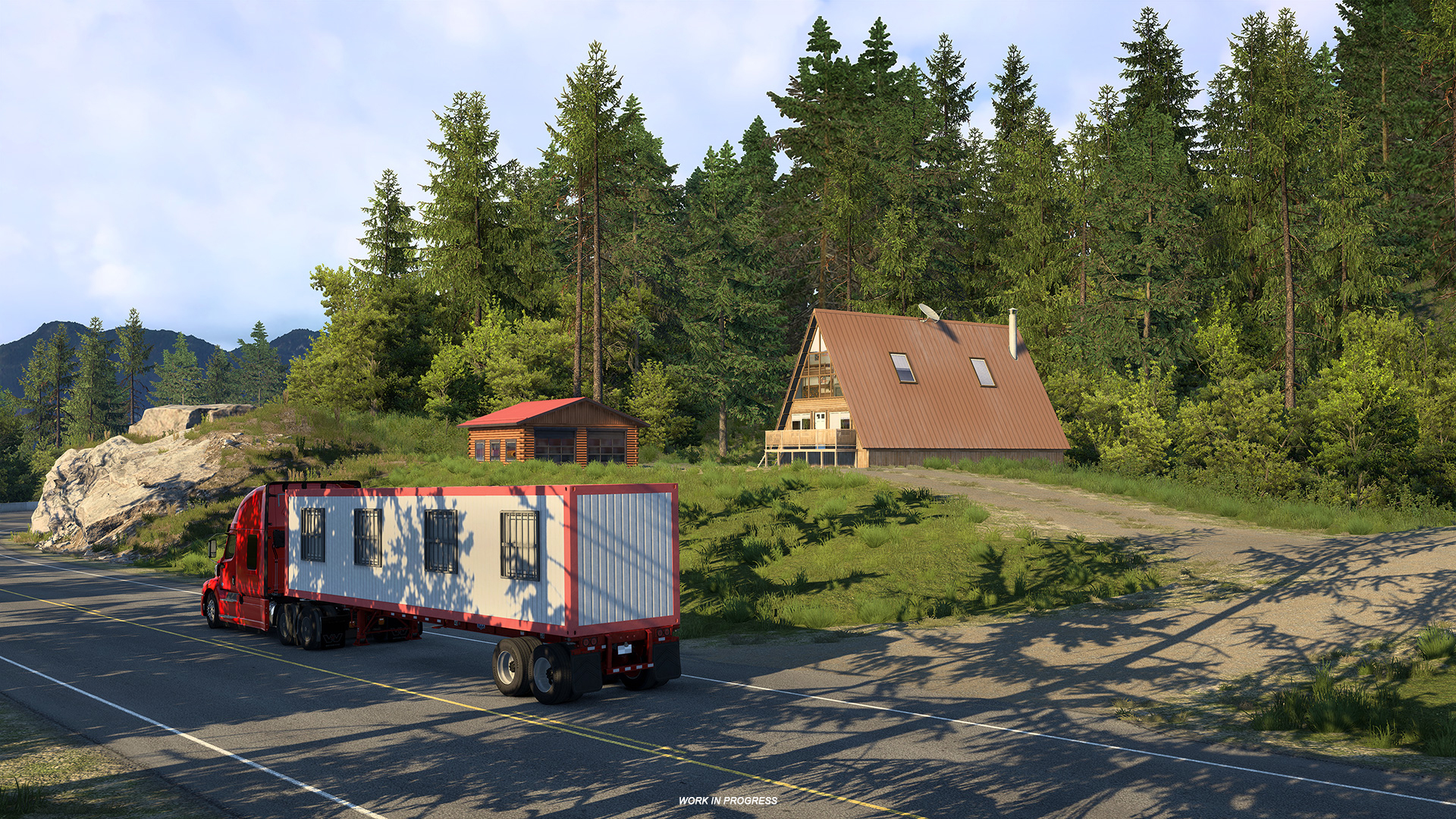
British Columbia is our first Canadian province. From your perspective, what are some of the biggest visual differences between Canada and the United States that players will notice?
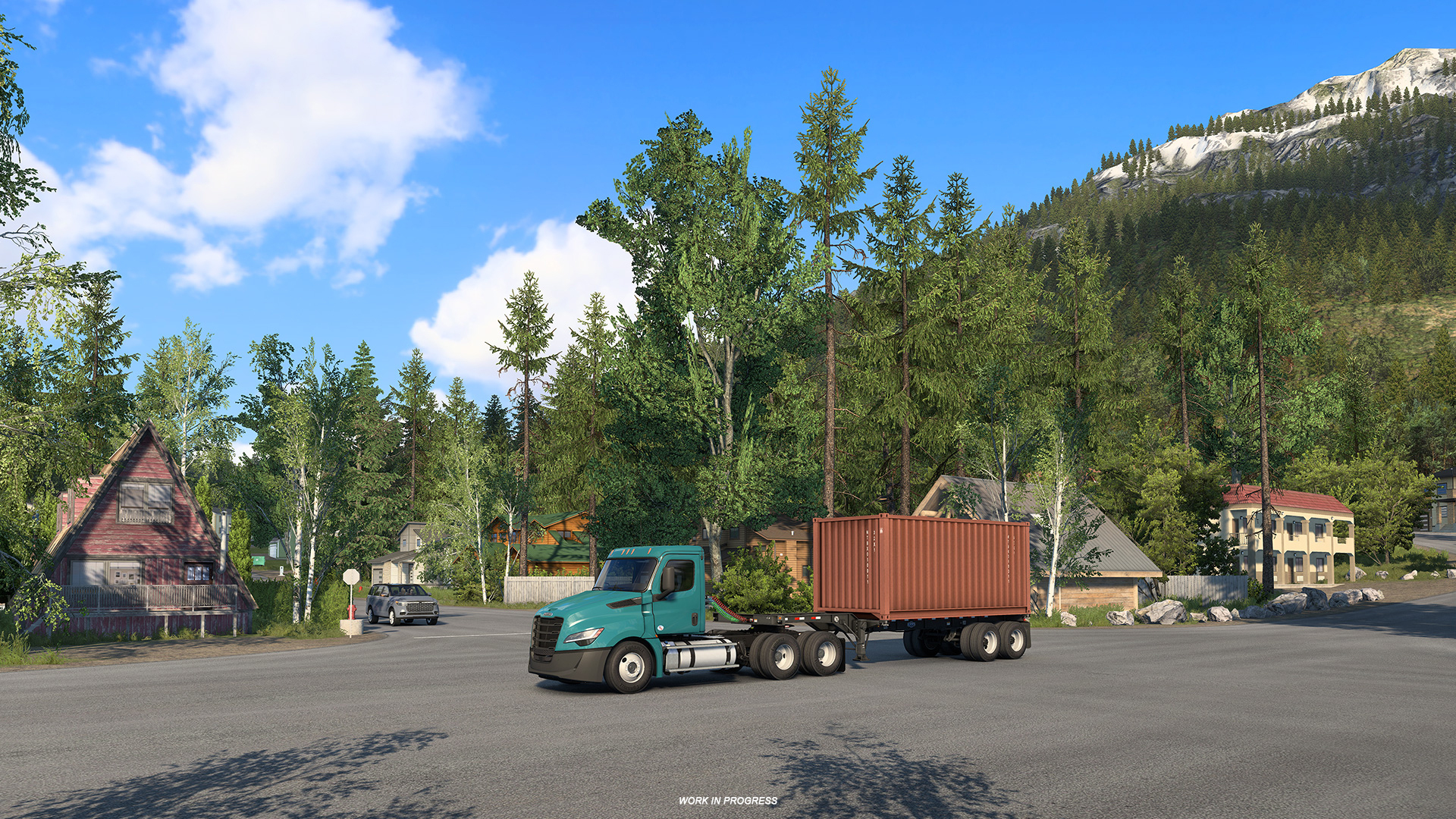
“The dominance of the mountains was the first thing that struck me. In British Columbia, the terrain feels relentless and imposing. While we have mountainous zones in the U.S., the landscape here has a unique, rugged quality. Furthermore, the strong emphasis on cycling infrastructure is unmistakable; dedicated bike lanes are everywhere, weaving into the daily life of these communities in a way that feels very authentic to Canada.”
How many new generic assets are being created specifically for British Columbia?
“We’ve implemented around 130 new models for urban and rural settings, with another 40 tailored for depots and ferry terminals. We are also introducing 14 new Canadian-themed brands alongside a collection of smaller advertisements to ground the province in reality.”
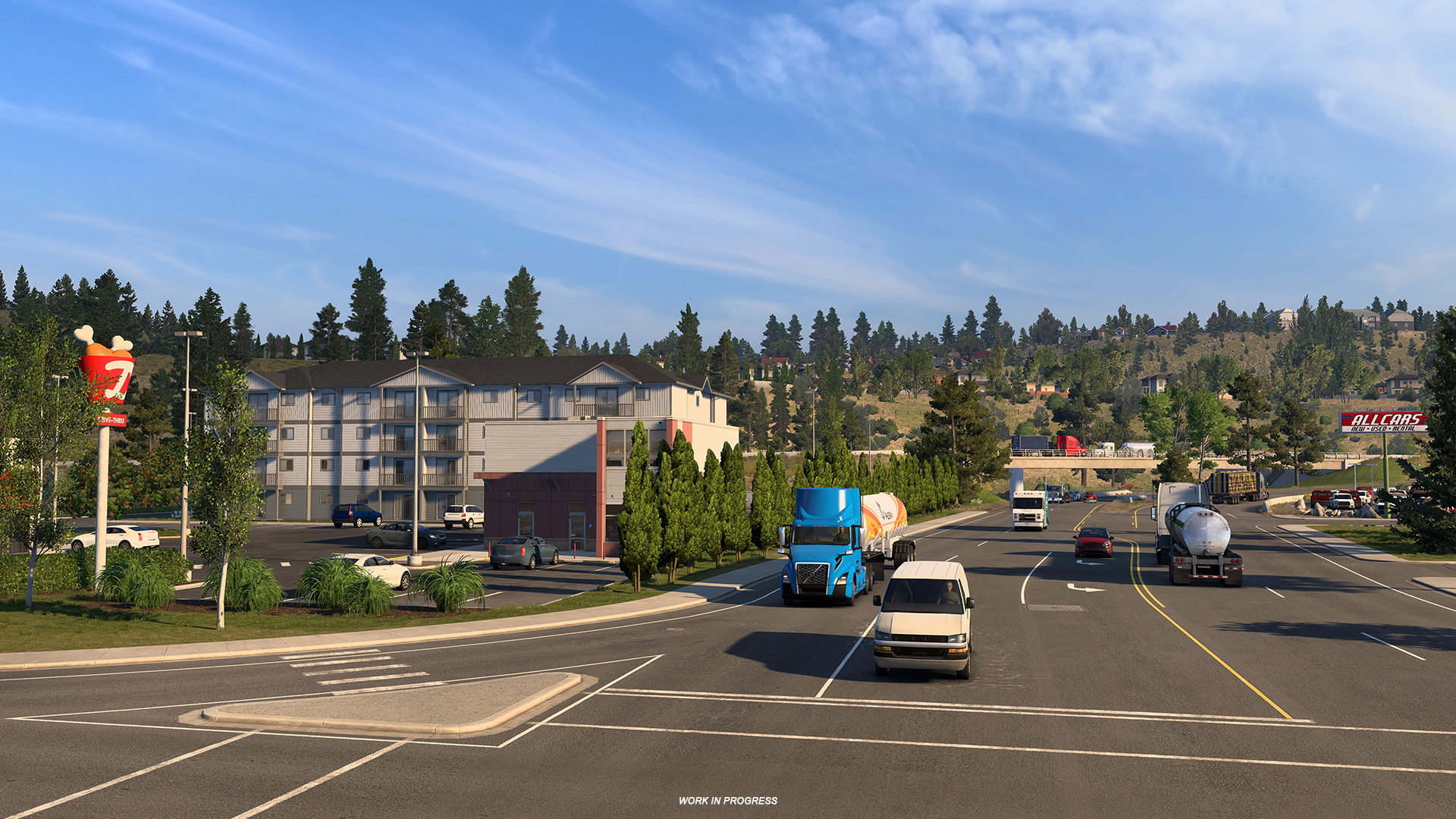
How does the creation process work, and how do you decide which assets should be made?
“It begins with our research team documenting the region. Once they identify recurring elements, the DLC lead and I review them to prioritize what is most impactful. We evaluate existing assets from previous projects to see if anything can be repurposed before commissioning new work. Once defined, we provide the 3D artists with reference photos, dimensions, and color profiles to bring these models to life.”
Can you share a few examples of new assets that really help capture the character of British Columbia?
“The bear-resistant trash bins are a personal favorite—they’re a small, functional detail that instantly sells the setting. I’m also quite fond of the new residential buildings with steeply pitched roofs, specifically designed to handle heavy snowfall. It’s a practical, regional design choice that makes the neighborhoods feel truly Canadian.”
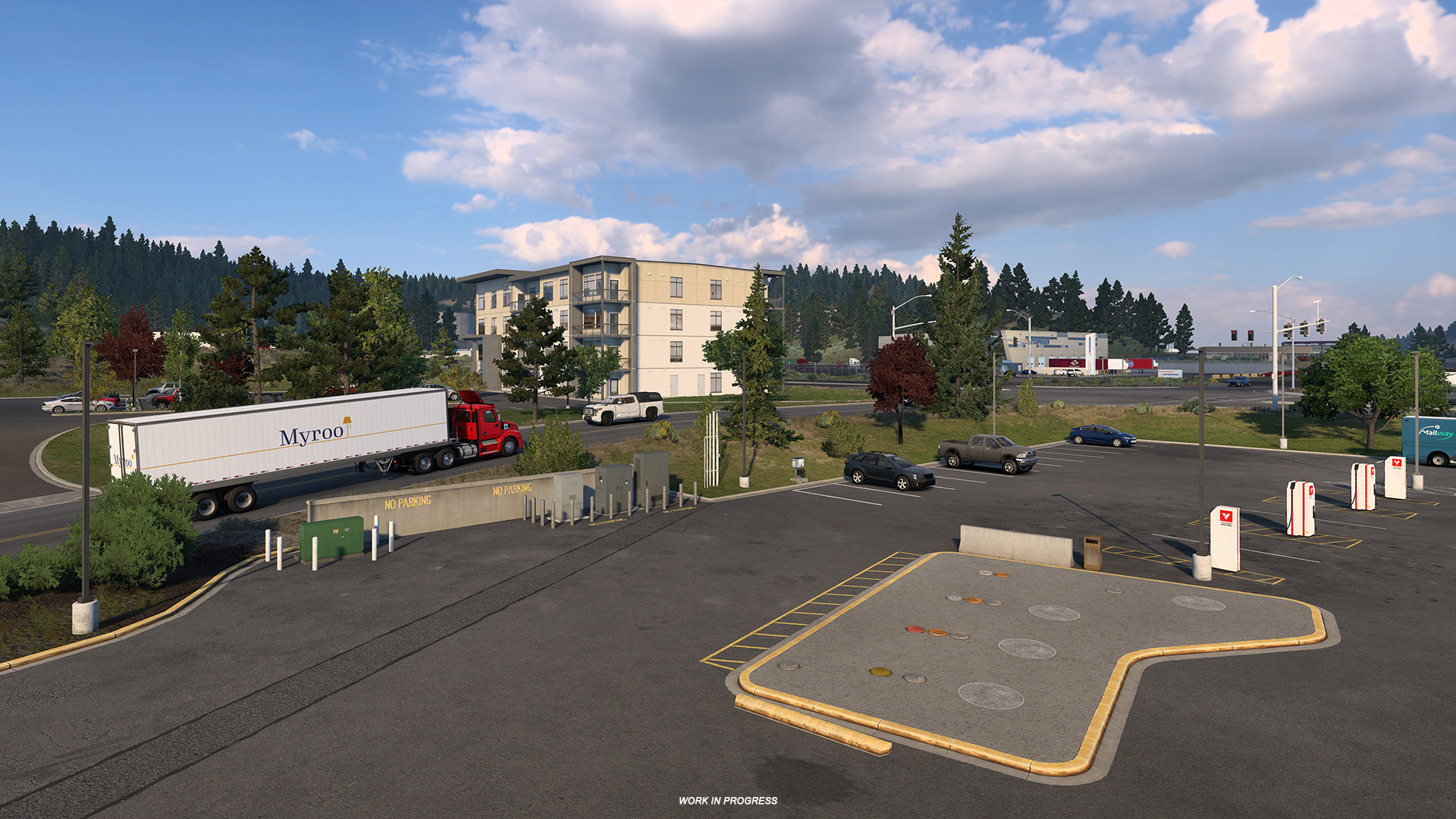
You visited British Columbia for research. What were some of your biggest takeaways from seeing the province in person?
“I was impressed by how much the topography dictates human development. Unlike the grid-style, flat road layouts common in many U.S. regions, the roads in B.C. follow the natural flow of valleys, rivers, and mountain passes. It creates a dynamic, winding driving experience that is breathtaking, even if it is technically complex to recreate.”
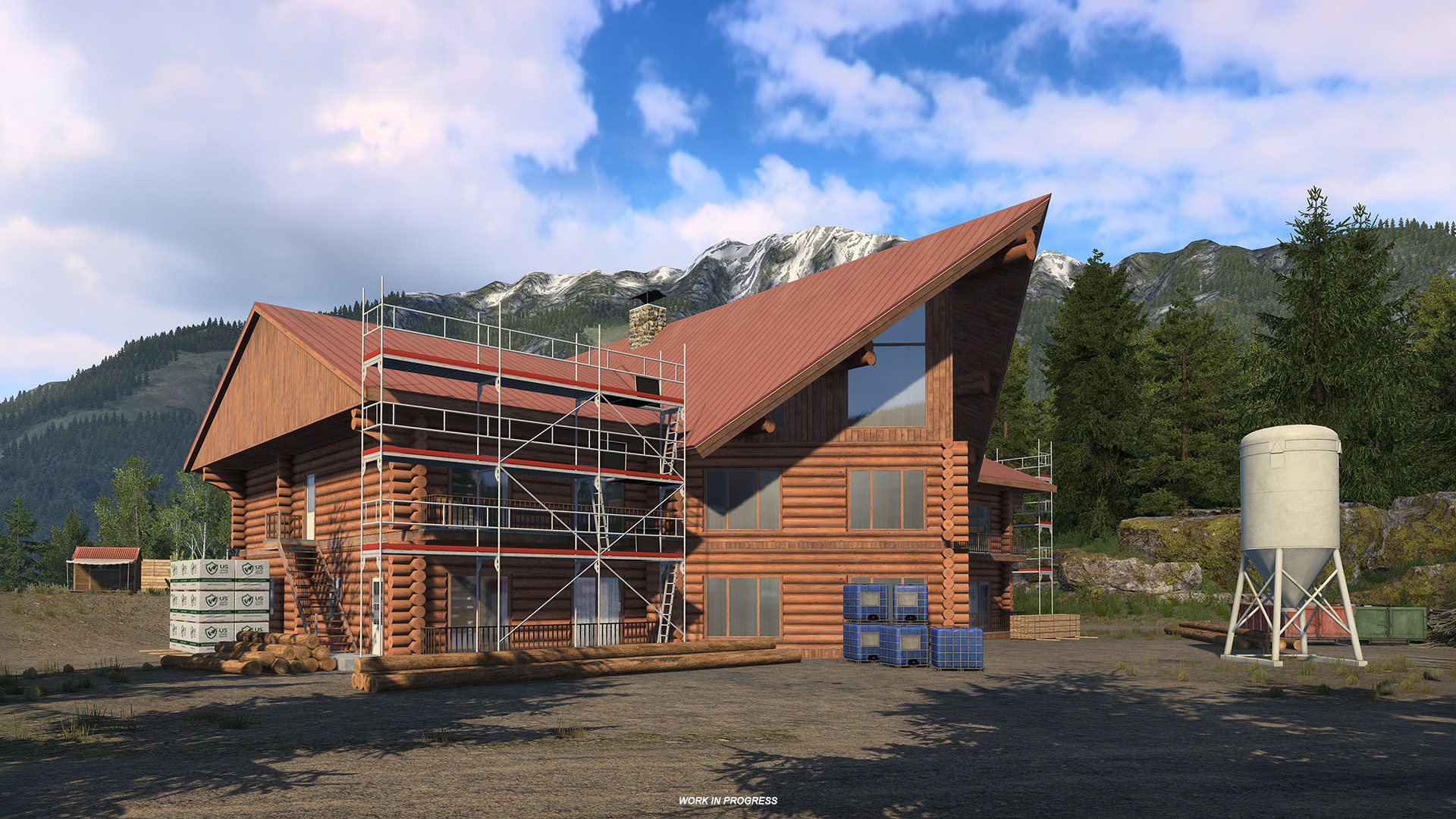
How important is real-world research in making a region feel authentic?
“Research provides context. You might look at a photo of a bear-resistant bin and think nothing of it, but when you’re standing in the wild and realize the scale of the nature surrounding you—or nearly get brushed by a cyclist in a dedicated lane—you understand why these details matter. It turns the map from a collection of polygons into a living, breathing place.”
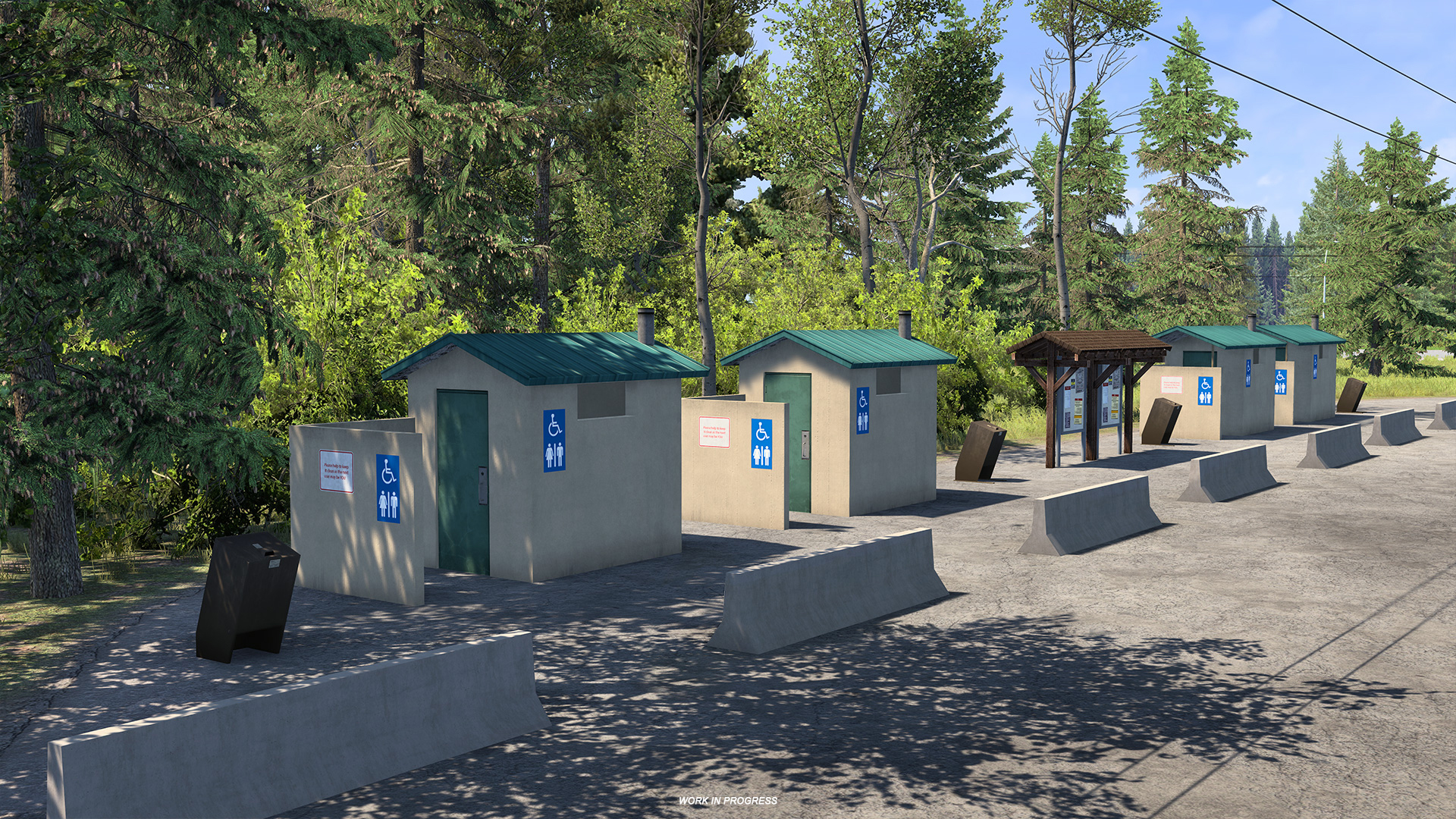
When players first hit the road in British Columbia, what details should they keep an eye out for?
“Beyond the updated crash barriers and road markings, pay attention to the agricultural areas. You’ll find new suburban residential styles, large-scale fruit orchards with their distinct wind machines, and the iconic grain elevators that serve as waypoints across the province. And, of course, keep an eye out for that ‘Welcome to British Columbia’ sign!”
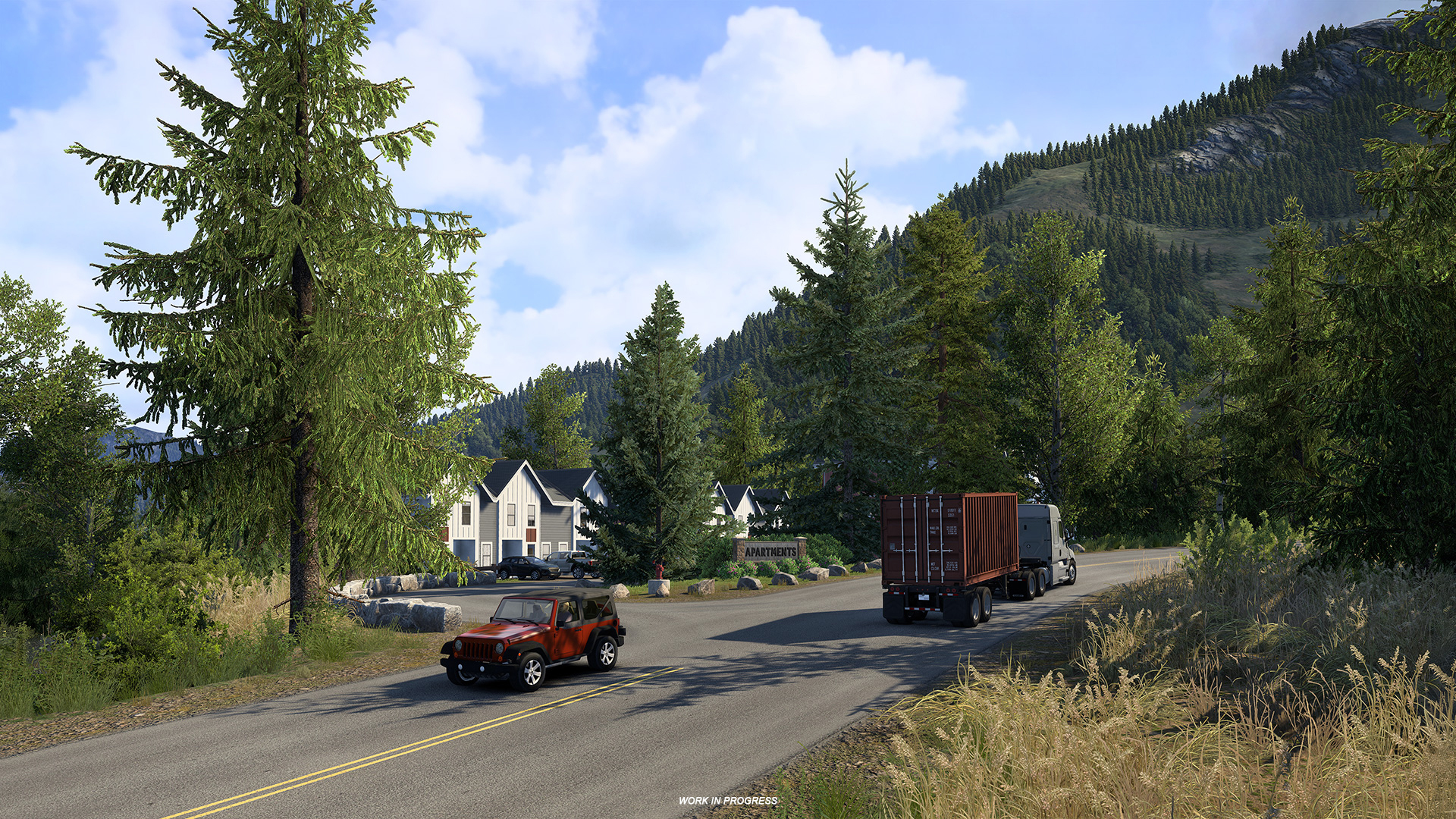
We’d like to extend our thanks to Wety for this behind-the-scenes look at the craftsmanship behind the British Columbia DLC. We are excited to share more updates as development progresses. In the meantime, be sure to add the expansion to your Steam Wishlist and keep on truckin’!
 American Truck Simulator: Update 1.61 Released
 Freight Market & Quick Jobs Road Trip
 World of Trucks: Events Resume
 World of Trucks: Resuming Events
 Community Stories: Trucker Cassie
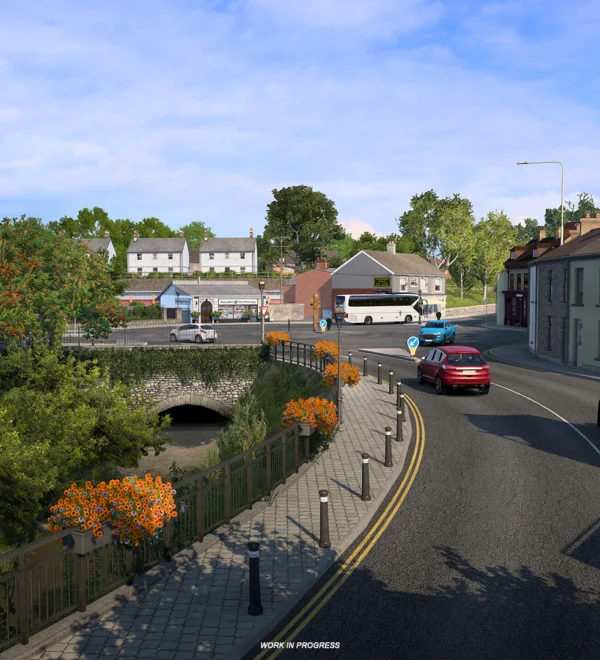 Cavan: Ireland’s Lake District
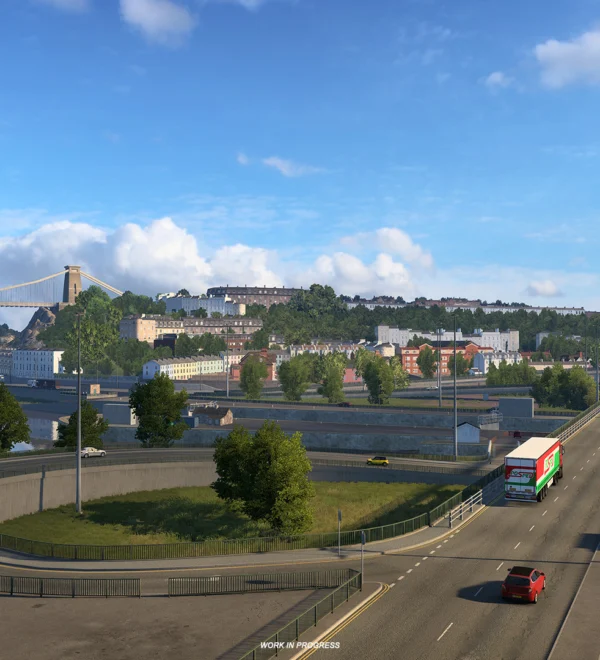 UK Rework: Historic Bristol
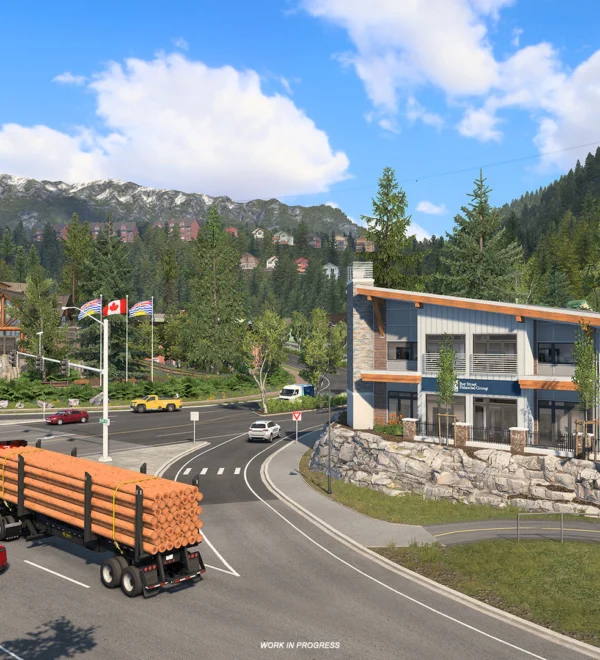 Whistler, British Columbia