
Behind the Scenes: In-Game Map QA
Developing Euro Truck Simulator 2 and American Truck Simulator is a vast, collaborative endeavor that unites diverse teams at SCS Software. While our map designers, artists, and programmers lay the foundation for the driving experience, a dedicated group works tirelessly behind the scenes to ensure every detail functions flawlessly before you hit the open road.

In this installment of “Under the Hood,” we are pulling back the curtain on our In-Game Quality Assurance department. We sat down with Ivan and David to discuss their daily routines, the nuances of the testing lifecycle, and why QA involves far more than simply playing games.
David: ATS Map QA Lead

“Greetings, truckers! I’m David, and I’ve been with SCS since I was 20. Back then, I was the youngest on the team; today, I lead our American Truck Simulator map testing. My role involves overseeing all ATS map expansions, coordinating with design leads, and tackling complex technical roadblocks. Having watched our studio grow from 100 to over 400 employees since my start on the Oregon DLC, I’ve been privileged to see our development and testing methodologies evolve alongside the scale of our game worlds.”
Ivan: World Map Design QA Lead

“Hi everyone! I’m Ivan, and I’ve spent the last six years helping shape our titles. I manage our 20-person map testing squad, which covers both ETS2 and ATS. While my colleague Davincillo manages the day-to-day for ATS, my focus remains primarily on the intricacies of the Euro Truck Simulator 2 map.”
The “Playing Games All Day” Myth
Many assume QA is just about playing games. What is the reality?
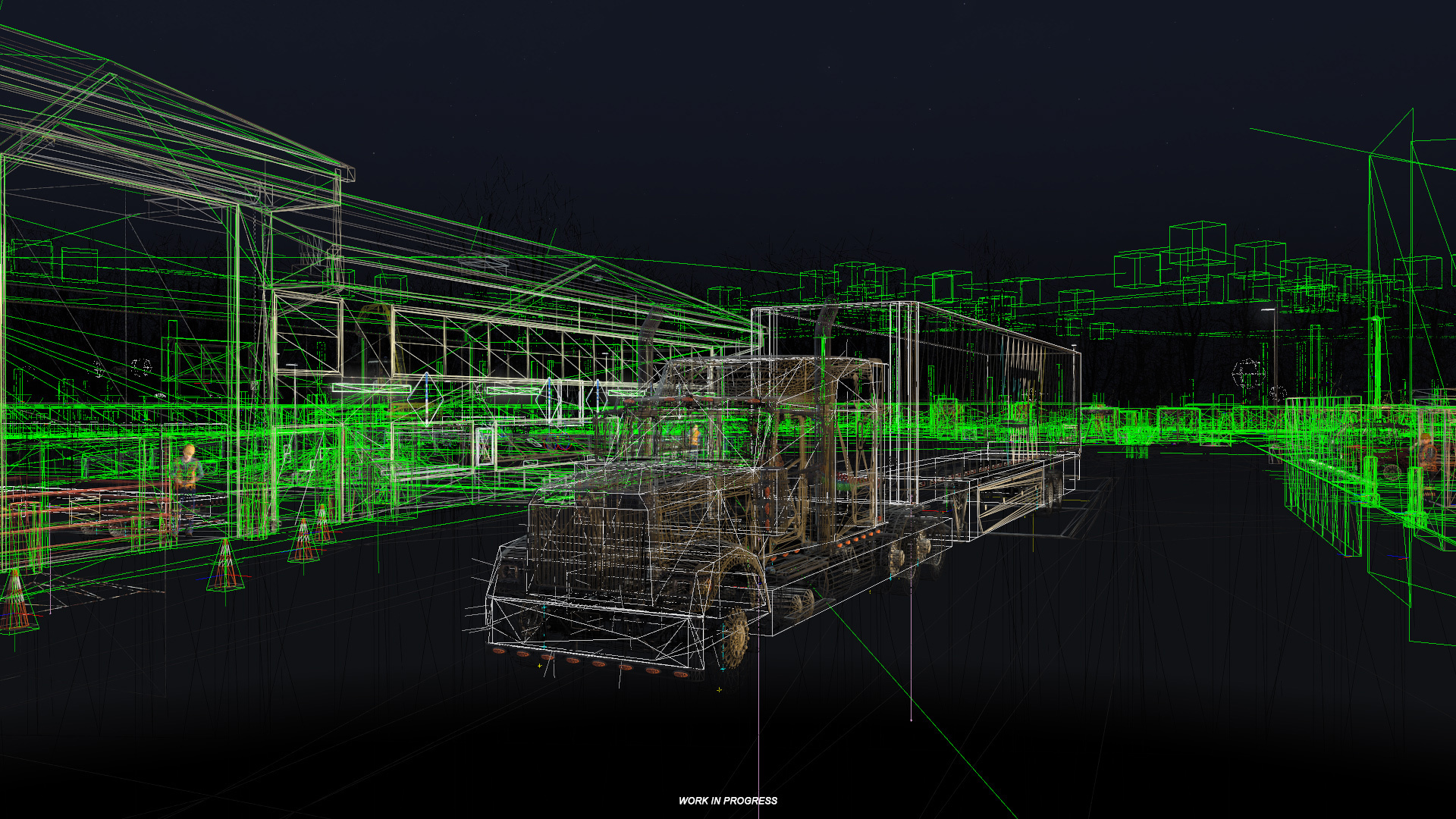
“It’s a persistent myth. While actual gameplay happens in the final stages of a project, the reality is deeply methodical. We might spend days meticulously examining a single stretch of road, cycling through different camera angles and debug tools to verify specific technical criteria. A good tester needs a logical, analytical mindset and a strong grasp of industry standards. It’s about being a problem-solver; instead of just reporting that ‘something is broken,’ we provide developers with precise, actionable data on how to replicate and fix an issue.”
A Day in the Life of a QA Lead
What does your typical schedule look like?
“It’s a mix of coordination, progress tracking, and constant communication. We spend much of our time assigning tasks, reviewing bug reports, and syncing with the development teams. It’s a dynamic environment—one day we are planning long-term strategies, the next we are frantically troubleshooting unexpected issues.”
Scope of Testing
What are your primary goals during testing?
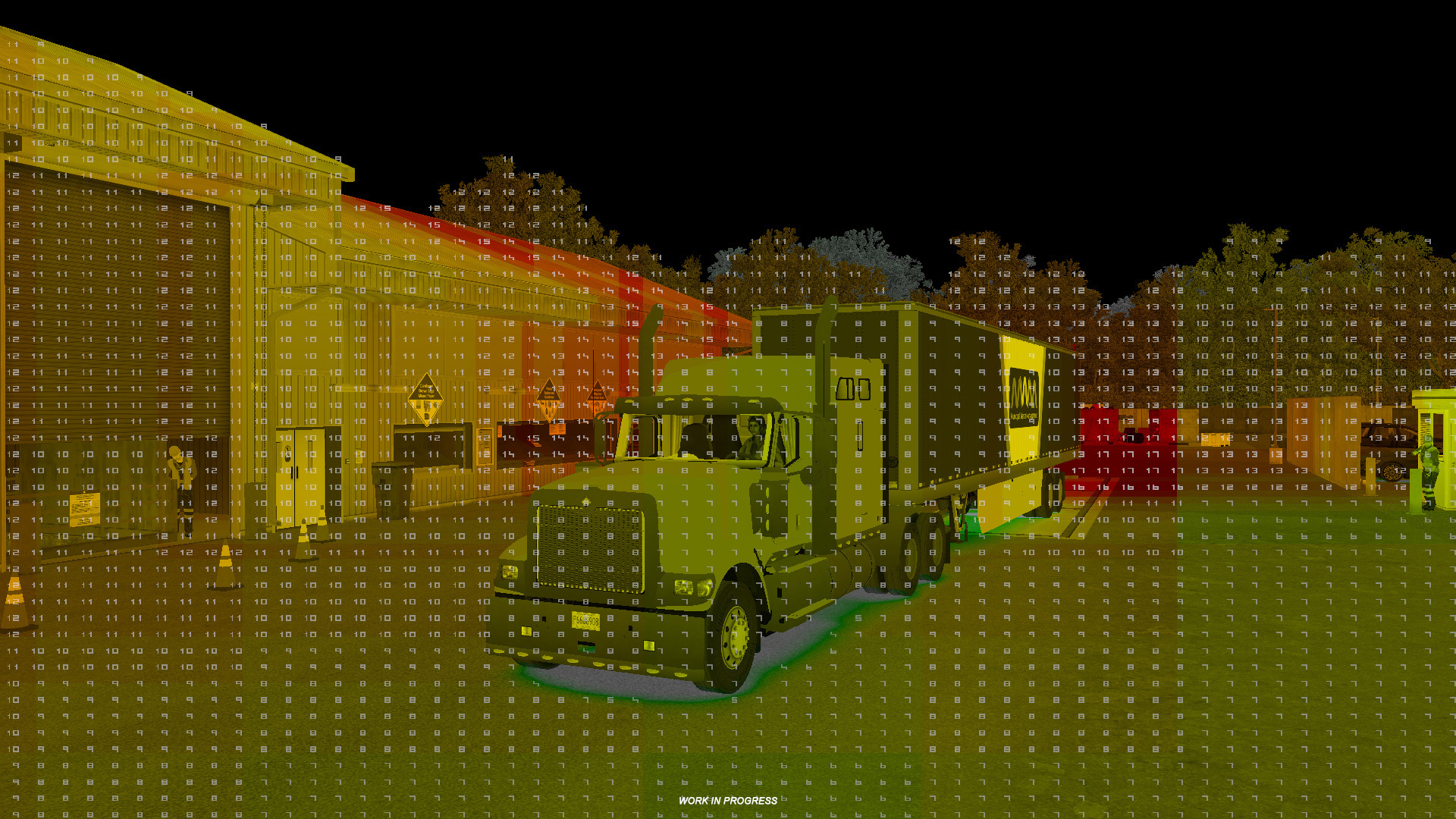
“It depends on the production phase. Early on, we focus on the road network—layout, slopes, and the economy—ensuring that gas stations, companies, and dealers are functional. Later, we pivot toward AI navigation, visual polish, signage, and performance optimization. We monitor everything: road markings, traffic lights, voice guidance, garage cutscenes, world borders, and environmental audio. Essentially, if it’s on the map, we’re testing it.”
The Reward of QA
What do you find most fulfilling about your role?
“There is immense satisfaction in acting as the final safety net for the player’s immersion. Seeing a fragmented, unstable build transform into a polished, cohesive world that millions of people enjoy is incredibly rewarding. When players praise the smoothness of a new road or the quality of the scenery in a new DLC, knowing my team helped secure that experience is the best feeling.”
The Lifecycle of a DLC
How do you approach a large-scale project?
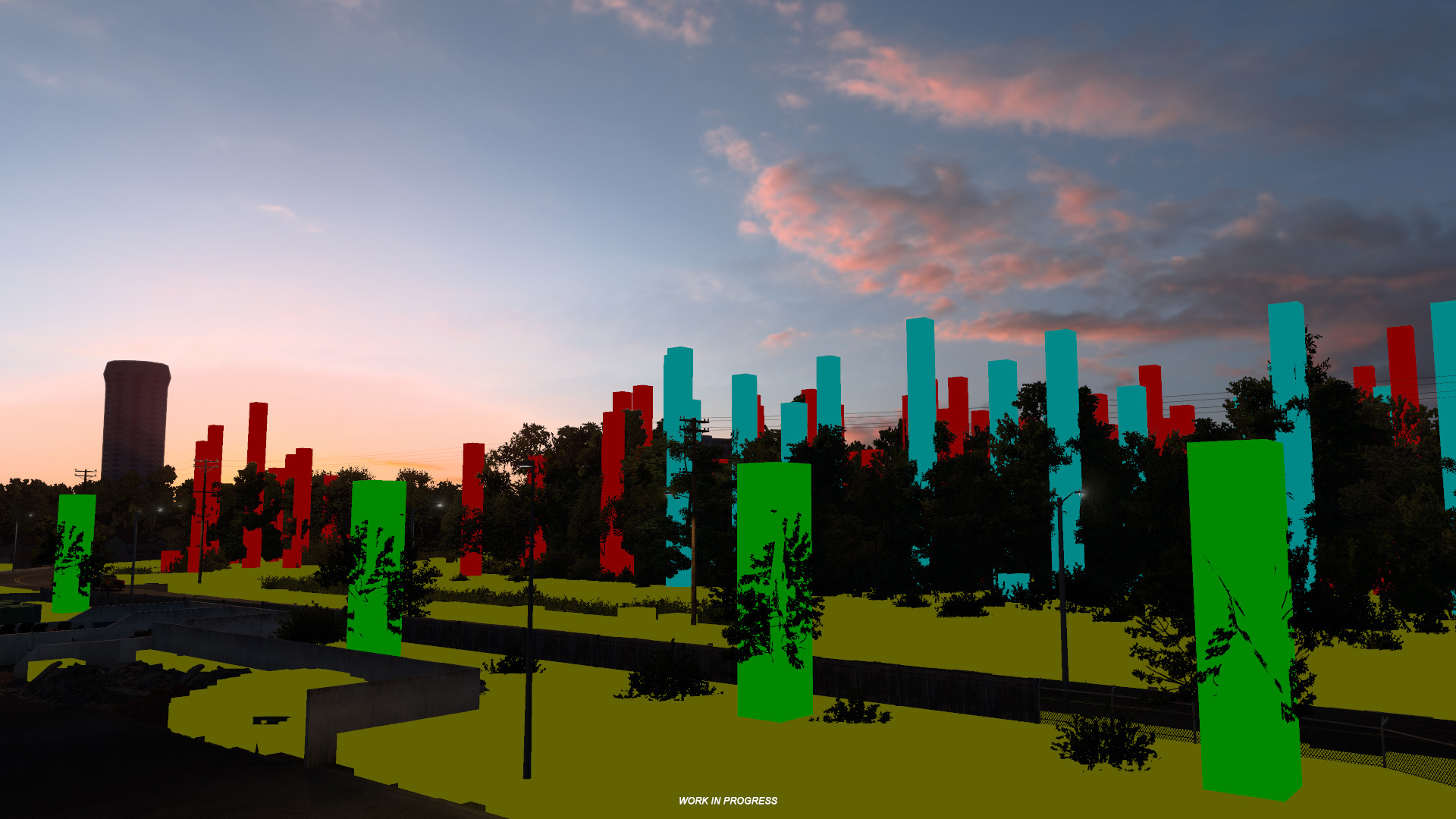
“Our process begins before production even starts. We provide input on concepts to preempt potential issues. We then utilize an agile, iterative approach divided into four stages plus an economy check. We break projects into manageable chunks—sometimes hundreds of individual tasks—ensuring every square mile is covered by multiple passes.”
By the Numbers
How much testing goes into an expansion?
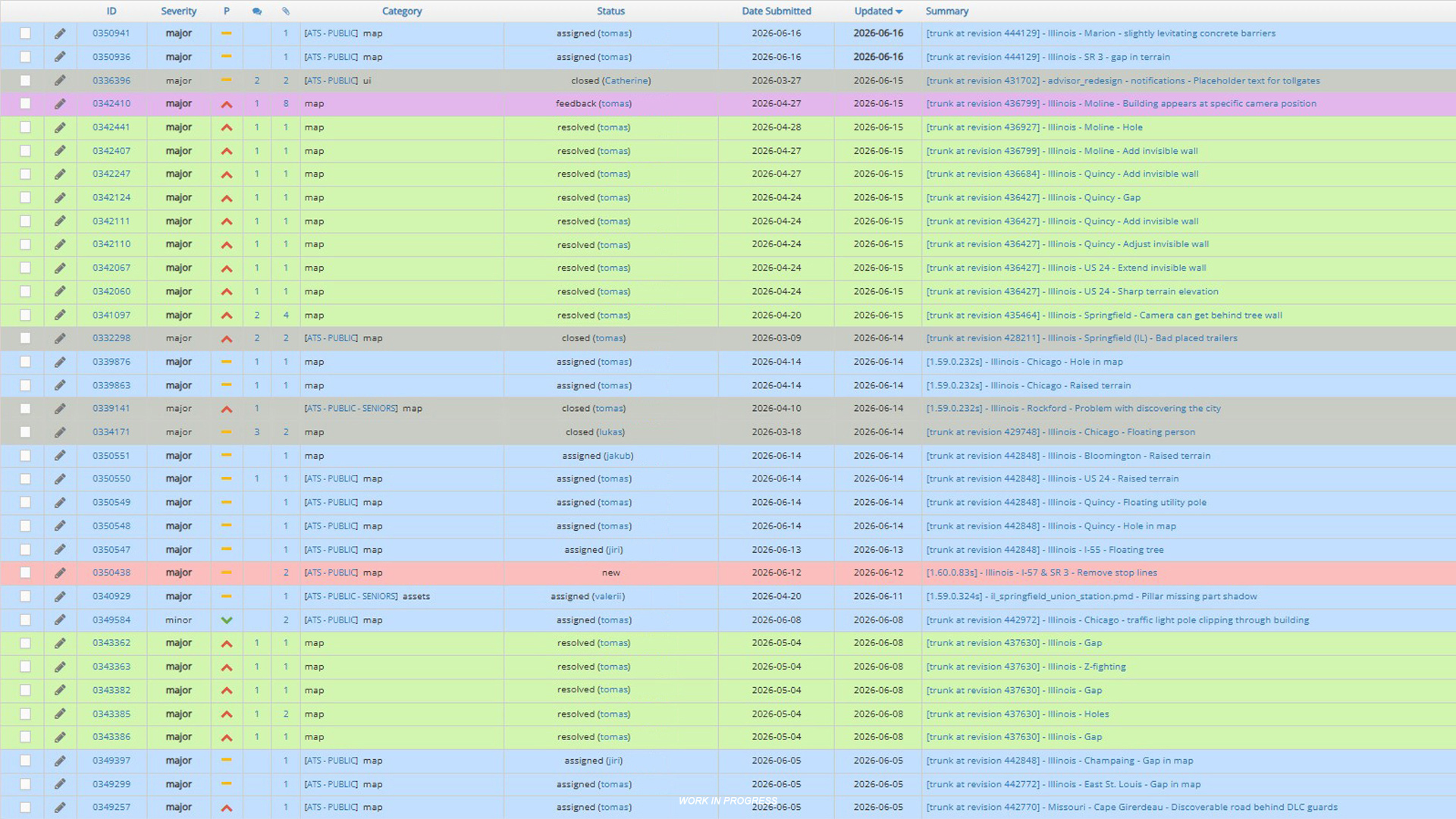
“The scale is massive. A minor event map takes days, but a project like Nordic Horizons requires thousands of hours. Every single asset is checked at least four times by different testers. For the Illinois DLC, we logged 6,849 individual reports, ranging from minor cosmetic gaps to game-breaking crashes.”
The Tools of the Trade
How do you manage such a massive volume of reports?
“We use an internal tool that links our game client directly to our database. A tester can submit a bug, and it appears instantly inside the developer’s map editor. This direct line of communication saves countless hours and allows our artists and designers to fix issues in real-time within their workspace.”
More Than Just Driving
What should players understand about your job?
“That it is a highly skilled technical role. You need to understand real-world infrastructure, complex game physics, and regional traffic laws. It’s the difference between a driver and a mechanic; we don’t just see a problem, we understand the engine behind it.”
Community Impact
How important is community feedback?
“It’s invaluable. While we have thorough internal processes, community members often spot edge cases or regional inaccuracies that we might miss. A well-documented report from a player—complete with screenshots and logs—saves us significant time, allowing us to focus on delivering a better, more authentic experience.”
We’d like to extend a sincere thank you to David and Ivan for sharing their expertise. We hope this look “Under the Hood” has shed some light on the dedication required to bring our simulators to life. Keep on truckin’!
Related articles
 Indiana Research Expedition
 Euro Truck Simulator 2: Version 1.61 Update Released
 SCS On The Road: Iceland Research Trip
 American Truck Simulator: Update 1.61 Released
 Freight Market & Quick Jobs Road Trip
 World of Trucks: Events Resume
 World of Trucks: Resuming Events
 Community Stories: Trucker Cassie