
A Landmark Anime Arthouse Film Hits Theaters 27 Years After Its Release

Few films in the medium of anime have cast a shadow as long or as profound over the realms of queer and arthouse animation as Kunihiko Ikuhara’s Adolescence of Utena. This surreal 1999 masterwork, which deconstructs and breathes new life into the beloved Revolutionary Girl Utena television series, has only gained in stature over the passing decades. Nearly thirty years later, Polygon is thrilled to exclusively announce that this seminal cult classic is set to return to the big screen for a two-night engagement this June.
Adolescence of Utena exists in the space between fairy tale and psychological fever dream. Within the sprawling, ornate corridors of Ohtori Academy, the story follows Utena Tenjou, a defiant protagonist drawn into a series of ritualized duels to protect Anthy Himemiya, the school’s enigmatic “Rose Bride.” However, survival at Ohtori requires more than just martial prowess; Utena soon uncovers that the academy is a rigid prison defined by manipulation and performance, a system she must ultimately dismantle to secure her liberation.
Ikuhara directs not as a traditional filmmaker, but as an avant-garde dramatist, saturating the screen with theatrical staging and dreamlike motifs. Objects serve as heavy emotional anchors, characters adopt archetypal personas, and standard exposition is frequently sacrificed for pure, visceral experience. The final product feels far more at home in the world of experimental cinema than in typical genre fare.
This experimental ethos solidified the film as a cornerstone of queer anime history. A standout sequence features a ballroom dance between Utena and Anthy that pivots from romantic fantasy to a tense, confrontational display of shifting identities. By playing with fluid choreography and evolving costumes, the film actively rejects traditional gender roles and the exhausted prince-and-princess dichotomy of classic fables.
Image: GKIDSThe film’s auditory landscape is equally transformative. With a radical score composed by J.A. Seazer, the music acts as a Greek chorus, weaving progressive rock with cryptic, operatic chants. Through this dense sonic layering, the rejection of societal norms by Utena and Anthy transforms from a localized rebellion into a cosmic, earth-shaking event.
Among the film’s most indelible images is Utena’s metamorphosis into a pink race car. Ikuhara uses this bizarre, inspired sequence to bridge the gap between adolescent maturation and liberation from patriarchal constraints. When Anthy takes the wheel to drive them toward the unknown, the vehicle serves as a powerful, queer metaphor for shared defiance.
Image: GKIDSMuch like the existential weight found in The End of Evangelion or the psychological intensity of Perfect Blue, Adolescence of Utena relies on dense symbolism and emotional honesty rather than linear progression. It remains a vital touchstone in queer cinema, celebrated for exploring the intimacy and complexity of its leads at a time when such representation was profoundly scarce.
Adolescence of Utena is a towering artifact of late-nineties creativity that demands to be experienced as intended: overwhelming, loud, and larger than life. To witness this avant-garde masterpiece in its theatrical glory, look for GKIDS’ exclusive two-night screening on June 21 and 22. Tickets are currently available for purchase.
Source: Polygon
Related articles
 James Gunn Clarifies Release Order for Creature Commandos Spin-off and Superman Film
 New Lord of the Rings Film Delayed Due to Warner Bros. and Paramount Merger, Reports Say
 Final Fantasy VII Revelation Director Explains Physical Disc Release Decision
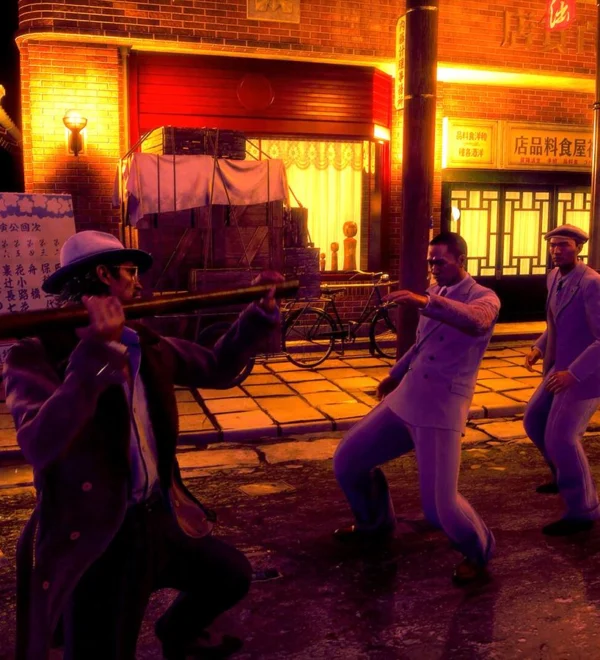 New Stranger Than Heaven Trailer Shows 1943 Osaka and Character Minato
 Avengers: Endgame Surpasses Avatar Again to Become Highest-Grossing Film in History
 James Gunn is already working on the film following Superman
 Teaser Trailer Released for Spice and Wolf Continuation
 Sony Leading Race to Adapt Battlefield Directed by Mission Impossible Director, Reports Say