15 Classic Games That Prove Gameplay Is More Important Than Graphics
It is no secret that visuals play a massive role in video games. For decades, raw graphical fidelity served as a primary selling point for new hardware generations and high-end gaming rigs. Yet, a rich history of titles succeeded without chasing cutting-edge aesthetics. Long before massive audiences could be reliably captured by eye candy alone, visionary developers understood the enduring power of addictive gameplay loops, punishing challenges, multiplayer engagement, and genuine innovation.
As we eagerly await the technical marvel that is Grand Theft Auto 6, let us examine 15 timeless classics proving that outward appearance isn’t everything. Ultimately, exceptional mechanical design is far more crucial to securing a game’s lasting legacy.
15
N+ (2008)
Originally born in the realm of Adobe Flash, N+ served as the refined console transition for Xbox Live Arcade courtesy of Metanet Software and their partners. Relying on exceptionally minimalist controls, players traversed hundreds of stages set within hazardous, stark environments. While it lacked jaw-dropping graphics, its relentlessly addictive gameplay loop kept enthusiasts hooked for dozens of hours.
14
Final Fantasy 9 (2000)
The Final Fantasy series historically made a habit of constantly redefining technical boundaries. Fresh off the heels of Final Fantasy 8 and its realistic character models, however, Final Fantasy 9 deliberately pivoted toward a stylized aesthetic. Its charming chibi characters and storybook world felt momentarily like a step backward before Final Fantasy 10 pushed realism forward a year later. Even today, surrounded by photorealistic blockbusters like Final Fantasy 16, this vintage adventure remains an absolute joy to experience.
13
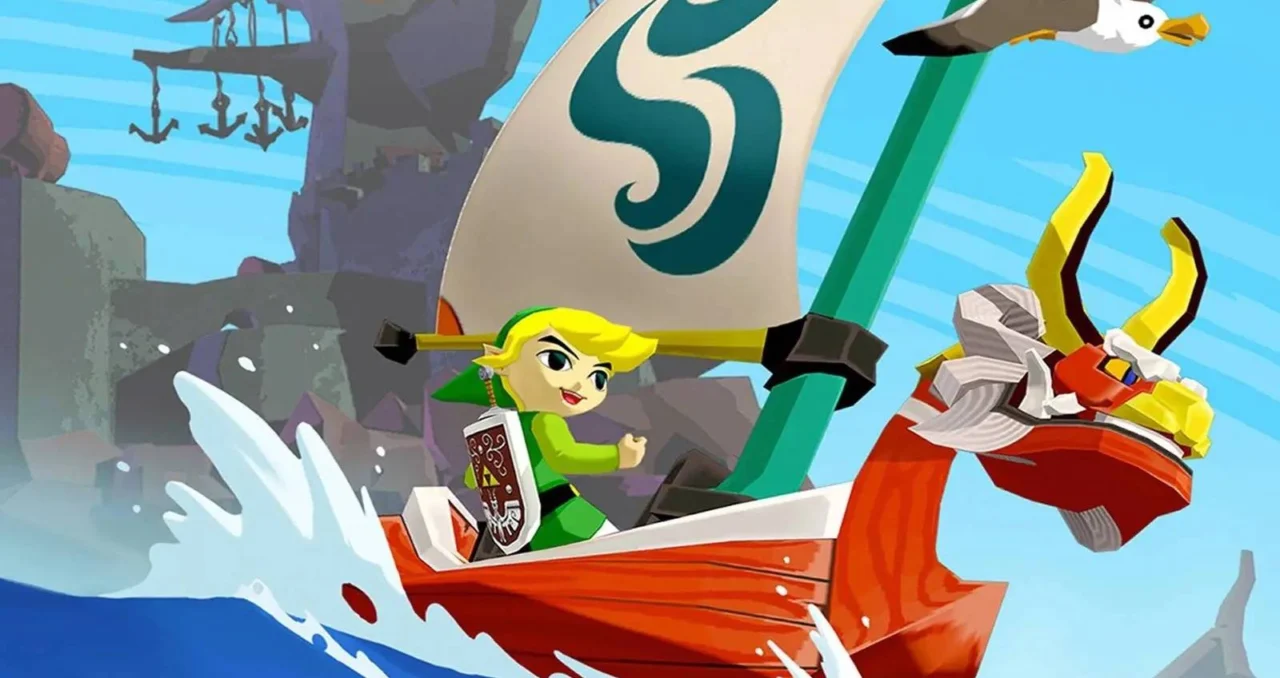
The Legend of Zelda: The Wind Waker (2002)
At a Spaceworld conference, Nintendo originally stunned audiences with tech demos featuring a mature, high-polygon Link and Ganondorf. Then, developers abruptly changed direction. When the project resurfaced, Link had adopted a vibrant, cel-shaded children’s book look reminiscent of classic manual illustrations. Many purists cried foul, convinced the franchise had lost its way. Yet, fans eventually fell in love with it, rallied behind its Wii U HD remaster, and continue placing a modernized port high on their current wishlists—proving true Zelda magic transcends mere polygons.
12
DuckTales (1989)
DuckTales thrust Scrooge McDuck across wonderfully vibrant global stages. It was visually charming from the outset, breathing colorful life into a beloved animated property, but the true brilliance lay in its exploratory freedom. Decades later, WayForward crafted a high-definition remaster featuring redone assets and original voice talent, yet the magic didn’t resonate in quite the same way. The updated visuals were slick, but they proved that cosmetic polish alone cannot replace core design excellence.
Get Polygon’s Wishlister newsletter
A weekly cheat sheet to what you’ll eventually love to play. No buying, no
commitment — just saving for later.
Free. Unsubscribe anytime.
11
Mega Man 2 (1988)
When the original Mega Man underperformed commercially, passionate developers quietly assembled a sequel without corporate backing. The resulting Mega Man 2 stands as one of the finest gems of the 8-bit era. While it featured appealing visuals for its time, players were far more captivated by its stellar level design, iconic soundtrack, and diverse rogues’ gallery of Robot Masters. Subsequent NES entries made only marginal visual upgrades yet continued thriving because the underlying formula was endlessly captivating.
10
Terraria (2011)
Developed by Re-Logic, Terraria is hardly an eyesore, but neither is it a technological powerhouse—nor does it need to be. Millions flock to this indie phenomenon simply because it masters the core pillars of sandbox gaming: exploring, crafting, building, combat, and mining. It succeeds brilliantly because it delivers precisely what players crave, proving retro pixel art serves the experience perfectly.
9
Worms (1995)
Worms put Team17 firmly on the map, and the reasoning is immediately apparent. By pairing straightforward turn-based strategy mechanics with endearing, comical art direction, the game made players fiercely attached to these chaotic combatants. While the backdrops featured delightful detail and the invertebrates had immense personality, the absurd arsenal of weapons remained the undisputed main attraction. Ever since its Amiga origins, the franchise has barely changed—because simplicity simply works best.
8
Bomberman (1983)
Generations of gamers have adored Bomberman and its myriad sequels without ever praising its graphical prowess. The arenas offer straightforward grid architecture, and the character sprites remain uncomplicated. Even the explosions are relatively subdued, though fatal nonetheless. Players return decade after decade because the unadulterated multiplayer mayhem gets the job done. In fact, attempts to modernize the franchise with added spectacle—such as 2006’s gritty Xbox 360 reboot Bomberman Act: Zero—failed miserably by straying from the proven formula.
7
Lemmings (1991)
Before DMA Design evolved into Rockstar North and revolutionized open-world gaming with Grand Theft Auto, they achieved massive acclaim with Lemmings. Tasking players with guiding suicidal rodents safely toward an exit by assigning tactical roles, the game wisely opted for restrained visuals. Excessively busy backdrops would have obscured critical details and stripped the tiny sprites of the distinct personality required to make the puzzle mechanics shine.
}
}
width: 100% !important;
margin: 0 0 0.45rem !important;
padding: 0 !important;
text-align: center !important;
}
display: grid !important;
grid-template-columns: minmax(0, 1fr) auto minmax(0, 1fr) !important;
align-items: center !important;
column-gap: 0.75rem !important;
width: 94% !important;
max-width: 94% !important;
margin: 0 auto !important;
padding: 0 !important;
color: var(–grText) !important;
font-family:
‘Khand’,
‘Roboto’,
system-ui,
-apple-system,
‘Segoe UI’,
Arial,
sans-serif !important;
font-size: 0.875rem !important;
font-weight: 700 !important;
line-height: 1.3 !important;
letter-spacing: 2px !important;
text-align: center !important;
text-transform: uppercase !important;
transition: color 180ms ease !important;
text-shadow: none !important;
}
display: block !important;
width: 100% !important;
height: 1px !important;
background: var(–grText) !important;
content: ” !important;
transition: background-color 180ms ease !important;
box-shadow: none !important;
}
margin: 3px 0 0 !important;
padding: 0 !important;
color: var(–grMuted) !important;
font-family:
‘Roboto’,
system-ui,
-apple-system,
‘Segoe UI’,
Arial,
sans-serif !important;
font-size: 11px !important;
font-weight: 700 !important;
line-height: 1.2 !important;
letter-spacing: 0.02em !important;
text-align: center !important;
}
display: flex !important;
justify-content: flex-start !important;
gap: 12px !important;
overflow-x: auto !important;
overflow-y: hidden !important;
scroll-snap-type: x mandatory !important;
-webkit-overflow-scrolling: touch !important;
scrollbar-width: none !important;
padding: 4px 0 12px !important;
}
display: none !important;
}
flex: 0 0 calc((100% – 24px) / 3) !important;
display: none !important;
flex-direction: column !important;
overflow: hidden !important;
border: 1px solid var(–grOutline) !important;
border-radius: 12px !important;
background: var(–grCardBg) !important;
color: var(–grText) !important;
box-shadow: none !important;
scroll-snap-align: start !important;
transition:
transform 0.2s ease,
box-shadow 0.2s ease !important;
}
.gr-secretlab-carousel-card.gr-secretlab-carousel-selected {
display: flex !important;
}
transform: translateY(-3px) !important;
box-shadow: 0 8px 24px rgba(0, 0, 0, 0.12) !important;
}
display: block !important;
color: inherit !important;
text-decoration: none !important;
}
outline: 3px solid var(–grAccent) !important;
outline-offset: 2px !important;
}
outline: none !important;
box-shadow: none !important;
border-color: var(–grOutline) !important;
}
display: block !important;
width: 100% !important;
height: 190px !important;
overflow: hidden !important;
background: #ffffff !important;
}
display: block !important;
width: 100% !important;
height: 190px !important;
max-width: 100% !important;
object-fit: contain !important;
object-position: center !important;
padding: clamp(10px, 5%, 18px) !important;
background: #ffffff !important;
}
display: flex !important;
flex: 1 !important;
flex-direction: column !important;
padding: 9px 12px 11px !important;
}
margin-bottom: 2px !important;
color: var(–grAccent) !important;
font-family:
‘Khand’,
‘Roboto’,
system-ui,
-apple-system,
‘Segoe UI’,
Arial,
sans-serif !important;
font-size: 11px !important;
font-weight: 800 !important;
line-height: 1 !important;
letter-spacing: 1px !important;
text-transform: uppercase !important;
}
min-height: 0 !important;
margin-bottom: 6px !important;
color: var(–grText) !important;
font-size: 18px !important;
font-weight: 800 !important;
line-height: 1.12 !important;
}
display: flex !important;
align-items: center !important;
justify-content: space-between !important;
gap: 6px !important;
margin-top: 0 !important;
}
display: flex !important;
min-width: 0 !important;
flex: 0 0 auto !important;
flex-direction: row !important;
align-items: center !important;
gap: 6px !important;
}
min-width: 88px !important;
flex: 0 0 88px !important;
width: 88px !important;
height: 30px !important;
margin: 0 !important;
padding: 0 22px 0 8px !important;
border: 1px solid var(–grOutline) !important;
border-radius: 8px !important;
background: var(–grBg) !important;
color: var(–grText) !important;
font:
700 11px/1 ‘Roboto’,
system-ui,
-apple-system,
‘Segoe UI’,
Arial,
sans-serif !important;
}
-webkit-appearance: none !important;
appearance: none !important;
cursor: pointer !important;
padding: 0 28px 0 9px !important;
background-color: var(–grBg) !important;
background-image: url(“data:image/svg+xml,%3Csvg xmlns=”http://www.w3.org/2000/svg” width=”12″ height=”8″ viewBox=’0 0 12 8’%3E%3Cpath d=’M1 1.5 6 6.5 11 1.5′ fill=”none” stroke=”%23777777″ stroke-width=”1.8″ stroke-linecap=’round’ stroke-linejoin=’round’/%3E%3C/svg%3E”) !important;
background-repeat: no-repeat !important;
background-position: right 9px center !important;
background-size: 10px 7px !important;
text-indent: 0 !important;
}
display: flex !important;
align-items: center !important;
padding-right: 9px !important;
}
display: inline-flex !important;
flex: 0 0 auto !important;
align-items: center !important;
justify-content: center !important;
height: 30px !important;
padding-inline: 0.6rem !important;
border: 1px solid var(–grAccent) !important;
border-radius: 8px !important;
outline: 1px solid var(–grAccent) !important;
outline-offset: 2px !important;
background: var(–grAccent) !important;
color: #ffffff !important;
font-family:
‘Khand’,
‘Roboto’,
system-ui,
-apple-system,
‘Segoe UI’,
Arial,
sans-serif !important;
font-size: 0.9rem !important;
font-weight: 800 !important;
line-height: 1 !important;
letter-spacing: 0.02em !important;
text-decoration: none !important;
text-transform: uppercase !important;
white-space: nowrap !important;
user-select: none !important;
}
margin-top: 2px !important;
padding-bottom: 4px !important;
color: var(–grMuted) !important;
font-size: 9px !important;
text-align: center !important;
}
@media (min-width: 768px) {
}
}
@media (min-width: 1024px) {
}
}
@media (hover: hover) and (pointer: fine) {
}
}
}
@media (prefers-reduced-motion: reduce) {
}
}
@container (max-width: 684px) {
}
}
@container (max-width: 440px) {
}
}
}
Recommended For You
6
SimCity (1989)
SimCity popularized urban planning simulations while looking perfectly adequate, though its aesthetic presentation wasn’t particularly mind-blowing. Its immense triumph stemmed from empowering players to architect sprawling metropolises while navigating real-world transit and economic pressures. Enthusiasts happily poured countless hours into building suburbs, industrial parks, and downtown commercial hubs without stressing over modern niceties like frame rates or 4K resolutions. The core appeal lived entirely in unbridled creative freedom. Nintendo later collaborated with Maxis for a Super Nintendo port, while an ambitious NES adaptation was even showcased at CES 1991 before ultimately being canceled.
Source: Polygon
Related articles
 Dark Messiah Successor Gets Easier Combat in Fatekeeper Update
 Hunter: The Reckoning – Deathwish Character Creation and Progression Details Revealed
 The Twilight Zone is Now Free to Stream on CBS
 Ayaneo Announces AYASpace 2 Pocket Museum for Handheld Consoles
 Phantom Blade Zero Tops Steam Charts Amid Shift in Chinese Game Market
 Kiborg Receives Free Body Split Update Featuring Female Morgan Lee
 Call of Duty: Modern Warfare 4 Xbox Player Count 32 Percent Lower Than Black Ops 7
 Top 10 Pokémon Cards Most Likely to Be Fake