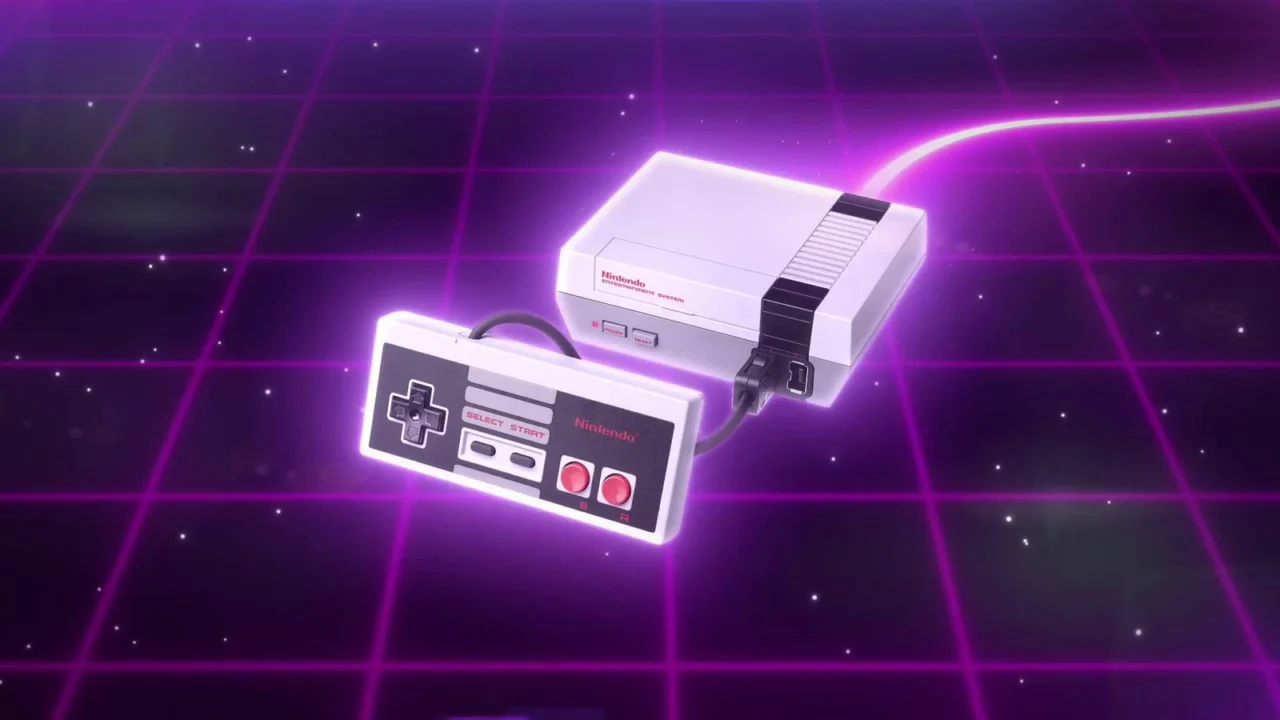
10 NES Games That Are Still Worth Playing From Start to Finish
When the Nintendo Entertainment System debuted in North America on October 18, 1985, accompanied by a modest lineup featuring Super Mario Bros. and Excitebike, few could have predicted its monumental trajectory. Within a few short years, its catalog swelled to encompass hundreds of releases, definitively putting to rest any lingering doubts regarding the supposed collapse of the video game industry in the early 1980s. Today, many of those pioneering releases inevitably feel like historical artifacts, somewhat eclipsed by decades of rapid technological advancement and subsequent software generations. Yet, a select few retain an enduring brilliance that warrants a complete playthrough. Here are 10 exceptional NES titles that remain immensely rewarding from beginning to end.
10
Ninja Gaiden (1988)
Publisher: Tecmo
When shadow warriors first crossed paths across a bustling urban landscape, players immediately recognized the kinetic appeal of controlling the nimble protagonist, Ryu Hayabusa. That thrill, however, came at a steep price. Ninja Gaiden remains one of the most punishingly difficult adventures of its generation—at least among those still worth revisiting today. Bosses strike with relentless speed and ferocity, and even innocuous avian foes possess an uncanny knack for knocking an unwary shinobi off the precarious safety of a narrow ledge. The title spawned two equally compelling sequels, and Tecmo later resurrected the franchise for the original Xbox, culminating in the universally acclaimed 2005 masterpiece Ninja Gaiden Black. Yet, there is simply no finer starting point than the original masterpiece that launched the legend.
9
Castlevania 3: Dracula’s Curse (1989)
Publisher: Konami
The entire Castlevania portfolio merits thorough exploration, long before reaching universally lauded masterpieces like Symphony of the Night. While each installment possesses distinct merits, Castlevania 3: Dracula’s Curse successfully synchronized all the right elements during the formative era of the franchise. It achieved this by introducing a diverse roster of playable characters and branching pathways through its haunting, gothic environments. Even today, enthusiasts find immense satisfaction in embarking on multiple playthroughs of its demanding stages, experimenting with fresh strategic approaches and weapon synergies while braving atmospheric skirmishes against the minions of darkness.
8
The Legend of Zelda (1987)
Publisher: Nintendo
Initially launched on the Famicom Disk System in Japan back in 1986, The Legend of Zelda made its North American NES debut the following year. Approach it incorrectly, and finishing this foundational epic can feel like completing a tedious, mechanical checklist—systematically bombing every stone barrier and setting fire to every tree across consecutive single-screen environments. However, hidden caves harbor eccentric non-player characters eager to share cryptic advice, directing Link toward invaluable treasures and perilous trials. Adventurers are largely free to conquer dungeons out of sequence, bypassing strict numerical order. Within these labyrinths lie essential artifacts required to vanquish Ganon and rescue the kingdom of Hyrule, making the journey worth undertaking more than once.
Get Polygon’s Wishlister newsletter
A weekly cheat sheet to what you’ll eventually love to play. No buying, no
commitment — just saving for later.
Free. Unsubscribe anytime.
7
Dragon Warrior 4 (1990)
Publisher: Enix
A compelling case could certainly be made for highlighting nearly every installment in the legendary Dragon Warrior franchise (now universally recognized by its original Japanese designation, Dragon Quest) on a compilation of this nature. Yet, Dragon Warrior 4 arguably works hardest to earn its place—not just here, but among the definitive 35 greatest NES games ever crafted. The campaign cleverly structures its opening acts into distinct, bite-sized role-playing vignettes featuring a colorful assortment of characters, ultimately uniting them under the banner of the legendary hero for the climactic final chapter. Boasting a sprawling world map, genuine narrative ambition, and impressive technical refinement, the final 8-bit chapter in the series remains an unforgettable epic destined to be experienced again and again.
6
Kirby’s Adventure (1993)
Publisher: Nintendo
Following a modest debut on the Game Boy, the iconic pink hero transitioned to home consoles with a vibrant, expansive adventure just as the NES was gracefully bowing out to make room for the Super Nintendo. Today, players of all ages can relish exploring the whimsical landscapes of Dream Land in Kirby’s Adventure, which brims with imaginative charm and a versatile array of enemy powers for the protagonist to inhale and wield. For anyone excited about contemporary franchise entries, such as the upcoming Kirby and the World Beyond for the Nintendo Switch 2, revisiting this artistic high-water mark from the 8-bit era is an absolute necessity.
5
Contra (1988)
Publisher: Konami
Contra benefits from a brisk runtime, making it an ideal candidate for a modern afternoon playthrough, whether tackled solo or alongside a cooperative partner. Though its stages remain famously unforgiving, inputting the legendary “Konami code” on the title screen grants a generous allotment of extra lives, ensuring that anyone with a bit of practice can push through to the closing credits and thwart the extraterrestrial threat. Countless sequels would follow in its wake, but nothing quite matches the pure, unadulterated thrill of this initial arcade-derived masterpiece.
}
}
width: 100% !important;
margin: 0 0 0.45rem !important;
padding: 0 !important;
text-align: center !important;
}
display: grid !important;
grid-template-columns: minmax(0, 1fr) auto minmax(0, 1fr) !important;
align-items: center !important;
column-gap: 0.75rem !important;
width: 94% !important;
max-width: 94% !important;
margin: 0 auto !important;
padding: 0 !important;
color: var(–grText) !important;
font-family:
‘Khand’,
‘Roboto’,
system-ui,
-apple-system,
‘Segoe UI’,
Arial,
sans-serif !important;
font-size: 0.875rem !important;
font-weight: 700 !important;
line-height: 1.3 !important;
letter-spacing: 2px !important;
text-align: center !important;
text-transform: uppercase !important;
transition: color 180ms ease !important;
text-shadow: none !important;
}
display: block !important;
width: 100% !important;
height: 1px !important;
background: var(–grText) !important;
content: ” !important;
transition: background-color 180ms ease !important;
box-shadow: none !important;
}
margin: 3px 0 0 !important;
padding: 0 !important;
color: var(–grMuted) !important;
font-family:
‘Roboto’,
system-ui,
-apple-system,
‘Segoe UI’,
Arial,
sans-serif !important;
font-size: 11px !important;
font-weight: 700 !important;
line-height: 1.2 !important;
letter-spacing: 0.02em !important;
text-align: center !important;
}
display: flex !important;
justify-content: flex-start !important;
gap: 12px !important;
overflow-x: auto !important;
overflow-y: hidden !important;
scroll-snap-type: x mandatory !important;
-webkit-overflow-scrolling: touch !important;
scrollbar-width: none !important;
padding: 4px 0 12px !important;
}
display: none !important;
}
flex: 0 0 calc((100% – 24px) / 3) !important;
display: none !important;
flex-direction: column !important;
overflow: hidden !important;
border: 1px solid var(–grOutline) !important;
border-radius: 12px !important;
background: var(–grCardBg) !important;
color: var(–grText) !important;
box-shadow: none !important;
scroll-snap-align: start !important;
transition:
transform 0.2s ease,
box-shadow 0.2s ease !important;
}
.gr-secretlab-carousel-card.gr-secretlab-carousel-selected {
display: flex !important;
}
transform: translateY(-3px) !important;
box-shadow: 0 8px 24px rgba(0, 0, 0, 0.12) !important;
}
display: block !important;
color: inherit !important;
text-decoration: none !important;
}
outline: 3px solid var(–grAccent) !important;
outline-offset: 2px !important;
}
outline: none !important;
box-shadow: none !important;
border-color: var(–grOutline) !important;
}
display: block !important;
width: 100% !important;
height: 190px !important;
overflow: hidden !important;
background: #ffffff !important;
}
display: block !important;
width: 100% !important;
height: 190px !important;
max-width: 100% !important;
object-fit: contain !important;
object-position: center !important;
padding: clamp(10px, 5%, 18px) !important;
background: #ffffff !important;
}
display: flex !important;
flex: 1 !important;
flex-direction: column !important;
padding: 9px 12px 11px !important;
}
margin-bottom: 2px !important;
color: var(–grAccent) !important;
font-family:
‘Khand’,
‘Roboto’,
system-ui,
-apple-system,
‘Segoe UI’,
Arial,
sans-serif !important;
font-size: 11px !important;
font-weight: 800 !important;
line-height: 1 !important;
letter-spacing: 1px !important;
text-transform: uppercase !important;
}
min-height: 0 !important;
margin-bottom: 6px !important;
color: var(–grText) !important;
font-size: 18px !important;
font-weight: 800 !important;
line-height: 1.12 !important;
}
display: flex !important;
align-items: center !important;
justify-content: space-between !important;
gap: 6px !important;
margin-top: 0 !important;
}
display: flex !important;
min-width: 0 !important;
flex: 0 0 auto !important;
flex-direction: row !important;
align-items: center !important;
gap: 6px !important;
}
min-width: 88px !important;
flex: 0 0 88px !important;
width: 88px !important;
height: 30px !important;
margin: 0 !important;
padding: 0 22px 0 8px !important;
border: 1px solid var(–grOutline) !important;
border-radius: 8px !important;
background: var(–grBg) !important;
color: var(–grText) !important;
font:
700 11px/1 ‘Roboto’,
system-ui,
-apple-system,
‘Segoe UI’,
Arial,
sans-serif !important;
}
-webkit-appearance: none !important;
appearance: none !important;
cursor: pointer !important;
padding: 0 28px 0 9px !important;
background-color: var(–grBg) !important;
background-image: url(“data:image/svg+xml,%3Csvg xmlns=”http://www.w3.org/2000/svg” width=”12″ height=”8″ viewBox=’0 0 12 8’%3E%3Cpath d=’M1 1.5 6 6.5 11 1.5′ fill=”none” stroke=”%23777777″ stroke-width=”1.8″ stroke-linecap=’round’ stroke-linejoin=’round’/%3E%3C/svg%3E”) !important;
background-repeat: no-repeat !important;
background-position: right 9px center !important;
background-size: 10px 7px !important;
text-indent: 0 !important;
}
display: flex !important;
align-items: center !important;
padding-right: 9px !important;
}
display: inline-flex !important;
flex: 0 0 auto !important;
align-items: center !important;
justify-content: center !important;
height: 30px !important;
padding-inline: 0.6rem !important;
border: 1px solid var(–grAccent) !important;
border-radius: 8px !important;
outline: 1px solid var(–grAccent) !important;
outline-offset: 2px !important;
background: var(–grAccent) !important;
color: #ffffff !important;
font-family:
‘Khand’,
‘Roboto’,
system-ui,
-apple-system,
‘Segoe UI’,
Arial,
sans-serif !important;
font-size: 0.9rem !important;
font-weight: 800 !important;
line-height: 1 !important;
letter-spacing: 0.02em !important;
text-decoration: none !important;
text-transform: uppercase !important;
white-space: nowrap !important;
user-select: none !important;
}
margin-top: 2px !important;
padding-bottom: 4px !important;
color: var(–grMuted) !important;
font-size: 9px !important;
text-align: center !important;
}
@media (min-width: 768px) {
}
}
@media (min-width: 1024px) {
}
}
@media (hover: hover) and (pointer: fine) {
}
}
}
@media (prefers-reduced-motion: reduce) {
}
}
@container (max-width: 684px) {
}
}
@container (max-width: 440px) {
}
}
}
Recommended For You
4
Mega Man 2 (1988)
Publisher: Capcom
No fewer than six installments in the Mega Man series arrived on the NES, and most retro enthusiasts from that generation hold a personal favorite. Mega Man 2 remains a widely celebrated choice and a stellar inclusion here due to its streamlined design compared to its successors. While Mega Man 3 added a sliding mechanic and a robotic canine companion named Rush, it also introduced the tedious Doc Robot stages—revisited environments that occasionally felt like padding. Although there isn’t a genuinely poor entry among the franchise’s first six outings, Mega Man 2 stands out as easily the most essential and endlessly replayable of the bunch.
3
Mike Tyson’s Punch-Out!! (1987)
Publisher: Nintendo
Certain veteran players still retain the exact password granting immediate access to the showdown with Mike Tyson—a testament to how deeply the game etched itself into public memory. Pitting the diminutive underdog Little Mac against a colorful international roster of quirky opponents, each boasting distinct personalities and rhythmic attack patterns, Mike Tyson’s Punch-Out!! (later reissued simply as Punch-Out!! following the expiration of the licensing agreement) delivers a succession of unforgettable bouts. While a seasoned competitor can breeze from the opening clash with Glass Joe to the thrilling final confrontation in under thirty minutes, newcomers will naturally require considerably more practice, though the time investment remains thoroughly worthwhile to this day.
2
DuckTales (1989)
Publisher: Capcom
DuckTales shines as one of the most endlessly replayable platformers in the NES library, empowering users to conquer its five primary stages in any preferred sequence (even if venturing into the African Mines demands a brief detour). The levels remain gorgeous and remarkably fun to explore, spanning exotic locales from the Amazon and the Himalayas to the outer reaches of the Moon. Nearly every screen conceals hidden secrets, making discovery just as thrilling today as it was decades ago. While modern platforms received DuckTales Remastered with updated visuals and arrangements, the original release remains the definitive experience—conveniently accessible via The Disney Afternoon Collection on modern consoles and PC.
1
Super Mario Bros. 3 (1988)
Publisher: Nintendo
Super Mario Bros. 3 boasts dozens of distinct levels distributed across eight diverse worlds, with each offering inventive new gameplay concepts. The iconic plumber scales towering beanstalks into the clouds, navigates aquatic depths alongside colossal fish, steps through magical doors that alter enemy proportions, and braves scorching desert suns determined to disrupt his progress. Complete with majestic airships, clandestine Toad houses, and transformative warp whistles, it’s easy to understand why generations of players still regard it as the ultimate crowning achievement of its era. Whether you embark on an uninterrupted playthrough spanning multiple hours or utilize clever shortcuts to expedite the journey, your first, tenth, or hundredth expedition through the Mushroom Kingdom guarantees an extraordinary experience.
Zelda didn’t survive for 40 years by accident
Zelda’s ability to endure over decades is a miracle
Source: Polygon
Related articles
 Shrek 2 Remastered Listed in Microsoft Store With Details on Improvements and Co-Op
 Model Shows Off Lady Dimitrescu Cosplay From Resident Evil Village
 Ken Kutaragi, Known as Father of PlayStation, Says Supporting Discs Indefinitely Isn’t Economically Viable
 Eight Best Vampire Books Not Written by Anne Rice, Ranked by Polygon
 No Rest for the Wicked Delayed to March 2027, Developers Promise Twice as Much Content
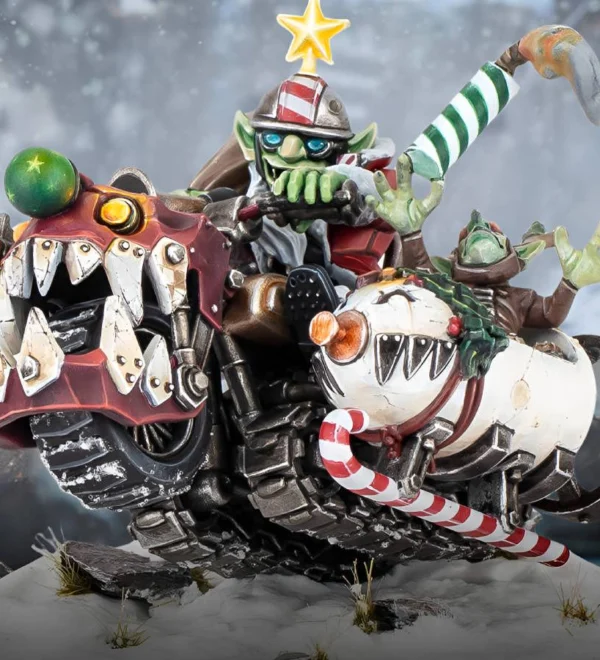 Warhammer 40,000 Creators Show Holiday Miniature of Red Gobbo on a Squigmobile
 Steven Soderbergh Steps In to Finish Principal Photography on “The Batman Part II” as Matt Reeves Steps Away
 The Blood of Dawnwalker Patch 1.1 to Remove Regional Censorship and Add New Features