
Xbox Urging Rapid Release of Elder Scrolls 6 and New Fallout, Insiders Claim
Newly appointed Xbox CEO Asha Sharma has signaled that a period of significant transformation is on the horizon for Microsoft’s gaming arm. With a 100-day window for strategic reassessment, emerging reports suggest that leadership is considering bold moves—ranging from doubling down on flagship intellectual properties to potentially restructuring the division as an autonomous subsidiary independent of Microsoft’s primary corporate umbrella.
A June 12 report from Windows Central illuminated the financial pressures driving these shifts. Several titles released over recent years—such as Avowed, Forza Motorsport, Senua’s Saga: Hellblade 2, and South of Midnight—have reportedly underperformed regarding both sales figures and long-term Game Pass engagement. Faced with soaring development costs, protracted production cycles, and the resource drain of several canceled projects, it has become clear why Sharma is spearheading a rigorous overhaul of the company’s internal operations.
Further insights from The Information have shed light on the specific tactics intended to course-correct the division. Aligning with recent statements from Xbox leadership, the strategy prioritizes a reinvestment in “safe-bet” titans of the gaming industry, such as Halo, Fallout, and The Elder Scrolls. Given that these storied franchises have seen a drought of new entries, the pivot aims to leverage established brand loyalty to stabilize revenue.
Perhaps most startling is the revelation that Microsoft is evaluating the prospect of spinning off the Xbox division. The proposal would see the gaming giant restructured into a wholly owned subsidiary or a joint venture, potentially opening the door for external investment or even a full acquisition. While the report notes that such a radical structural change is not currently imminent, its presence in executive discussions underscores the severity of the internal re-evaluation.
These developments paint a stark portrait of the challenges currently facing Xbox as it navigates a self-inflicted crisis. In the immediate future, workforce reductions are anticipated, while the long-term outlook suggests a strategic retreat from experimental creative ventures in favor of sustaining and expanding the company’s most iconic, high-performing franchises.
Source: Polygon
Related articles
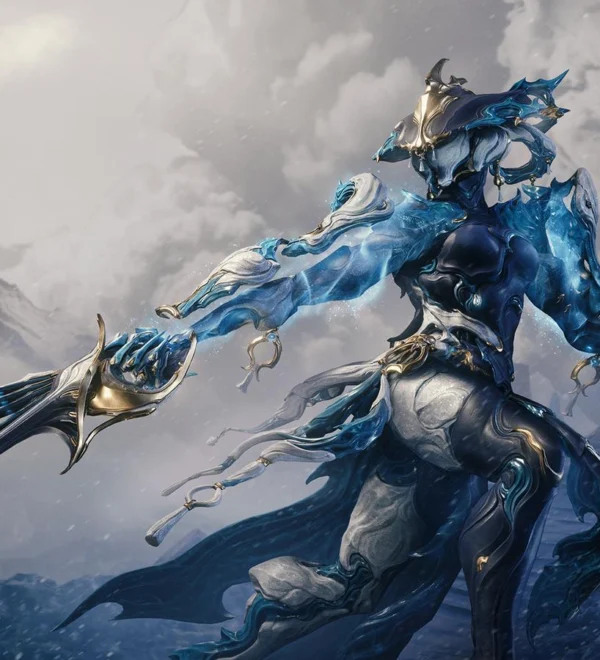 Digital Extremes Releases Warframe Update Featuring Reworked Warframe
 Nikita Buyanov Shares New Escape from Tarkov Animations and Vegetation Teaser
 Japanese Ramen Simulator launches September 28 at $14.99 with ten-player co-op
 SCS Software Showcases Prototype Interchanges for Turkey in Euro Truck Simulator 2
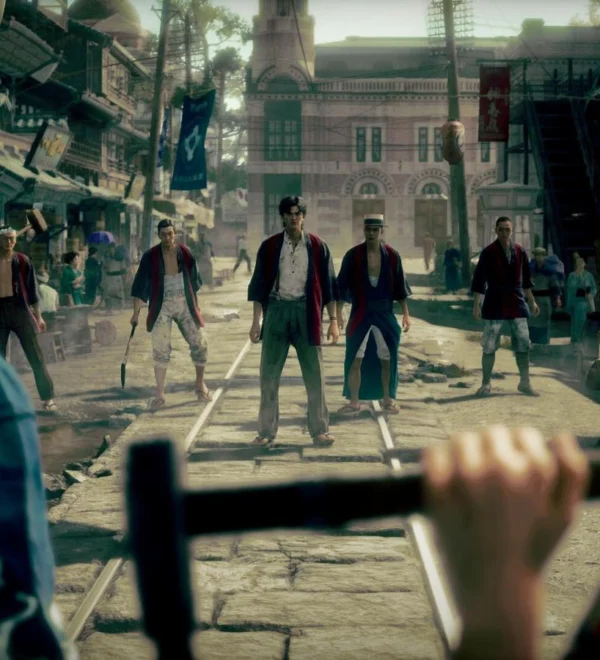 Stranger Than Heaven to Feature Manageable Business System Similar to Yakuza
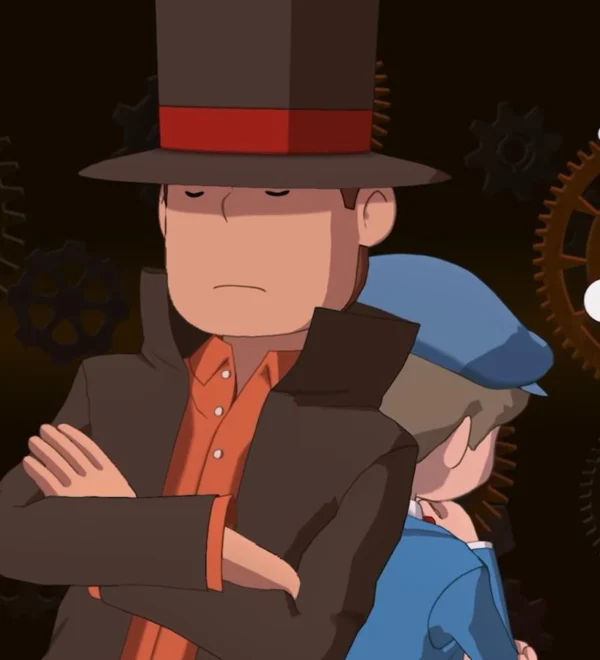 Professor Layton and The New World of Steam Gameplay Shown in New 20-Minute Video
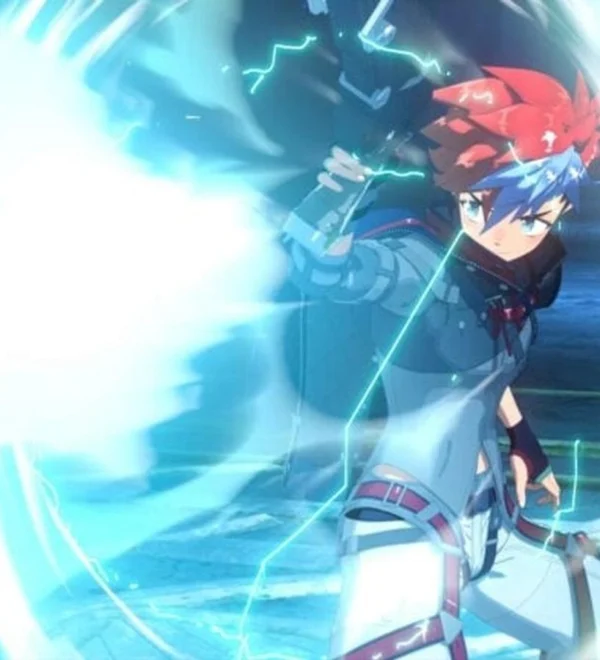 Armed Fantasia Canceled After Several Years in Development
 Insider Gaming Predicts GTA VI Metacritic Score Below 90