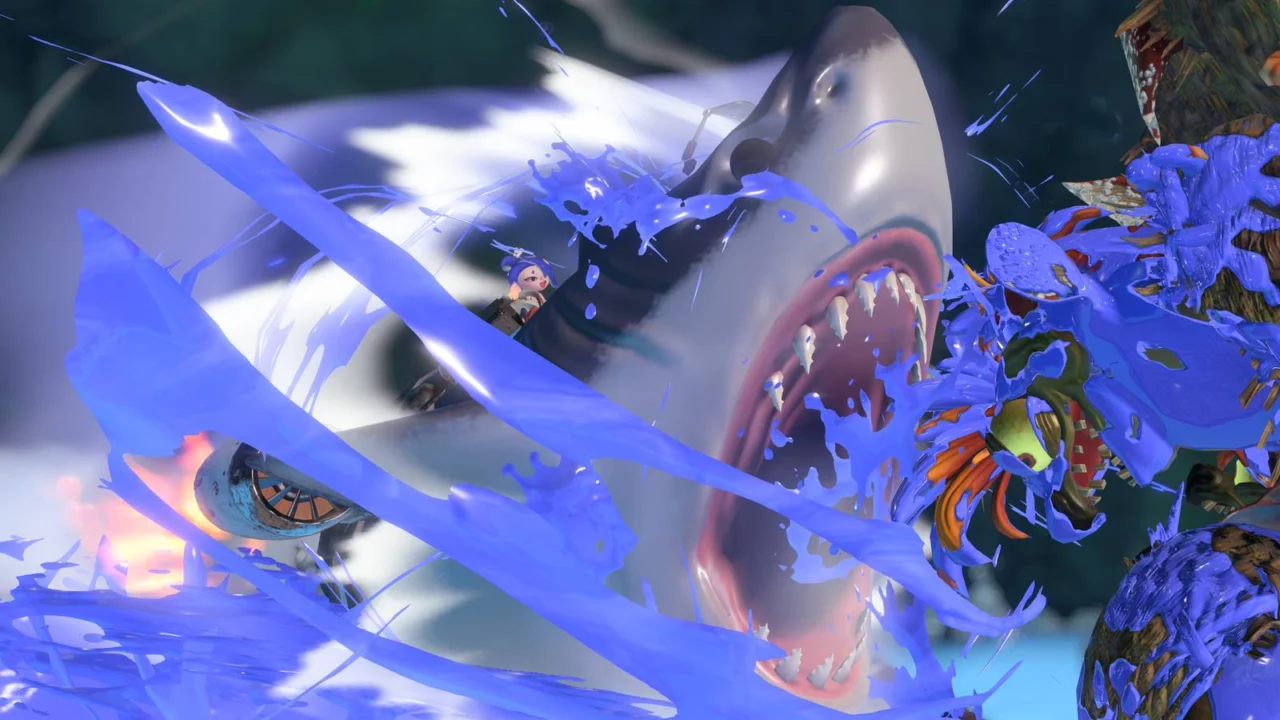
Why the Nintendo Switch 2 Finally Justifies Its Existence
When whispers of the Nintendo Switch 2 first began circulating, I remained unconvinced that a more powerful console would truly benefit the company. Naturally, modern hardware would invite robust third-party support and smoother performance, but I fundamentally doubted it would alter Nintendo’s creative DNA. Kirby, after all, will always look like Kirby.
Now, over a year into the console’s lifecycle, my perspective on how Nintendo wields its newfound hardware has completely shifted. Last year offered a glimpse through titles like Donkey Kong Bananza and Kirby Air Riders, but Splatoon Raiders serves as the definitive proof of what a first-party Nintendo experience looks like with advanced capabilities. It isn’t merely about achieving hyper-realistic graphics; rather, it is about masterfully orchestrating vibrant, chaotic spectacles across the entire screen.
This design philosophy shines brightly in several exclusive Nintendo Switch 2 titles. The prime showcase remains Donkey Kong Bananza, which recently marked its one-year milestone. It continues to be the console’s premier showcase for good reason, allowing players to demolish entire environments as terrain shatters into cascading showers of golden debris. Maintaining a buttery-smooth framerate during frantic co-op sessions is nothing short of miraculous, especially considering how severely the original Switch struggled to keep overhead Zelda adventures running consistently.
 Image: Nintendo EPD/Nintendo via Polygon
We have witnessed several similarly breathtaking technical achievements since launch. Hyrule Warriors: Age of Imprisonment delivers intense action featuring hundreds of onscreen adversaries simultaneously, entirely absent of the disruptive slowdowns that plagued its predecessor, Age of Calamity. Meanwhile, Kirby Air Riders hurls endless obstacles your way as you hurtle through City Trial mode at breakneck speeds without missing a single beat. Even this year’s Mario Tennis Fever capitalizes on the hardware by generating multiple simultaneous Fever Racket effects across the court. There is a distinct, purposeful reason these titles remain exclusive to the Switch 2.
Splatoon Raiders elevates this synergy between technology and design to new heights. During the looter shooter’s demanding endgame encounters, players frequently find themselves surrounded by surging waves of Salmonids spraying ink across every surface. The display overflows with brilliant hues as you obliterate adversaries with responsive counter-attacks. It occasionally evokes a Musou-style spectacle, piling on visual pandemonium while maintaining an unyielding, rock-solid framerate. Does it look dramatically superior to Splatoon 3? Not necessarily, but it is virtually impossible to envision Raiders running on standard legacy hardware without buckling under the pressure.
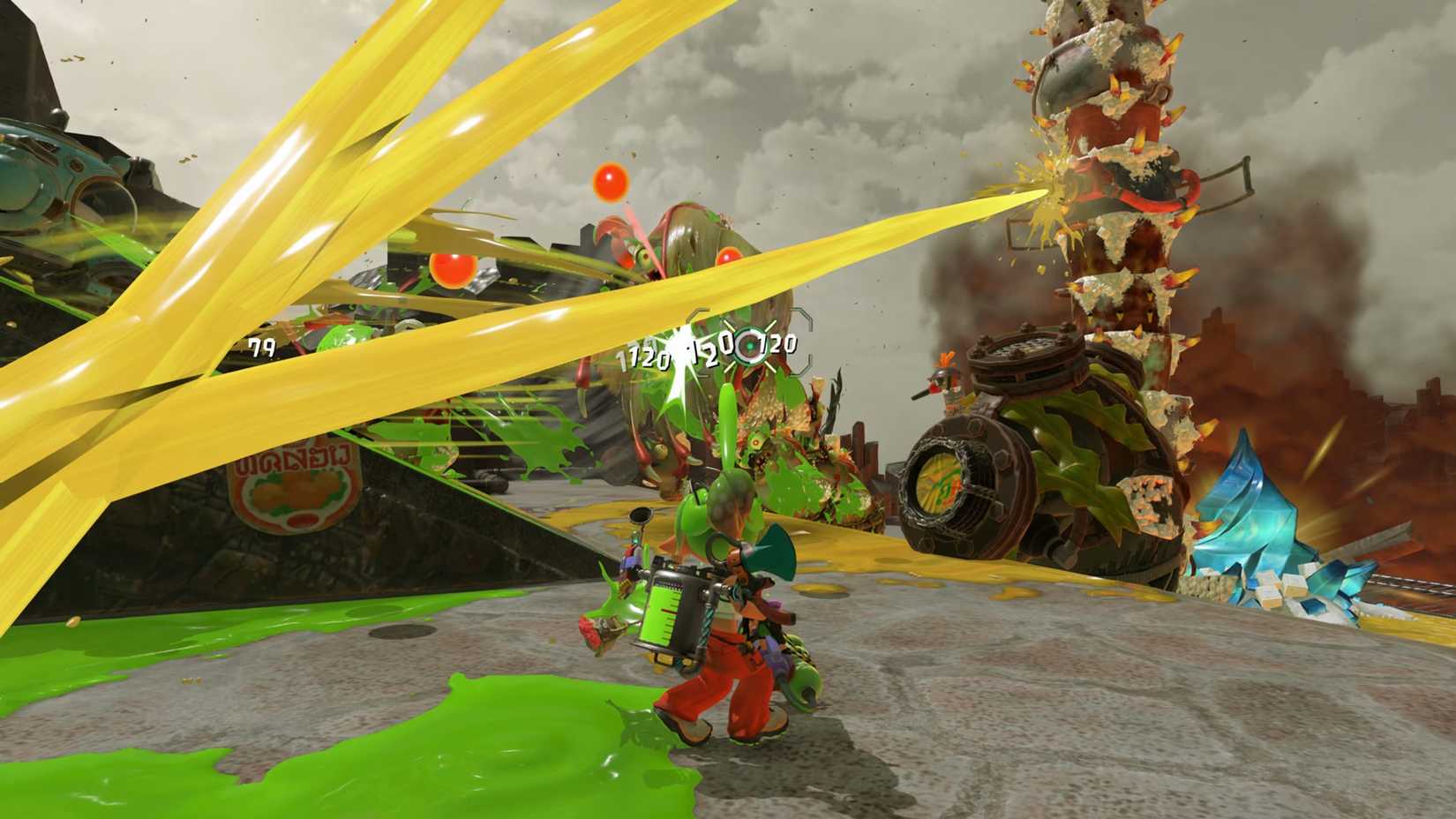 Image: Nintendo EPD/Nintendo
Nintendo’s hardware iterations have a rich history of directly shaping their software ecosystems. Consider how the GameCube’s four built-in controller ports established it as a couch multiplayer sanctuary, how the Wii spearheaded a renaissance for casual motion-based group gaming, or how the Wii U aggressively experimented with dual-screen mechanics. Reflecting on the original Switch library, the console’s hybrid nature fundamentally dictated its design philosophy: games had to scale seamlessly between television screens and handheld play. They offered expansive scopes tailored for brief, digestible sessions on the move—the brilliant architecture behind Breath of the Wild‘s shrines or Super Mario Odyssey‘s abundance of collectible Moons. Conversely, early Switch 2 offerings are defined by an intoxicating sensory overload that simply lacked the technological foundation to exist previously.
Countless dormant franchises remain primed to embrace this philosophy throughout the current generation. A prospective entry in the Super Smash Bros. series could grant Masahiro Sakurai the freedom to craft an even faster, more frenetic fighting game brimming with explosive items and elaborate stage hazards. Nintendo’s flagship platformers have consistently pushed hardware to its absolute limits, meaning Mario’s next 3D adventure could easily rival the dazzling technical ambition of Super Mario Galaxy in 2007. Personally, I am wagering on a long-overdue revival for F-Zero, now that a platform finally exists to support the blistering velocity and pinpoint precision the franchise demands. (One can certainly dream!)
Regardless of what lies ahead, I am more than happy to eat my words regarding my initially tempered expectations for the Switch 2. Yes, Kirby remains fundamentally recognizable, but I never imagined witnessing him blast across a living planet’s visage at warp speed amidst a cascade of vibrant rainbows. Experiences like Splatoon Raiders demonstrate that generational leaps are no longer exclusively about sterile graphical fidelity, but rather about dismantling the technical barriers constraining developers’ imaginations. Nintendo clearly understands this paradigm shift, and they are making every moment count.
Related articles
 Danganronpa 2×2 System Requirements Include RTX 4070 and 32 GB RAM
 Genshin Impact Version 7.1 Livestream Codes
 Director Na Hong-jin Discusses Transition from Slow-Burn Horror to Monster Movie Hope
 Set Photos From The People v. Gorilla Grodd Hint at King Solovar Appearance
 Cosplayer Portrays Sniper Wolf From Metal Gear Solid
 Ace Combat 8 Developers Are on a Mission to Create the Perfect Clouds
 Developers of Moss Shut Down Studio Despite Cross-Platform Release
 Rockstar Documents Reference 32-Player Limit for GTA VI Online