
Why American Audiences Misinterpreted 2025’s Biggest Blockbusters—And Why It’s Nothing New

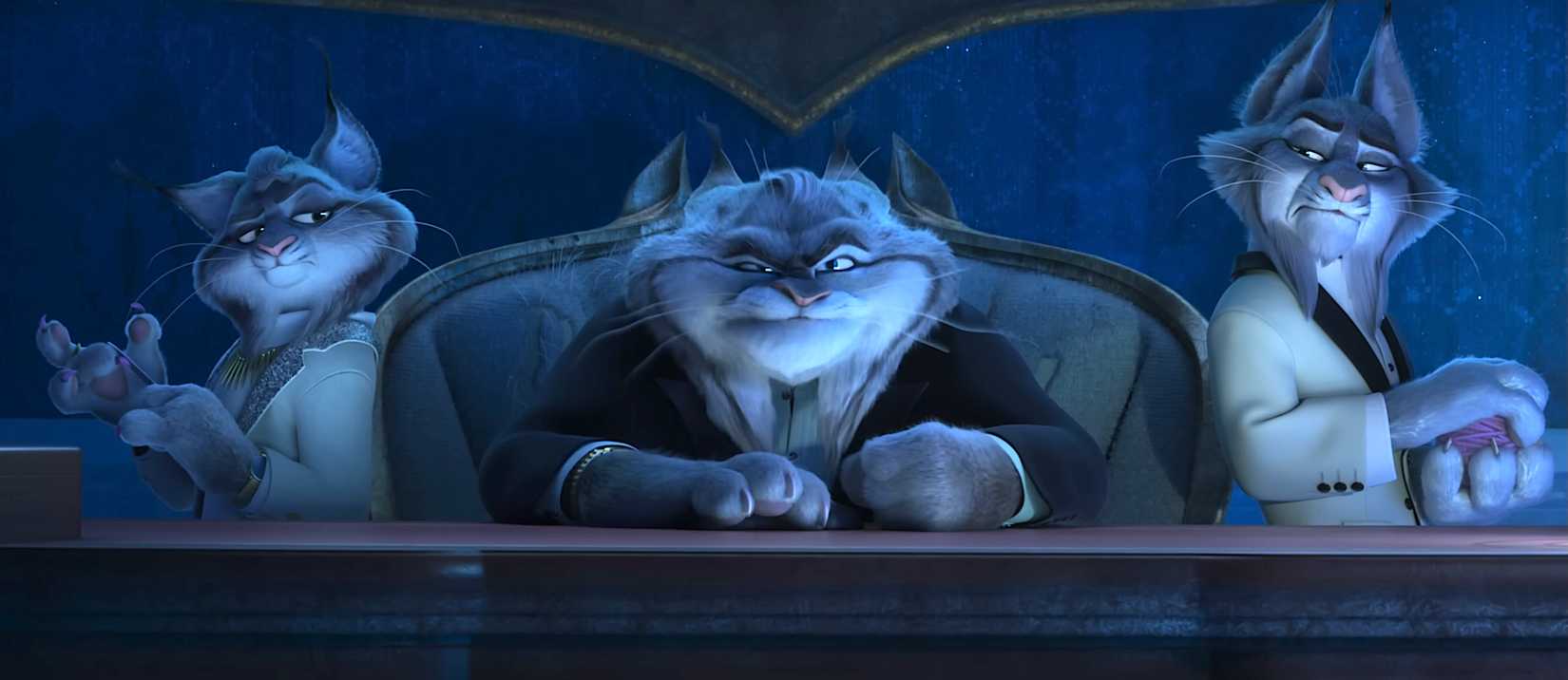
A recurring motif resonates through the cinematic landscape of 2025, bridging modern blockbusters with a thematic lineage that traces back to the era of Charlie Chaplin. In James Gunn’s Superman, the primary antagonist is a pathologically envious billionaire leveraging his astronomical fortune to tarnish the reputation of a selfless hero while orchestrating global crises for personal gain. Similarly, Jurassic World: Rebirth features a predatory pharmaceutical tycoon who risks the lives of protagonists in a prehistoric wasteland solely to secure high-stakes profit. Even in the realm of animation, Zootopia 2 introduces a dynasty of affluent lynxes who built their empire through intellectual property theft and the framing of a benevolent inventor.
In the dystopian reimagining of The Running Man, Josh Brolin portrays a media mogul who monetizes human suffering, utilizing state-of-the-art propaganda and deepfakes to demonize the impoverished. While Wicked: For Good deals more in political allegory, its elite class thrives on the exploitation of Oz’s disenfranchised citizens, reducing them to forced labor. This trend is global; Ne Zha 2, the year’s record-breaking hit, pits rural laborers against a gilded aristocracy residing in celestial palaces. Even the satirical The Naked Gun reboot centers on a billionaire’s attempt to orchestrate a global cataclysm for financial leverage.
The concept of wealth as a harbinger of villainy is a foundational element of cinematic history. From Chaplin’s “Little Tramp” clashing with drunken socialites to the earnest musicals of the 1930s where youth fought to save community centers from developers, the “eat the rich” narrative is ubiquitous. Whether it’s 1980s breakdancing movies or contemporary tales of destructive tech entrepreneurs, film has long celebrated the fall of the entitled elite as a moral victory.
Despite these decades of storytelling, society remains curiously resistant to the message. Whenever real-world tragedies are blamed on media influence, it highlights an irony: if audiences were truly shaped by what they watched, billionaire worship would be non-existent. Instead, a significant portion of the population continues to conflate extreme wealth with superior intellect, ignoring the cautionary fables presented on screen.
One could argue that these narratives serve as a psychological safety valve—a temporary release of systemic frustration that actually prevents real-world action. By providing a curated happy ending where a singular “bad apple” is removed, these films often reinforce the illusion that the broader economic system is inherently just, provided the heroes can weed out the most egregious offenders.
However, the 2025 crop of films suggests a hardening of this sentiment. The tone has shifted from lighthearted mockery to visceral hostility. It is no longer enough for the antagonist to lose their fortune; in films like Death of a Unicorn or Jurassic World: Rebirth, the elite meet gruesome ends at the hands of mythological or mutant creatures. From being marooned on lethal planets in Mickey 17 to being executed on live television in The Running Man, the cinematic retribution has become decidedly more terminal.

The shift toward fatal outcomes reflects a growing cynicism toward the legal system. The traditional “handcuffs and a trial” ending has lost its luster because audiences recognize that wealthy individuals often operate above the law. When a character can buy their way out of a cell, the only satisfying resolution is one they cannot escape. Consequently, modern villains are more likely to face a corkscrew in Companion or a lethal beating in Him than a day in court.
There are rare exceptions where franchise longevity or tone necessitates mercy. Lex Luthor survives to populate James Gunn’s future DCU installments, and the villains of Zootopia 2 are merely disgraced. Yet, the overall trend mirrors the acerbic energy of recent awards-season darlings like The Menu, Triangle of Sadness, and Parasite. These films do not merely cast the rich as “bad guys”; they present an indictment of the belief that wealth correlates with societal contribution.

By highlighting that fortunes are often built on unethical foundations—be it inheritance, arms dealing, or the exploitation of the vulnerable—these stories strip away the veneer of the “self-made” myth. They depict the ultra-wealthy as architects of misinformation, using their resources to distort reality and victimize those without the power to push back.
Television often takes a different approach, offering a voyeuristic look at the “miserable but fascinating” elite in shows like Succession. However, feature films remain dedicated to the moral finality of the fall. A notable nuance appeared in Yorgos Lanthimos’ Bugonia, which presents a wealthy CEO (Emma Stone) who is kidnapped and tortured. While the film initially garners sympathy for her, it ultimately reveals her to be just as dangerous and manipulative as her captor feared, suggesting that the rot of power is absolute.

The conclusion of 2025’s genre cinema is stark: concentrated wealth creates monsters that cannot be reasoned with or reformed. Whether it’s through dinosaur-led destruction or internal uprising, the message is becoming increasingly frantic and uncompromising. The movies aren’t just critiquing the rich anymore; they are demanding a reckoning.
Source: Polygon
Related articles
 GTA VI Anticipation Drives Up PS5 Sales in the UK
 Nvidia Confirms DLSS 5 Support for RTX 40 Series
 Miami Officials Criticize GTA 6 Marketing Over Vice City Comparisons
 Sony Announces Lineup for Tokyo Game Show 2026
 Uta Macross returns as a rhythm game for PC and mobile
 DLSS 5 Works on Budget Graphics Cards, Not Just RTX 5090
 Cosmic Horror Game Black Walls Features Inescapable Labyrinth
 Xbox Limits Cloud Gaming Session Time