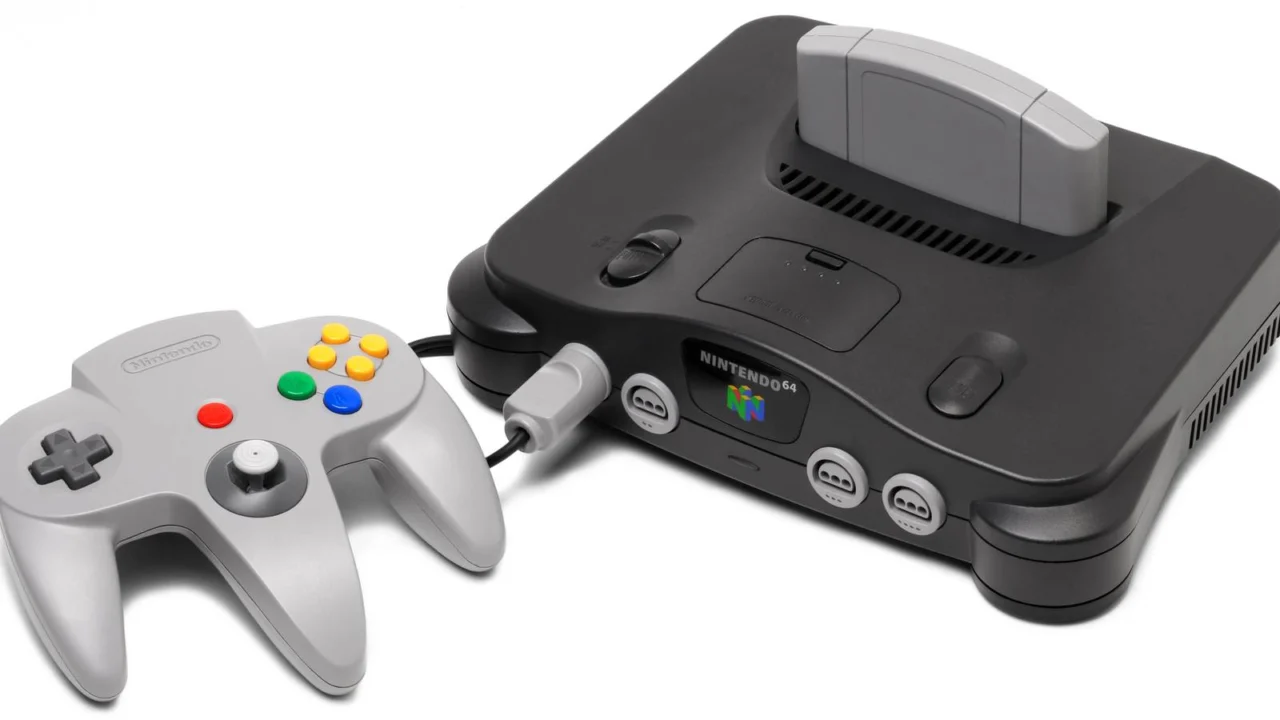
Thirty years ago, this Nintendo 64 sequel turned an oddity into a beloved institution
Nintendo’s legacy is so deeply ingrained in gaming culture that it is easy to overlook just how pivotal their past successes truly were. Three decades later, the influence of the Nintendo 64 remains palpable; yet, the era often feels as fresh and impactful as if it were yesterday.
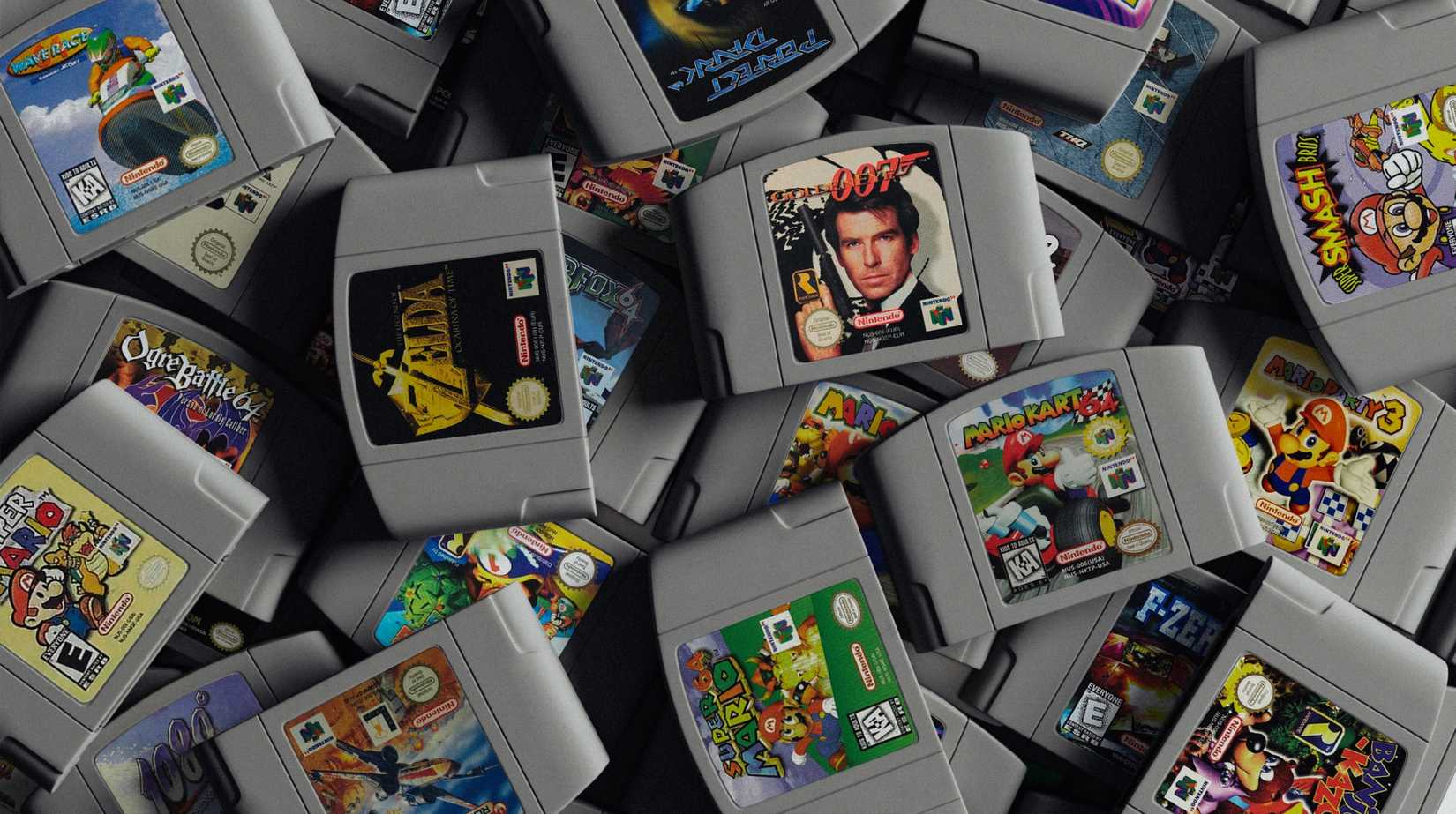
Reflecting on the Nintendo 64 brings back a rush of memories—classic titles that delivered countless hours of entertainment. While much of this iconic library is currently enjoying a revival through projects like the Starfox venture for the Switch 2 or the highly anticipated Ocarina of Time remake, one foundational masterpiece stands apart. Rather than simply being updated, this title established the bedrock for some of the most lucrative and enduring franchises in Nintendo’s history.
Mario Kart 64 proved its predecessor wasn’t a flash in the pan
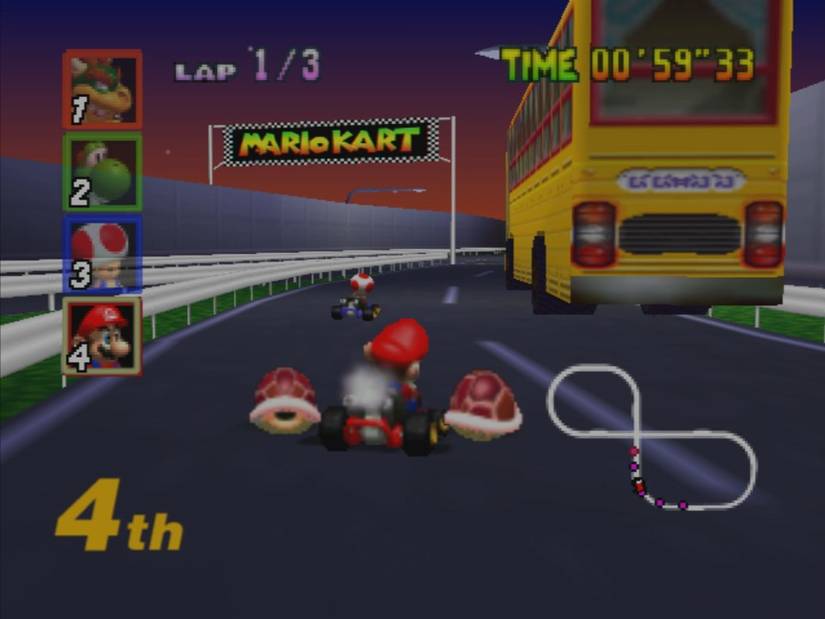
The Nintendo 64’s initial rollout didn’t feature a kart racer, which was hardly uncommon at the time; early console launches often relied on a curated selection of marquee titles rather than the massive back catalogs we expect today. For Japanese players, Super Mario 64 and Pilotwings 64 provided ample justification for the purchase. The North American market saw a similar arrival, with Cruis’n USA joining the fray shortly after.
When Mario Kart 64 finally debuted, it arrived as more than just a sequel—it was a definitive evolution. By introducing four-player local multiplayer, intricate track shortcuts, refined drifting, and an expanded roster, the developers crafted a formula so potent that it propelled the series to record-breaking heights. Consider Mario Kart 8, which has shifted nearly 80 million units across the Wii U and Nintendo Switch, cementing the series as a perennial titan of industry sales.
Whether you love it or loathe it, you can credit Mario Kart 64 for the introduction of the infamous blue shell. The game pioneered “rubber banding”—a dynamic difficulty system that ensures the pack stays tight. In the original Super Mario Kart, outpacing your rivals was a badge of honor; in the sequel, the game actively sabotaged the leader with items while giving trailing players better weapons to claw their way back. The blue shell became the ultimate equalizer, a chaotic equalizer that kept every race unpredictable until the final lap.
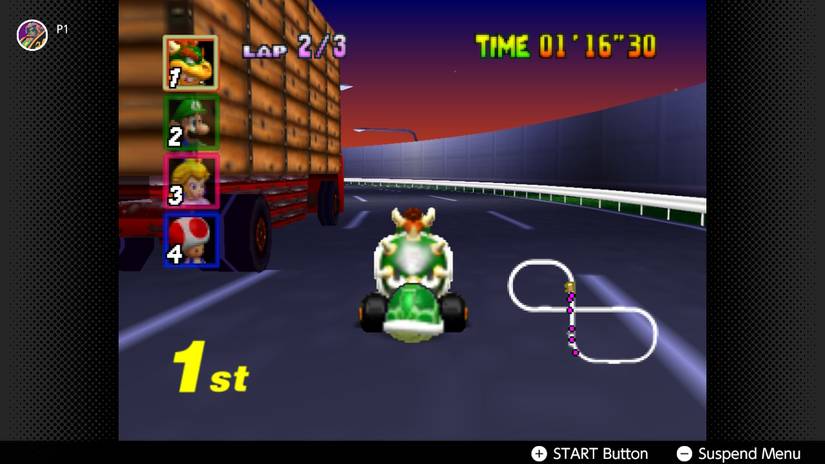
Beyond the mechanics, the character roster gained significantly more charisma. Replacing the original lineup with icons like Wario and Donkey Kong added a distinct flair to the game’s personality. The tracks were equally memorable—DK’s Jungle Parkway and the treacherous Wario Stadium offered imaginative environments that felt truly unique, setting a new standard for stage design.
Perhaps the most significant mechanical leap was the introduction of the drift boost. By hopping and sliding, players could engage in “snaking,” a high-skill technique that allowed for speed bursts even on straightaways. While it invited the occasional frustration of being hit by a perfectly aimed shell, the skill ceiling it introduced kept the gameplay engaging for years.
Mario Kart 64 transformed a whimsical mascot racer into a pillar of competitive and social gaming. It proved that the concept was more than a one-off novelty, providing the DNA for every subsequent installment, including the recent Mario Kart World on the new generation of hardware. If you haven’t revisited this gem recently via the Nintendo Switch Online Expansion Pass, it is well worth the time—if only to experience the game that turned the simple act of driving into an unforgettable, high-stakes spectacle.
Source: Polygon
Related articles
 Grand Blue Dreaming Renewed for Fourth Season
 Xbox Lays Off 268 More Employees and Transfers Halo Franchise to Activision
 First Details Emerge for New Sci-Fi Movie From Resident Evil Director
 Xbox Announces Halo Layoffs and Major Changes in Big ‘Reset’
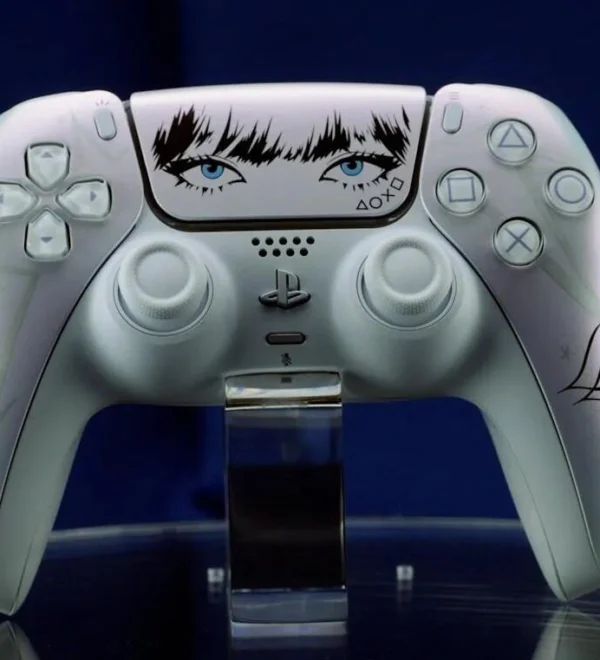 Sony Reveals Another DualSense Controller Design As Fans Again Demand Games
 Silent Hill: Townfall Receives First Reviews as Horror Game Earns Early Praise
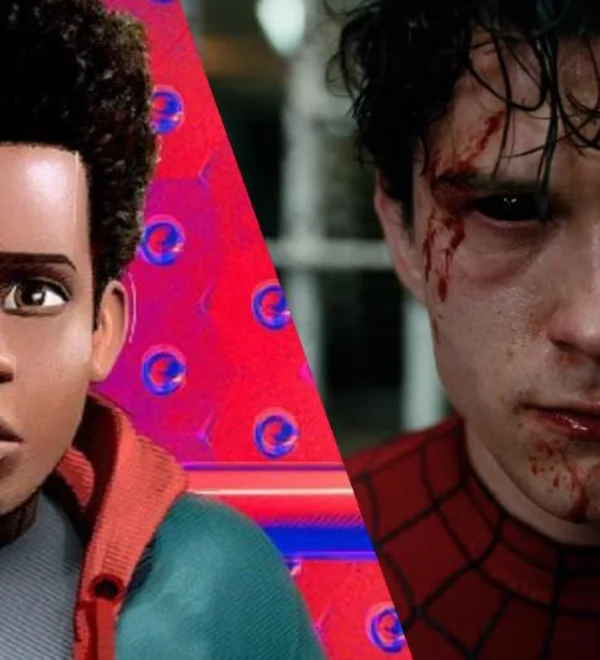 Spider-Man 5 Reportedly to Feature Peter Parker and Miles Morales
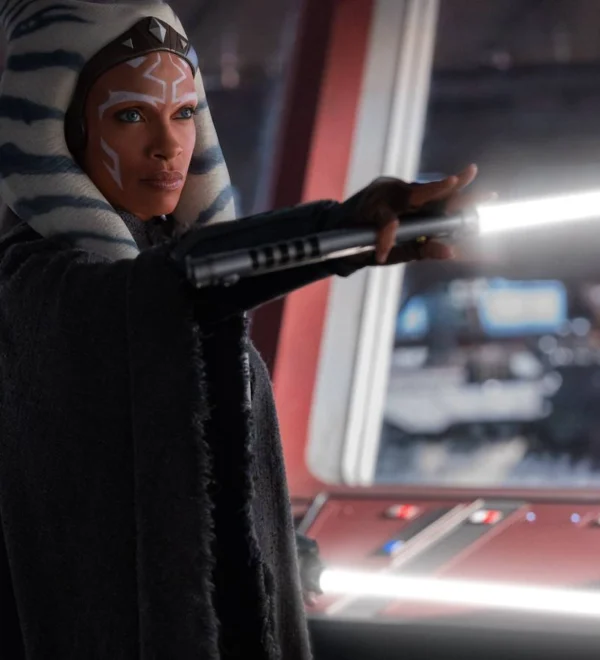 Dave Filoni Discusses Challenges of Ahsoka Season 2