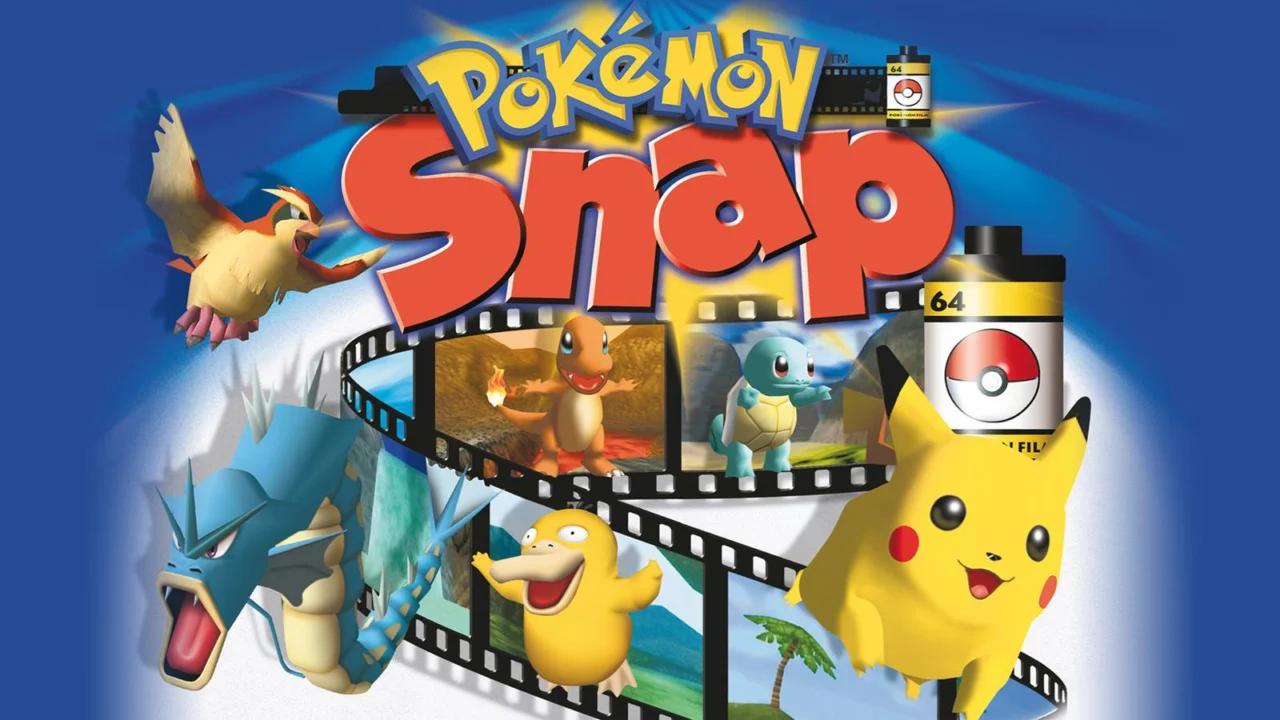
The Superior Pokémon Experience Is One Without Combat
The memory of my introduction to Pokémon Snap remains remarkably vivid. My childhood neighbor, Sam, had spent an entire week extolling the virtues of the new Nintendo 64 title he’d acquired, but I had mostly met his enthusiasm with indifference. At nine years old, I was blissfully ignorant of the trading card game’s mechanics, but I had gathered enough to know it revolved around battles—a concept that held absolutely no appeal for me.
As a child in a household without a gaming console, my interactions with video games were sporadic and often discouraging. My limited experience suggested that gaming was a frantic exercise in button-mashing, a desperate and ultimately futile attempt to survive against ruthless AI or the superior skills of an older cousin. To my young mind, video games were synonymous with combat. I couldn’t fathom what else they could possibly offer, and I had zero desire to participate in, let alone orchestrate, animal brawls.
Sam eventually sensed my profound distaste for watching adorable creatures pummel each other. Even the animated series felt slightly exploitative to me, reminiscent of an illicit bird-fighting ring, only with Pidgeys instead of pit bulls. Sensing a breakthrough, Sam clarified that Pokémon Snap was entirely devoid of violence. He described it as a gentle, rail-bound excursion where the only objective was to photograph Pokémon for Professor Oak. I remained skeptical. In an era dominated by the visceral thrills of Mortal Kombat, Goldeneye, and Ocarina of Time, the idea of a game that didn’t require a blade or a firearm seemed almost mythical.
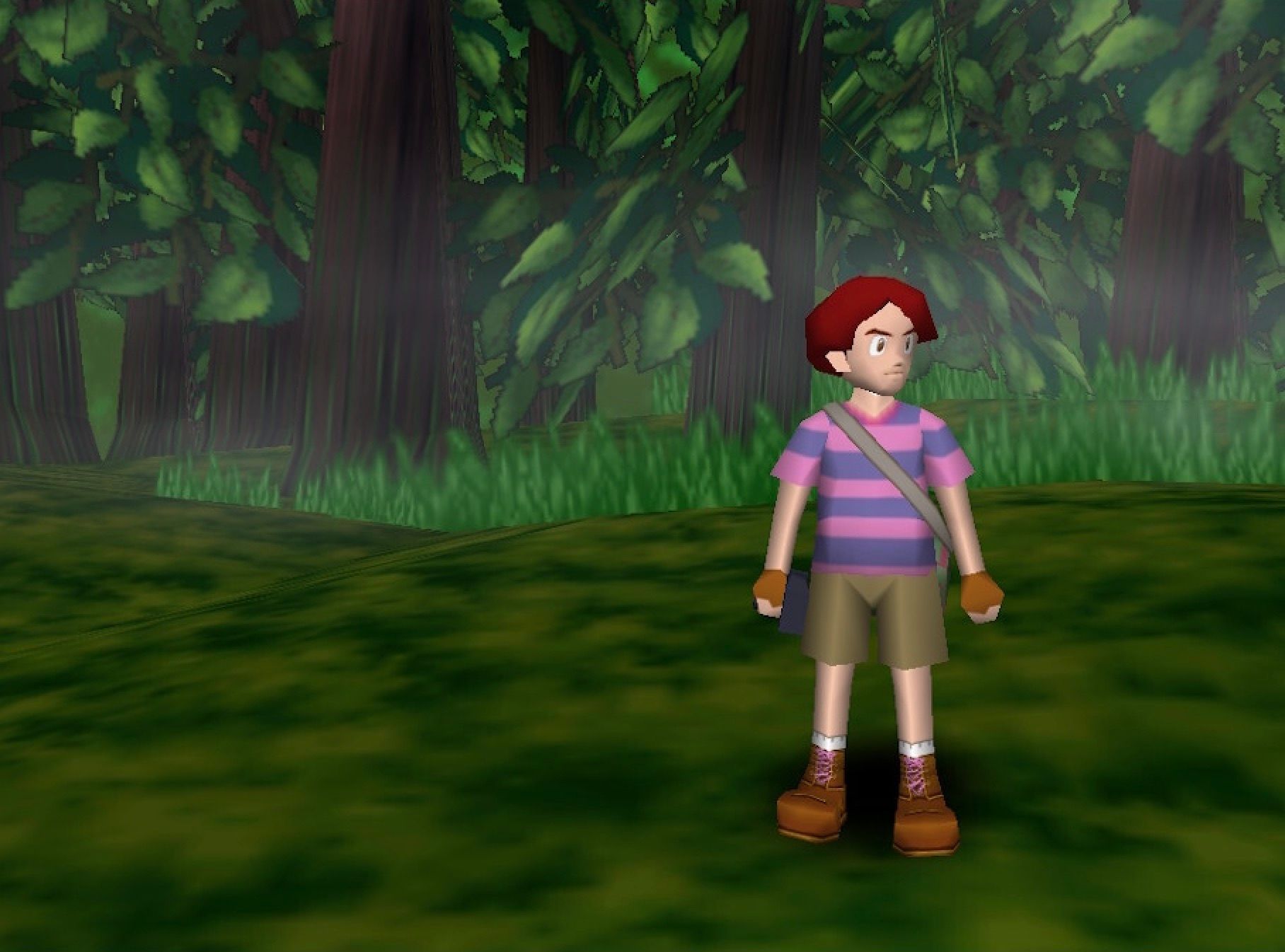
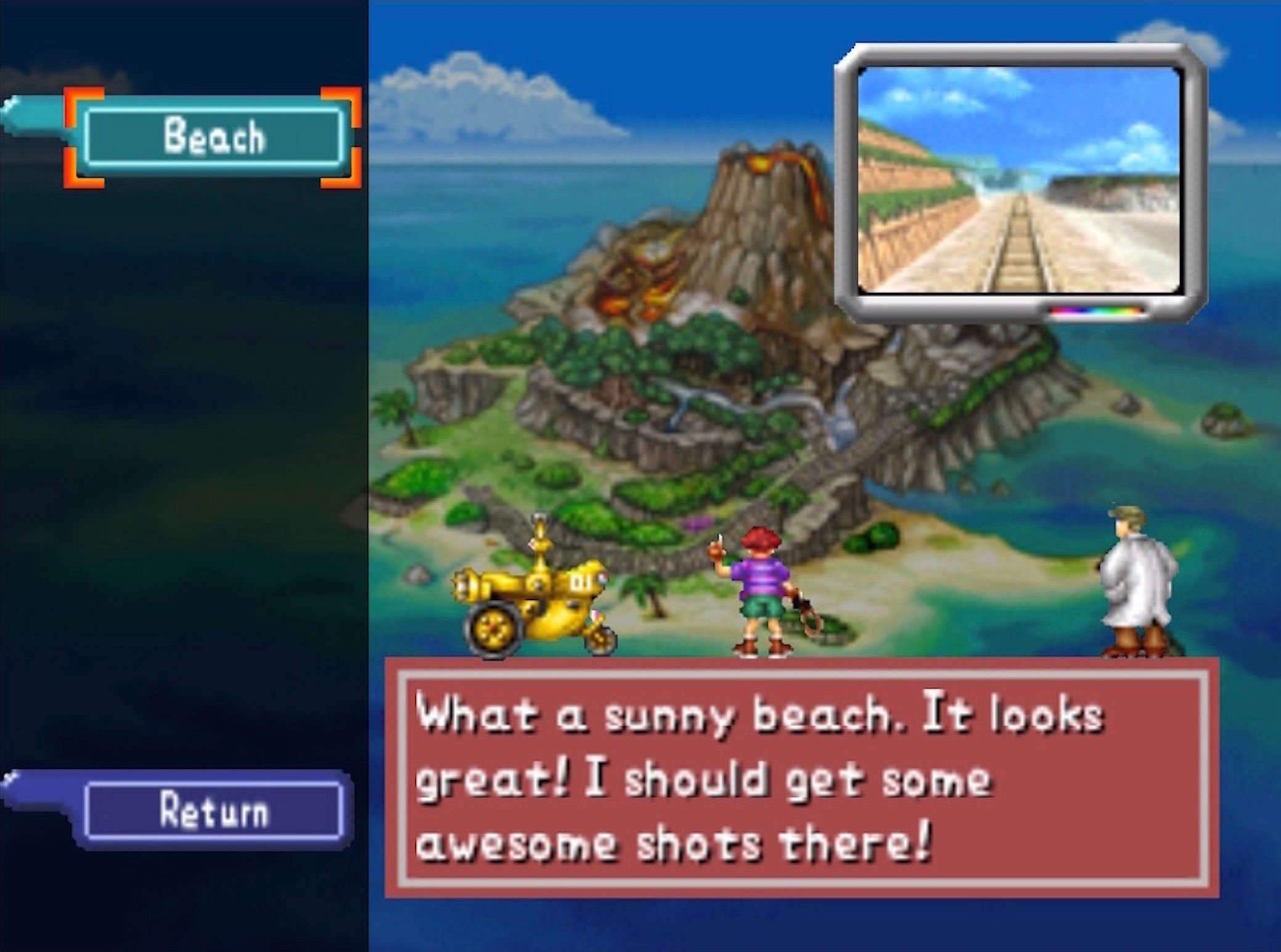
Intrigued by this pacifistic approach, I finally accepted Sam’s invitation for a post-school gaming session. Rather than facing an insurmountable horde of enemies, I was welcomed by Professor Oak, whose only request was archival photography. Stepping into the shoes of Todd Snap, I boarded a small motorized cart on a sun-drenched beach. As the vehicle glided along its track and Pokémon began emerging from the flora, I found myself instinctively clicking the shutter.
The next thing I knew, Sam’s mother was calling us for dinner. The streetlights had flickered to life, marking the end of a four-hour immersion. For the first time, I had played a game where nothing tried to kill me, and I wasn’t pressured into a fight. Walking home, I felt that familiar, disorienting haze that follows a deep gaming session, but one realization was crystal clear: I was hooked. Sam and I spent countless subsequent afternoons competing for the highest scores, wagering on who could capture the most majestic framing of a rare creature.
Decades later, I revisited Pokémon Snap via the Nintendo Switch expansion pack, only to discover it was far more challenging than I remembered. Perhaps the modern controller layout is less intuitive for this specific title, or maybe my youthful reflexes have simply dulled. Regardless of my declining skill, I retain a profound affection for the game. Because I didn’t own a console to practice on, I usually faced immediate defeat in any multiplayer setting. Pokémon Snap changed my trajectory; it provided a low-stakes environment to master aiming and controller coordination without the looming threat of a “Game Over” screen. More importantly, it proved that engagement doesn’t require adrenaline.
Modern players are spoiled for choice when it comes to non-violent experiences. The “cozy game” genre—led by giants like Animal Crossing, Stardew Valley, and Hello Kitty Island Adventure—has become a cornerstone of the industry. Nintendo continues to lean into this demand; their recent tranquil release, Pokémon Pokopia, has garnered critical acclaim on par with high-octane blockbusters like Resident Evil Requiem, proving that serenity has significant market value.
However, Pokémon Snap’s legacy isn’t confined to the cozy niche. It pioneered the concept that photography is a core gameplay mechanic worth refining. Today, even the most intense, narrative-heavy titles like Clair Obscur: Expedition 33 integrate sophisticated photo modes, allowing players to pause the chaos and curate their own visual memories—or digital absurdities—at their leisure.
While the 2021 sequel, New Pokémon Snap, was a visually stunning and polished update, it failed to capture me in the same way. It lacked that specific brand of 90s nostalgia that defines the original. What I truly yearn for is a ground-up remake of the N64 classic with modernized motion controls. I am still haunted by the fact that my nine-year-old self was a significantly better photographer with a clunky trident-shaped controller than my thirty-four-year-old self is today.
Source: Polygon
Related articles
 Two Pallets of GeForce RTX 5090 Graphics Cards Disappear at Brazilian Airport, Causing Hundreds of Thousands of Dollars in Losses
 Rockstar Accused of Hiring Informants to Spy on GTA VI Developers Who Joined Union
 AYN Names Processor for Odin 3 Portal Handheld Console and Shares First Trailer
 Lucia and Jason’s Relationship in GTA VI Prompts Study on Whether Flirting With a Game Character Counts as Infidelity
 Modders Teach GTA V Characters to Respond to Players in Real Time Using Their Own Voices
 Red Dead Redemption 2 Gets Shadow of Mordor-Style Nemesis System Where NPCs Remember Player Actions and Seek Revenge
 Matthew Mercer Tested With Critical Role Campaign 3 Episode Fans Call Funniest
 Resident Evil Requiem Characters Have Sensors That Affect Sweat and Animations, Plus Several Levels of Clothing Dirt