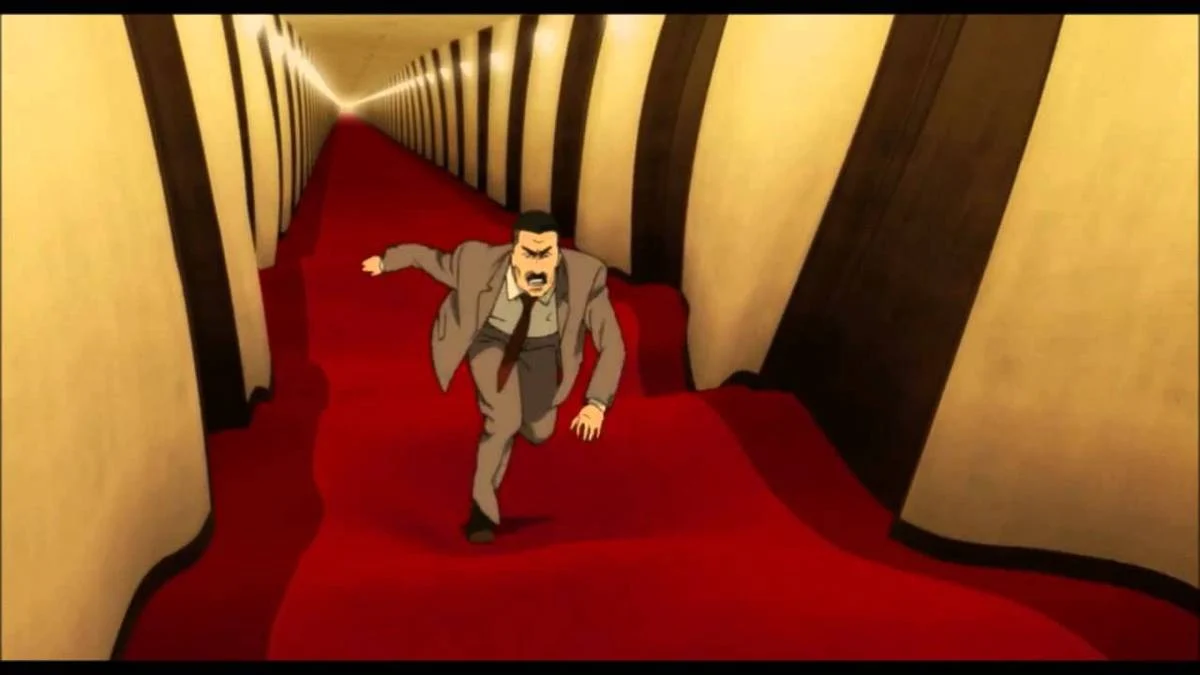
The Mind-Bending Sci-Fi Masterpiece That Inspired Christopher Nolan’s Trippiest Thriller Is Now Streaming for Free
Satoshi Kon’s influence on modern cinema transcends the boundaries of animation. The visionary Japanese director, animator, and storyteller, who passed away in 2010 at age 46, left behind a body of work defined by an unmistakable, auteur sensibility. His films serve as a masterful entry point for those new to anime, effectively dismantling the outdated prejudice that the medium lacks the depth or emotional resonance of live-action features. Spanning genres from psychological suspense to wry social comedy, Kon’s filmography is unified by a singular obsession: the fragile architecture of the human mind, the fluidity of memory, and the persistent erosion of the barrier between reality and perception.
Paprika (2006), his final completed masterwork, is perhaps his most definitive exploration of the subconscious. It is a surrealist tapestry that captures the kaleidoscopic, often disjointed logic of dreaming with uncanny precision. Whether depicting the euphoric weightlessness of flight or the claustrophobic dread of a waking nightmare, the film plunges the viewer into a sensory landscape where physical laws no longer apply. Currently available for free on Tubi, it is the perfect moment to experience this sci-fi magnum opus.
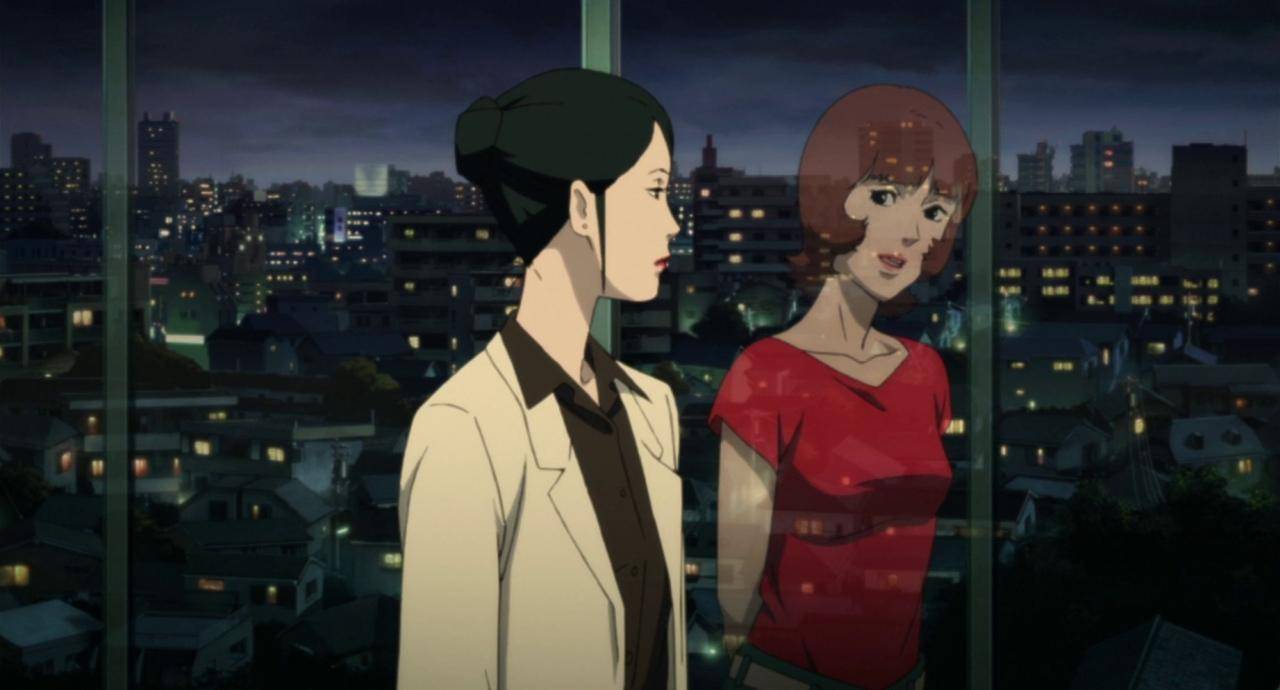
Kon drops the audience into the world of Paprika without an instruction manual. The delight of the film lies in its detective-story structure, challenging the viewer to untangle a complex web of bizarre imagery and shifting identities. Adapted from the novel by Yasutaka Tsutsui, the story takes place in a near-future where the “DC Mini”—a device capable of syncing with and navigating human dreams—is unveiled. Dr. Atsuko Chiba, a pioneering research psychologist, utilizes the tech to treat patients; however, catastrophe strikes when the devices are stolen, causing the chaotic, unfiltered terrain of the subconscious to bleed into the physical world. Enter “Paprika,” an energetic, avatar-like detective who moves through these mental realms with total autonomy, defying gravity and logic to restore order.
Over the years, Paprika has earned its reputation as the definitive cinematic depiction of the dream state. While often compared to Christopher Nolan’s Inception for its shared conceptual premise, Kon’s work feels more authentically hallucinatory. Unbound by the need for rigid exposition or traditional linear progression, Paprika operates on pure dream logic. You may not always grasp the specific mechanics of its plot, but you will find yourself completely immersed in its atmosphere.
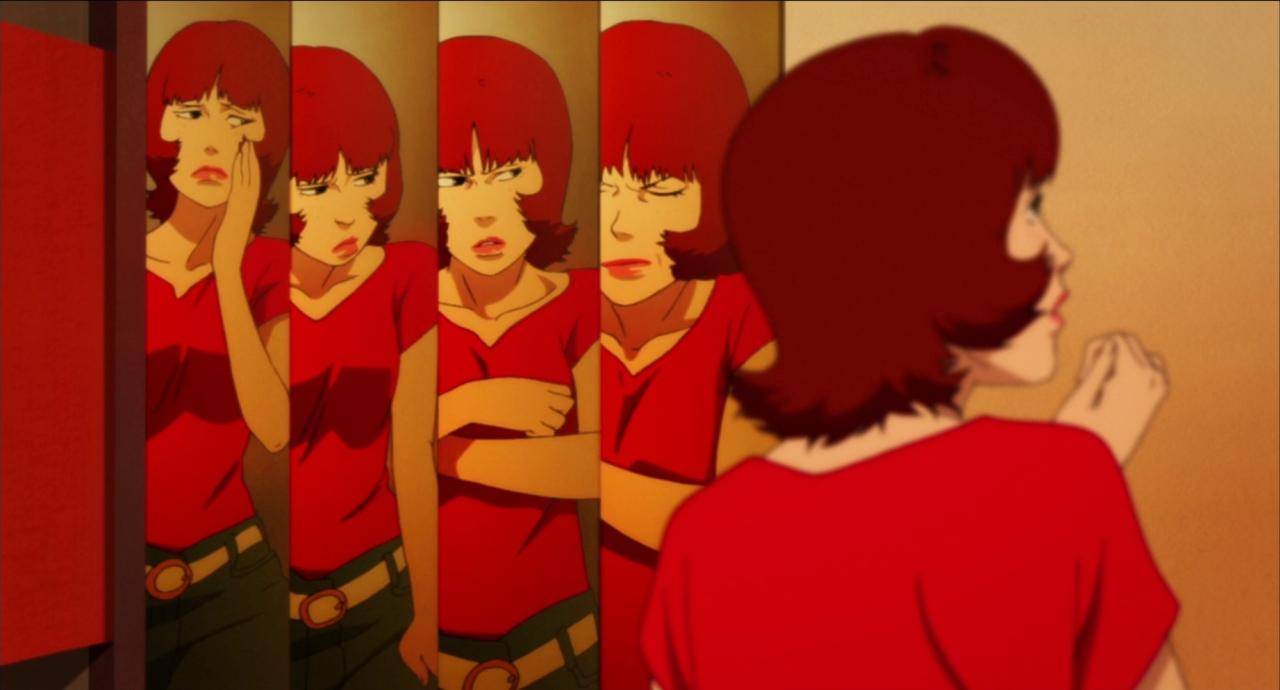
“What fascinates me about dreams is their emergence from the subconscious. While they can be interpreted in countless ways, they remain fundamentally shrouded in mystery,” Kon remarked in a 2006 interview with Screen Anarchy. “To truly understand a dream, one must understand the unique personal context of the dreamer.”
Paprika oscillates wildly between vibrant whimsy and terrifying instability. The film frequently taps into universal anxieties—the sensation of falling or the frustration of being unable to run from danger. One of its most iconic sequences features a surreal parade of sentient household objects—toasters, refrigerators, and statues—marching through Tokyo. It is a spectacle that balances infectious joy with an underlying sense of menace, proving that even at his most playful, Kon was a master of psychological tension. This is, after all, the same director who debuted with the harrowing Perfect Blue.
It is reductive to define Satoshi Kon’s career by a single entry, yet Paprika represents the culmination of his life’s work. From the fracturing sanity in Perfect Blue to the nostalgic blurring of history and identity in Millennium Actress, Kon was always chasing the truth behind the human experience. With Paprika, he achieved a perfect alchemy of science fiction and profound wonder, creating a film that resonates with the wide-eyed curiosity of a child while maintaining the sophisticated edge required for adult storytelling.
Source: Polygon
Related articles
 HoYoverse Teases Honkai Star Rail Version 4.6 Presentation for Unusual Time
 Memory Market Crisis Has Not Affected Valve’s Steam Deck 2 Plans
 Bungie Delays Marathon Season 3 and Drops Strict Update Schedule
 Modder Ports Parasite Eve II to PC After 27 Years With Enhanced Graphics and High-Resolution Support
 Total War: Warhammer 40,000 Creator Discusses Tabletop Game’s Impact on Strategy
 How to Get Valve’s VR Headset, Steam Frame, and Price Details
 Jason Statham Action Thriller Becomes Streaming Hit
 Command & Conquer Fans Release New Campaign in Dawn of the Tiberium Age Update