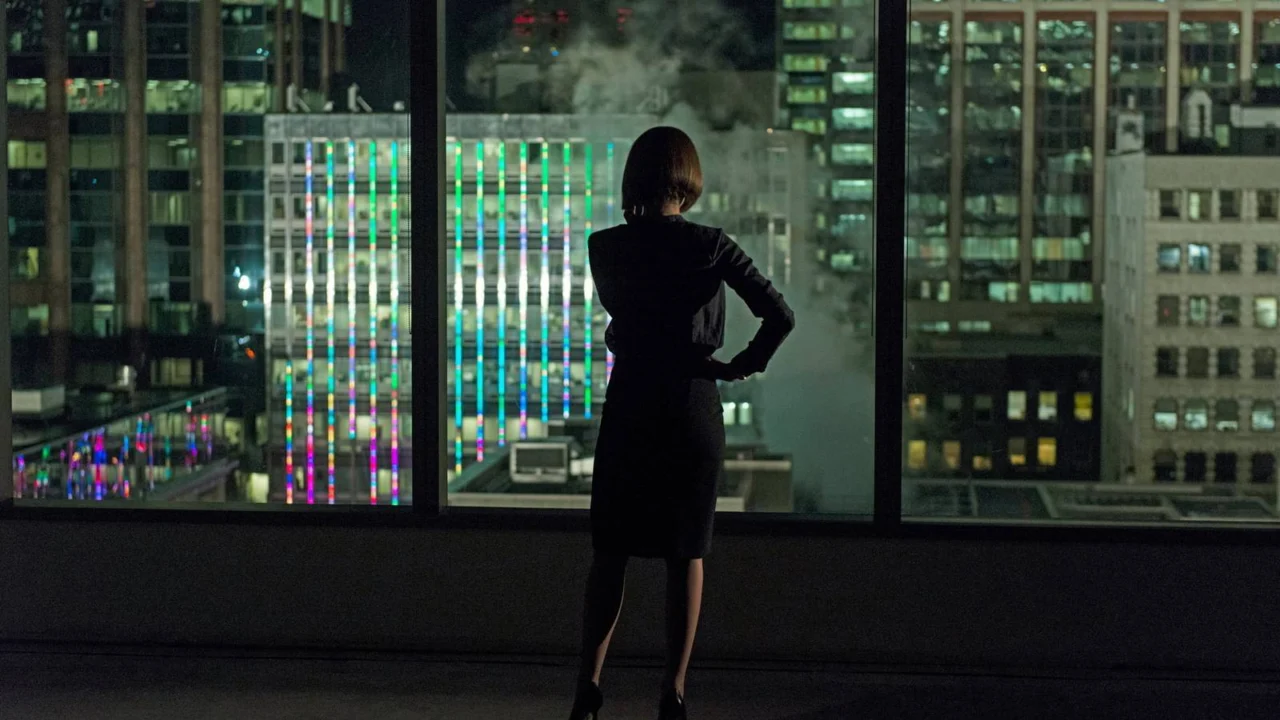
The Best Biopunk Sci-Fi Show of the Century Is Waiting to Be Rediscovered on Netflix
Biopunk is a subgenre that deserves far more attention than it currently receives. Much like cyberpunk, which revels in gritty dystopias and the lives of those existing on the fringes of society, biopunk interrogates the volatile intersection of technology and biology. It forces us to confront the ethical fallout of manipulating our physical forms. Modern screen narratives that venture into this territory offer a provocative, if unsettling, look at the nature of humanity, personal identity, and the overreach of faceless corporations that treat our genetic data as commodities. Despite their profound relevance, stories centered on these themes remain frustratingly rare.
A shining beacon of the genre is Orphan Black (2013), currently available in its entirety on Netflix. Beyond its labyrinthine plot filled with shadowy organizations, unethical experiments, and a sprawling web of clones, the show serves as a masterclass in acting. Over the course of five seasons, Tatiana Maslany evolved from a relatively unknown talent into an Emmy-winning powerhouse, portraying 17 distinct, fully realized characters. Even over a decade later, while some visual effects show their age, the scenes in which these versions of Maslany interact—arguing, laughing, or embracing—remain nothing short of miraculous, effortless in their ability to make you forget they are all played by the same woman.
Created by John Fawcett and Graeme Manson, Orphan Black tracks a cohort of clones living under the watchful, suffocating gaze of the Dyad Institute. While the duo has contributed to notable projects like the horror cult classic Ginger Snaps, the geopolitical tension of The Man in the High Castle, and the claustrophobic sci-fi of Cube, this series remains their most cohesive exploration of horror and systemic dystopia. For Maslany, who has since transitioned into the Marvel cinematic universe and various acclaimed roles, Orphan Black stands as the definitive showcase of her transformative range.
Although the show boasts a wide ensemble, its heart is firmly rooted in Sarah Manning. A British drifter and con artist, Sarah is introduced in a harrowing opening sequence: arriving back in Canada, exhausted and frayed, she witnesses a woman who bears her exact likeness standing on a train platform, preparing to take her own life. In a moment of desperation, Sarah assumes the woman’s identity—a choice that plunges her into an escalating, high-stakes mystery that forces her to reckon with her own origins.
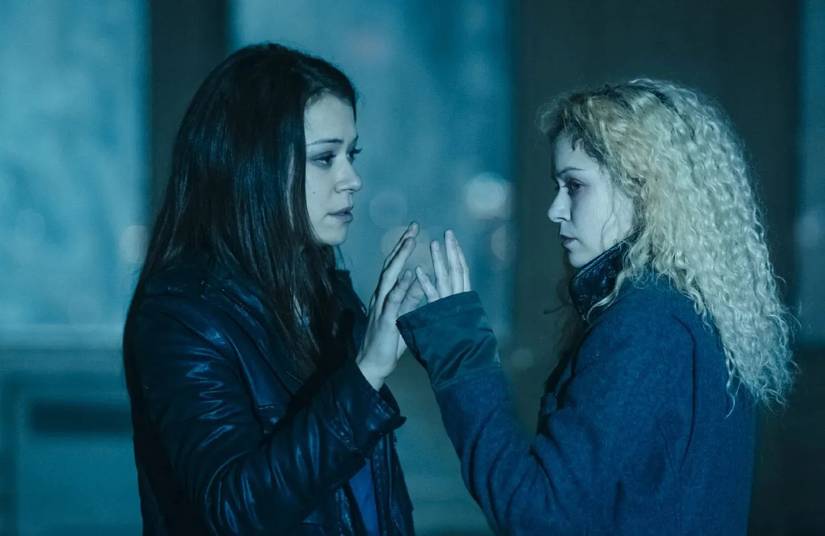
The first season is a masterclass in pacing, constantly subverting expectations as Sarah navigates the life of the deceased woman she stepped into. Every episode unravels new threads of a vast, chilling conspiracy, naturally expanding the cast of characters she encounters and forming deep, often fraught, bonds with her genetic counterparts.
As the narrative progresses, Fawcett and Manson fearlessly evolve the scope of the show, incorporating new factions, additional clones, and increasingly dark bio-ethical questions. Yet, despite the narrative complexities, the show never loses sight of its core premise: the struggle for bodily autonomy. The series treats the clones not merely as lab-grown assets, but as women fighting to reclaim their humanity from the people who sought to manufacture it. This thematic weight keeps the show grounded even when the plot becomes most fantastic.
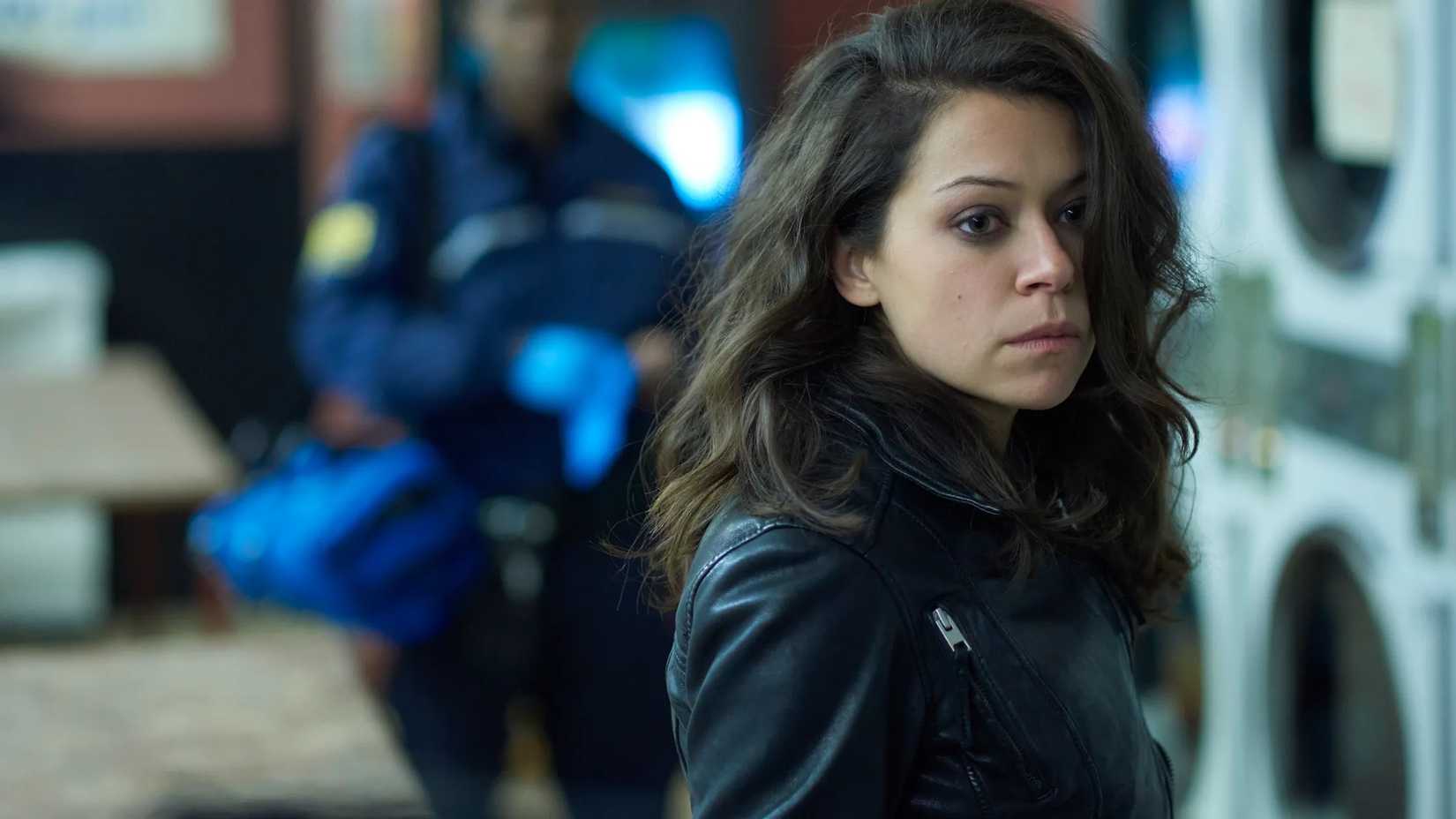
Admittedly, long-running series often face uneven stretches, and Orphan Black is no exception; the introduction of male clones and a sprawling military subplot occasionally diluted the show’s central focus. However, the writers wisely tightened the narrative for the final season, returning the spotlight to the original ensemble. The result is a satisfying conclusion that honors the journey of its characters and provides a definitive, emotionally resonant finale.
Thirteen years on, Orphan Black remains a gold standard for serialized science fiction. It functions beautifully as both a gripping conspiracy thriller and a contemplative study on the perils of scientific hubris. Ultimately, however, it is the performance at its center that keeps it timeless. Even knowing there is only one actress under all that makeup and character work, Maslany’s performance is so convincing that you’ll find yourself perpetually spellbound, still wondering exactly how she managed to pull it off.
Source: Polygon
Related articles
 Xbox Faces New Major Restructuring and Hundreds of Layoffs
 Voice Actor Troy Baker Recalls Being Replaced in Fullmetal Alchemist Due to Laughter
 Silent Hill: Townfall Reportedly Faces Performance Issues on PS5 Pro
 Major 2026 Game Releases on Xbox Game Pass Today Along with Another Premier
 How Sonic the Hedgehog Movies Saved the Sega Franchise from Cancellation
 Grand Blue Dreaming Renewed for Fourth Season
 Xbox Lays Off 268 More Employees and Transfers Halo Franchise to Activision
 First Details Emerge for New Sci-Fi Movie From Resident Evil Director