
The 5 Most Ambitious Sci-Fi Books of All Time, Ranked
Ambitious science fiction often moves beyond familiar genre tropes, building layered worlds with hard science or grounded fantasy. Frank Herbert’s Dune novels, for example, use generations of family bloodlines and alien ecosystems to tell a story about the rise and fall of a messiah.
Some stories span thousands of years or shift between universes and timelines. Dan Simmons’ Hyperion blends poetry and theology in a complex account of a cosmic pilgrimage. Here are five more ambitious works of science fiction that challenge genre expectations.
1. The Three-Body Problem (2008) by Liu Cixin
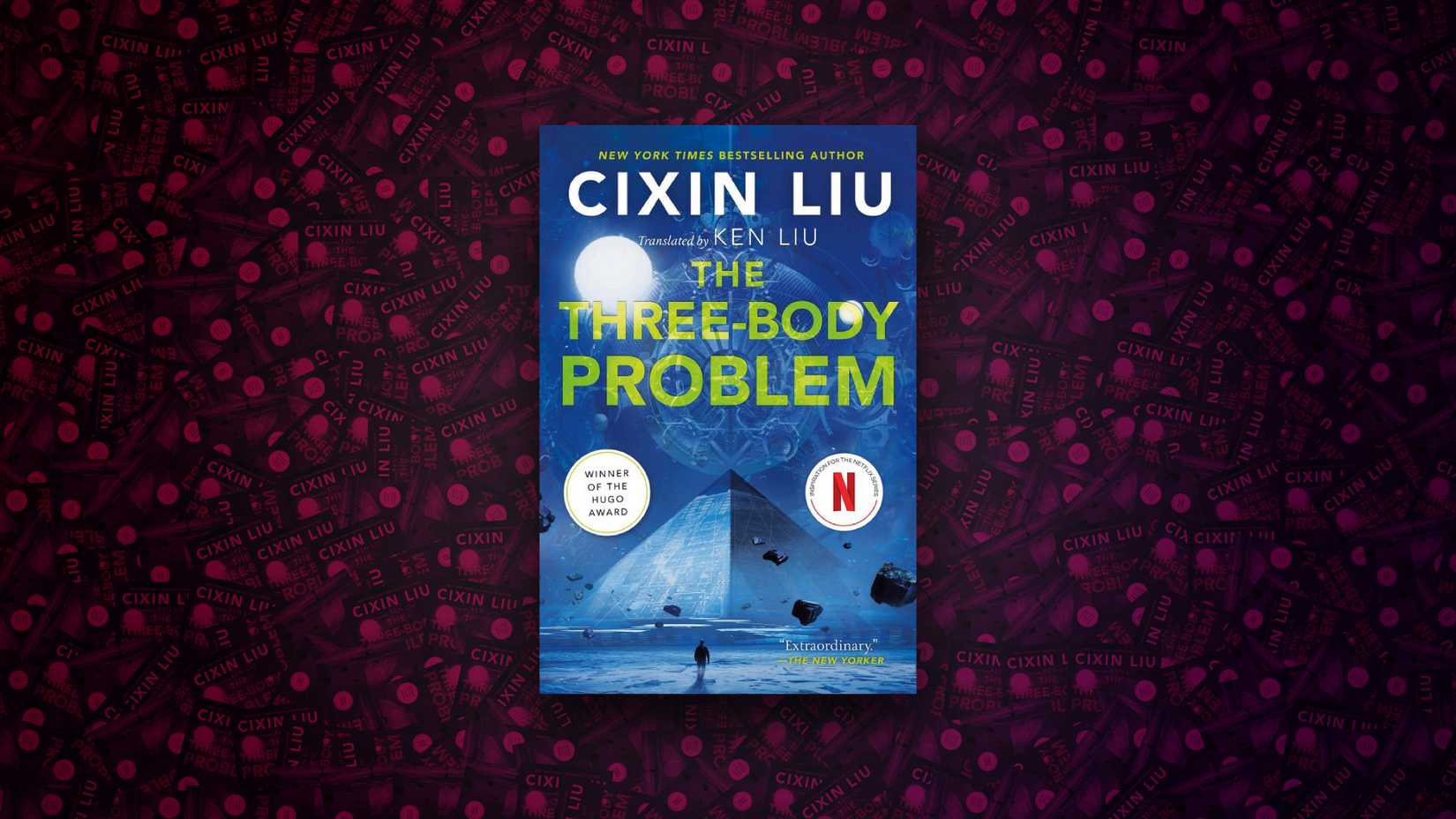
Liu Cixin’s The Three-Body Problem is the first book in the Remembrance of Earth’s Past trilogy. Its nonlinear narrative establishes Earth’s fate in relation to an alien civilization known as the Trisolarans.
The novel opens with the death of an astrophysicist, witnessed by his daughter Ye Wenjie. Her disillusionment with the people who failed her father sets the story in motion. She makes a choice that effectively allows the Trisolarans to invade Earth.
The world-building draws on real science, including string theory and astrophysics, alongside fantastical speculation. The result combines historical drama, scientific puzzle and detective story. It also asks whether humanity is worth saving in a hostile cosmos. Events stretch from the 1960s into the distant future, giving the first-contact story an unusual scale.
2. Solaris (1961) by Stanisław Lem
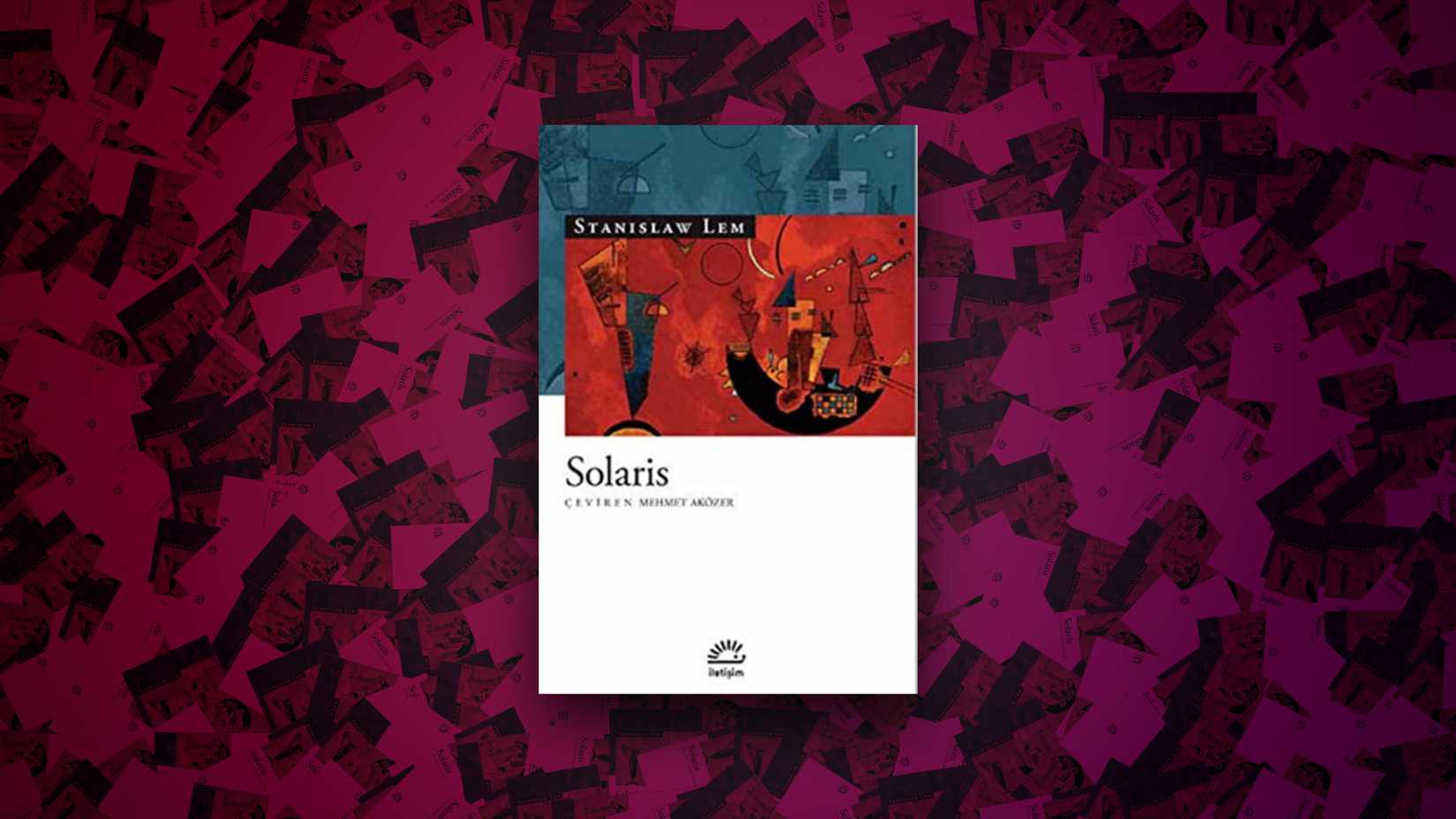
Can an ocean on an alien planet reflect human desires, and could people bear what they saw? Stanisław Lem explores those questions in Solaris, later adapted by Andrei Tarkovsky into a Soviet film of the same name.
The novel follows scientists at a research facility near Solaris, a planet covered by an apparently sentient ocean. Humans have studied the ocean for decades, but the scientists’ lives change after a crew aboard Solaris Station exposes it to an unauthorized beam of X-rays.
Lem wrote Solaris during the Cold War, challenging assumptions about human exceptionalism at a time when space exploration was bound up with geopolitical competition. The ocean resists human efforts to understand and communicate with it. Scientific data offers little comfort as the researchers confront grief and their own pasts.
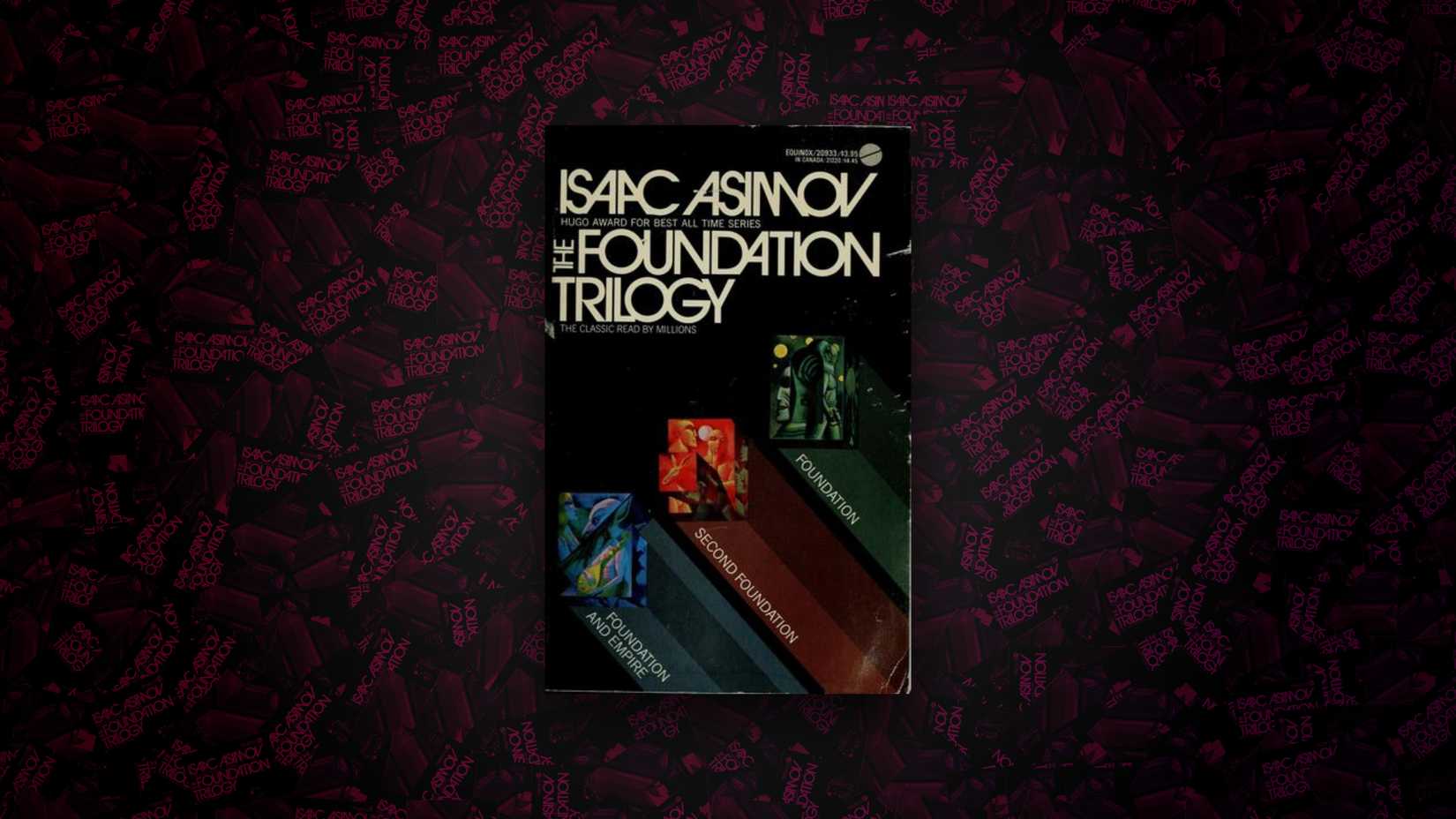
3. Foundation (1951–1993) by Isaac Asimov
Isaac Asimov’s award-winning Foundation novels follow a civilization over thousands of years. Near the end of the Galactic Empire, mathematician Hari Seldon develops psychohistory, a means of predicting the future.
Seldon foresees the empire’s fall and a long dark age before the emergence of a Second Empire. Unable to stop the collapse, he sets a sweeping plan in motion to shorten the interval between the two empires.
Centuries pass between major periods in the series, bringing a succession of characters into the story. Asimov places less emphasis on individual character depth than on Seldon’s plan and its consequences. The books also examine human behavior and the social and historical forces that shape people’s choices.
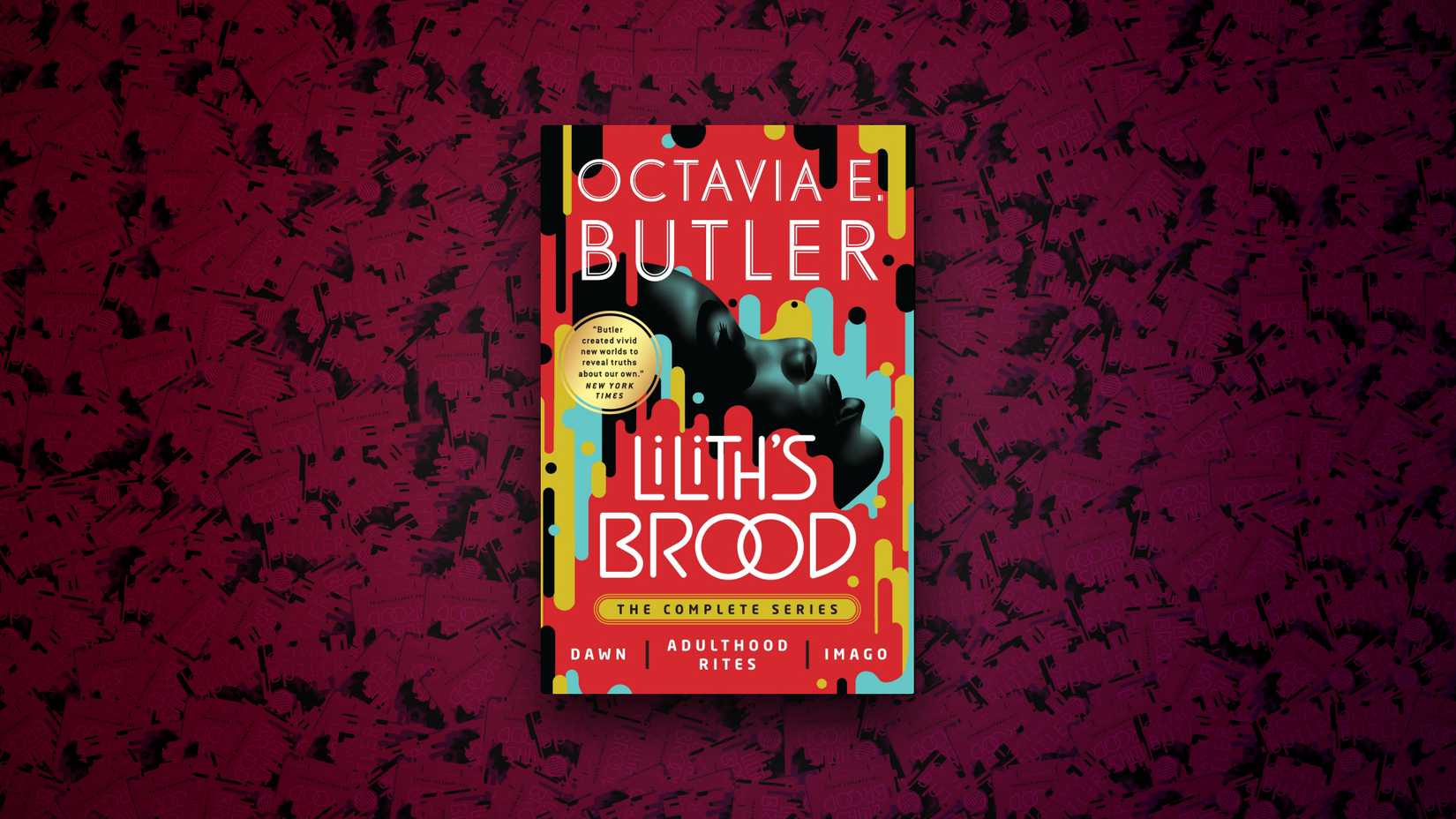
4. Lilith’s Brood (1987–1989) by Octavia E. Butler
Octavia E. Butler’s Lilith’s Brood trilogy explores survival and human morality. It opens with a woman named Lilith in what seems to be a prison cell. She has faint memories of a nuclear war and a tragedy that killed her family.
When extraterrestrials appear, Lilith learns that humanity is close to extinction. The aliens, called the Oankali, have selected a few survivors for a purpose they have yet to reveal.
The Oankali save the remaining humans from an apocalypse of humanity’s own making, but survival comes with a condition. Humans must genetically merge with the Oankali, losing distinctively human physical traits and behaviors in the process. Butler uses that bargain to examine colonialism and forced assimilation.
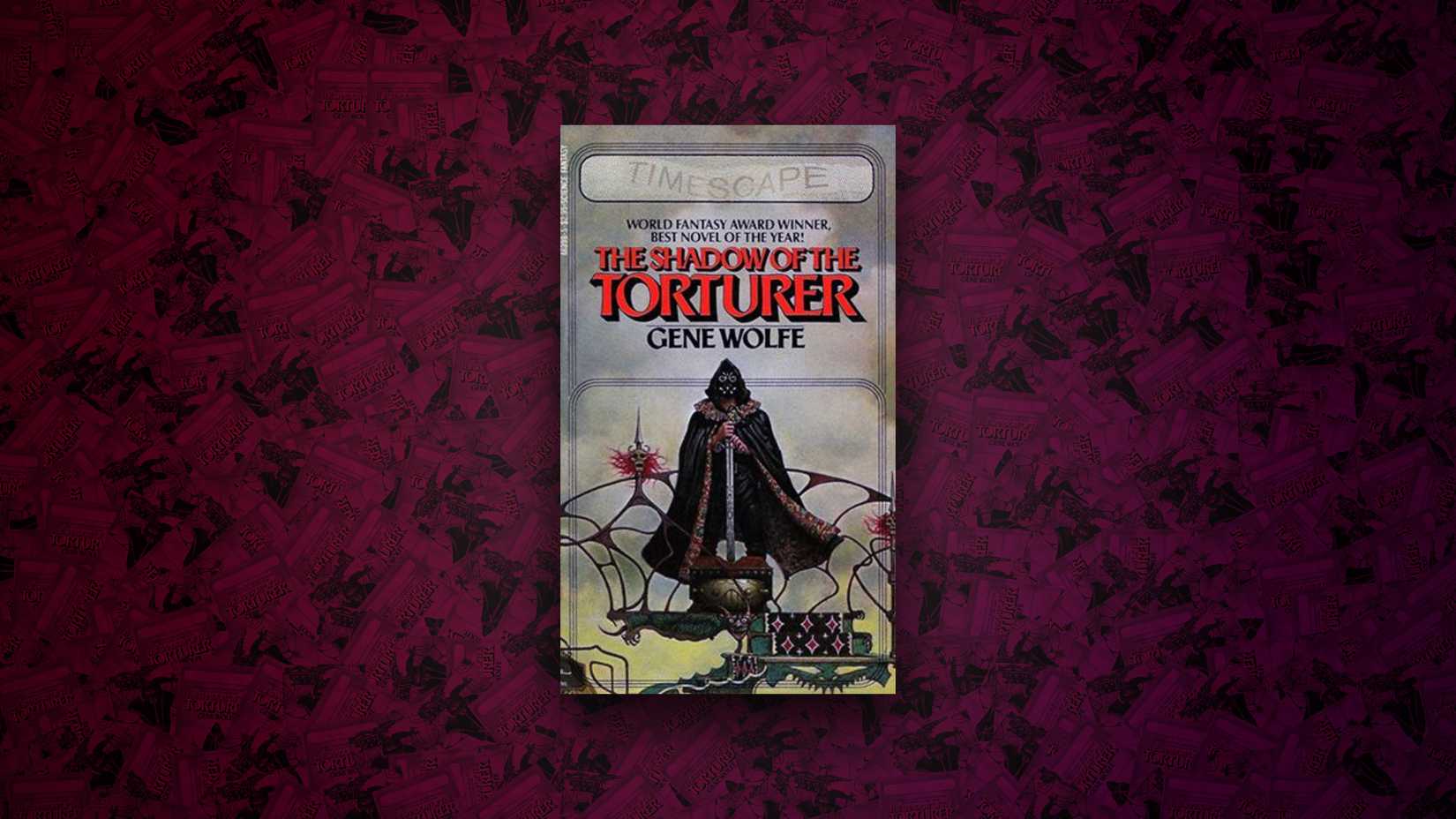
5. The Shadow of the Torturer (1980) by Gene Wolfe

Gene Wolfe’s The Shadow of the Torturer follows Severian, a guild apprentice expelled after he breaks an oath. Written as a first-person retrospective memoir, the novel gives readers an unreliable narrator whose claims do not always match the apparent truth.
Severian’s account can be manipulative, and readers must use context to judge the distance between what he says and what may have happened. Wolfe also uses archaic and obsolete words to describe the world, making its surroundings another puzzle to decode.
Even a visit to a botanical greenhouse carries symbolic depth that can be read through religious and philosophical lenses. The novel’s layers reward more than one reading.
Source: Polygon
Related articles
 Sega Pleased With Interest in Stranger Than Heaven and Persona 4 Revival, With One Game at 2 Million Wishlists
 Super Smash Bros. Creator Explains Why Developers Should Take a Closer Look at AI
 MagicX Shows Final Design of Pocket Dream, a Trimui Brick Pro-Style Handheld Console
 Rings of Power Season 3 Review: Series Tries Too Hard to Copy Peter Jackson’s Trilogy
 Cozy Renovation Simulator Hozy Launches Today on PS5 and Xbox Series X|S
 Ragnarok Universe to Return in Turn-Based RPG as Console Project Trailer Debuts
 Path of Exile Developers Promise Long-Term Support for the Original Game
 Hard West 2 Gets PS5 and Xbox Release Date