The 10/10 Sci-Fi Masterpiece Everyone Must Watch Is Finally Streaming for Free

Stories of extraterrestrial visitation have captivated audiences ever since H.G. Wells penned The War of the Worlds in 1898. That seminal sci-fi classic paved the way for a multitude of adaptations, most notably Steven Spielberg’s 2005 reimagining. While Wells established the bedrock of the genre, films such as They Live, Signs, and Attack the Block have offered unique lenses through which we examine humanity’s response to the unknown.
Beyond the typical doom-and-gloom tropes, other directors have flipped the script, presenting first contact as an opportunity for connection rather than conflict. Spielberg’s E.T. the Extra-Terrestrial and Robert Zemeckis’ Contact stand as poignant examples of this more benevolent approach to interstellar interaction.
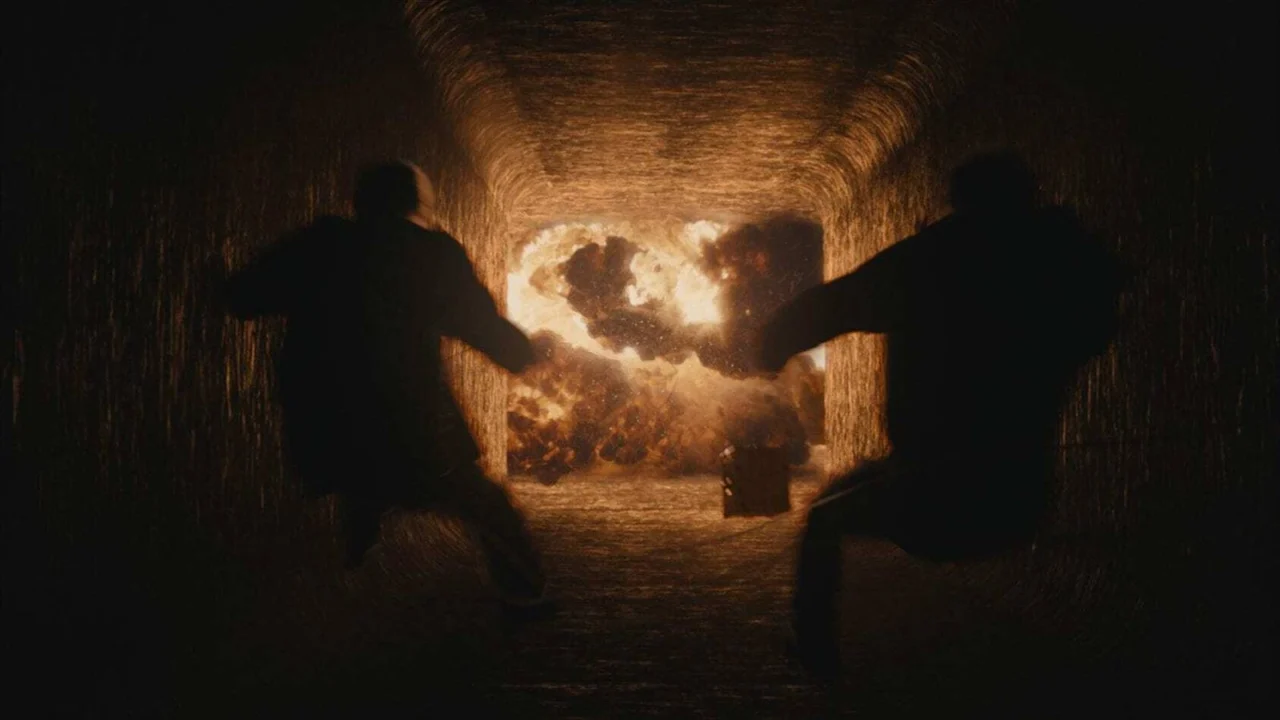
Denis Villeneuve, the visionary behind Dune and Prisoners, explores this territory in his 2016 masterpiece Arrival, which arrived on Pluto TV this June. Rather than relying on the bombastic spectacle common to the genre, Arrival offers a deeply philosophical and emotionally resonant experience. When a dozen monolithic spacecraft manifest at scattered points around the globe, the world descends into hysteria, forcing world leaders to scramble for a unified response.
Instead of escalating into action-oriented chaos, Arrival focuses on the burgeoning dread surrounding the enigmatic “heptapods.” These visitors seem eager to engage, presenting no immediate threat to humanity. Amidst the international confusion, linguist Louise Banks (Amy Adams) and physicist Ian Donnelly (Jeremy Renner) are tasked with decoding the visitors’ intentions from a base hovering over Montana.
What elevates Arrival above standard sci-fi fare is its sophisticated and compassionate perspective. The divide between human and alien can only be bridged through patience and the methodical deciphering of their complex, ink-based language. This endeavor demands more than just intelligence; it requires the cultivation of genuine trust—a challenge tailor-made for Louise, a polyglot whose entire life has been dedicated to untangling the subtleties of human communication.

Image: Paramount Pictures
As Louise and Ian inch toward unlocking the meaning behind the visitors’ arrival, they confront the reality that language fundamentally shapes our perception of existence. Misunderstandings lead to geopolitical tension; when the heptapods offer a term that can be translated as either “weapon” or “tool,” fearful nations prepare for war, viewing the ambiguity as a veiled threat.
Louise remains the voice of reason, suggesting that the nuance has been lost in translation. Her pursuit of the truth highlights the fragility of communication and the patience required to look past our own biases. Her journey is a testament to the power of empathy in the face of the unknown.

Image: Paramount Pictures
Arrival investigates how a compassion-first mindset is the only path forward for a fractured civilization. Trust is delicate, and Louise’s vulnerability serves as a profound leap of faith. Villeneuve peppers the narrative with subtle visual clues that reward a second viewing, turning the final act’s revelations into a heart-wrenching recontextualization of the entire story.
Ultimately, Arrival is about more than a sci-fi twist. It is a profound meditation on grief, fate, and the danger of allowing fear to dictate our future. It serves as a stark reminder that even the most deeply entrenched worldviews can be transformed through the bridge of honest communication.
For those who gravitate toward cerebral, thematically rich science fiction, Arrival is essential viewing. It challenges the viewer to reconsider how we engage with “the other,” urging us to choose understanding over panic.
Arrival is currently streaming on Pluto TV.
Source: Polygon
Related articles
 Cyberpunk: Edgerunners Season 2 and The Apothecary Diaries Top Most Anticipated Fall Anime List
 Marvel Teases Robotic Appearance of Jocasta in New Vision Quest Teaser
 Xbox Head Highlights Minecraft Player Growth 17 Years After Release
 Take-Two Interactive Stock Drops Nearly $6 Billion in a Month Despite GTA 6 Updates
 CD Projekt Red Says Cyberpunk 2 Will Use a Different Approach After Cyberpunk 2077 Launch Issues
 Modder Creates Nintendo Switch Emulator for PlayStation 5 Amid Nintendo Lawsuit
 Kyle Chandler Stars in Netflix Action Thriller The Rip
 Ranking the 10 Best Fights in Jujutsu Kaisen History